

 English


























































































































































































Bowen: Trump Needs This War to End but Iran Is Not Backing Down
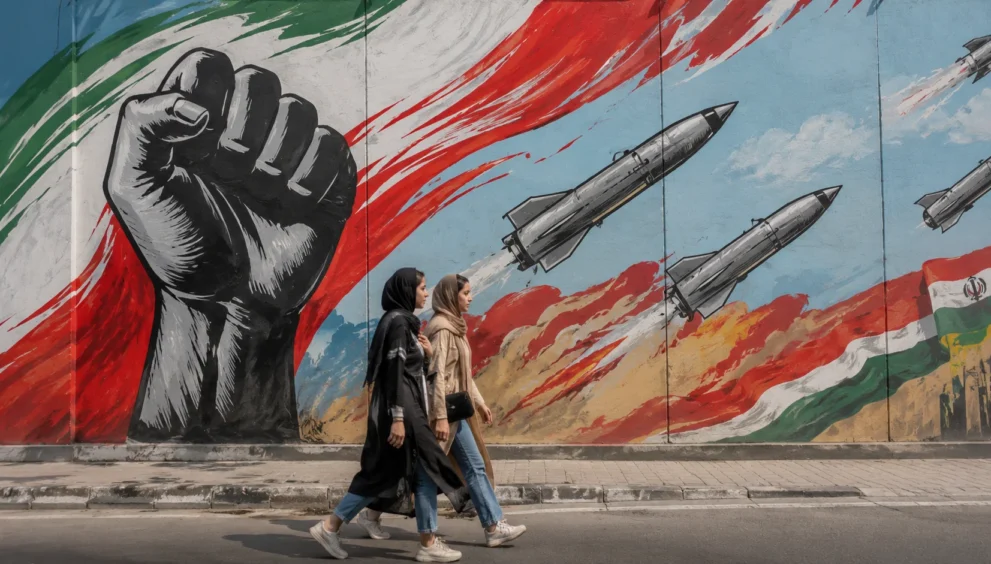
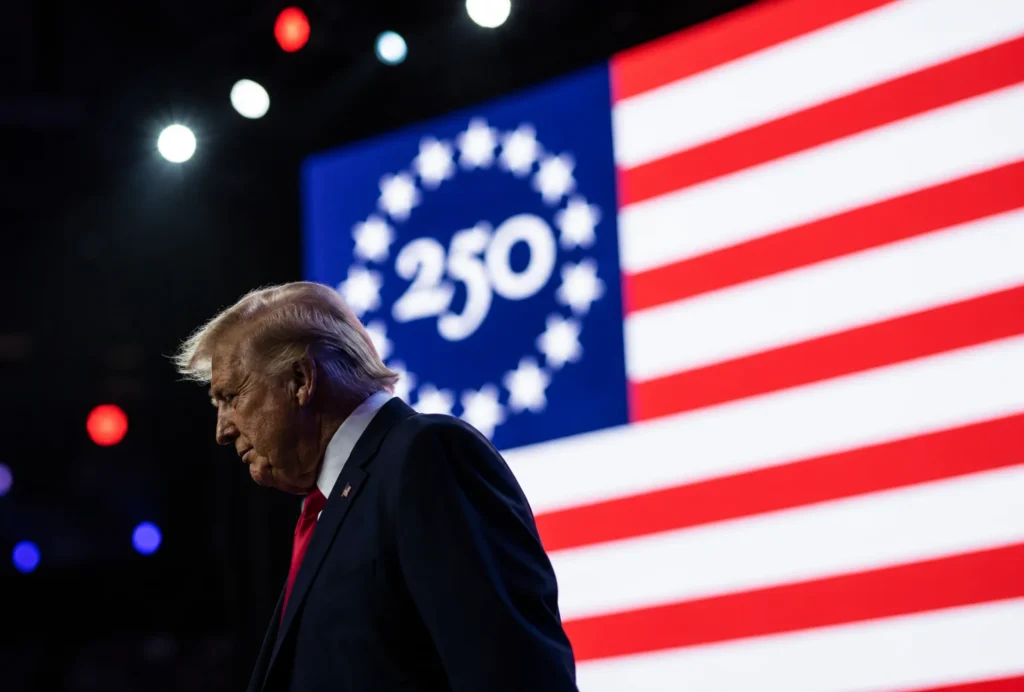
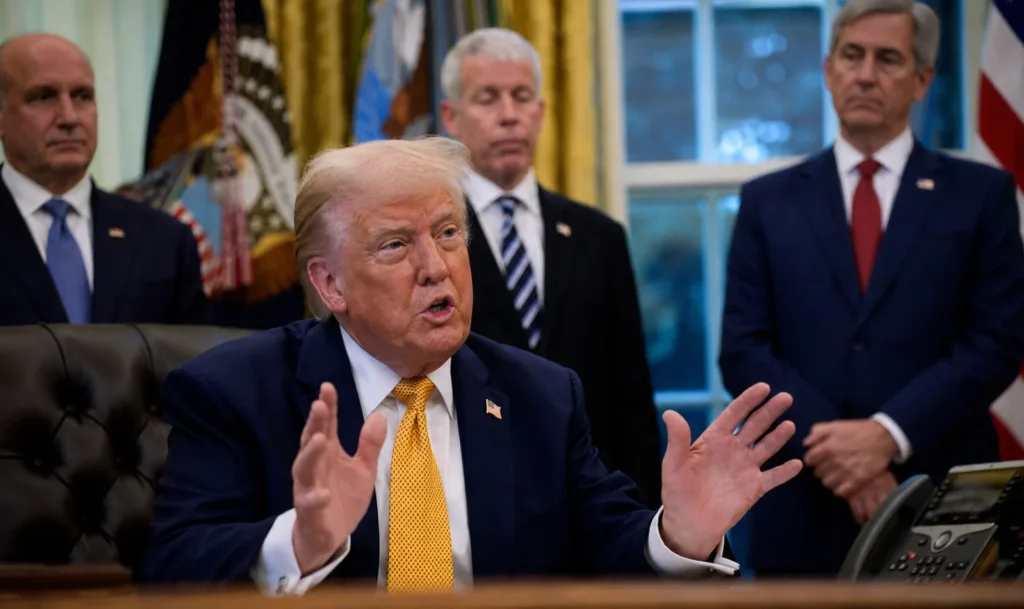
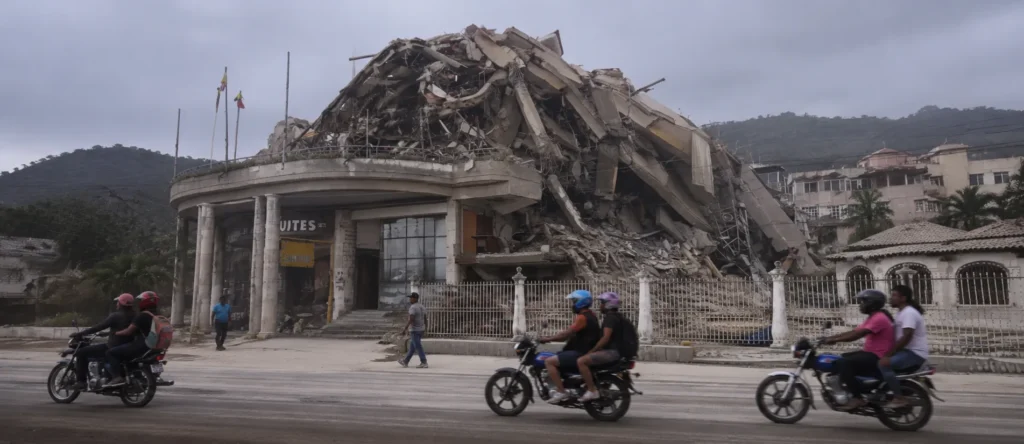
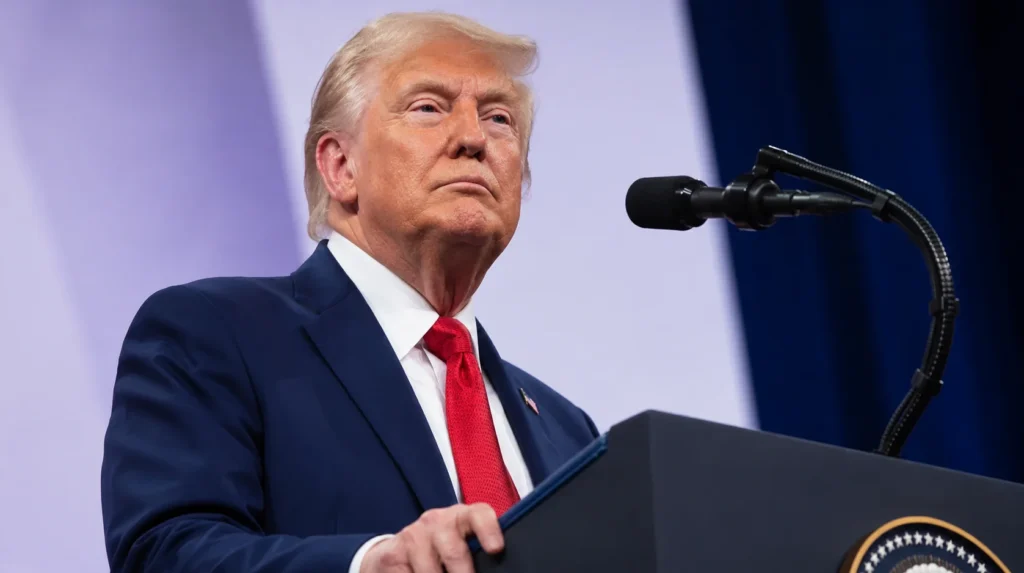
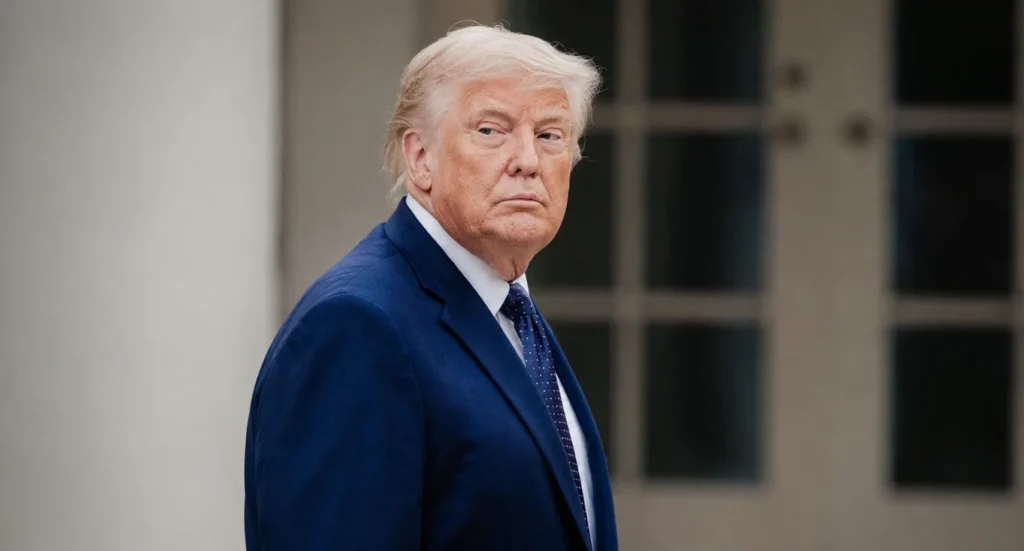
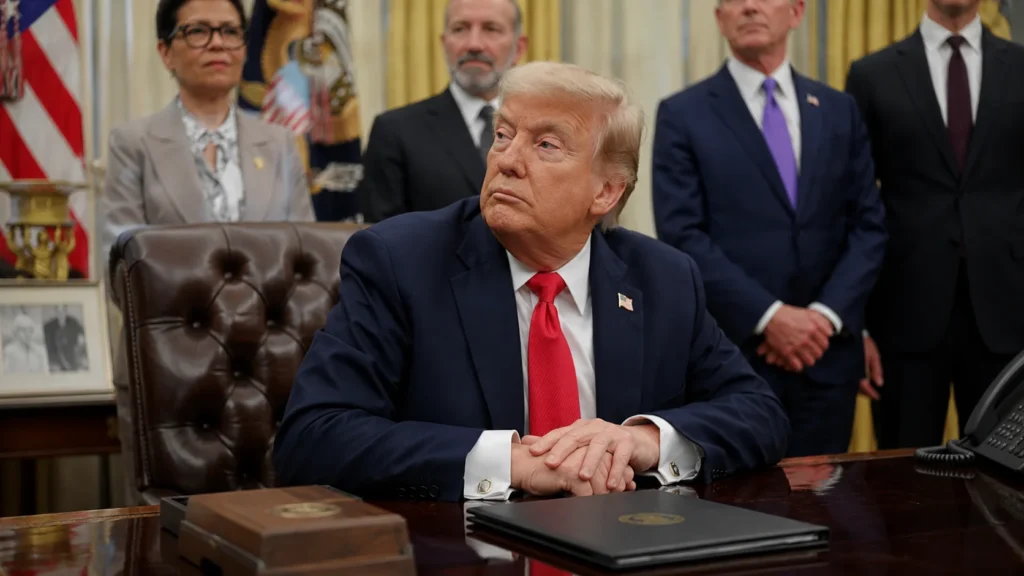
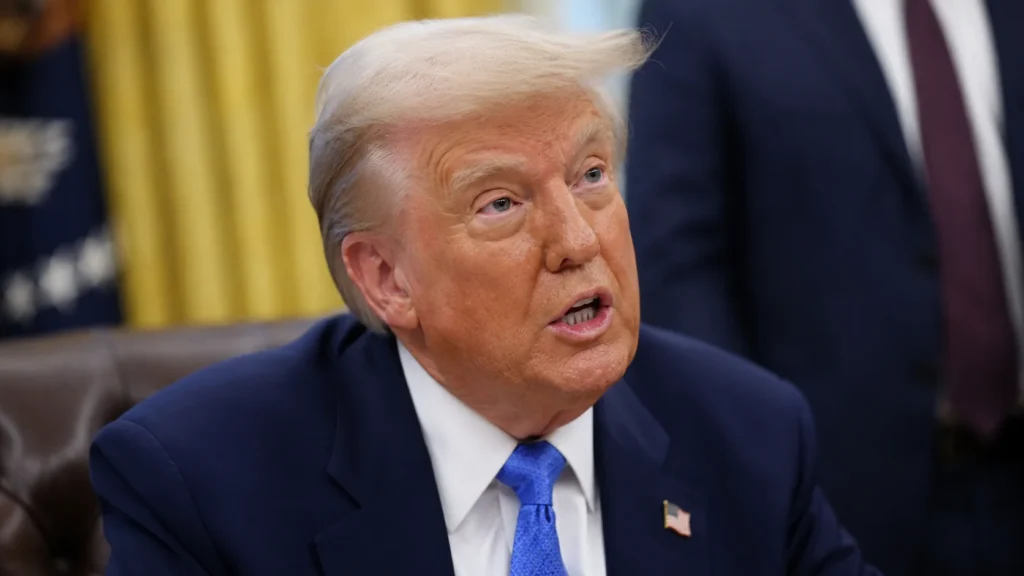
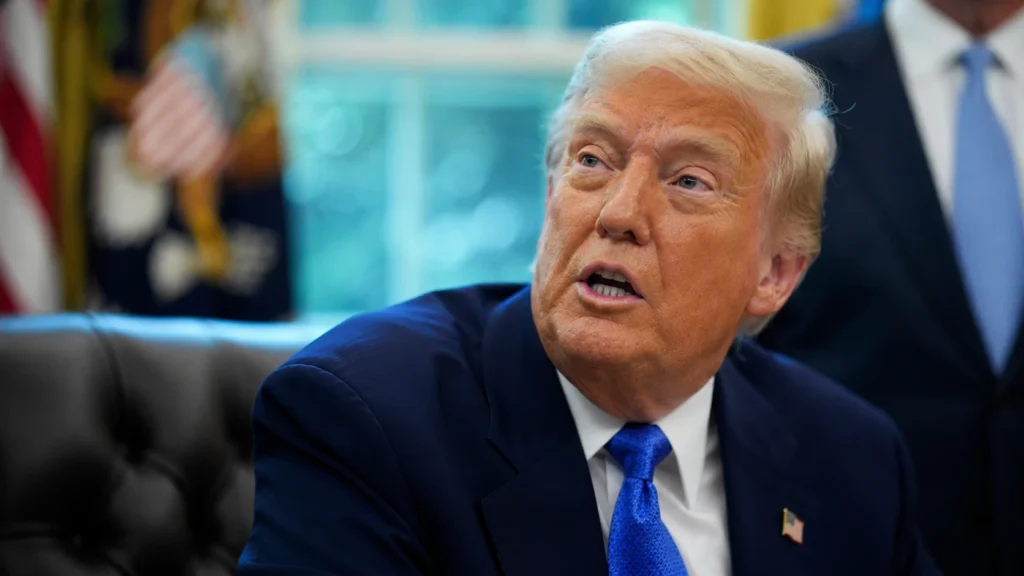
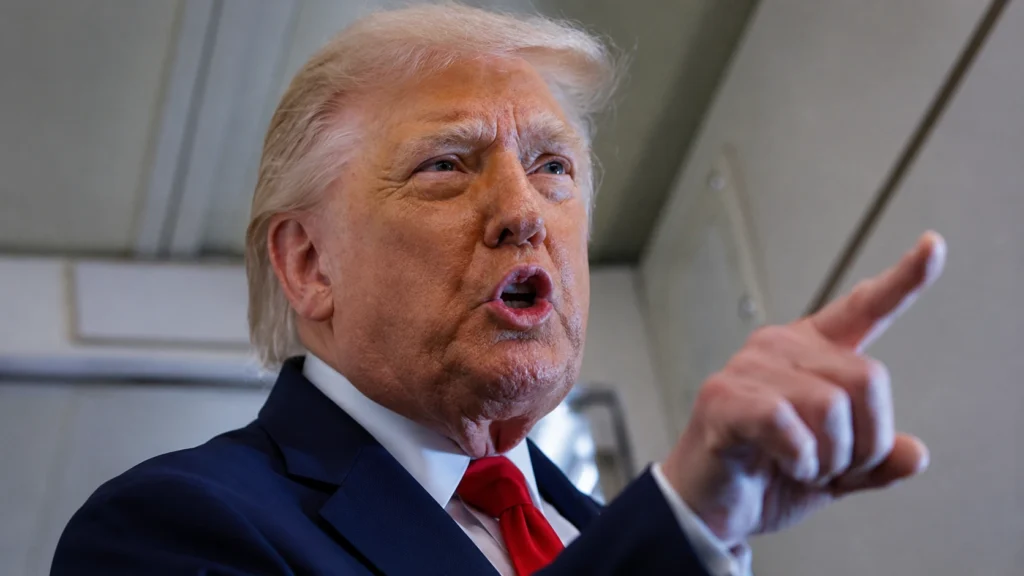
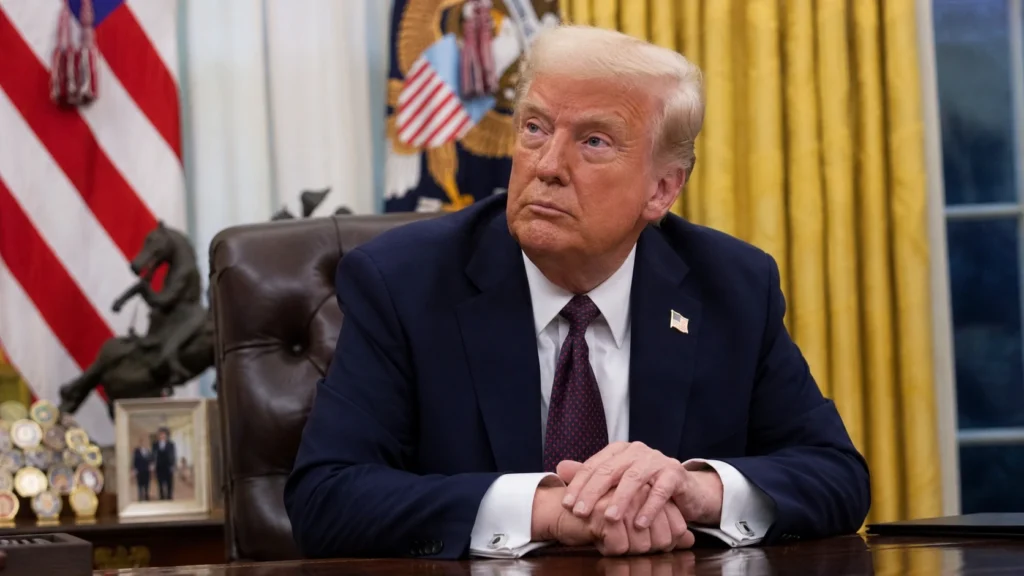
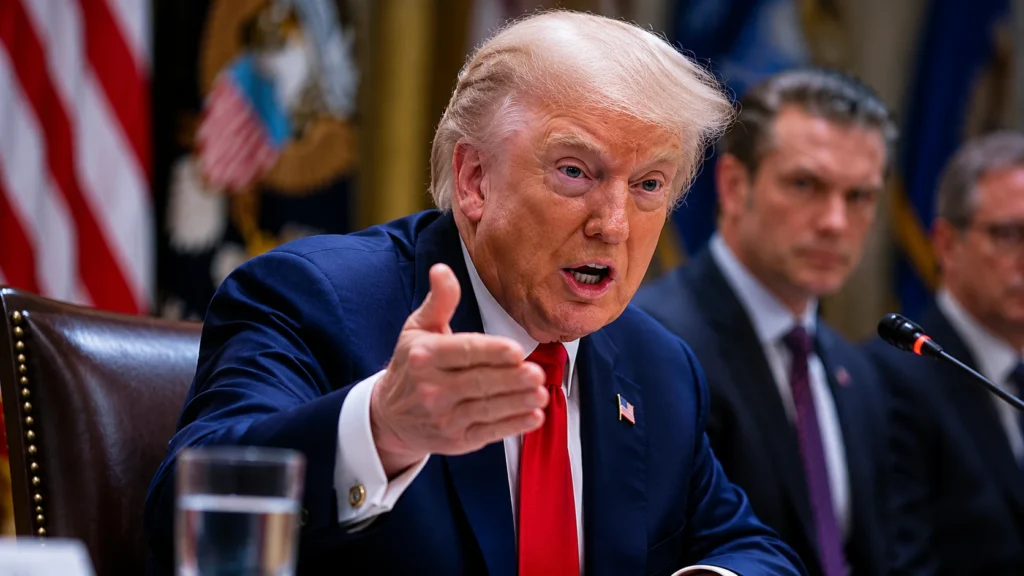
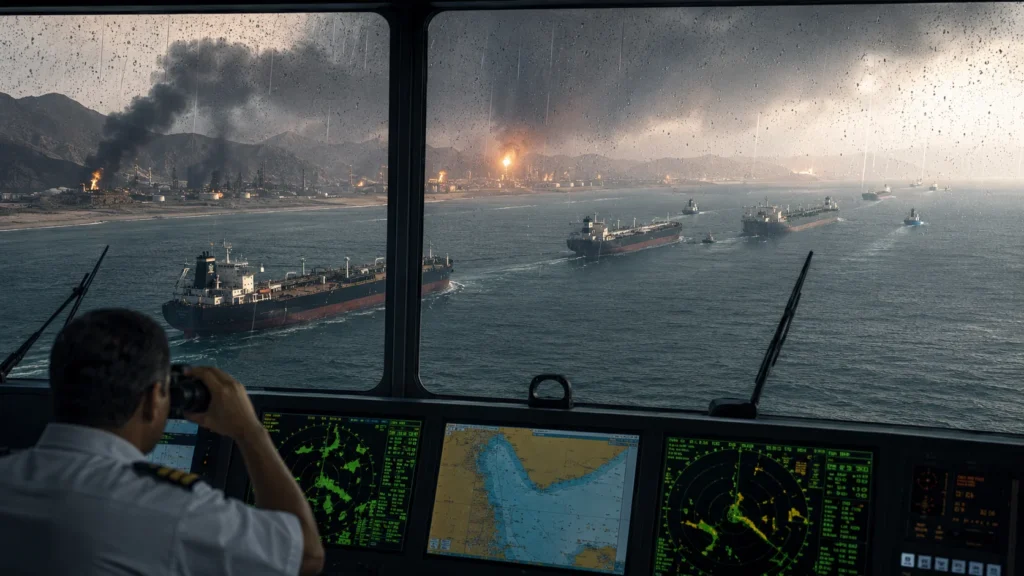
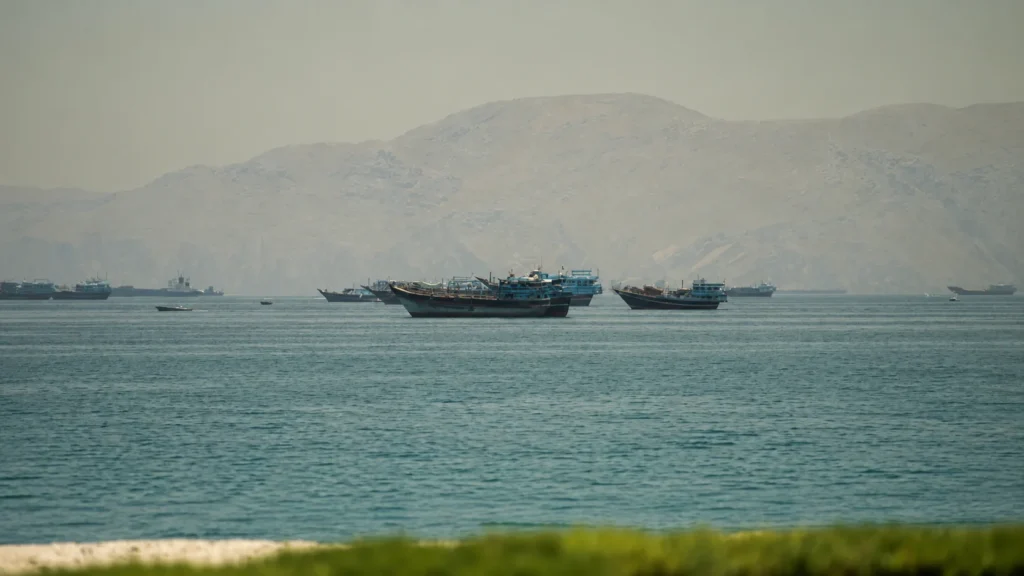
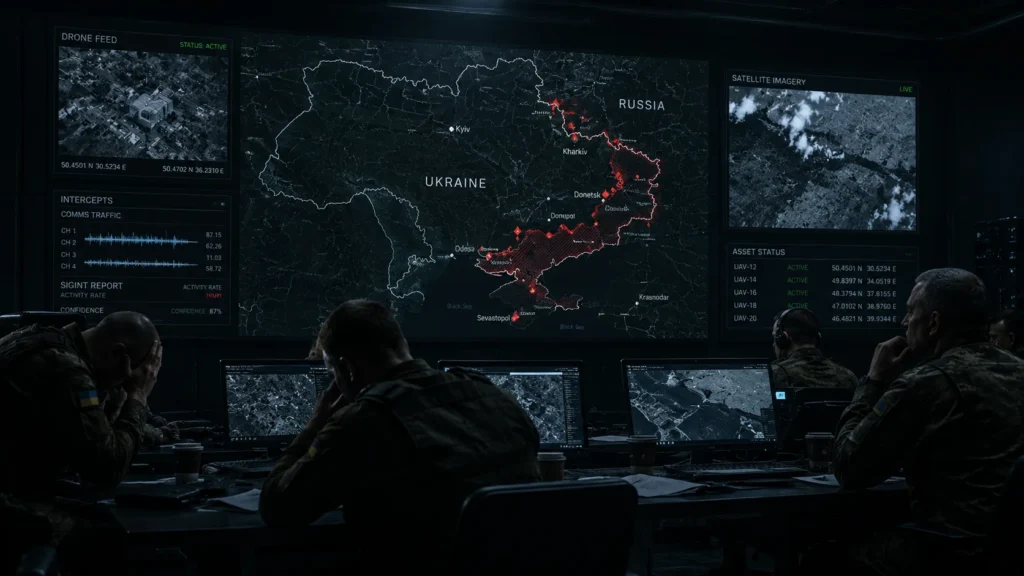
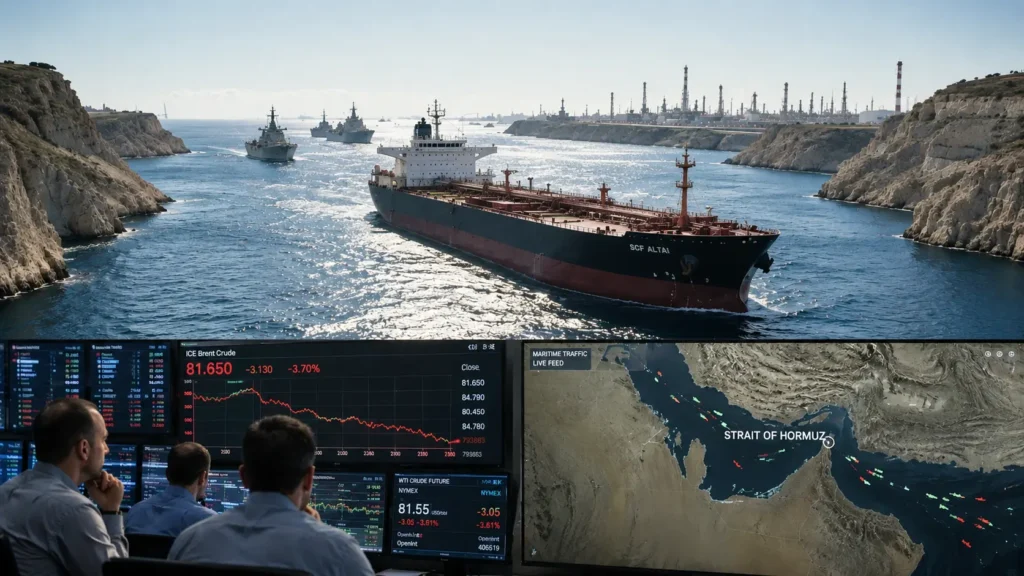
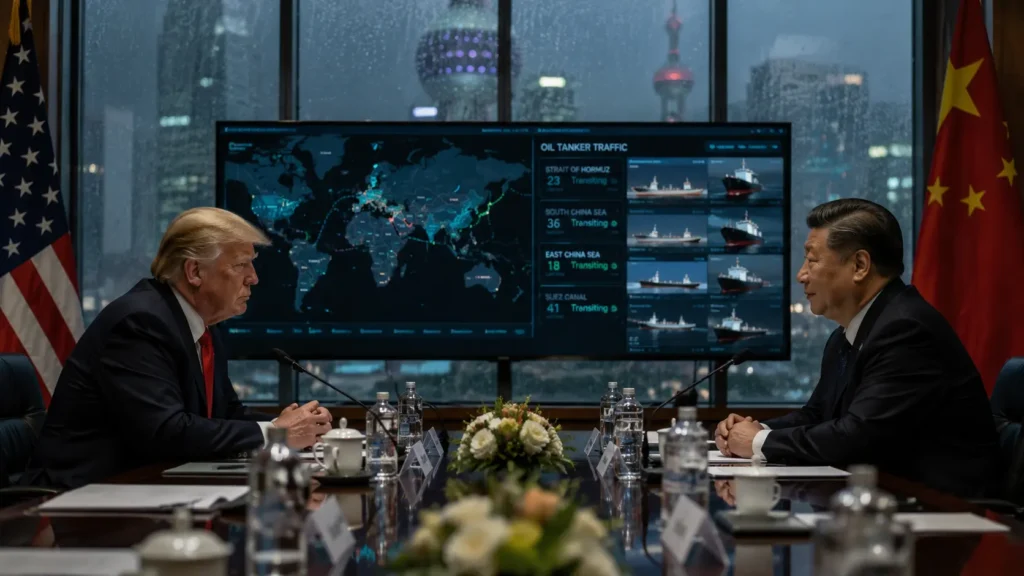
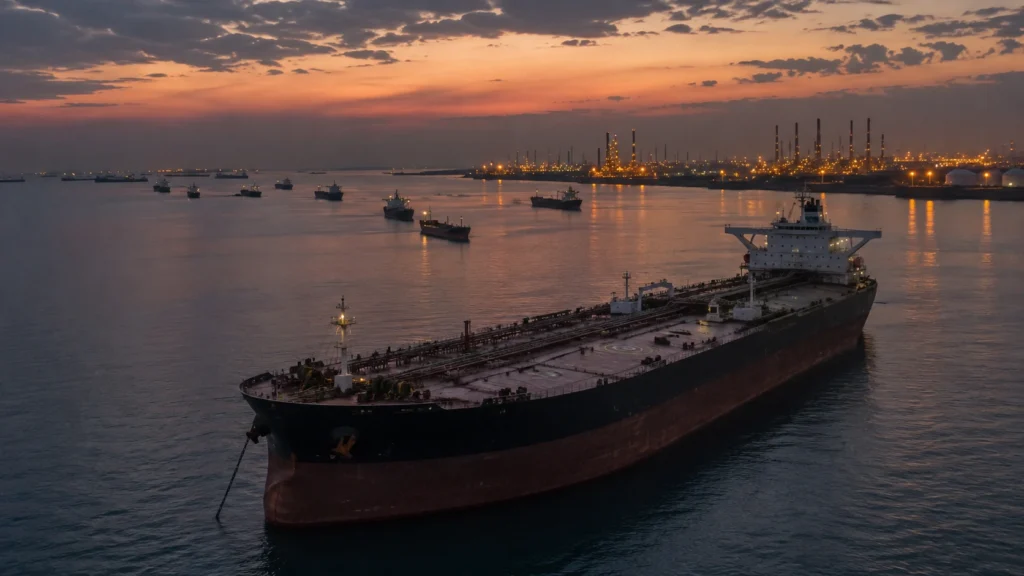
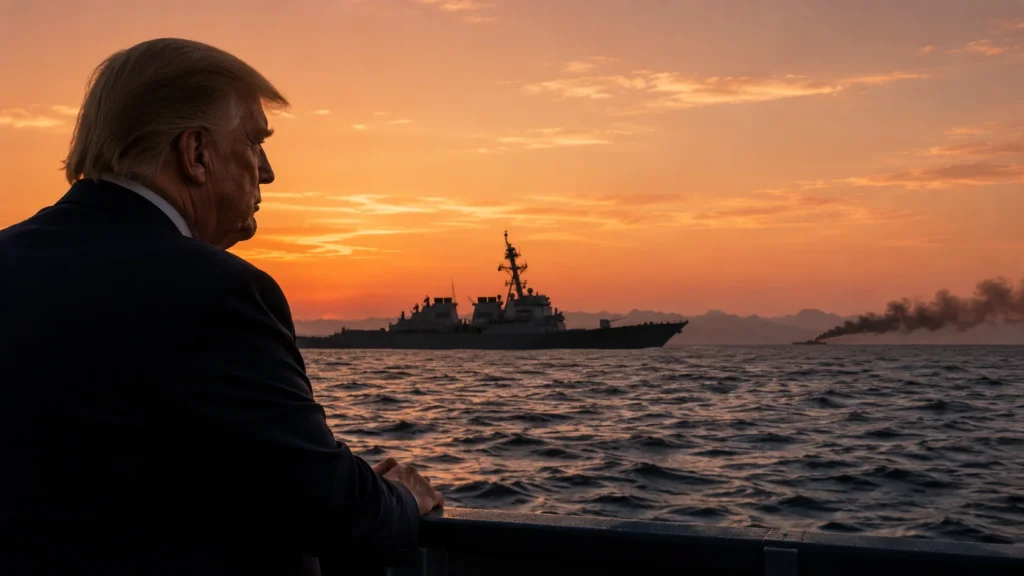
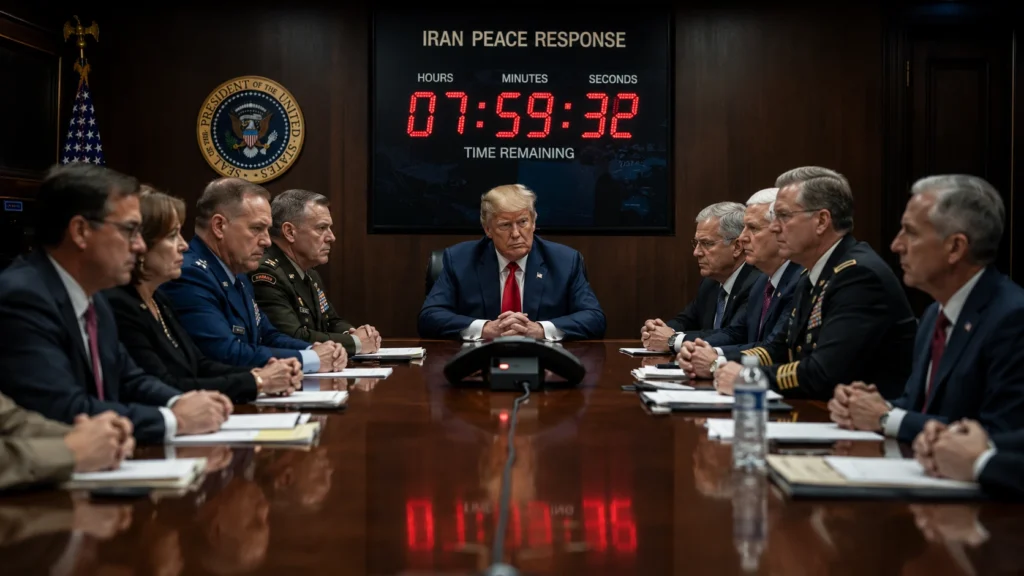
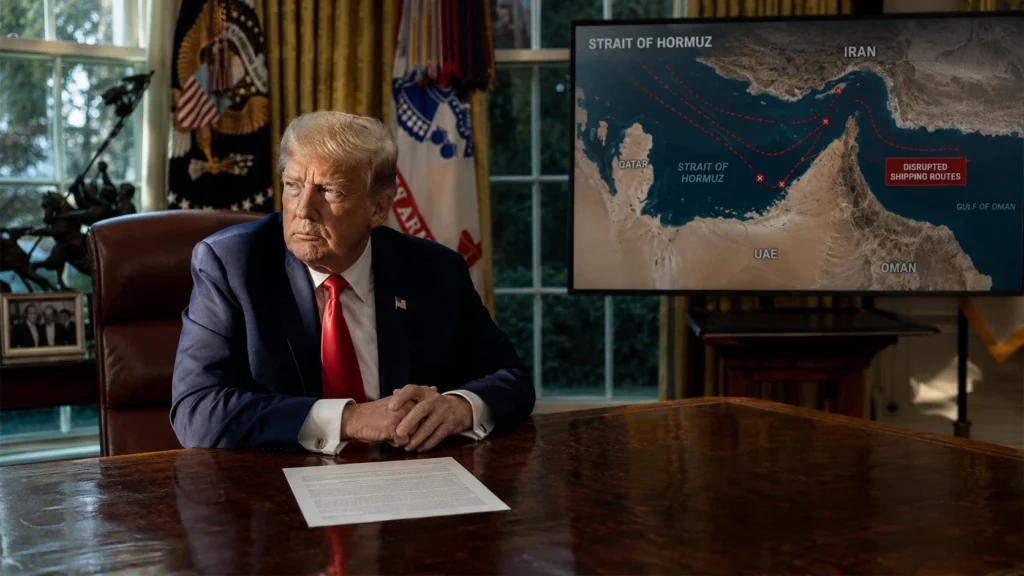
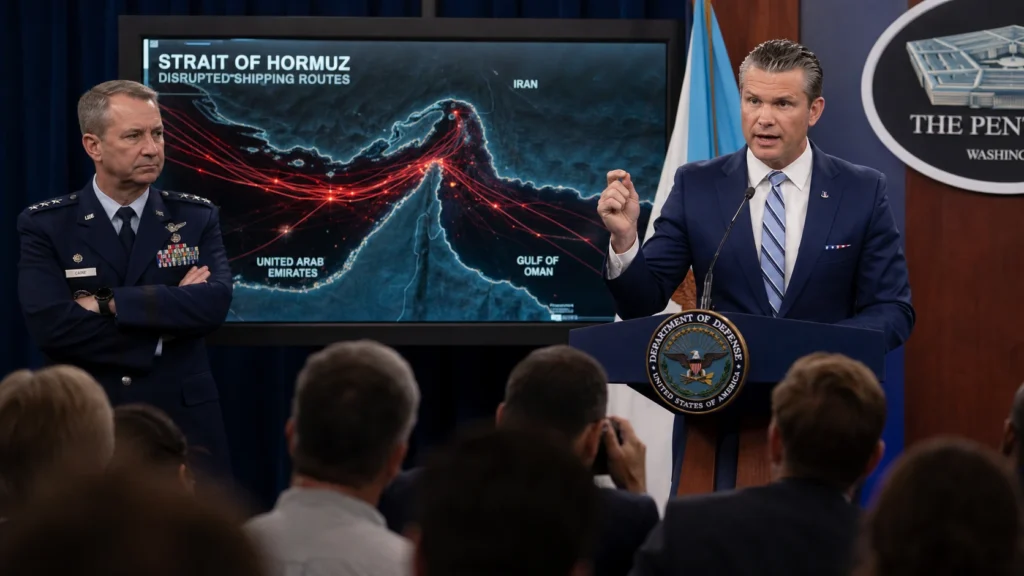
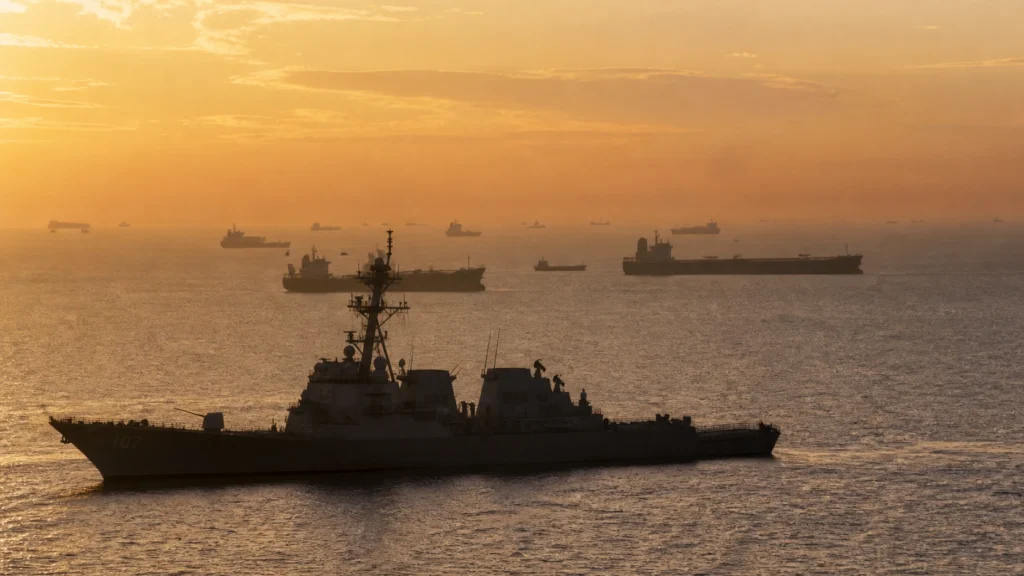
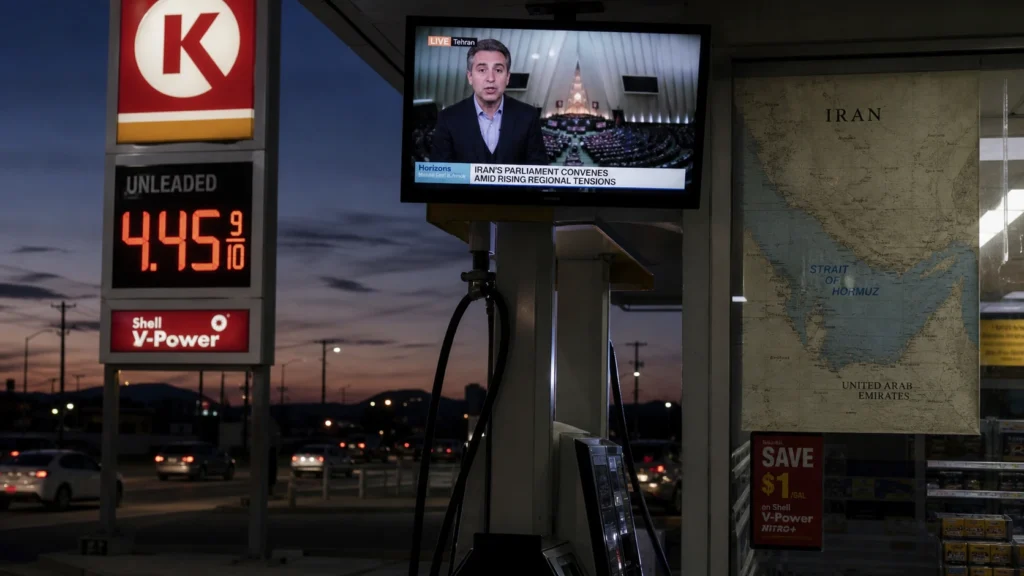
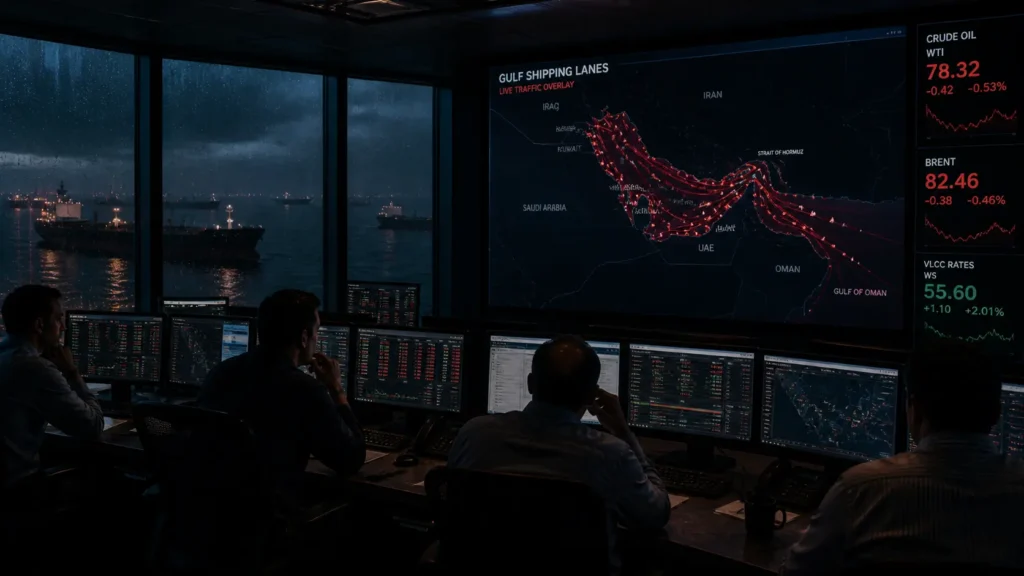
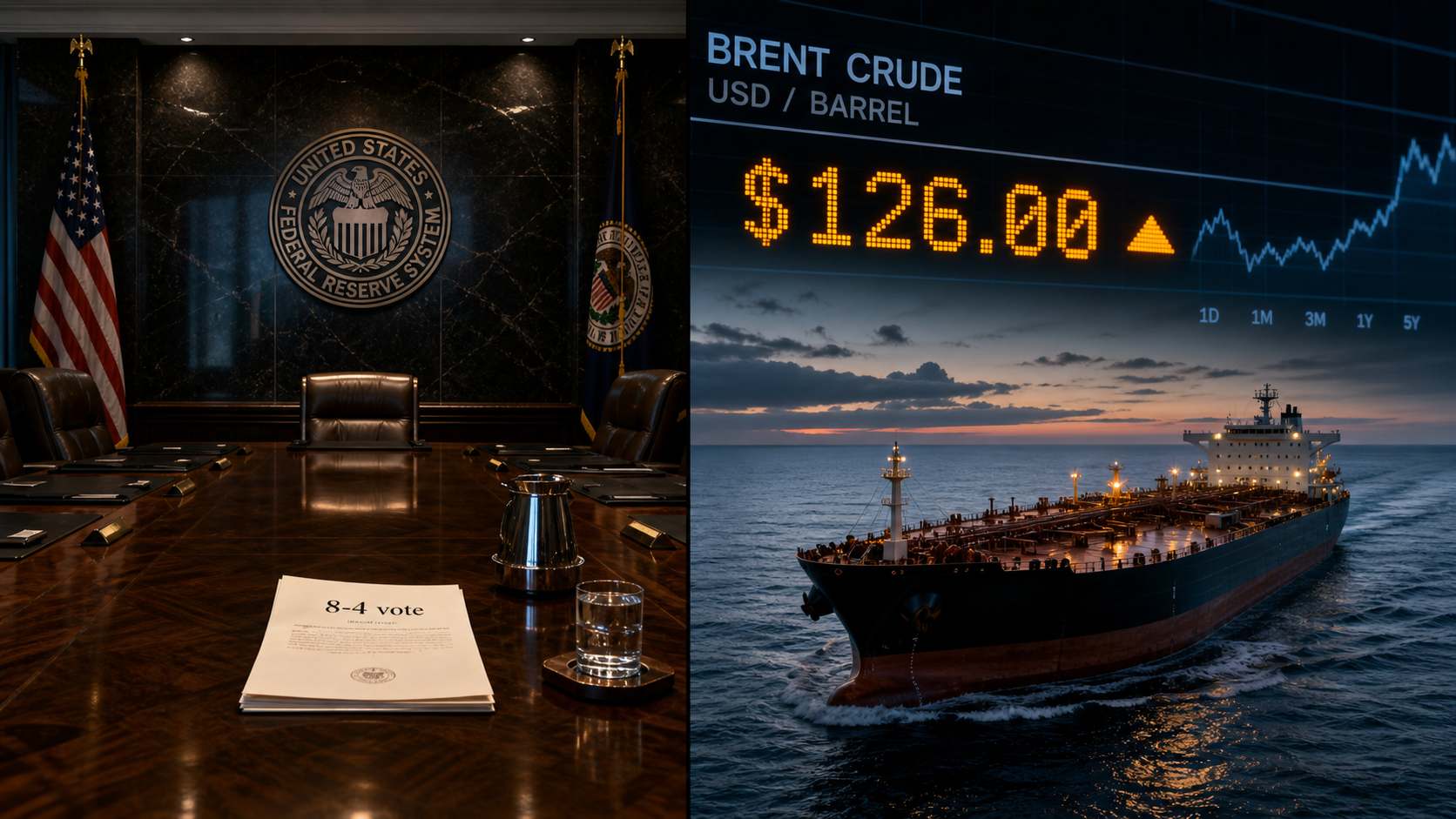
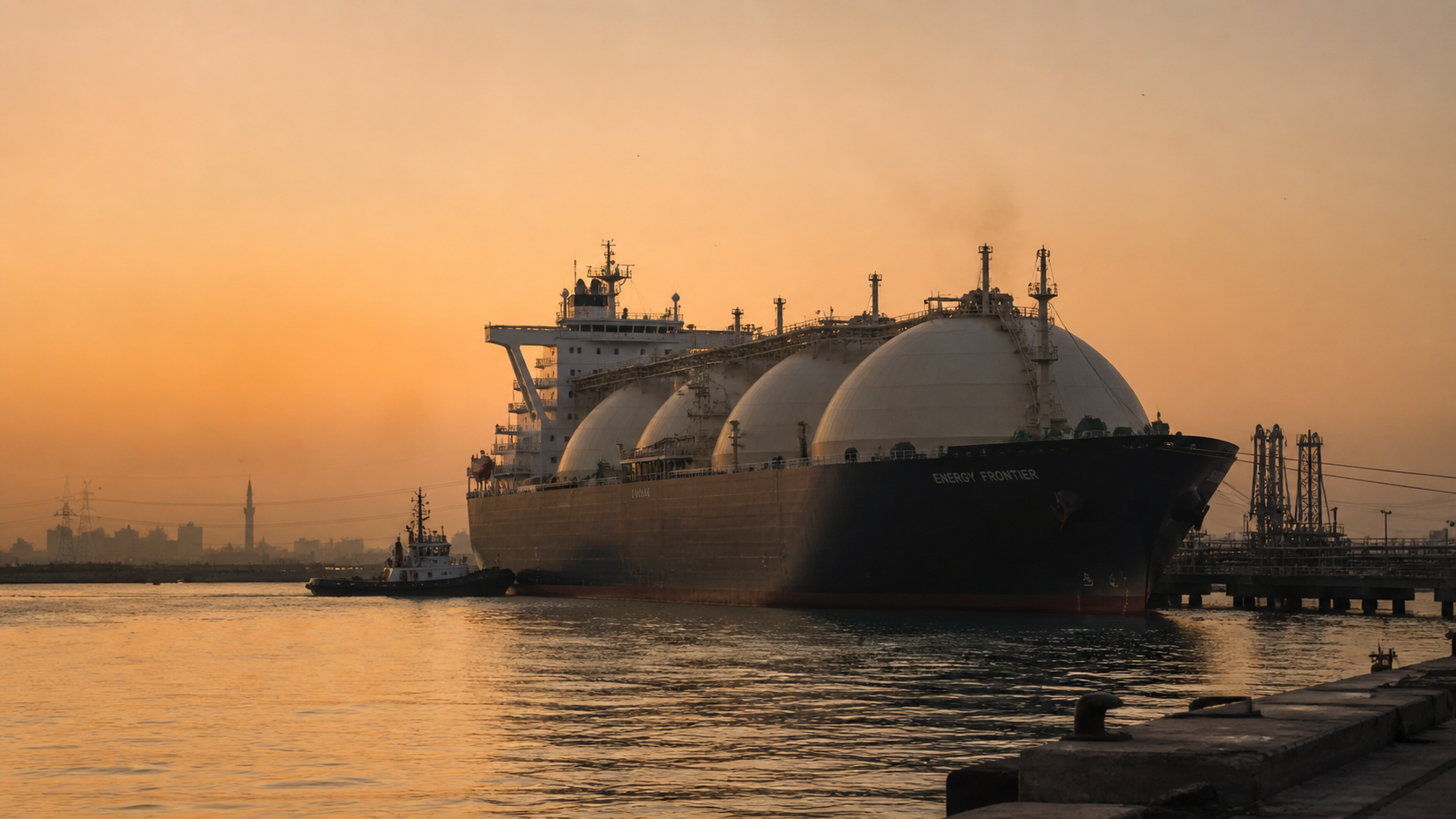
Trump needs this war to end but Iran is not backing down, and the structural bind that has defined the conflict since the US and Israel launched airstrikes on 28 February is now tighter than at any point since the 8 April ceasefire. The truce has lasted longer than the active phase of the war that preceded it, five and a half weeks of full-scale combat, followed by nearly eight weeks of a violated but unbroken ceasefire. Both sides have signalled they would prefer not to return to full-scale war. Neither side will make the concessions required to end it. The Strait of Hormuz remains effectively closed, with only a trickle of ships passing through a waterway that normally carries 20% of the world’s oil and gas. The global economy is absorbing the cost. The president’s political vulnerability is indexed to the price at the pump, and the midterms are approaching.
The Miscalculation That Produced the Bind
The bind exists, the BBC’s Jeremy Bowen writes, because Trump and Israeli Prime Minister Benjamin Netanyahu made a catastrophic misjudgment before the war began. They assumed that air power would be enough to remove the Islamic regime in Tehran. They were wrong BBC News analysis by Jeremy Bowen, 1 June 2026.
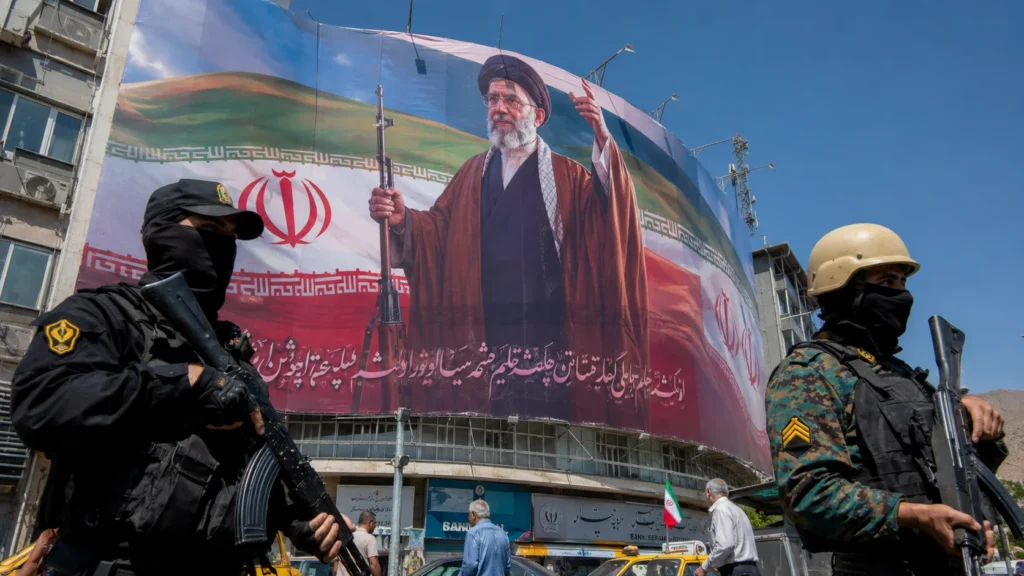
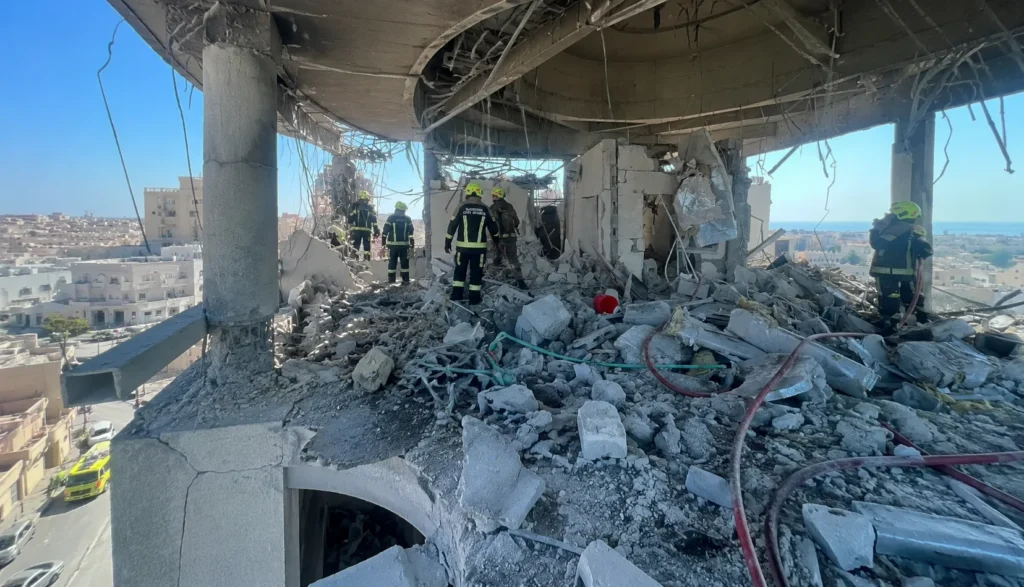
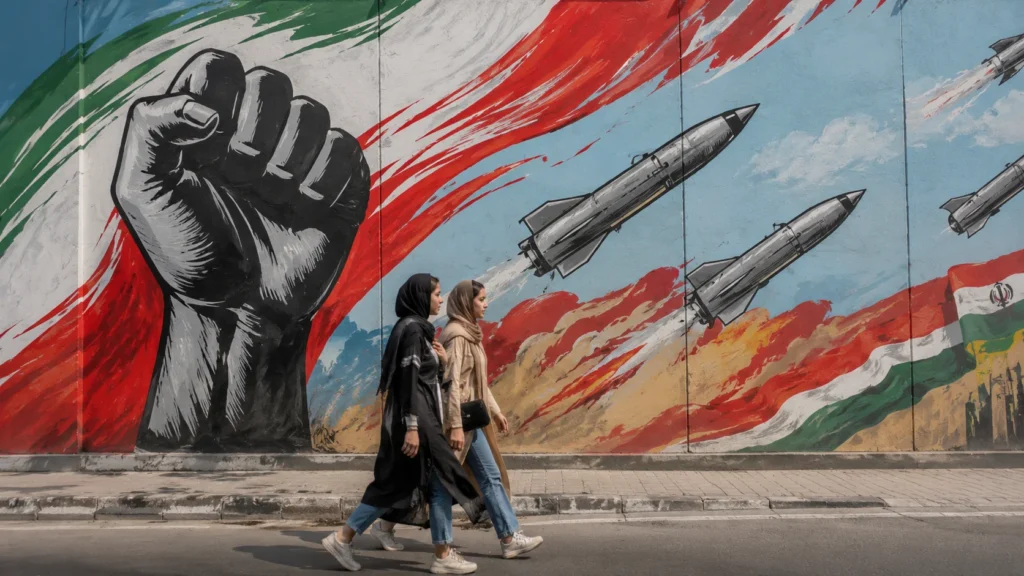
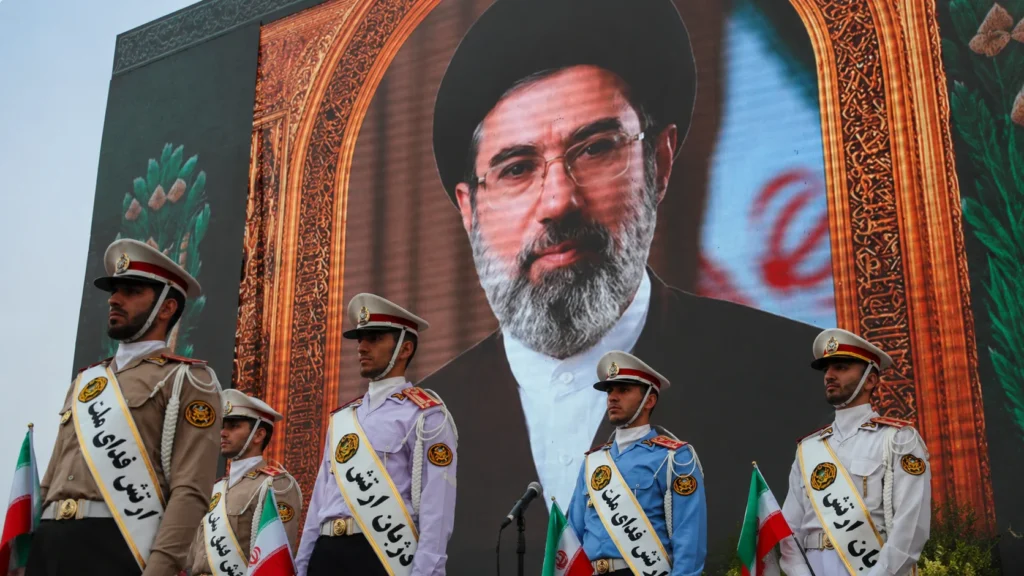
The regime has survived for nearly half a century under sanctions, isolation, and war. It absorbed the strikes. It reorganised. It repaired. It used the ceasefire to reconstitute its forces. The IRGC’s missile attacks on Kuwait twice in the past week demonstrate that its capacity to strike American bases and Gulf infrastructure is undiminished.
The regime’s determination to resist is not a negotiating tactic. It is a structural feature of a revolutionary state whose founding ideology, the IRGC’s constitutional mission, does not permit surrender. The US can degrade Iranian capabilities. It cannot change Iranian intentions. The distinction is the strategic fault line on which the current talks are foundering.
The Iranian regime believes, with justification, that it is fighting for its existence. More US strikes will not change that calculation. The regime’s rulers have watched the American political calendar. They know Trump needs a deal before the midterms. They know the war is unpopular. They know the Strait is the leverage. The party that needs the deal more urgently is the party that will concede more to get it.
Iran’s forever war — deal or no deal, the challenge outlasts Trump
The Strait as Leverage
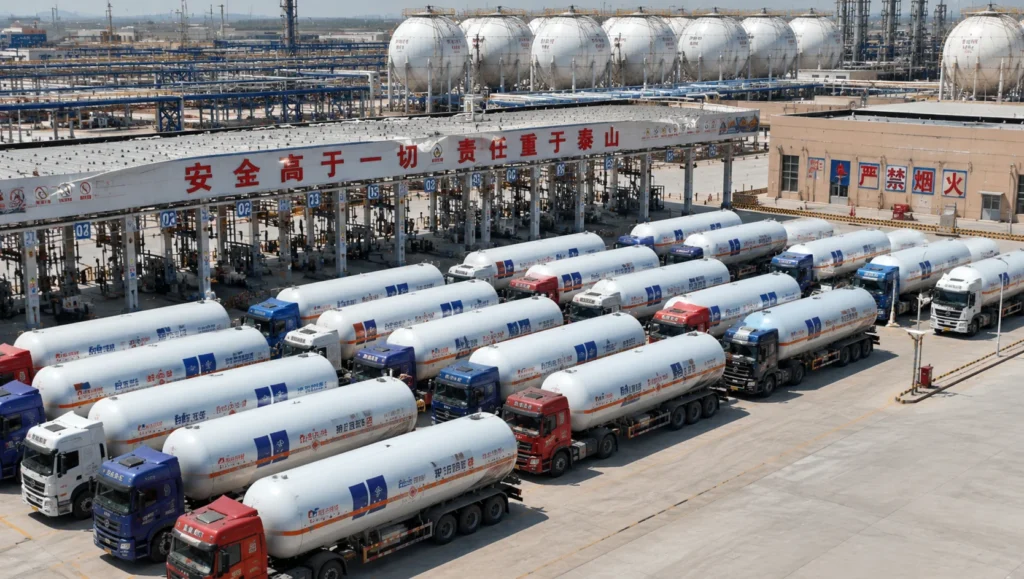
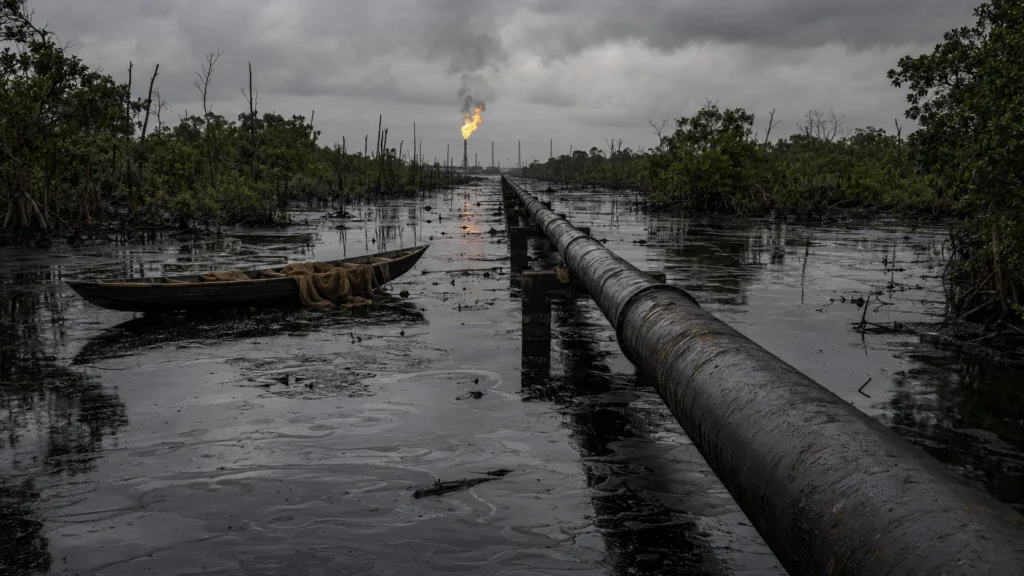
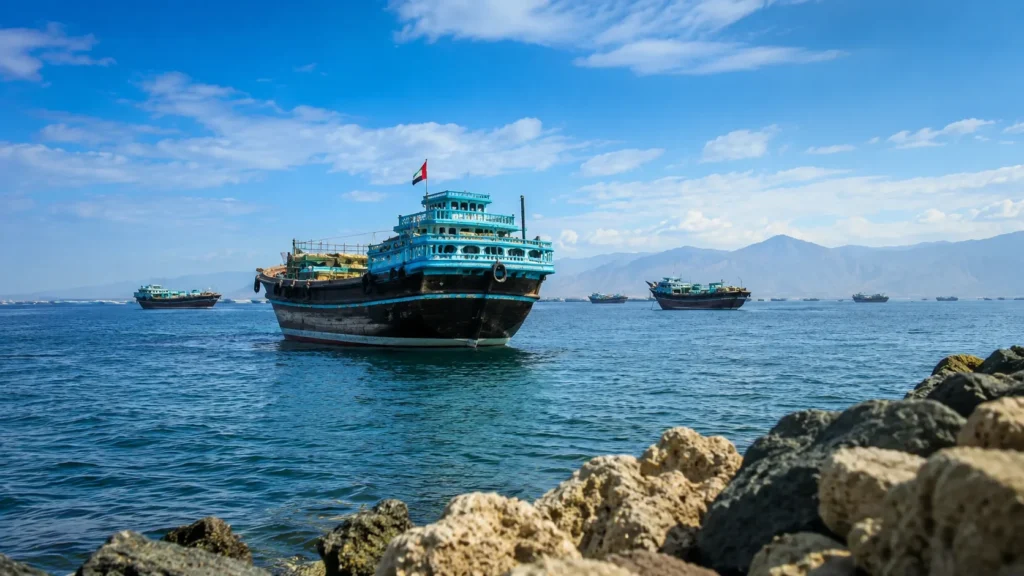
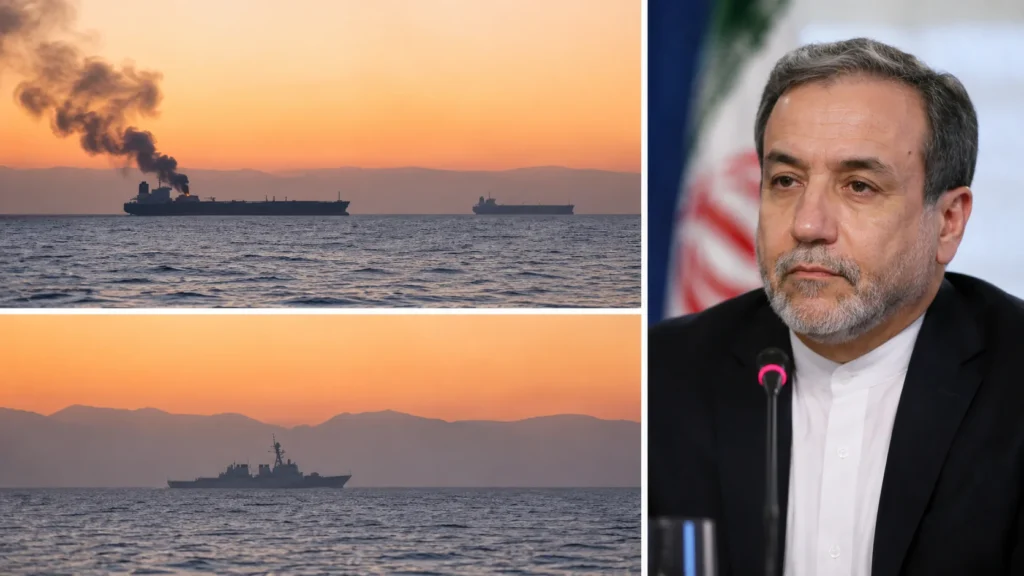
Saudi Arabia has diverted some oil to Red Sea ports. The UAE has a pipeline to terminals on the Gulf of Oman, beyond the Strait of Hormuz. But these are stopgaps, not solutions. The rest of the world has lost around 20% of its usual supply of oil and gas.
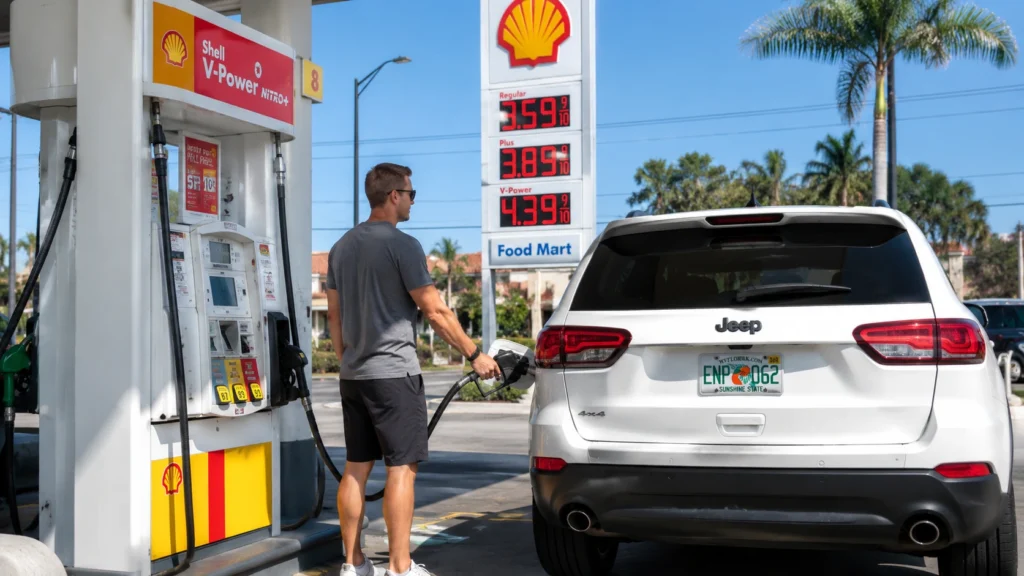
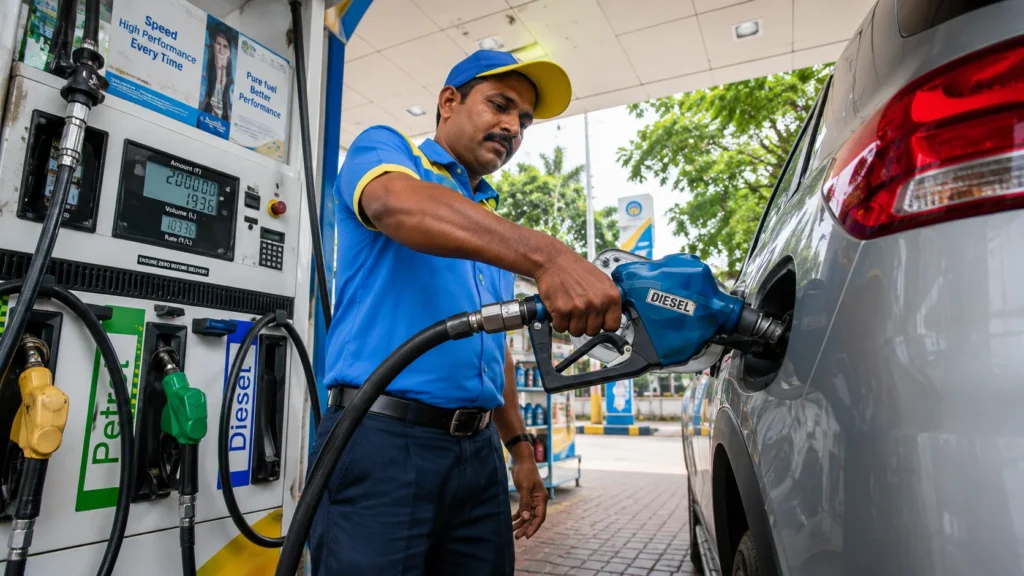
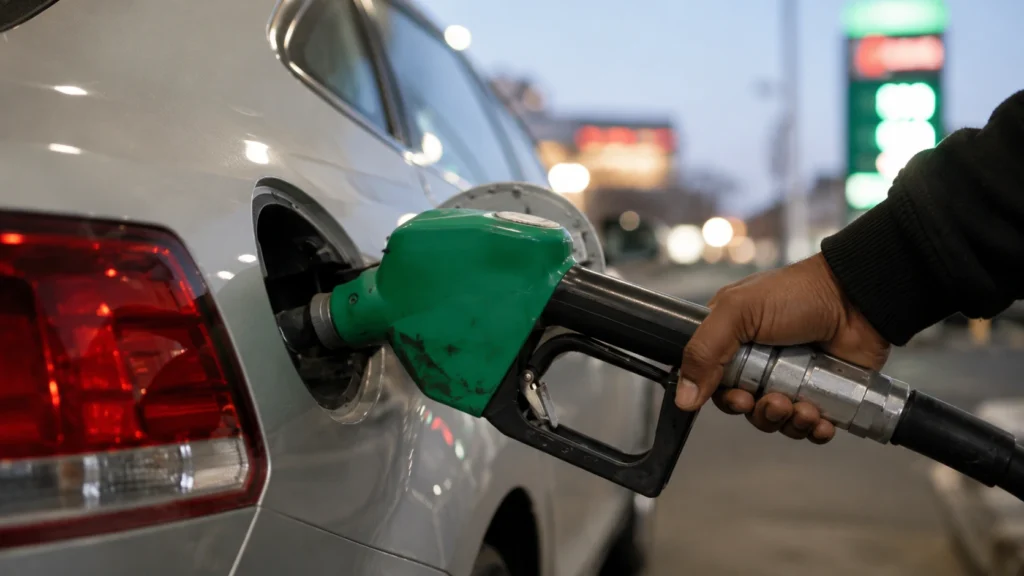
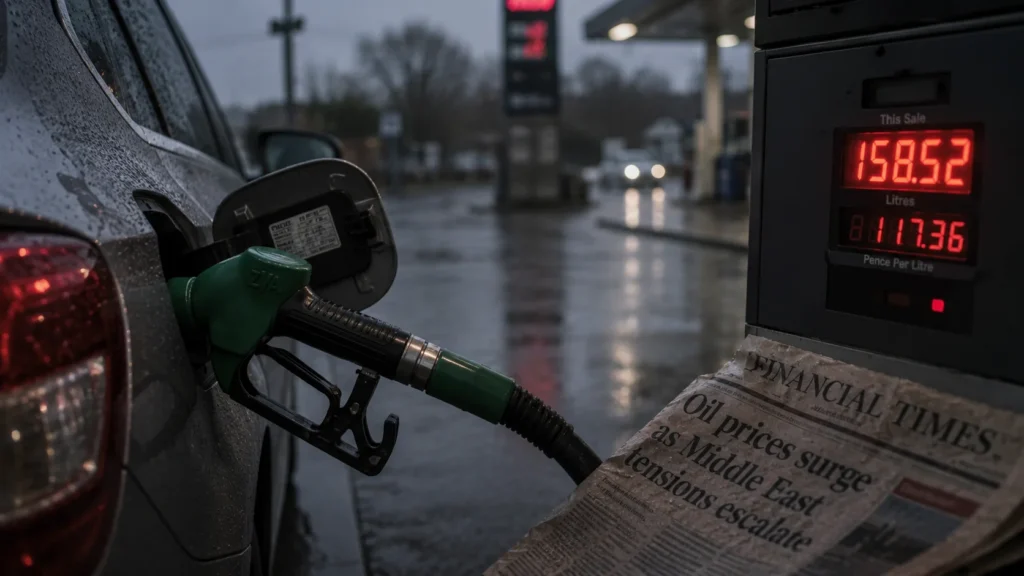
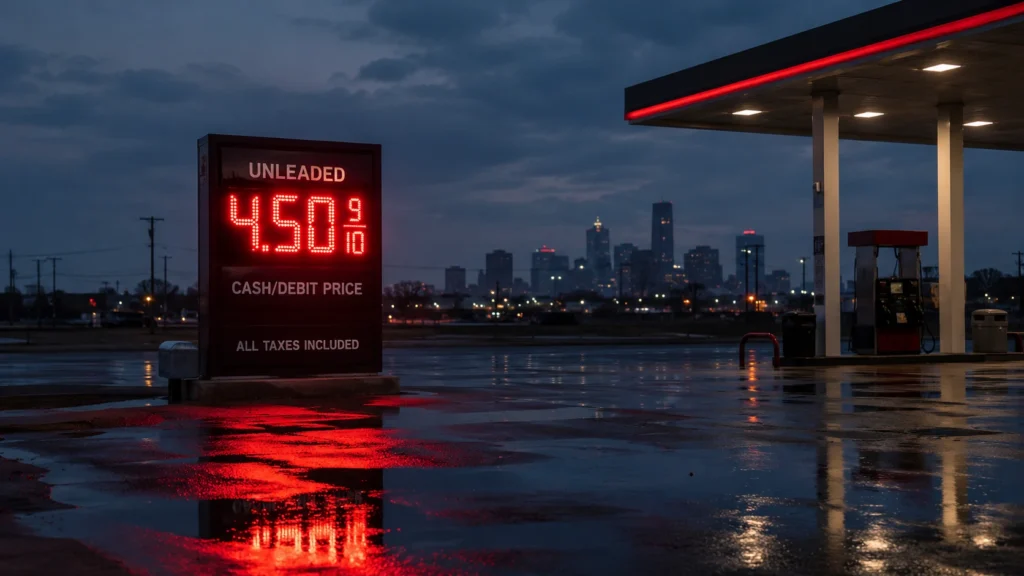
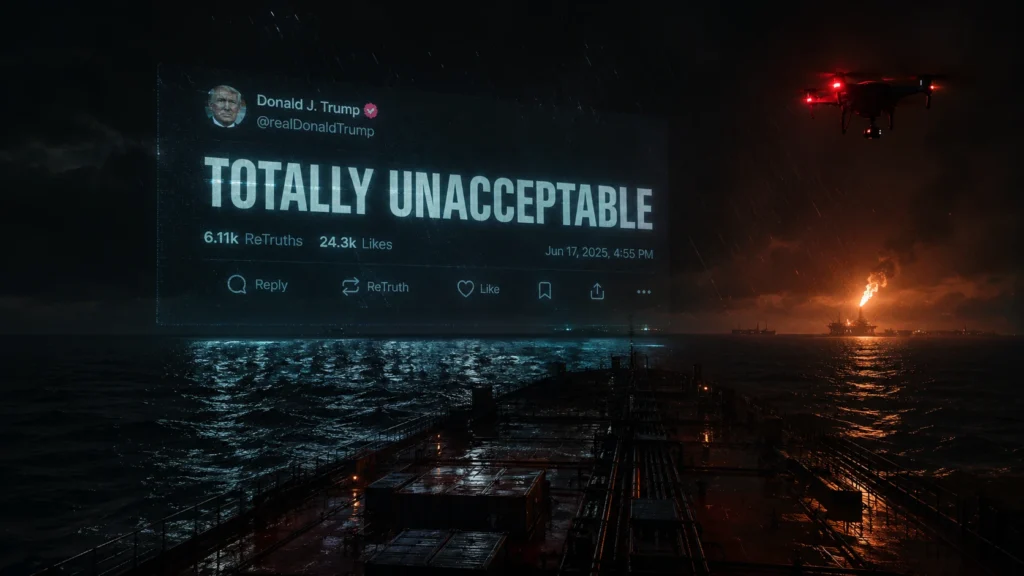
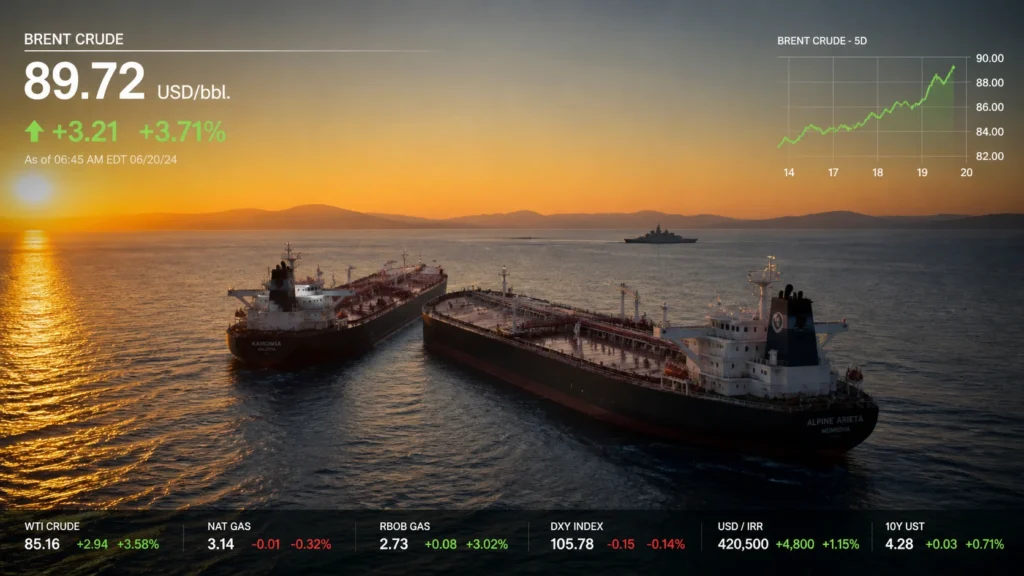
The US no longer depends on Gulf oil, but American petrol prices are still set by global markets. Trump’s political vulnerability is indexed to the price at the pump. The concession Iran will demand to reopen the Strait sanctions relief, unfrozen assets, and sovereignty over the waterway is precisely what Trump’s Republican hawks and his own political instincts will not permit him to give.
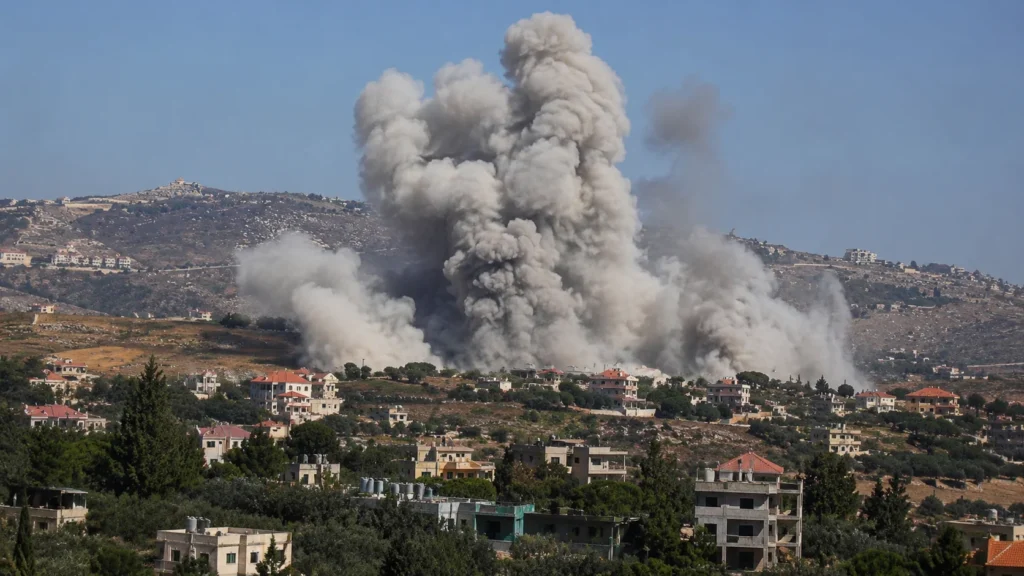
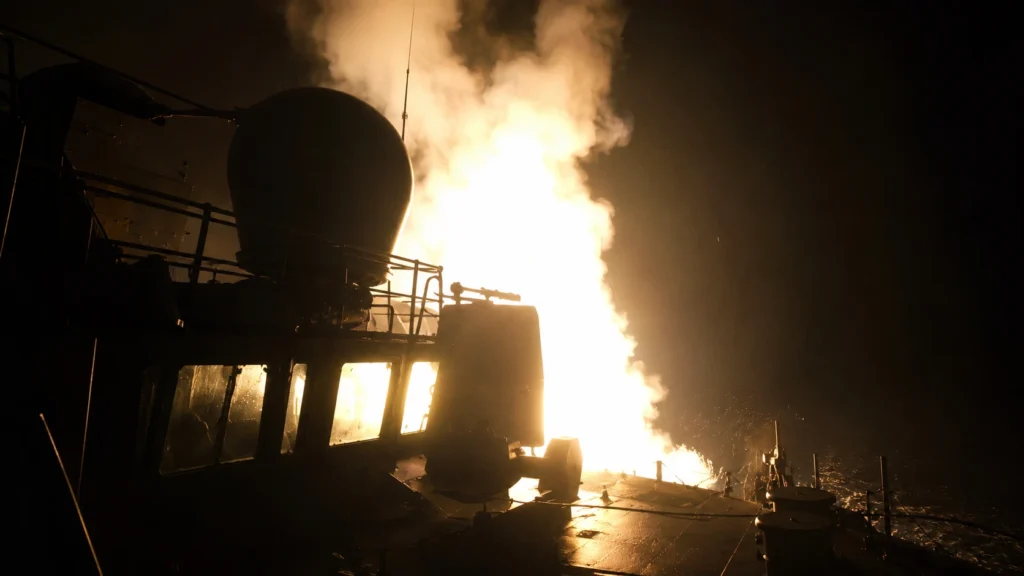
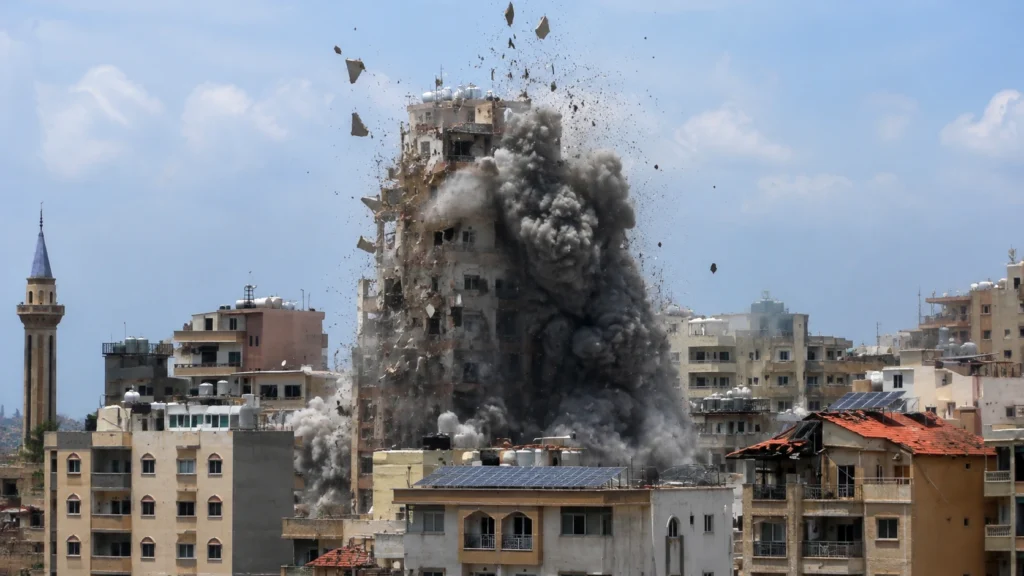
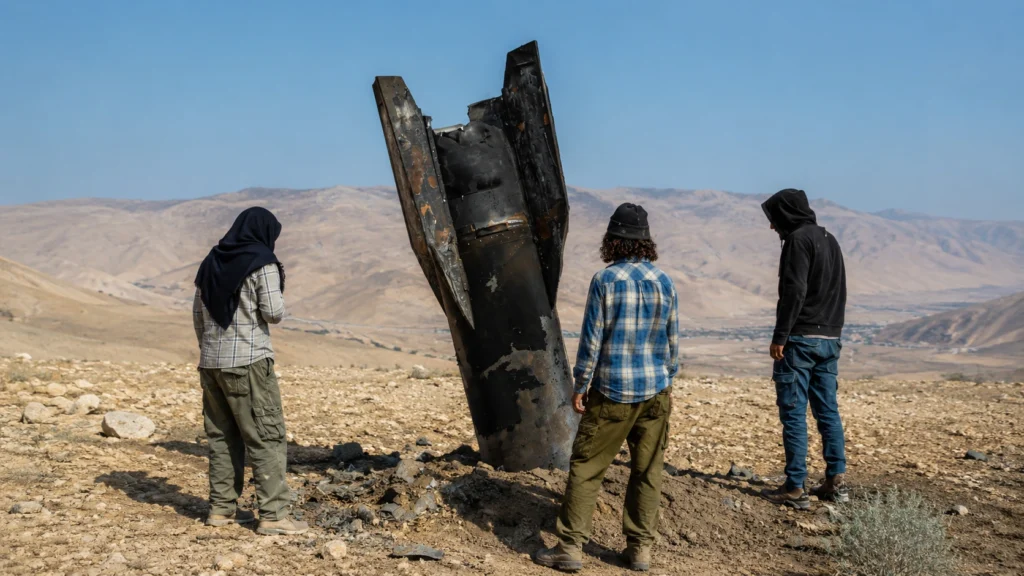
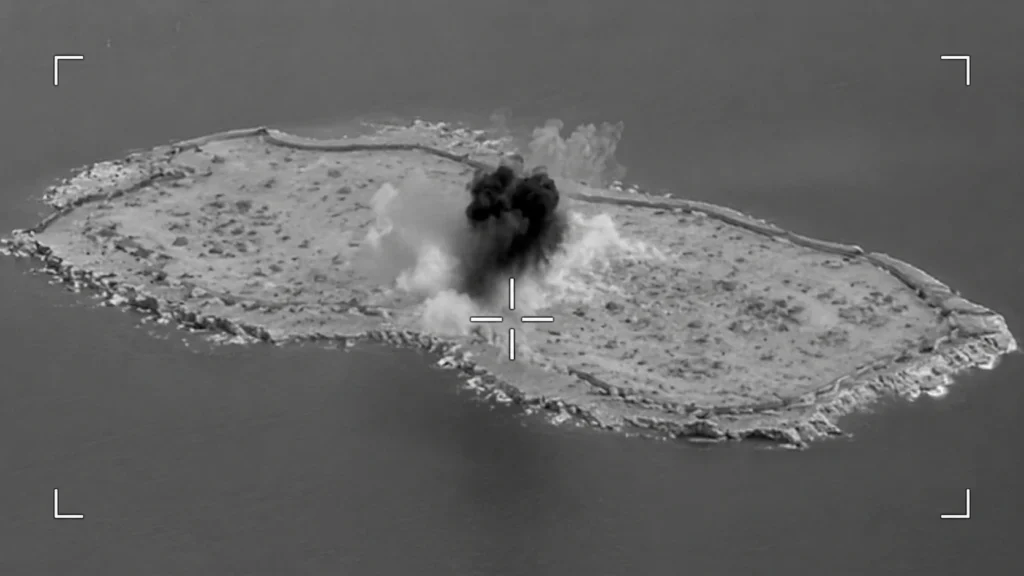
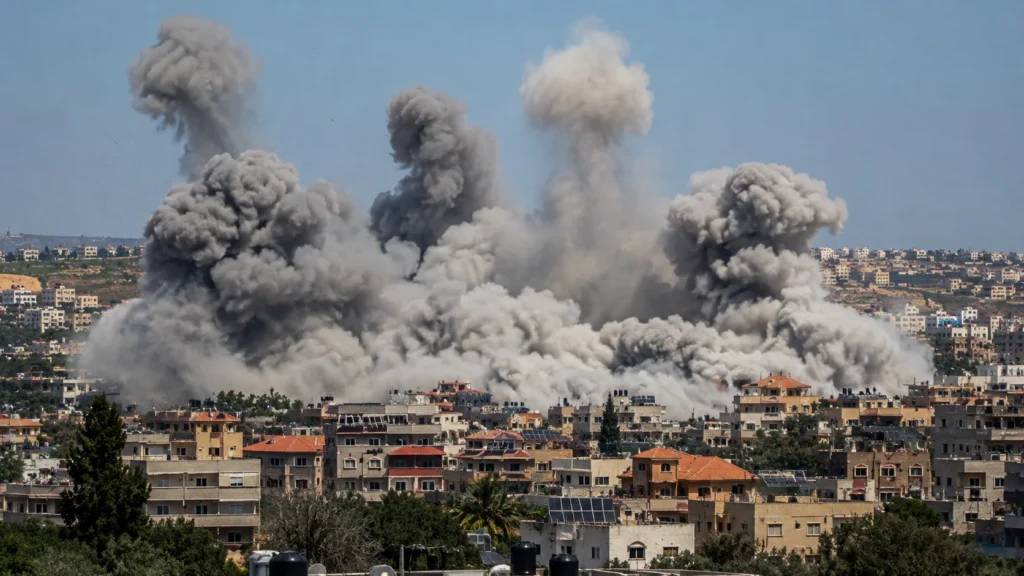
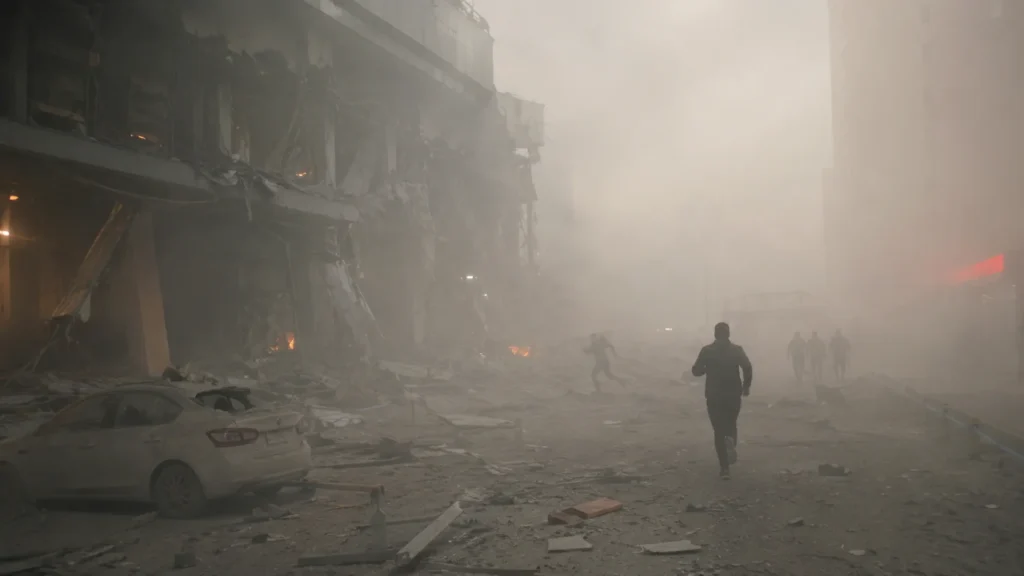
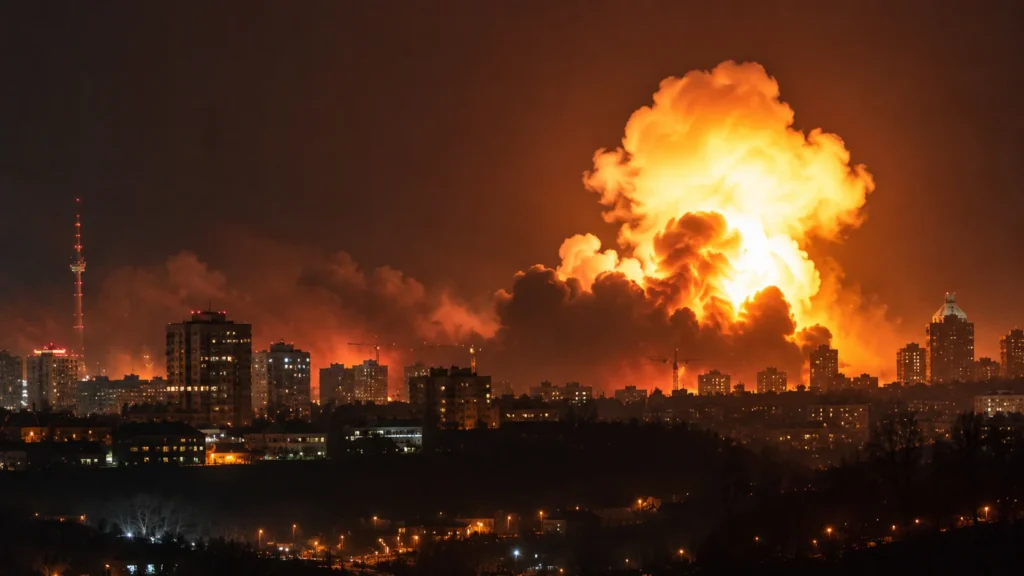
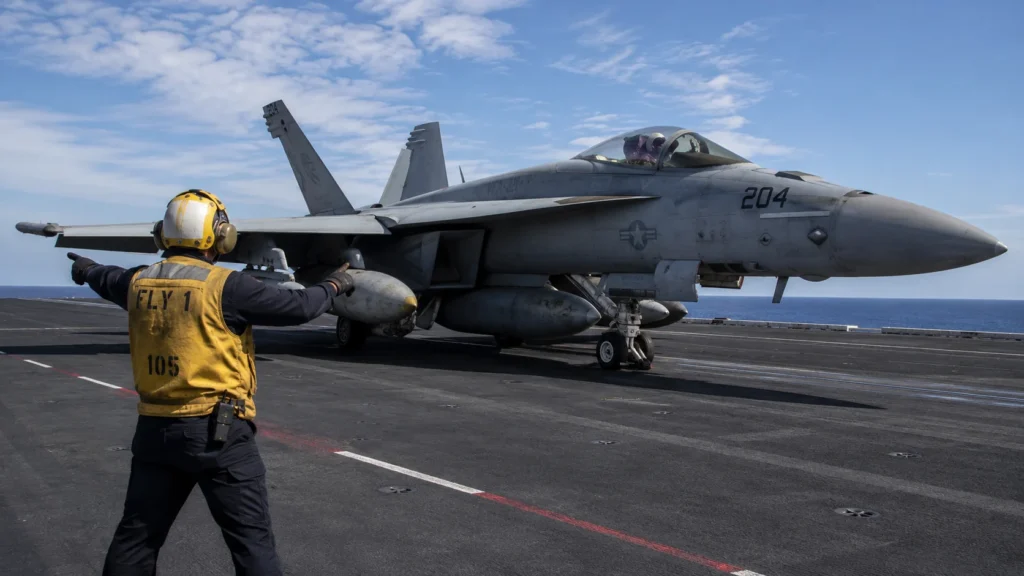
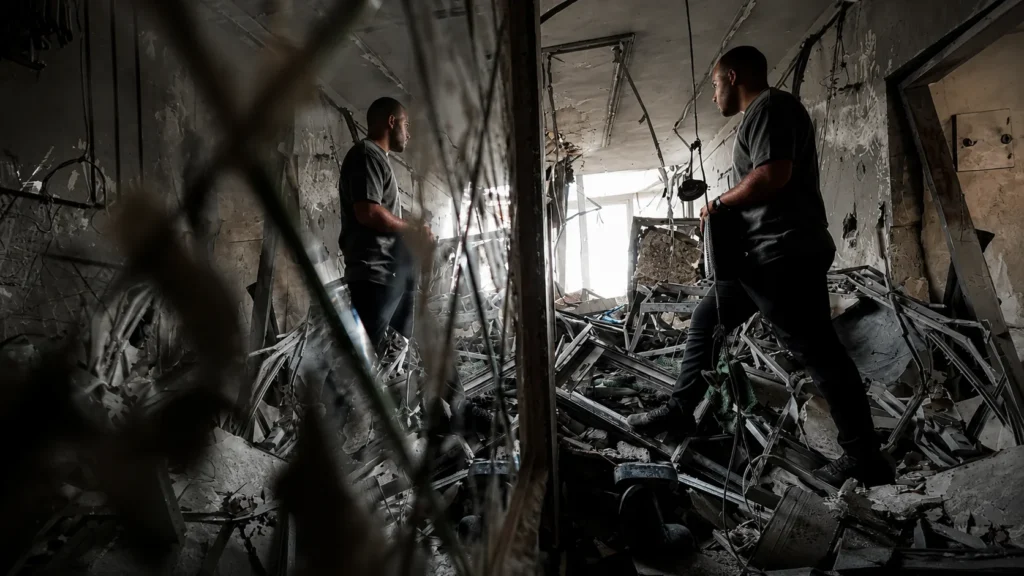
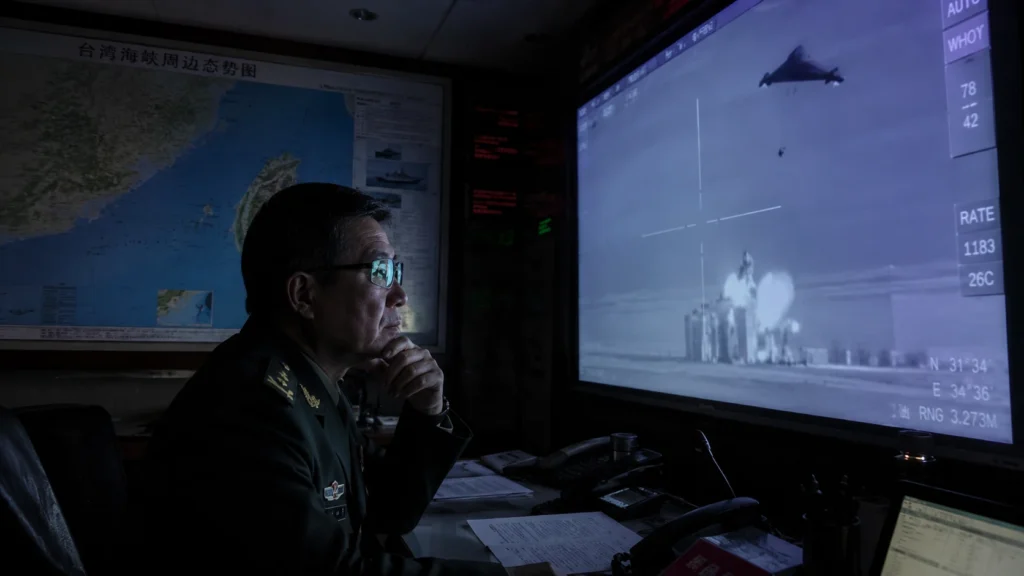
The bind is structural. The bombing is not breaking it. The third exchange of strikes in a week, US bombs on Goruk and Qeshm Island, Iranian missiles on a base in Kuwait, now operate as routine.
The Strait of Hormuz crisis — how a waterway became a sovereignty laboratory
The Fragmentation of the Coalition
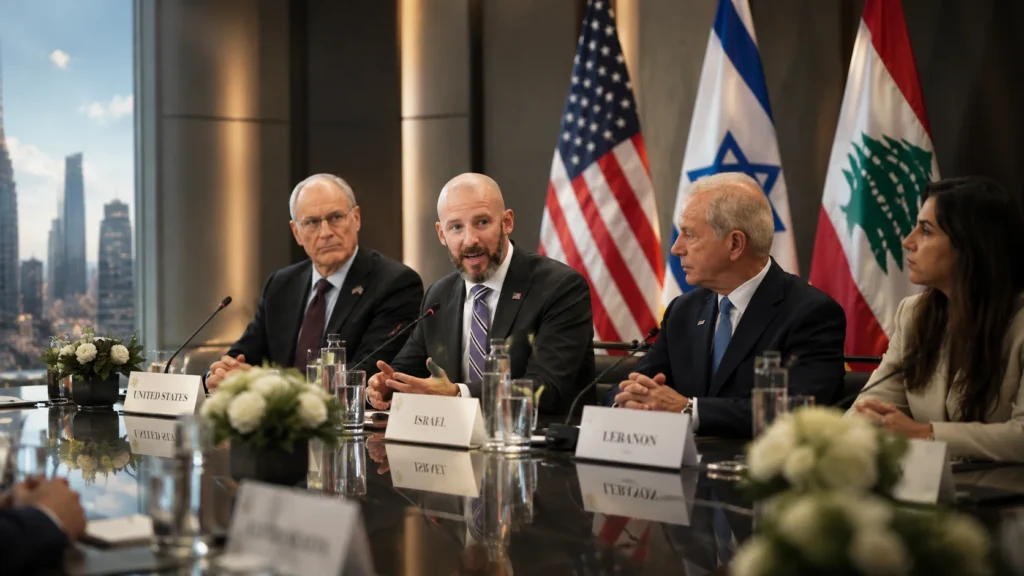
The Gulf states are responding to the pressure in ways that reveal the fragmentation of the US-led coalition that went to war in February.
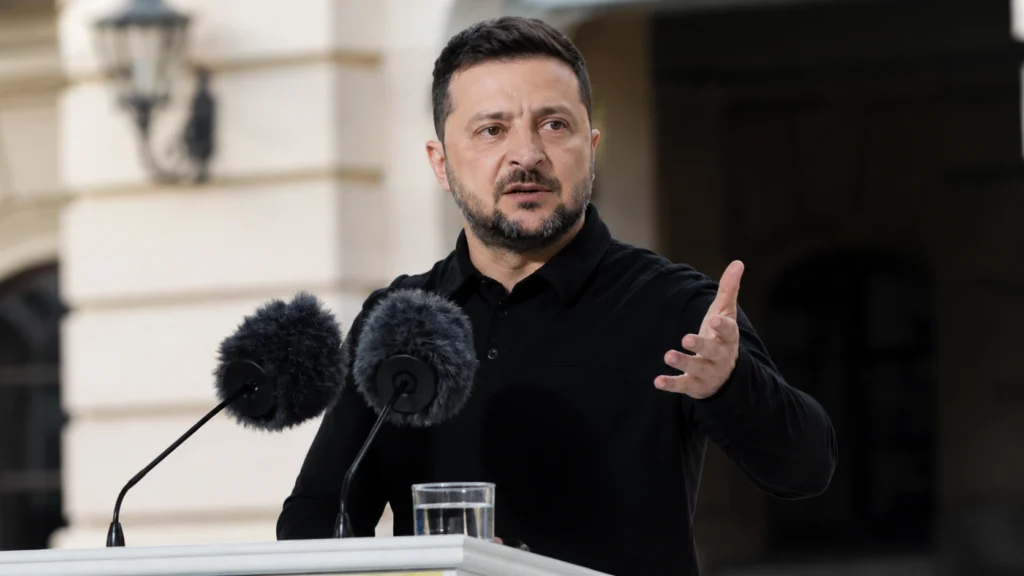
Qatar is a full mediating partner, alongside Pakistan, in the diplomatic track. The UAE has doubled down on its strategic relationship with Israel, hosting Iron Dome missile defence batteries and IDF soldiers to operate them. Saudi Arabia has taken the most significant step: it has attacked Iran, in what it says was retaliation for Iranian strikes, but senior Saudi sources have made clear to Tehran that they were acting independently, not as part of the US-Israel coalition.
The message is subtle and profound. The Saudis are signalling to Iran that their military actions are sovereign decisions, not proxy operations for Washington. They are preserving a channel of communication with Tehran even as they strike Iranian targets.
The coalition that went to war in February is no longer a coalition. It is a set of bilateral relationships, each managing its own exposure to the conflict, each making its own calculations about how long the ceasefire can hold and what comes after it.
How the Iran war is testing the US alliance structure in the Gulf
The Economic Cost
The economic damage to the Gulf states themselves, whose entire development model depends on the region being a stable hub for global investment, will take years to repair. The war has inflicted a structural wound on the Gulf’s aura of stability.
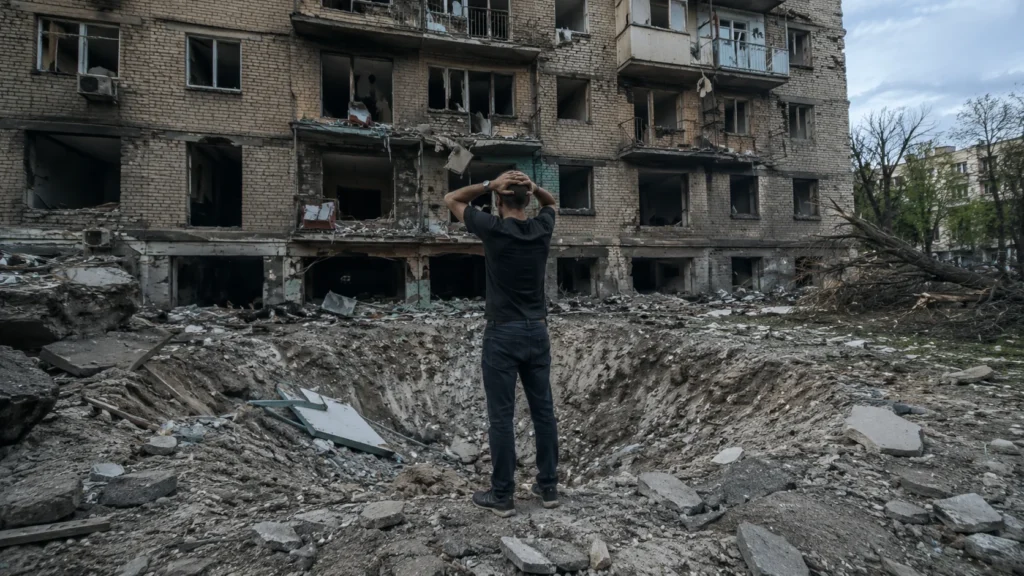
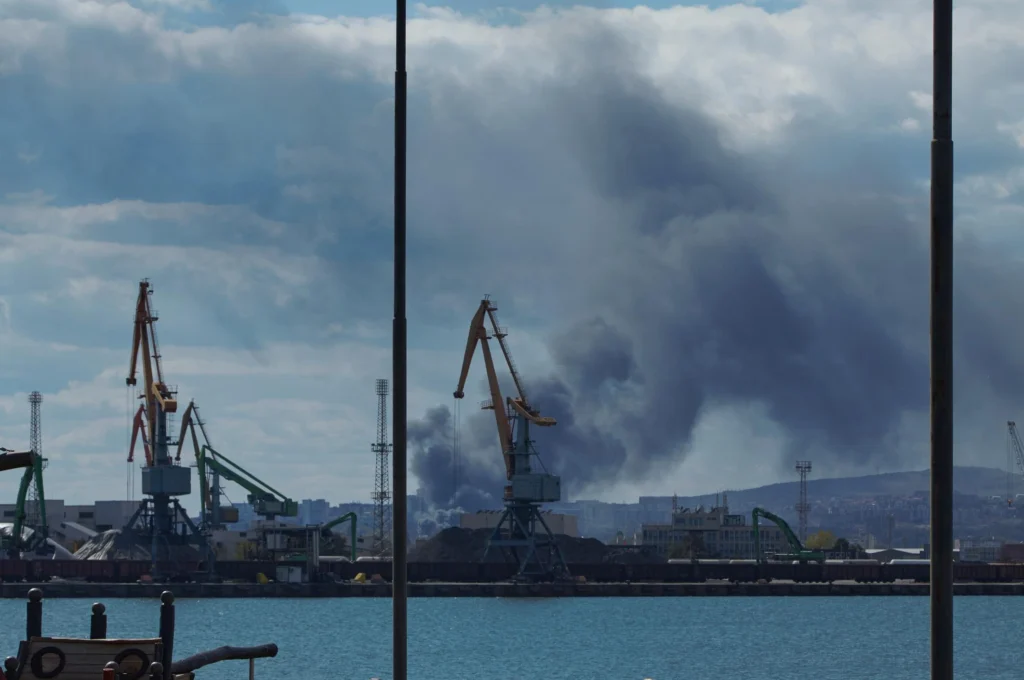
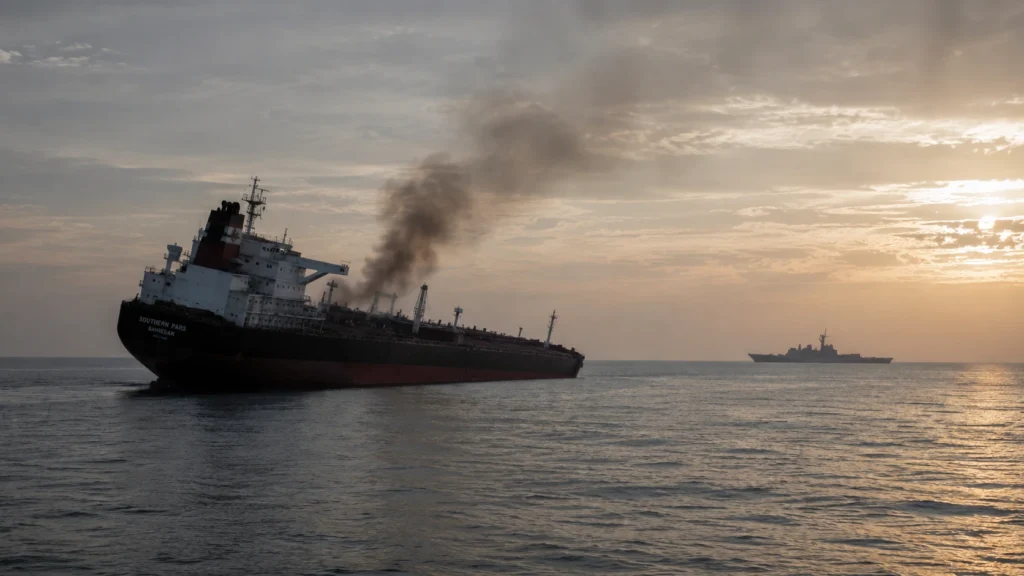
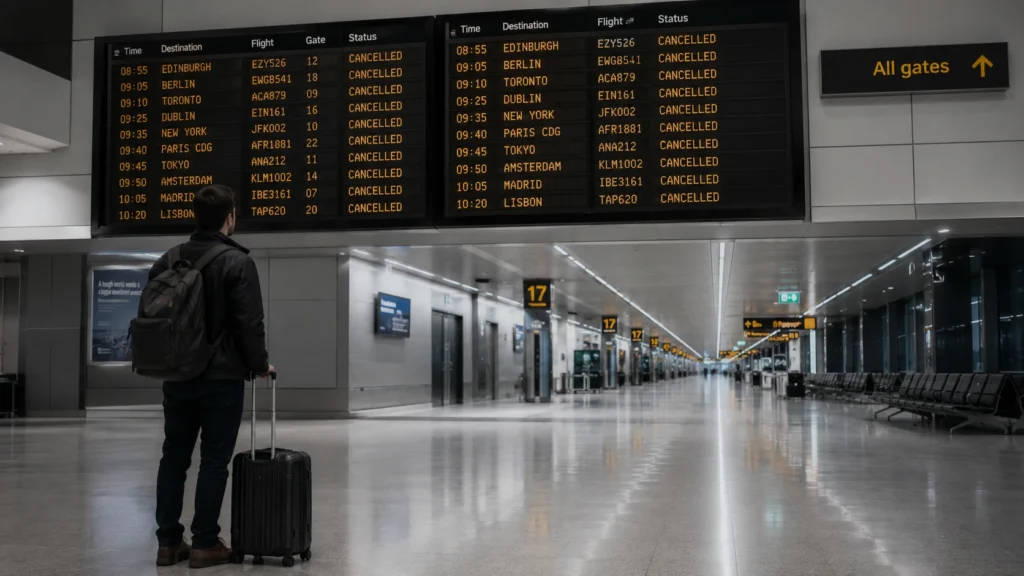
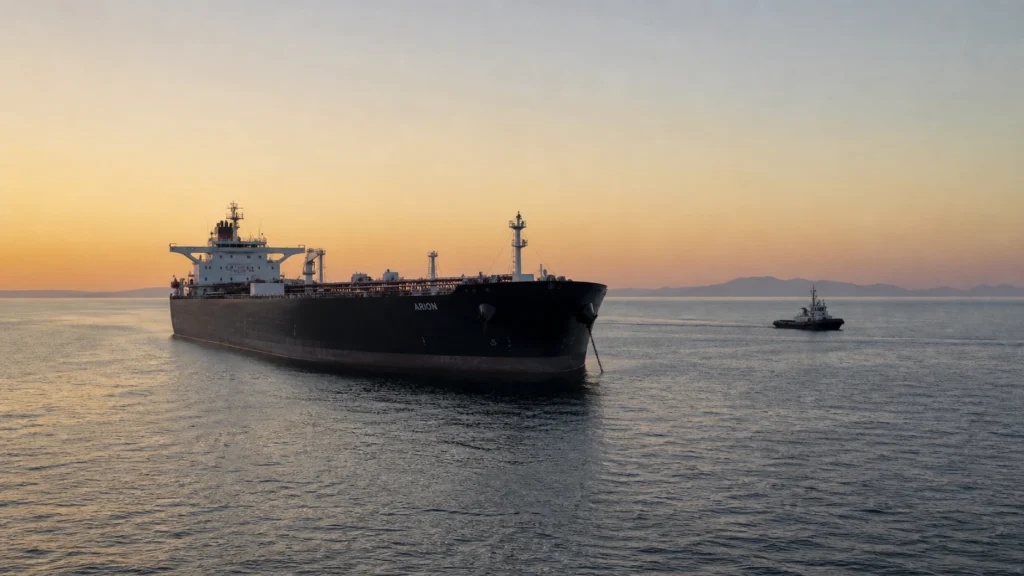
The global shipping industry is paralysed. Insurance markets have priced in a semi-permanent closure. The 20,000 seafarers on approximately 850 vessels trapped in the Gulf remain in limbo.
The ceasefire has not healed the wound. The talks have not addressed it. The bombs on Goruk and Qeshm Island have reminded the markets that the wound is still open.
FAQ: Trump Iran War Analysis 2026
Why did the US and Israel attack Iran?
The US and Israel launched airstrikes on 28 February, assuming air power would be enough to remove the Islamic regime. The assumption proved wrong. The regime absorbed the strikes and used the ceasefire to reconstitute its forces.
Why is the Strait of Hormuz closed?
Iran closed the Strait after the US and Israel attacked on 28 February. Only a trickle of ships now passes through. The closure has removed around 20% of the world’s usual oil and gas supply.
What does Iran want to reopen the Strait?
Iran will likely require sanctions relief, unfrozen assets, and sovereignty over the waterway — concessions that Trump’s Republican hawks and his own political instincts will not permit him to give.
Is the US-led coalition still unified?
No. Saudi Arabia has attacked Iran independently, signalling to Tehran that its actions are sovereign decisions, not proxy operations for Washington. Qatar is mediating. The UAE is hosting Israeli forces. The coalition has fragmented.
Will the war resume?
Both sides prefer not to return to full-scale war, but neither will make the concessions required to end it. The result is a managed conflict operating at an accelerating tempo of military exchanges.
Written by the Foreign Desk, drawing on BBC News analysis by Jeremy Bowen, US Central Command operational data, Saudi government sources, and IRGC statements. The desk has covered the Middle East and US-Iran relations for over two decades.
Source: BBC News, US Central Command, Saudi Government Sources, IRGC Statements