

 English














































































































































































































































































































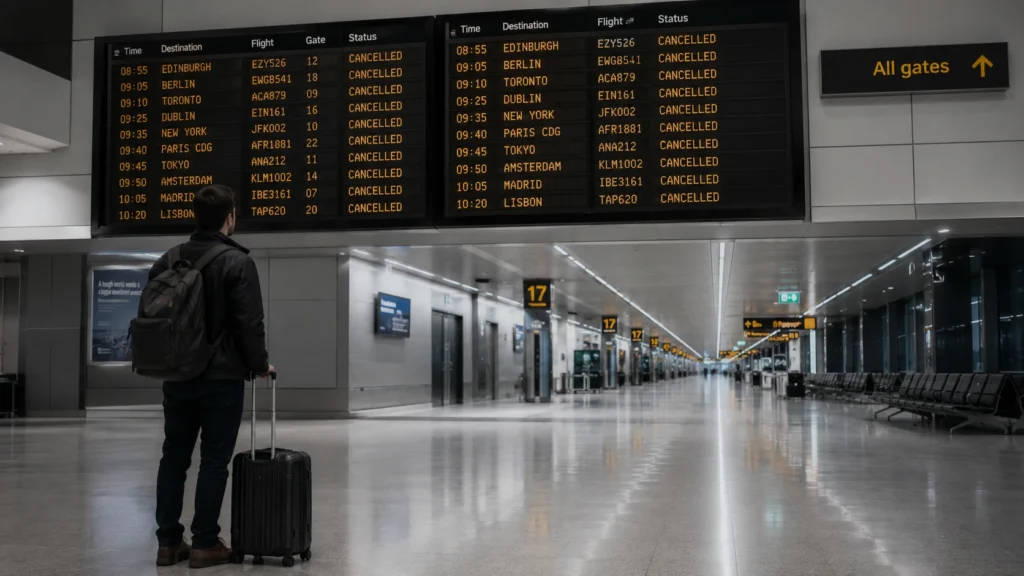




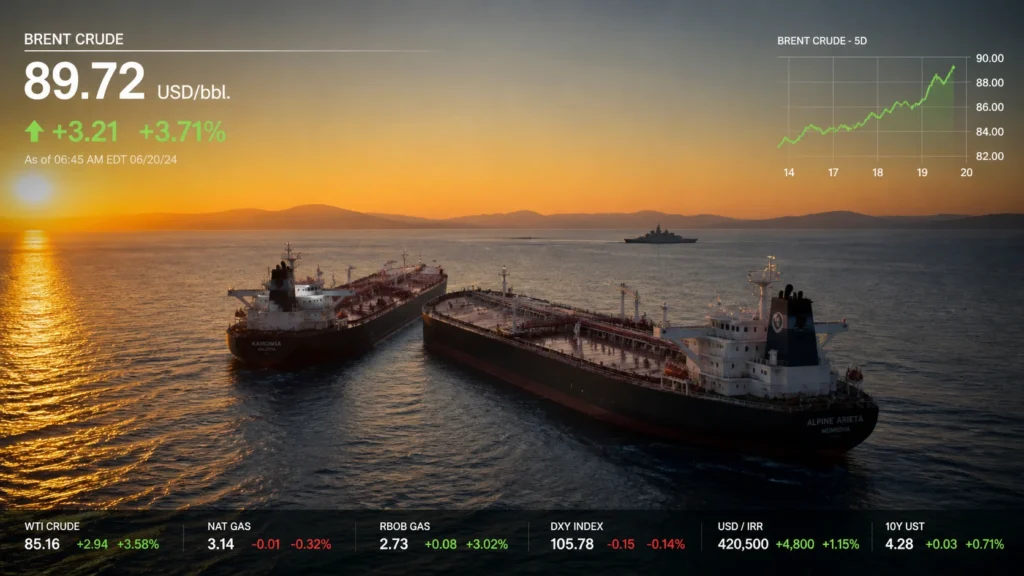







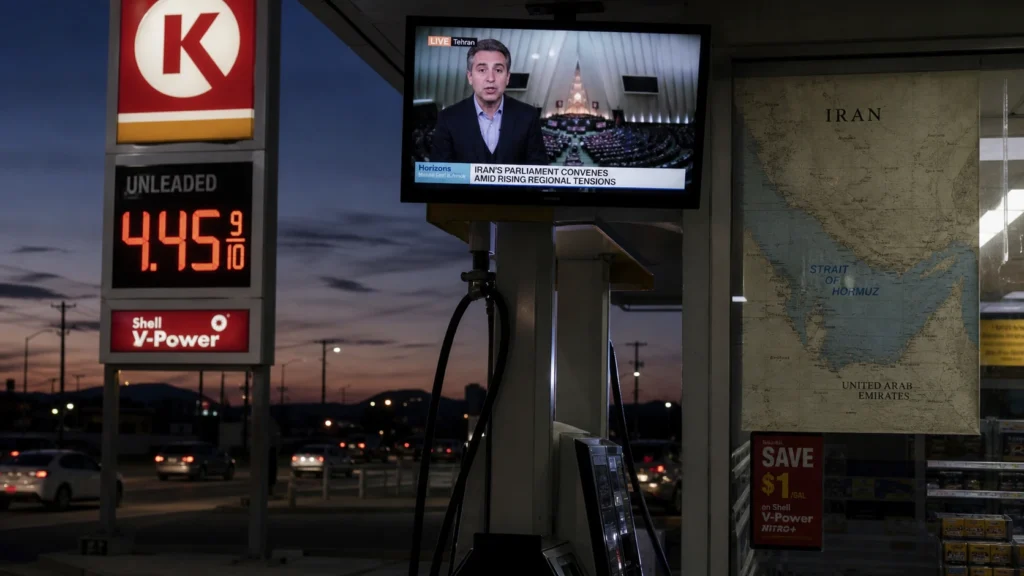

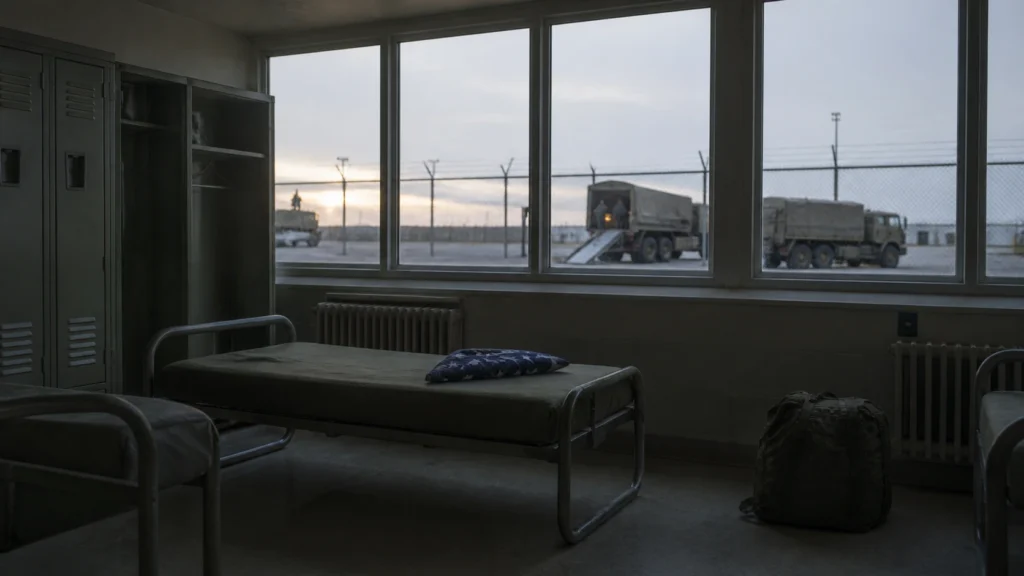













The Missiles Hit Kyiv. The Pressure Hits the West.
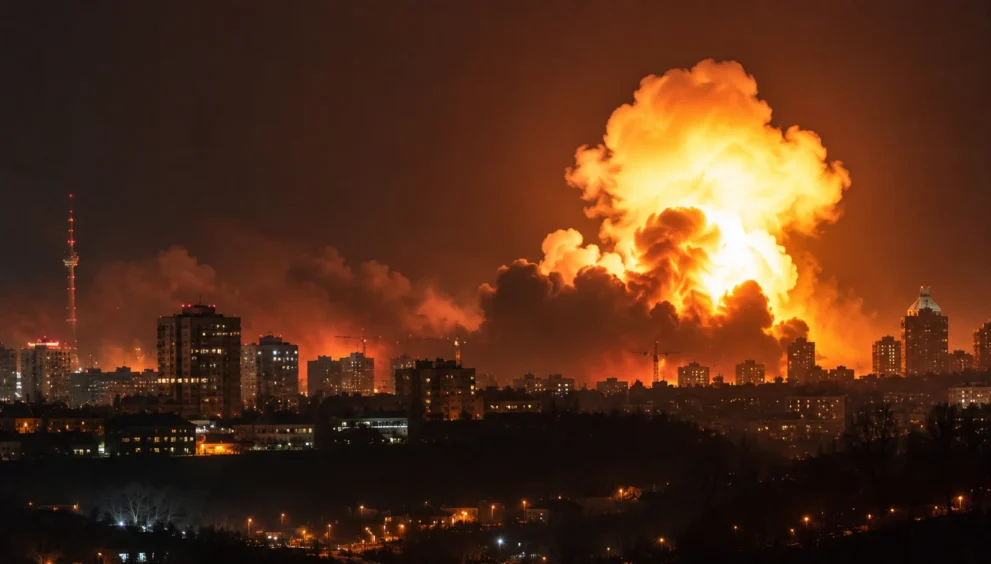
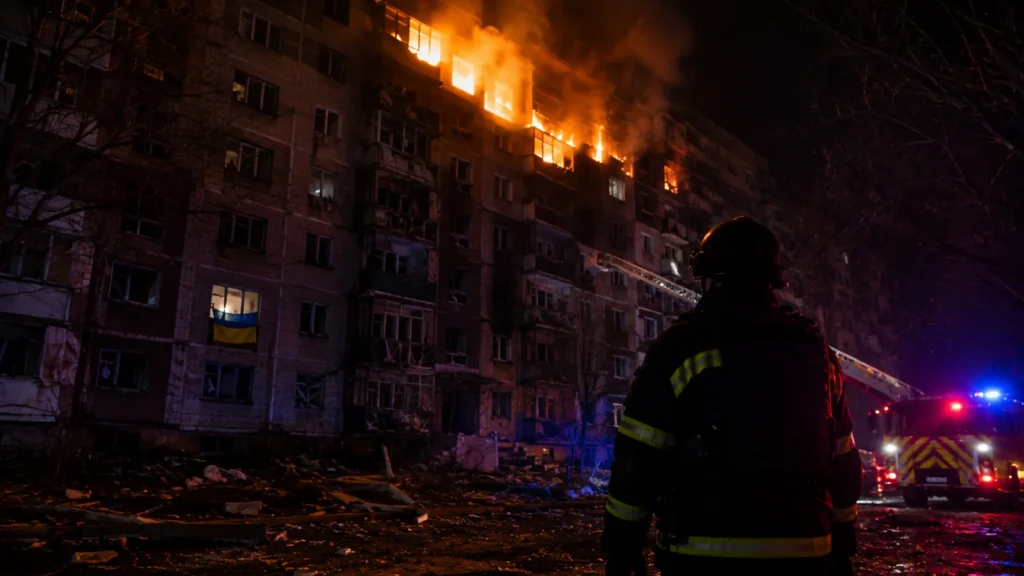
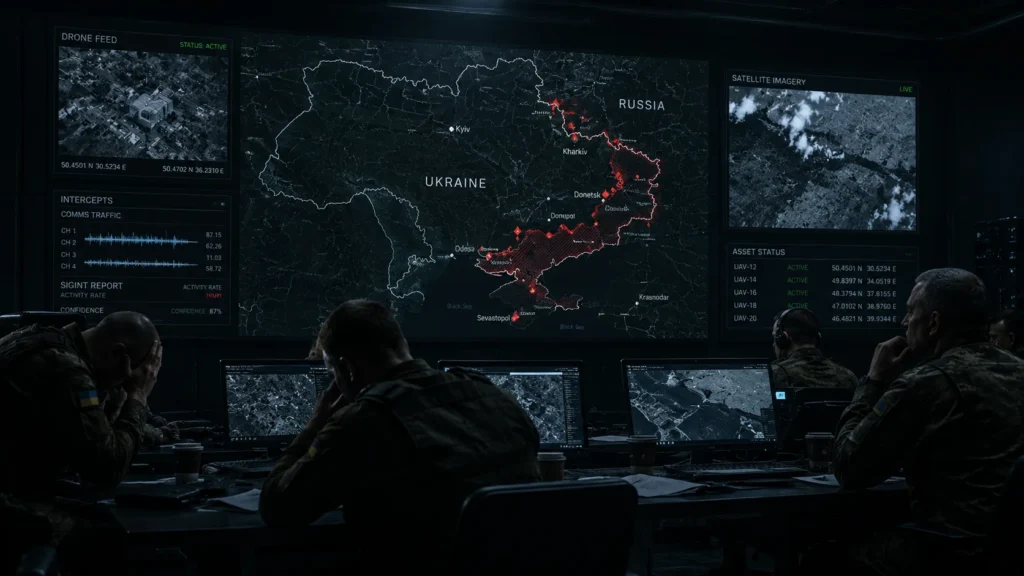
At 3:17 a.m. on June 2, 2026, air raid sirens sounded across Kyiv. Five minutes later, ballistic missiles struck. At least ten people died in Dnipro and Kyiv. Dozens more filled hospital beds. The missiles hit Kyiv. The pressure hits the West. That is not a metaphor. That is the operational architecture of Russia’s largest barrage since the May 2025 ceasefire collapsed. As our previous analysis of ceasefire violations documented, Moscow has been testing this threshold for months. Tuesday morning, the test became a stress test.
THE MISSILES HIT KYIV. THE PRESSURE HITS THE WEST — HOW THE MECHANISM WORKS
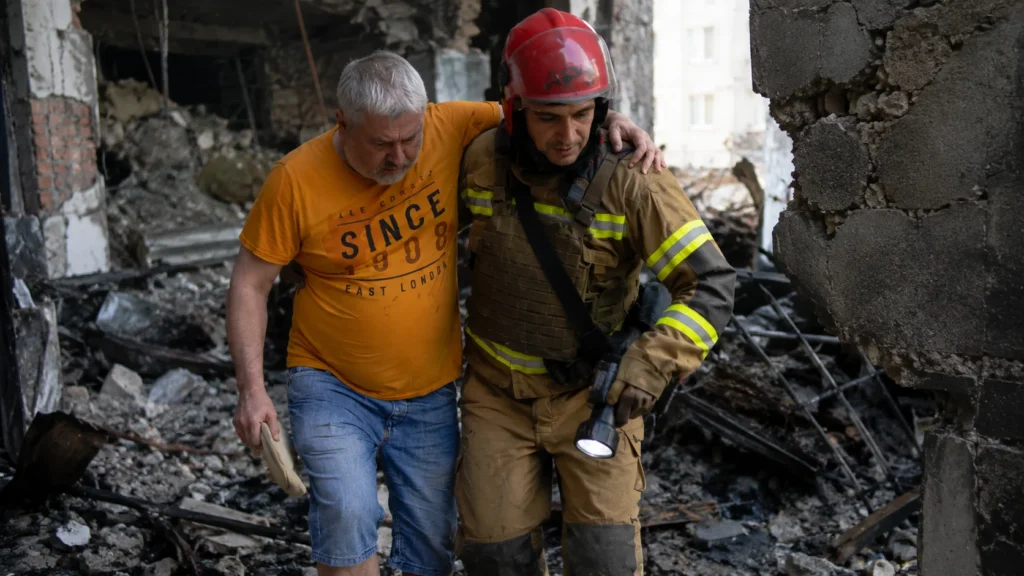
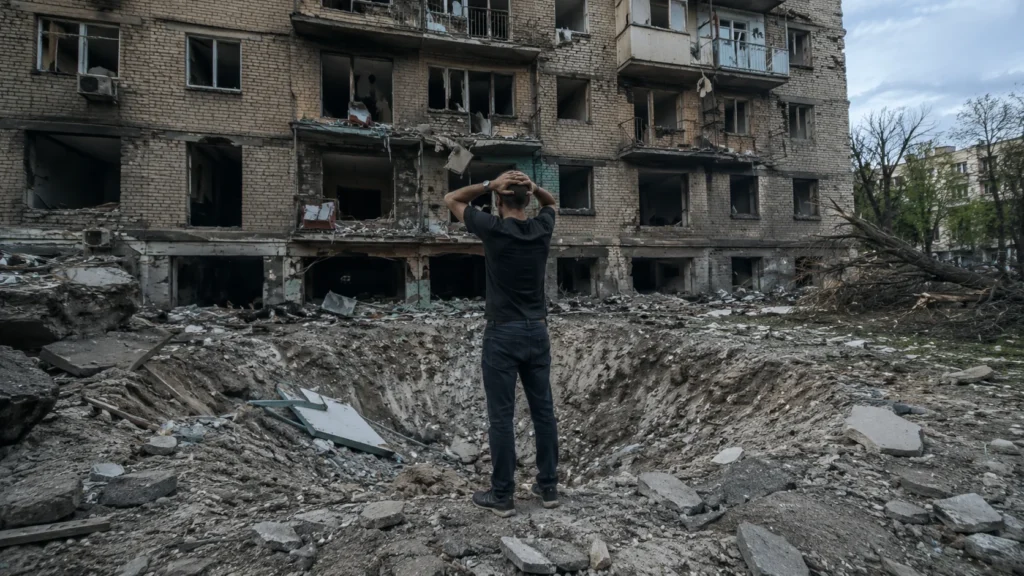
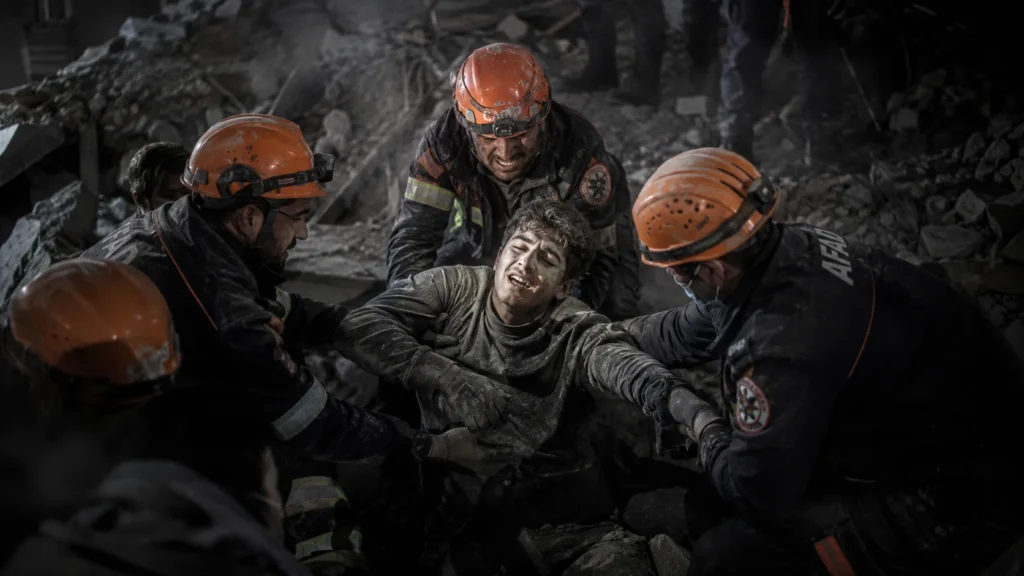
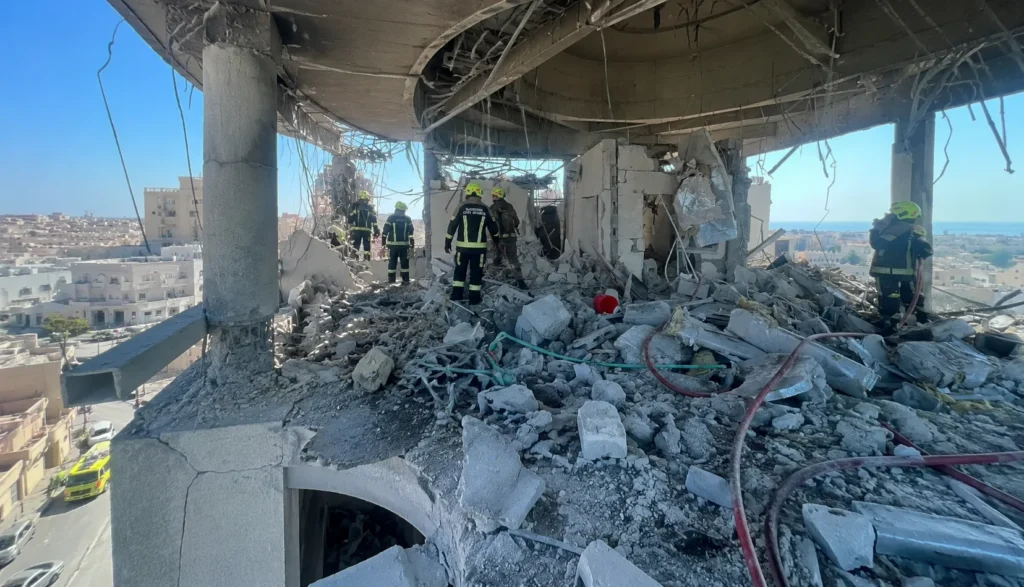
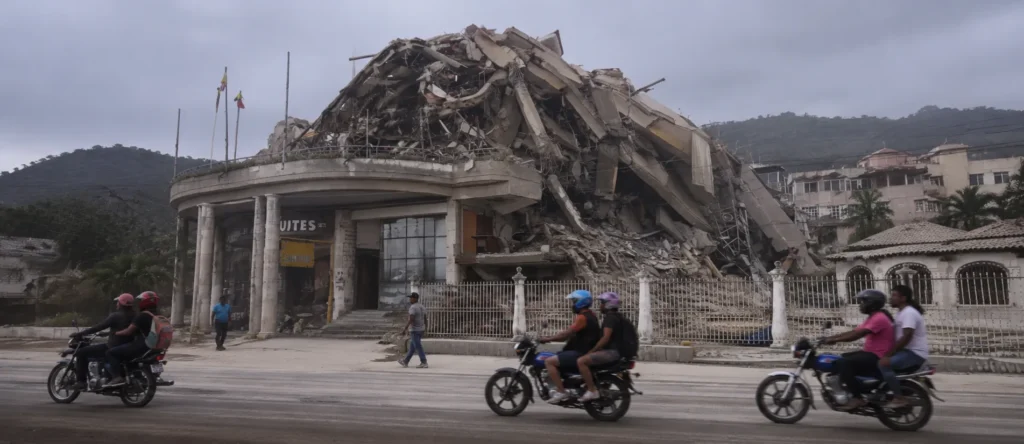
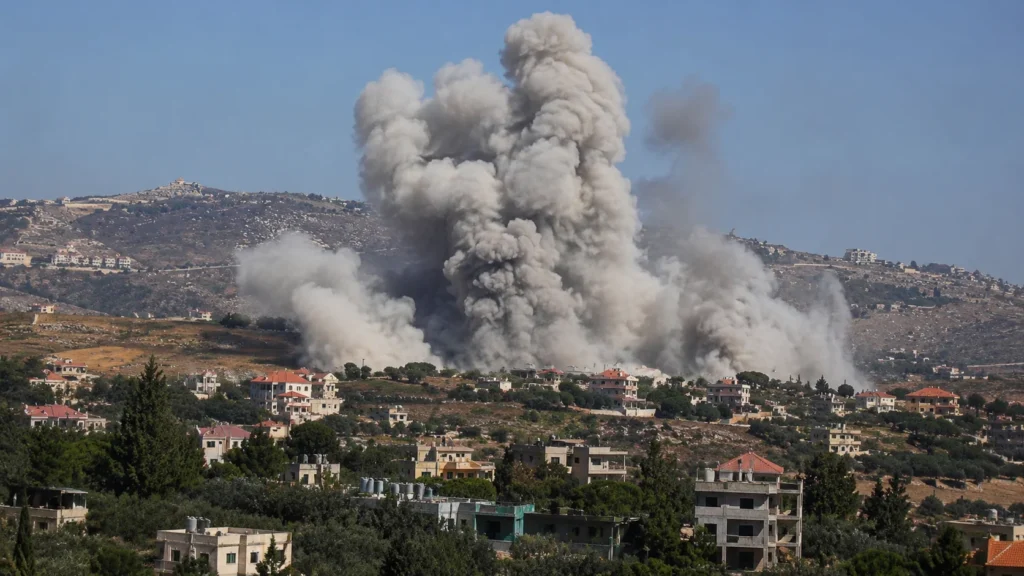
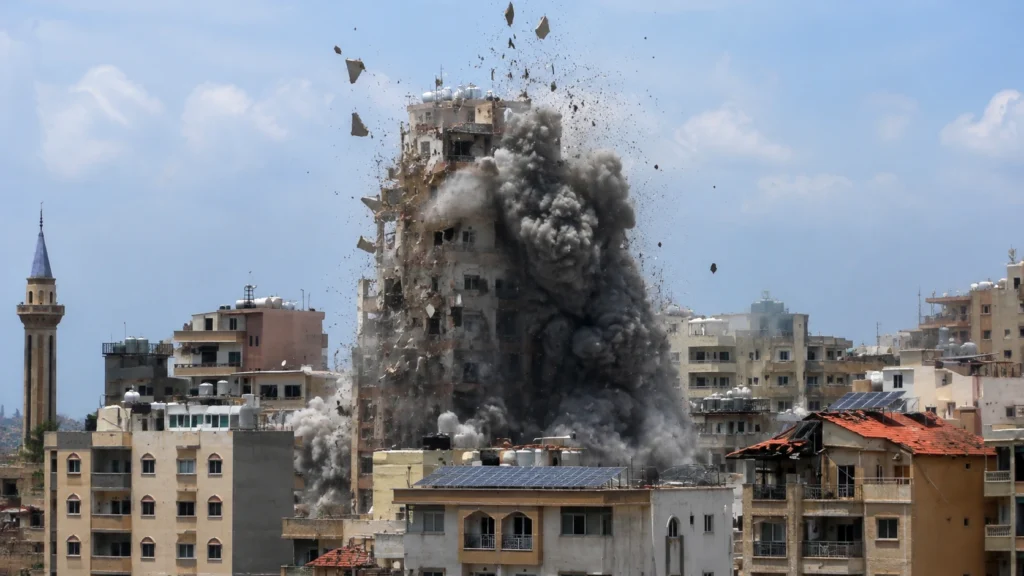
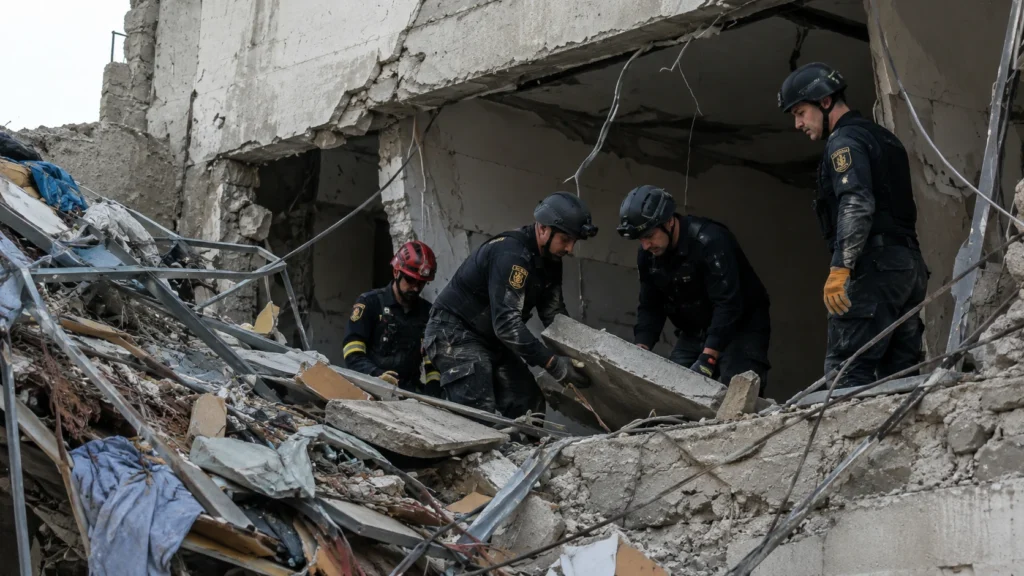
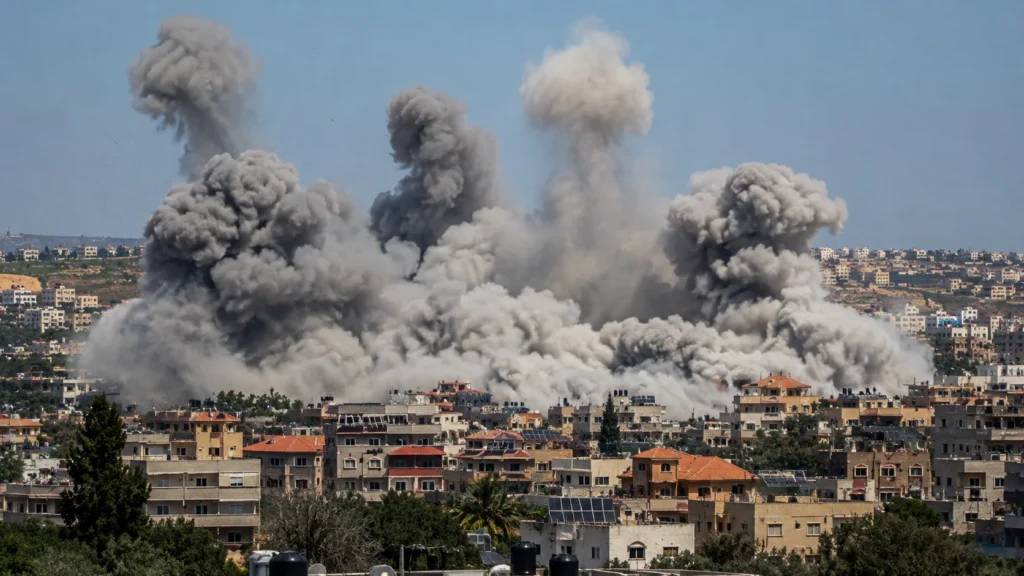
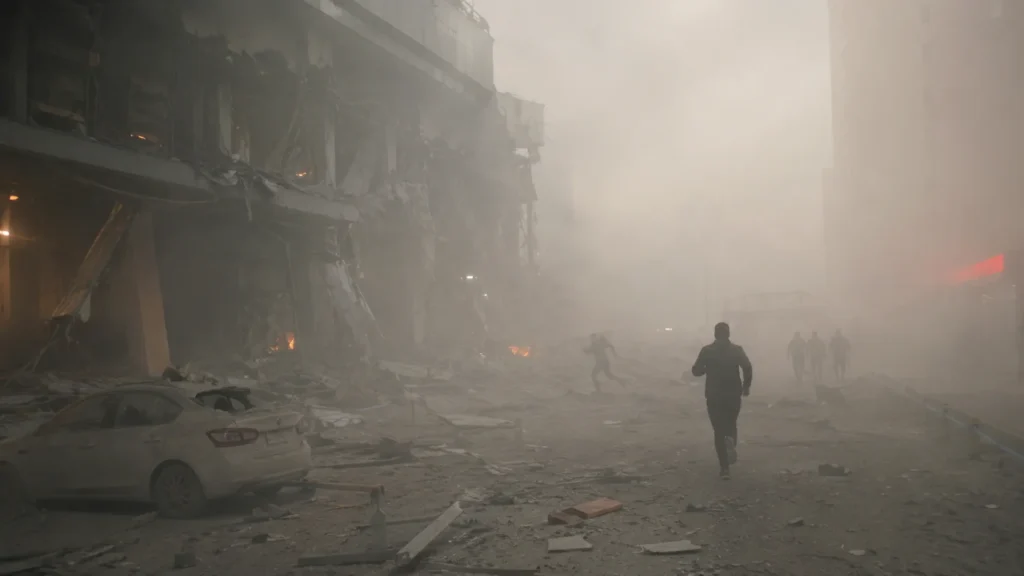
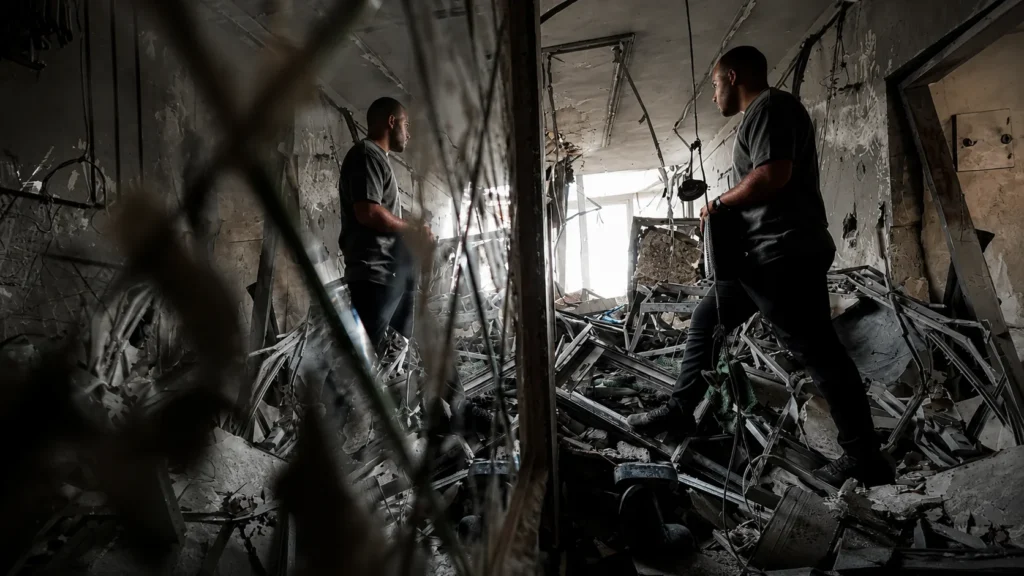
Russian forces launched coordinated missile and drone strikes on Kyiv, Dnipro, and Zaporizhzhia in the early hours of June 2. Six people died in Dnipro. Four died in Kyiv. At least 87 people sustained injuries across the two cities. Kyiv Mayor Vitali Klitschko confirmed two high-rise apartment buildings took direct hits. Rescue teams searched for survivors trapped under rubble.
The attacks follow a May 28 warning from Moscow that “systematic strikes” would target decision-making centers in Kyiv. Russia explicitly linked this threat to Ukraine’s May 21-22 drone operation near Starobilsk in the Russian-held Luhansk region. Ukraine’s General Staff insists it struck a military unit. Russia claims 21 civilians died in a dormitory.
Same facts. Two narratives. The gap between them is where the war’s next phase lives.
THE MISSILES HIT KYIV. THE PRESSURE HITS THE WEST — WHY THIS ATTACK IS DIFFERENT
This is not a repeat of the winter 2025 campaign against energy infrastructure. Three things changed.
First, the warning was public. Russia told foreign nationals to leave Kyiv on May 28. That is not normal. That is a signal designed to force allied embassies into security reassessments, which in turn pressure home governments to question the sustainability of their presence and support. According to Russian Ministry of Foreign Affairs official statement on May 28, the advisory was a direct response to “the Kyiv regime’s escalation of terrorist methods.”
Second, the targeting is societal, not military. Hitting apartment blocks, a gas station, a construction site—these are not precision strikes on command nodes. These are blows against the psychology of normal life. The systematic degradation of sleep, safety, and basic services is the weapon. Not the missile.
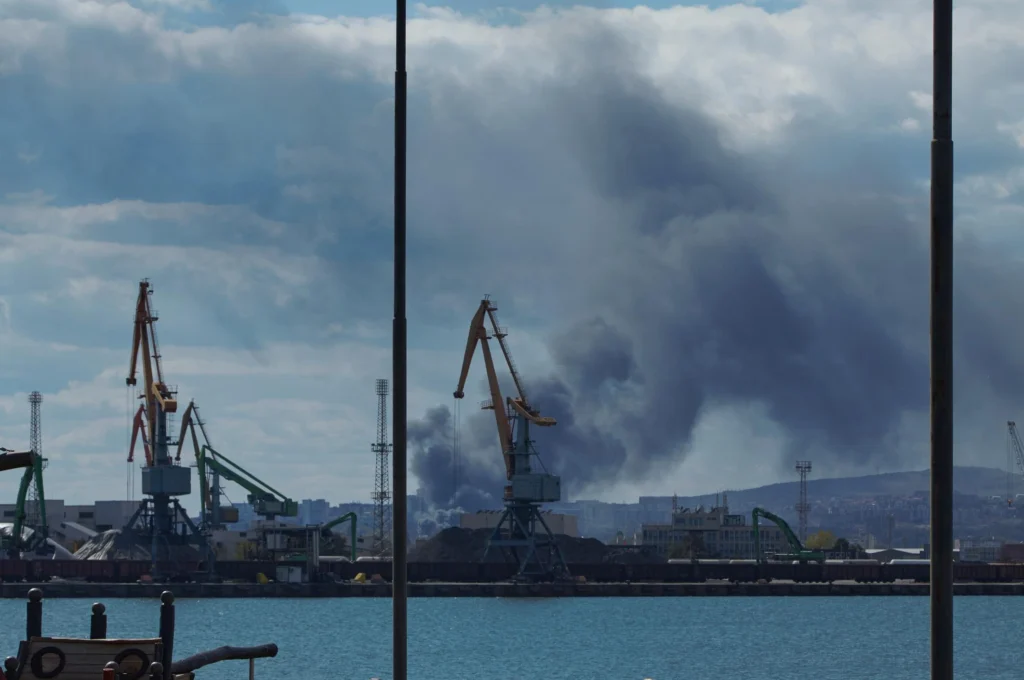
Third, the symmetrical strike deepens. Hours after the Ukrainian barrage, drones hit the Ilsky Oil Refinery in Russia’s Krasnodar Krai. No casualties. Emergency services contained the fire. The Krasnodar Krai emergency response centre press release confirmed the incident with bureaucratic flatness. Tit-for-tat is no longer a cycle. It is the structure of the conflict.
As our deep dive on Ukraine’s long-range drone strategy explained, Kyiv’s capacity to reach Russian energy infrastructure has expanded significantly since mid-2025. The symmetry is real. The costs now flow both ways.
THE MISSILES HIT KYIV. THE PRESSURE HITS THE WEST — THE MECHANISM OF URBAN PUNISHMENT
Russia’s military leadership has concluded something specific. Incremental frontline gains in Donbas—measured in meters, not kilometers—will not force Ukraine to capitulate. So the lever shifted.
The new logic works on two tracks.
Track one: degrade urban life until exhaustion sets in. Power cuts. Water interruptions. Nights spent in shelters. The fifth air raid of the week lands differently than the first. Ordinary Ukrainians are absorbing a strategy designed to exhaust, not defeat. That is the aim.
Track two: transmit that exhaustion into Western capitals. Every successful strike on a Kyiv apartment block forces allied governments to confront a question: Are our air defense systems enough? The answer is always no. No system is hermetic. The gap between the promise of protection and the reality of destruction becomes political vulnerability for every leader who pledged unwavering support.
The day after the attack, German Chancellor Olaf Scholz told reporters in Berlin that “Germany stands by Ukraine.” But Bundestag defense committee transcript from May 29 reveals growing questions about interceptor stockpile sustainability. The friction is not yet public. It is coming.
THE MISSILES HIT KYIV. THE PRESSURE HITS THE WEST — WHO GAINS, WHO LOSES
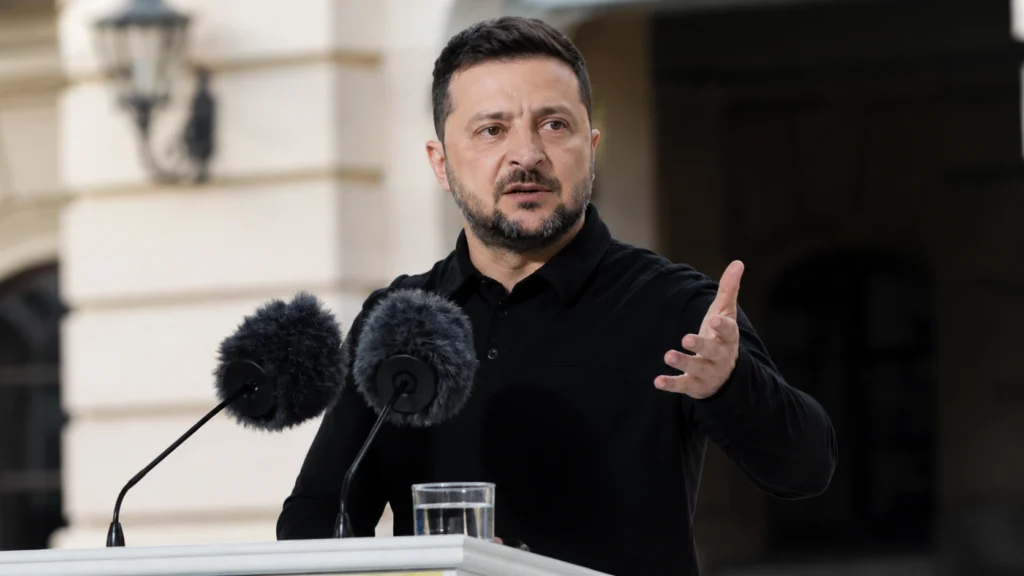
Moscow gains immediate leverage. The Kremlin demonstrated it can impose costs on Ukrainian cities faster than Western systems can absorb them. President Zelensky warned on June 1 that intelligence indicated a massive strike was imminent. Ukraine could predict the blow. It could not prevent all of it. That gap—between knowing and stopping—erodes public trust.
Kyiv loses messaging ground. The General Staff’s insistence that its Starobilsk operation targeted a military facility matters less when civilian bodies fill the international media frame. Russia structured the sequence to ensure that outcome. The narrative battlefield tilts.
Washington and Brussels lose time. The May 2025 ceasefire’s expiration removed the diplomatic membrane that let Western leaders talk de-escalation while arming Ukraine. Now escalation is overt, urban, televised. The pressure to deliver F-16s and longer-range missiles intensifies. So does the counter-pressure from factions arguing that such deliveries invite Moscow to widen the strike zone. The coalition strains. It does not break. Not yet.
THE MISSILES HIT KYIV. THE PRESSURE HITS THE WEST — FREQUENTLY ASKED QUESTIONS
Was this attack expected?
Yes. President Zelensky warned on June 1 that intelligence pointed to a prepared massive strike. Russia’s foreign ministry had signaled systematic strikes since May 28. The warning gap was operationally meaningless. Ballistic missiles struck within five minutes of the sirens.
What does Russia say it is targeting?
Moscow claims it targets military and decision-making centers in Kyiv and other cities. The civilian casualties, in their framing, result from Ukraine placing military assets near residential areas. Ukraine and independent monitors dispute this characterization.
Is this a return to the winter 2025 energy campaign?
No. That campaign prioritized power grids and heating infrastructure. This barrage struck residential buildings and urban services directly. The strategic logic shifted from making Ukraine cold to making it unlivable in targeted bursts.
Can Western air defense systems protect Ukraine’s cities?
They can reduce damage but cannot eliminate it. No air defense system achieves 100% interception. Russia exploits this gap by launching volleys designed to overwhelm interceptors. The attrition rate on Patriot and NASAMS stockpiles is now a central strategic variable.
What should I watch for next?
Three signals matter. First, the frequency of ballistic missile attacks on Kyiv—weekly barrages would strain interceptor stockpiles rapidly. Second, language shifts from Berlin, Rome, and Washington—any softening of “as long as it takes” is significant. Third, Ukraine’s energy grid condition as autumn approaches. A summer of strikes means a winter of deep vulnerability.
AUTHOR BIO
Written by the Geopolitical Risk desk, drawing on fifteen years of conflict analysis, energy security reporting, and real-time monitoring of the Russia-Ukraine war’s evolving strategic architecture.