

 English


































































































The Handcuffs Clicked. Then the Social Contract Fractured.
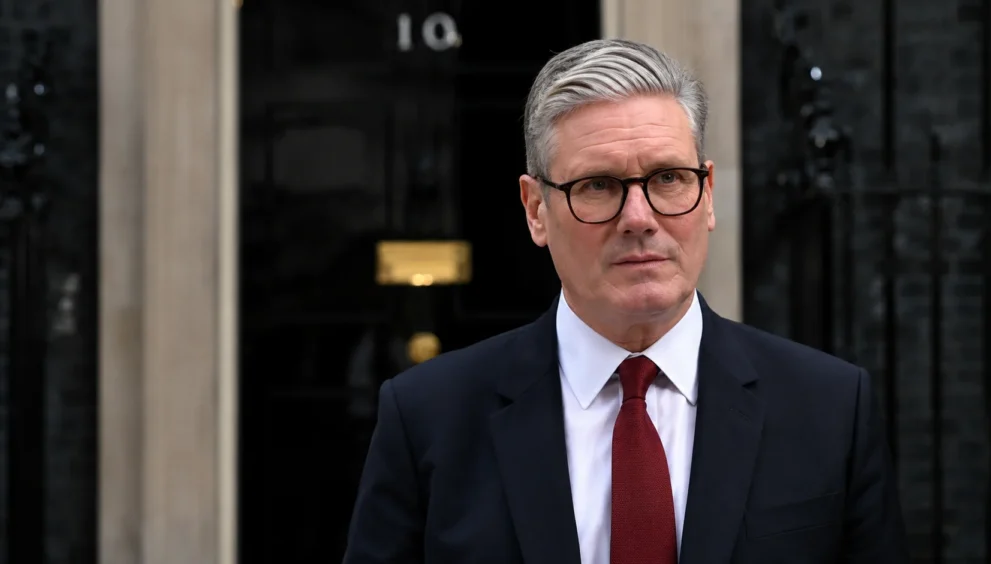
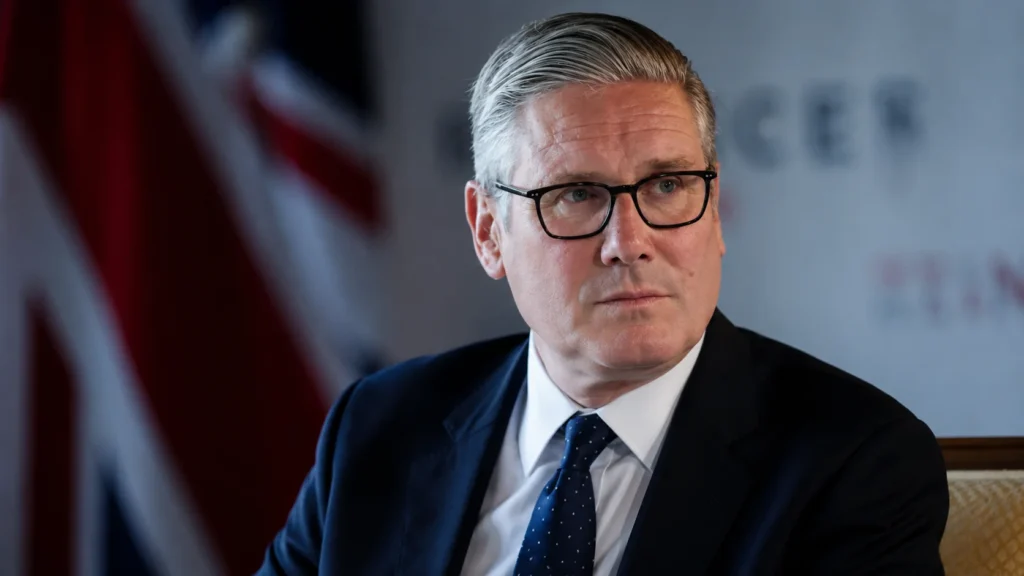
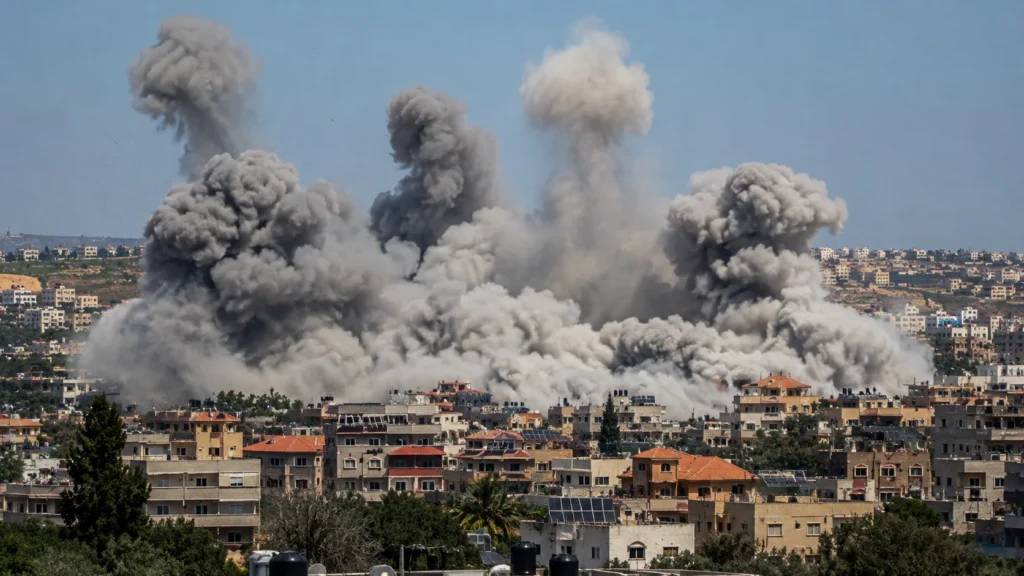
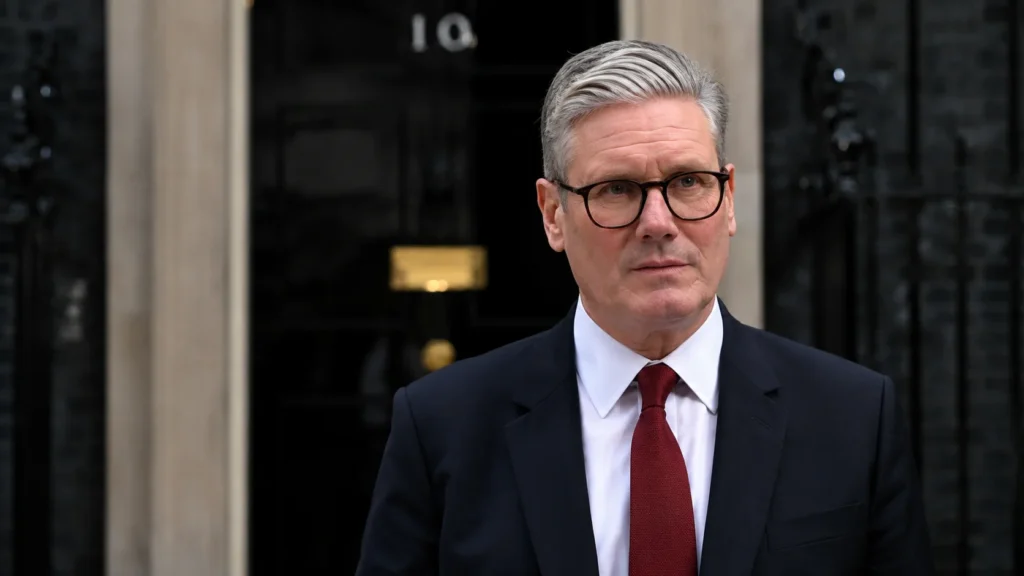
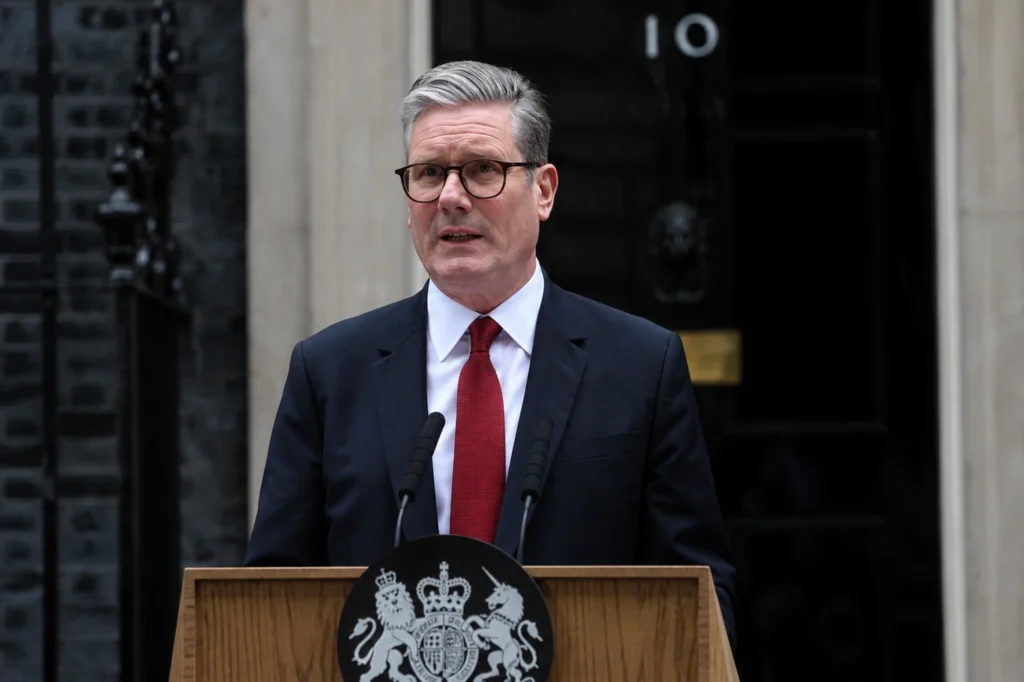
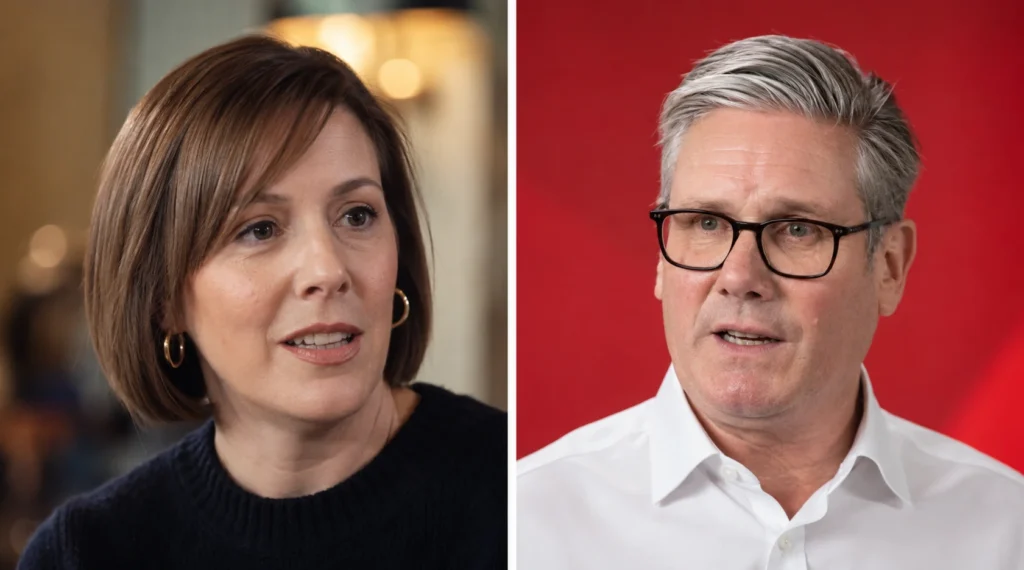
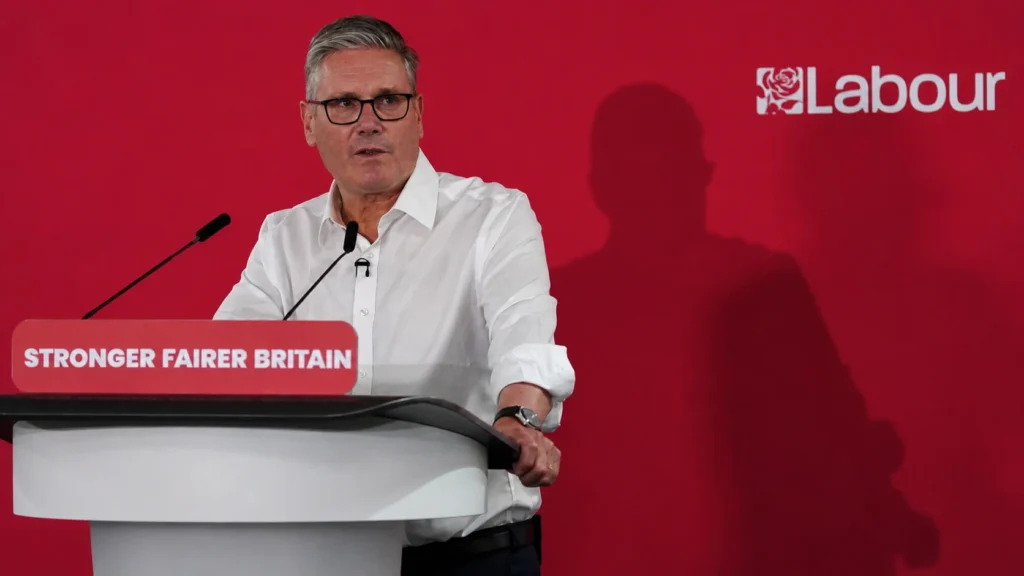
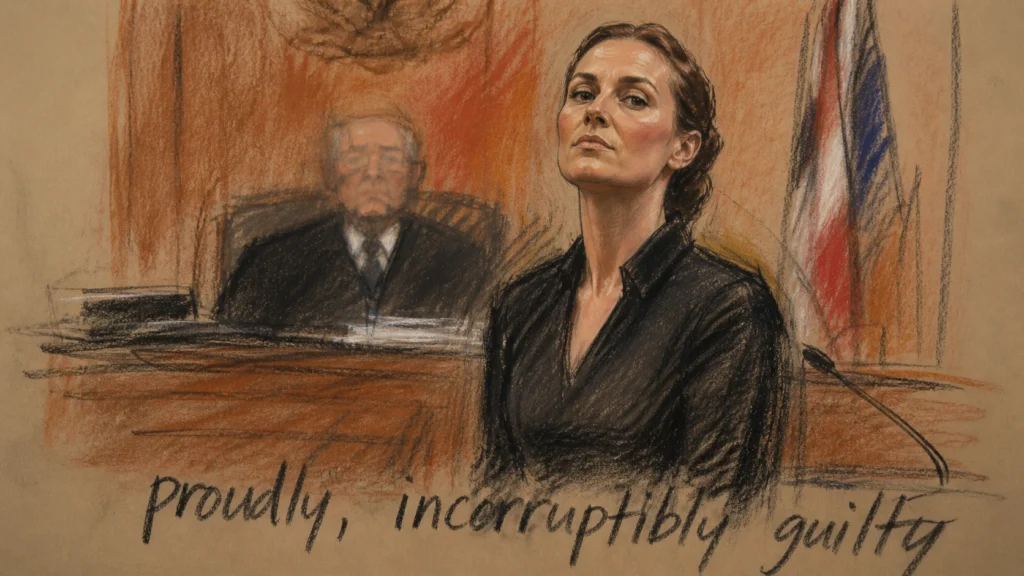
On December 3, 2025, 18-year-old Henry Nowak was stabbed with a 21-centimeter blade on a Southampton street. When police arrived, his killer, Vickrum Digwa, lied—claiming he was the victim of a racist attack. Officers handcuffed the dying teenager. Bodycam footage captured Nowak saying “I can’t breathe” four times. An officer replied, “Don’t think you have, mate.” On June 1, 2026, Digwa received a life sentence. On June 2, Prime Minister Keir Starmer told broadcasters he “felt sick” watching the footage and that the social contract fractured somewhere in those minutes between the lie and the handcuffs. The Independent Office for Police Conduct (IOPC) investigation is ongoing. The political reckoning has already begun.
THE QUESTION EVERYONE IS ASKING: HOW DID THIS HAPPEN?
The answer is not about one officer. It is about the system that shaped the officer’s decision-making.
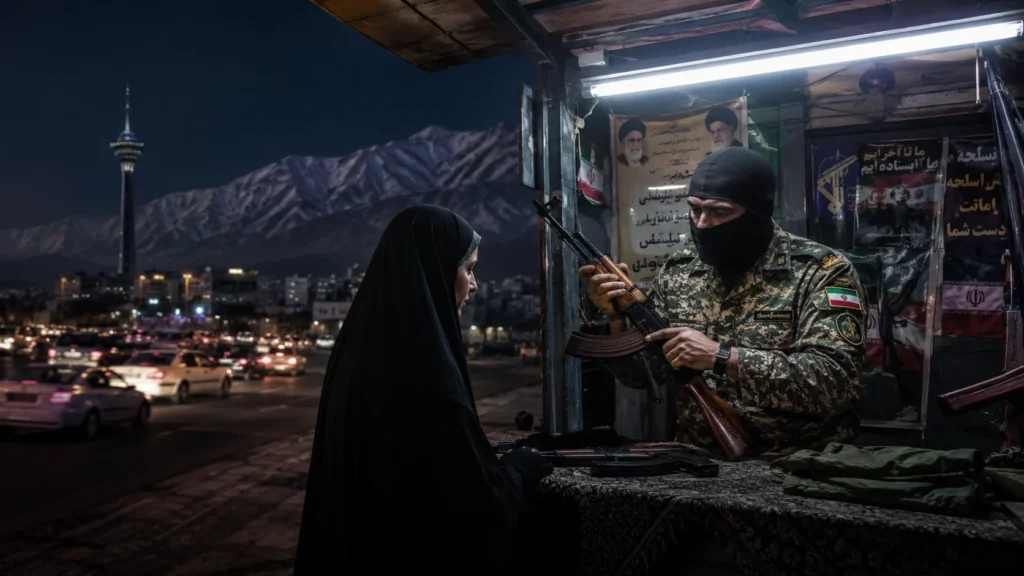
The Police Anti-Racism Commitment, born from the 2022 Police Race Action Plan, established a duty for officers to take a stand against racism and secure the trust of all ethnic groups. The intent was legitimate. Home Office figures confirm Black and Asian people remain disproportionately stopped and searched in England and Wales. The National Black Police Association withdrew its support for the plan, citing years of “broken promises.” But the operational result in Southampton is now public.
Shadow Home Secretary Chris Philp told the Commons that the commitment “urges police forces to reverse engineer the same arrest rates between ethnic groups, even though the offending rates are different.” Whether that characterization is accurate or not, the sequence in Southampton is undisputed. A false accusation of racism from a murderer carried more immediate operational weight than a dying teenager’s words. That is not a training gap. It is a design flaw.
As our analysis of the Police Race Action Plan’s implementation challenges documented, the gap between policy intent and street-level decision-making has been widening for years. Southampton just made that gap visible in the worst possible way.
THE BASICS: WHAT YOU NEED TO KNOW
Henry Nowak was walking home after a night out when Digwa attacked him. Digwa carried a 21-centimeter blade, which he claimed was part of his Sikh faith. The knife was not a ceremonial kirpan. The distinction matters legally. It is already blurring politically.
When officers arrived, Digwa told them Nowak had removed his turban and grabbed his hair in a racially motivated attack. None of that was true. The bodycam footage shows officers turning to Nowak, who repeats “I’ve been stabbed” and then “I can’t breathe” while being made to sit up for handcuffing. An officer says, “Don’t think you have, mate.” Nowak says “I can’t breathe” three more times. His heart stopped shortly after.
Digwa was sentenced to life in prison with a minimum term of 21 years on June 1, 2026. His mother has been convicted of assisting an offender. The Crown Prosecution Service has authorized further weapons charges against Digwa, his father, and his brother. They appeared in Southampton Magistrates’ Court on June 2. The next hearing is July 9.
According to IOPC Director Derrick Campbell’s official statement on the investigation, the watchdog will review a “large amount of police body-worn footage” and examine “the contact officers had with Nowak prior to his death, including the use of handcuffs and the first aid provided.” The officers are currently treated as witnesses. That classification is under review. One officer has resigned. Three remain on duty.
THE DEEPER TENSION: TWO BRITAINS, TWO DIAGNOSES
The political reaction has not converged. It has split.
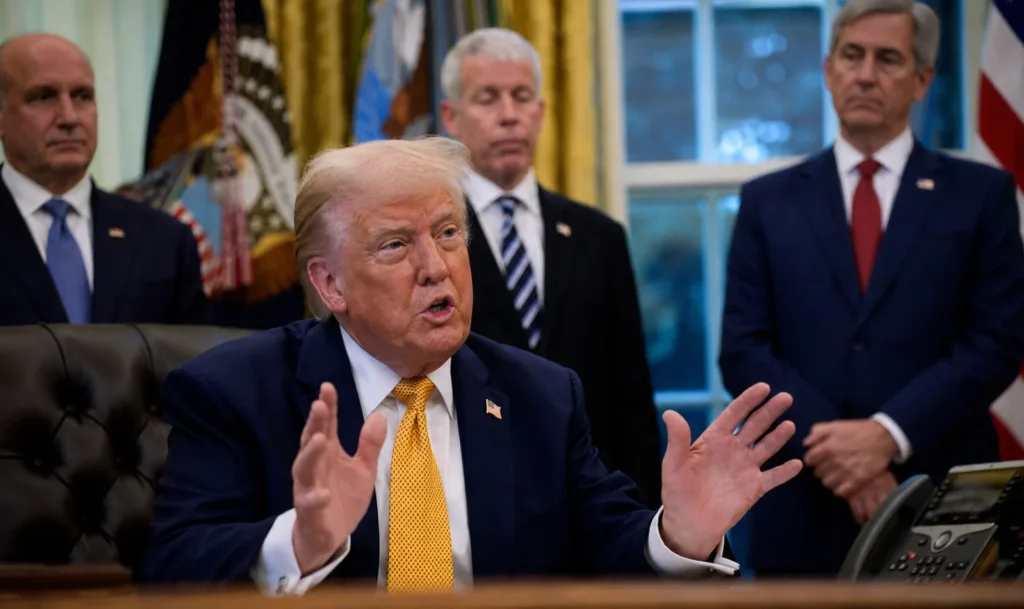
Reform UK leader Nigel Farage called the case evidence of a “two-tier Britain” and demanded “pure, cold rage.” Conservative leader Kemi Badenoch said, “Something has gone horribly wrong with policing.” Liberal Democrat leader Ed Davey called it an “evil murder made so much worse by the police response.”
Labour MPs, including Sikh parliamentarians Tanmanjeet Singh Dhesi and Gurinder Singh Josan, warned against scapegoating an entire religious community. Dhesi called it “very galling” that Reform had “decided to politicise people’s pain” by “attacking” the Sikh community. Josan said the Sikh community feels “sheer horror” at the killing and that “there is simply no religious justification for his actions.”
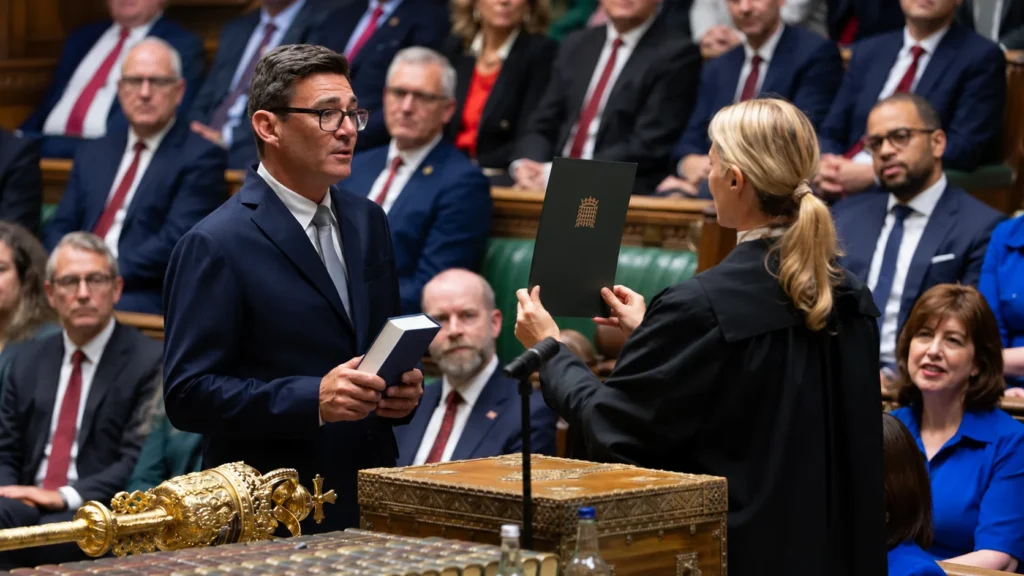
Home Secretary Shabana Mahmood told the Commons that “we do not believe in collective punishment in this country.” She also warned of a “dangerous undercurrent” of misinformation after a police officer—unrelated to the case—was misidentified online and forced to relocate to protect his family.
Starmer took his lead from Nowak’s family, who asked that their son’s death not become fuel for “further hatred, division or tension.” He called Farage’s response the “wrong reaction.”
The two diagnoses are now running in parallel. One sees institutional bias against white Britons embedded in policing protocols. The other sees a racist murder being weaponized to target an entire faith community. Both cannot be fully true. Both are true in effect. That is what a fractured public looks like.
THE TIMELINE: HOW THE CRISIS UNFOLDED
- December 3, 2025: Henry Nowak is stabbed by Vickrum Digwa in Southampton. Police handcuff Nowak while he tells them he cannot breathe. He dies shortly after.
- December 4, 2025: Digwa’s father and brother are later charged with weapons offences. The IOPC receives a mandatory referral from Hampshire Constabulary.
- May 2026: The IOPC investigation continues. Officers remain classified as witnesses.
- June 1, 2026: Digwa is sentenced to life in prison with a minimum term of 21 years. Bodycam footage enters the public domain.
- June 2, 2026: Starmer tells broadcasters he “felt sick” watching the footage. Mahmood addresses the Commons. Hampshire Police and Crime Commissioner Donna Jones requests an urgent HMICFRS inspection. Digwa and family members appear in court on weapons charges. One officer involved confirms resignation.
- By September 2026: The IOPC expects to report its findings within three months.
WHAT TO WATCH: THE NEXT 6-12 MONTHS
The IOPC report will land before autumn. Its credibility depends entirely on specificity. Vague findings of “lessons to be learned” will satisfy no one and will accelerate calls for a statutory inquiry.
Hampshire Police and Crime Commissioner Donna Jones has already requested a separate urgent inspection from His Majesty’s Inspectorate of Constabulary and Fire & Rescue Services. That investigation will examine “whether the handling of the call coming into the police control room, the way the officers were deployed, and the training they were given were all appropriate.” This runs parallel to the IOPC process and may report on a different timeline.
The government faces simultaneous pressure from three directions. Reform and parts of the Conservative Party want a full inquiry into policing practices. Sikh and other faith communities want protection from collective blame. Labour backbenchers must hold both lines.
As our coverage of the knife crime action plan and government strategy noted, Mahmood restated the government’s commitment to halving knife crime within the decade. The question is whether the political bandwidth for policy work survives the institutional crisis.
Watch three specific indicators. First, whether any officer moves from witness to subject in the IOPC investigation. Second, how Starmer’s language shifts after the report—the narrowing from “serious questions” to something more specific. Third, whether Southampton sees sustained public protest if the report disappoints. The legal process will grind forward. The political process will not wait.
FREQUENTLY ASKED QUESTIONS
What does the bodycam footage of Henry Nowak show?
The footage shows officers handcuffing Nowak while he tells them he has been stabbed and cannot breathe. He says “I can’t breathe” four times. An officer replies, “Don’t think you have, mate.” Nowak died shortly after. The footage has been described as “harrowing” by Prime Minister Keir Starmer.
What is the IOPC investigating?
The Independent Office for Police Conduct is investigating Hampshire Constabulary’s handling of the murder. The investigation covers the contact officers had with Nowak before his death, the use of handcuffs, and the first aid provided. The findings are expected within three months of the June 2 Commons statement.
What is the Police Anti-Racism Commitment?
The Police Anti-Racism Commitment emerged from the 2022 Police Race Action Plan. It requires officers to take a stand against racism and to be transparent about their actions. The plan aims to address documented racial disparities in policing. The National Black Police Association withdrew its support, citing “broken promises.”
Has anyone been held accountable?
Vickrum Digwa received a life sentence with a minimum term of 21 years for Nowak’s murder. His mother was convicted of assisting an offender. One officer involved in the response has resigned. Three others remain on duty. All are currently treated as witnesses by the IOPC, but that classification is under review.
What has the prime minister said about the case?
Keir Starmer said he “felt sick” watching the bodycam footage. He stated there are “serious questions for the police to answer,” including “how accusations of racism informed the decision-making in this case.” He said he takes his lead from Nowak’s family, who have asked that the case not be used to fuel hatred or division.
AUTHOR BIO
Written by the Home Affairs desk, covering policing, institutional accountability, and civil liberties for over fifteen years.