

 English



















































































































































Shell Kept Pumping Oil Through Nigeria Pipeline Despite Knowing Pollution Risks, Documents Reveal
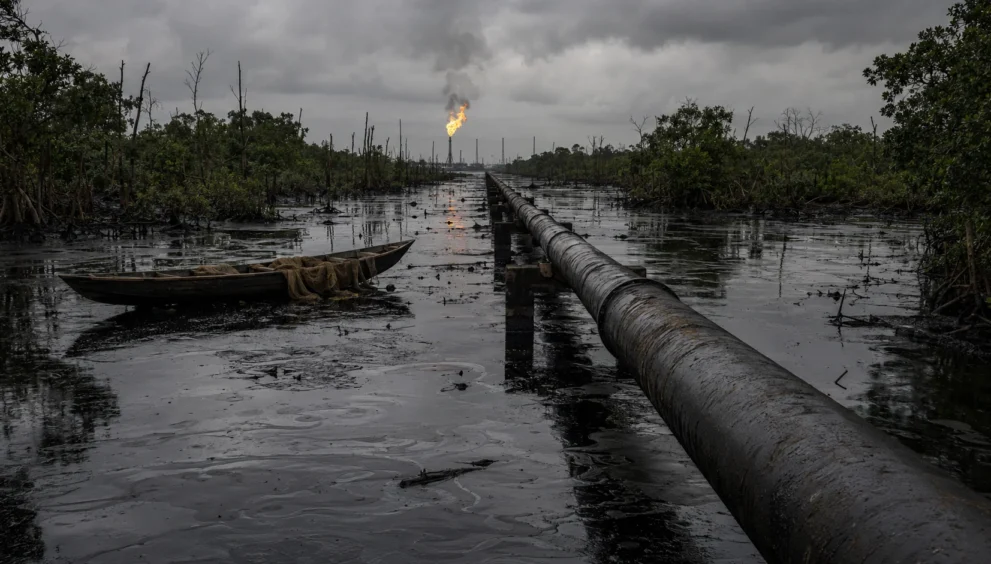
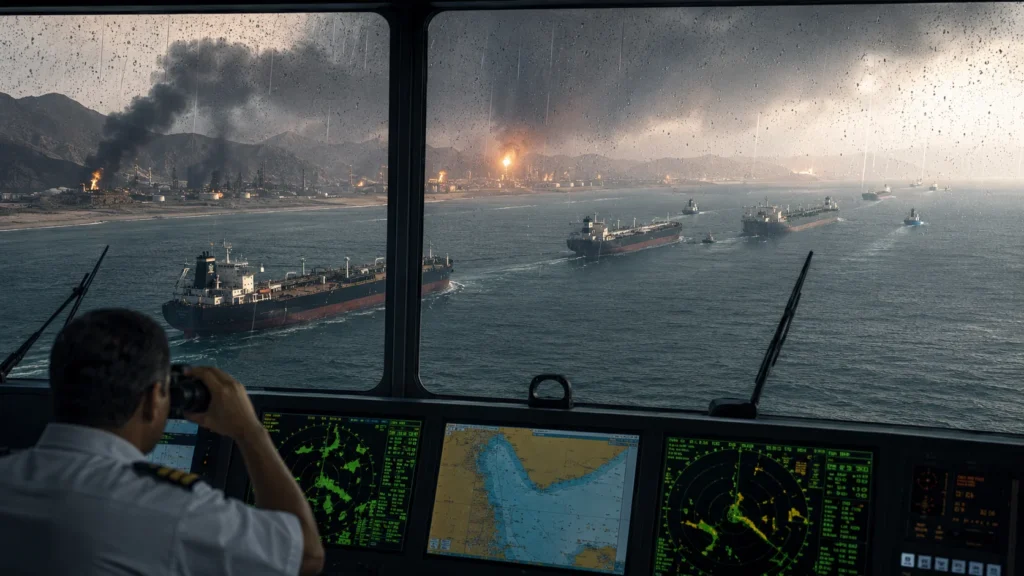
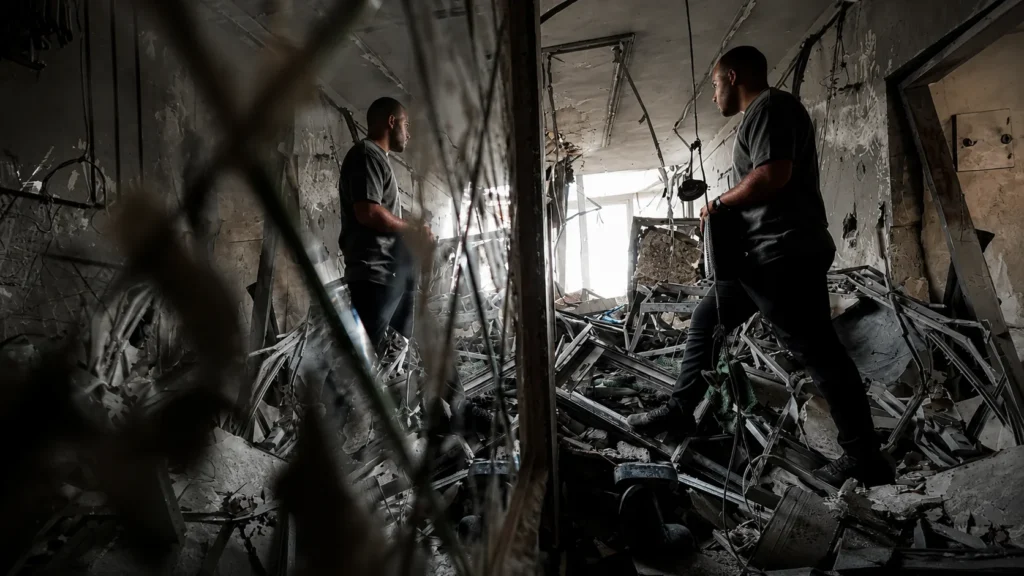
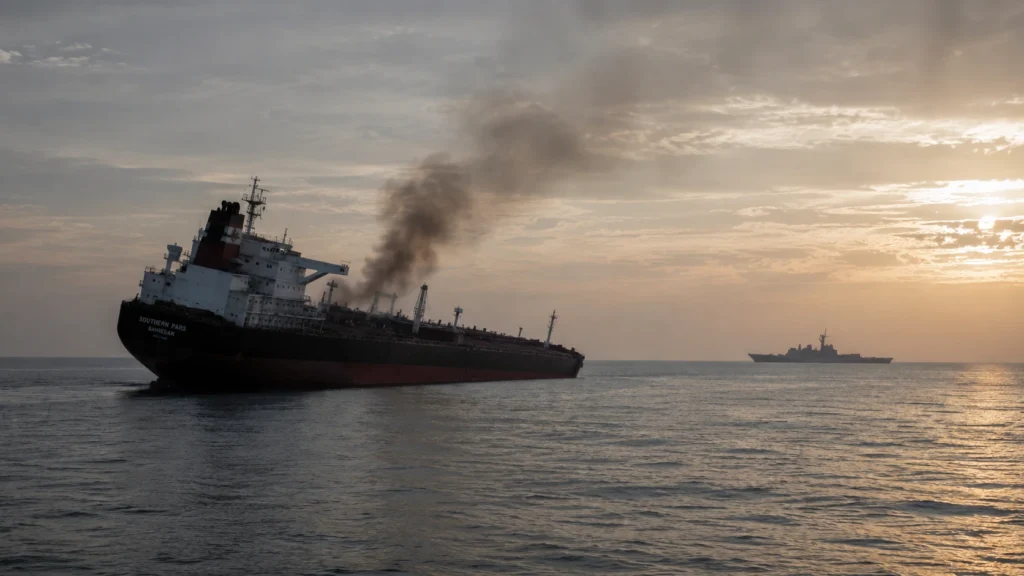
Shell kept pumping oil through Nigeria pipeline despite knowing pollution risks, documents reveal, as internal files obtained by the BBC show that senior executives at the British multinational were warned as early as 2008 about the dangers of continuing to operate the Nembe Creek Trunk Line in the Niger Delta while it was subject to widespread oil theft and infrastructure failures. The documents, including emails and presentations disclosed by Shell as part of ongoing UK legal proceedings, show the company’s own technical vice-president cautioned against the approach, sections of the pipeline were classified as “red” — requiring immediate shutdown — and a proposed audit was warned against because its findings would be “UNACCEPTABLE” and expose the company to compensation claims. Communities from the Bille region are now suing Shell for $1 billion (£742 million).
Shell Kept Pumping Oil Through Nigeria Pipeline Despite Knowing Pollution Risks — The Internal Warnings
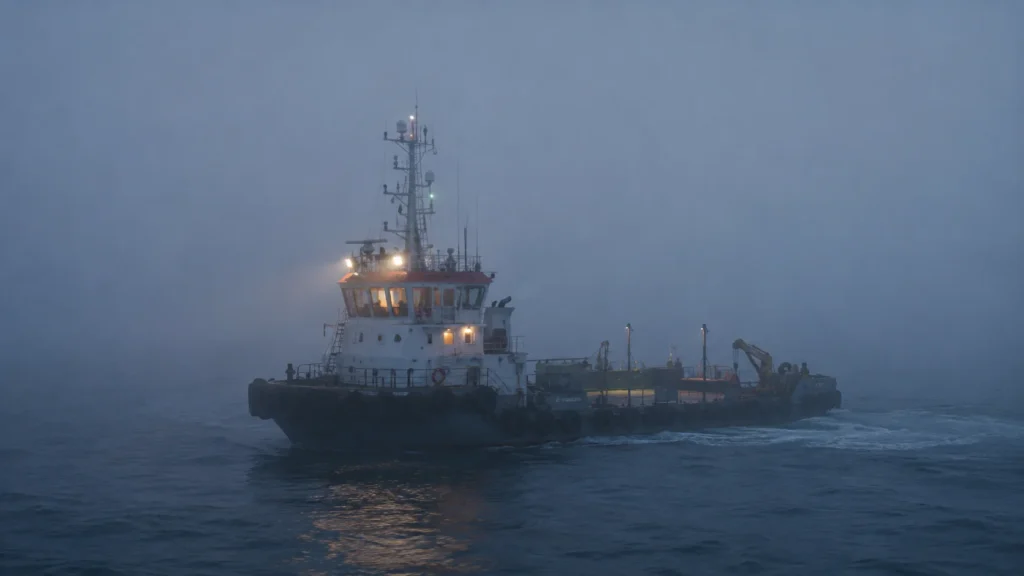
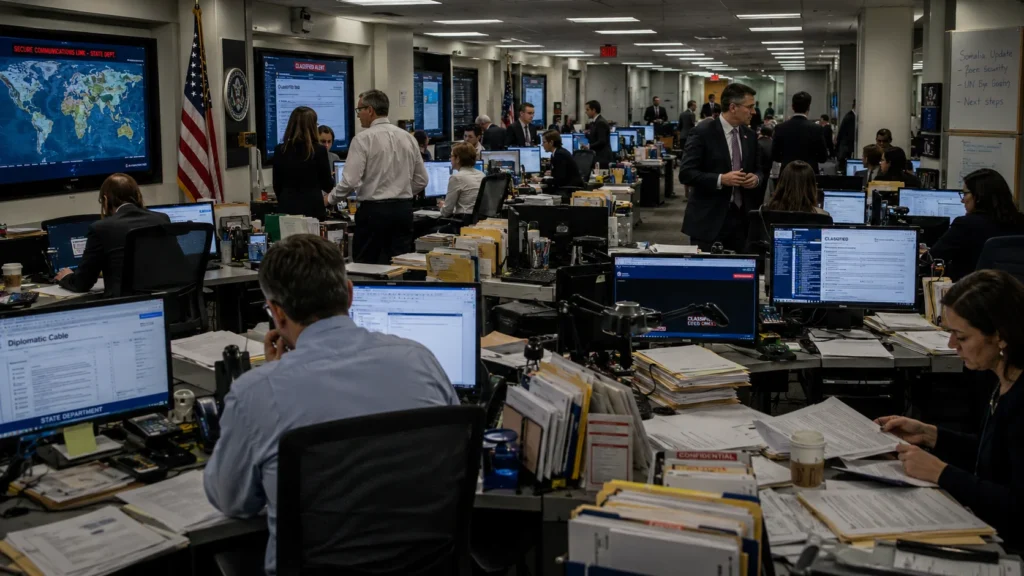
An internal Shell email exchange from October 2008 reveals a disagreement between senior executives over the risks of continuing operations. Markus Droll, the firm’s then technical vice-president, raised concerns about a decision to keep operating the Nembe Creek Trunk Line outside its usual guidelines.
“If there is another massive explosive attack tomorrow… then we could well find ourselves in the situation of simply having to close the production down,” Droll wrote. “I don’t agree that funding can be an issue. Sorry if I sound like a broken record on this — but the approach makes me — as your Technical VP — pretty uncomfortable” Shell internal email, October 2008, disclosed in UK legal proceedings.
Ann Pickard, Shell’s regional executive vice-president at the time, criticised him for failing to mark the email as “legally privileged.” She wrote: “You have just exposed us significantly in your official disagreement as a technical manager without legal privilege.” Pickard acknowledged it “was not an easy decision” but argued continuing operations represented the “lower risk to both people and environment.”
By 2012, at the height of the alleged Bille oil spills, Shell’s internal classification system had marked sections of the pipeline as “red” — the company’s own designation for infrastructure requiring either an immediate shutdown or “immediate corrective action.” The document shows executives acknowledged the status but argued shutting the system down would lead to “a significant number of new illegal connections” being installed elsewhere. Senior officials gave the Nigerian subsidiary permission to continue pumping.
Shell’s Niger Delta legacy — decades of oil spills and the fight for accountability
Shell Kept Pumping Oil Through Nigeria Pipeline Despite Knowing Pollution Risks — The Audit That Was Killed
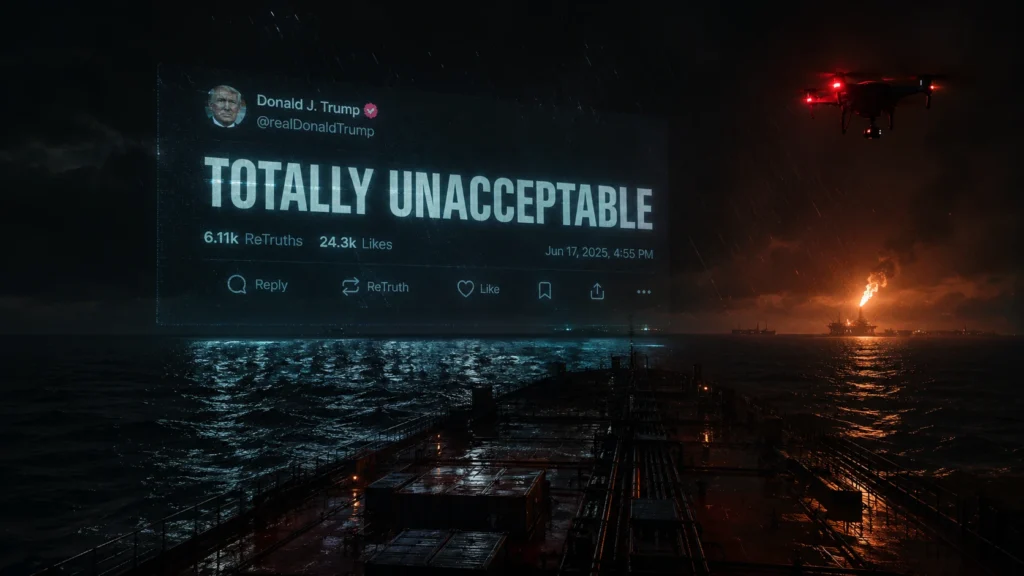
In February 2013, an email chain shows executives suggested conducting an audit into how the company managed oil theft and pipeline integrity between 2009 and 2012. Vincent Holtam, then general manager for onshore assets for Shell’s Nigerian subsidiary, replied to warn colleagues that doing so could “do more harm than good.”
“I have no doubt that this [audit] will come out as UNACCEPTABLE, in which case we may be very exposed in disputing any oil loss claims from the Government or compensation claims from the community,” Holtam wrote Shell internal email, February 2013, disclosed in UK legal proceedings.
The documents do not indicate whether the audit went ahead. The email itself is now part of the evidence in the lawsuit.
The same month, Shell launched “Project Madrid” — a “most confidential” operation to assess how to handle the spills. A 36-page internal presentation estimated there were 100 illegal refineries operating around the pipeline, causing pollution to approximately 9,000 hectares of water and 9,000 hectares of land. Executives were presented with options ranging from temporary shutdowns to halting production for years. The pipeline resumed operations after a series of temporary shutdowns in 2013 and continued pumping until Shell sold it last year to Renaissance Africa Energy.
Project Madrid — the confidential Shell operation that assessed the Niger Delta disaster
Shell Kept Pumping Oil Through Nigeria Pipeline Despite Knowing Pollution Risks — The Human Cost
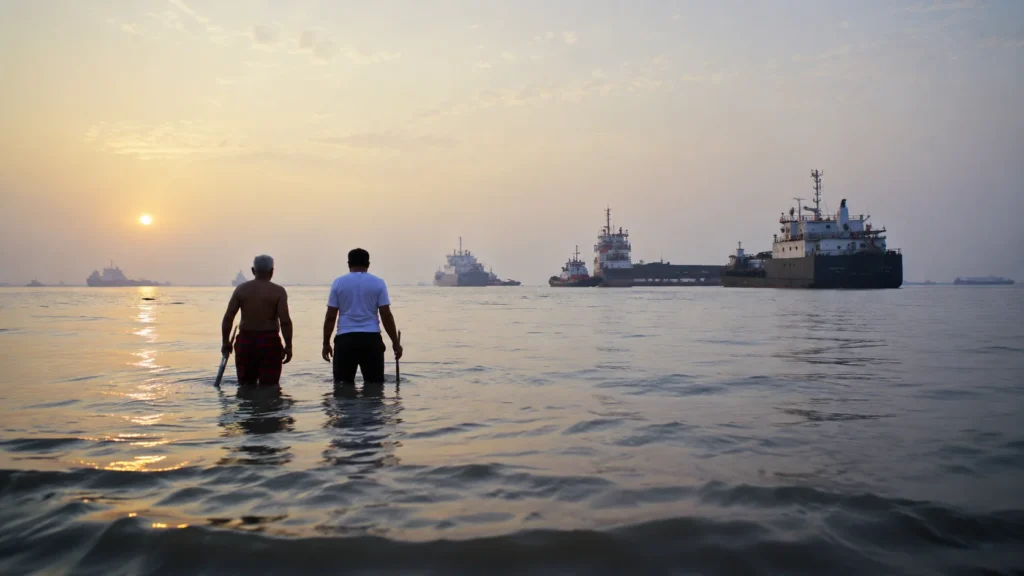
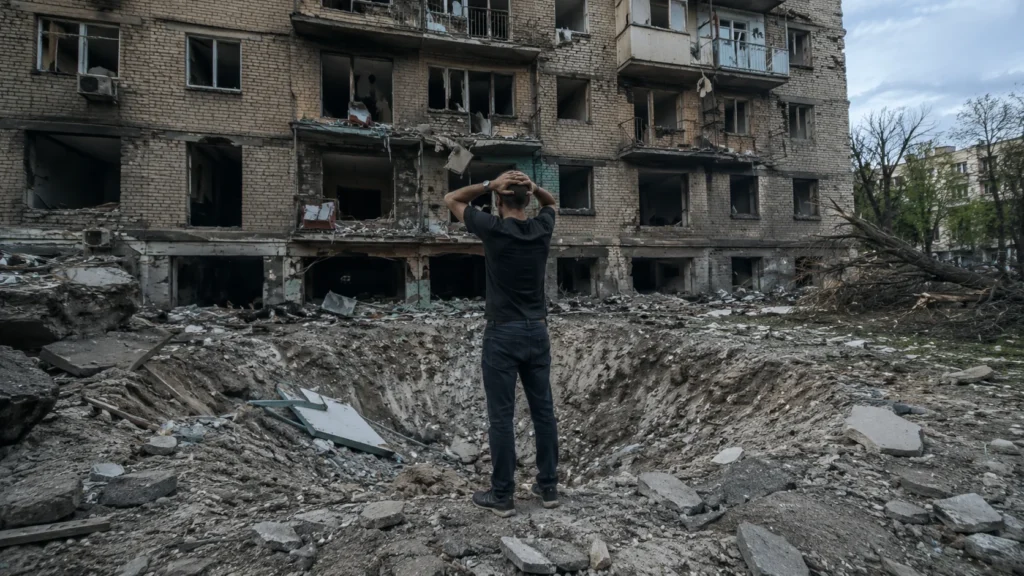
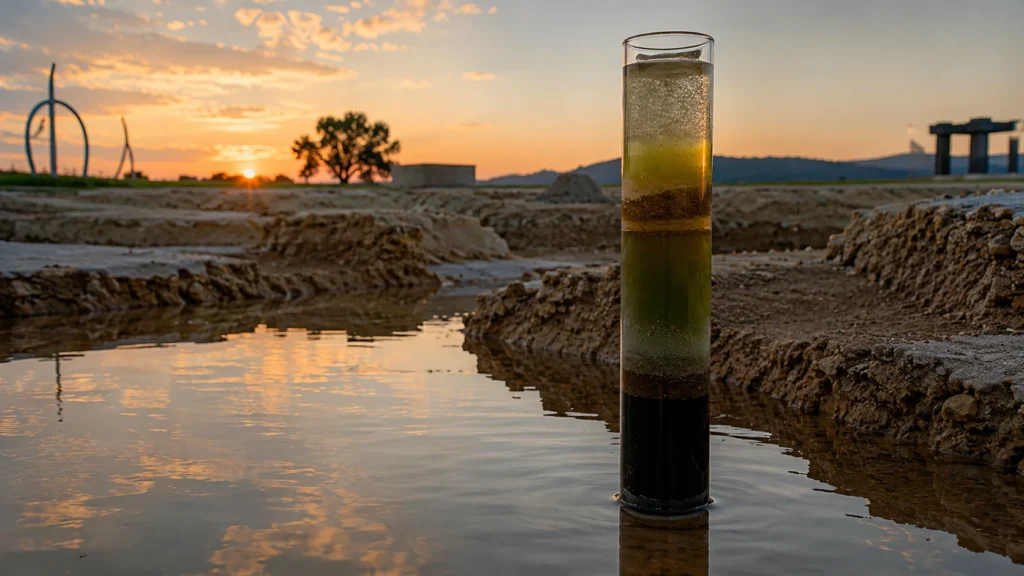
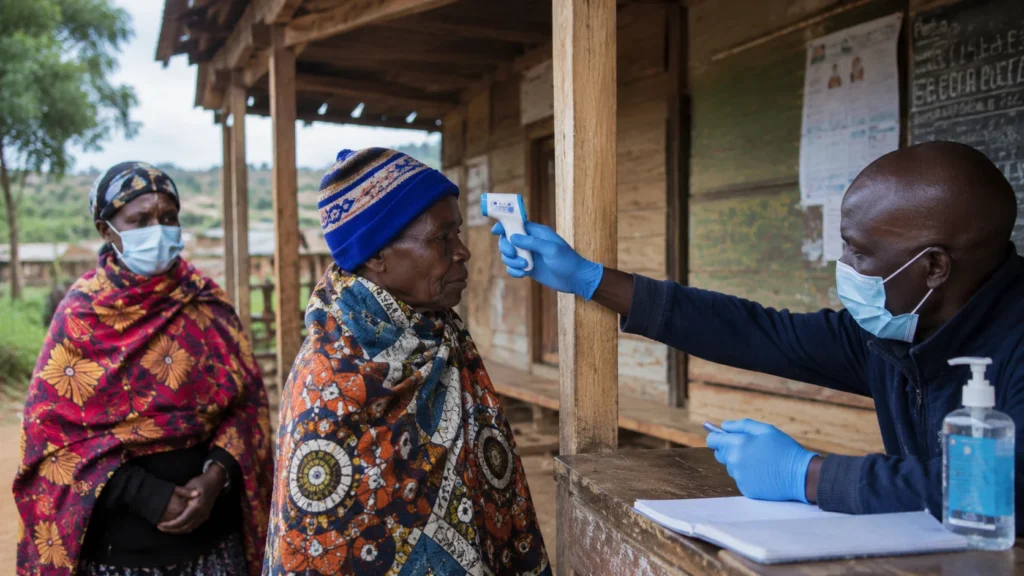
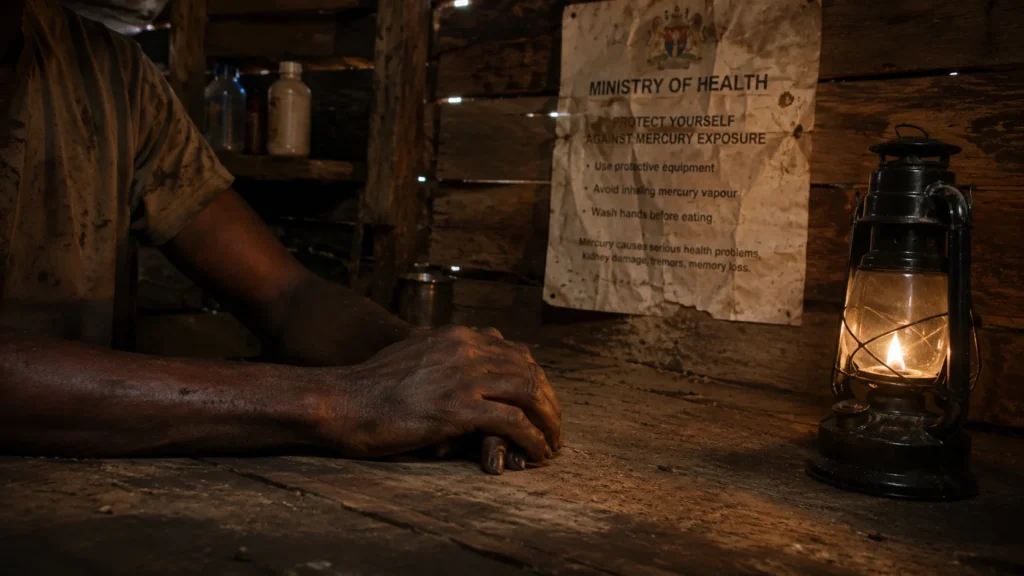
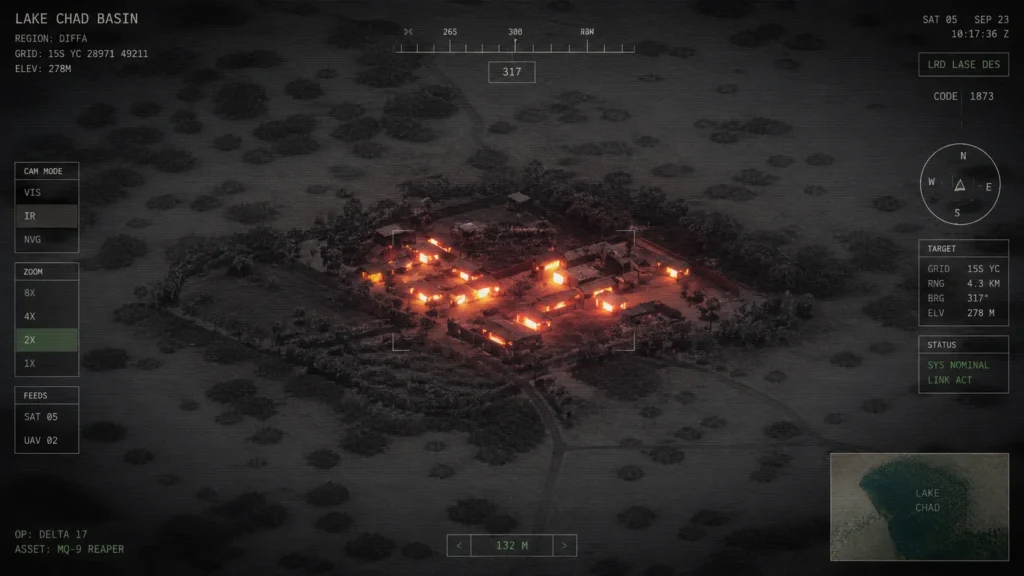
In places like Bille, a riverine community made up of 45 islands, residents describe once-rich fishing grounds turning toxic and unusable. According to the UN, since 1958, at least 13 million barrels of crude oil have been spilled in at least 7,000 incidents.
“Before 2011, this was a beautiful area. People play here and go into the river. We used to fish around here. But because of the damage [the spills] have caused, nobody is fishing here again,” 64-year-old fisherman Balafama Augustus Bruce, a claimant in the case, told the BBC. “Because of that, I’ve become poor. I eat from hand to mouth.”
Taminoibitein Philip, 49, harvests periwinkles — sea snails that are a delicacy in the Niger Delta — but says they are now hard to find. “When you go to the bush, you won’t see periwinkle [any more]. And the odour [is] killing us… We don’t benefit. We are suffering.”
The communities, represented by law firm Leigh Day, are seeking 250million in compensation and 250 million in compensation and 750 million to clean up the environmental damage. The trial is scheduled for next year.
Life in Bille — the Niger Delta community suing Shell for $1bn
Shell’s Response
A Shell spokesperson told the BBC: “The documents selected are presented without the critical context of the operating environment in the Niger Delta at the time. In isolation, they do not reflect the challenges of working against the backdrop of widespread organised criminality.”
The company argues it took significant steps to tackle illegal theft, but that Nigeria’s poor security environment made it impossible to prevent gangs from targeting its infrastructure. Shell also says members of the Bille community were among those who took part in the theft of oil.
Law firm Leigh Day said the communities it represents “have always argued that Shell plc in London was ultimately making the key decisions in relation to its Nigerian subsidiary, which led to the destruction of their environment.”
A Shell spokesperson added: “We strongly believe in the merits of our case and will vigorously defend the claims at trial next year.”
FAQ: Shell Nigeria Pipeline Pollution Case 2026
What do the Shell documents show?
Internal emails and presentations show Shell executives were warned as early as 2008 about the risks of operating the Nembe Creek Trunk Line. By 2012, sections were classified “red.” A proposed audit was warned against in 2013 because its findings could expose the company to compensation claims.
How much oil was spilled?
According to the UN, at least 13 million barrels of crude oil have been spilled in at least 7,000 incidents in the Niger Delta since Shell began operations in 1958.
What is the lawsuit against Shell?
Communities from the Bille region in the Niger Delta are suing Shell for 1billion—1billion—250 million in compensation and $750 million to clean up environmental damage. The case is being heard in the UK courts.
What is Shell’s defence?
Shell argues the pollution was primarily caused by oil theft and sabotage by criminal gangs, and that it invested heavily in spill response. The company says the documents lack the context of operating amid widespread organised criminality.
Does Shell still own the pipeline?
No. Shell sold its remaining onshore Nigerian assets, including the Nembe Creek Trunk Line, to Renaissance Africa Energy last year.
Written by the Business and Investigations Desk, drawing on Shell internal documents disclosed in UK legal proceedings, UN environmental data, BBC on-the-ground reporting in the Niger Delta, and statements from Leigh Day. The desk has covered corporate accountability and the energy industry for over two decades.