

 English


































































































































Scorsese Faces Backlash After Calling AI Storyboarding ‘Creatively Freeing’
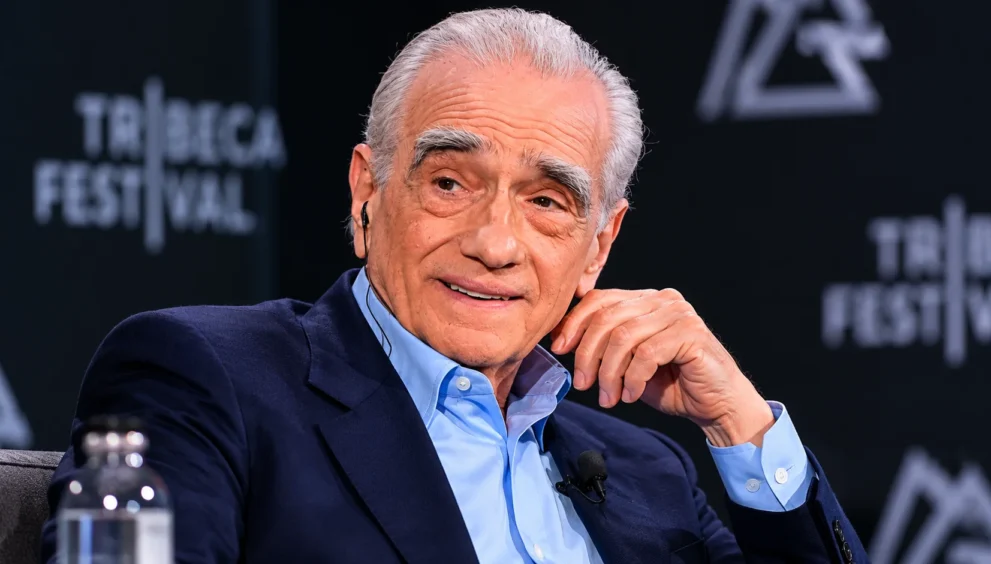
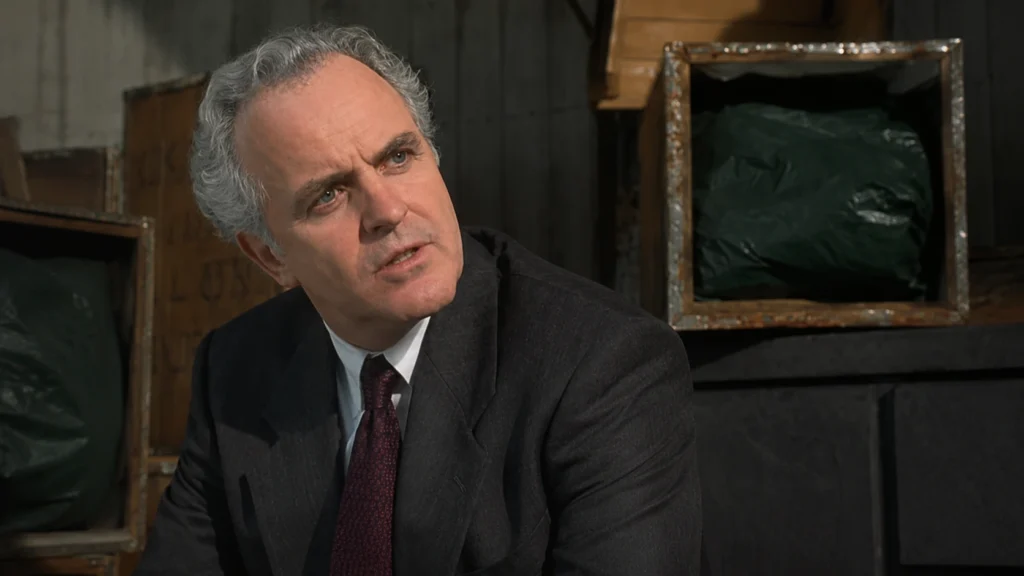
Scorsese faces backlash after calling AI storyboarding ‘creatively freeing’ as the 83-year-old legendary director of Taxi Driver, Goodfellas, and The Irishman stepped into the fierce debate over artificial intelligence in Hollywood by becoming an adviser to AI company Black Forest Labs and praising its ability to instantly create images for storyboards. “I recently tested this out on a scene, and the ability to visualize and immediately share the storyboard was creatively freeing,” Scorsese said in a statement. “During the pre-production process, time costs money, and this allowed us to move faster without sacrificing quality or craft.” The endorsement drew sharp criticism from storyboard artists and concept designers, including Karla Ortiz, who worked on Avengers: Endgame and Black Panther, who accused him of throwing “every single storyboard artist he’s ever worked with under the bus.”
Scorsese Faces Backlash After Calling AI Storyboarding ‘Creatively Freeing’ — What He Said
Scorsese, who has previously embraced technological advances including 3D in his 2011 film Hugo and de-ageing technology in 2019’s The Irishman, framed his AI endorsement as part of a longer tradition of cinematic innovation.
“Remember, cinema is a young medium, only around 125 years old, so we have to be open to how it can evolve,” he said Black Forest Labs press release, 3 June 2026.
He described struggling throughout his career to “communicate what you see in your head to your cast and crew” through traditional storyboards. The AI tool, he said, allowed him to convey his ideas “more clearly and efficiently to my creative team,” including a production designer, art designer and cinematographer.
Scorsese is the latest high-profile director to embrace AI. Darren Aronofsky’s studio used AI to recreate the American Revolution in short films. Steven Soderbergh used it to create visual scenes in a John Lennon documentary. Late actor Val Kilmer will appear posthumously in a forthcoming film after agreeing to the use of AI before his death in April 2025.
Hollywood’s AI divide — from Spielberg’s caution to Del Toro’s refusal
Scorsese Faces Backlash After Calling AI Storyboarding ‘Creatively Freeing’ — The Artists Respond
Karla Ortiz, a concept artist whose credits include some of the highest-grossing films in history, delivered the most pointed criticism. “He throws every single storyboard artist he’s ever worked with under the bus, as he demolishes their livelihoods with models that are likely trained on those storyboard artists’ same works,” Ortiz wrote on X. “To use his legacy and power for this is just so disgusting” Karla Ortiz statement on X, 3 June 2026.
Animation director Samuel Deats said, “It takes literally seconds for me to storyboard a shot; there is absolutely no reason to need AI built on the stolen work of millions of artists to storyboard your vision, have some damn pride and respect your peers.”
The training data question is the unresolved element beneath the controversy. The AI tools that generate storyboards were trained on millions of images, many of them likely created by the artists whose jobs they now threaten. The legal questions surrounding training data remain unresolved.
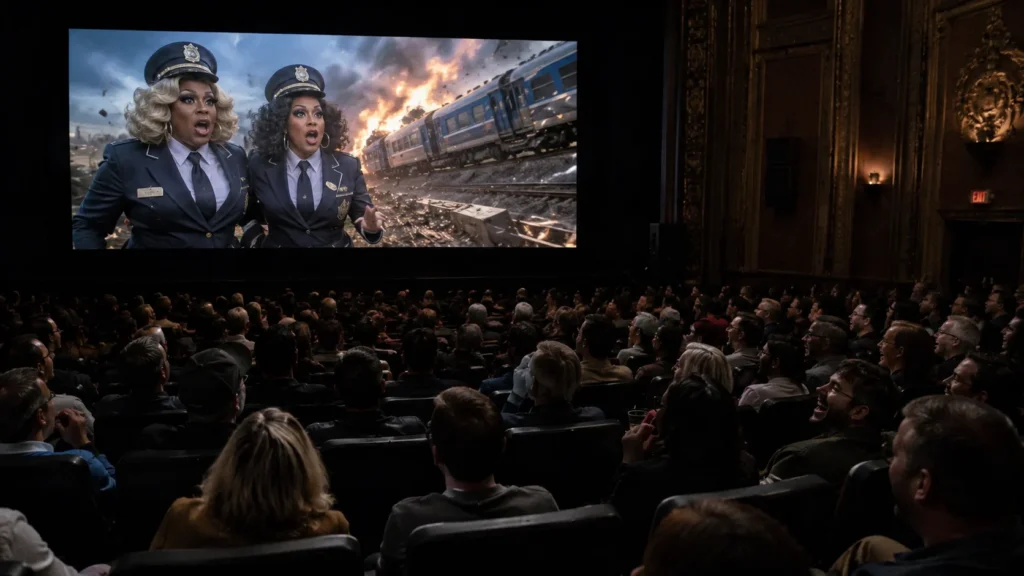
Guillermo Del Toro previously said he would “rather die” than use AI. On Tuesday, director Adam Shankman felt compelled to publicly deny using AI in his new film, Stop! That! Train!, writing on Instagram: “Every shot in ‘Stop! That! Train!’ was made by human hands! There is a sum total of ZERO shots conceived by AI in the movie” Adam Shankman Instagram statement, 3 June 2026.
The training data problem — why AI’s creative tools face unresolved legal questions
Scorsese Faces Backlash After Calling AI Storyboarding ‘Creatively Freeing’ — The Counter-Argument
Not all responses were critical. Some social media users defended Scorsese and the use of AI in filmmaking.
“Using AI is effectively just another special effect like CGI. And as shown, Scorsese is not averse to such technological advancements,” one user wrote. Another added: “If AI can help someone like Scorsese show his cinematographer or production team what he’s imagining more quickly, I don’t really see the issue. At that point, it feels less like replacing creativity and more like giving the creative process a better tool.”
Steven Spielberg has offered a middle-ground position, saying AI could “save us a lot of legwork” by undertaking tasks such as scouting locations but should be “a tool in a large tool chest” and shouldn’t have the “final word on anything creative” Steven Spielberg comments on AI, 2026.
The industry is now divided between those who see AI as a tool that augments creative work, those who see it as a threat that eliminates it, and those trying to draw a line between acceptable and unacceptable uses. Scorsese’s endorsement has moved that line.
Spielberg, Scorsese and the AI divide — where Hollywood’s directors stand
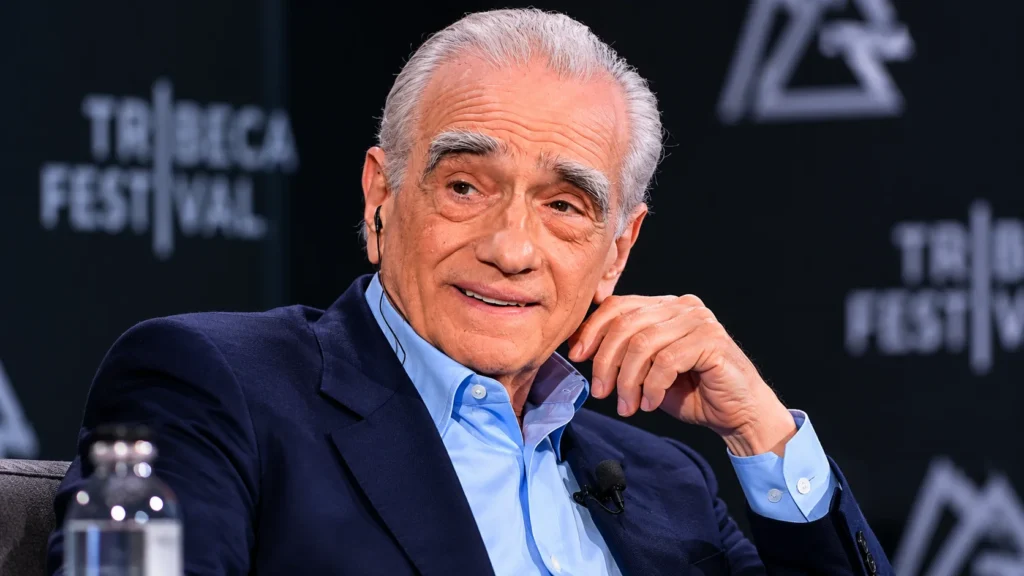
Martin Scorsese AI Controversy 2026
What did Martin Scorsese say about AI?
Scorsese endorsed an AI tool from Black Forest Labs for creating storyboards, calling it “creatively freeing” and saying it allowed him to work faster during pre-production without sacrificing quality.
Why are artists criticising him?
Storyboard artists and concept designers argue that the AI tool eliminates their jobs and was likely trained on their own work without consent or compensation. Karla Ortiz accused him of undermining the livelihoods of artists he has worked with throughout his career.
Has Scorsese used new technology before?
Yes. He used 3D technology in Hugo (2011) and de-aging visual effects in The Irishman (2019). He frames his AI endorsement as part of a long tradition of embracing cinematic innovation.
What do other directors think about AI?
Steven Spielberg says AI should be a tool but not have the “final word on anything creative.” Guillermo Del Toro said he would “rather die” than use AI. Darren Aronofsky and Steven Soderbergh have used AI in recent projects.
Is AI use in Hollywood regulated?
The legal status of AI models trained on artists’ work remains unresolved. Industry unions are negotiating AI protections, but comprehensive regulation has not yet been established.
Written by the Culture and Technology Desk, drawing on Black Forest Labs announcements, director statements, and social media responses. The desk has covered the intersection of technology and the creative industries for over a decade.
Source: Black Forest Labs, X/Twitter, Director Statements