

 English
































































































































Nine Killed in Israeli Strikes on Lebanon as Hezbollah Launches Rockets
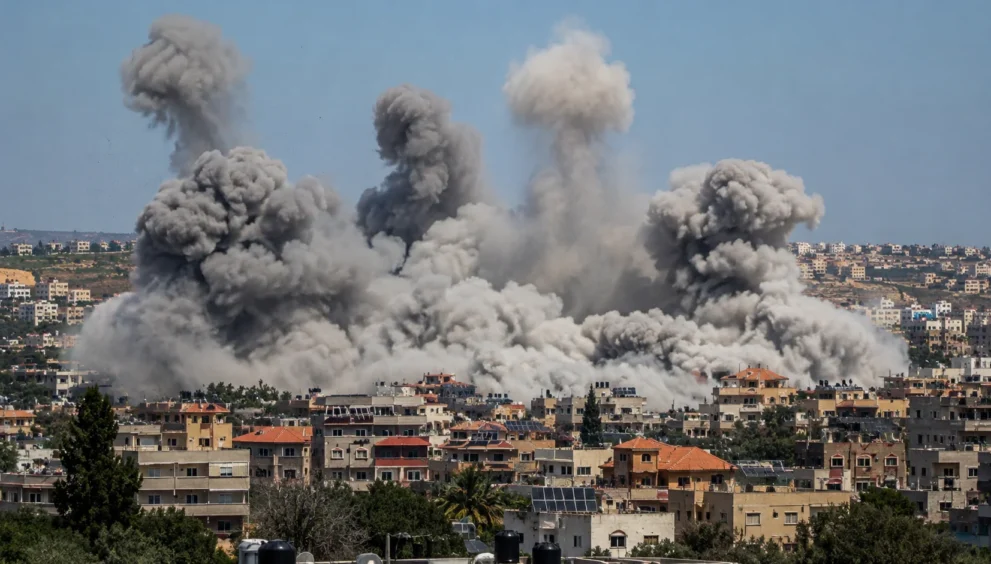
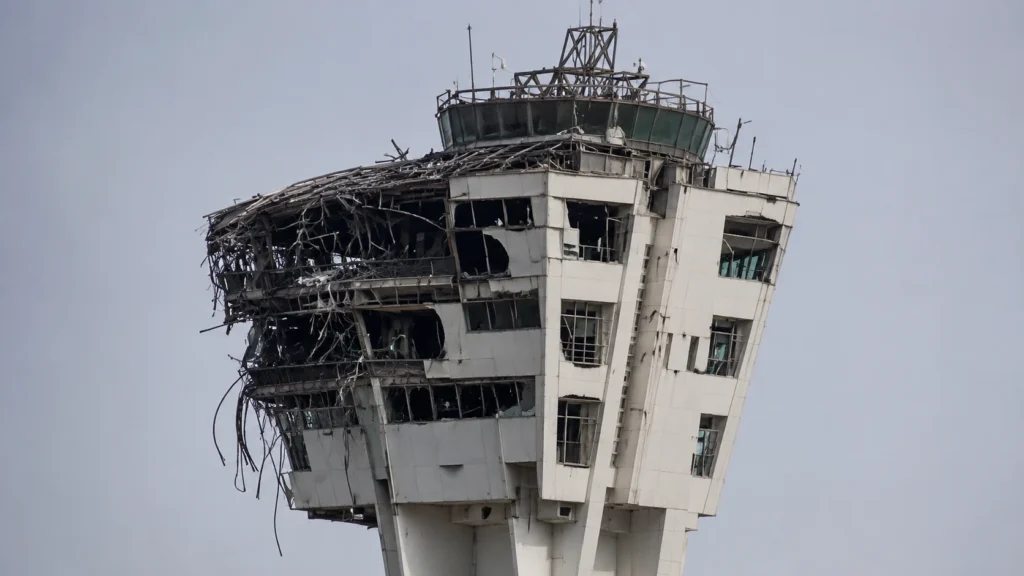
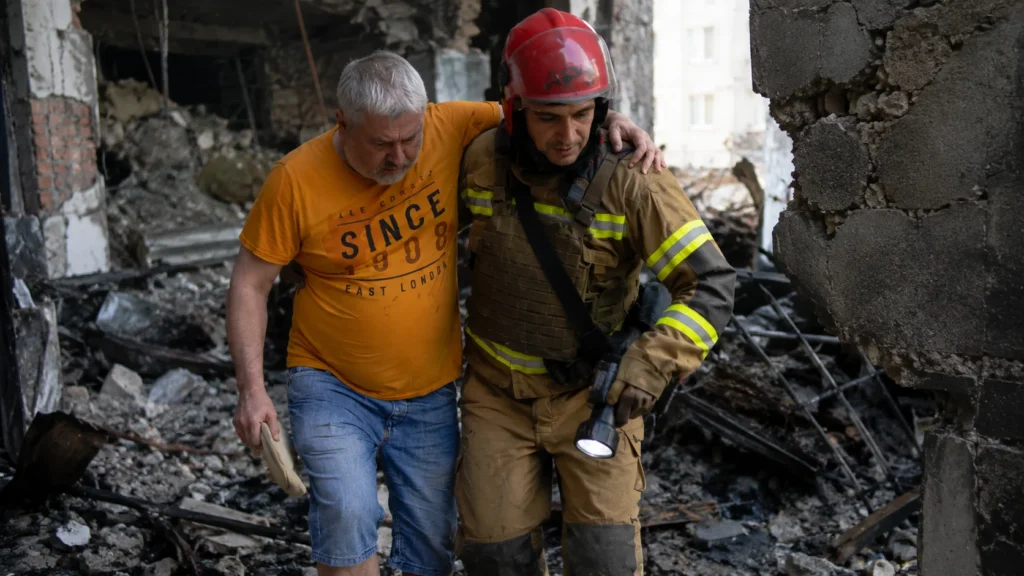
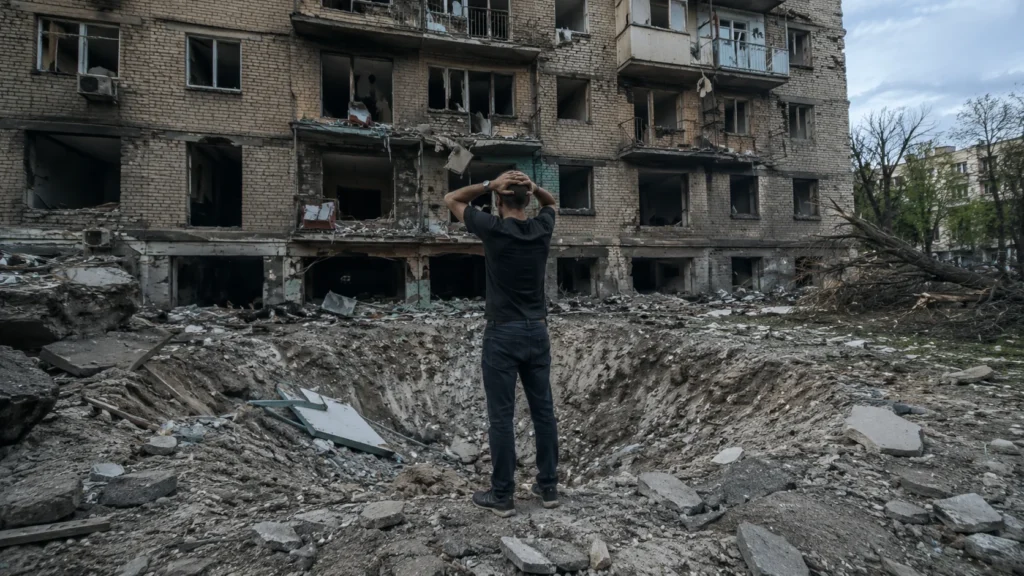
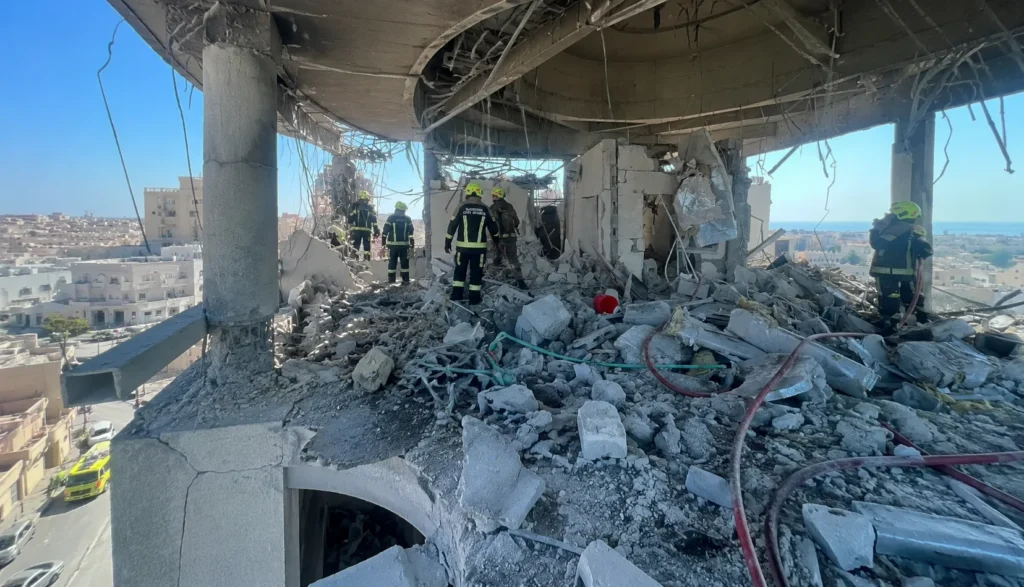
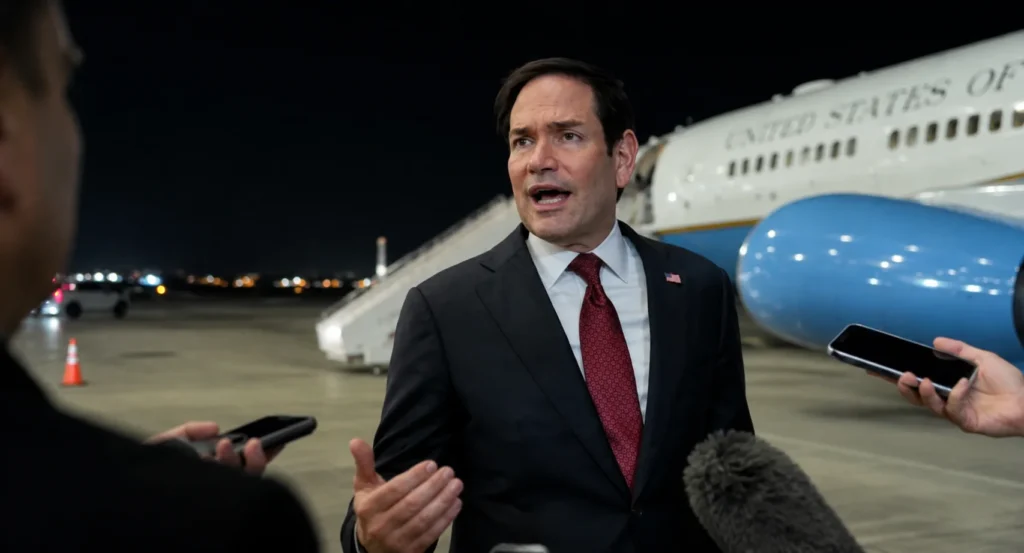
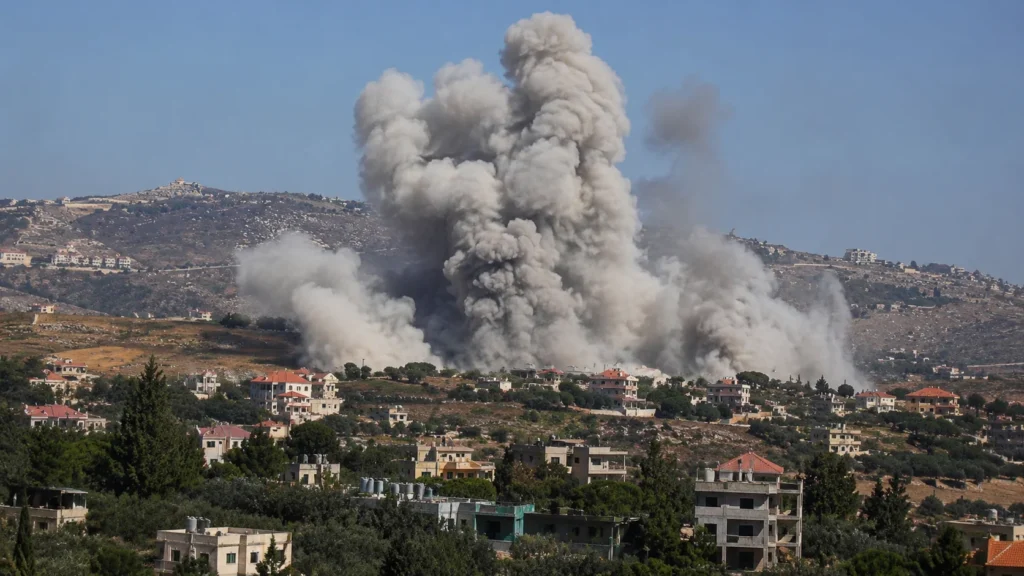
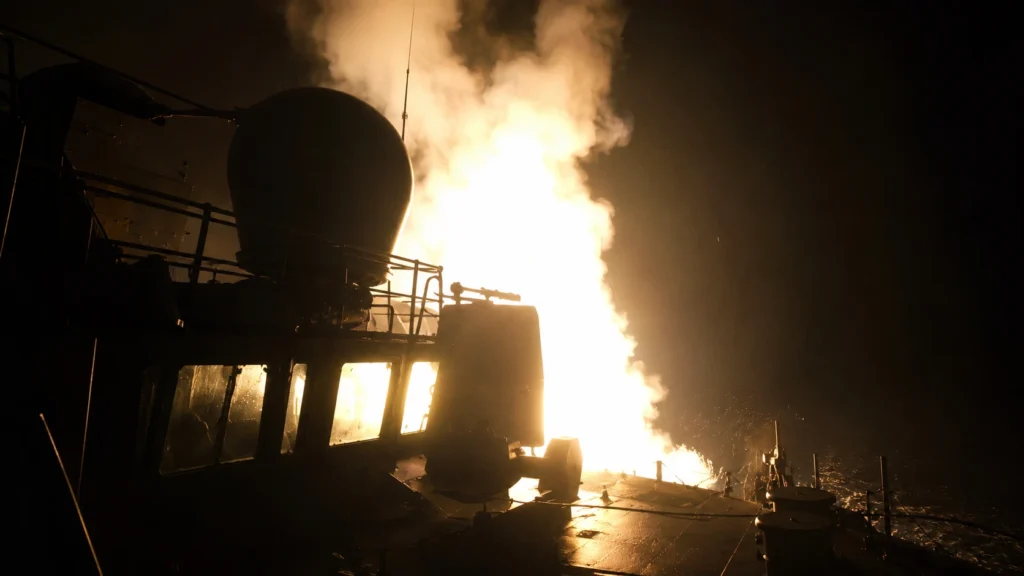
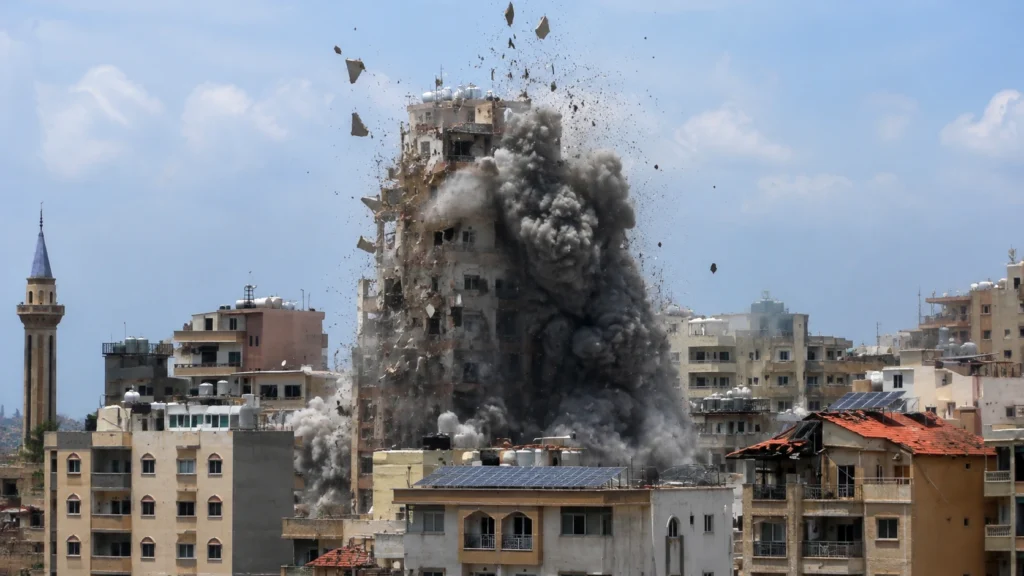
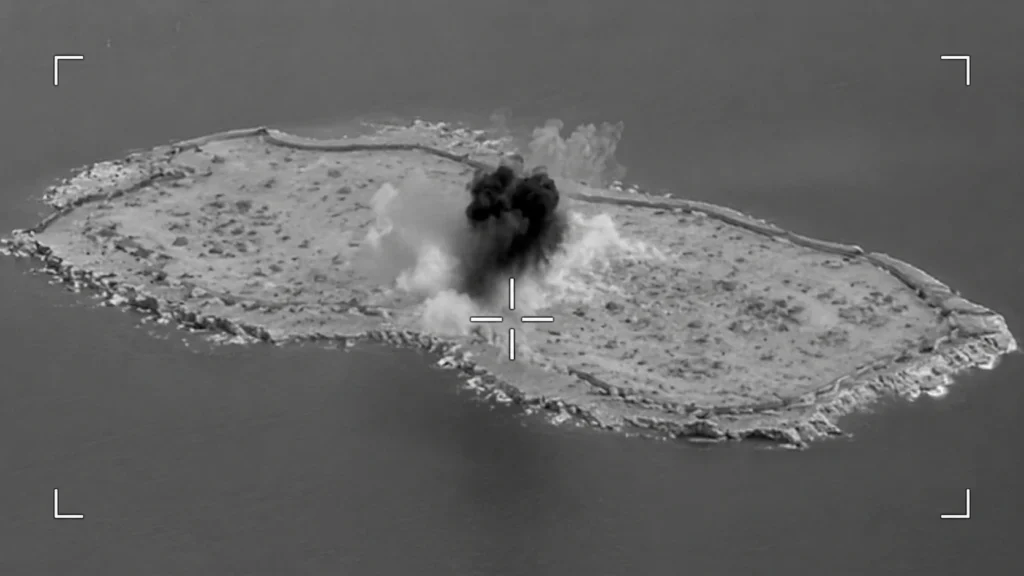
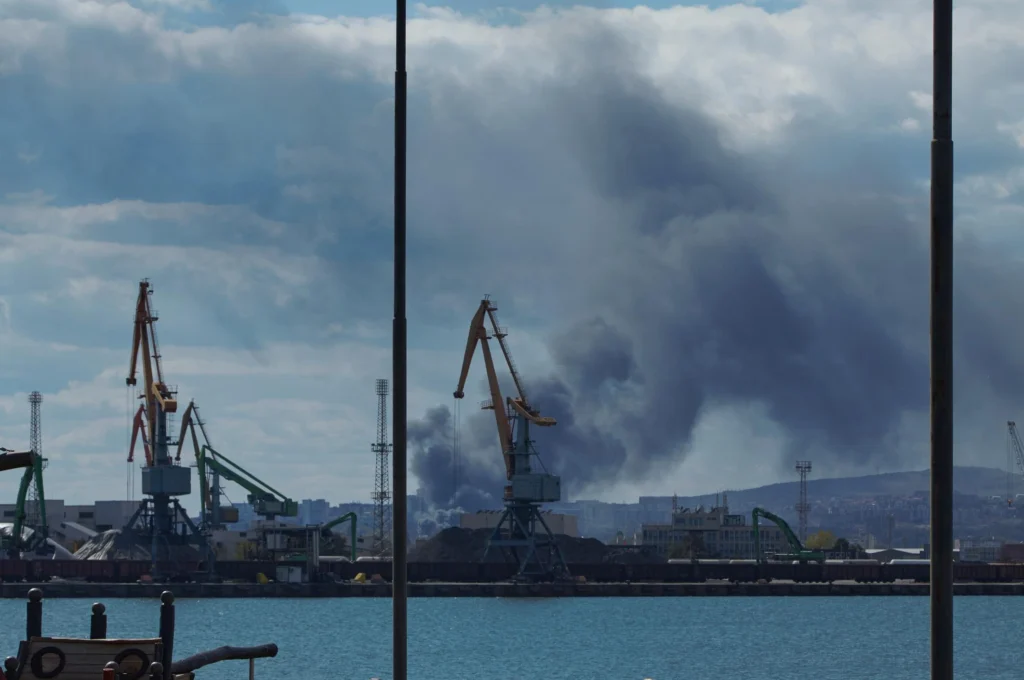
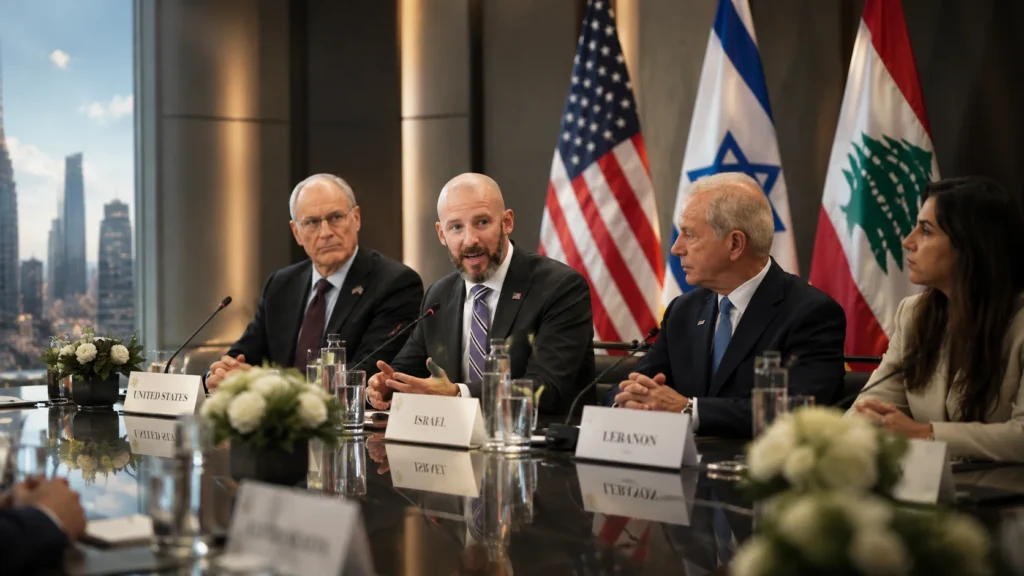
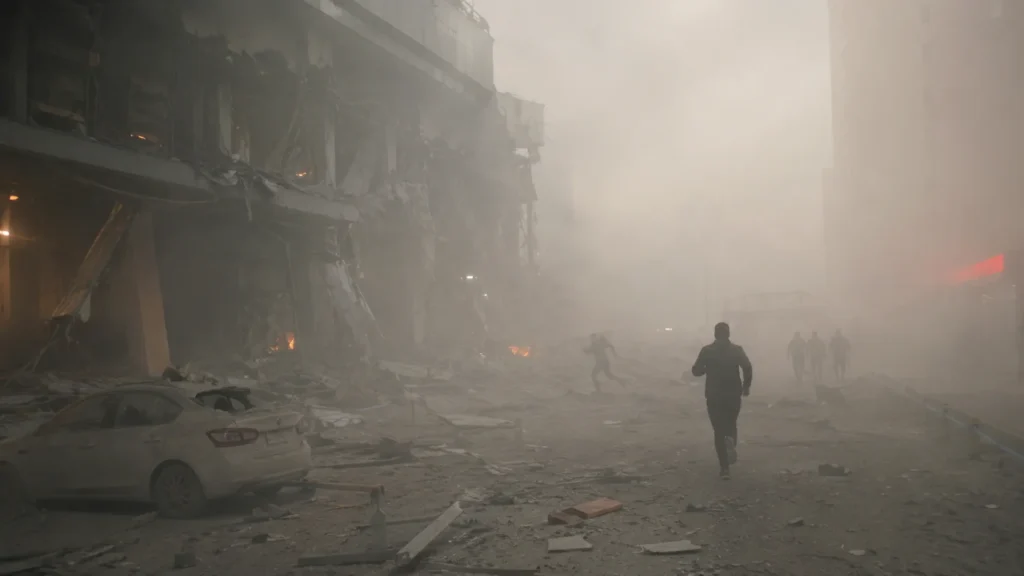
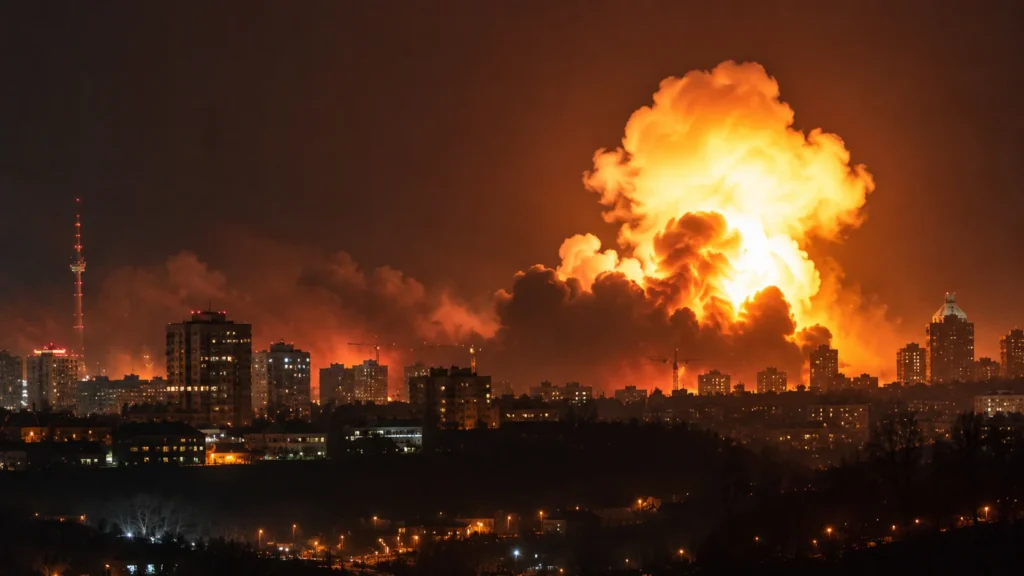
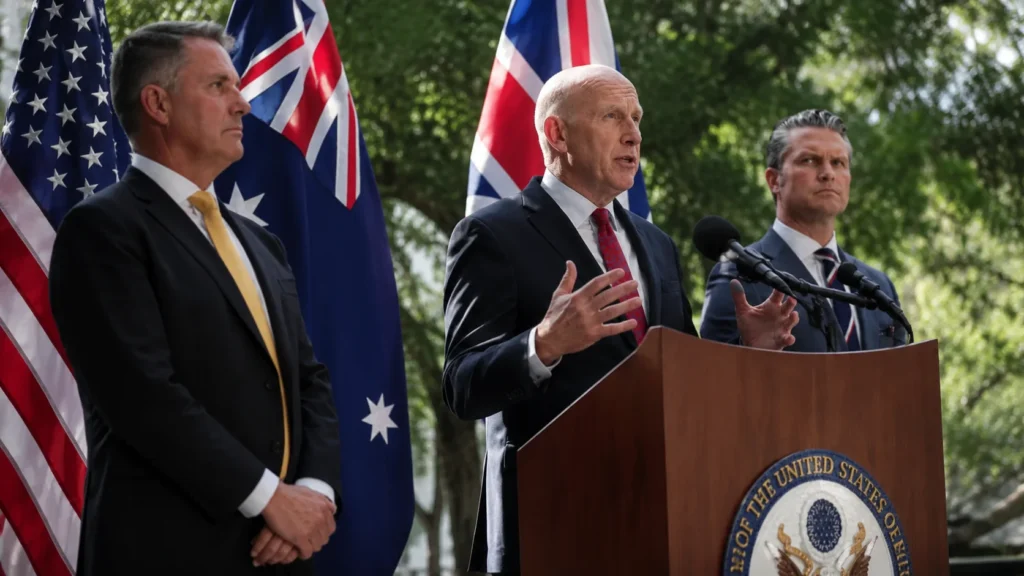
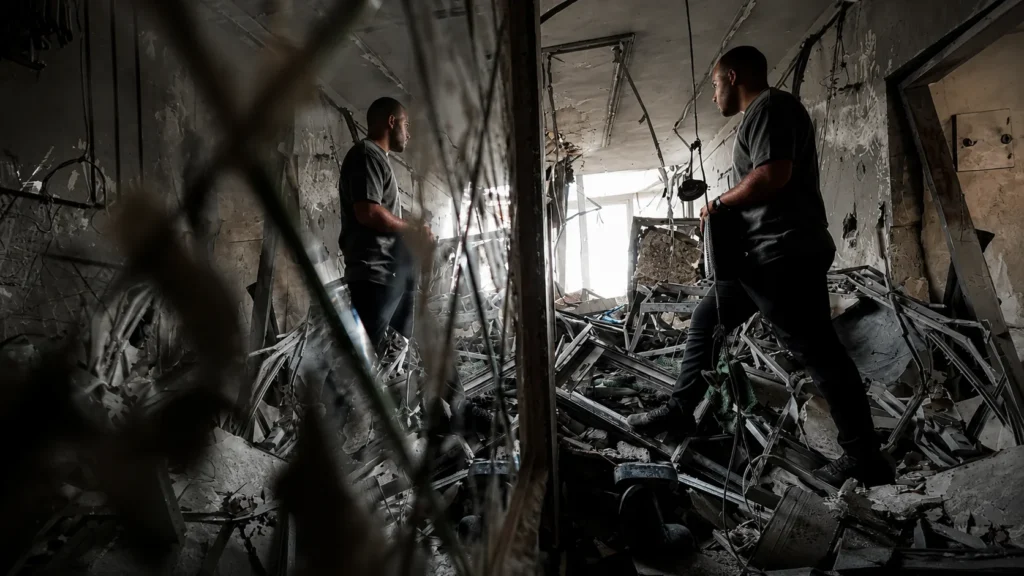
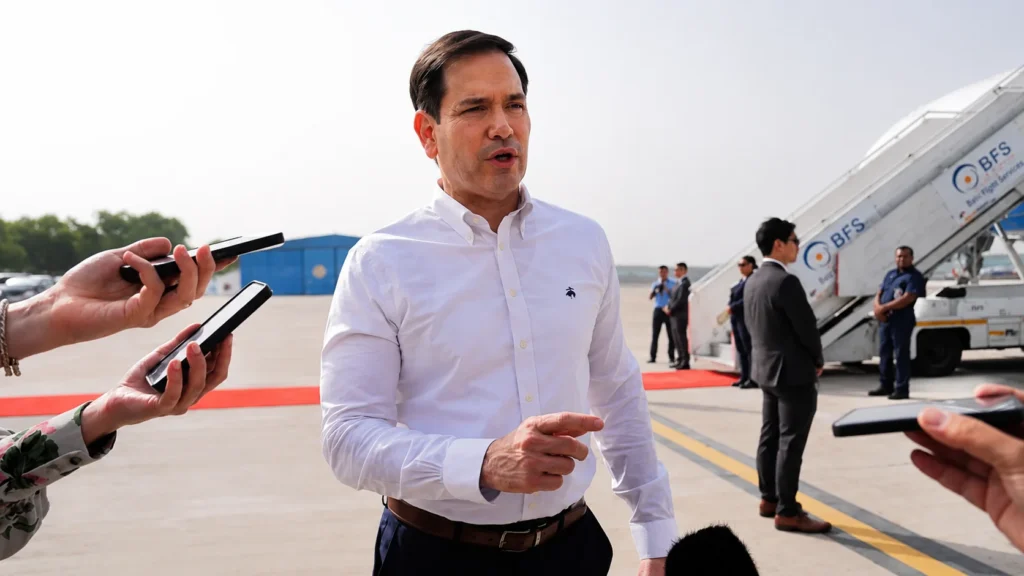
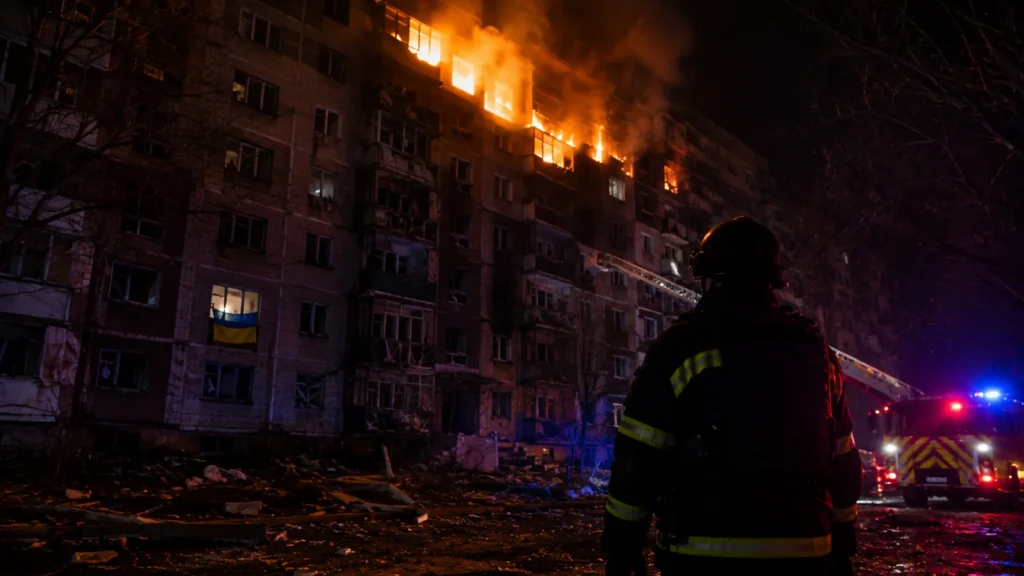
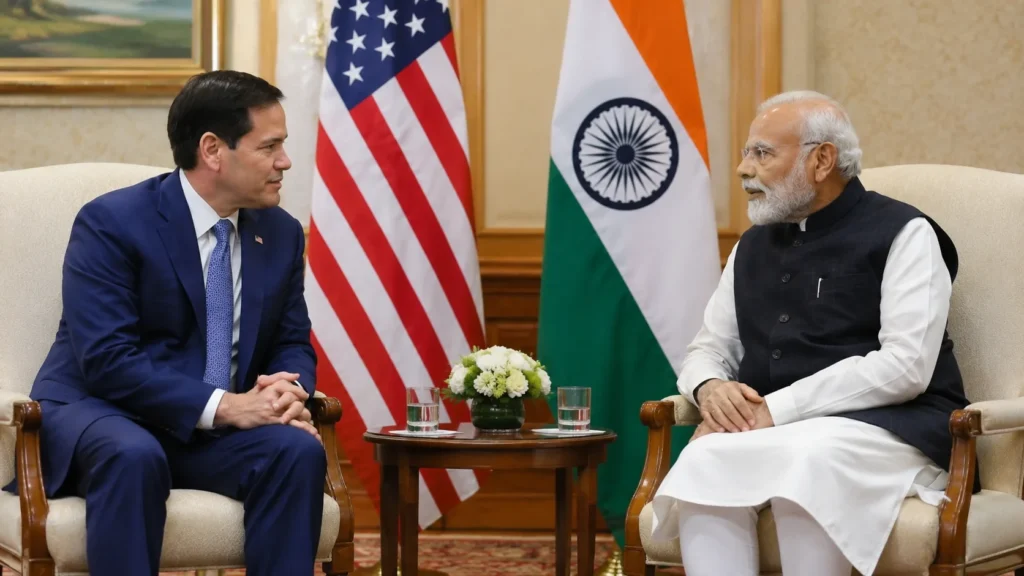
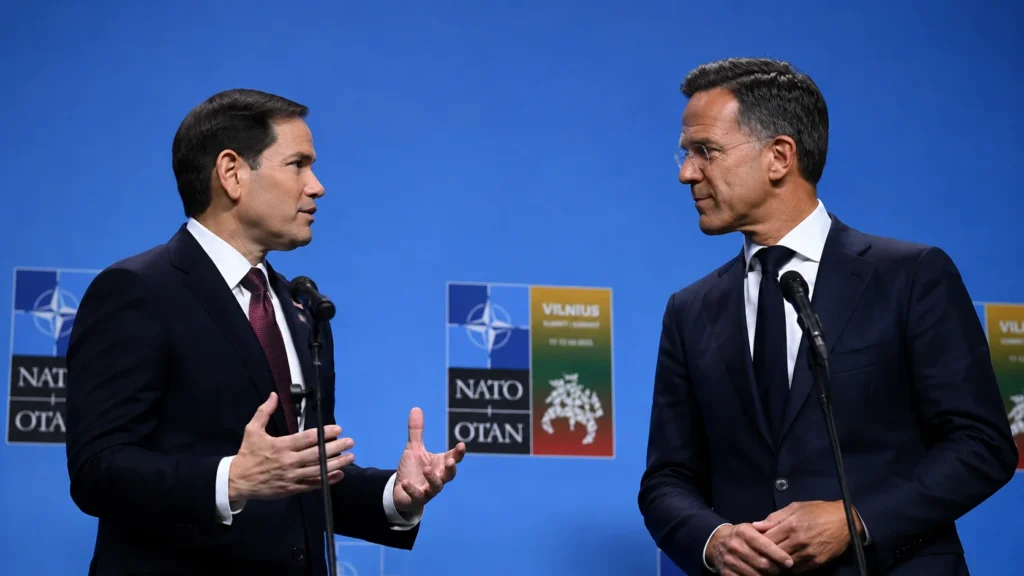
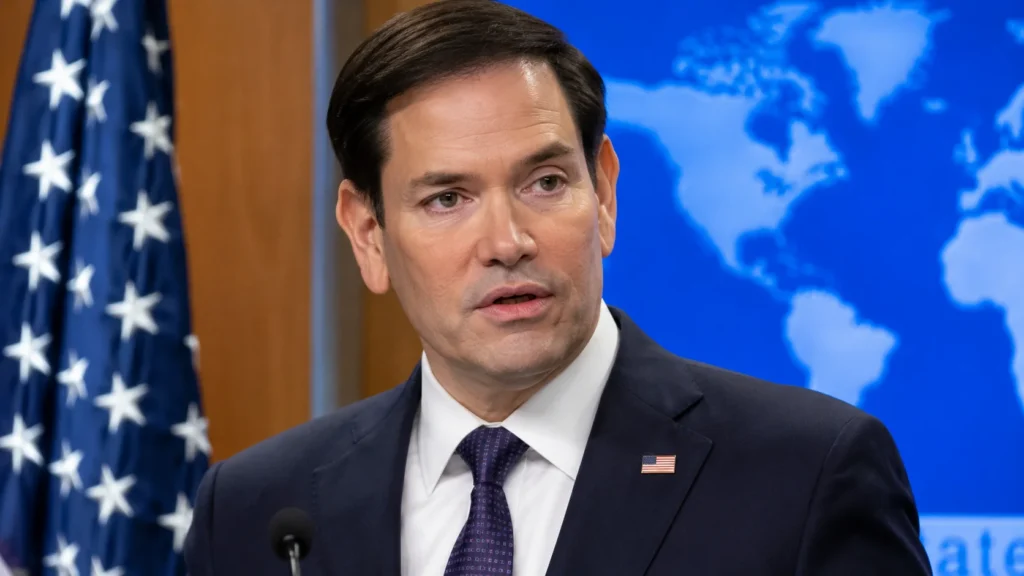
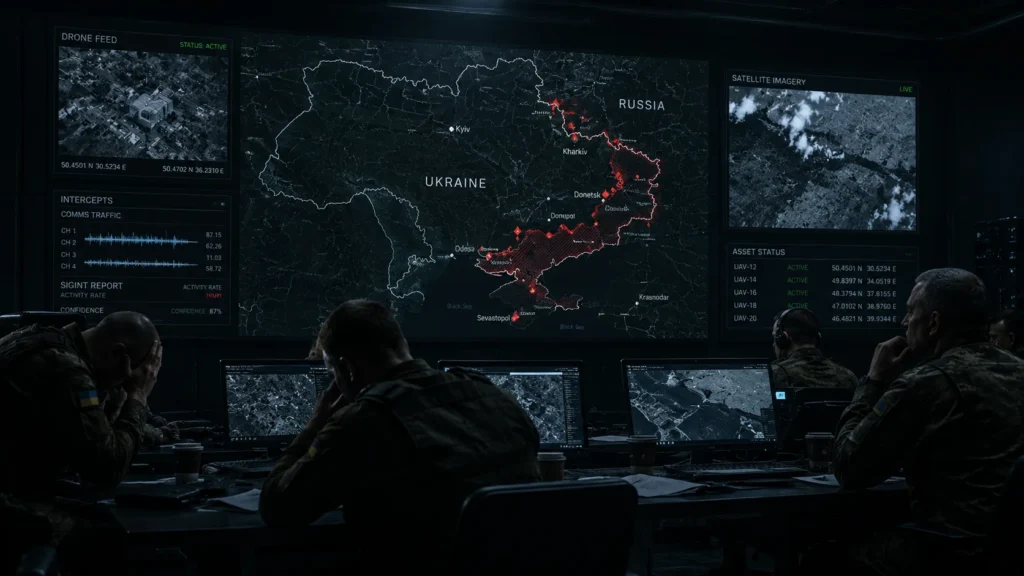
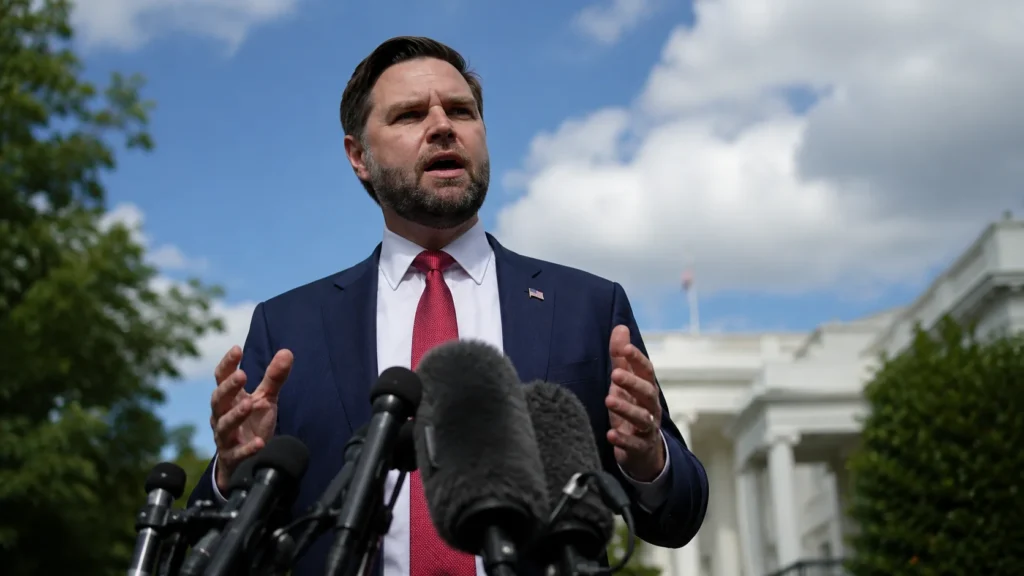
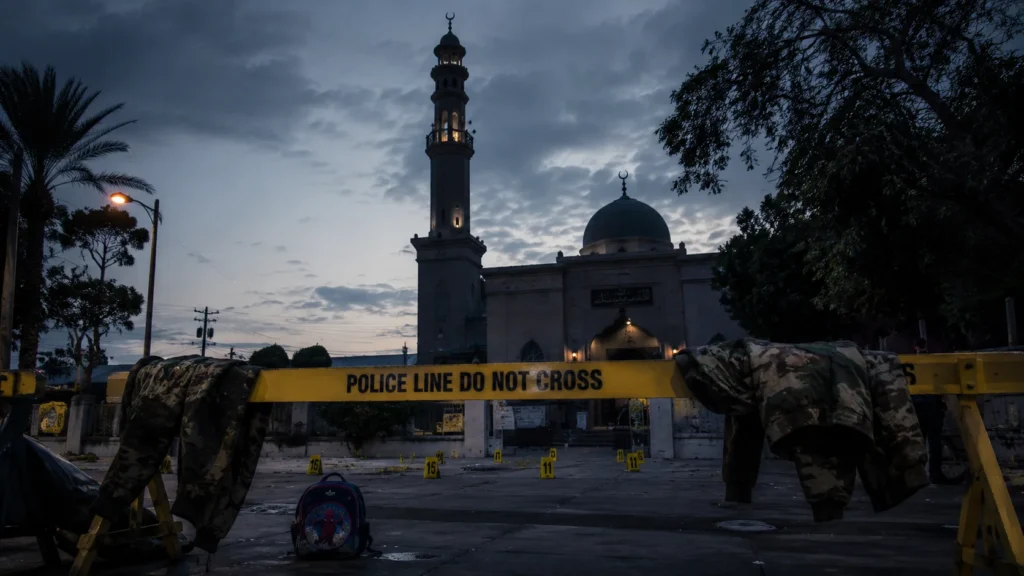
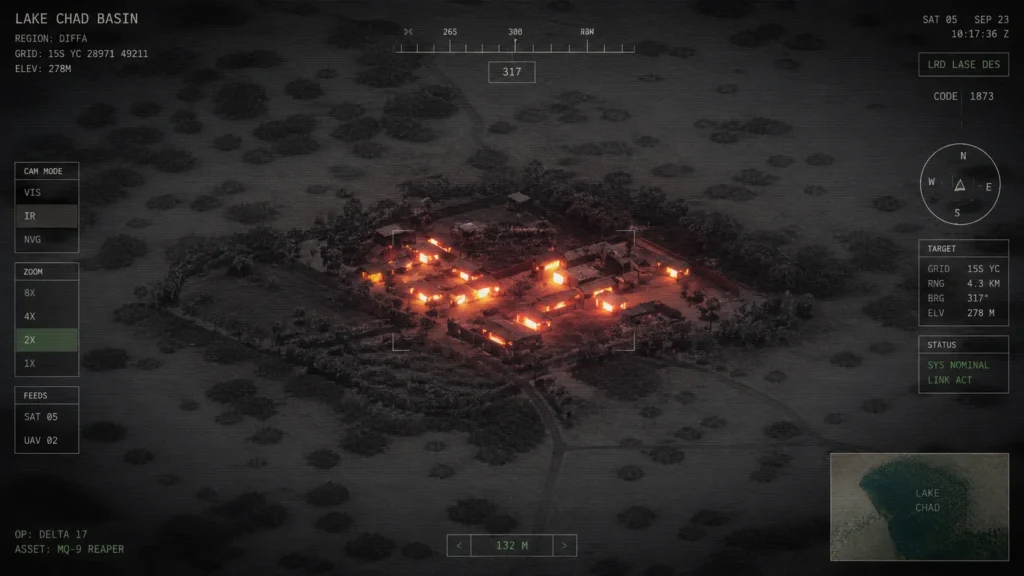
Nine killed in Israeli strikes on Lebanon as Hezbollah launches rockets over the border on Wednesday, testing a partial ceasefire agreed on Monday that protects the capital, Beirut, but leaves the rest of the country inside the operational theatre. Lebanon’s health ministry said two paramedics were killed when their ambulance was struck in the southern Chehour area, and a Lebanese army soldier died in an air strike on the road between Nabatieh and Kfar Tebnit. Hezbollah said it fired rockets at a gathering of Israeli troops in northern Israel, and the Israeli military confirmed it intercepted a drone and two projectiles. US Secretary of State Marco Rubio said he hoped a second day of talks in Washington between Israeli and Lebanese diplomats would produce “an action plan on a track for security in Lebanon, independent from Hezbollah.”
Nine Killed in Israeli Strikes on Lebanon as Hezbollah Launches Rockets — What Happened
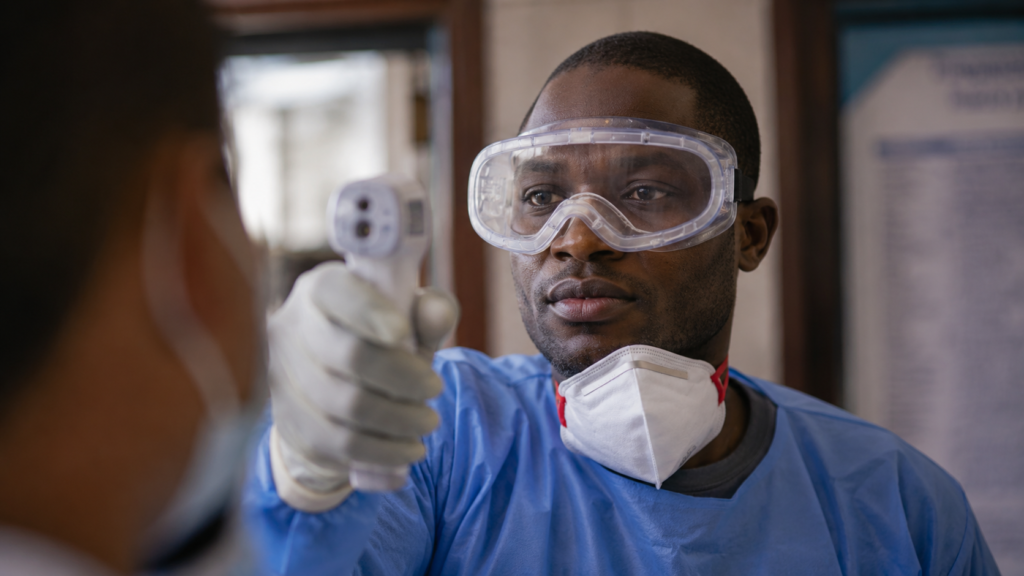
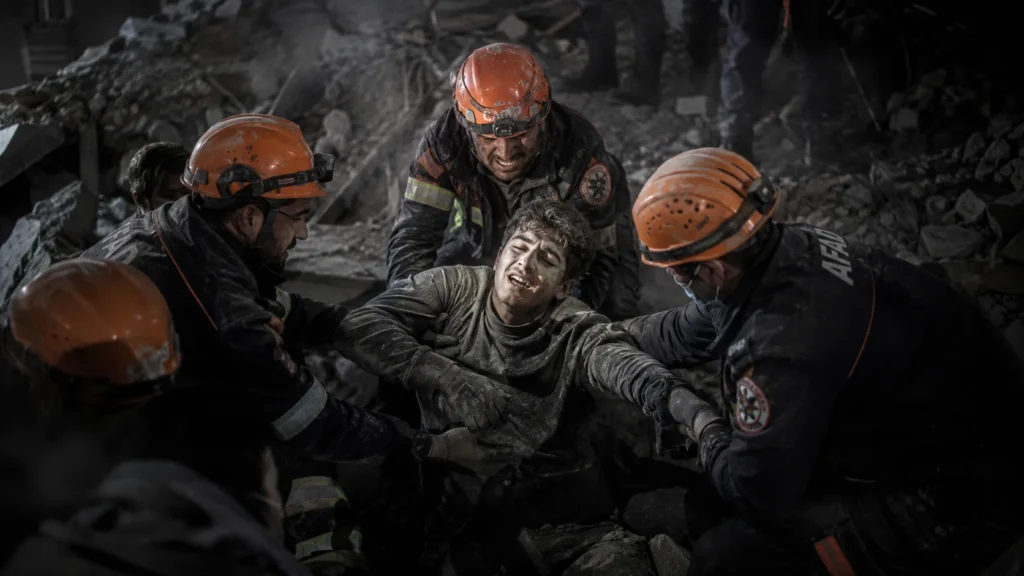
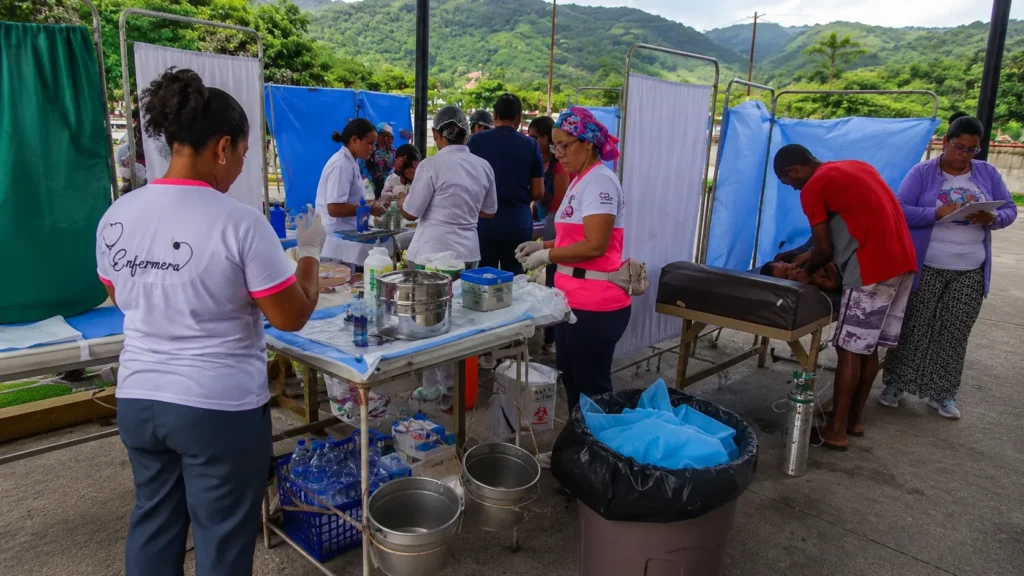
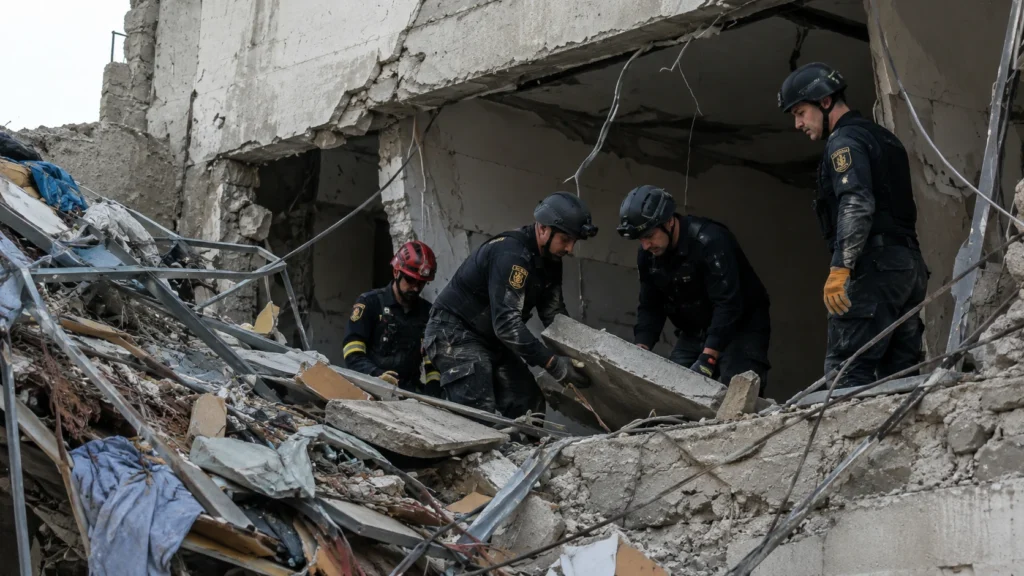
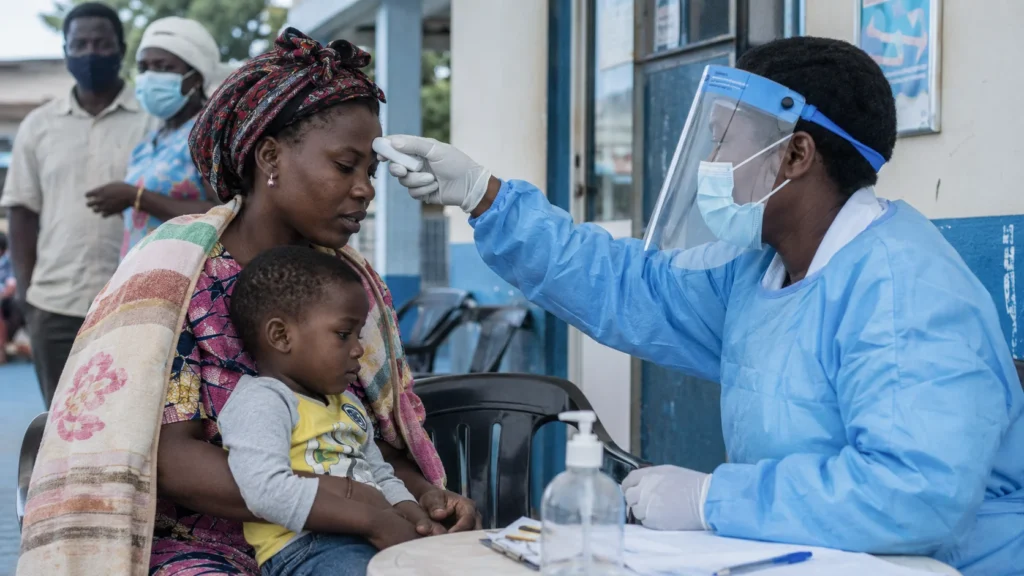
Lebanon’s health ministry said four Syrians and two Palestinians were killed in a strike in the al-Housh area, just south of the coastal city of Tyre. The ministry also confirmed that two paramedics died and a third was seriously wounded when Israeli forces “directly targeted an ambulance” belonging to the Risala Scouts Association, which is affiliated with the Amal movement, an ally of Hezbollah. At least 128 paramedics and healthcare workers have been killed in Israeli attacks on ambulances and medical facilities over the past three months, according to the ministry Lebanese Health Ministry statement, 3 June 2026.
The Lebanese army said one of its soldiers was killed in an Israeli air strike on the road between Nabatieh and Kfar Tebnit. State-run National News Agency reported his motorbike was targeted by a drone. The army denounced what it called “a pattern of deliberate strikes targeting army personnel, vehicles, and positions.”
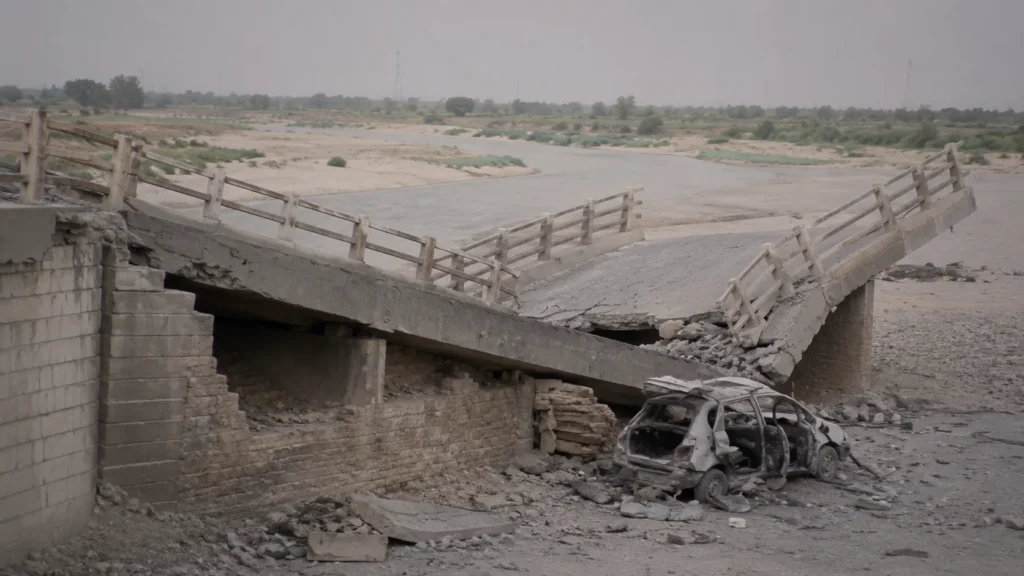
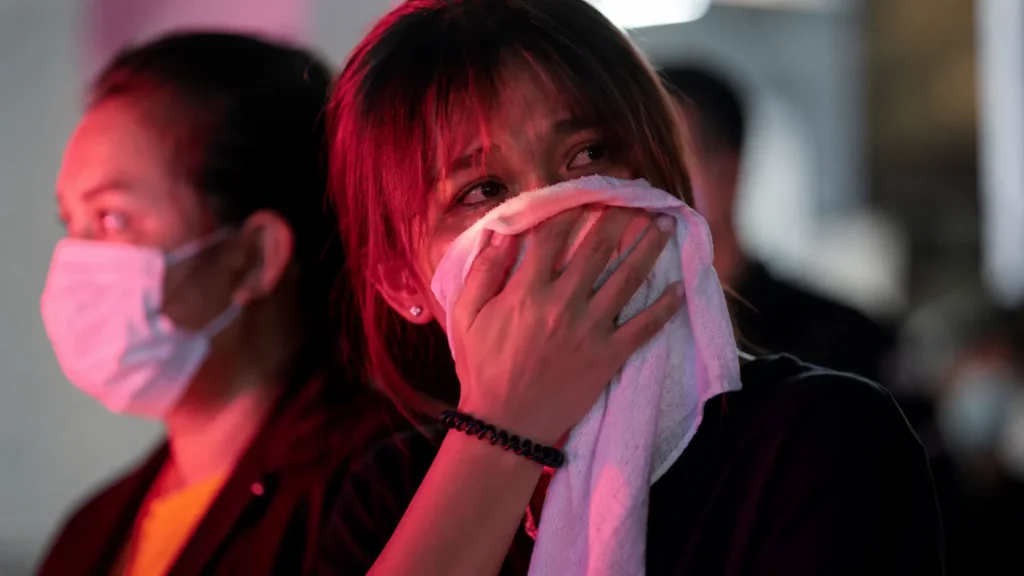
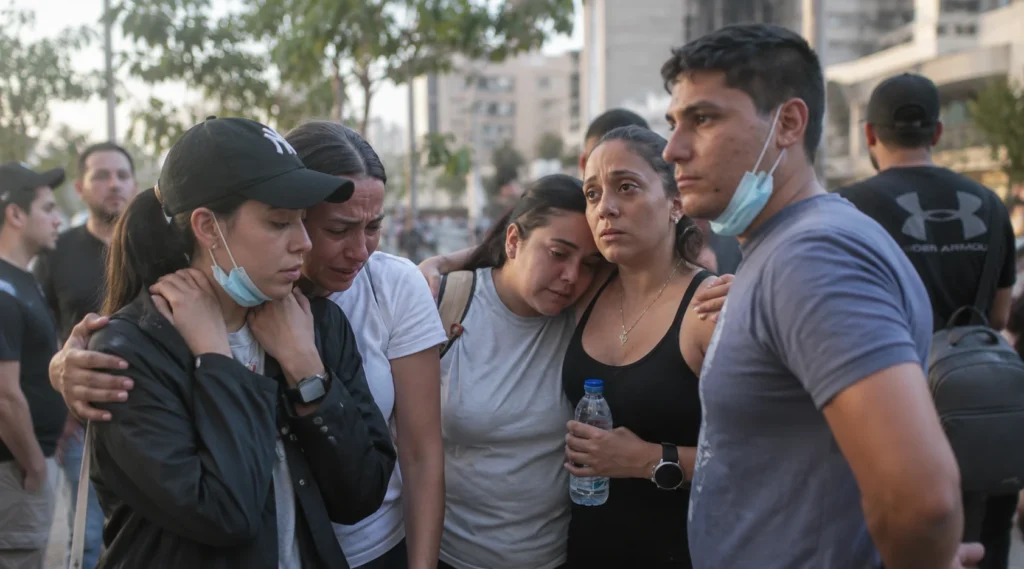
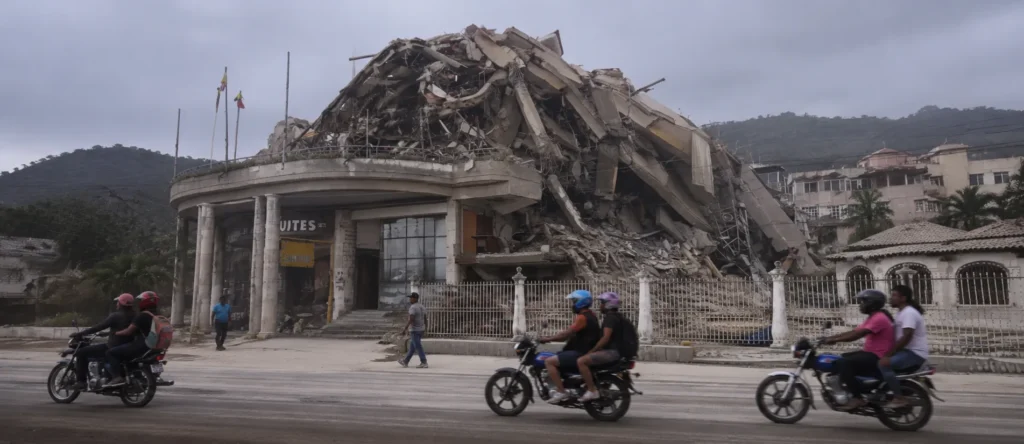
A car was struck on the busy coastal highway in the Khaldeh area, just south of Beirut — the closest strike to the capital since the partial ceasefire was announced. Security sources told Reuters two people were injured. A funeral was held in Wardaniyeh for six members of the same family killed in an earlier Israeli strike Reuters report, 3 June 2026.
Israel’s military said it intercepted a “hostile aircraft” near the Manara and Kiryat Shmona areas and two projectiles in the nearby Misgav Am area. Hezbollah claimed responsibility for the rocket barrage, saying it was “in response to the Israeli enemy army’s violation of the ceasefire.”
The partial ceasefire explained — what the agreement does and does not protect
Nine Killed in Israeli Strikes on Lebanon as Hezbollah Launches Rockets — The Partial Ceasefire
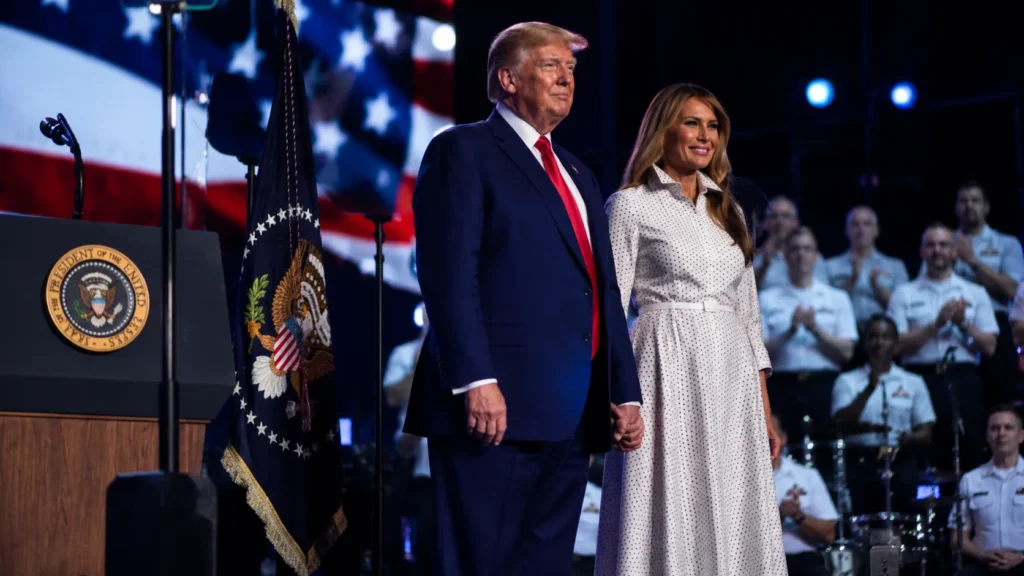
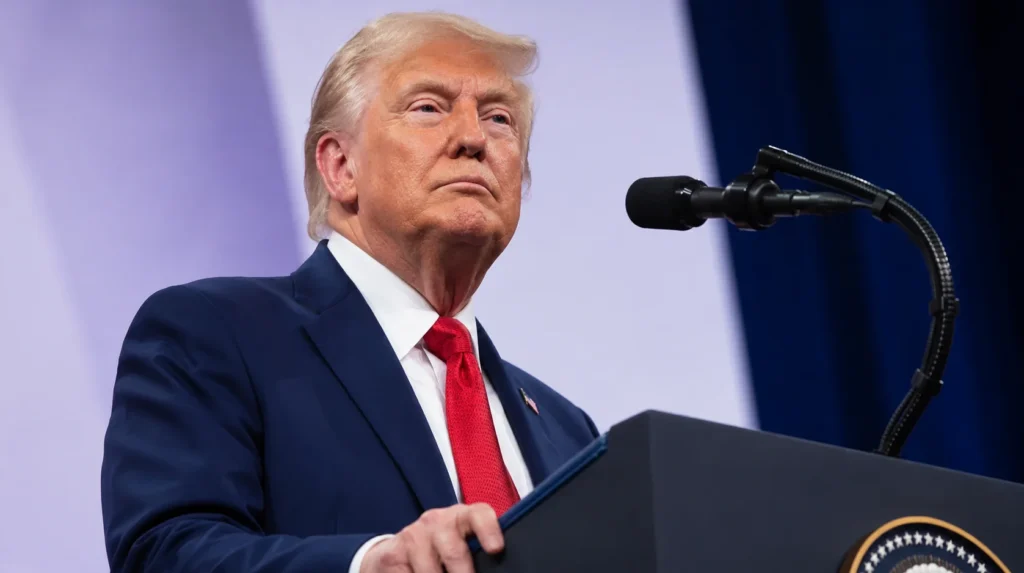
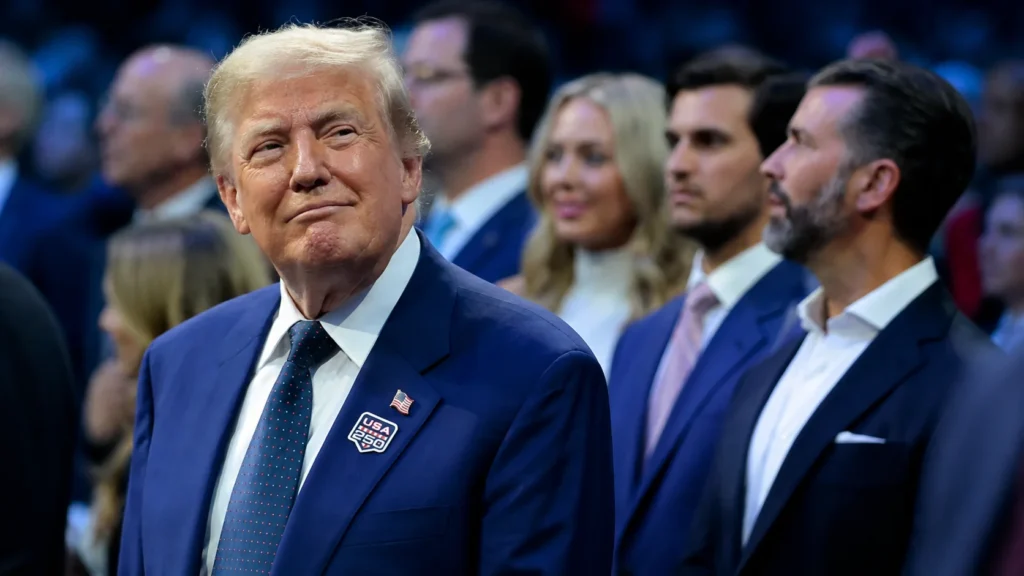
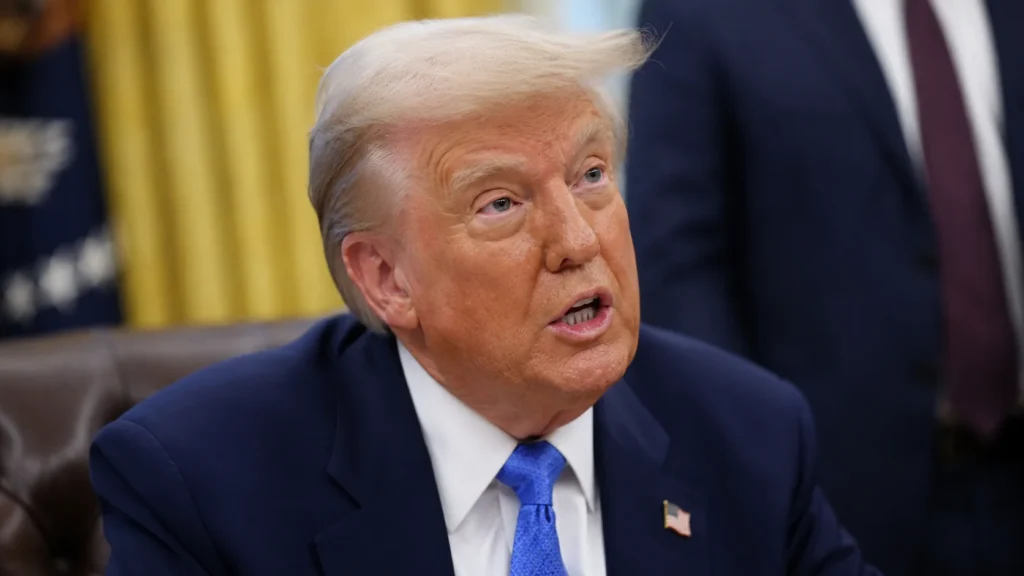
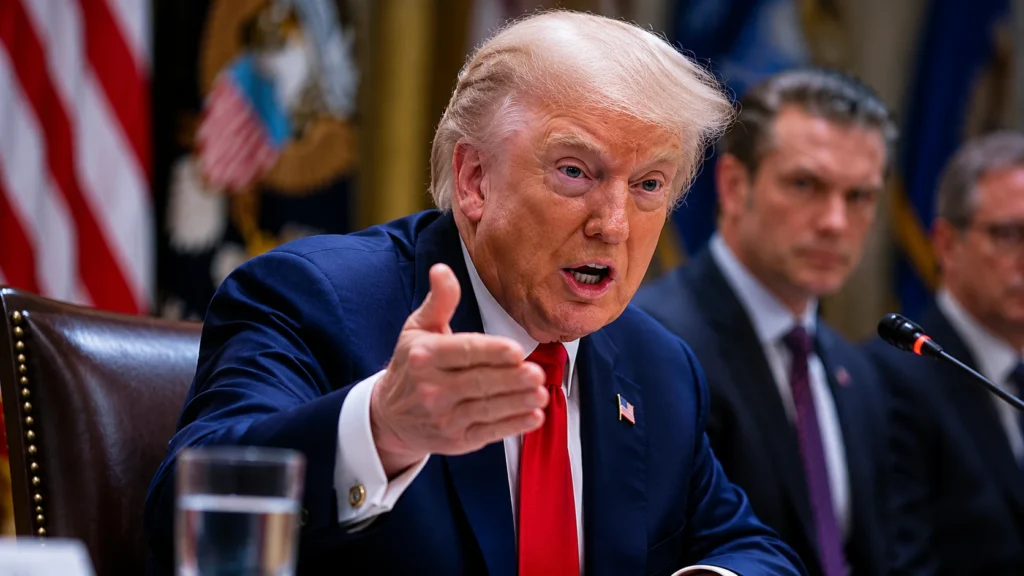
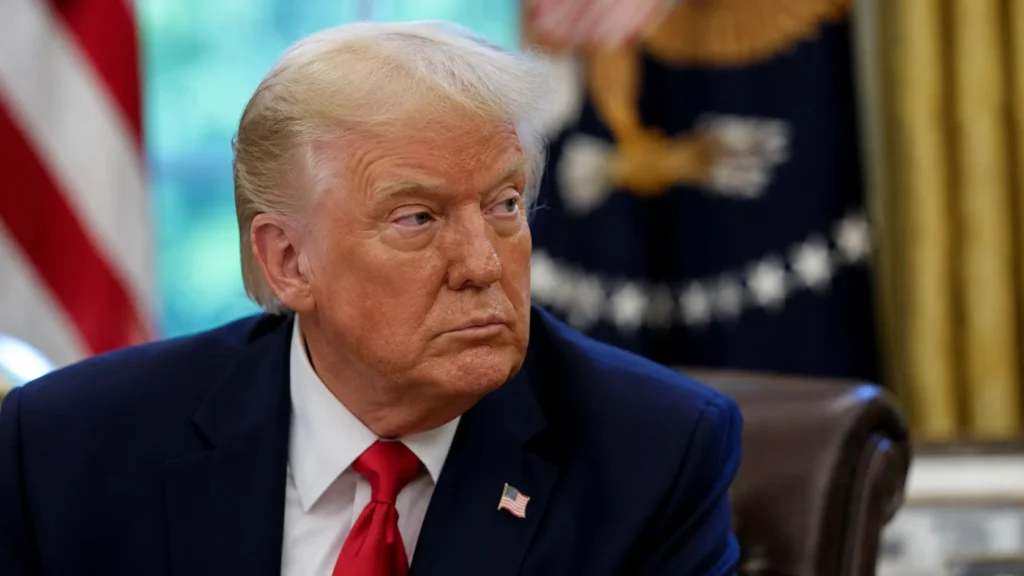
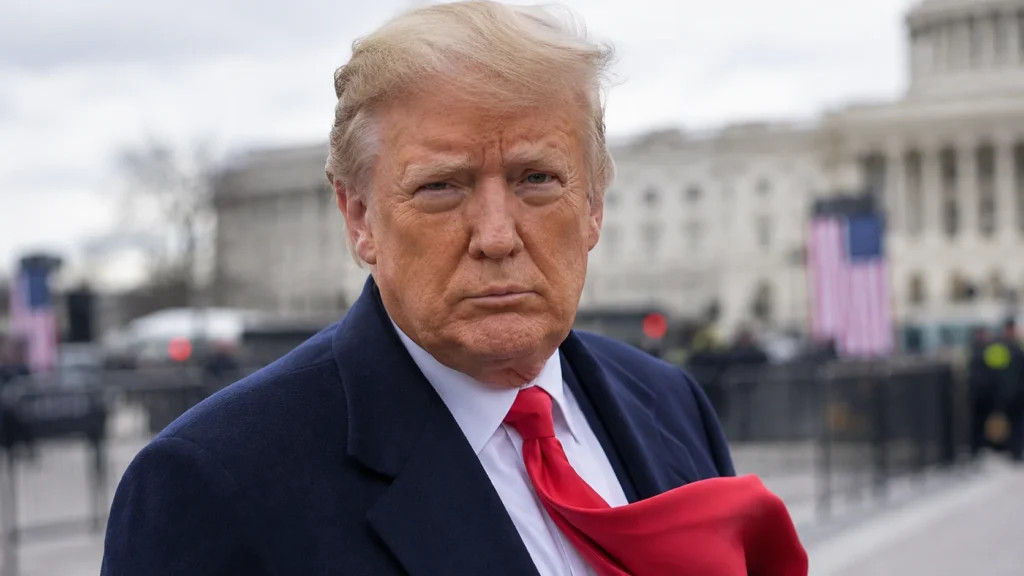
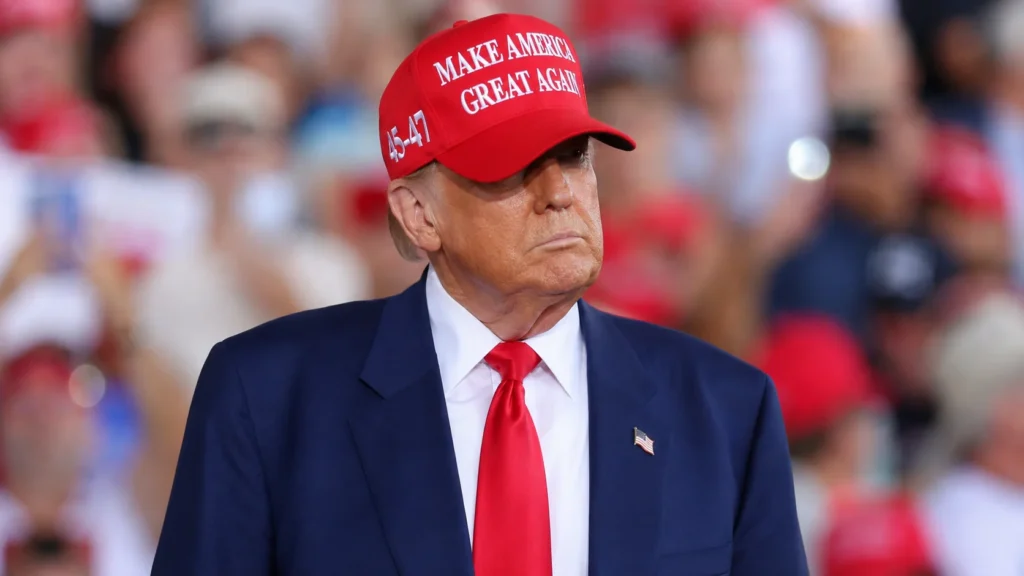
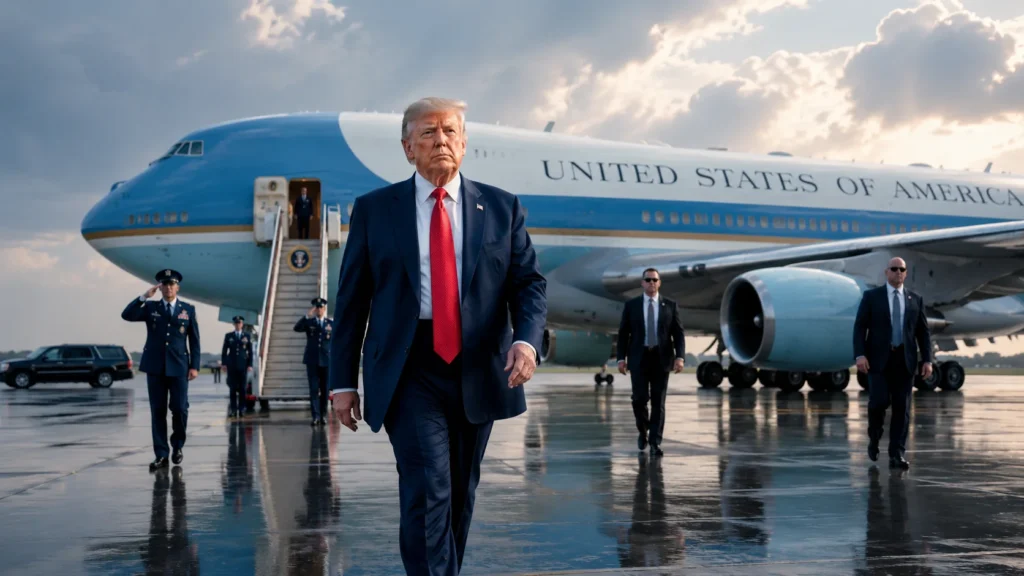
The agreement, announced by US President Donald Trump on Monday, states that “Israel will not launch a broad offensive on Beirut in exchange for Hezbollah refraining from launching attacks against Israel.” It does not cover southern Lebanon, the Bekaa Valley, or the coastal highway south of the capital.
The deal is a geographic delimitation of violence rather than a cessation of hostilities. The nine people killed on Wednesday died in strikes that did not technically breach the agreement. The agreement was designed to permit operations outside Beirut.
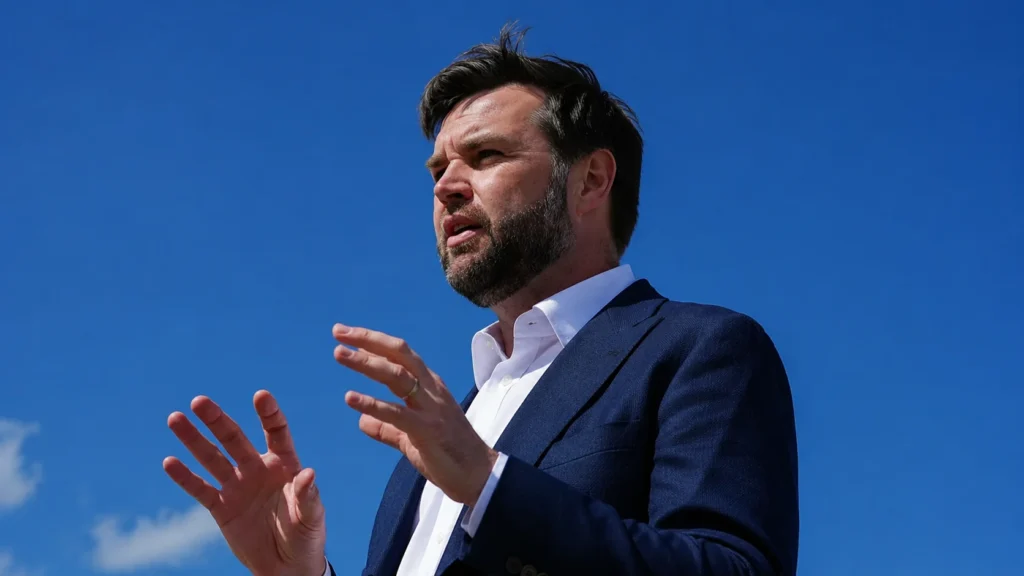
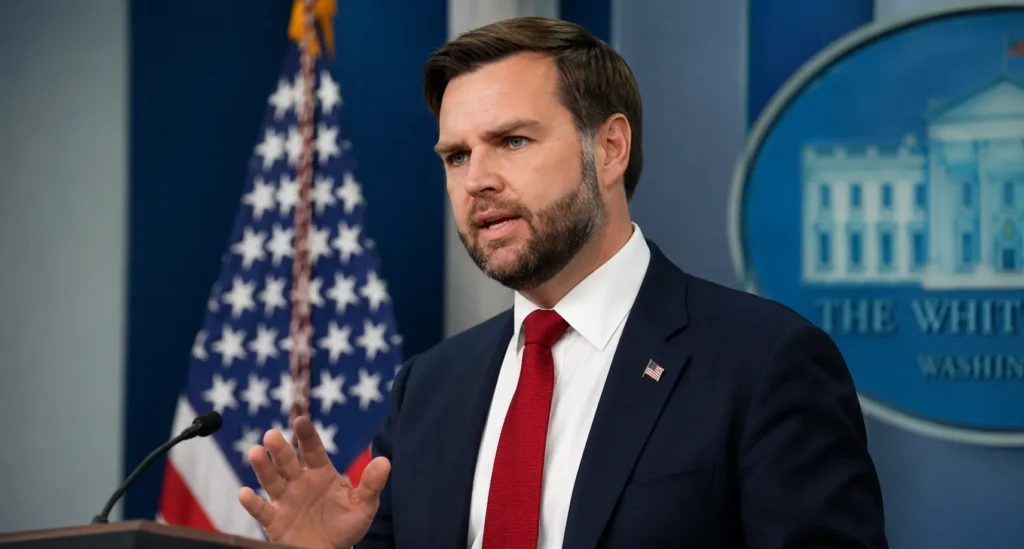
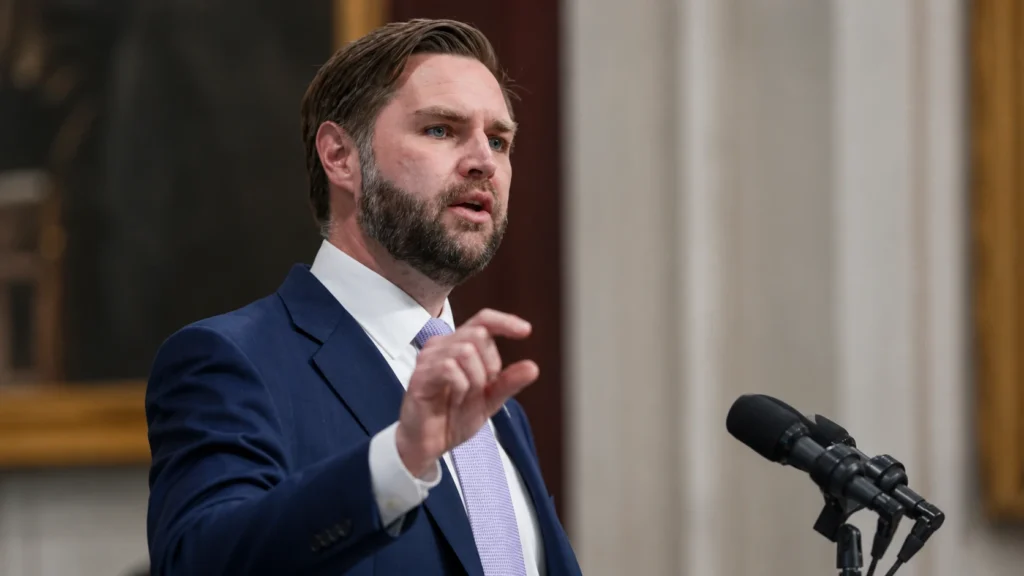
Marco Rubio told reporters the Washington talks aimed to produce “an action plan on a track for security in [Lebanon], independent from Hezbollah.” The phrase “independent from Hezbollah” is the strategic objective of the war. It is also the reason the war cannot end, as Hezbollah is embedded in Lebanese politics, society, and the military landscape of the south.
Why the Lebanon ceasefire cannot end the war — the gap between diplomacy and reality
Nine Killed in Israeli Strikes on Lebanon as Hezbollah Launches Rockets — The Trump-Netanyahu Dynamic
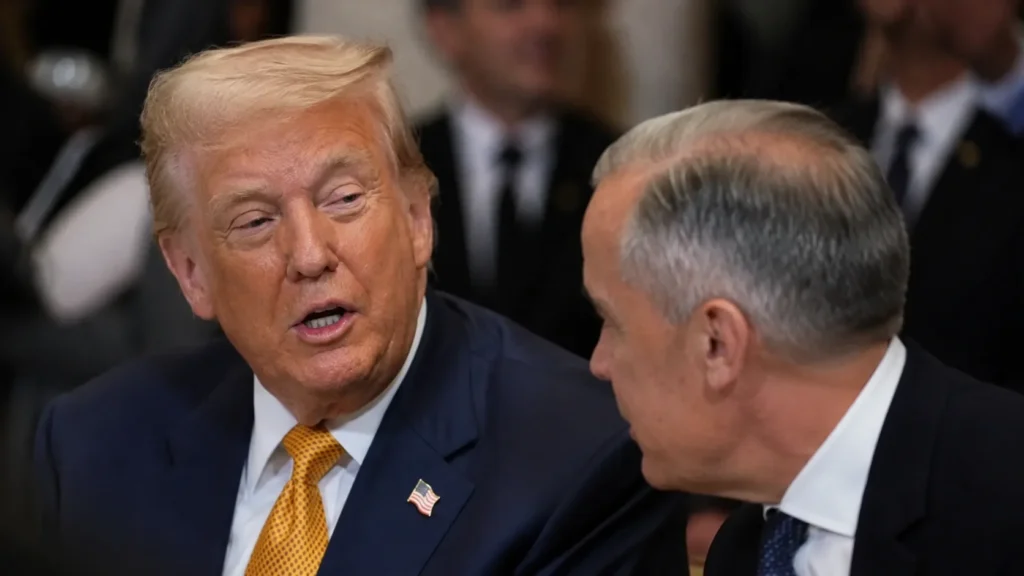
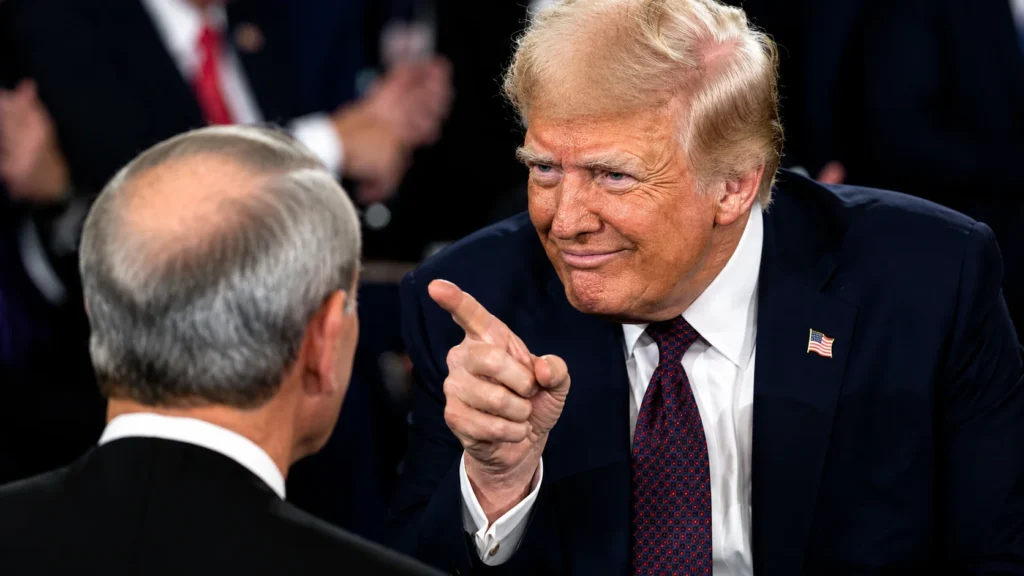
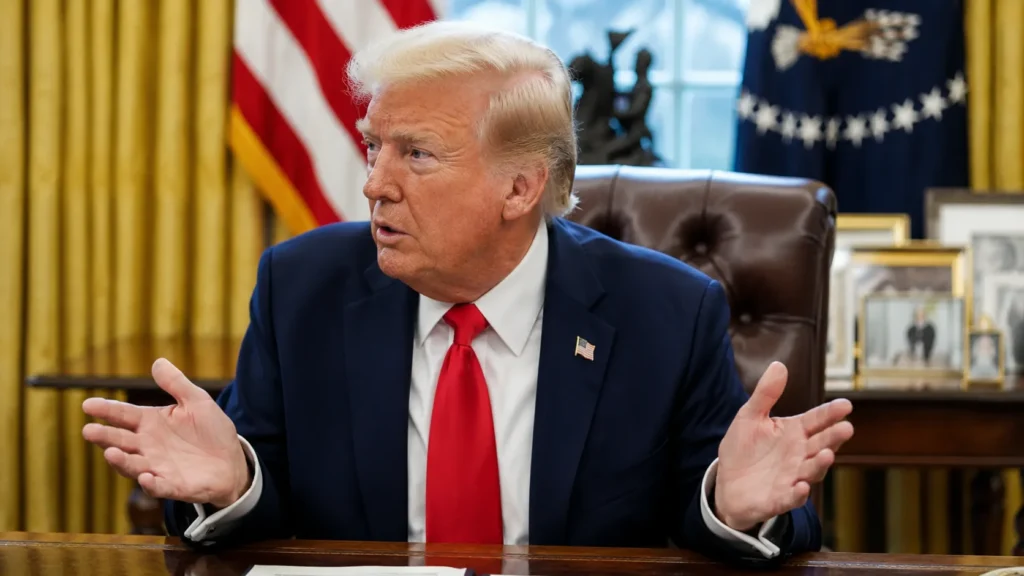
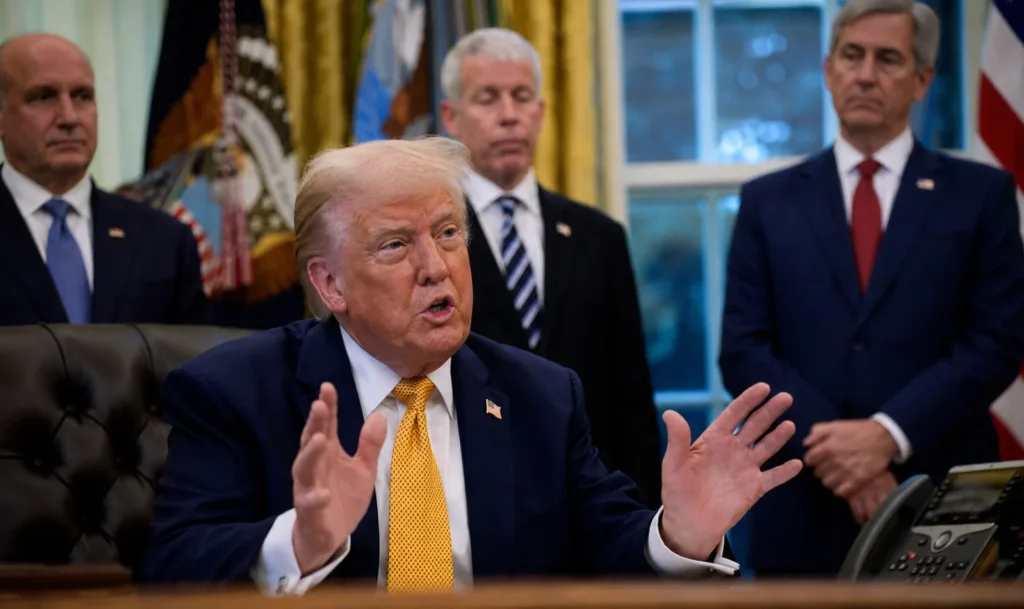
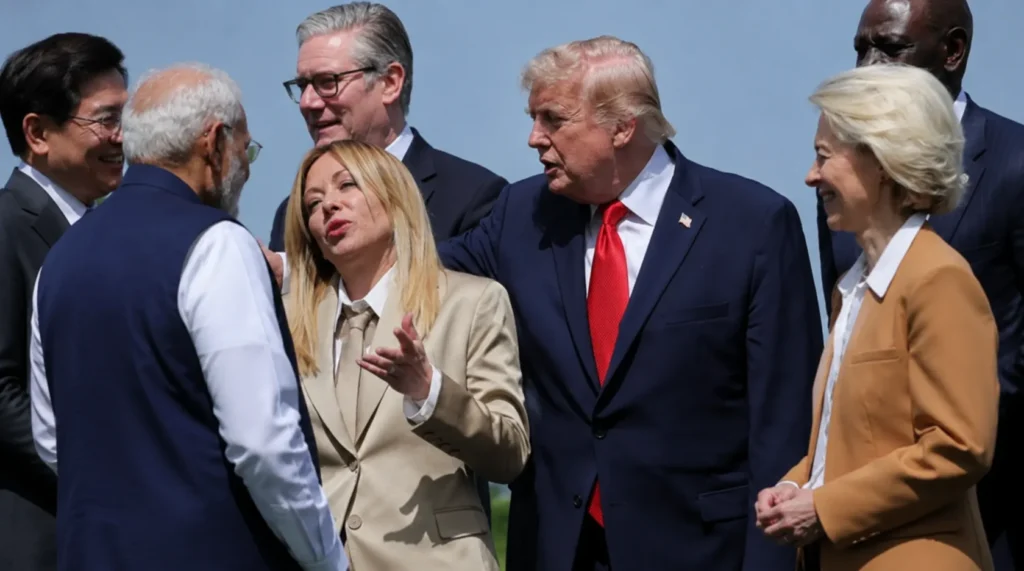
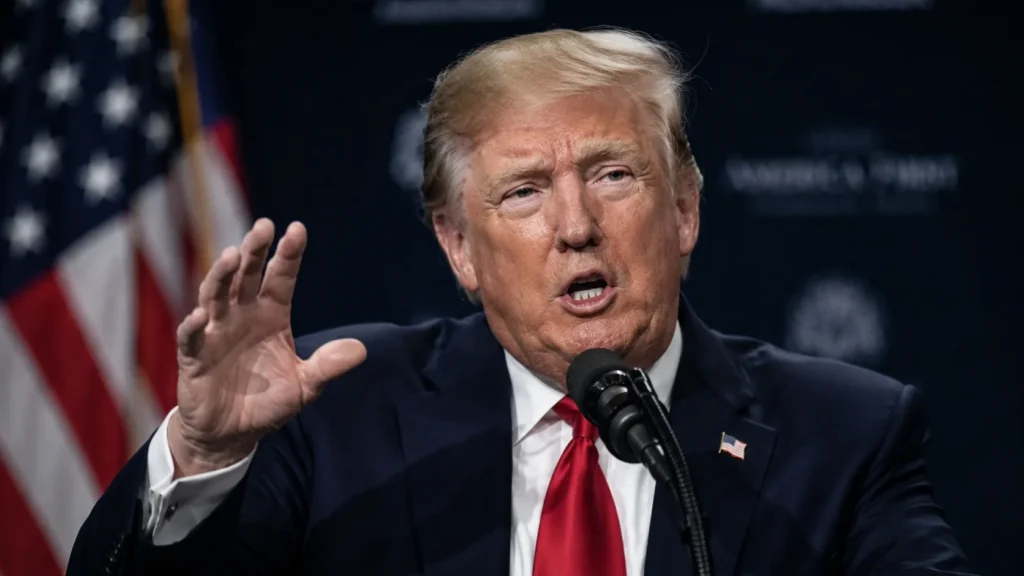
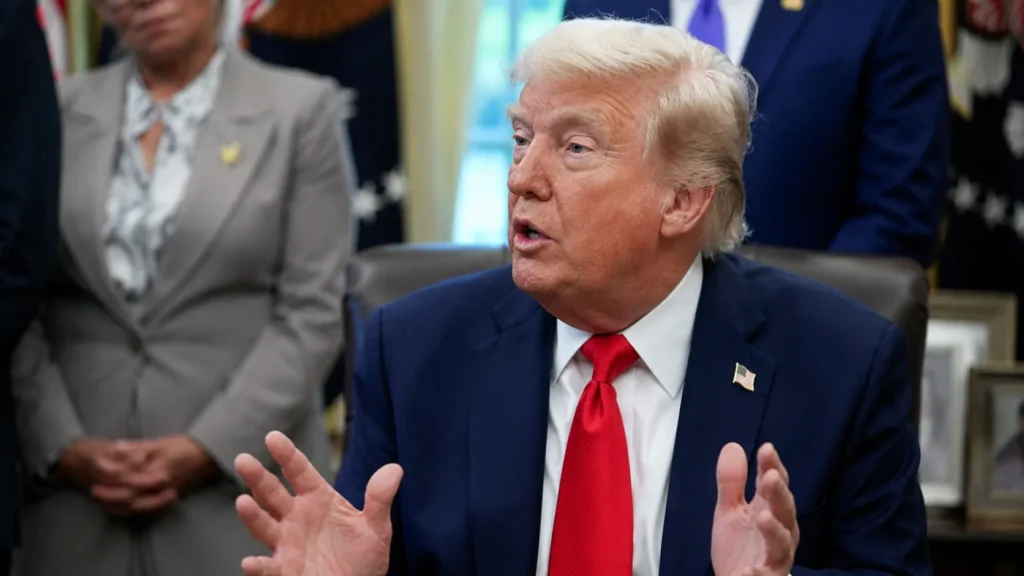
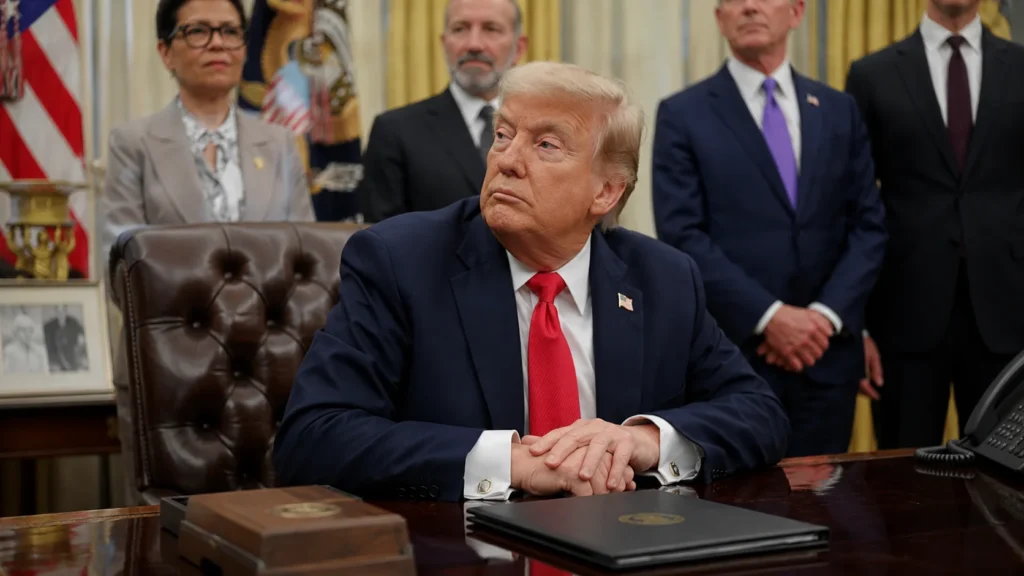
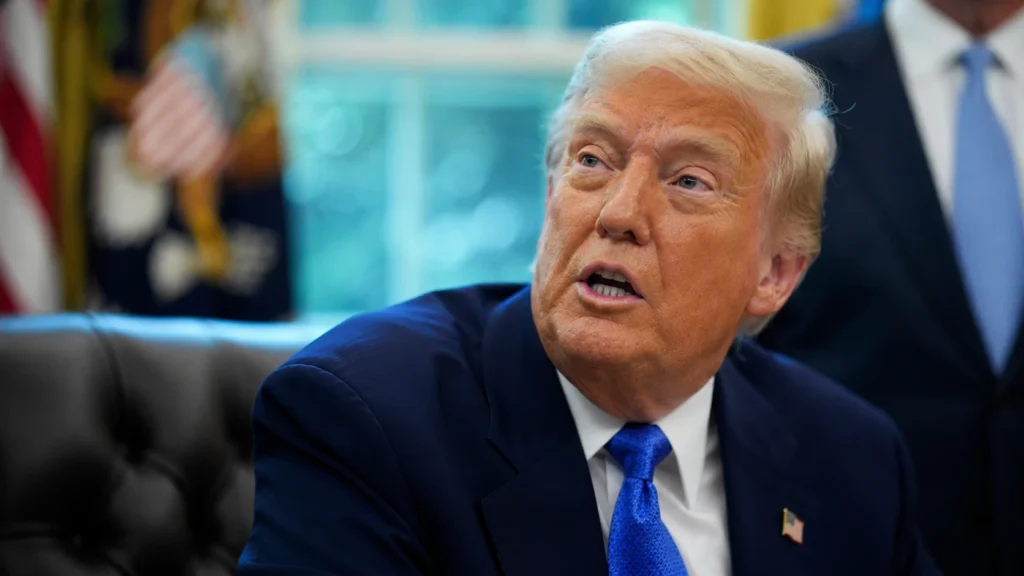
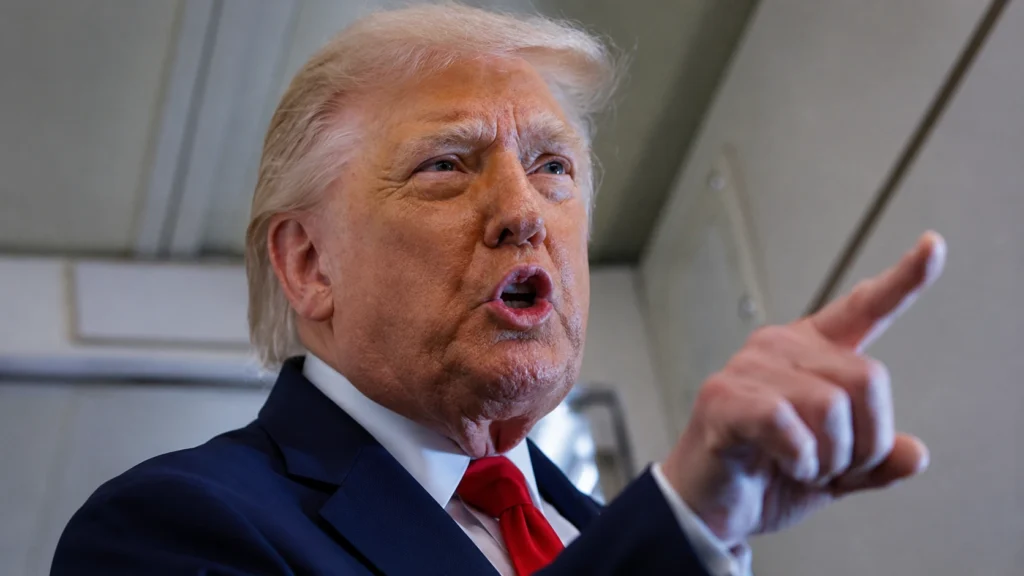
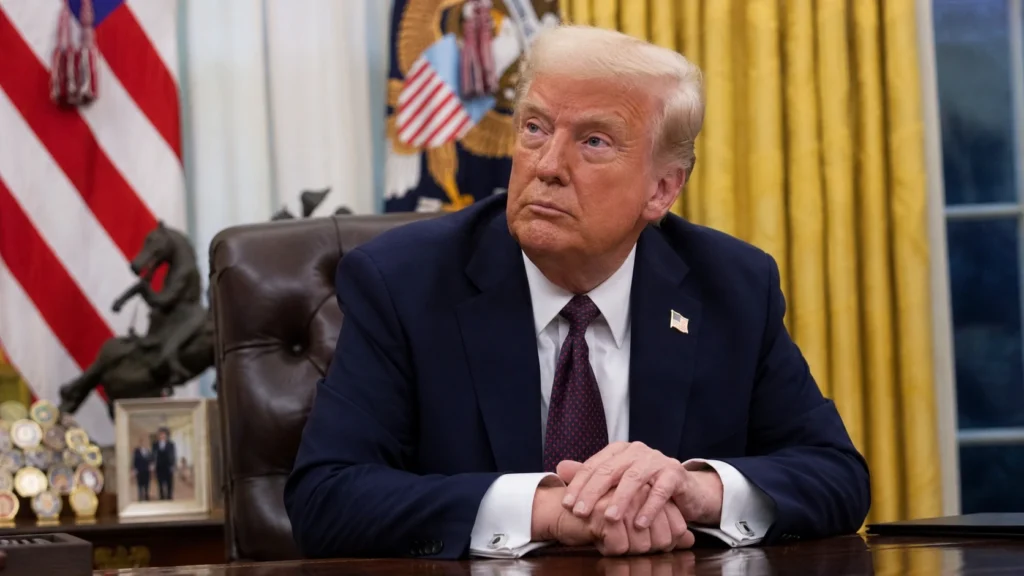
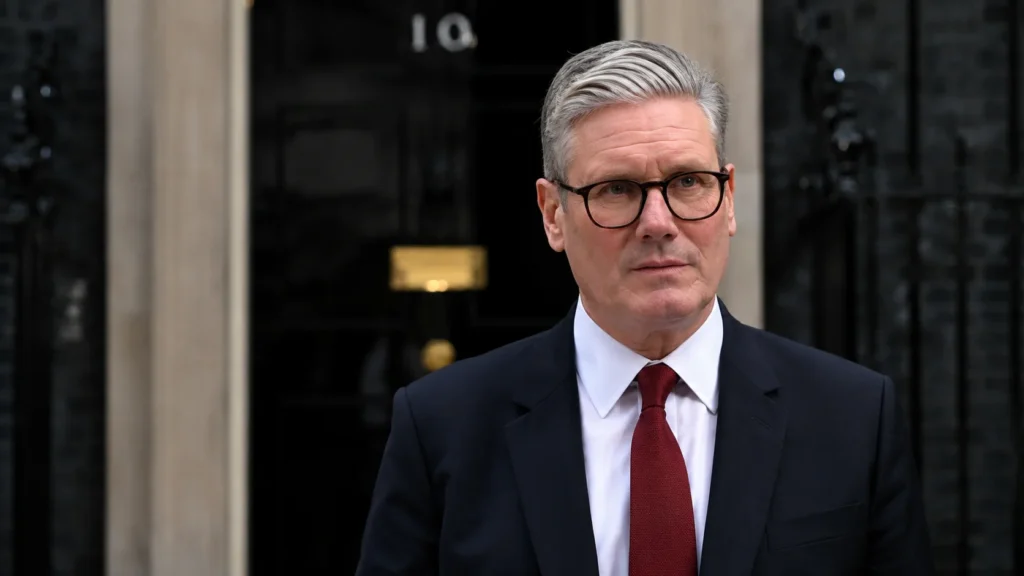
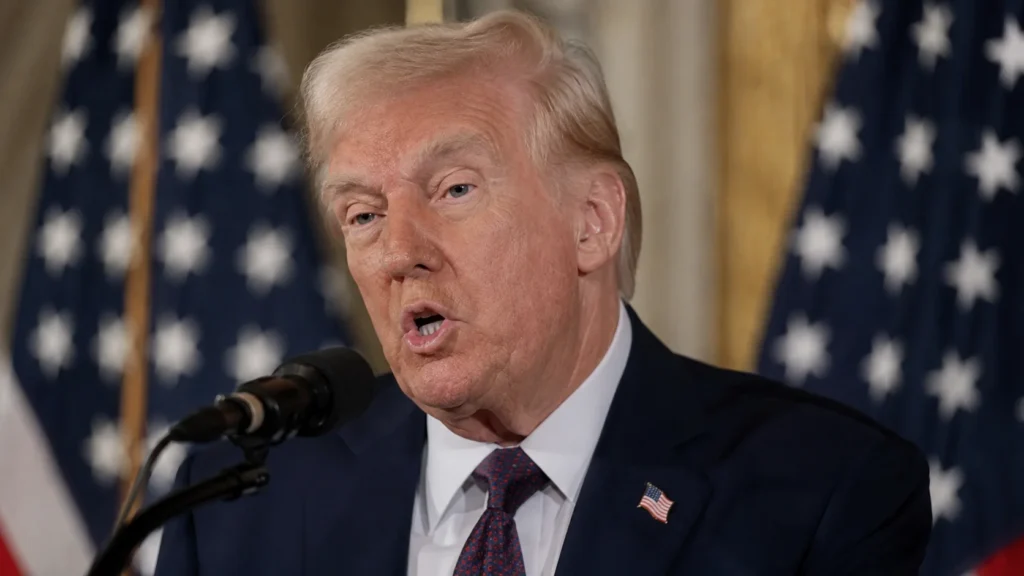
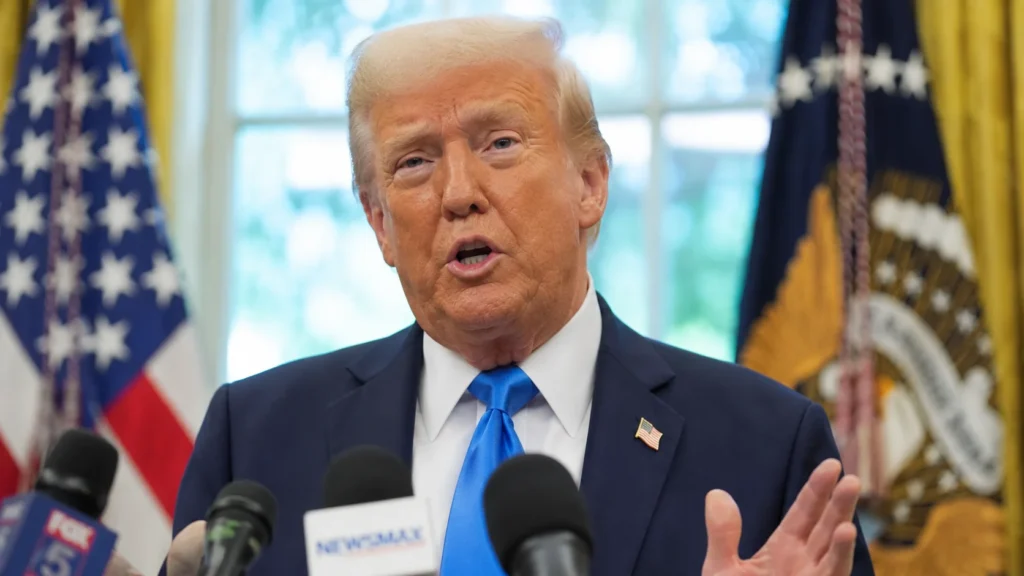
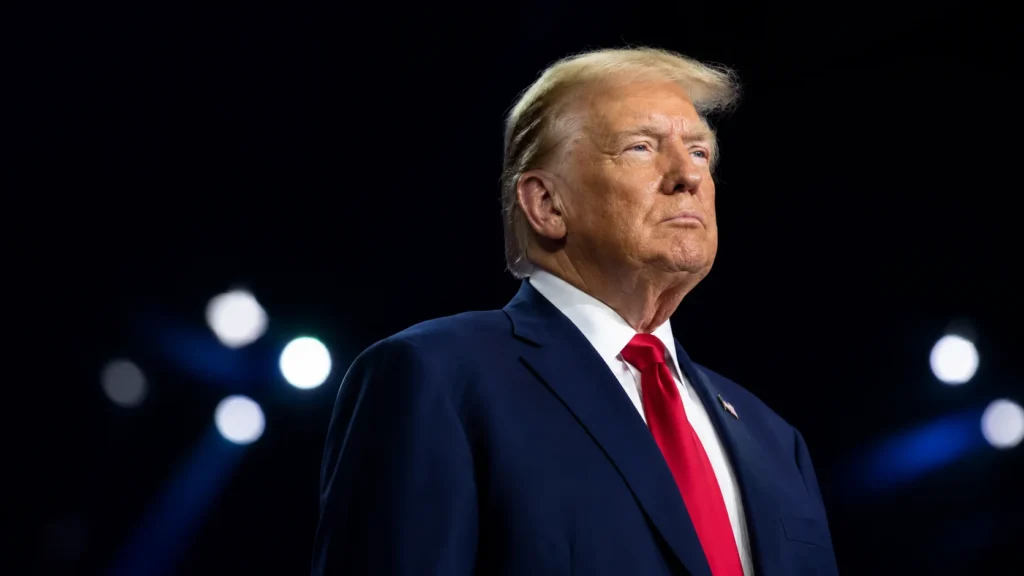
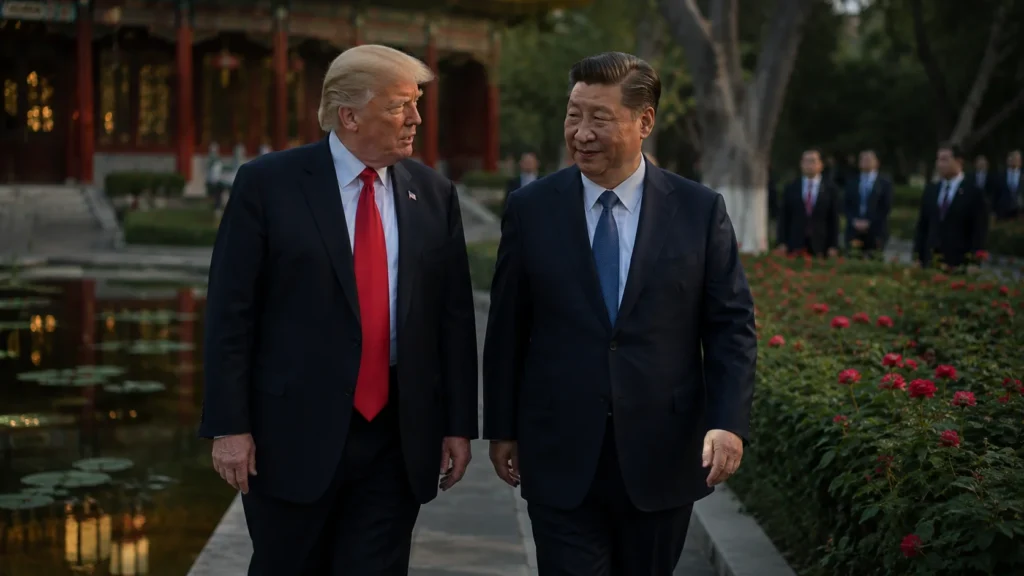
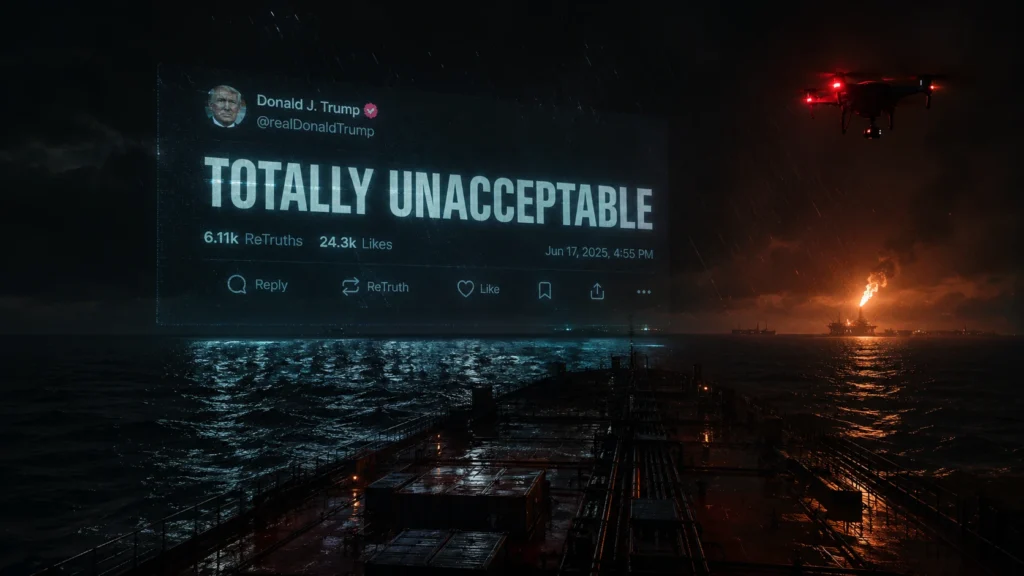
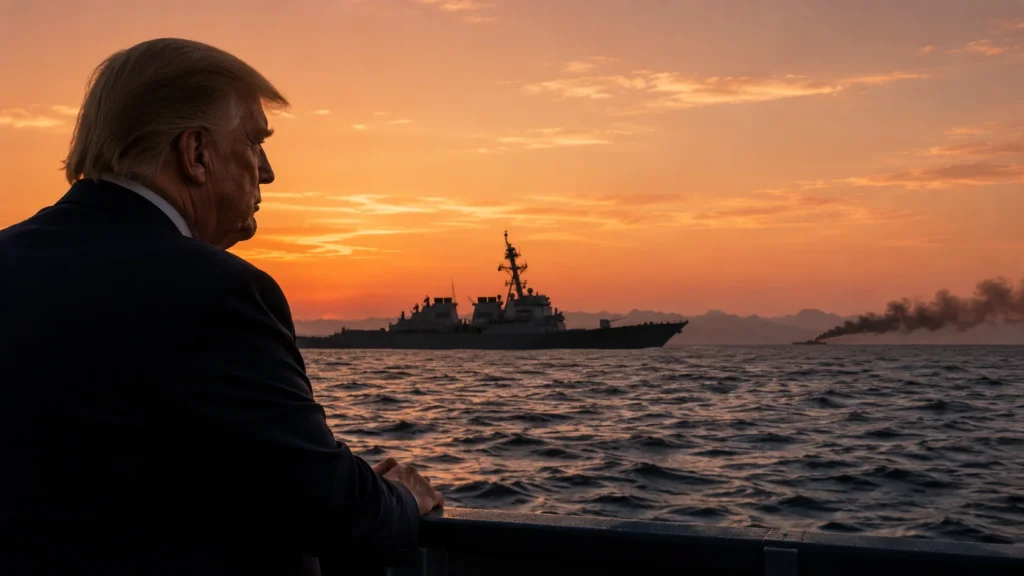
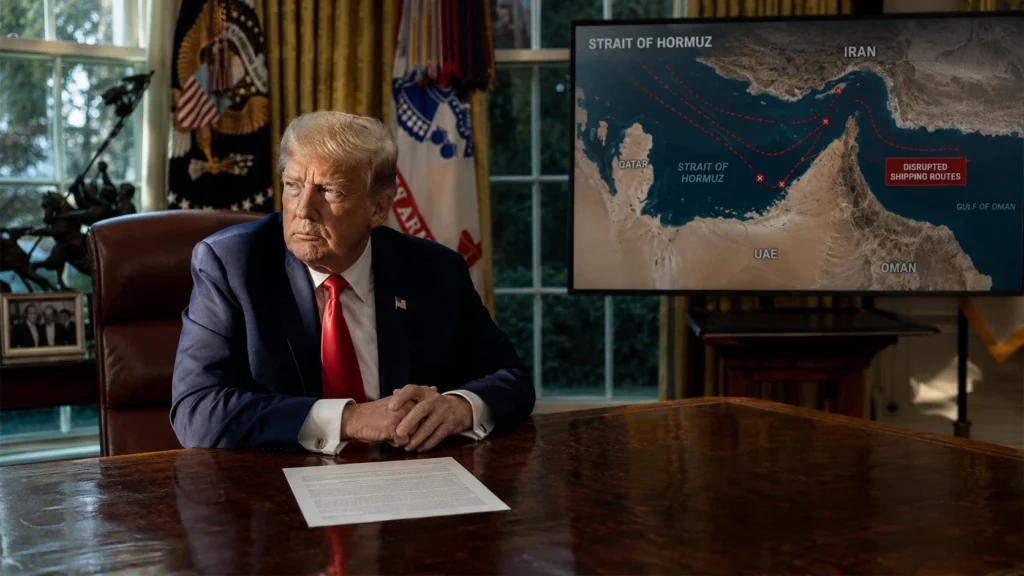
Trump confirmed on Wednesday that he had called Israeli Prime Minister Benjamin Netanyahu “crazy” in an expletive-laden call to stop the bombing of Beirut. “I was a little bit perturbed at his constantly fighting with Lebanon,” Trump told the New York Post’s Pod Force One podcast. “At some point, I said: ‘Bibi, we’ve got to stop this'” Trump interview with New York Post, 3 June 2026.
Netanyahu subsequently agreed to hold off from striking Beirut but stressed that operations in southern Lebanon would continue. Asked about the call in an interview with CNBC, Netanyahu said, “Sometimes, like the best families, we have these tactical disagreements. We always find a way to resolve them.”
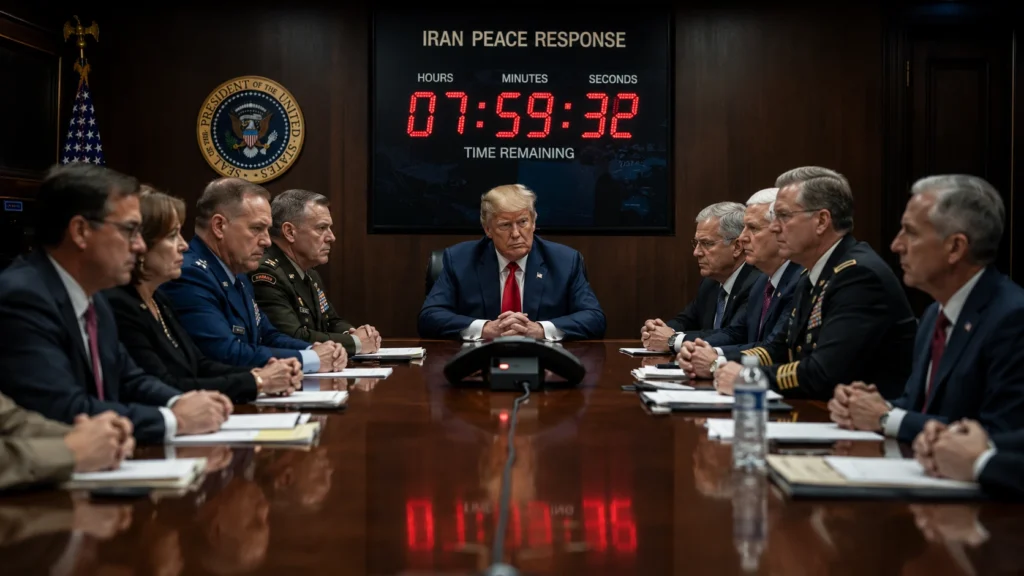
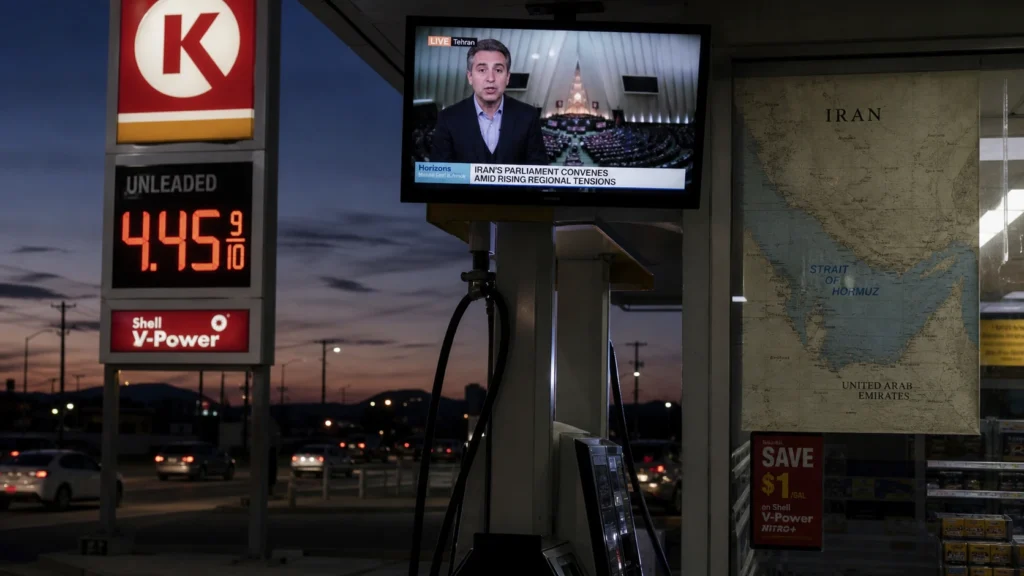
Trump is said to be concerned that further escalation in Lebanon could jeopardise a wider deal to end the war between the US, Israel, and Iran. Iran has warned the US that any regional ceasefire must include Lebanon.
At least 3,516 people have been killed in Lebanon since the war began on 2 March, according to the health ministry. Its figures do not distinguish between combatants and civilians. The UN says more than one million people have been displaced. Israel reports 26 of its soldiers and four civilians killed.
The Iran deal and the Lebanon front — how the wars are connected
FAQ: Israel-Lebanon Strikes 3 June 2026
How many people were killed on Wednesday?
Nine people were killed, including two paramedics, four Syrians, two Palestinians, and a Lebanese army soldier. Two people were injured in a car accident south of Beirut.
What is the partial ceasefire?
The agreement, announced on Monday, states Israel will not launch a broad offensive on Beirut in exchange for Hezbollah refraining from attacking Israel. It does not cover the rest of Lebanon.
How many healthcare workers have been killed?
At least 128 paramedics and healthcare workers have been killed in Israeli attacks on ambulances and medical facilities over the past three months, according to Lebanon’s health ministry.
What did Trump say to Netanyahu?
Trump confirmed he called Netanyahu “crazy” and told him to stop bombing Beirut, warning it could jeopardise the wider Iran deal. Netanyahu agreed to hold off on Beirut but said operations in the south would continue.
Are peace talks happening?
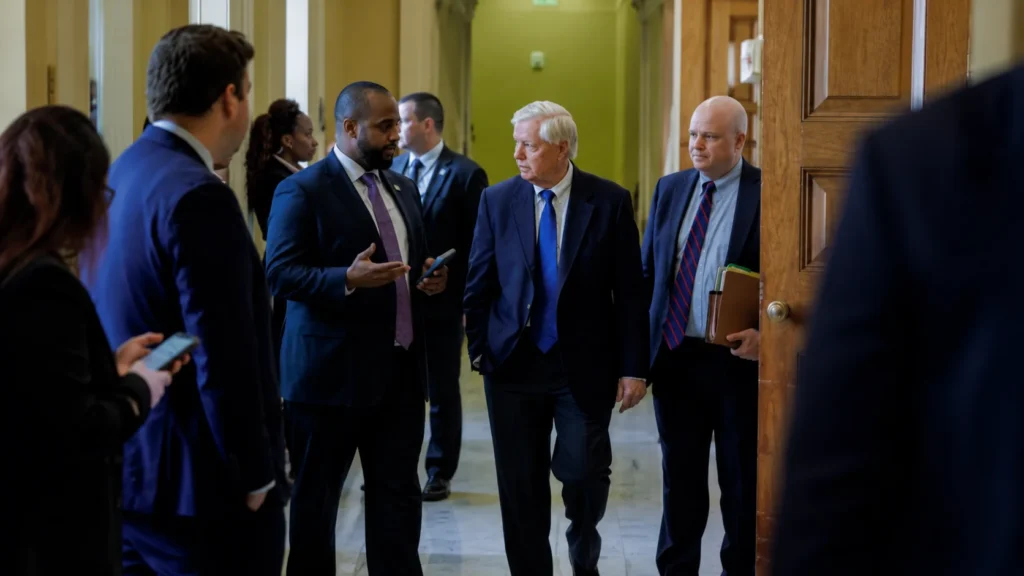
Yes. Israeli and Lebanese diplomats held a second day of talks in Washington on Wednesday. Marco Rubio said he hoped they would produce a security plan “independent from Hezbollah.”
Written by the Middle East Desk, drawing on Lebanese Health Ministry statements, Israel Defense Forces operational updates, Reuters reporting, and US State Department briefings. The desk has covered the Lebanon conflict since it began on 2 March 2026.
Source: Lebanese Health Ministry, Israel Defense Forces, Reuters, US State Department