

 English
















































































































































































































































Israel and Lebanon Reach Ceasefire Deal Contingent on Hezbollah Halting Attacks

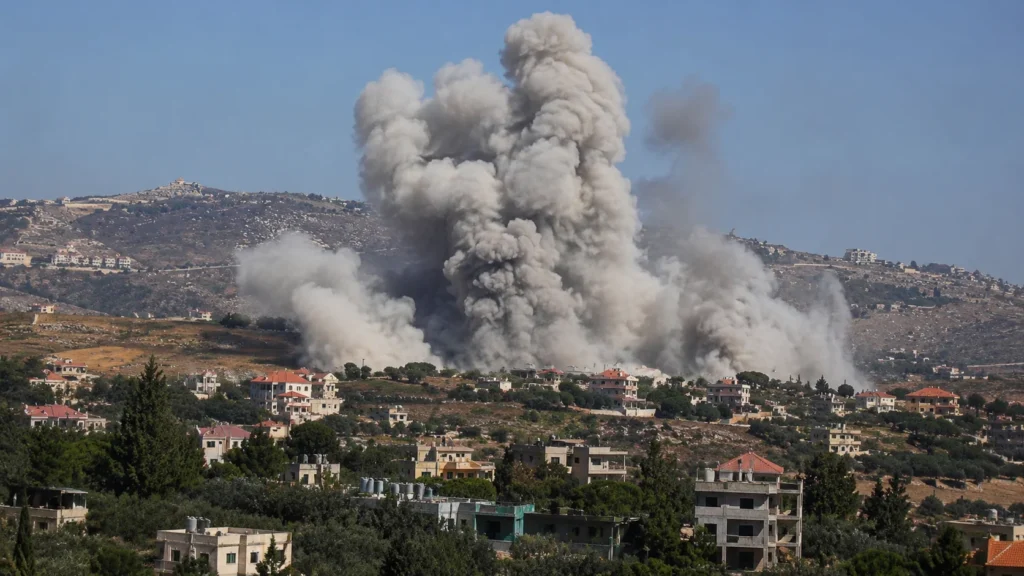
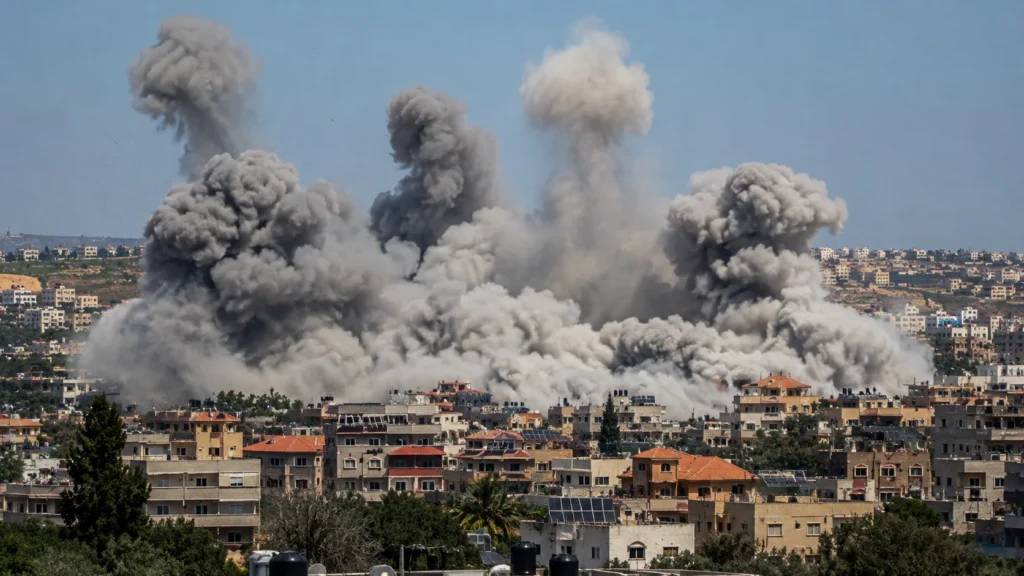
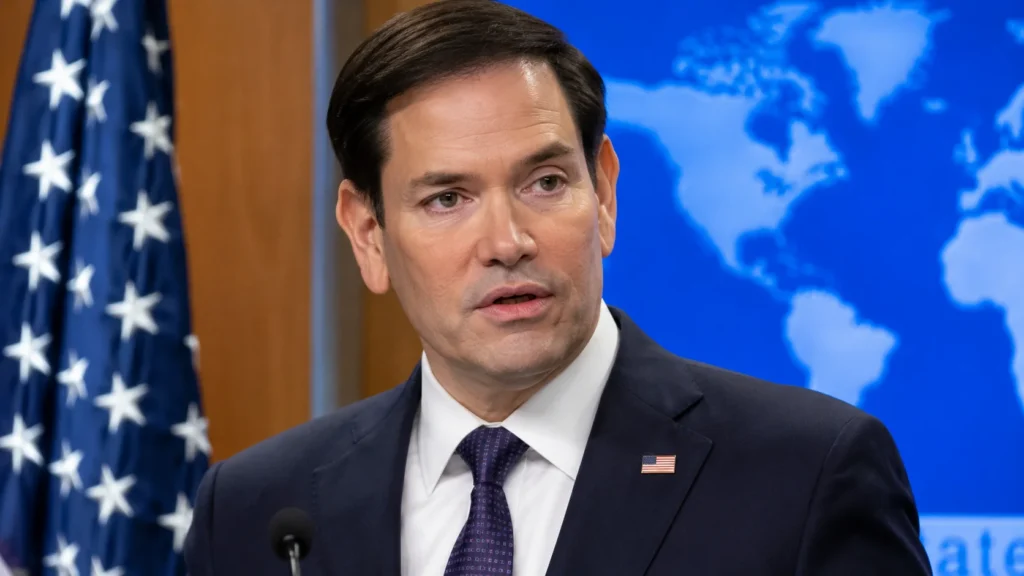
Israel and Lebanon reach ceasefire deal contingent on Hezbollah halting attacks, the US State Department announced on Wednesday, with a joint statement confirming the two countries had agreed to renew their fragile truce and create “pilot” security zones inside Lebanon from which Hezbollah operatives would be banned. The agreement is “contingent on a complete cessation” of attacks by the Iran-backed armed group and the “evacuation of all [Hezbollah] operatives” from an area between the Israeli border and the Litani River. The Lebanese Armed Forces would take “exclusive control of the territory to the exclusion of all non-state actors.” No maps were provided to indicate where the pilot zones would be located. Hezbollah, which is not a signatory to the agreement, told the BBC it would comment in due course. Lebanese state media reported that Israeli strikes continued in the south on Thursday.
Israel and Lebanon Reach Ceasefire Deal Contingent on Hezbollah Halting Attacks — What the Agreement Says
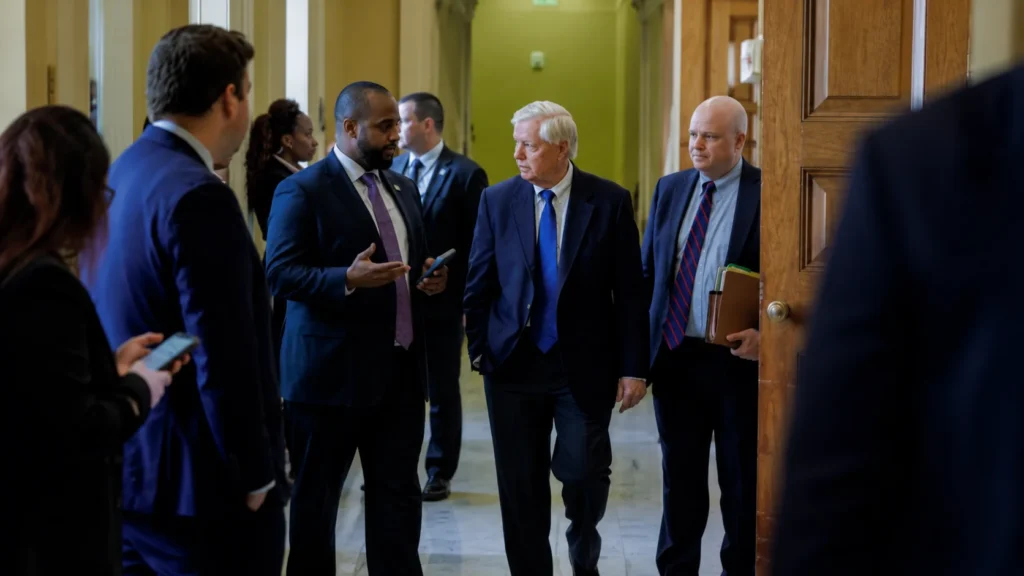
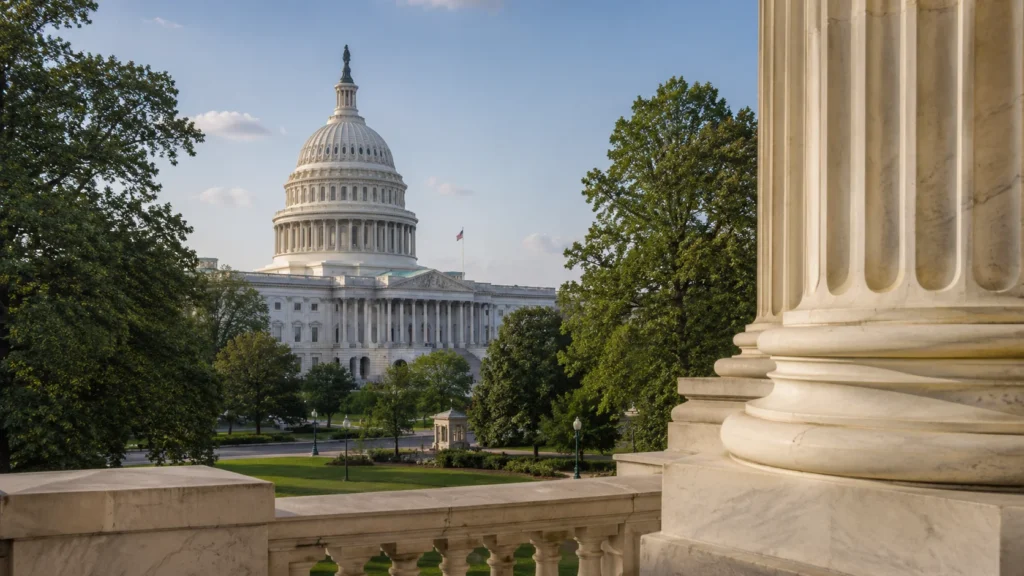
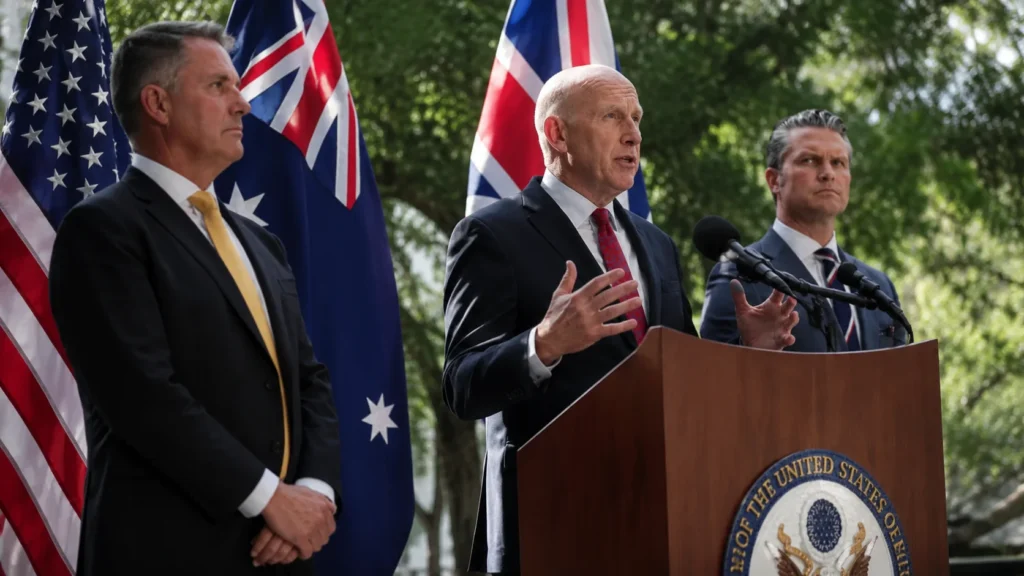
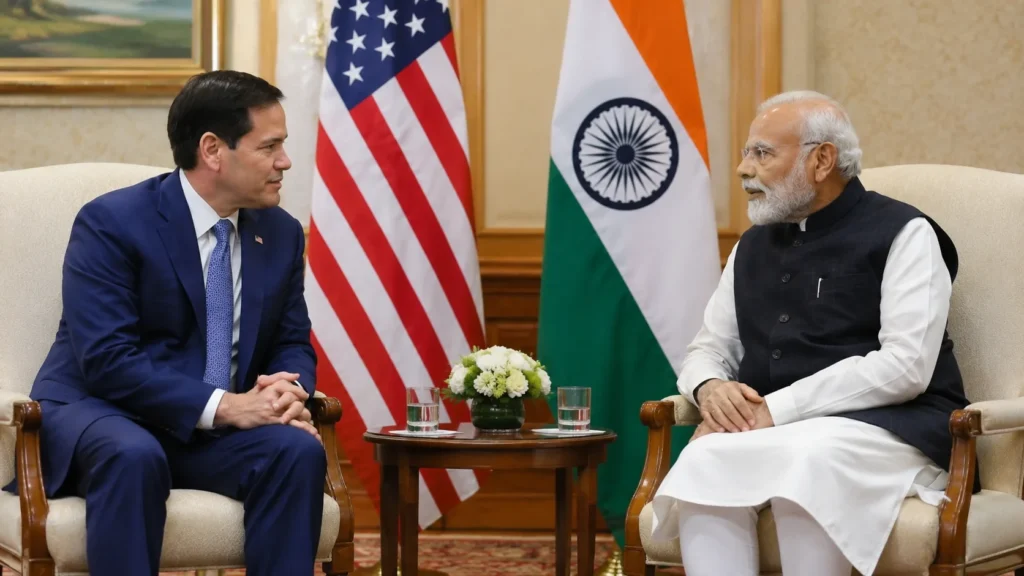
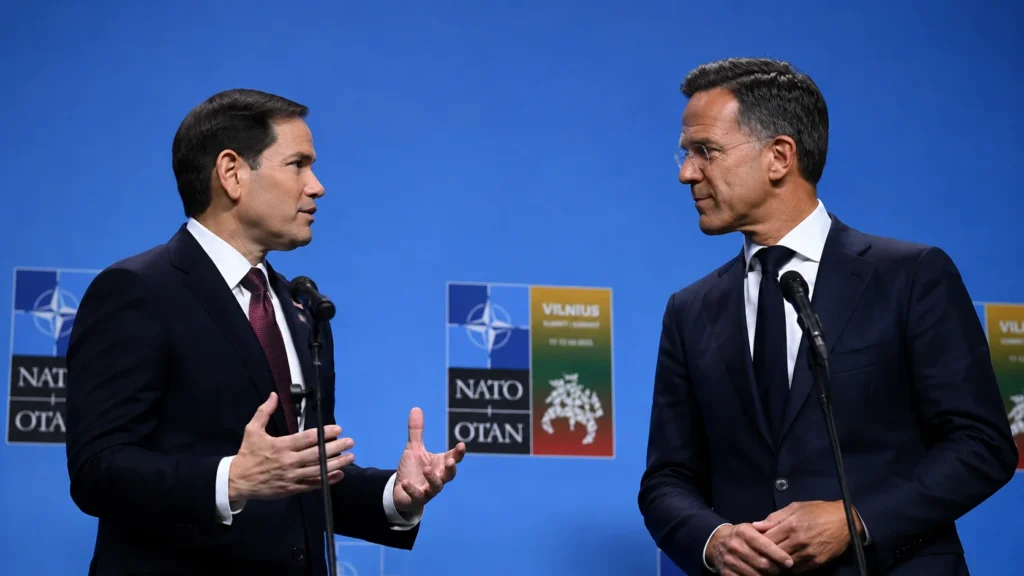
The joint statement, released after a fourth round of US-mediated talks in Washington, said the three countries “rejected any attempt, by any state or non-state actor, to hold Lebanon’s future hostage” US State Department joint statement, 4 June 2026.
The agreement is contingent on the “evacuation of all [Hezbollah] operatives” from an area between the Israeli border and the Litani River, approximately 30km (19 miles) to the north, which is currently occupied by Israeli ground forces. The US would “help guide” the creation of “pilot zones in which the Lebanese Armed Forces will take exclusive control of the territory to the exclusion of all non-state actors.”
The two countries’ representatives will meet again on 22 June to hold further talks “with a view toward reaching a comprehensive agreement.”
The agreement did not include any maps indicating where the pilot zones would be located, nor any explanation of how they would be enforced in practice.
UN Resolution 1701 and the Litani River — why previous demilitarisation efforts failed
Israel and Lebanon Reach Ceasefire Deal Contingent on Hezbollah Halting Attacks — Hezbollah’s Position
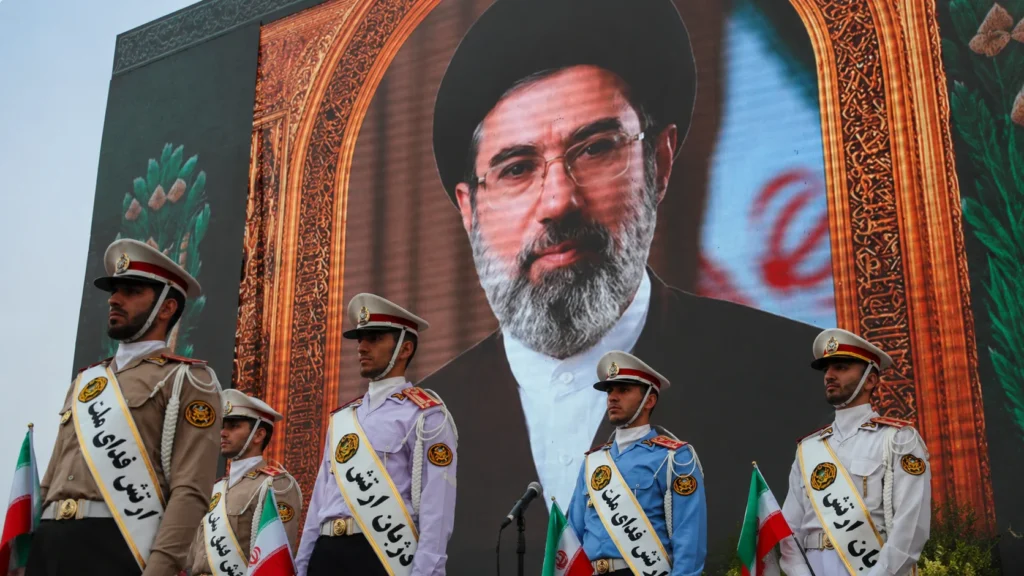
Mahmoud Qamati, a member of Hezbollah’s political council, told the BBC on Tuesday: “We think these negotiations do not concern us, nor do we recognise their findings or decisions, because we have rejected them on principle” BBC interview with Mahmoud Qamati, 3 June 2026.
Hezbollah is not a signatory to the agreement. The deal is contingent on the group’s compliance. The state that signed it — Lebanon — cannot enforce it without Hezbollah’s cooperation. The group that can enforce it did not sign it.
Qamati also insisted that Hezbollah would not abide by any commitments made at the Lebanese-Israeli talks. The group’s position leaves the agreement’s central mechanism — the pilot zones — dependent on the consent of the very organisation the zones are designed to exclude.
Far-right Israeli National Security Minister Itamar Ben-Gvir branded the agreement a “serious mistake,” claiming it would allow Hezbollah to “grow stronger.” His criticism is the mirror image of Hezbollah’s rejection: both believe the agreement concedes too much to the other side.
Hezbollah’s role in Lebanon — why the state cannot govern without the militia
Israel and Lebanon Reach Ceasefire Deal Contingent on Hezbollah Halting Attacks — The Iran Dimension
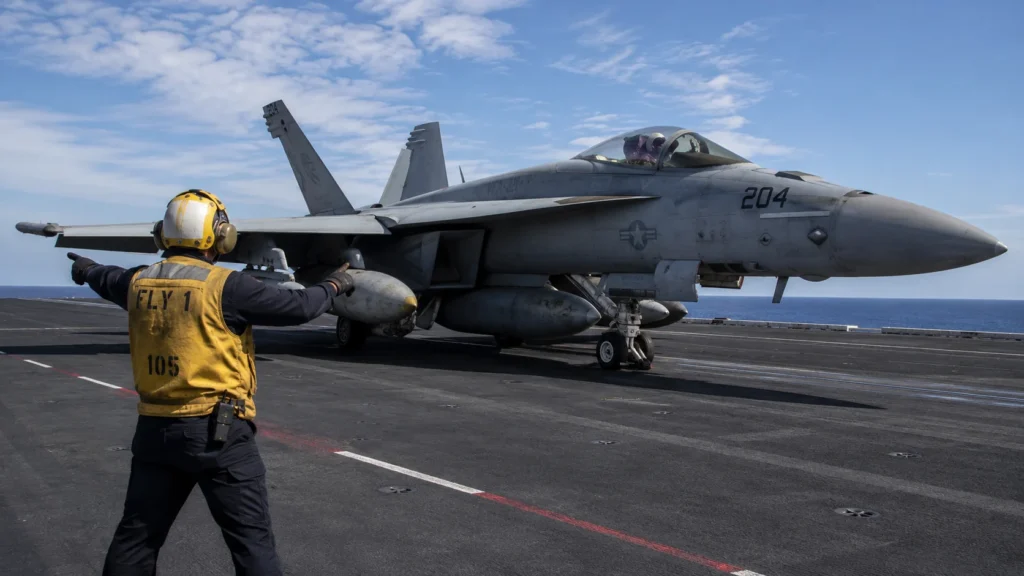
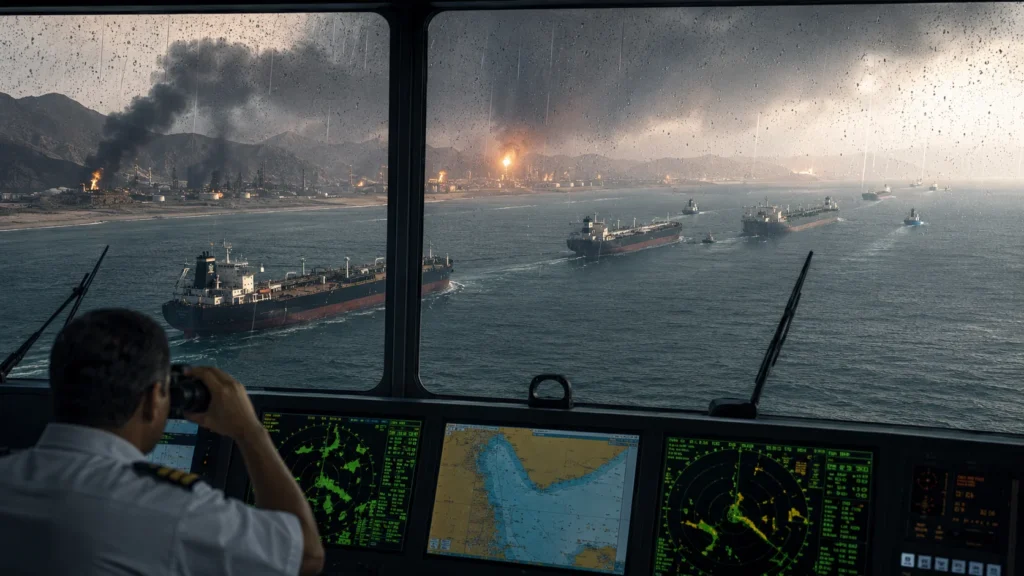
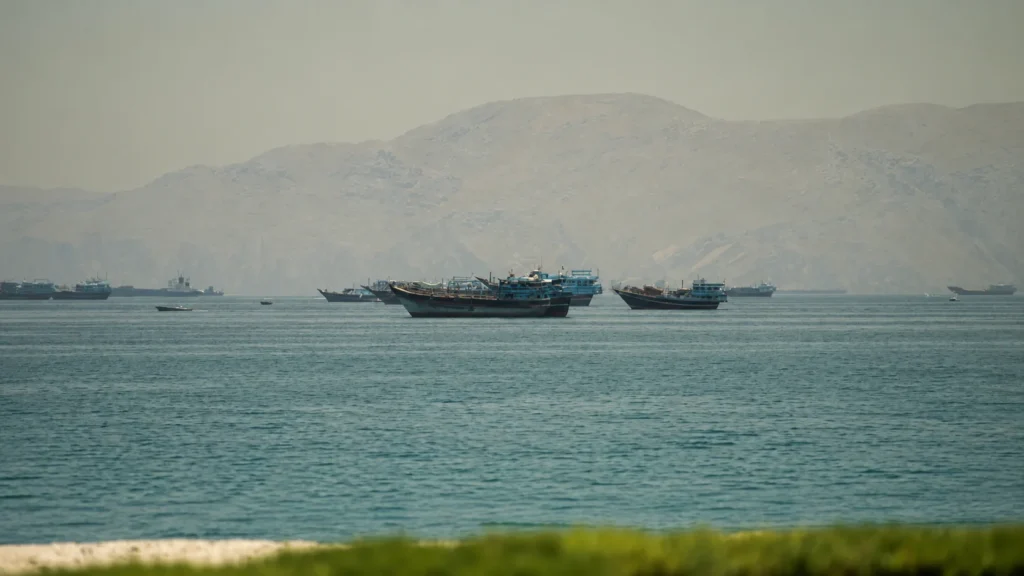
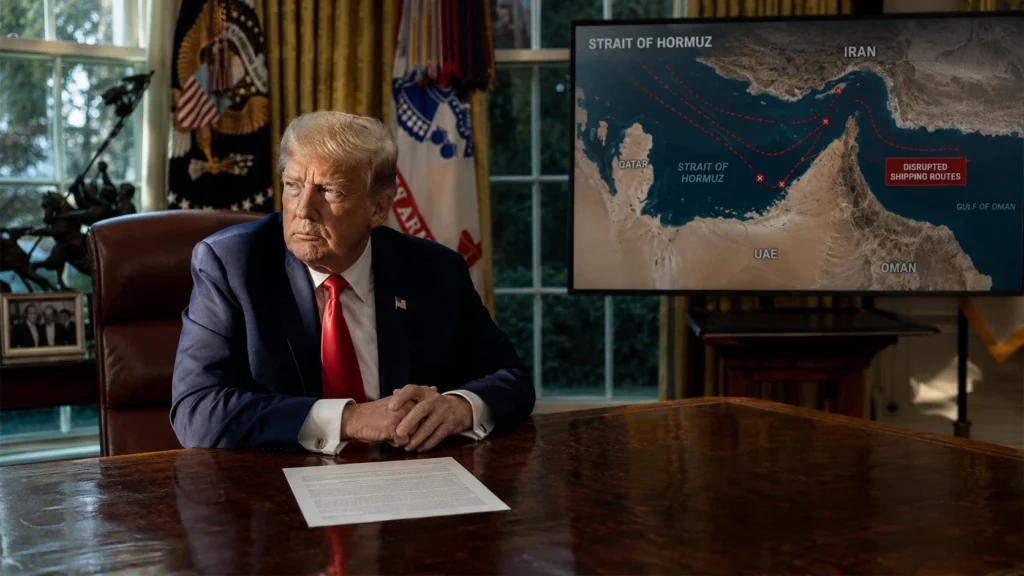
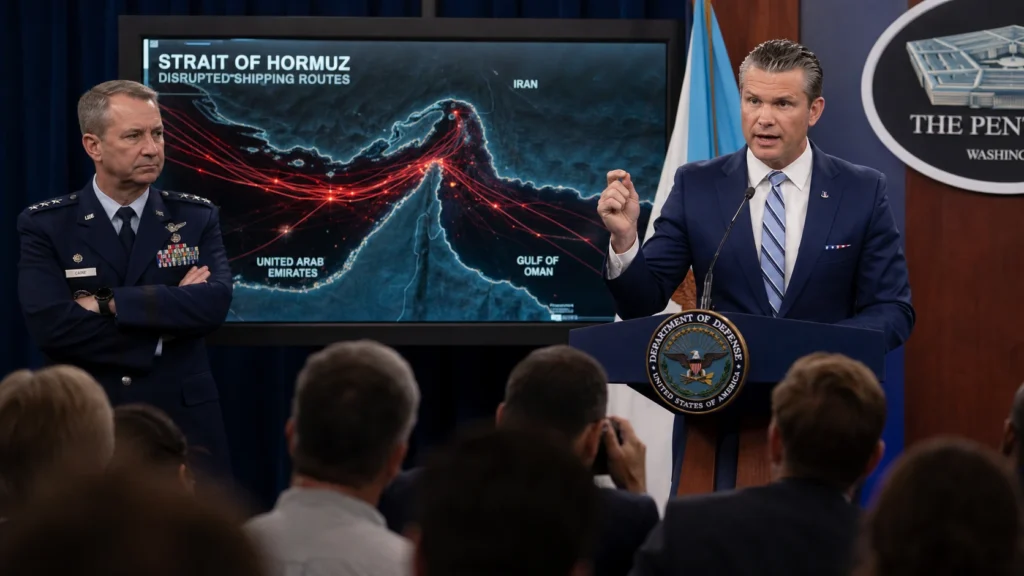
The timing of the agreement is tied to the broader regional negotiations. The US is simultaneously negotiating a 60-day ceasefire extension with Iran in Doha, bombing Iranian radar sites near the Strait of Hormuz, and editing the text of a memorandum of understanding.
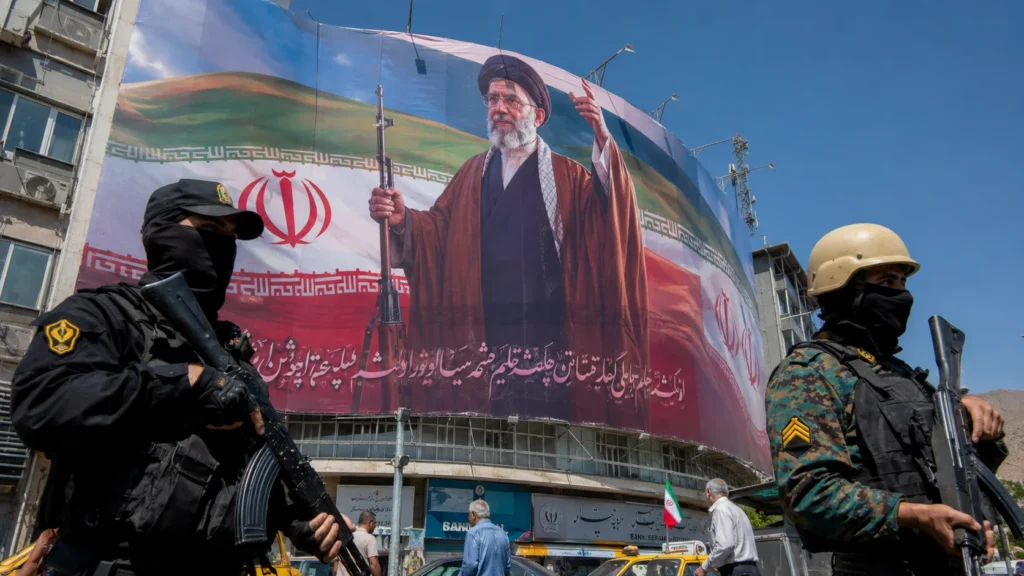
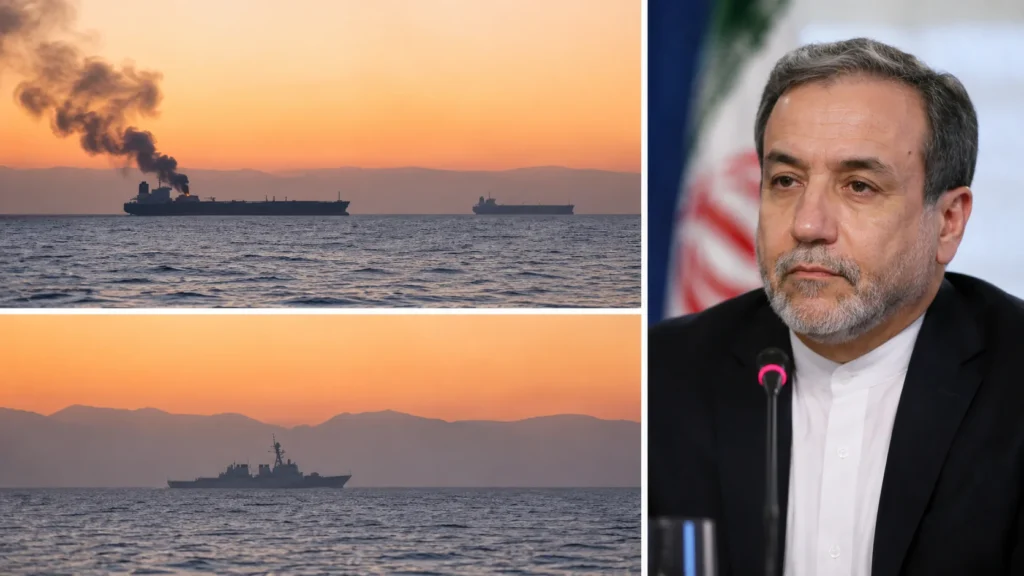
Iranian Foreign Minister Abbas Araghchi warned on Wednesday that if Israeli aggression against Beirut continued, Iranian armed forces were “fully prepared” to resume the war, according to Iran’s Tasnim news agency Tasnim News Agency report, 4 June 2026.
The Lebanon agreement is a containment measure designed to prevent the Lebanon front from collapsing the Iran track. Iran has made clear that any regional settlement must include Lebanon. The chain of dependency runs from Washington to Beirut to Doha to Tehran.
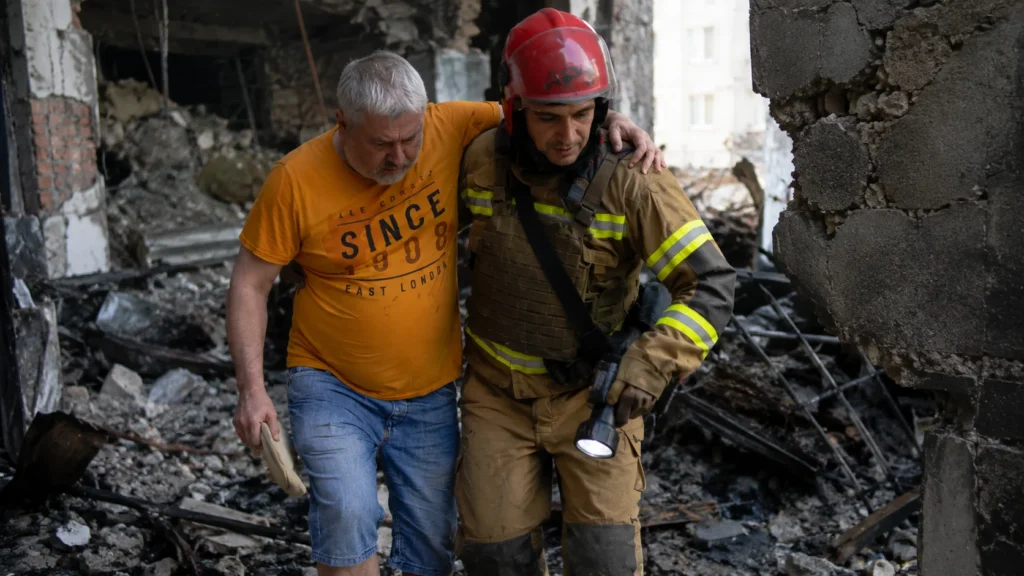
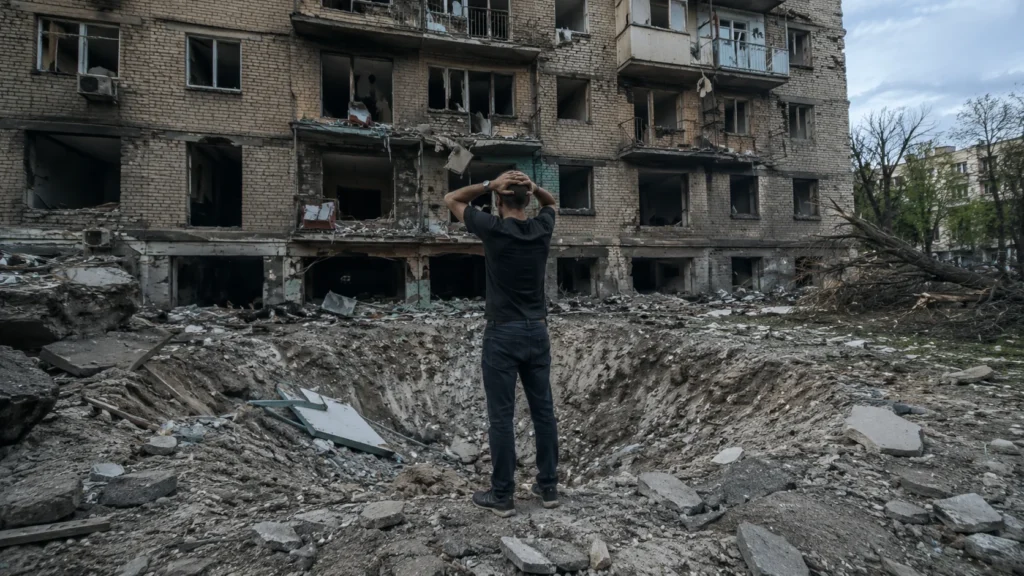
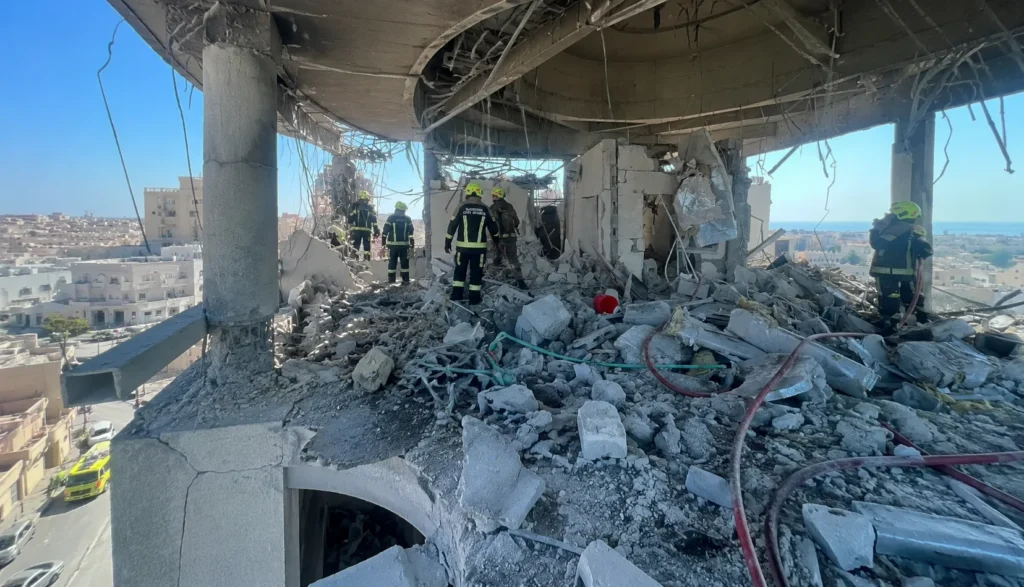
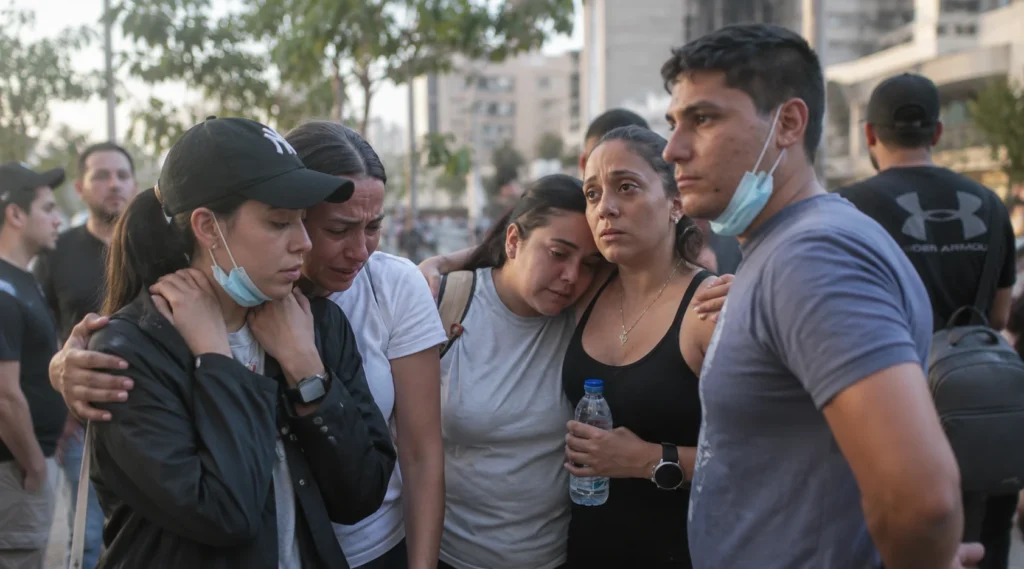
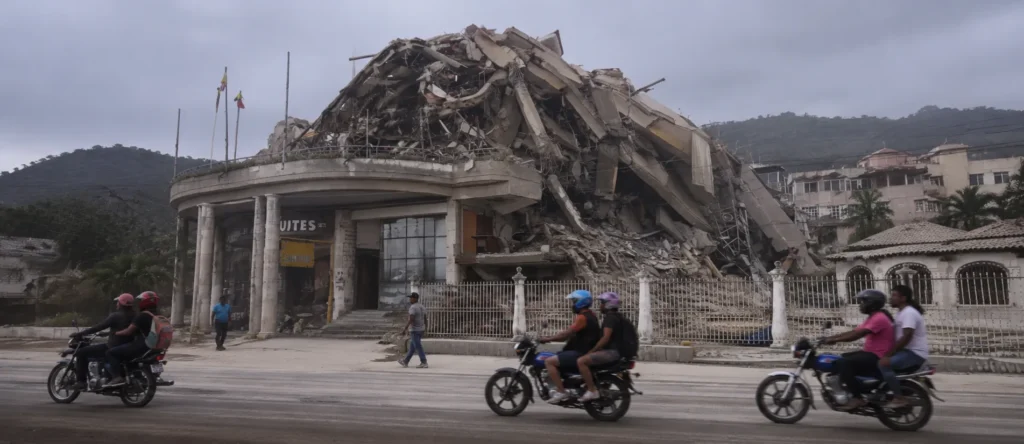
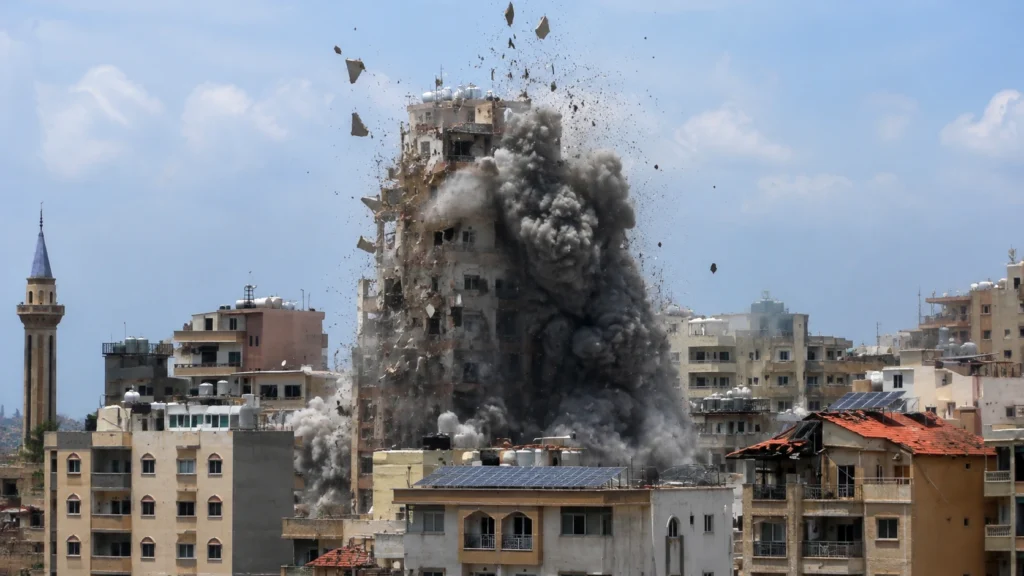
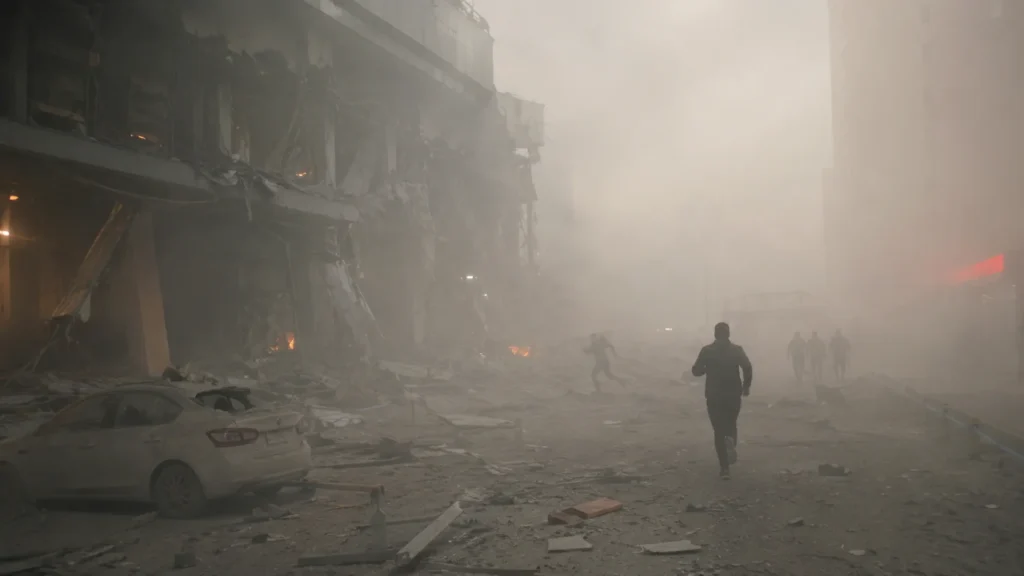
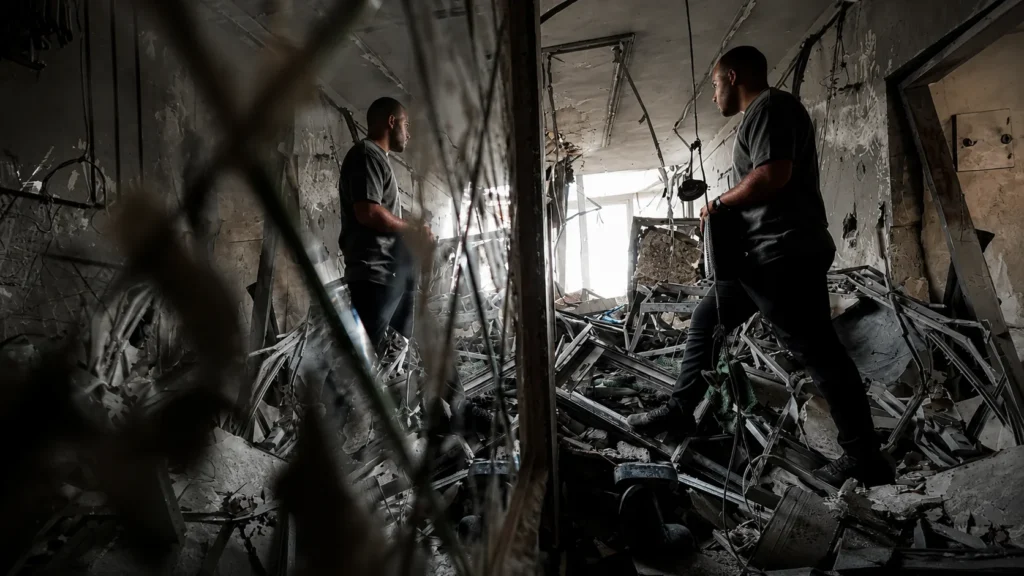
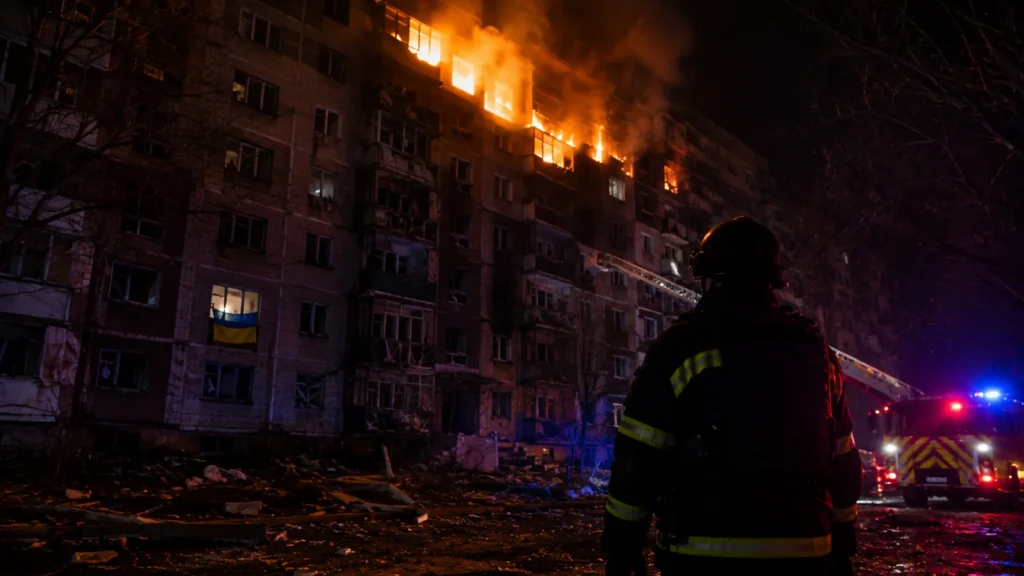
At least 3,516 people have been killed in Lebanon since the war began on 2 March, according to the country’s health ministry. Its figures do not distinguish between combatants and civilians. The UN says more than one million people have been displaced. Israel reports 26 of its soldiers and four civilians killed.
The Iran deal and the Lebanon front — how the wars are connected

FAQ: Israel-Lebanon Ceasefire Agreement 4 June 2026
What did Israel and Lebanon agree on?
They agreed to renew their ceasefire and create “pilot” security zones in Lebanon, policed by the Lebanese army to the exclusion of Hezbollah. The agreement is contingent on Hezbollah halting all attacks.
Did Hezbollah sign the agreement?
No. Hezbollah is not a signatory. A member of its political council said the group does not recognise the negotiations or their outcomes.
Where will the pilot zones be located?
The agreement did not include any maps. The zones are to be created in areas between the Israeli border and the Litani River, currently occupied by Israeli forces.
When is the next meeting?
Israeli and Lebanese representatives will meet again on 22 June “with a view toward reaching a comprehensive agreement.”
Are strikes still happening?
Yes. Lebanese state media reported Israeli strikes continued in the south on Thursday, with at least one causing casualties.
Written by the Middle East Desk, drawing on US State Department announcements, BBC interviews, Lebanese Health Ministry data, Israeli military operational updates, and Iranian state media reports. The desk has covered the conflict in Lebanon since it began on 2 March 2026.
Source: US State Department, Lebanese Health Ministry, Israel Defense Forces, BBC