

 English
































































































































Hezbollah Rejects US-Backed Ceasefire Deal Between Israel and Lebanon
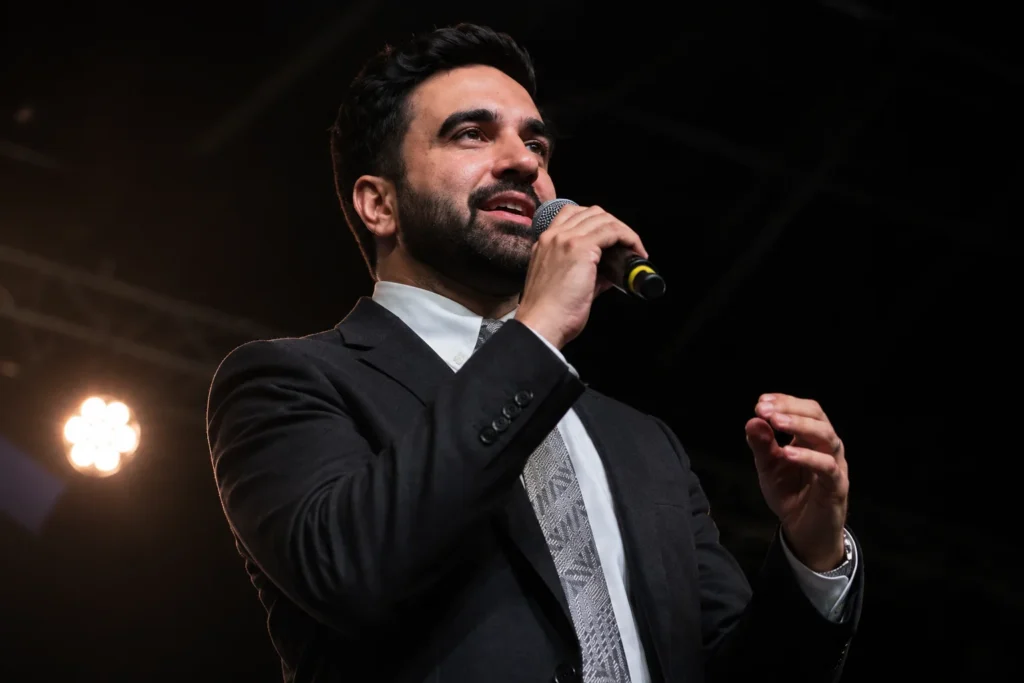
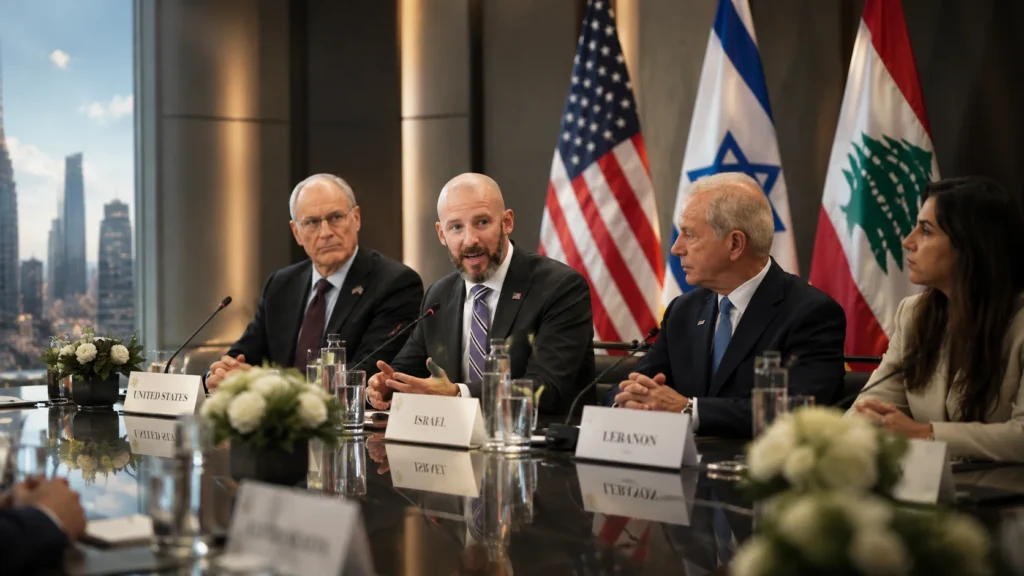
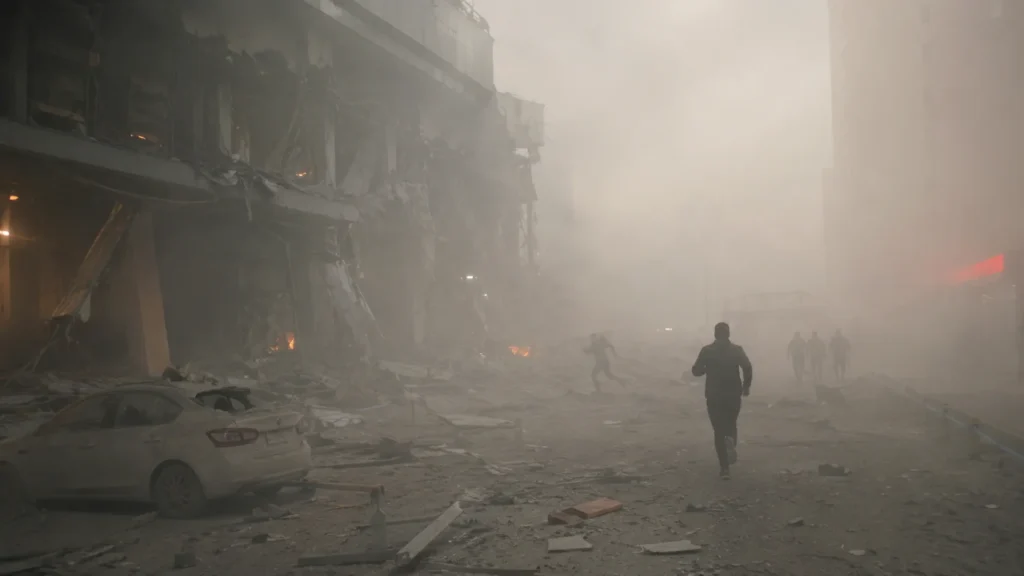
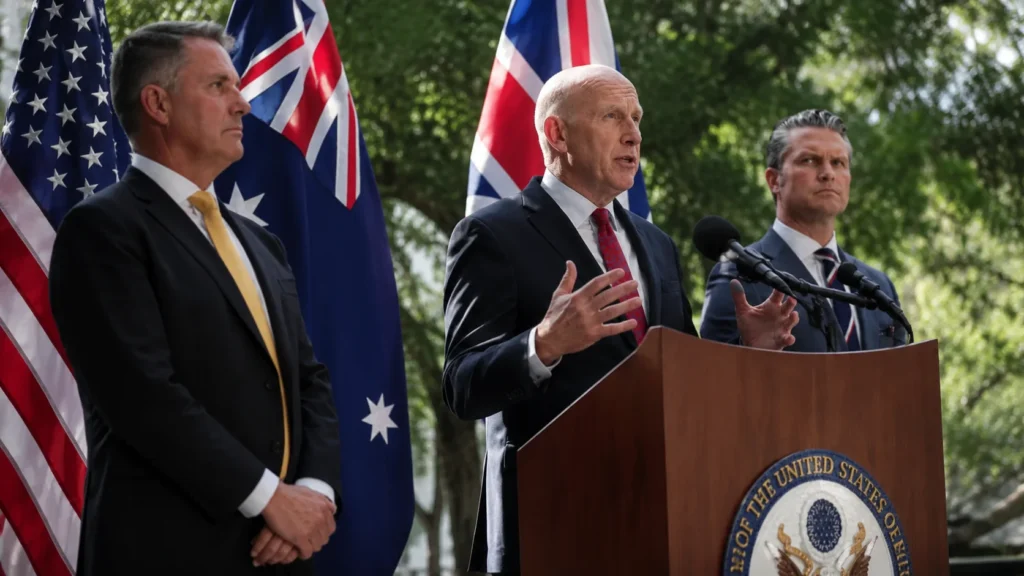
Hezbollah rejects US-backed ceasefire deal between Israel and Lebanon as the Iran-backed group’s leader, Naim Qassem, issued a strongly-worded statement on Thursday calling the agreement “futile” and “humiliating” and amounting to surrender. The deal, announced in Washington on Wednesday after a fourth round of US-mediated talks, was contingent on a “complete cessation” of fire by Hezbollah and the evacuation of its operatives from areas between the Israeli border and the Litani River. Hezbollah was not a party to the negotiations. Israeli Defence Minister Israel Katz said the military would “for the time being, continue its fire and operations on the ground.” Lebanese media reported multiple Israeli strikes across the south on Thursday, killing at least six people. A UN peacekeeper also died of wounds sustained when mortar shells struck his position near Marjayoun.
Hezbollah Rejects US-Backed Ceasefire Deal Between Israel and Lebanon — What Hezbollah Said
Qassem’s statement was unequivocal. The “supposed ceasefire,” he said, interpreted as Hezbollah halting fire and withdrawing fighters from the southern front with Israel, amounted to surrender and would fulfil Israel’s objectives. He described the negotiations as “futile” and rejected by “broad segments of the Lebanese people” Hezbollah statement, 4 June 2026.
Hezbollah was not at the table during the Washington talks. The agreement is contingent on the group’s compliance. The Lebanese state that signed the deal cannot enforce it without Hezbollah’s cooperation. The group that can enforce it has now formally refused.
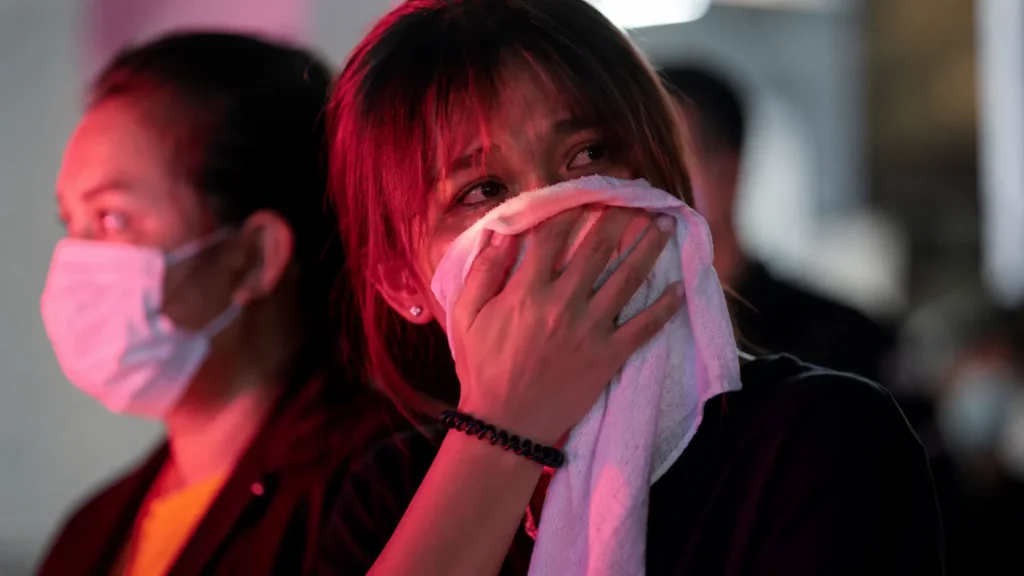
The mood on the streets of Beirut’s southern suburbs, a Hezbollah stronghold known as Dahieh, reflected the rejection. Sami, a storekeeper who has run his business there for 25 years, told the BBC: “You cannot have a ceasefire from one side, it’s going to be all sides or no ceasefire. This is surrender. This is not a peace agreement. This is a surrender agreement” BBC interviews in Dahieh, 4 June 2026.
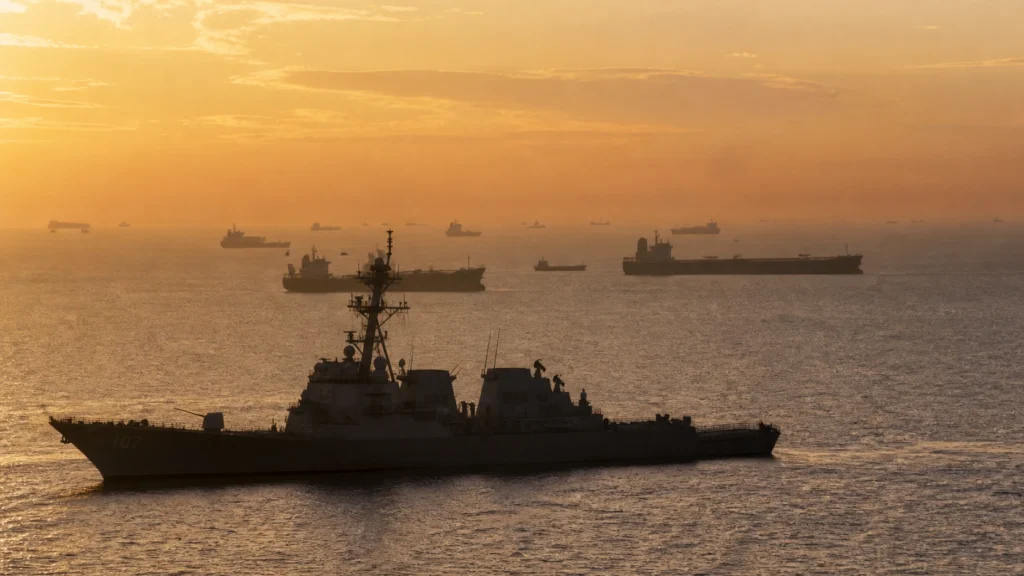
Hezbollah’s role in Lebanon — why the state cannot govern without the militia
Hezbollah Rejects US-Backed Ceasefire Deal Between Israel and Lebanon — The Military Reality
Israeli Defence Minister Israel Katz said the military would continue its operations. “For the time being,” he said, Israeli forces would “continue its fire and operations on the ground” in order to “dismantle terrorist infrastructure in the area” Israeli Defence Ministry statement, 4 June 2026.
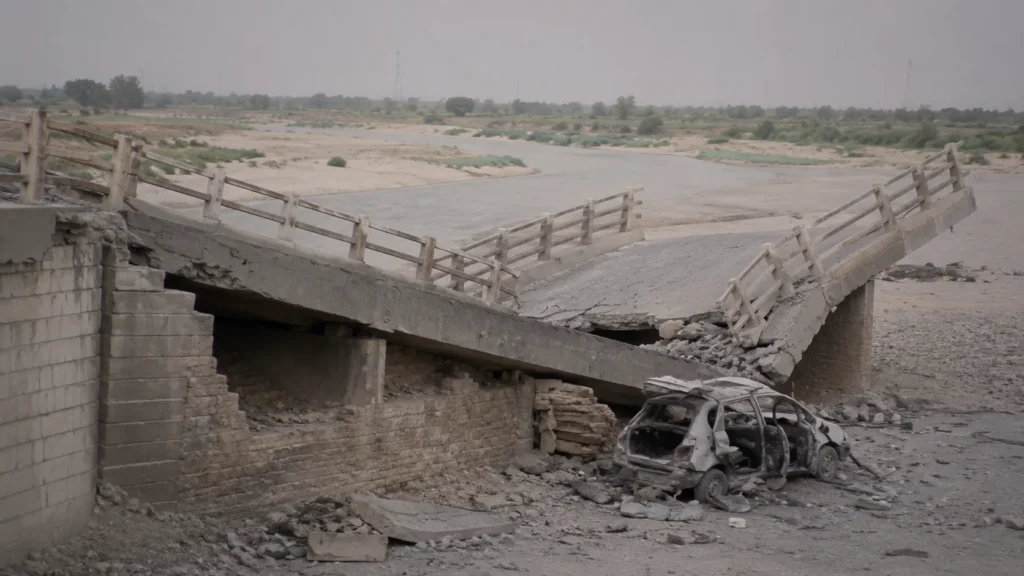
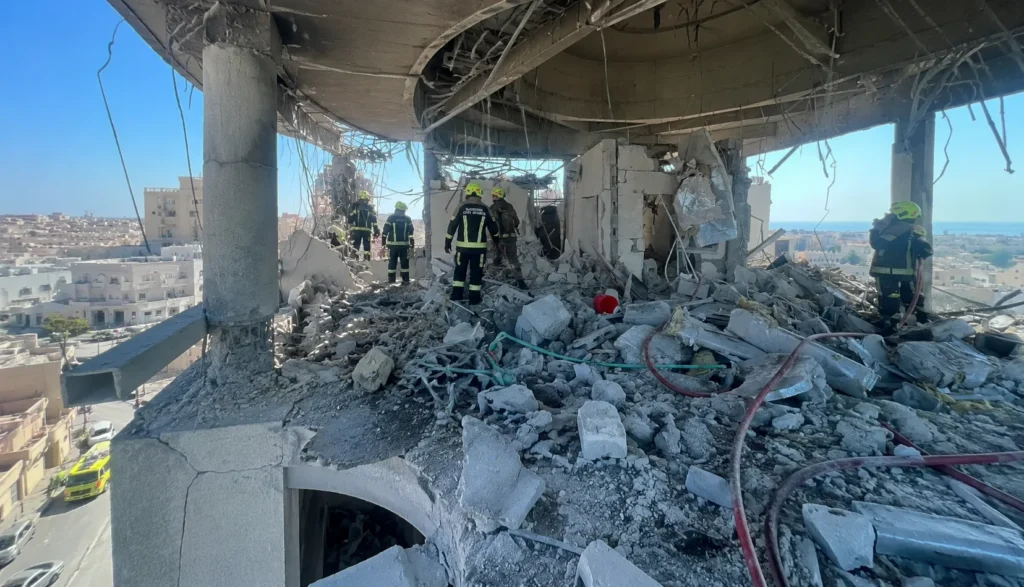
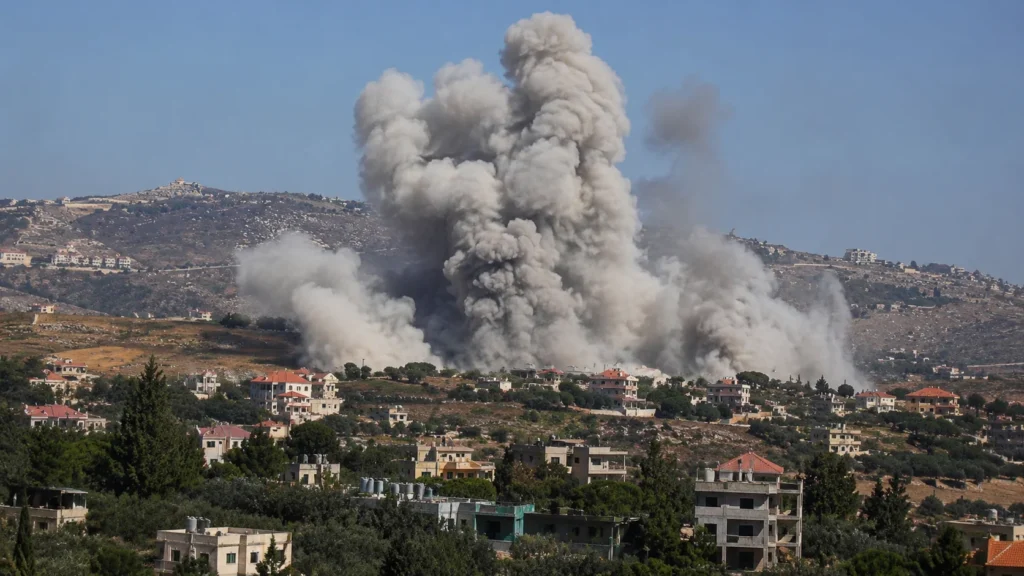
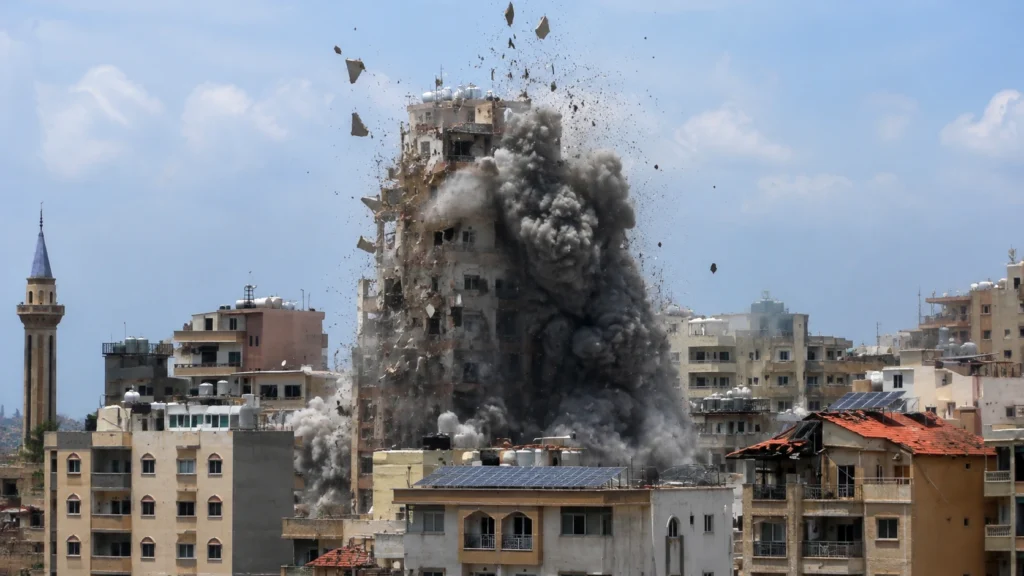
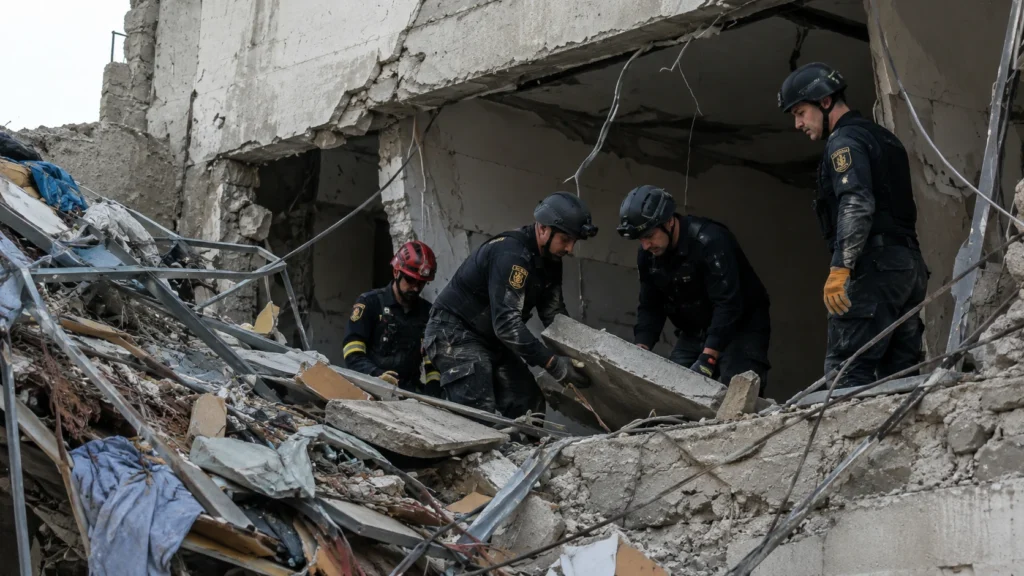
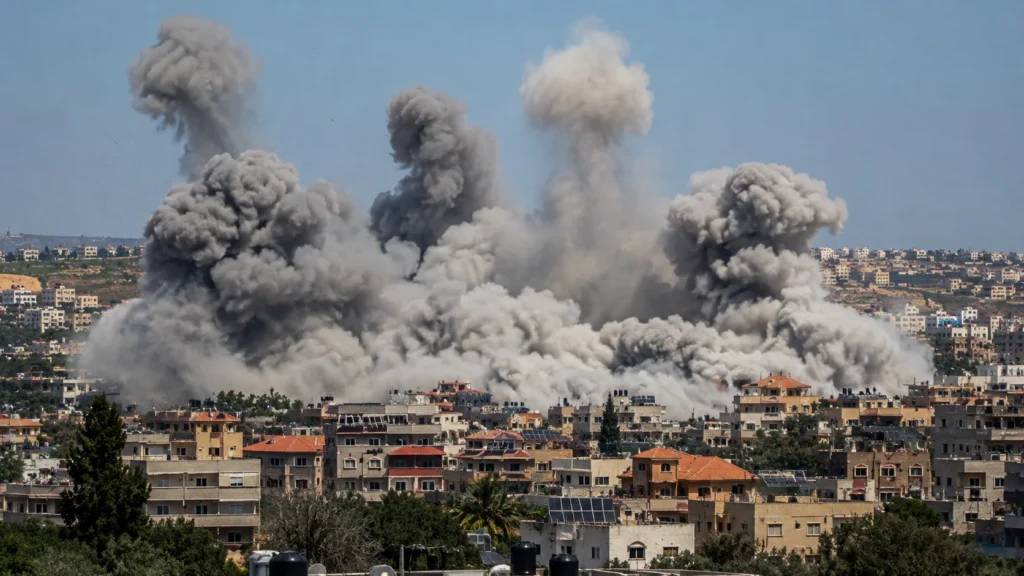
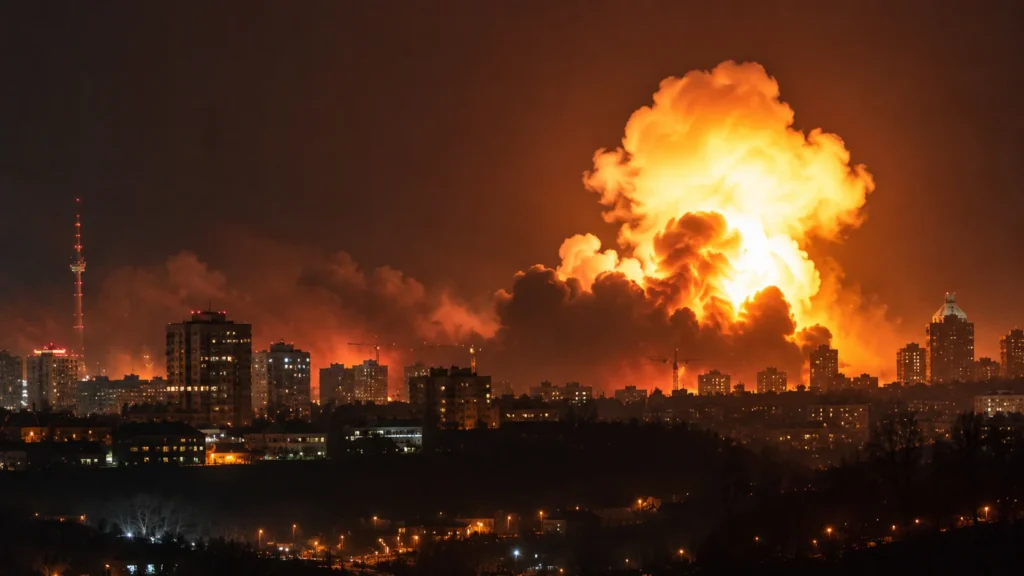
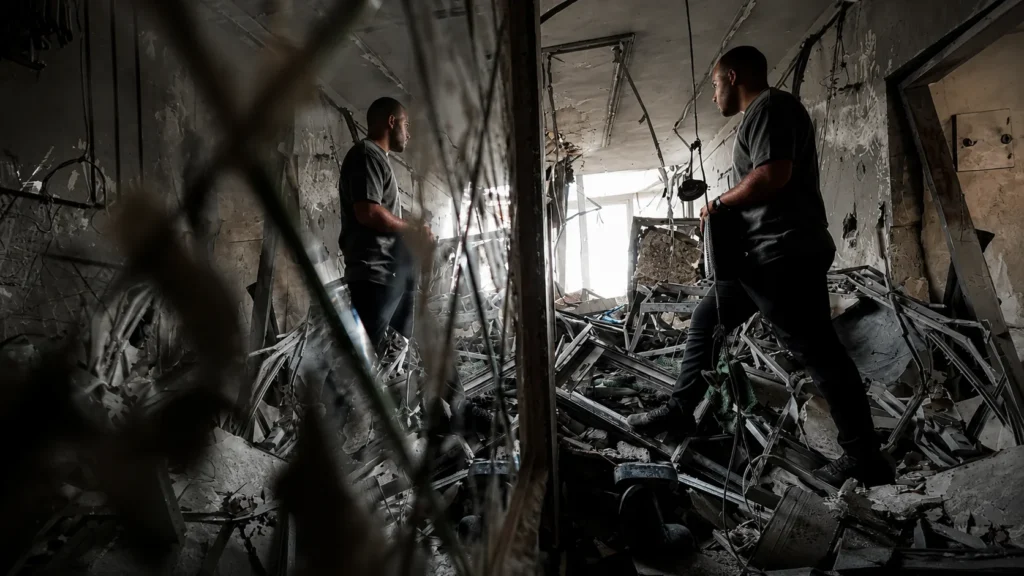
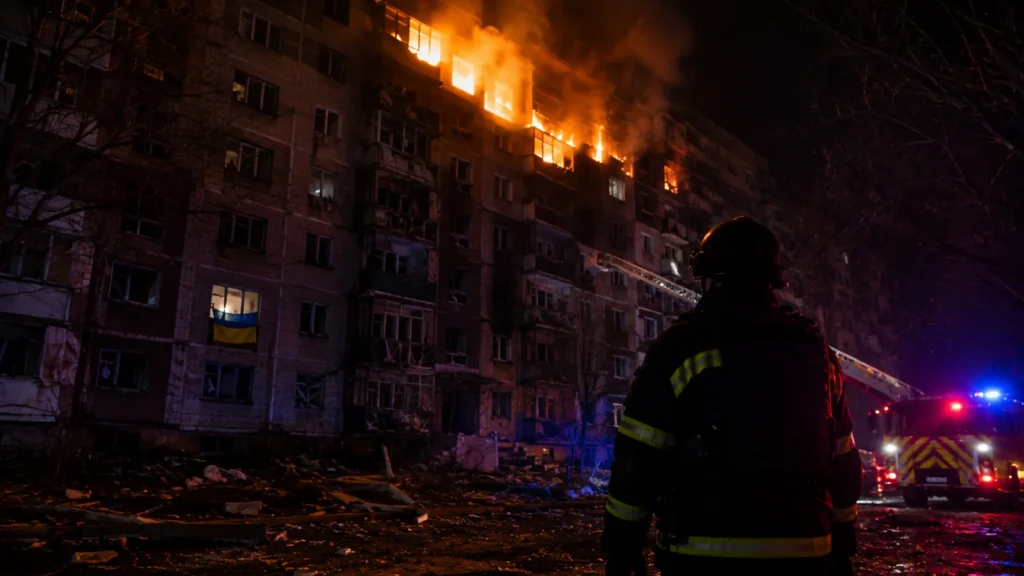
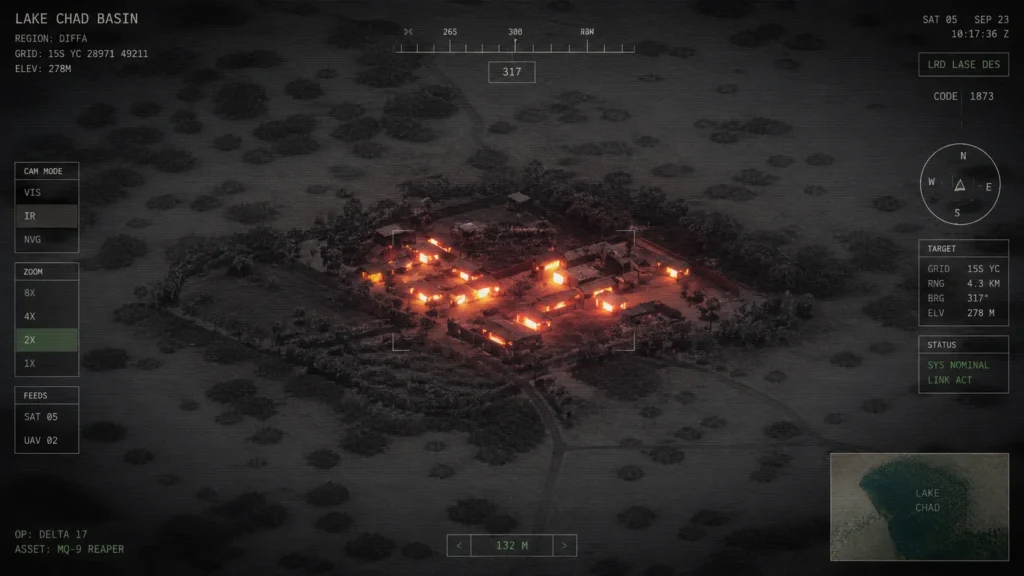
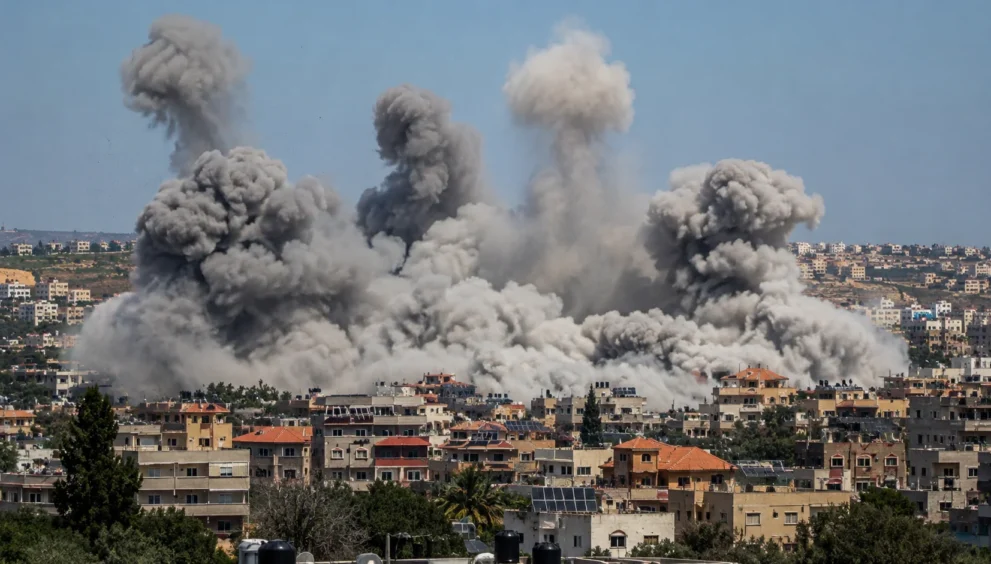
Lebanese media reported multiple strikes across the south on Thursday. The state-run National News Agency said five people were killed in air strikes on the Bekaa Valley town of Sohmor. Another person died when a motorcycle was targeted by an Israeli aircraft in Maaroub, near Tyre.
The United Nations peacekeeping force in Lebanon, UNIFIL, said one of its peacekeepers died of wounds sustained when mortar shells struck his position near Marjayoun late on Wednesday. Serbia’s defence ministry identified him as Senior Sergeant Milovan Jovanovic. The Israeli military accused Hezbollah of firing the mortars. Hezbollah has not commented on the incident UNIFIL statement, 4 June 2026.
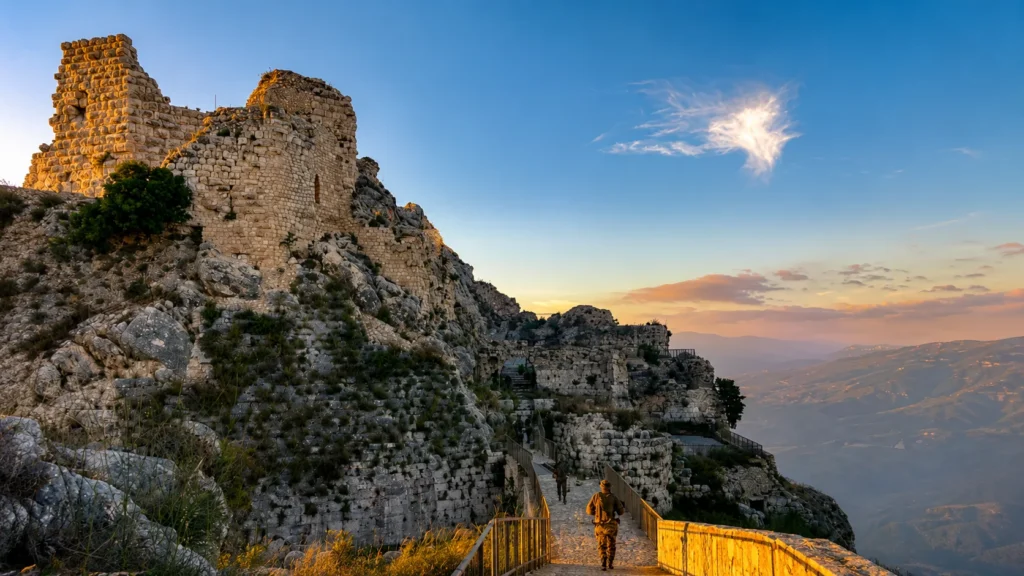
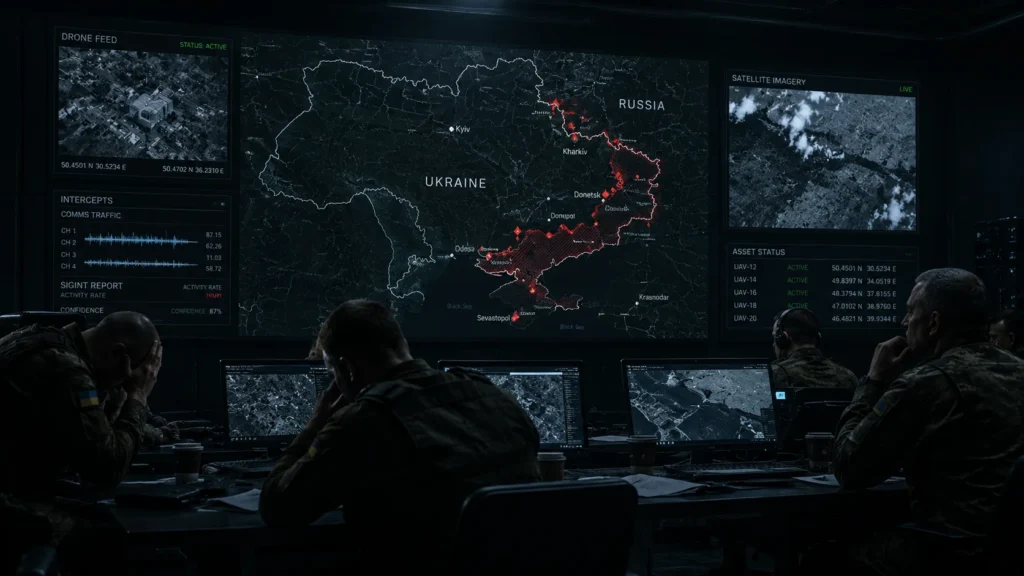
Hezbollah said on Thursday it had targeted Israeli troops and military vehicles in the Lebanese town of Qantara and the area of Beaufort Castle with attack drones and rockets.
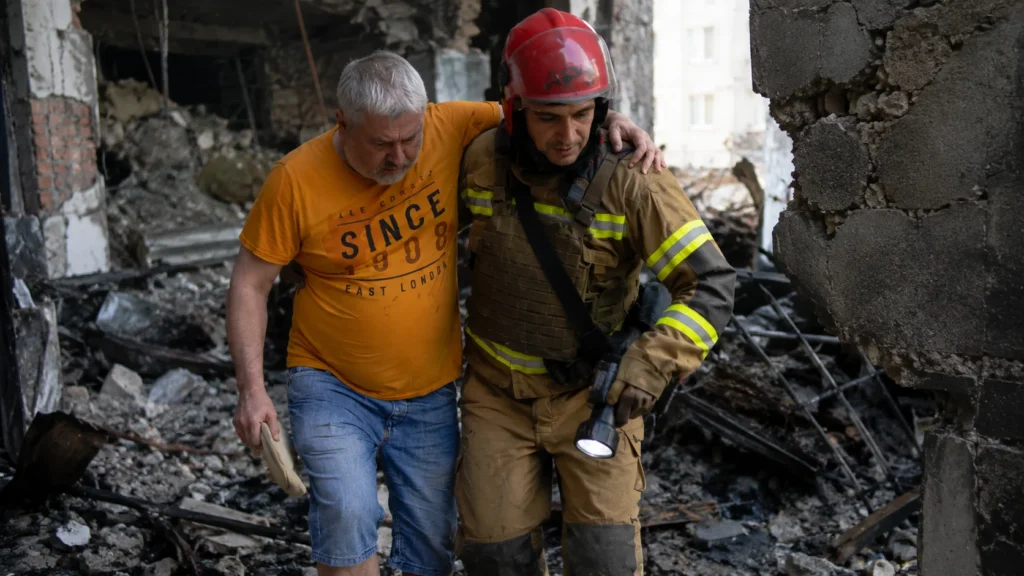
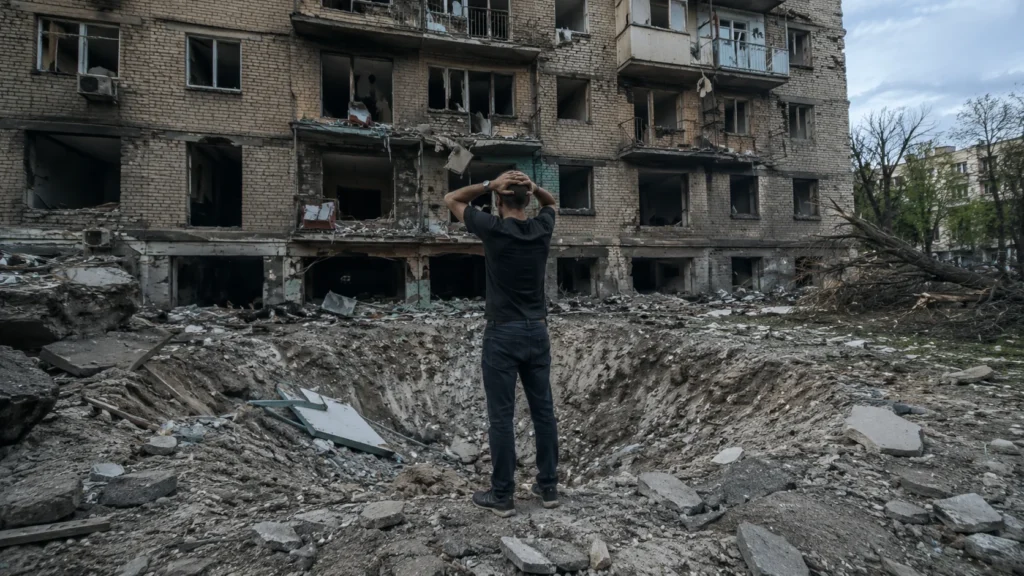
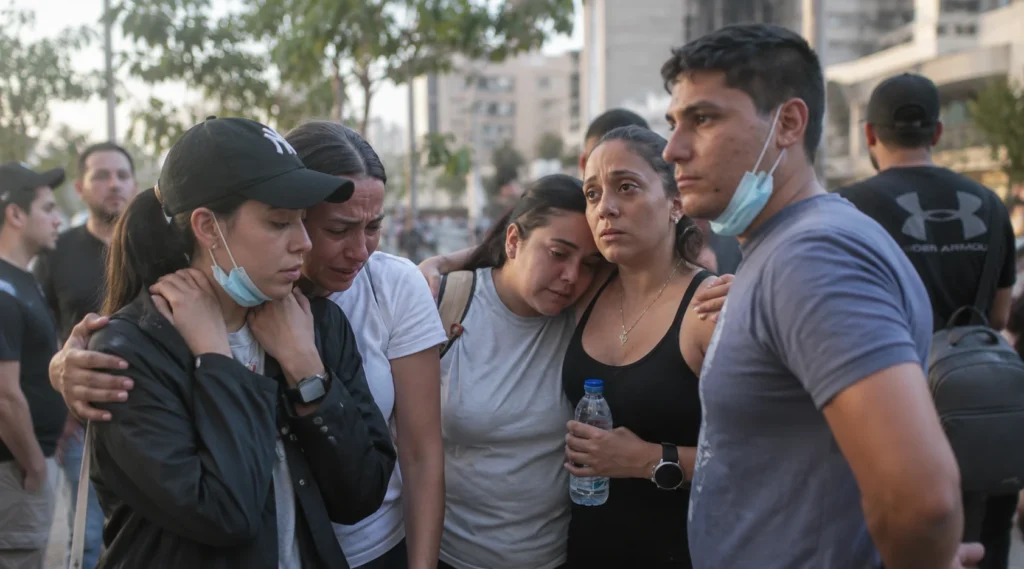
At least 3,526 people have been killed in Lebanon since the war began on 2 March, according to the country’s health ministry. Its figures do not distinguish between combatants and civilians. The UN says more than one million people have been displaced.
The human cost of the Lebanon war — displacement, casualties, and the humanitarian toll
Hezbollah Rejects US-Backed Ceasefire Deal Between Israel and Lebanon — The Regional Implications
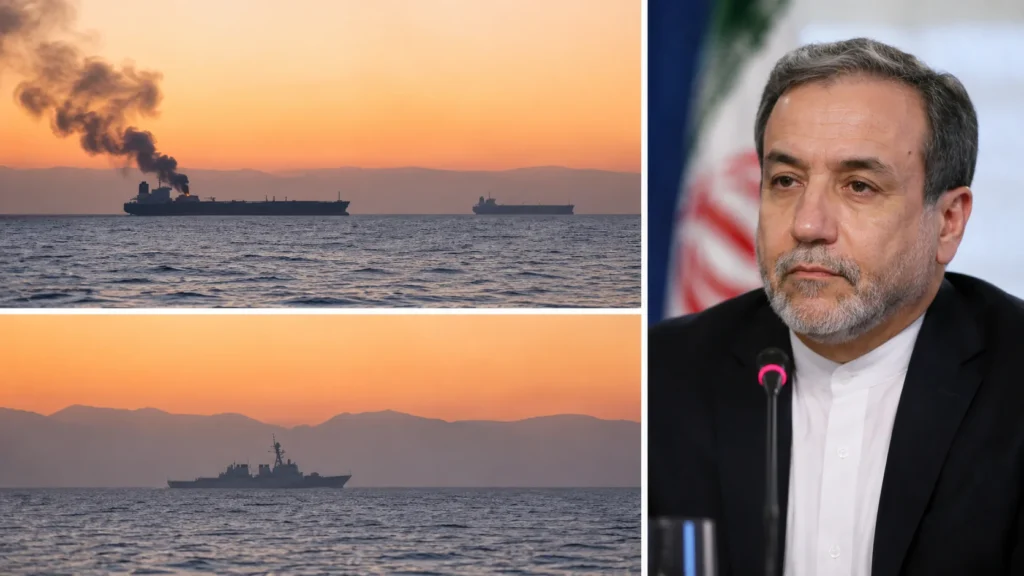
The failure of the Lebanon ceasefire has immediate consequences for the Iran negotiations in Doha. Iran has repeatedly made clear that any regional settlement must include Lebanon. Iranian Foreign Minister Abbas Araghchi warned on Wednesday that Iranian forces were “fully prepared” to resume the war if Israeli attacks on Beirut continued.
The US strategy — contain the Lebanon front to protect the Iran track — has now been undermined. Hezbollah’s rejection of the ceasefire, combined with Israel’s continuation of military operations, means the Lebanon war will continue to escalate as the Iran talks enter their most delicate phase.
The agreement had envisaged “pilot” security zones policed by the Lebanese Armed Forces “to the exclusion of all non-state actors.” No maps were provided. No locations were specified. The next meeting is scheduled for 22 June. Hezbollah will not attend.
Lebanese President Joseph Aoun said the ceasefire “could be implemented within 24 hours of its final approval” by all concerned parties. Hezbollah’s rejection means that approval will not be forthcoming.
The Iran deal and the Lebanon front — how the wars are connected
FAQ: Hezbollah Ceasefire Rejection 2026
Why did Hezbollah reject the ceasefire?
Hezbollah leader Naim Qassem said the deal amounted to surrender, requiring Hezbollah to halt fire and withdraw fighters while Israel continued operations. Hezbollah was not a party to the negotiations.
What was in the ceasefire agreement?
The deal required Hezbollah operatives to evacuate areas between the Israeli border and the Litani River, with the Lebanese Armed Forces taking exclusive control of pilot security zones. It was contingent on Hezbollah halting all attacks.
Is the war continuing?
Yes. Israel said it would continue military operations. Strikes killed six people in southern Lebanon on Thursday. Hezbollah launched drones and rockets at Israeli troops.
How many people have been killed?
At least 3,526 people have been killed in Lebanon since the war began on 2 March. A UN peacekeeper was killed on Wednesday. More than one million people have been displaced.
What happens next?
The next round of US-mediated talks is scheduled for 22 June. Hezbollah will not attend. The Lebanese government signed the deal, but cannot enforce it without Hezbollah’s compliance.
Written by the Middle East Desk, drawing on Hezbollah statements, Israeli Defence Ministry announcements, Lebanese Health Ministry data, UNIFIL reports, and BBC interviews in Beirut. The desk has covered the conflict in Lebanon since it began on 2 March 2026.
Source: Hezbollah Statement, Israeli Defence Ministry, Lebanese Health Ministry, UNIFIL