

 English














































































































































































































































































































Trump Invokes Defense Production Act for $700M Coal Push
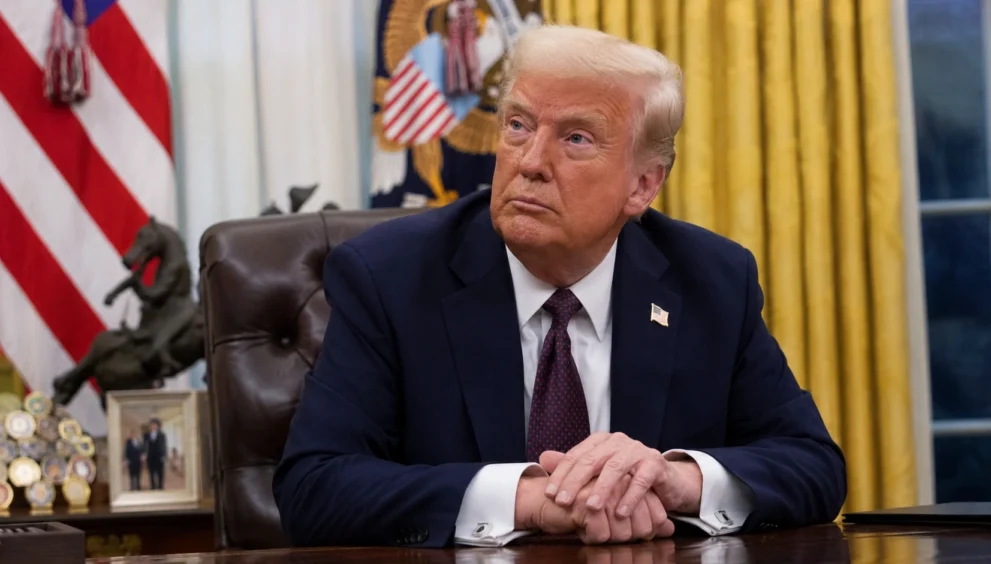
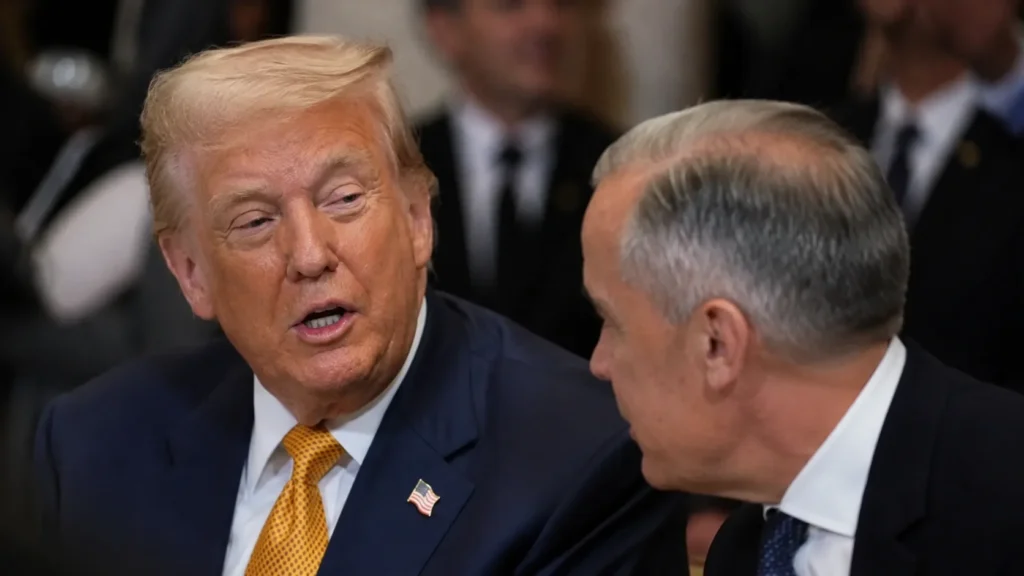
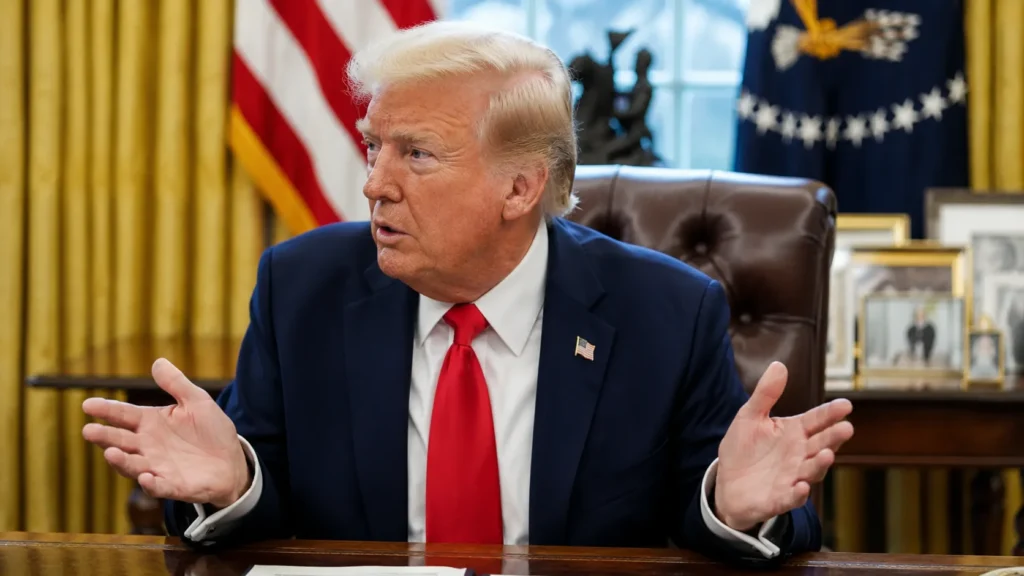
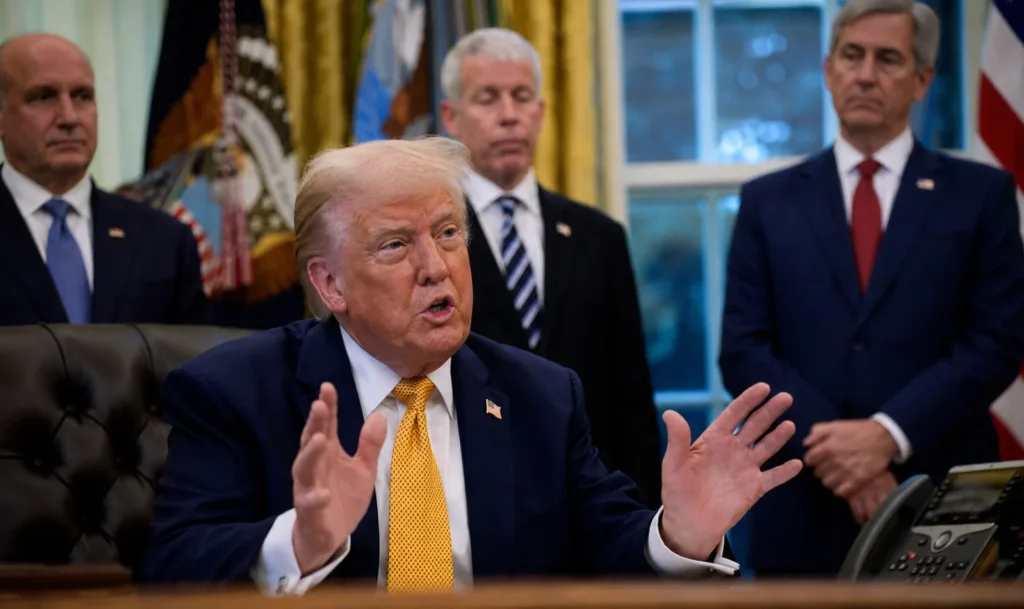
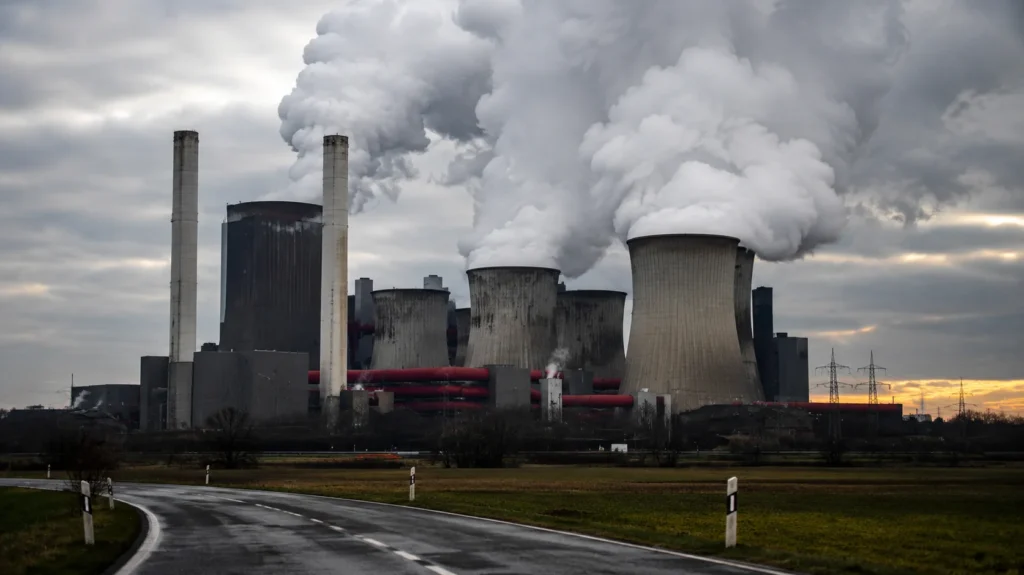
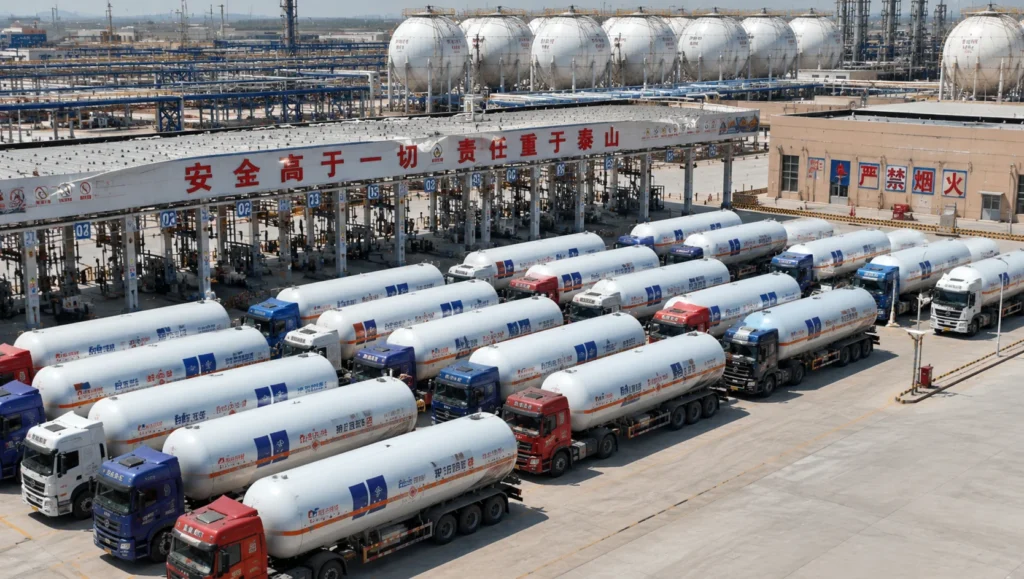
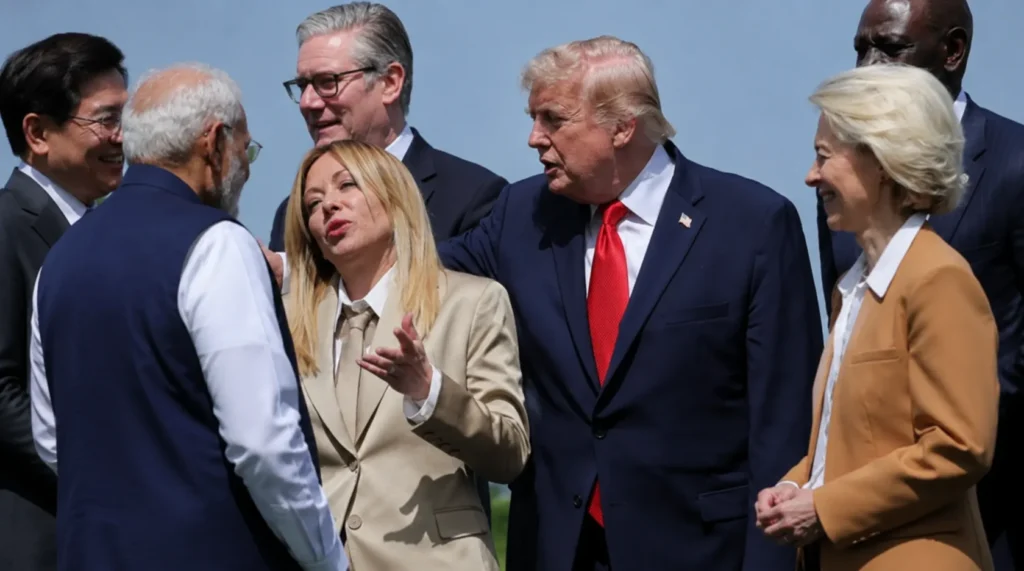
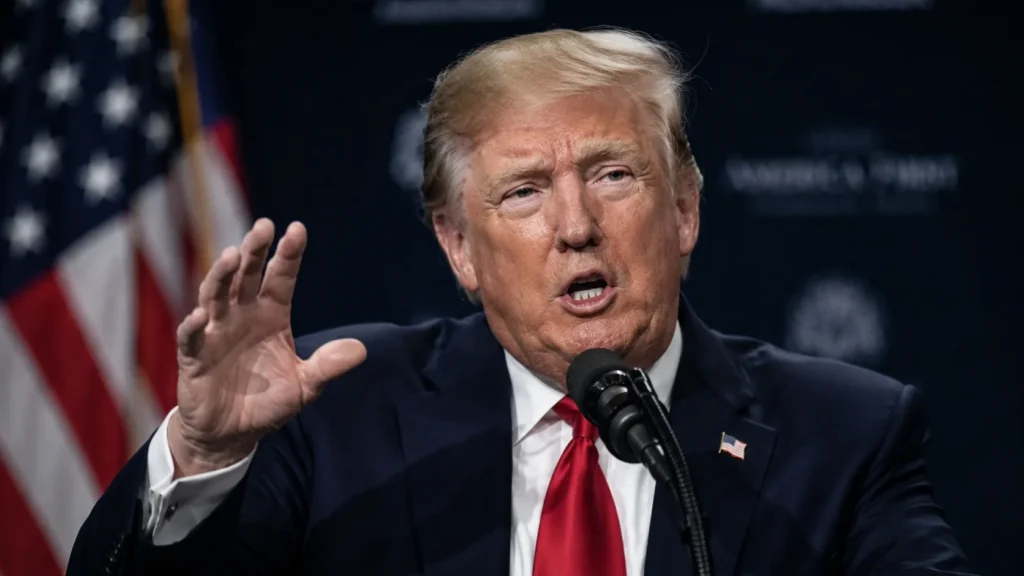
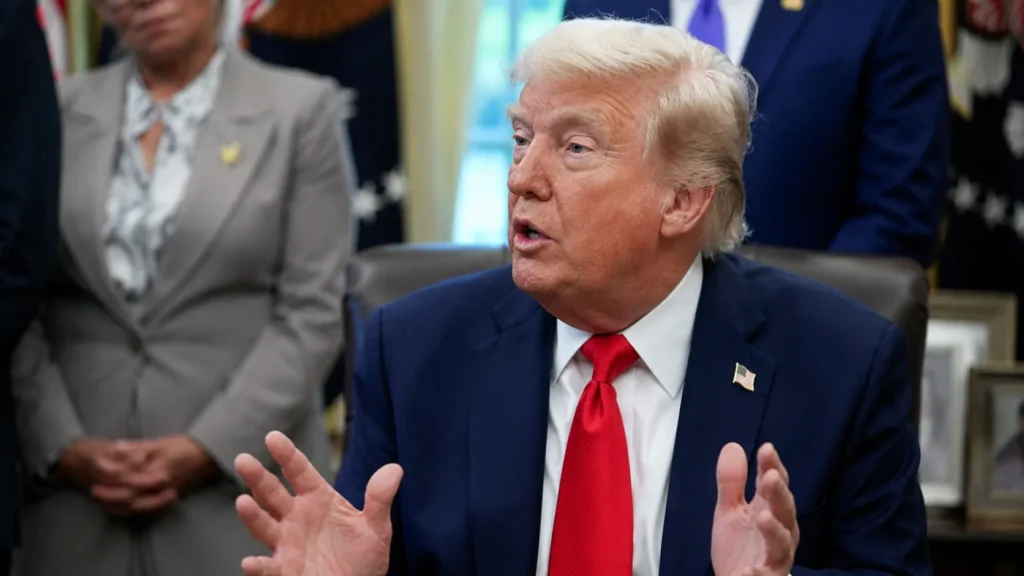
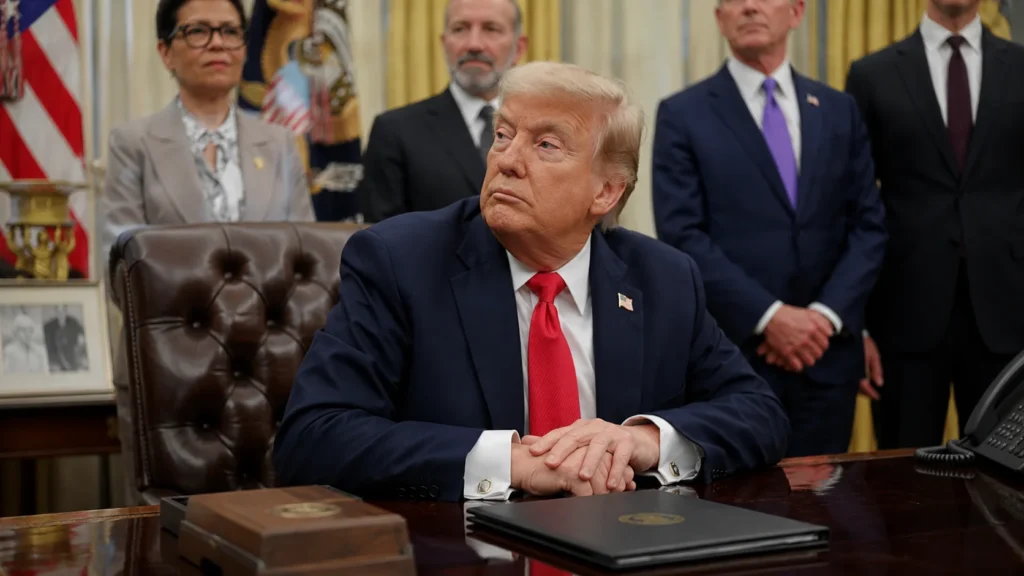
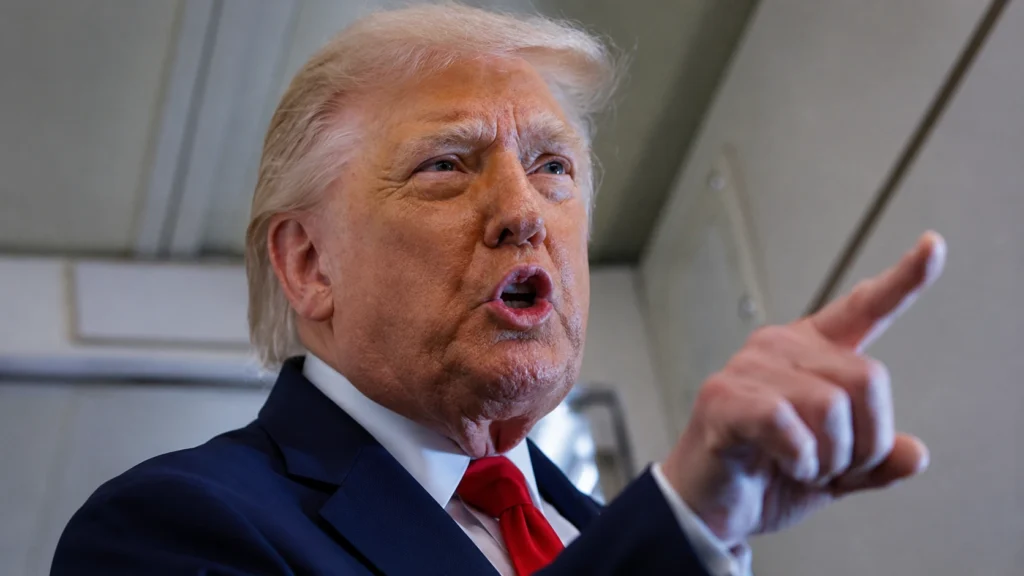
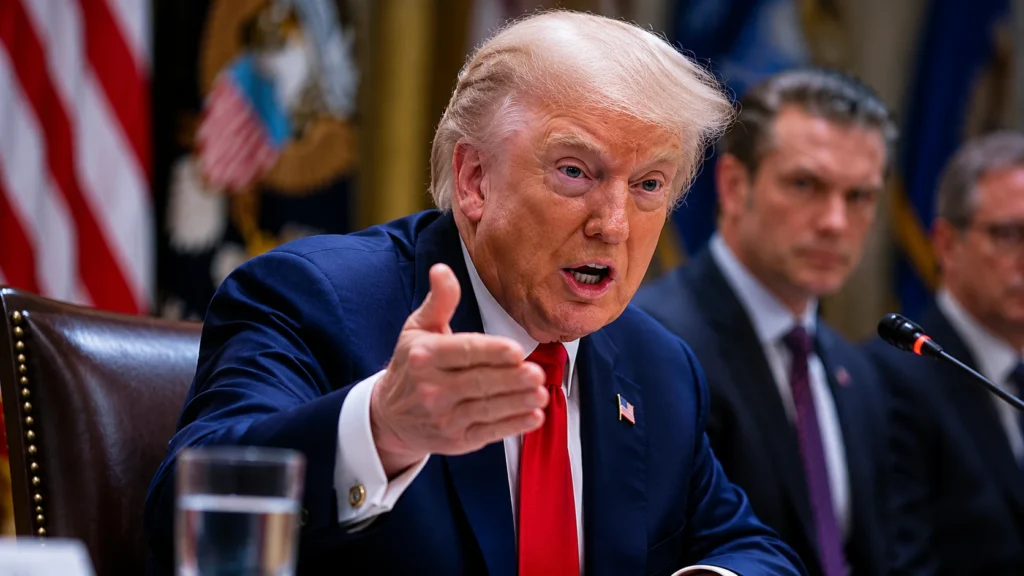
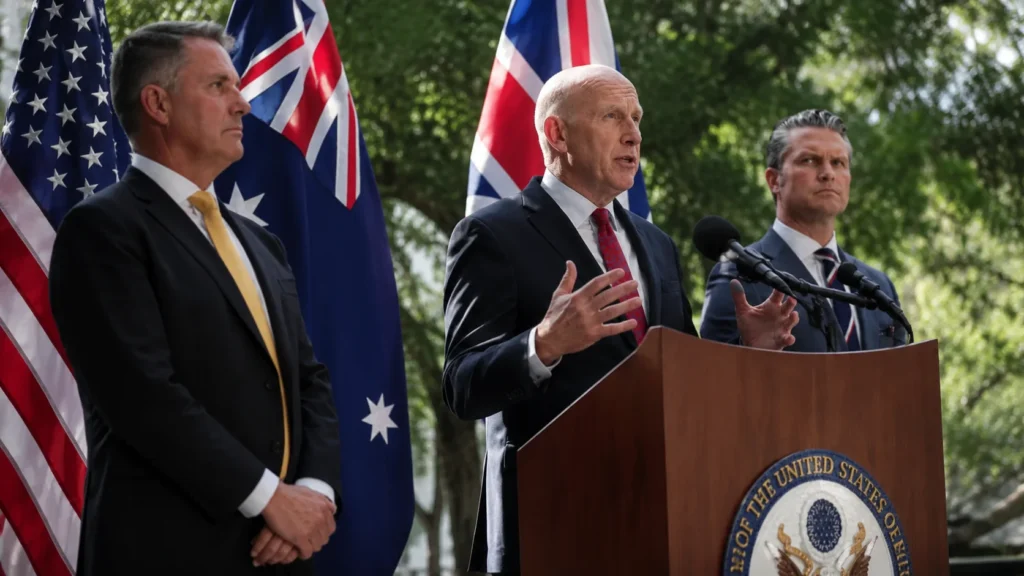
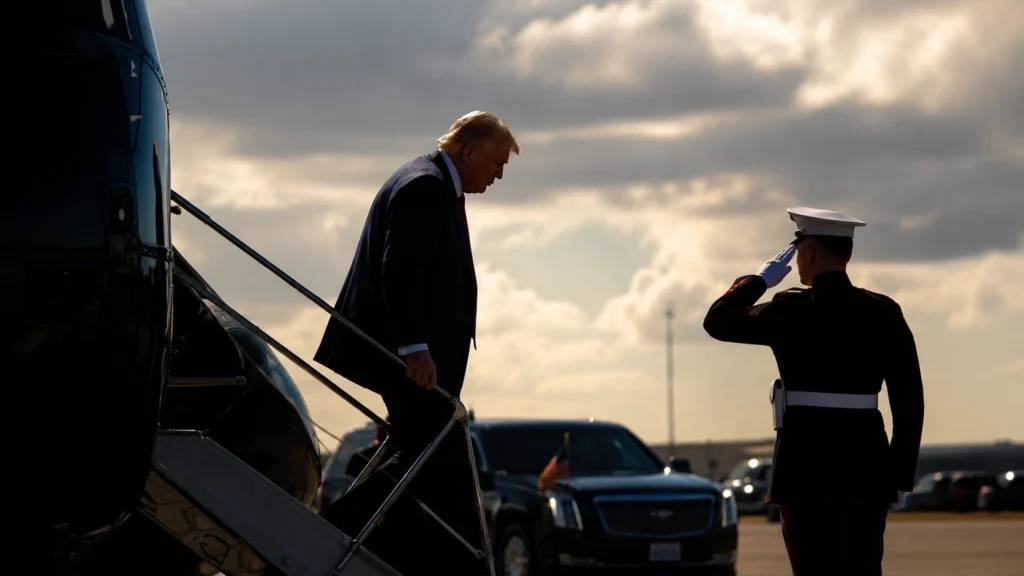
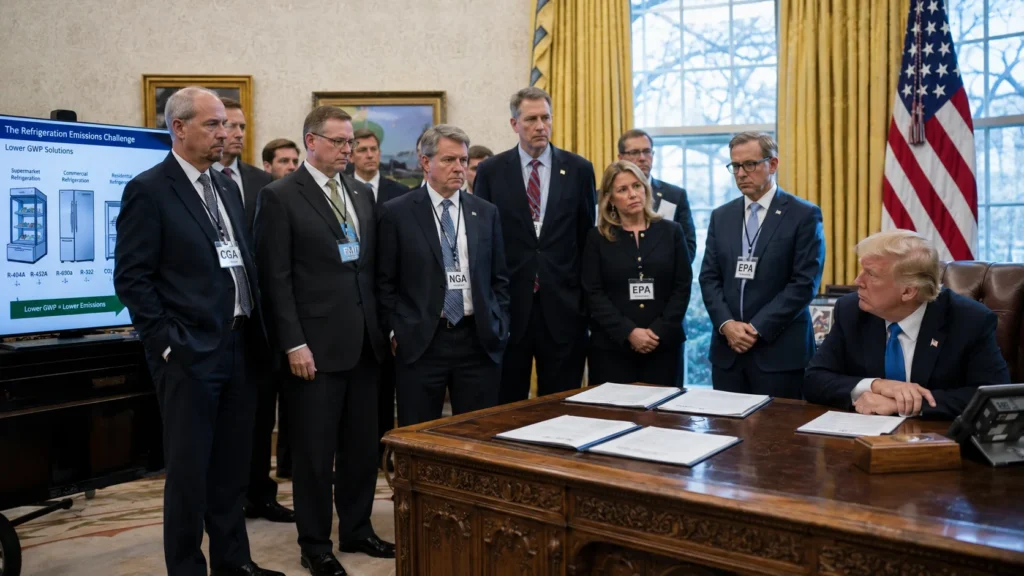
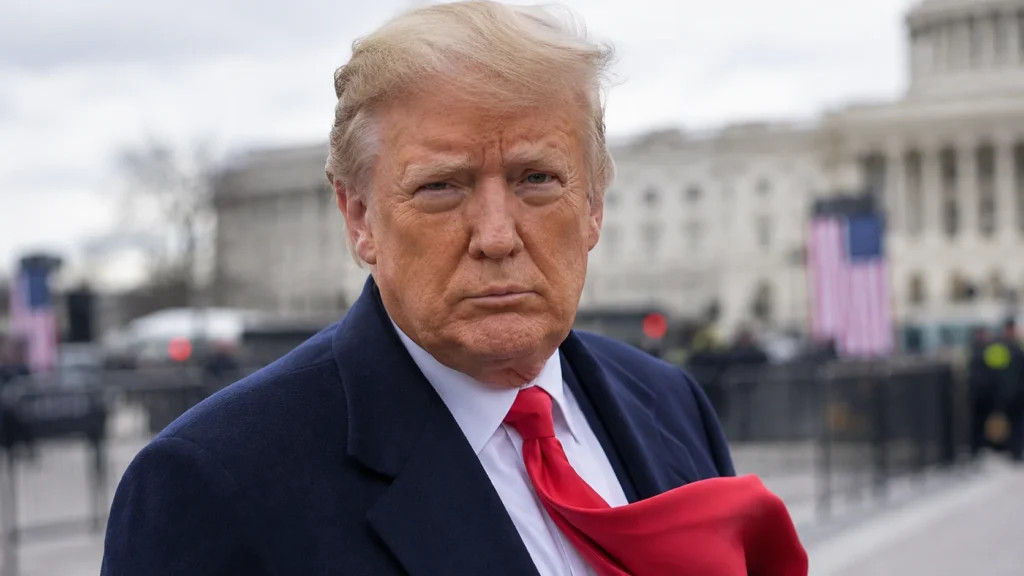
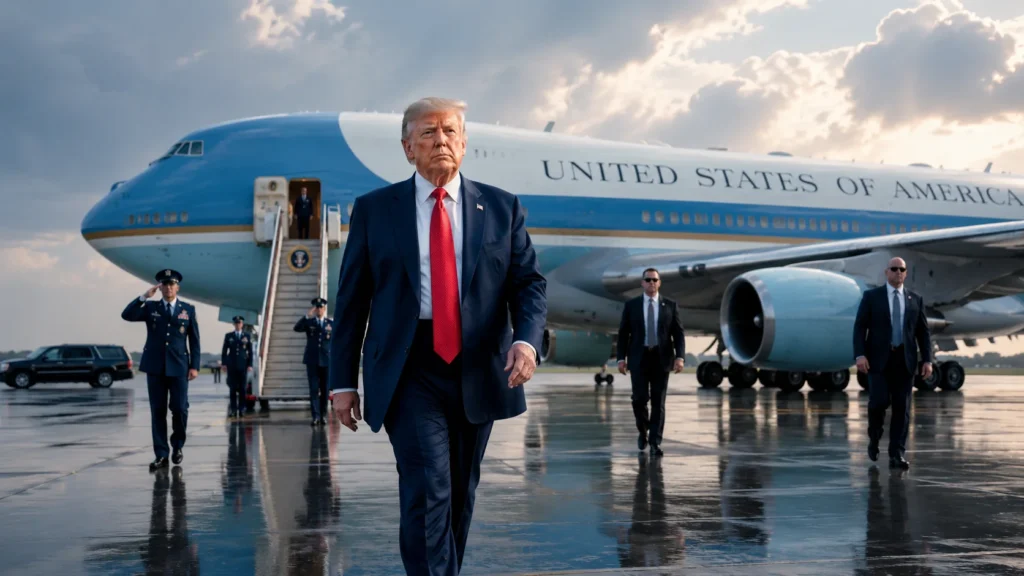
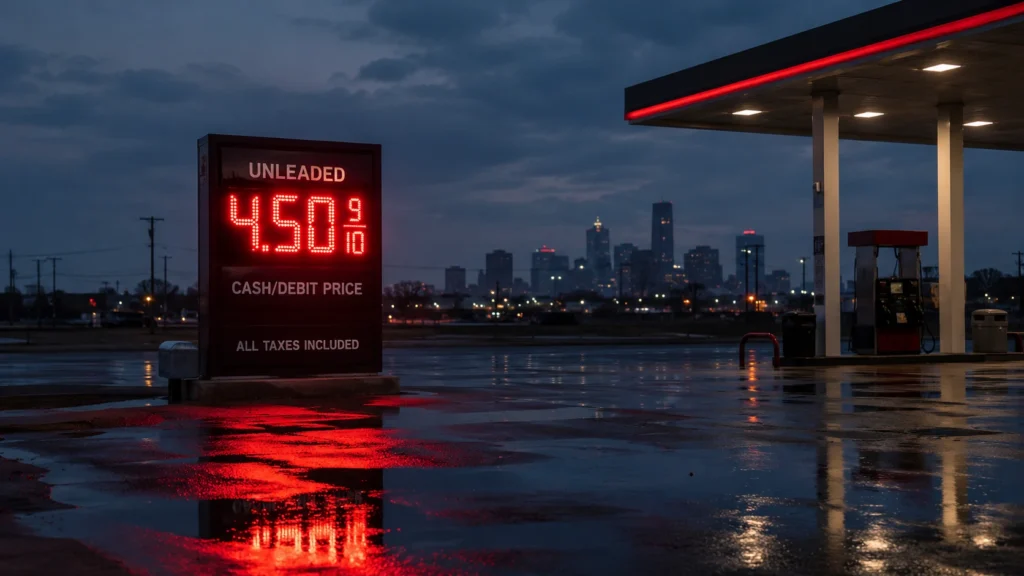
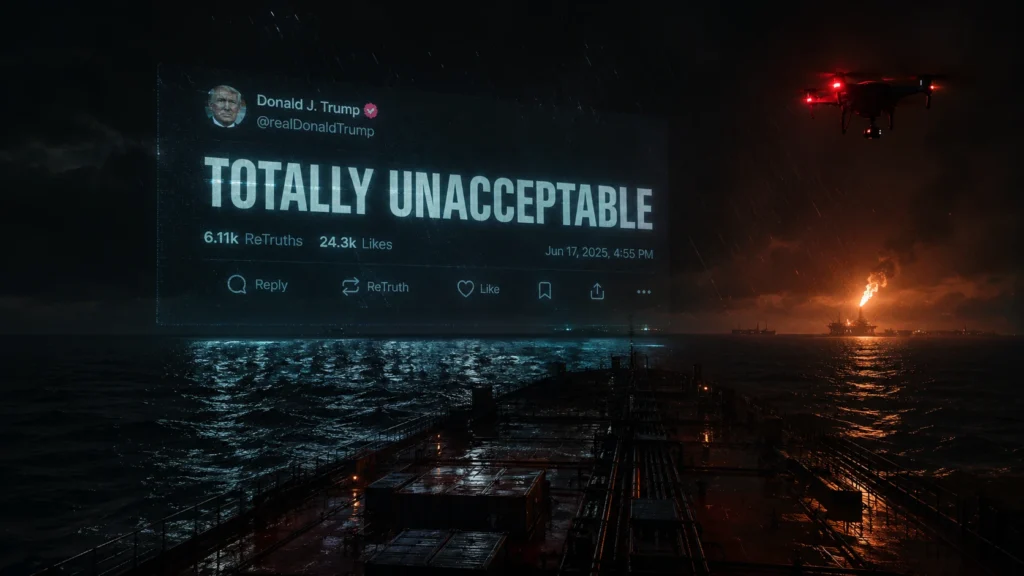
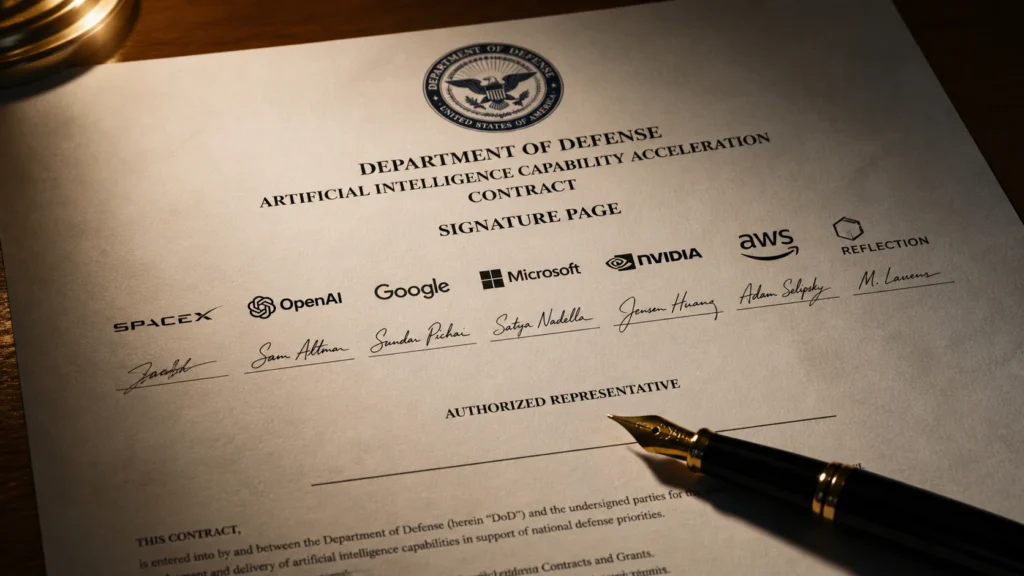
The Strait of Hormuz closed. Gasoline hit 4.24pergallon. OnThursday,June5,2026, 2026, President Trump stood at the White House and invoked the Defense Production Act—a 1950 Cold War statute—to direct 4.24 per gallon. On Thursday, June5, 2026, 2026, President Trump stood at the White House and invoked the Defense Production Act—a 1950 Cold War statute—to direct $700 million in federal funds toward reviving the US coal industry. The package protects 14 existing coal plants, 42 mines, funds two new coal plants in Alaska and West Virginia, and constructs a coal export terminal in Oakland, California. The last new US coal plant opened in 2013.
The announcement marks the first time the DPA has been used to directly subsidize coal production. It won’t be a footnote. It signals a fundamental shift in how Washington defines energy security during wartime.
The Basics: What Was Actually Announced
The 700 million is split into two streams. The White House allocated 700 million, split between two streams. The White House allocated $500 million to preserve 14 coal plants across Kentucky, North Carolina, Indiana, Tennessee, Arkansas, Arizona, Oklahoma, North Dakota, Wisconsin, and West Virginia, plus the Oakland export terminal. The Department of Energy added $200 million for new plant construction in Alaska and West Virginia.
The White House projects 14,000 jobs from the total package—1,400 from the export terminal alone. Trump claimed the investments would save American consumers $50 billion in energy generation costs that would otherwise flow through to higher utility bills.
The legal mechanism matters. The Defense Production Act, originally passed during the Korean War, grants the president broad authority to direct industrial production deemed essential to national security. As our analysis of Trump’s earlier DPA invocations during the Iran conflict documented, the administration has expanded the law’s application beyond its traditional defense-industrial scope.
Why Coal, Why Now
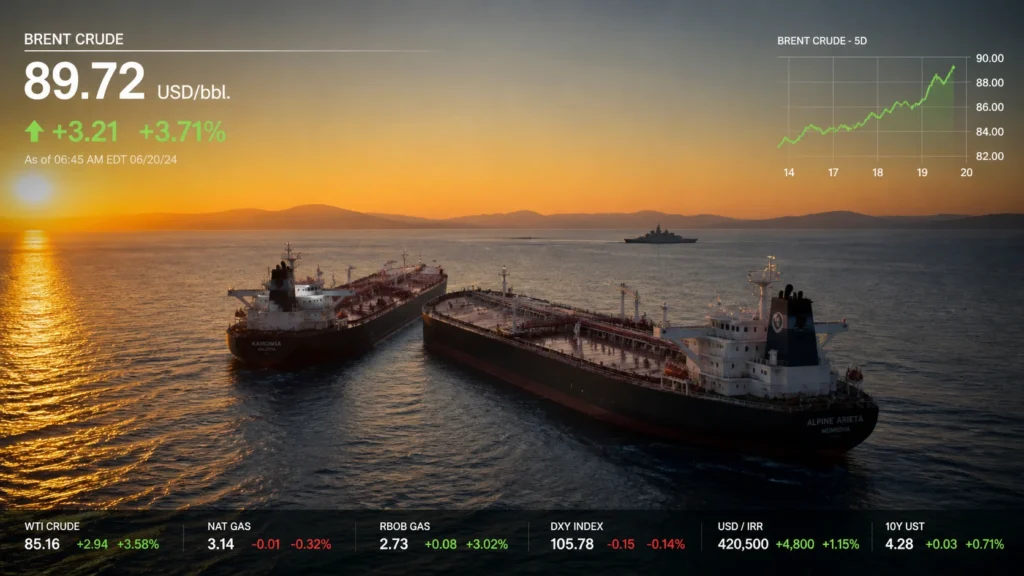
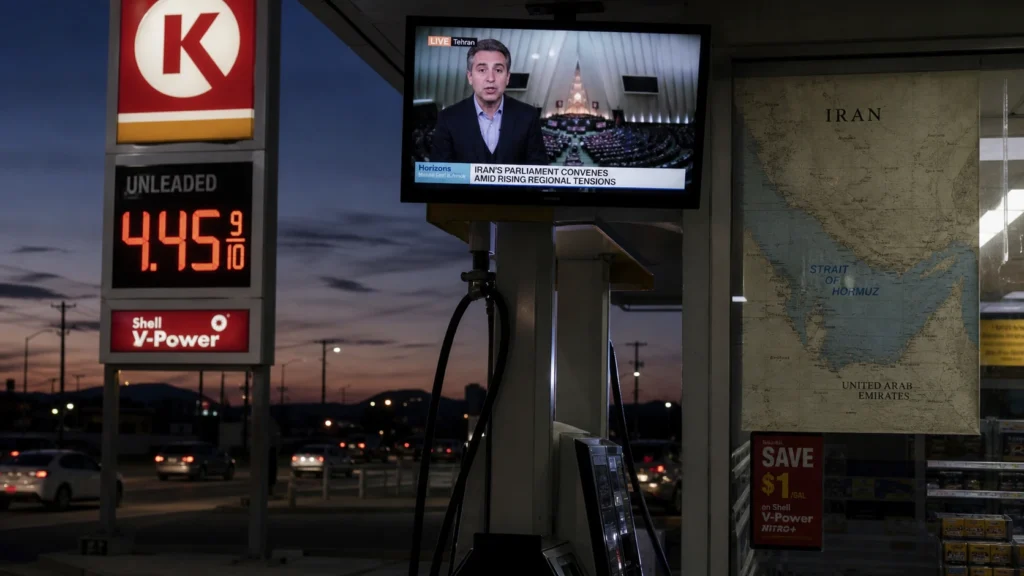
The immediate trigger reads clearly on gas station signs. According to AAA data cited Thursday, the average US gasoline price reached 4.24pergallon,upfrom4.24pergallon,upfrom2.98 on the day US and Israeli forces began striking Iran. The Bureau of Labor Statistics Consumer Price Index summary, April 2026 reported that overall energy prices rose 17.9% year-on-year.
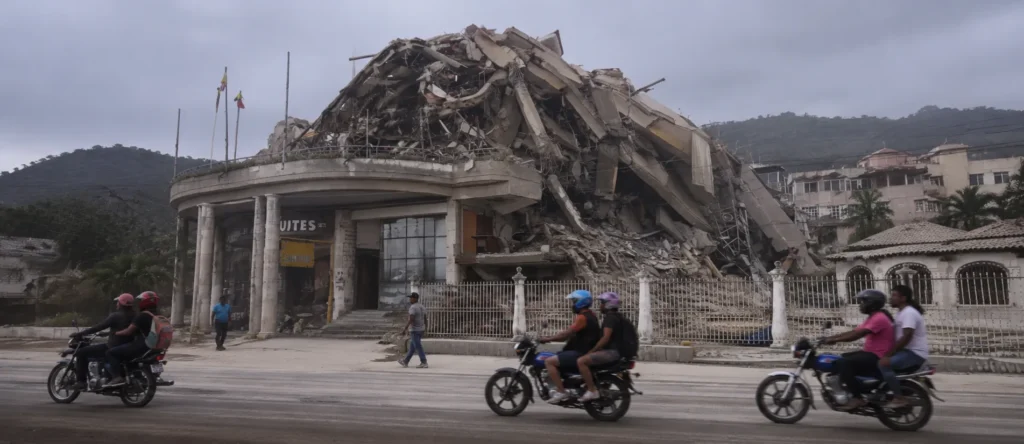
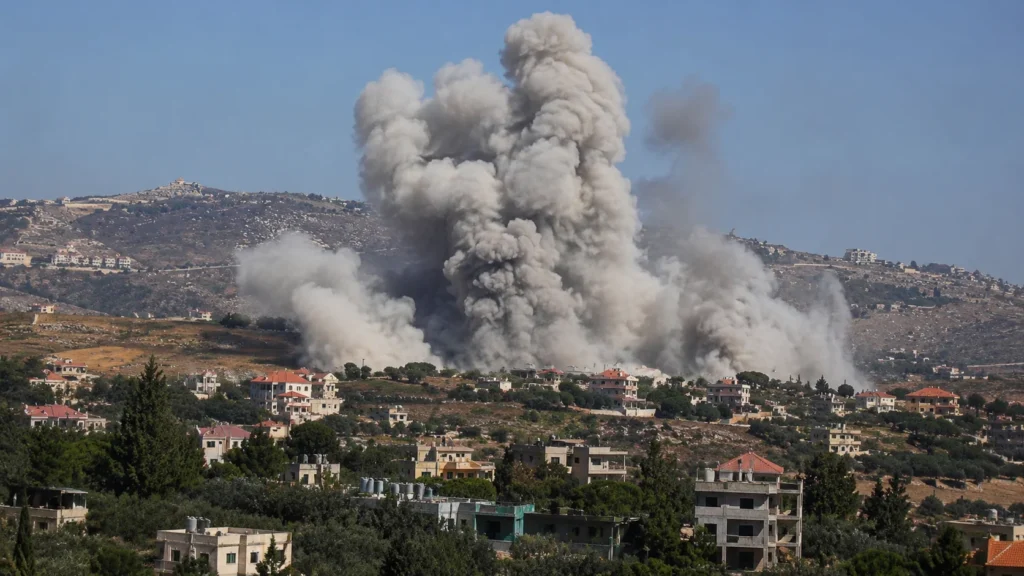
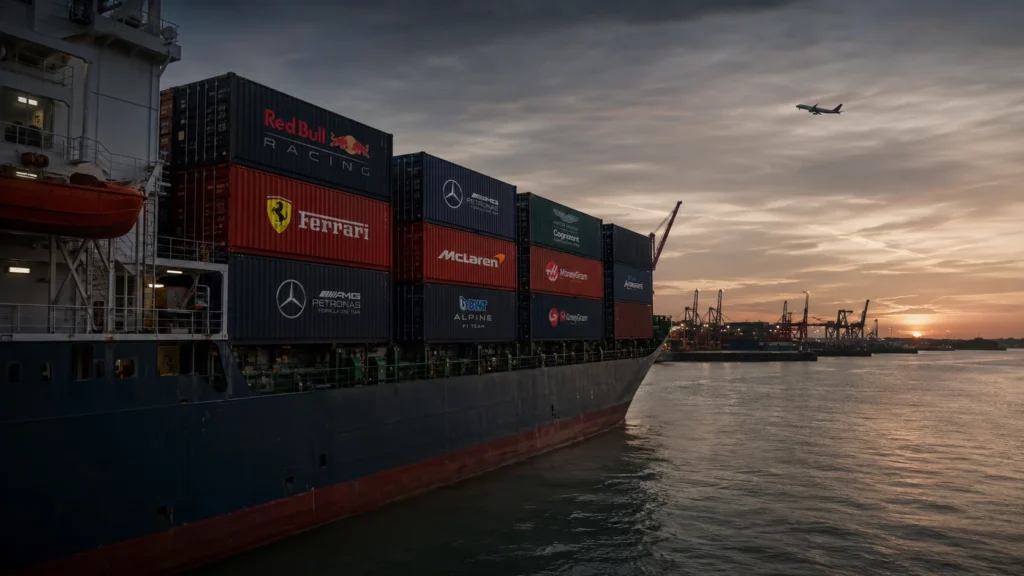
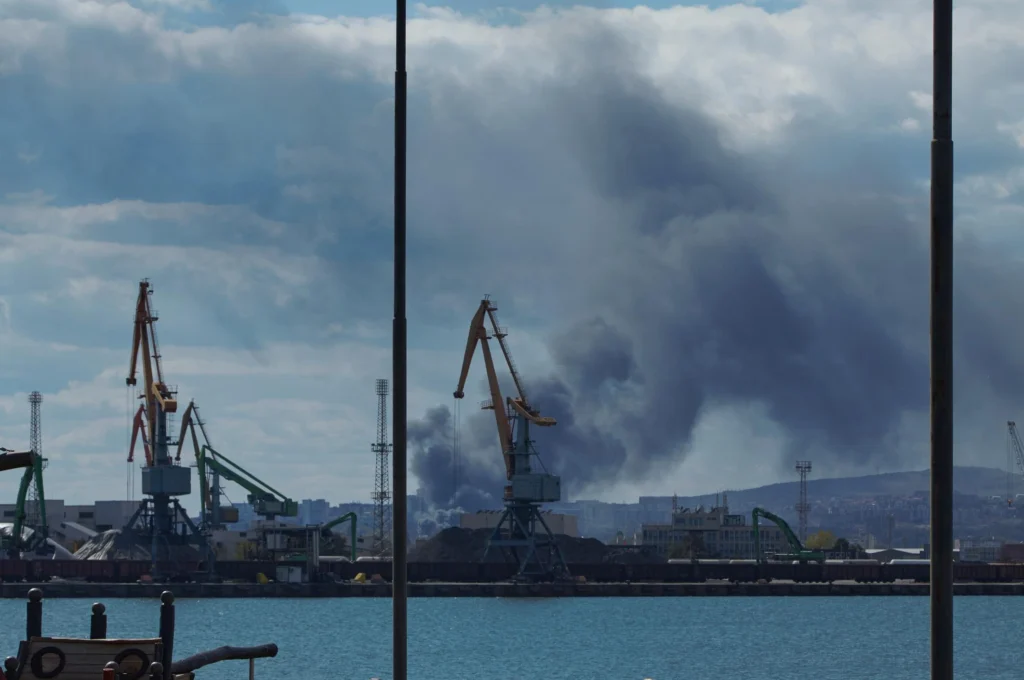
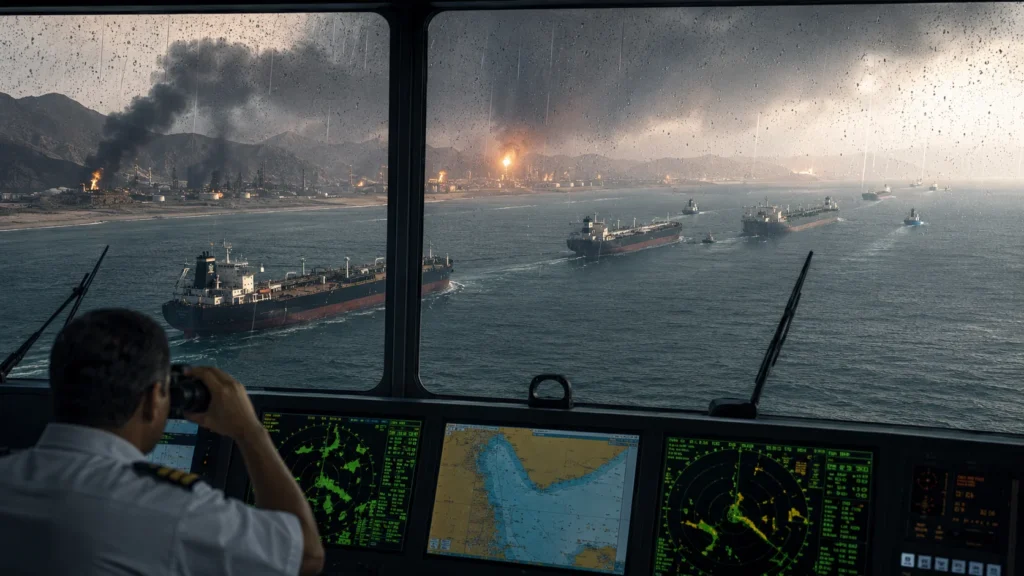
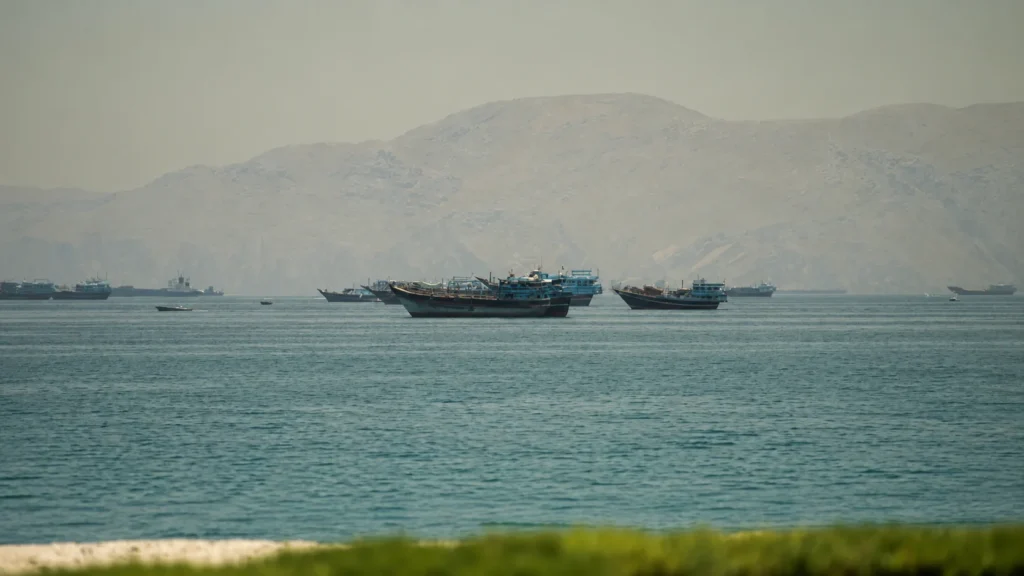
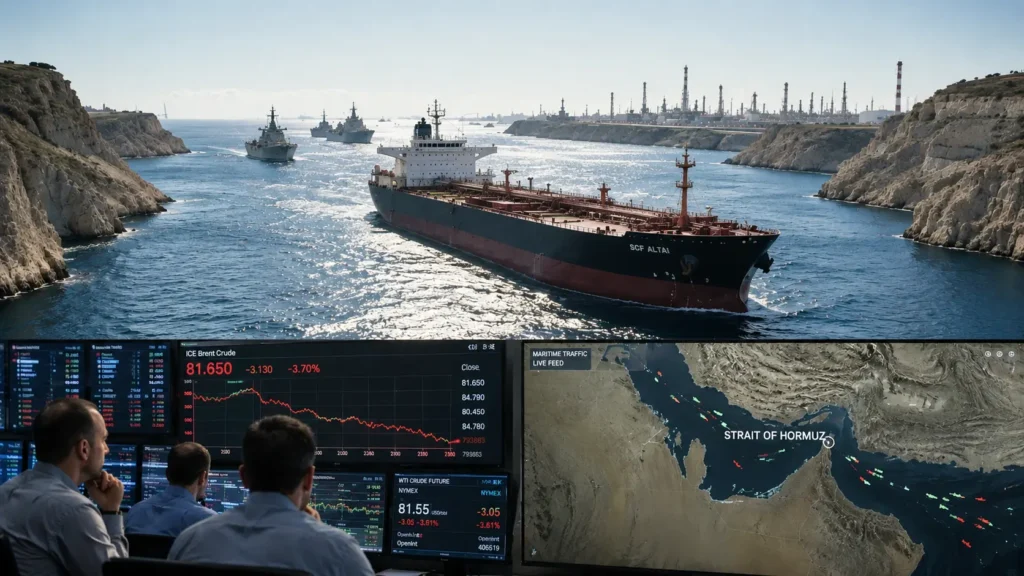
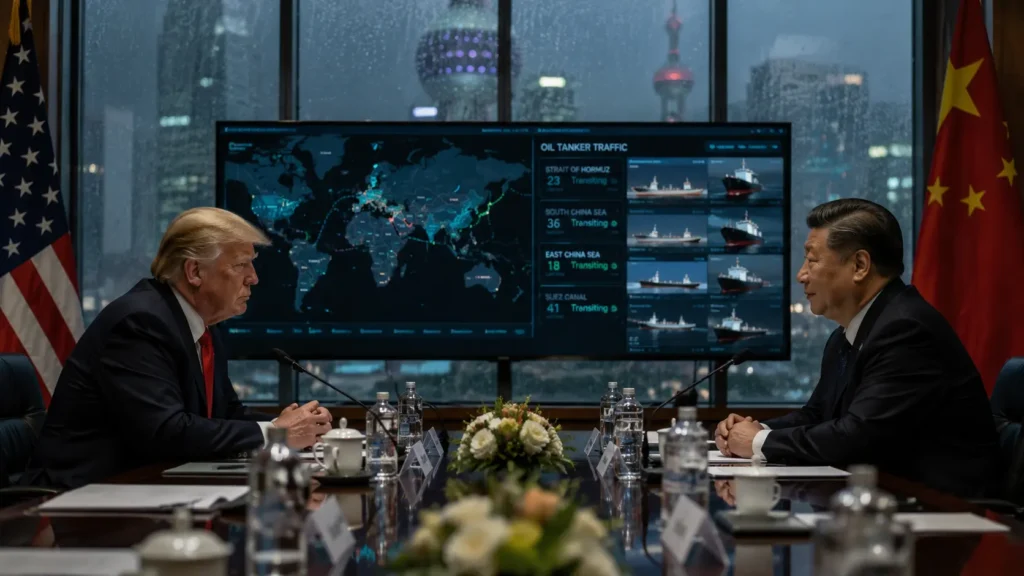
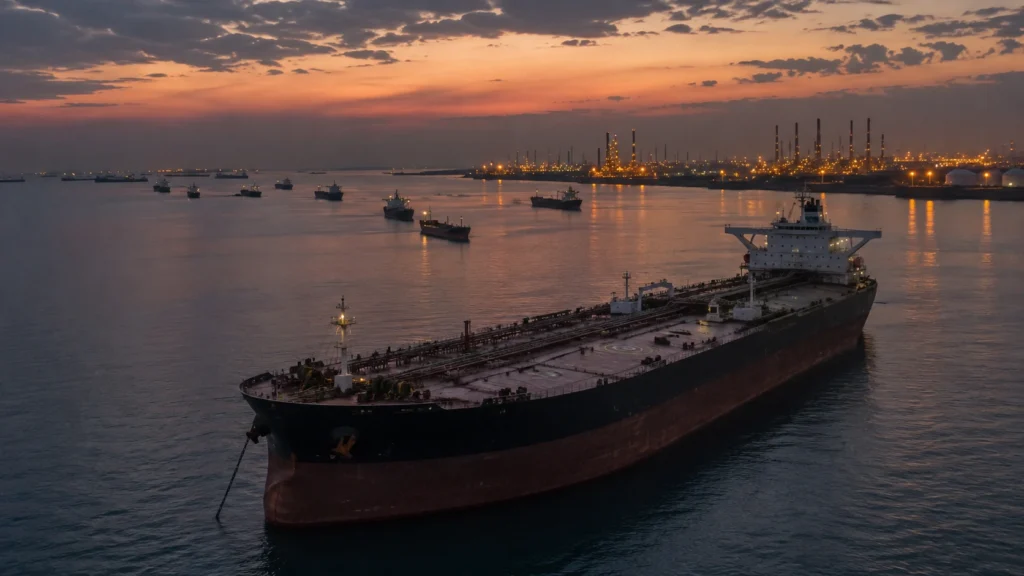
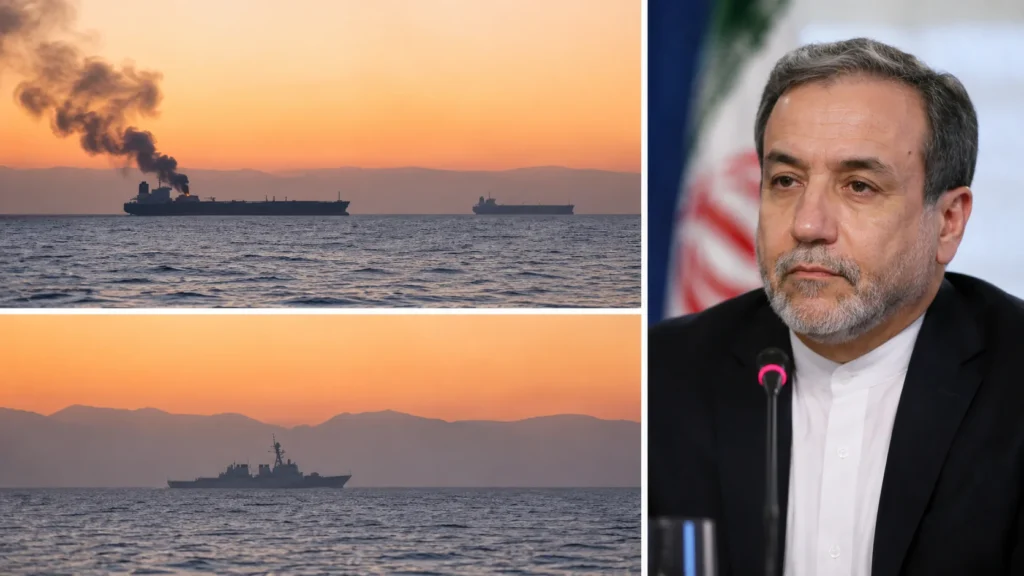
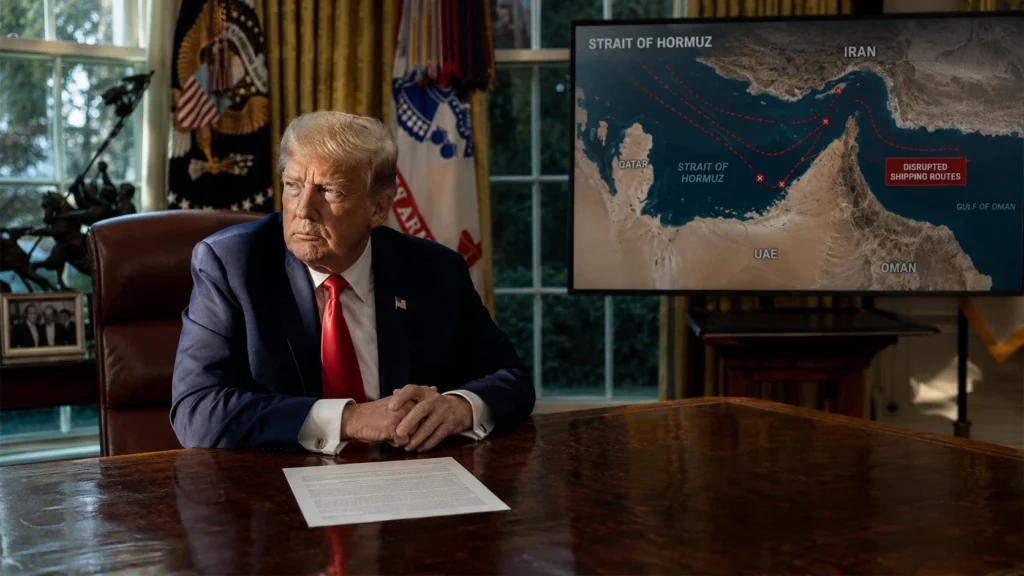
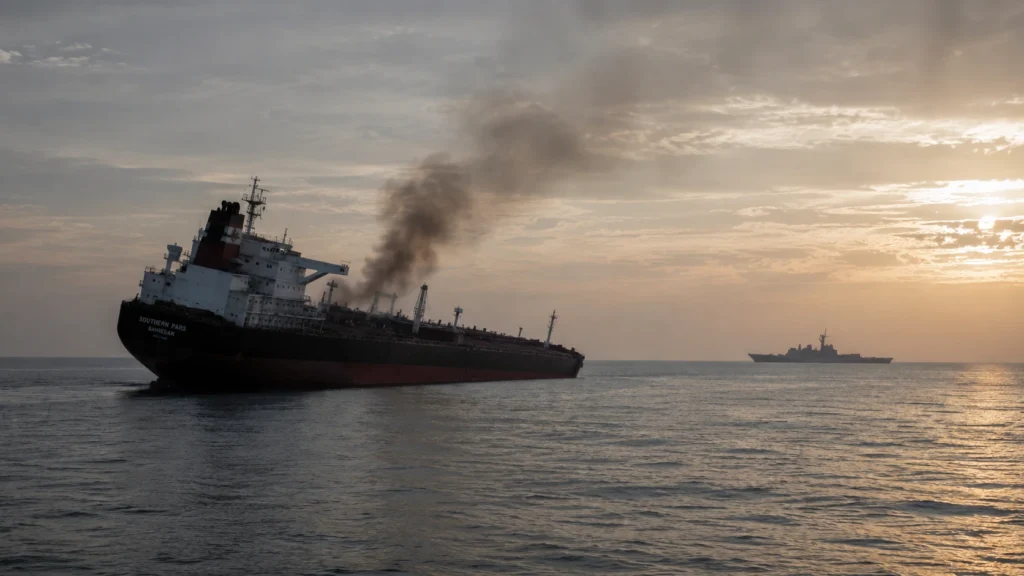
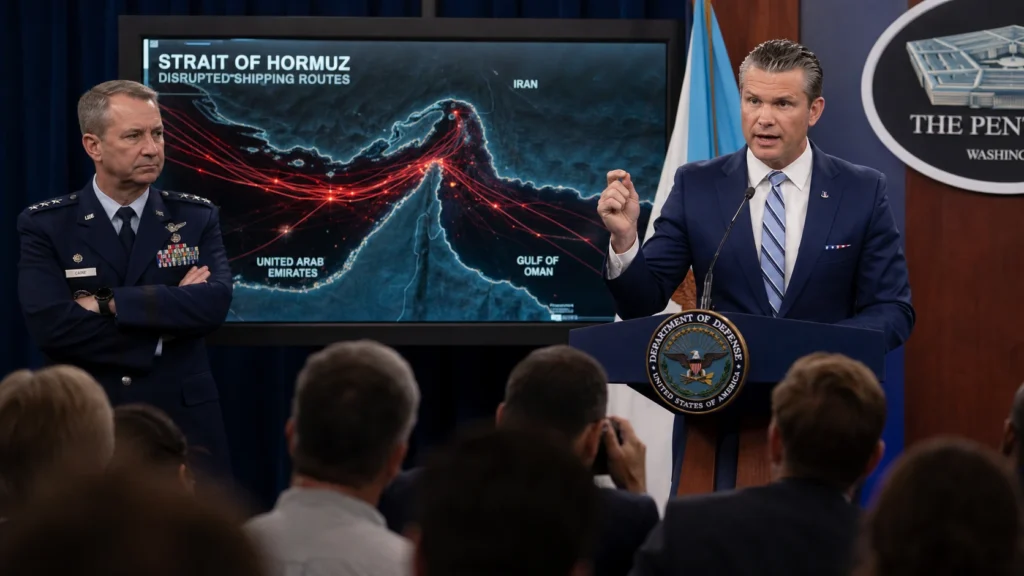
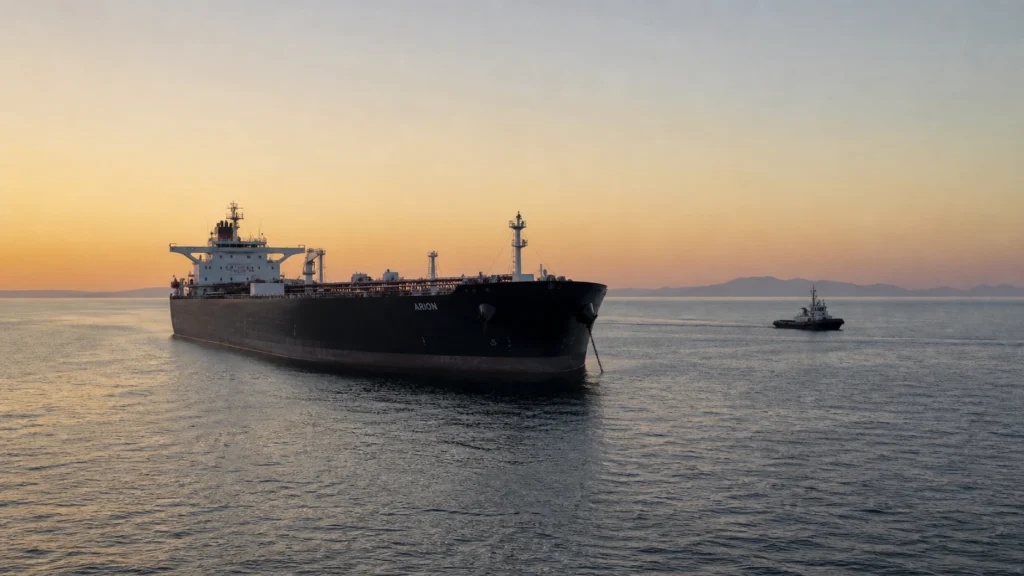
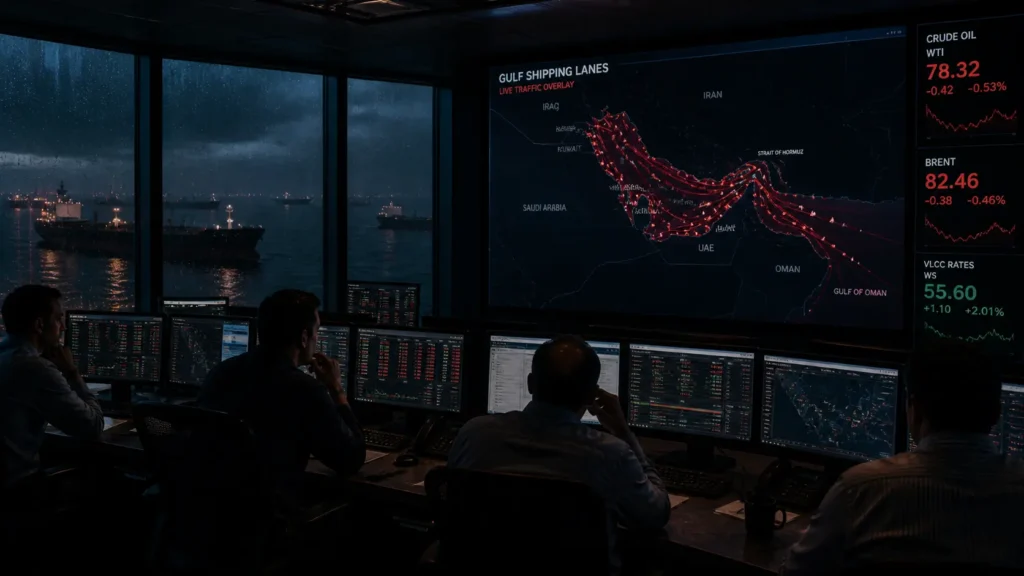
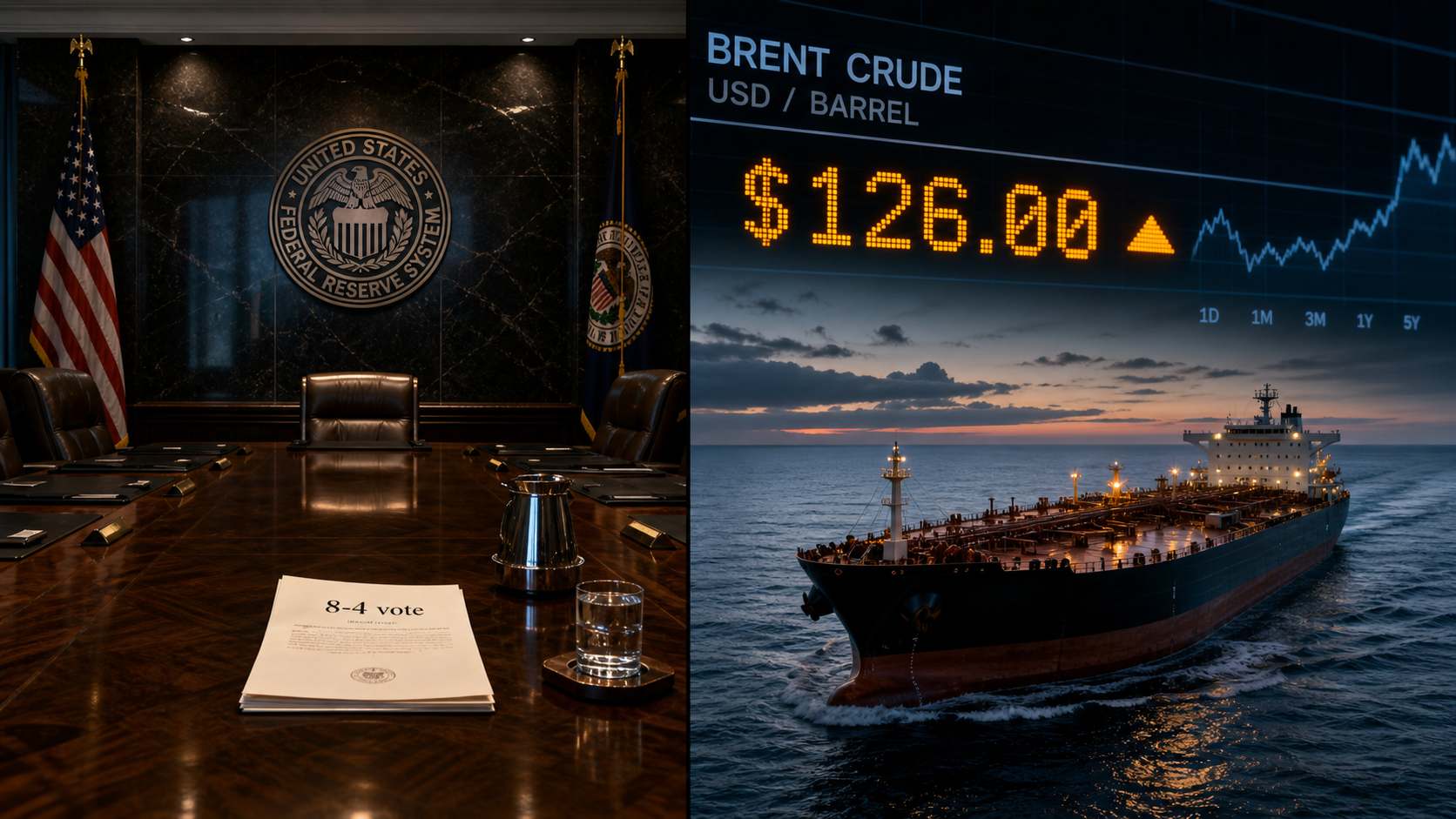
The Strait of Hormuz—which carries roughly one-fifth of global oil and gas supplies—remains closed. As our coverage of Hormuz shipping insurance cost spikes reported last month, maritime insurance premiums have surged 340% since hostilities began. The global energy supply chain isn’t just expensive. It’s physically bottlenecked.
Trump’s argument runs on a simple logic chain. If maritime energy corridors can close during conflict, domestic energy sources that don’t depend on shipping lanes become national security assets. Coal sits in the ground in West Virginia. It doesn’t need to transit the Strait of Hormuz.
“Successful countries rely on coal,” Trump said Thursday, before labeling renewable-dependent nations “failure countries.”

The Strategic Layer Most Coverage Missed
The Oakland export terminal matters more than the domestic plants.
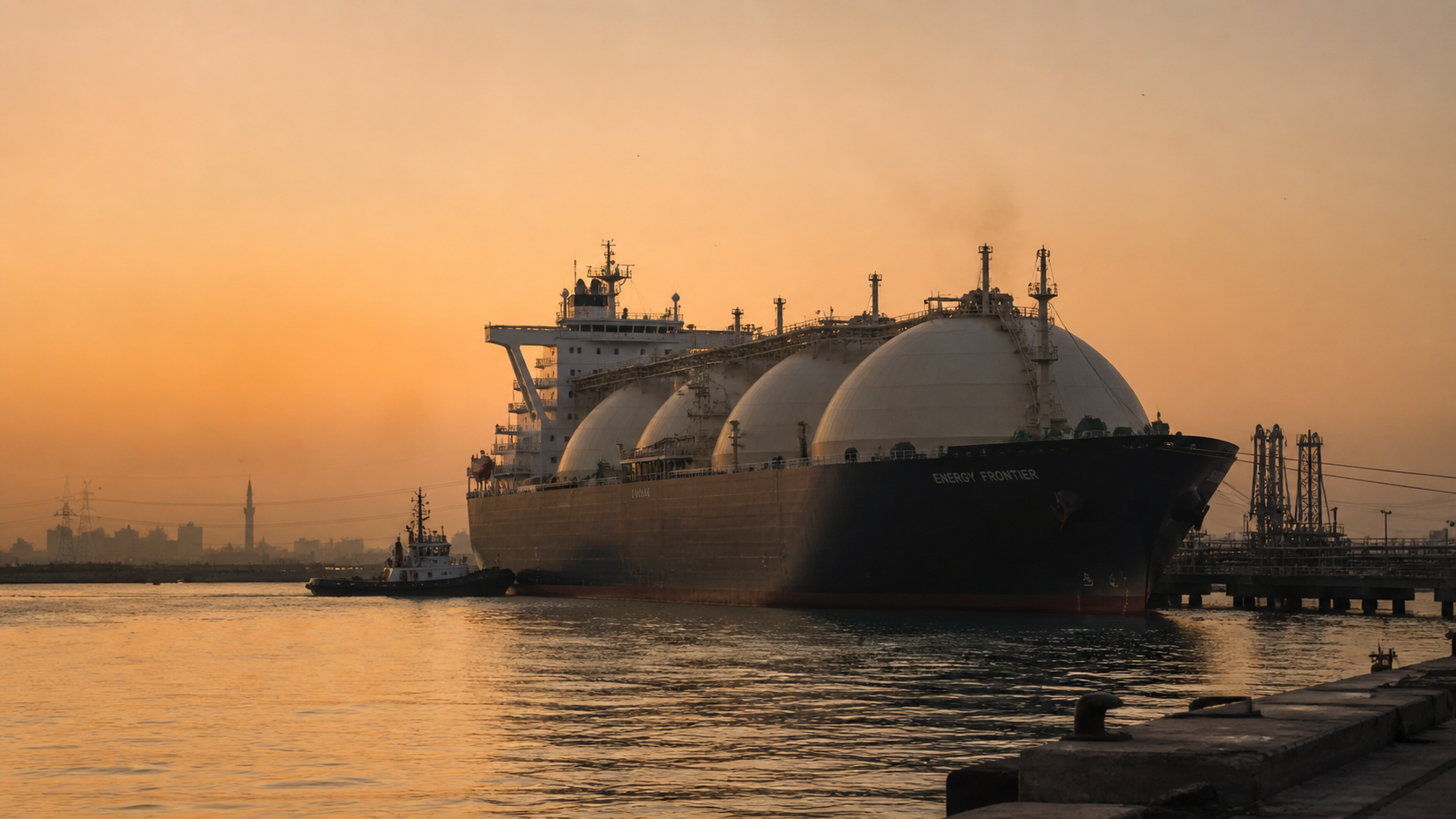
The terminal creates export capacity. It positions US thermal and metallurgical coal for Asian markets—Japan, South Korea, India—where demand remains structurally higher than in the United States. Coal consumption in the US has declined for nearly two decades. The US Energy Information Administration Annual Coal Report 2025 showed domestic coal generation falling to 16% of the electricity mix, down from 50% in 2005.
An export terminal transforms coal from a declining domestic power source into a tradeable geopolitical commodity. If you control energy exports during a global supply crisis, you control leverage.
What is the Defense Production Act, and why was it used?
The DPA is a Cold War-era law from 1950 that gives the president authority to direct private industry to produce goods deemed essential for national defense. Trump invoked it to classify coal production as a national security priority during the Iran conflict and Hormuz closure. The law allows direct federal funding, loan guarantees, and purchase commitments to designated industries.
Where will the new coal plants be built?
The Department of Energy allocated $200 million for two new plants—one in Alaska, one in West Virginia. These represent the first new US coal plants since 2013. The 14 existing plants receiving preservation funding span Kentucky, North Carolina, Indiana, Tennessee, Arkansas, Arizona, Oklahoma, North Dakota, Wisconsin, and West Virginia.
How much will this actually save consumers?
Trump claimed $50 billion in avoided energy generation costs. The number depends heavily on natural gas price assumptions during a prolonged Hormuz closure. The EIA’s levelized cost analysis consistently shows coal generation costs exceeding natural gas and utility-scale solar under normal market conditions. If the Strait reopens and gas prices normalize, the savings claim weakens substantially.
What happens to these coal investments if the Strait of Hormuz reopens?
The export terminal logic partially survives because Asian coal demand operates independently of US domestic energy prices. The domestic plant economics become harder to justify without emergency pricing conditions. The DPA provides legal cover for the investments but doesn’t shield them from post-crisis market scrutiny.
Are there legal challenges expected?
Yes. The Sierra Club’s Beyond Coal campaign litigation history shows environmental organizations have successfully challenged coal plant permits across multiple administrations using the National Environmental Policy Act and Clean Air Act. The DPA provides stronger legal defense than standard subsidies, but it isn’t immune to judicial review. Expect lawsuits within weeks.
What to Watch Over Six Months
Three indicators will determine whether this investment ages well or badly.
The Strait of Hormuz reopening timeline remains the master variable. If diplomatic resolution with Iran materializes within six months, domestic coal economics revert to their pre-crisis trajectory—declining against cheaper natural gas and renewables.
The Oakland export terminal will face environmental review and potential community opposition. Oakland’s city council previously fought coal export proposals on environmental justice grounds. The DPA may override local objections. That legal fight hasn’t started yet.
Plant retirement schedules matter. If the 14 preserved plants were approaching scheduled retirement, this investment effectively nationalizes their continued operation. The coal industry employed over 800,000 workers in the 1920s. It employs roughly 40,000 today. Fourteen thousand additional job shifts local economies, but doesn’t reverse the industry’s structural path.
Written by the Energy & Policy Desk, which has covered US energy regulation, coal industry dynamics, and Defense Production Act applications through multiple administrations.