

 English




















































































































































































































































Mira Murati’s AI Governance Warning: What She Said at Bloomberg
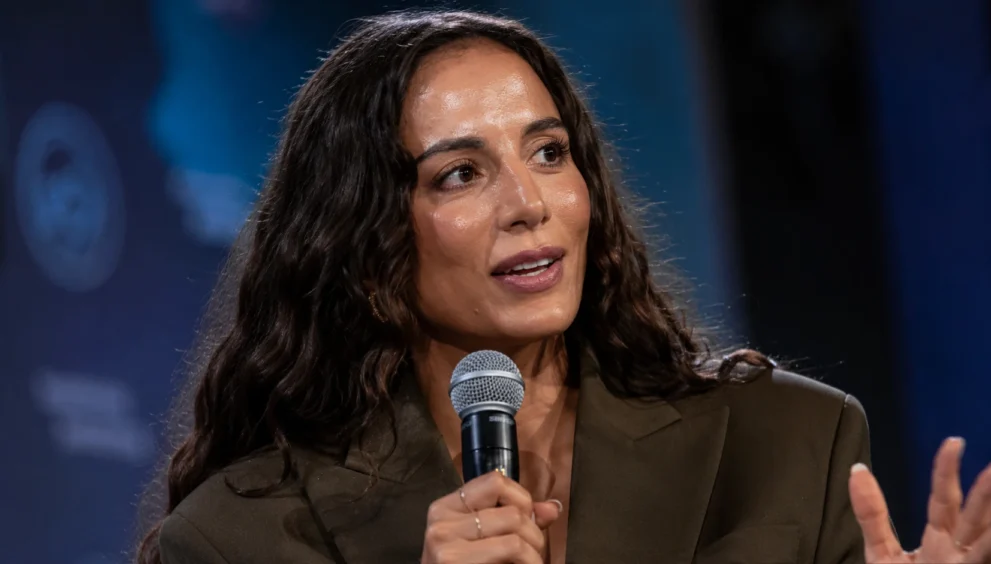
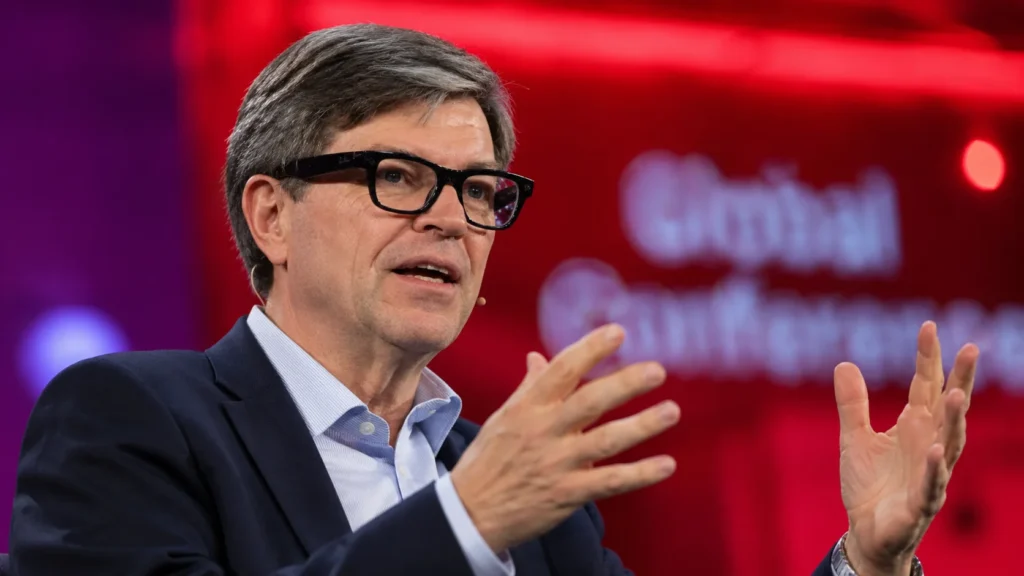
Mira Murati sat down with Bloomberg’s Emily Chang in San Francisco for her first major media appearance in roughly eighteen months. The former OpenAI CTO, now CEO of Thinking Machines Lab, used the interview to preview “interaction models”—a new AI interface design—and to issue a quiet but pointed warning about AI governance. She argued the industry has paid too much attention to the character of individual leaders and too little to structural checks on concentrated power. The interview revealed almost nothing about Thinking Machines’ product roadmap. The governance critique was the product.
Who Is Mira Murati, and What Is Thinking Machines Lab?
Murati spent six years as CTO of OpenAI, where she oversaw the development of ChatGPT and DALL-E. She became interim CEO during the November 2023 boardroom crisis—internally called “the blip”—when the board fired Sam Altman. She held the role for five days before Altman returned.
She left OpenAI and founded Thinking Machines Lab, which has operated largely in the background for roughly eighteen months. The company raised capital, hired researchers, and shipped one product: Tinker, an API for fine-tuning open-source AI models. As our earlier profile of Thinking Machines Lab’s founding team and strategy documented, Murati recruited heavily from top AI labs while avoiding the media spotlight.
Thursday’s Bloomberg interview marked her reemergence into public view.
What Are “Interaction Models”?
Murati described Thinking Machines’ core research focus as “interaction models”—a fundamentally different kind of AI interface from the turn-based prompt-and-response dynamic that defines ChatGPT, Claude, and most current AI products.
Instead of waiting for a complete prompt and generating a complete response, interaction models process continuous streams of audio, text, and video in 200-millisecond intervals. The design goal: machines that catch the texture of human communication—the interruptions, mid-thought corrections, pauses to think—in something closer to real time.
She declined to provide a release date. She called it a first step. The company’s existing product, Tinker, continues to generate revenue but doesn’t capture the same imaginative attention as the interaction model concept.
The Governance Critique: Why It Matters
The interview’s most striking moments came when Chang asked about OpenAI’s November 2023 leadership crisis.
Murati said she felt clear about her decisions during those five days—protecting the mission and the team was the through-line. She stated OpenAI would have “imploded” without her involvement. Then she added: clarity of intent is not the same as clarity about consequences. In retrospect, she said, she would have pushed harder for more information, a better transition plan, and more transparency.
Chang asked if she still trusts Sam Altman. Murati sidestepped.
She steered the conversation instead toward what she called the industry’s deeper problem: the concentration of consequential decisions in too few hands. Her concern, she said, isn’t primarily about the character of any individual leader—though she acknowledged that matters. It’s about the absence of structural checks. Good people make bad calls. Well-intentioned organizations drift.
“Too much attention has been paid to virtue and too little to governance,” she said.
That line functions as both an observation and an indictment of OpenAI, of the broader industry, and perhaps of the governance structures that failed during the very crisis she helped navigate.
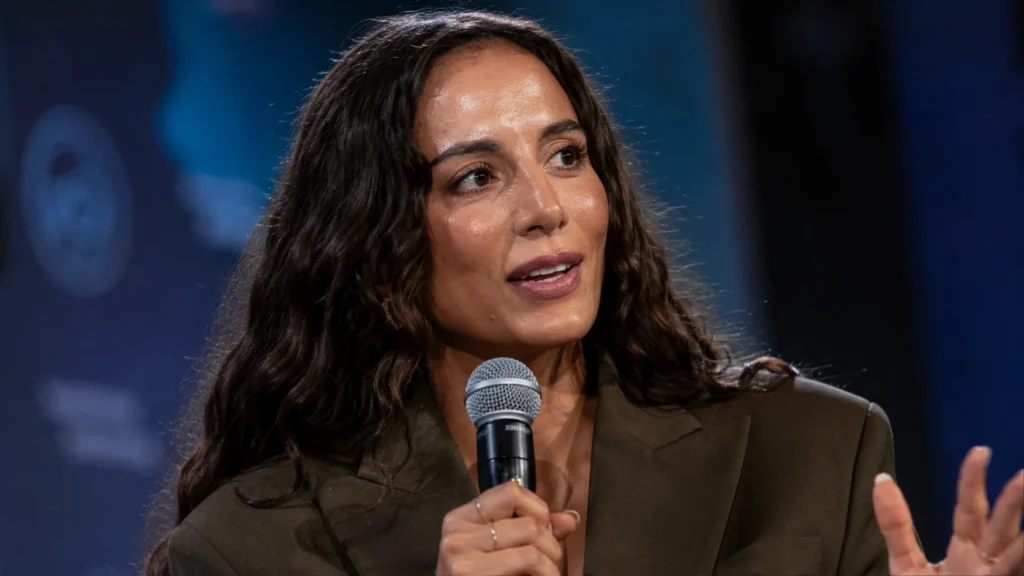
What did Mira Murati say about OpenAI’s leadership crisis?
Murati described her decisions during the November 2023 boardroom crisis as clear in the moment but acknowledged she would have pushed for more information and transparency in retrospect. She sidestepped a direct question about whether she still trusts Sam Altman and redirected the conversation toward structural governance concerns across the AI industry.
What are Thinking Machines Lab’s “interaction models”?
Interaction models represent a design philosophy for AI interfaces that process continuous streams of audio, text, and video in 200-millisecond intervals—rather than the turn-based prompt-and-response format. The goal is an AI that can interpret the texture of human communication, including interruptions, mid-thought corrections, and pauses. No release date has been announced.
Why has Mira Murati stayed quiet for eighteen months?
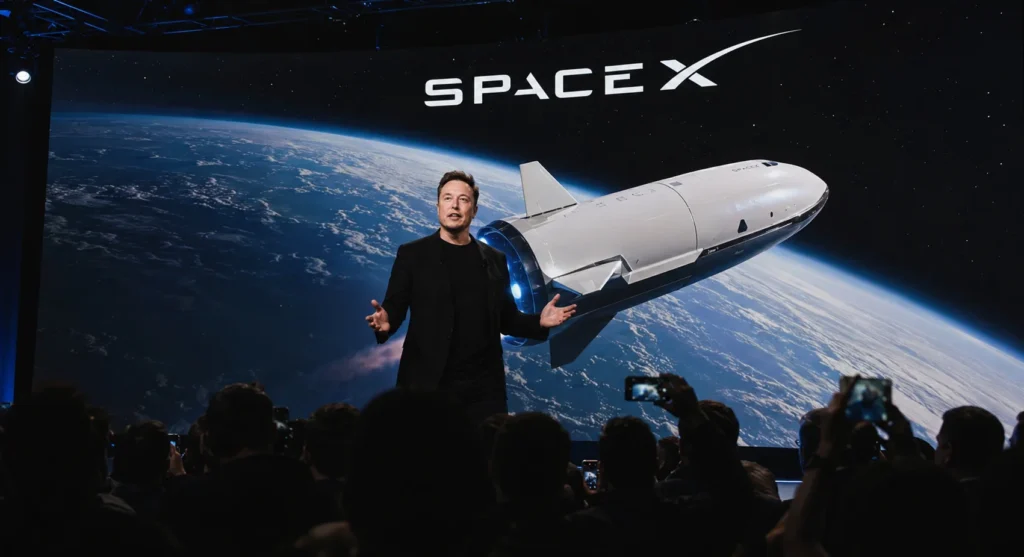
Thinking Machines Lab spent its first year and a half raising capital, hiring researchers, and shipping a single product called Tinker. Murati described this as “heads down” mode. The competitive landscape—including OpenAI’s constant news presence, Anthropic’s momentum, and xAI’s integration into SpaceX ahead of an expected public offering—eventually made continued silence strategically unsustainable.
How many researchers have left Thinking Machines Lab?
Several high-profile researchers departed in recent months. Murati downplayed the departures, arguing that building a frontier AI lab from scratch compresses years of normal organizational volatility into months. She acknowledged that nine-figure compensation packages—now standard in the AI talent war—play a role but suggested money isn’t usually the whole story.
What did Murati say about AI job displacement and safety?
She pushed back on both dystopian and utopian framings, arguing neither outcome is predetermined. Her most pointed warning: “If humans take their hands off the wheel too soon, the future will look very different. And not better.” She emphasized that the current period—right now—will determine which direction the technology takes.
What is Tinker, Thinking Machines Lab’s current product?
Tinker is an API for fine-tuning open-source AI models. It generates revenue but has received less attention than the company’s research ambitions. The interaction model concept represents Thinking Machines’ longer-term bet.
What to Watch Over Six Months
Three developments will shape how this interview ages.
First, Thinking Machines must ship interaction models or risk losing the narrative. The API product Tinker keeps the lights on. It doesn’t capture imagination. Murati’s design philosophy needs a demonstrable output that investors and potential hires can evaluate.
Second, governance debates across the industry will intensify. The NIST AI Safety Institute governance framework documentation provides benchmarks that some organizations will meet and others won’t. Murati’s structural critique positions Thinking Machines to claim the governance high ground—provided the company builds internal structures that match her public rhetoric.
Third, the talent war continues reshaping organizational timelines. As our tracking of AI researcher mobility and startup consolidation has documented, the compression of career timelines means Thinking Machines will continue losing people and hiring replacements. The question isn’t whether departures happen. It’s whether Murati can build institutional stability that outlasts individual tenure.
Written by the Tech & Power Desk, which has covered AI industry leadership, governance structures, and the competitive dynamics of frontier AI labs since 2020.