

 English



































































































































































































































































Ukraine Strikes Cargo Ships, Drone Explodes in Romania Port
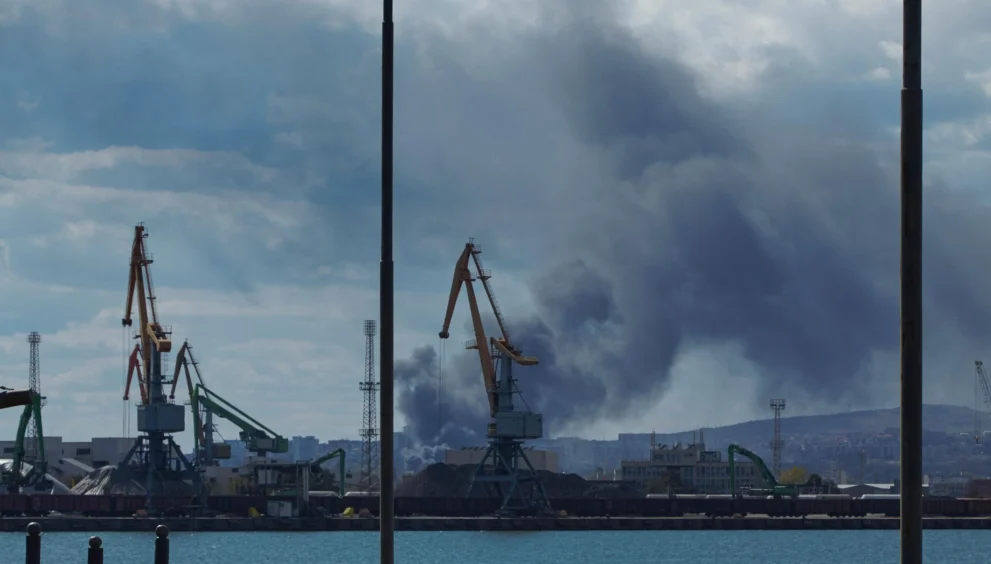
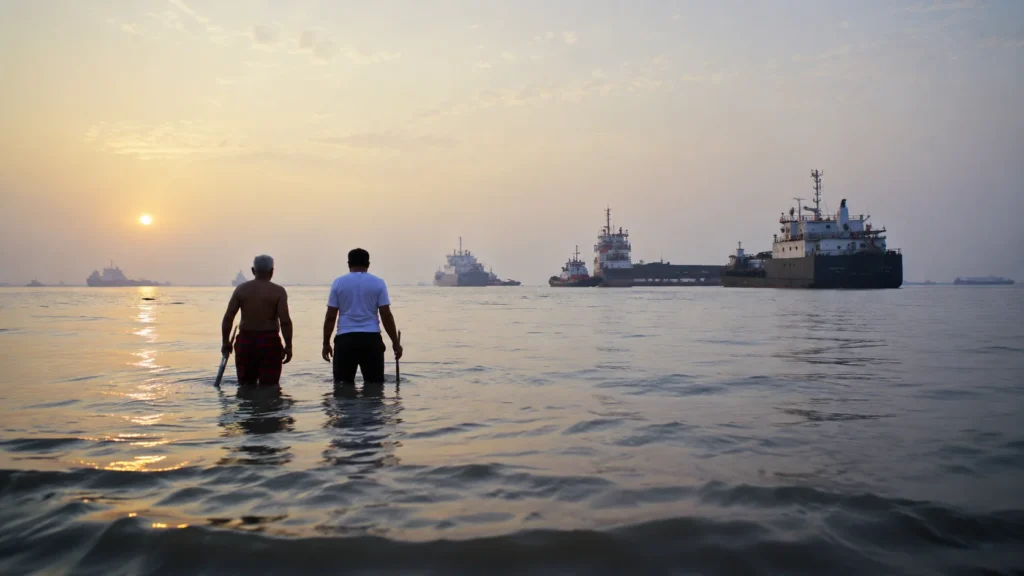
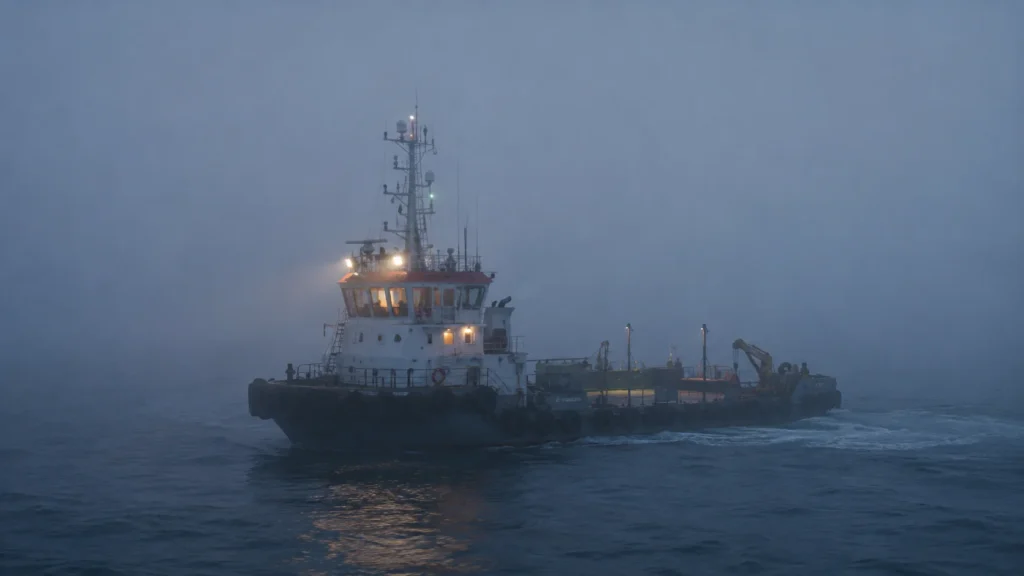
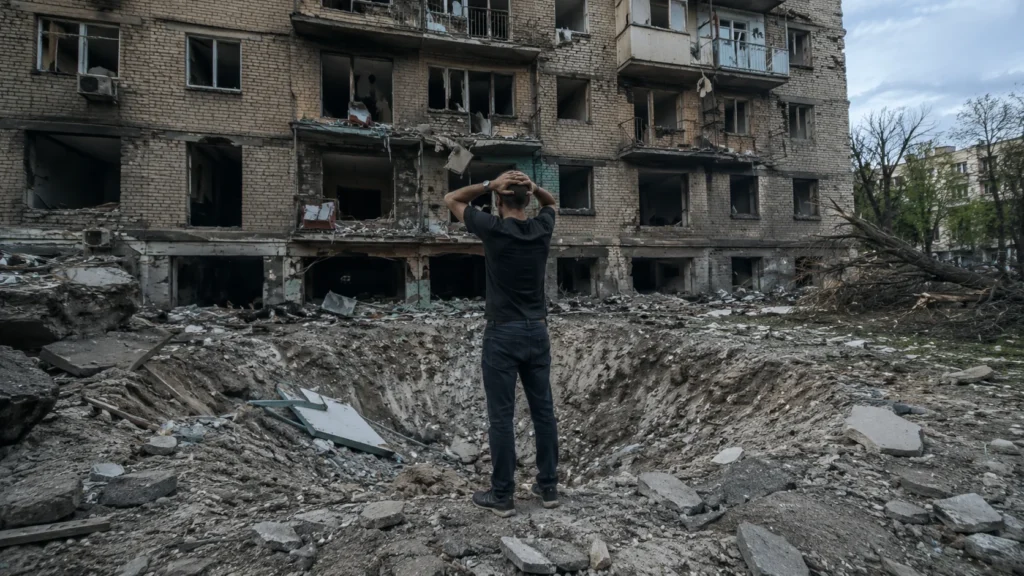
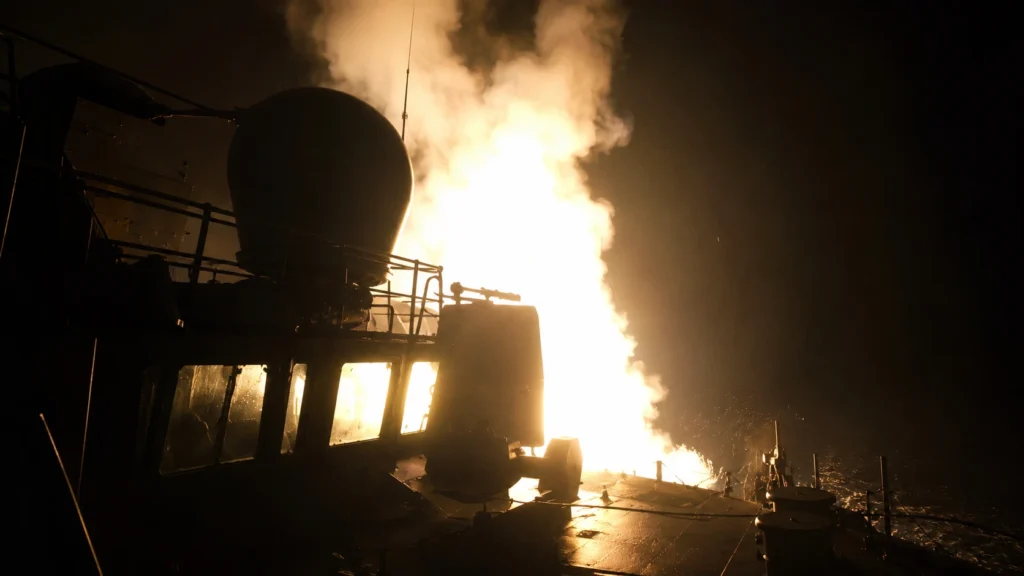
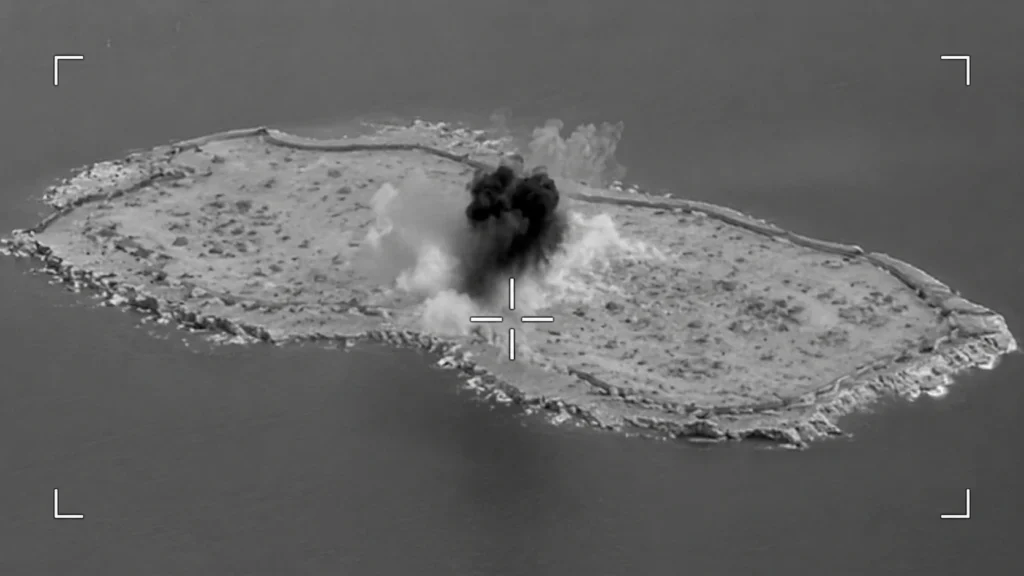
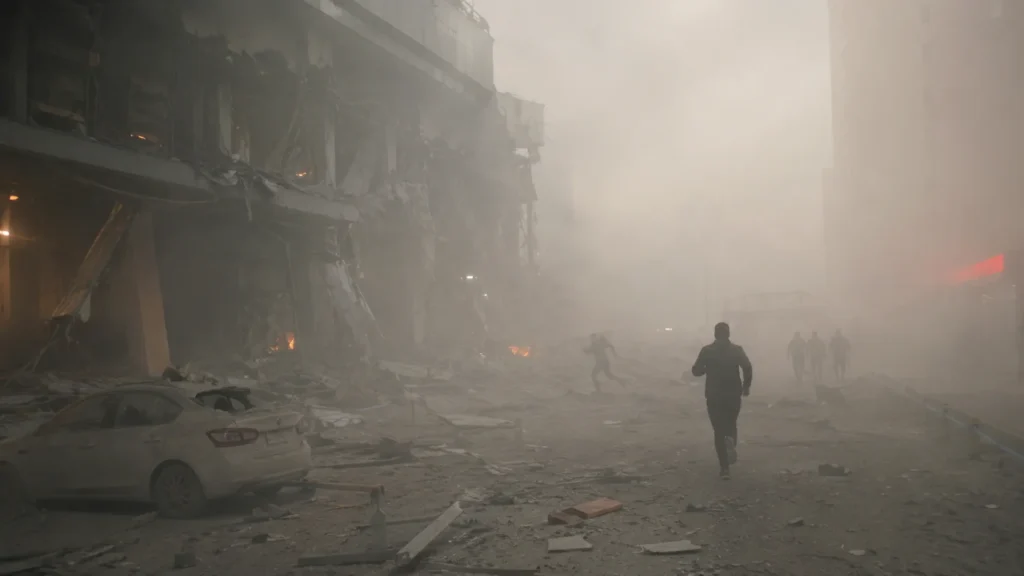
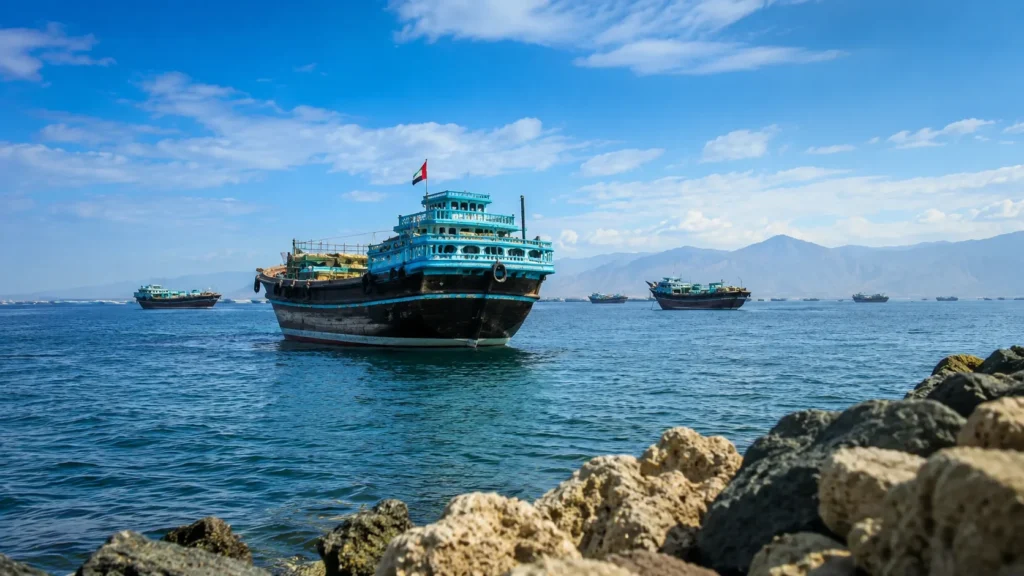
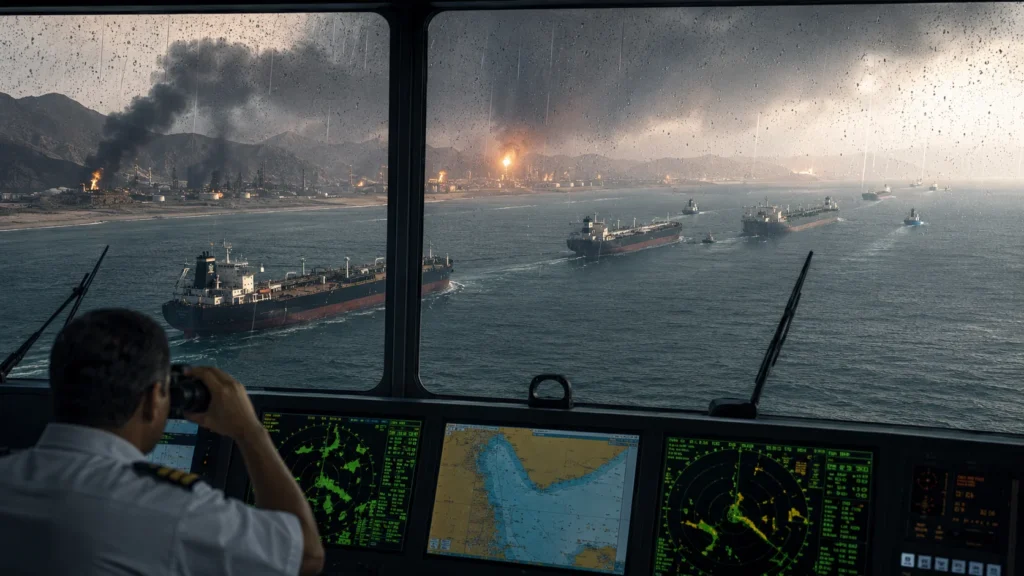
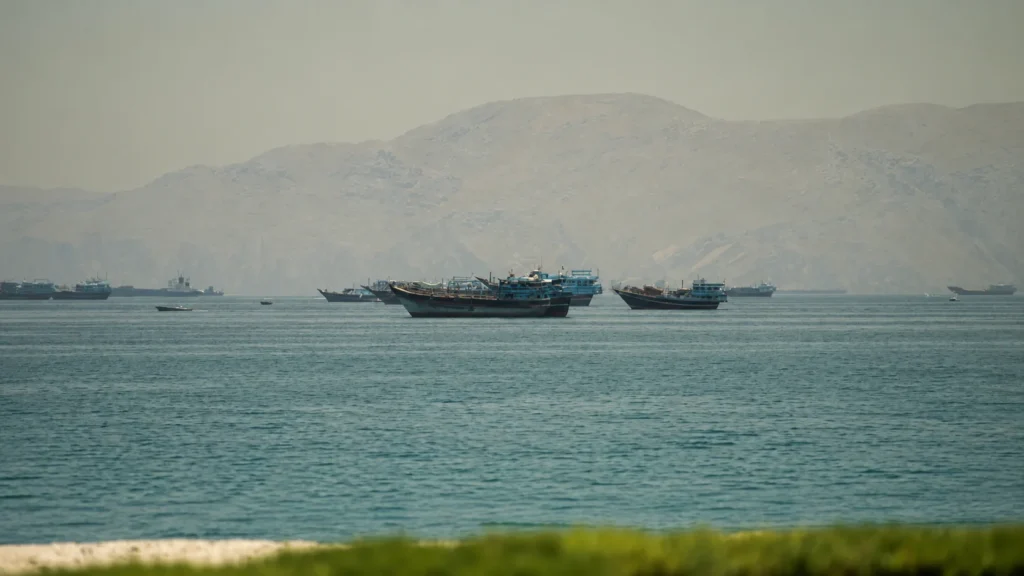
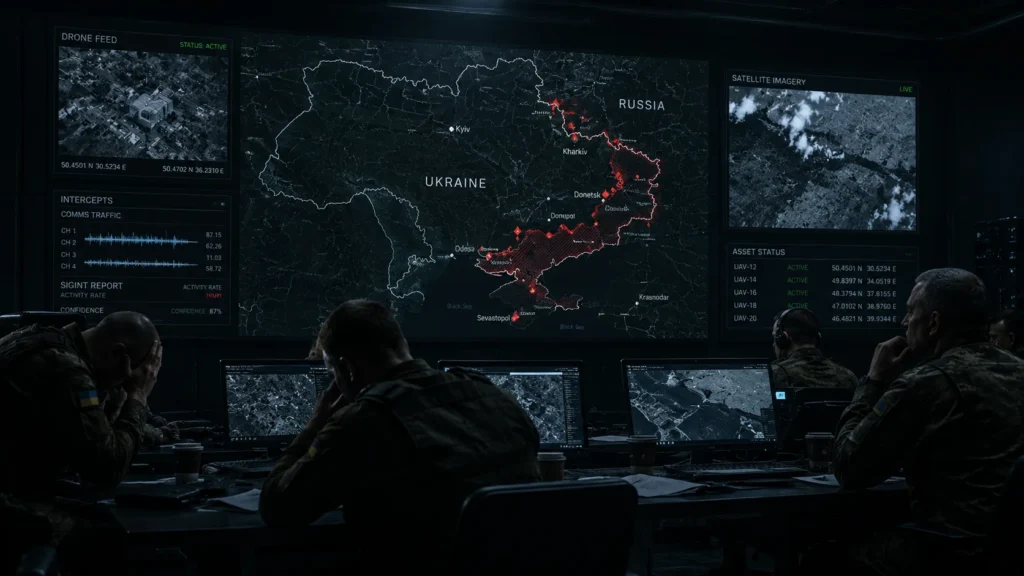
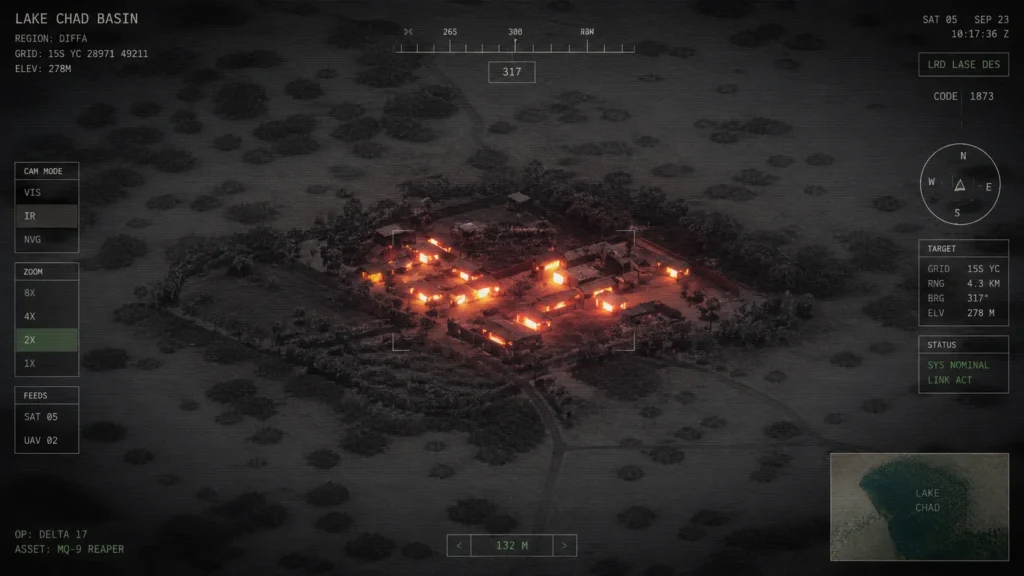
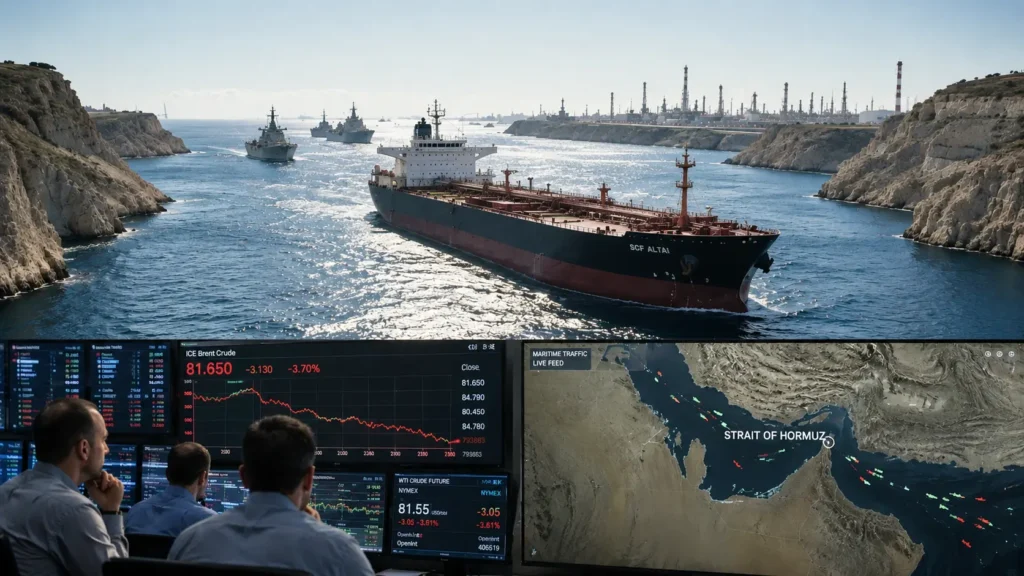
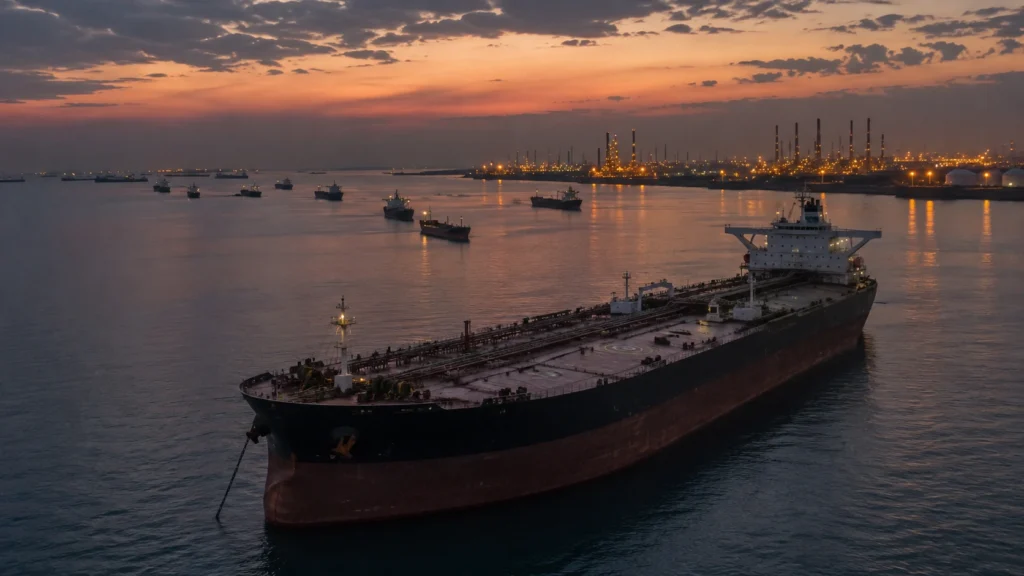
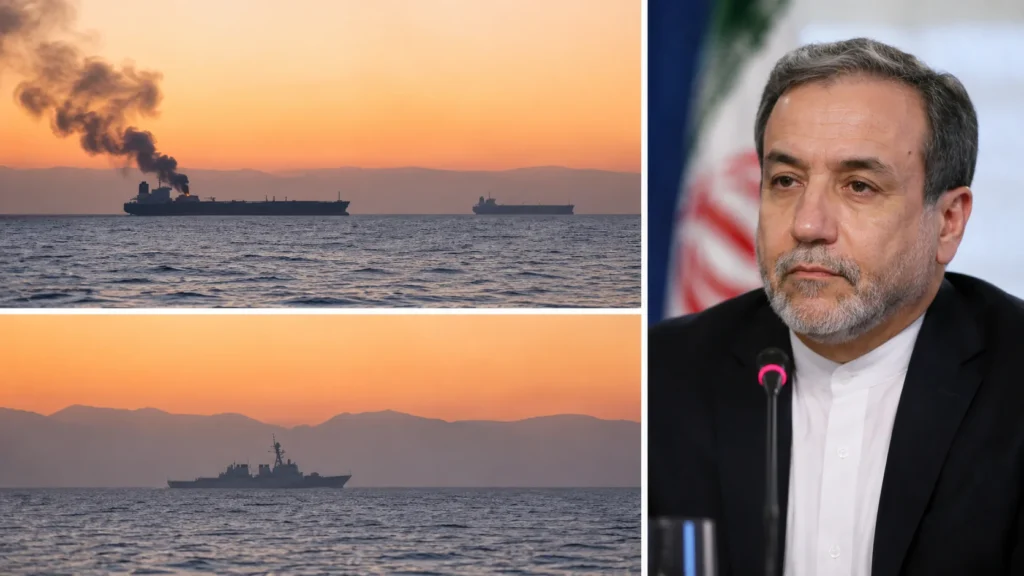
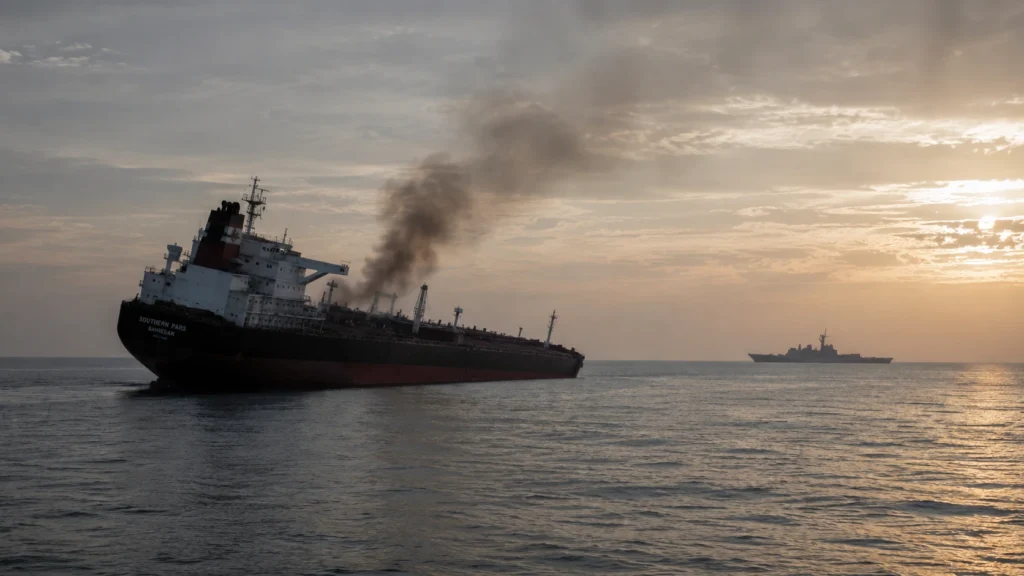
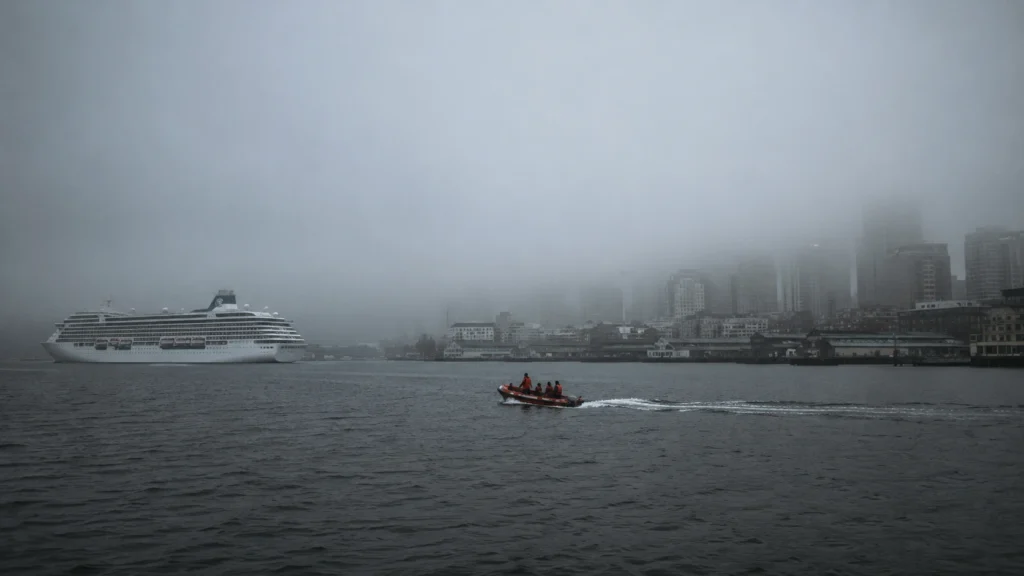
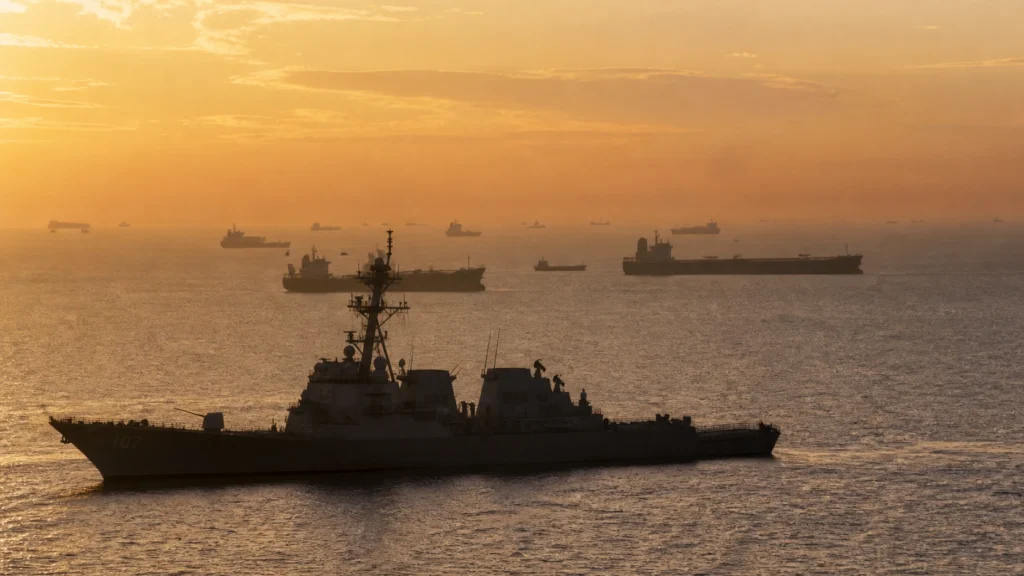
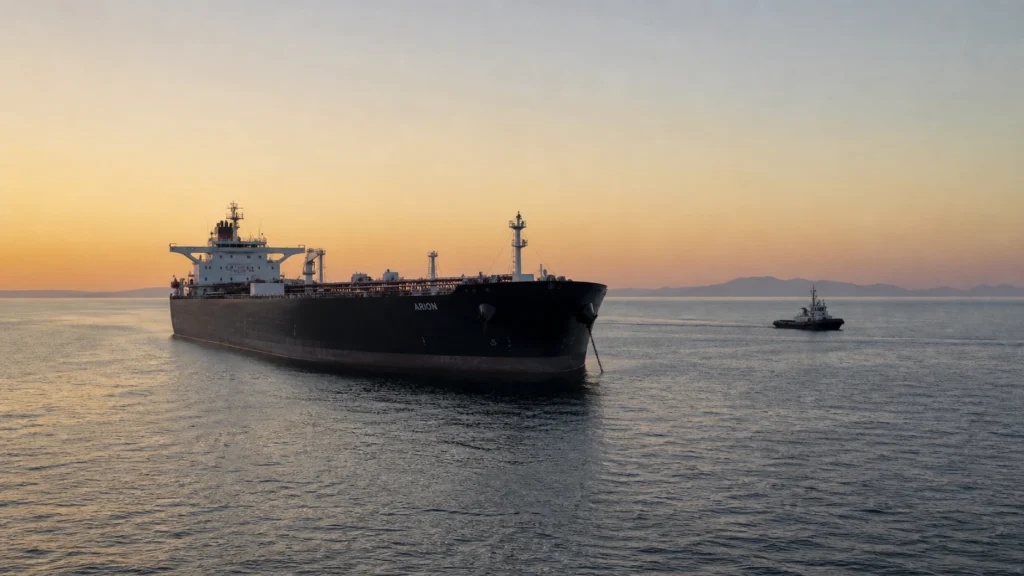
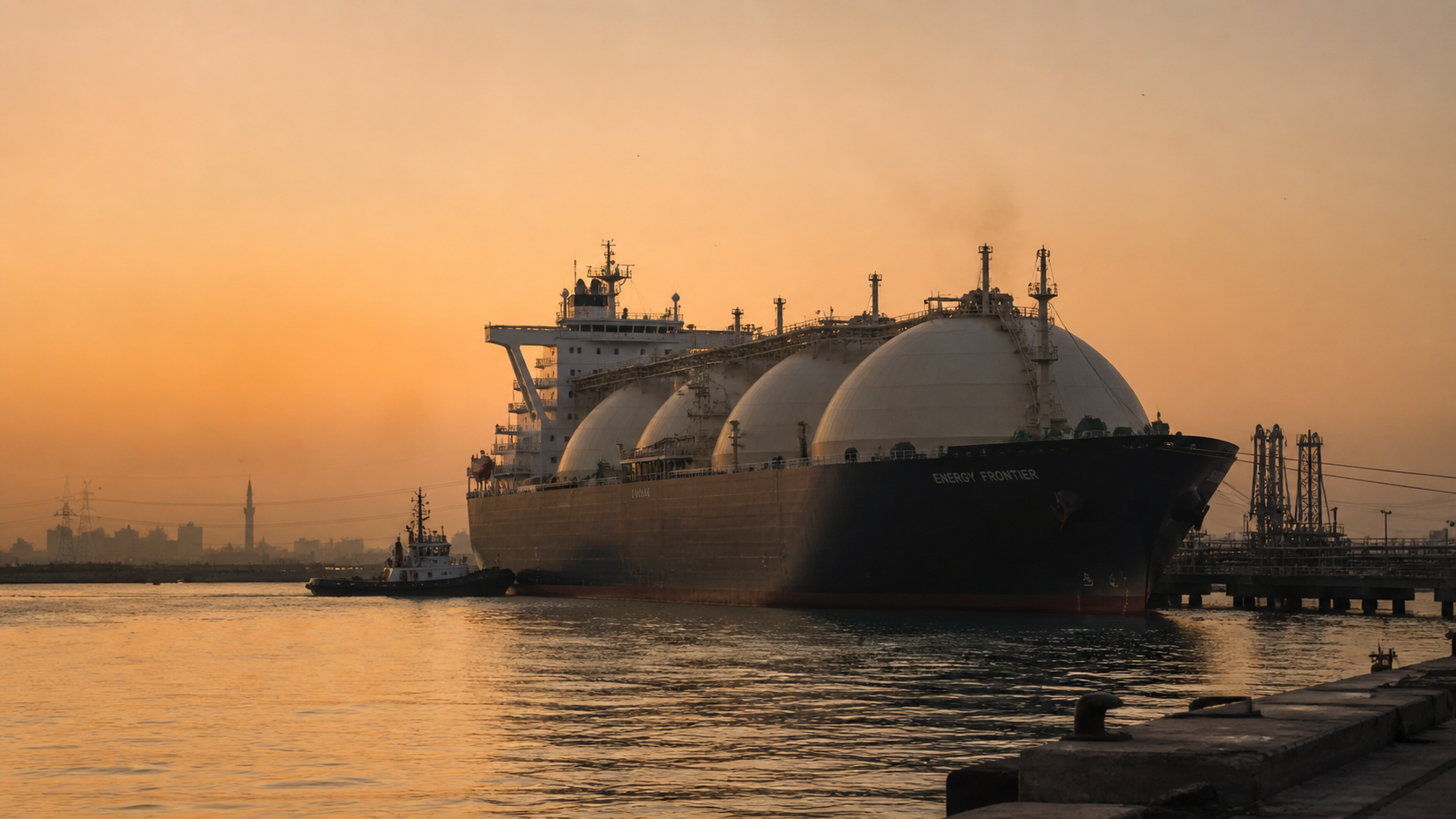
On Friday, Ukrainian drone forces struck five cargo vessels in the Sea of Azov that Kyiv accused of stealing grain and transporting military cargo through Russian-occupied ports. The same day, Ukraine confirmed one of its naval drones had self-detonated off Romania’s coast near an oil terminal in the Black Sea port of Constanta, knocked off course by Russian electronic interference. Azerbaijan’s foreign ministry reported five of its citizens dead aboard two of the targeted ships. Romania’s president called it the second “significant security incident” this week, following a stray mine discovered on a beach near Vama Veche. The war’s geography didn’t expand. It leaked.
What Happened in the Sea of Azov
Ukraine’s drone forces commander, Robert Brovdi, announced that five “illegally loitering vessels” had been struck overnight in the ports of Mariupol and Berdyansk, and in coastal waters of Russian-occupied territories. The ships—cargo vessels and tankers—had their names painted over and radars switched off, according to Brovdi, “with the aim of quietly stealing Ukrainian grain” and “transferring military cargo and fuel.”
Azerbaijan’s foreign ministry named two of the ships as the Nastra and the Circon. Five Azeri nationals died. The ministry noted explicitly that the ships did not belong to Azerbaijan—a formulation that distanced Baku from the vessels while acknowledging its citizens crewed them.
Moscow has not commented on the strikes. The Russian Ministry of Defence official statements and briefings carried no reference to the incidents in their Friday releases. The silence signals vulnerability. Russia cannot protect merchant shipping in waters it claims as its own.
The strikes mark an expansion of Ukraine’s operational reach into the logistics chain that sustains occupation economies. As our analysis of Ukraine’s evolving Black Sea strike strategy and grain corridor dynamics documented, Kyiv has progressively extended its targeting from naval vessels to infrastructure to commercial shipping supporting the Russian war effort.
The Romania Drone Incident
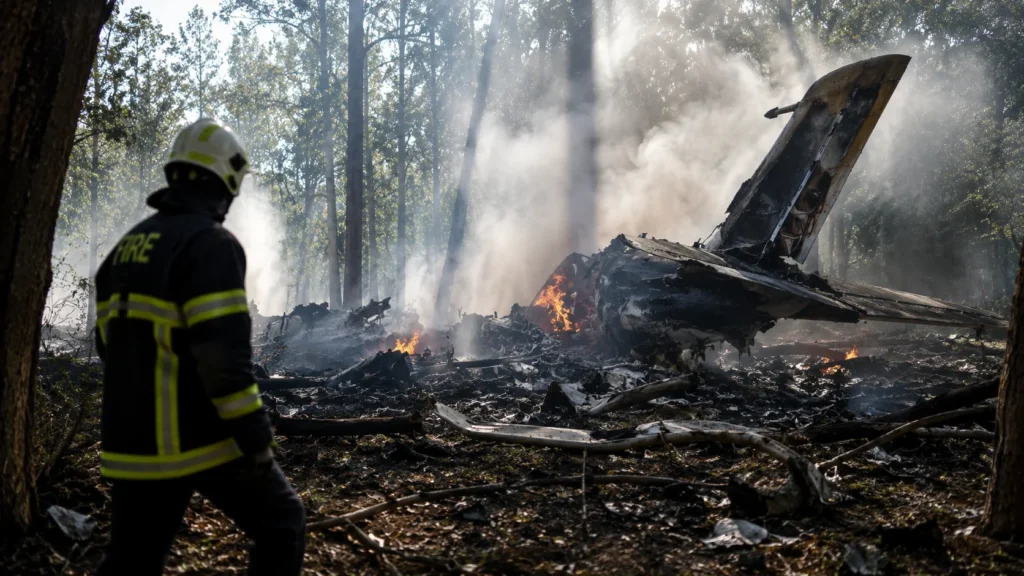
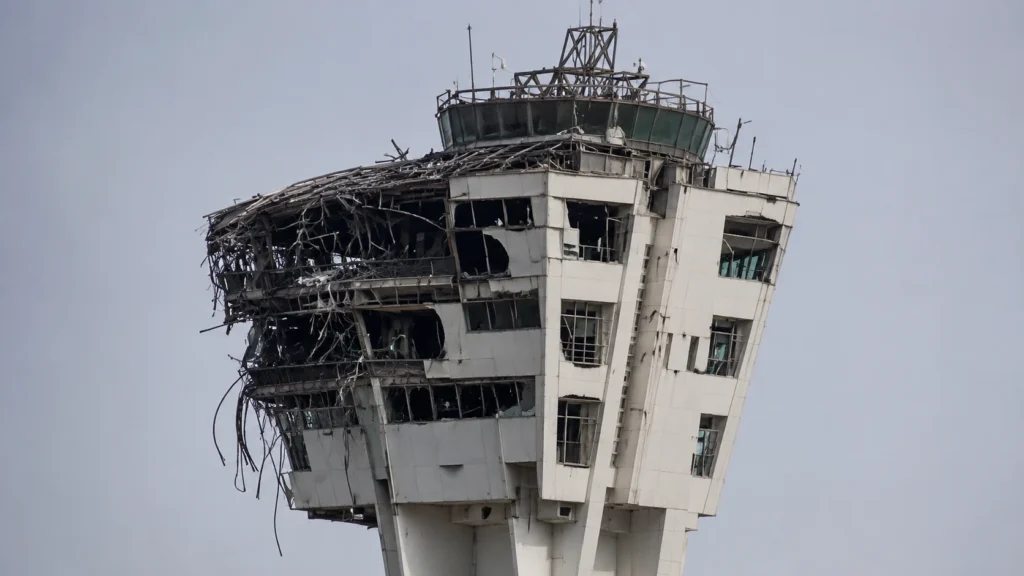
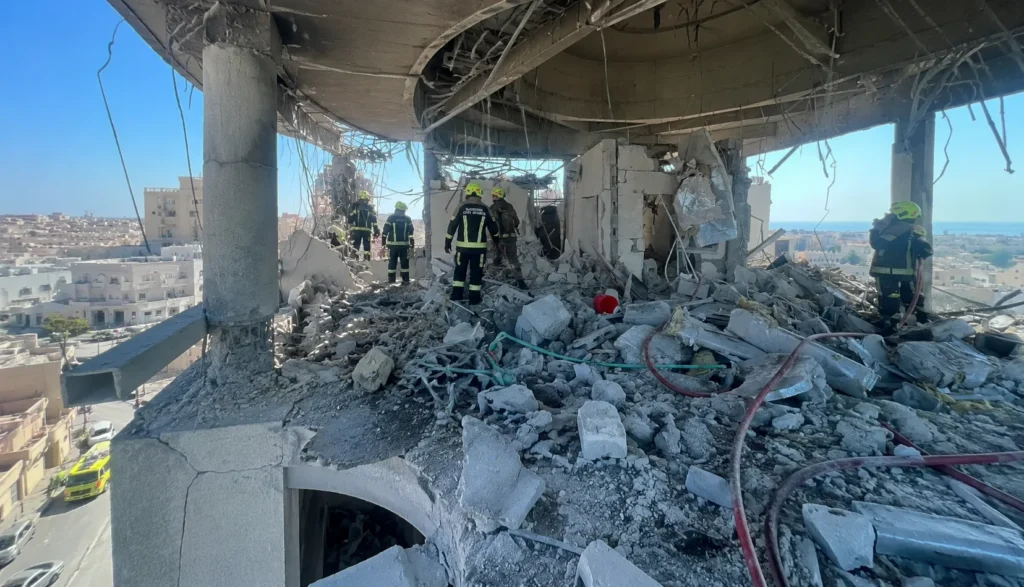
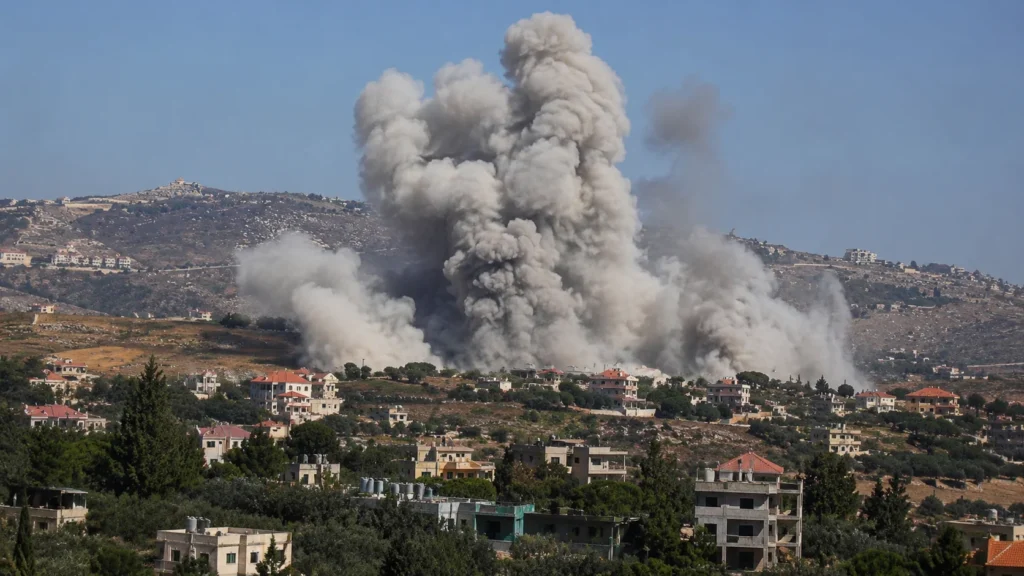
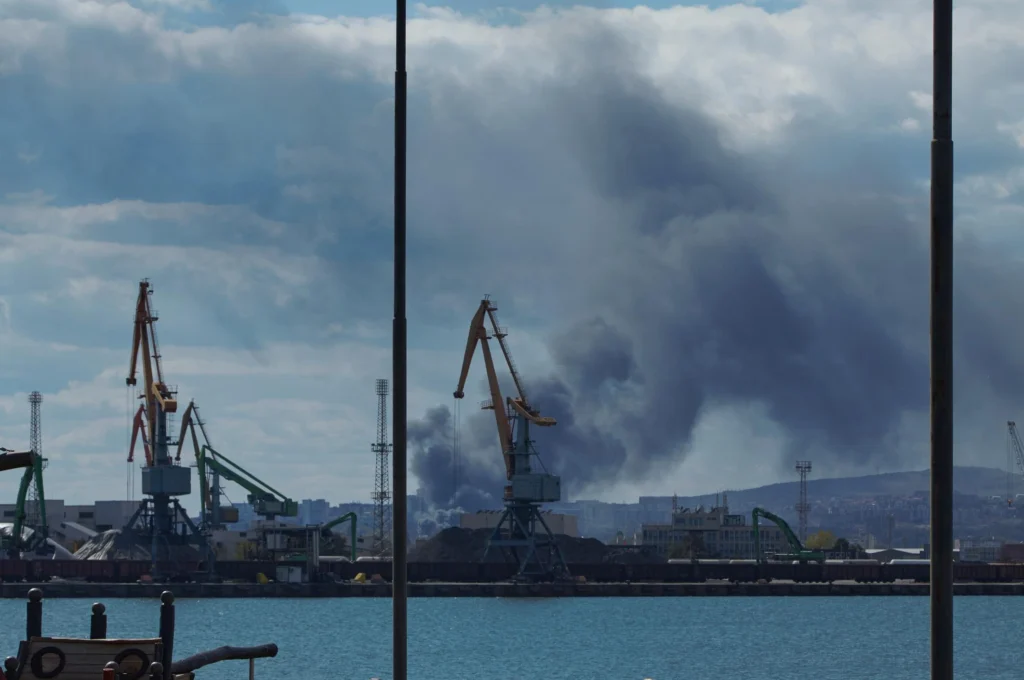
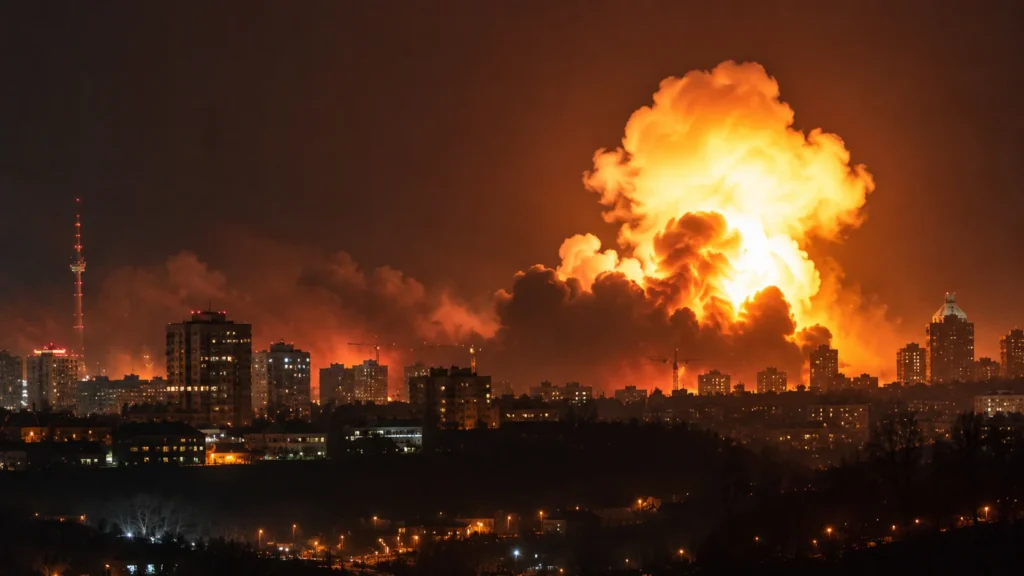
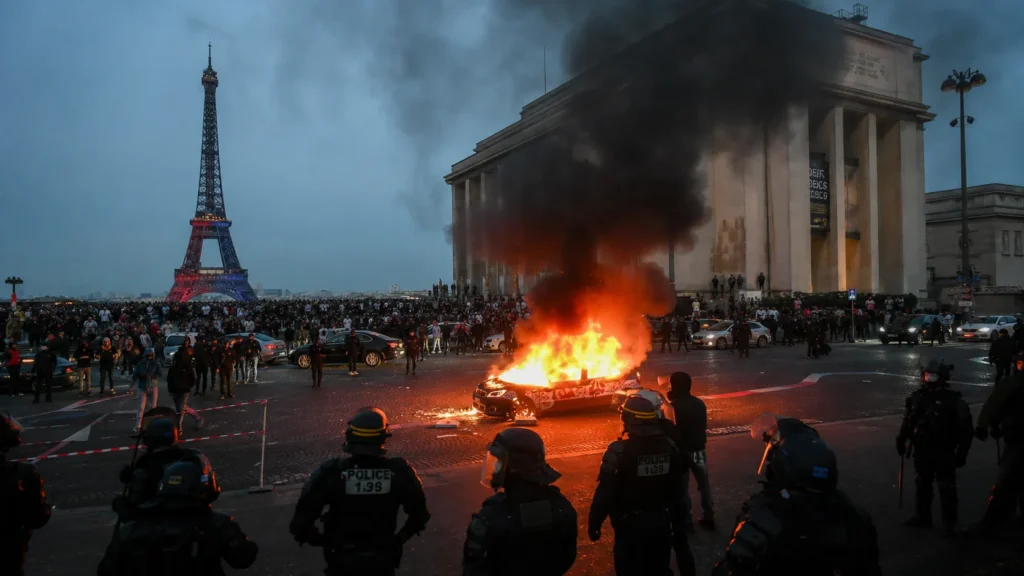
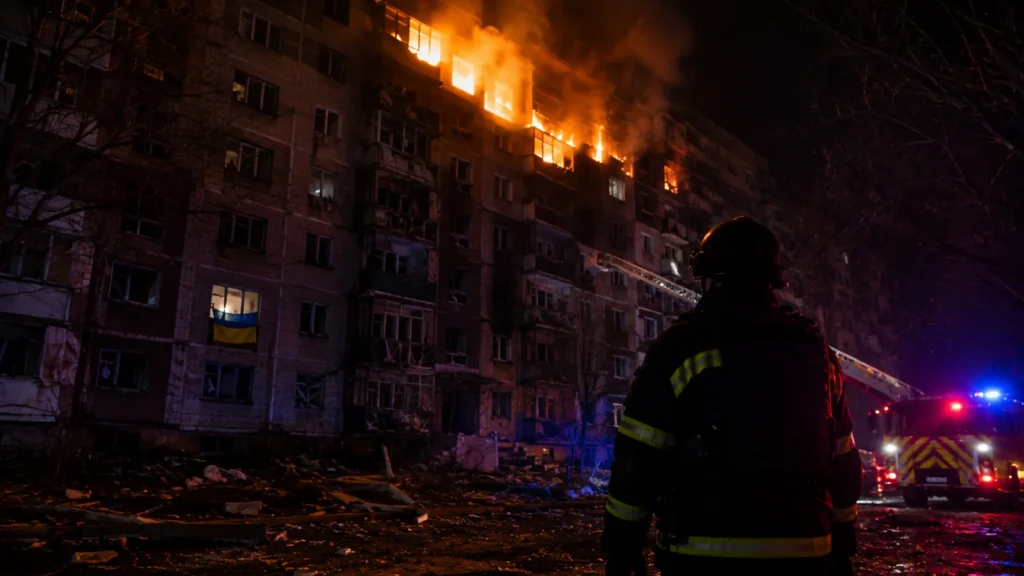
A Ukrainian naval drone self-detonated near an oil terminal in the Romanian port of Constanta on Friday. Ukraine confirmed the drone was part of a group of five. Russian electronic interference knocked it off course. A second drone exploded in Ukraine. The remaining three are unaccounted for. Romanian officials said no further risk existed.
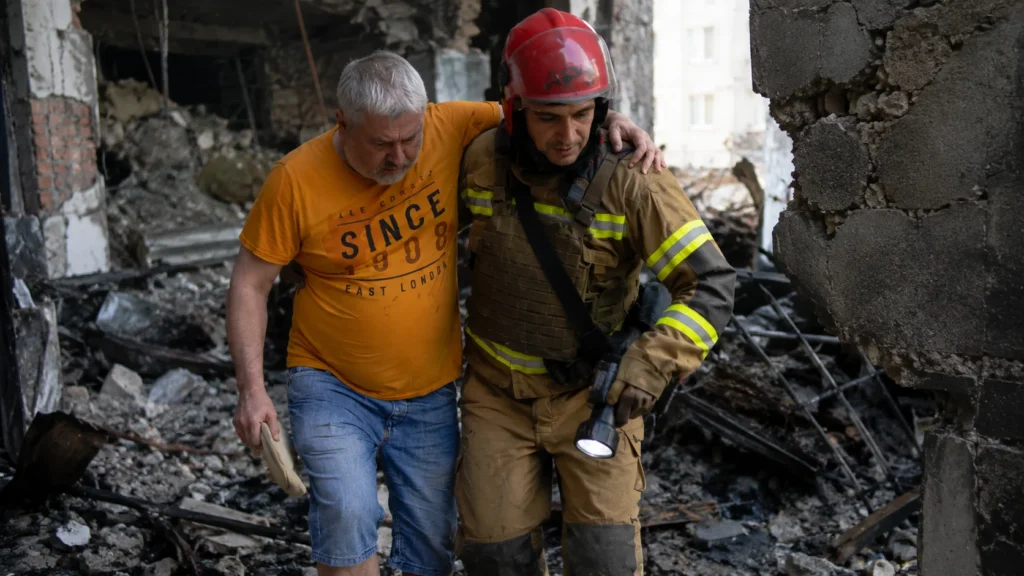
The incident follows a drone strike on an apartment block in Galati, eastern Romania, a week earlier. Romanian officials confirmed Russian origin for that attack. Moscow called the accusations “unsubstantiated.” Now a Ukrainian drone explodes on Romanian territory. Neither side claims intentionality. Both sides’ weapons reach NATO soil.
Romanian President Nicusor Dan wrote on X that Friday’s incident was the second “significant security incident this week,” following the stray mine discovered on a beach near Vama Veche, over 50 kilometers north of Constanta. The Romanian Ministry of National Defence official incident reports and statements confirmed no casualties in the Constanta drone explosion but noted considerable damage to a ship and warehouses.
Constanta’s top official, Adrian Teodor Picoiu, told G4Media report on the Constanta drone incident that “information from the Ukrainian side” indicated the drone belonged to a group of five. The admission—Kyiv acknowledging its weapon reached NATO territory—is unusual. It reflects a calculation: transparency about accidents may do less damage than allowing Moscow to control the narrative about Ukrainian drones in allied ports.
The Diplomatic Backdrop
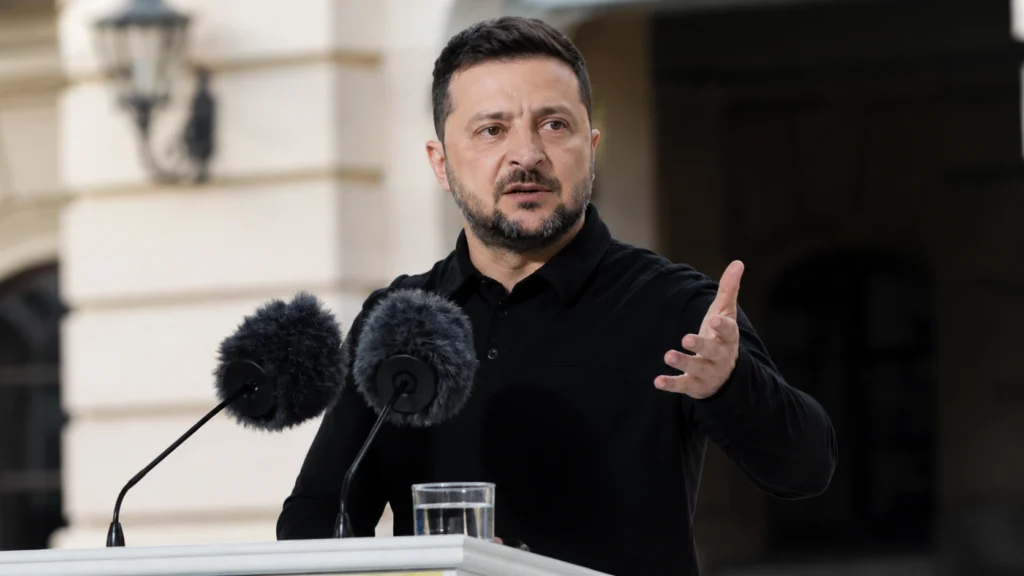
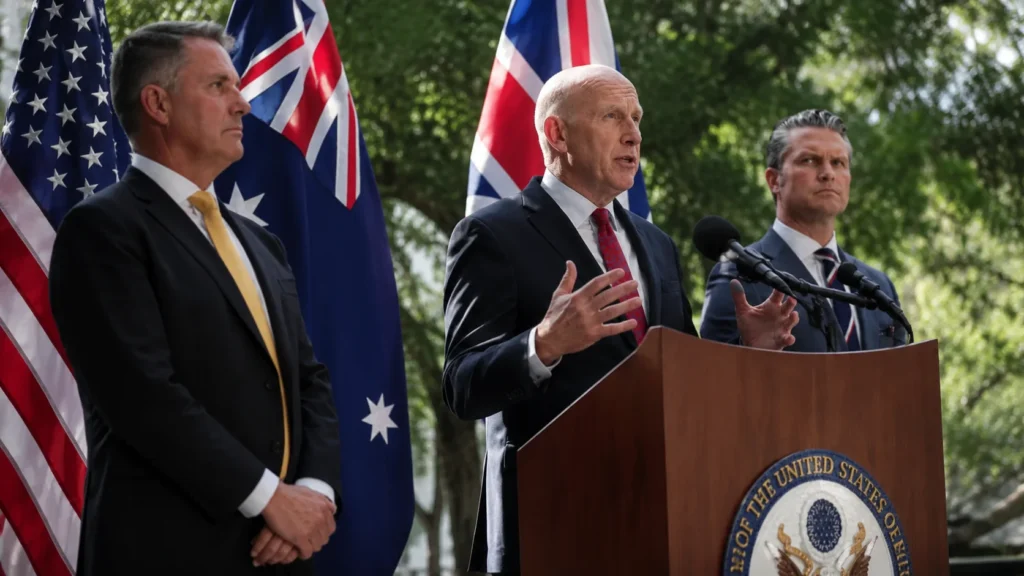
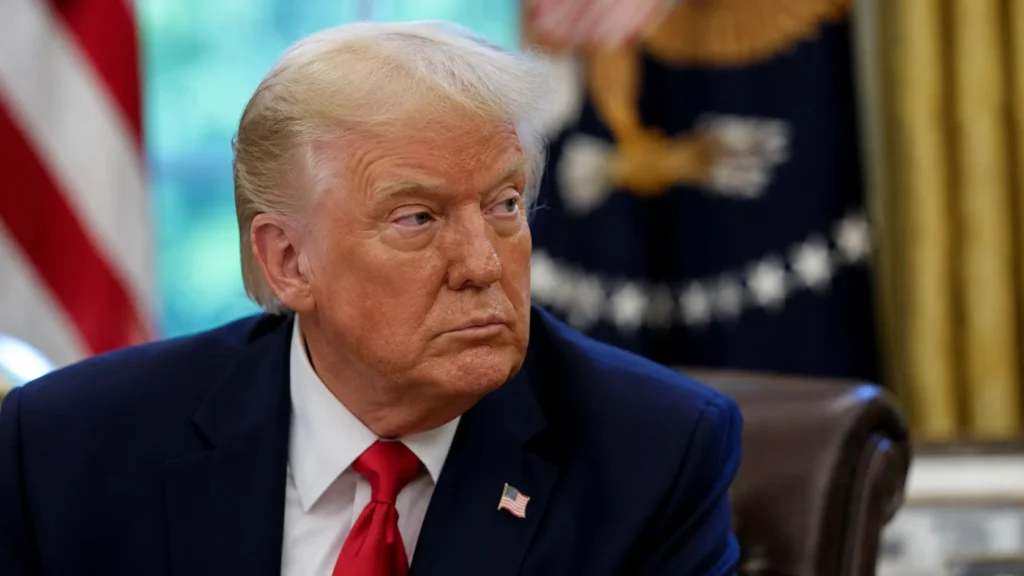
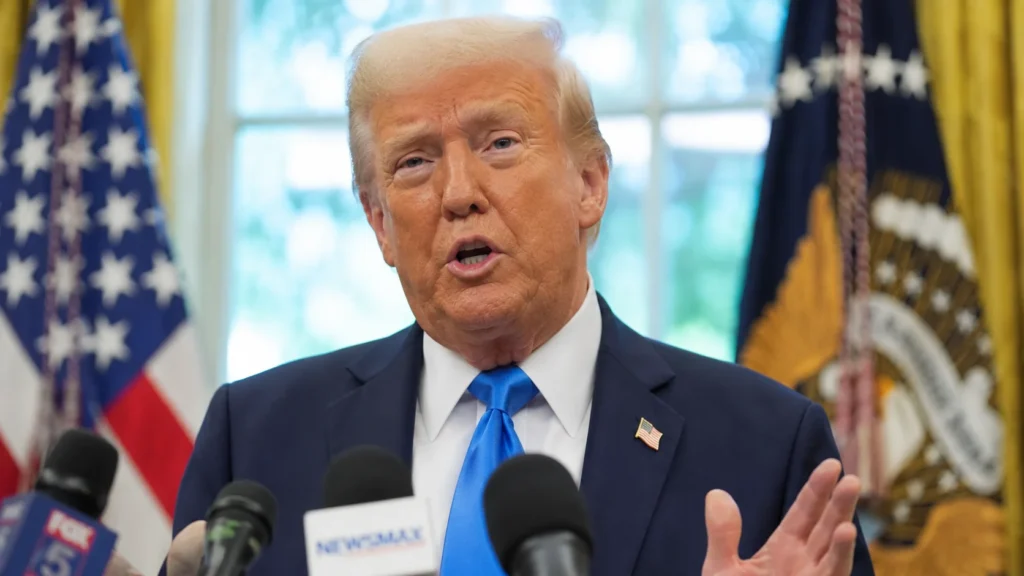
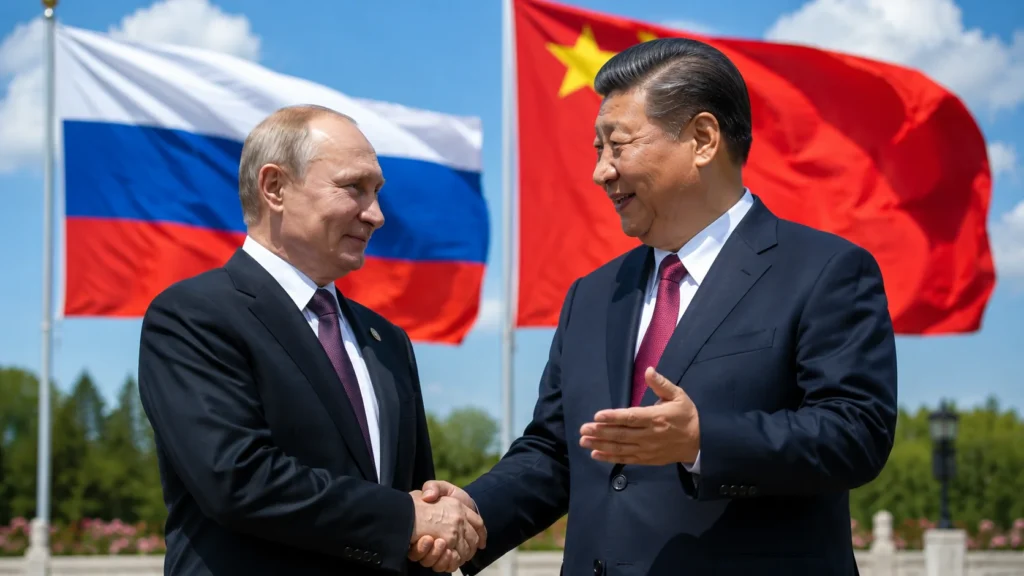
The strikes and the spillover occurred as Zelensky’s open letter offering face-to-face talks with Putin landed in Moscow. The Kremlin confirmed receipt. Putin, speaking at the St. Petersburg economic forum, said he saw “no reason” to meet. He suggested the EU could persuade Ukraine to surrender territory. His conditions remain unchanged: Ukrainian withdrawal from Donetsk, Luhansk, Kherson, and Zaporizhzhia, and abandonment of NATO membership.
The EU, France, and the US backed Zelensky’s call for negotiations. The backing produced no movement.
The dual-track strategy—diplomatic outreach alongside expanded military operations—isn’t contradictory. It’s leverage. As our coverage of the Zelensky letter to Putin and the shifting diplomatic landscape analyzed, Kyiv has moved from waiting for Washington’s attention to generating its own momentum on multiple fronts simultaneously.
Why did Ukraine strike cargo ships in the Sea of Azov?
Ukraine’s drone forces commander said the vessels were “illegally loitering” in occupied ports, carrying stolen Ukrainian grain and transferring military cargo and fuel. The ships had obscured their names and switched off their radars. Kyiv considers these vessels legitimate military-economic targets that sustain Russia’s occupation.
What happened in Constanta, Romania?
A Ukrainian naval drone self-detonated near an oil terminal in the Romanian Black Sea port on Friday. Ukraine confirmed the drone belonged to a group of five and said Russian electronic interference knocked it off course. No casualties occurred. The remaining three drones from the group are unaccounted for. Romanian authorities said no further risk existed.
Is Romania a NATO member?
Yes. Romania joined NATO in 2004. Article 5 of the NATO treaty states that an attack on one member constitutes an attack on all. Neither the Russian drone that hit Galati nor the Ukrainian drone that self-detonated in Constanta has triggered Article 5 consultations. The incidents have been treated as accidents of proximity, not acts of war.
How many security incidents has Romania experienced recently?
President Nicusor Dan cited two significant security incidents within one week. On Friday, the Ukrainian naval drone exploded in Constanta. Earlier in the week, a stray mine washed up on a beach near Vama Veche, over 50 kilometers north of the port. The previous week, a Russian drone struck an apartment block in Galati, injuring two people. Romanian officials confirmed Russian origin. Moscow denied involvement.
What are Putin’s conditions for peace talks?
Putin’s longstanding position requires Ukraine to withdraw from four partially occupied regions—Donetsk, Luhansk, Kherson, and Zaporizhzhia—and abandon its NATO membership efforts. Ukraine has ruled out territorial concessions, arguing they would embolden future Russian invasions.
What to Watch Over Six Months
Three indicators will determine whether seepage becomes an escalation.
First, NATO’s threshold management. The alliance has absorbed drone fragments in Poland, missile debris in Moldova, and now self-detonating drones and stray mines in Romania. Each incident tests the gap between Article 5’s legal trigger and its political application. Watch for whether NATO develops a cumulative-incident doctrine rather than treating each event in isolation.
Second, Russia’s maritime protection capacity. The Sea of Azov strikes demonstrate that Ukraine can reach merchant shipping in occupied ports. If Russia cannot protect these vessels, the economic logic of occupation—exporting grain and importing fuel through captured infrastructure—weakens. Insurers may reprice risk on routes to Mariupol and Berdyansk.
Third, Ukraine’s dual-track durability. The combination of diplomatic overtures and expanded strike operations generates leverage. It also generates risk. A major spillover incident that causes NATO casualties would test allied patience with Kyiv’s operational freedom. The strategy works until an accident becomes too large to classify as one.
Written by the Security & Geopolitics Desk, which has covered the Ukraine war, Black Sea security, and NATO alliance dynamics since 2014.