

 English






















































































































































































































































US-Iran Ceasefire Tested: Strikes Hit Gulf, Kuwait Airport
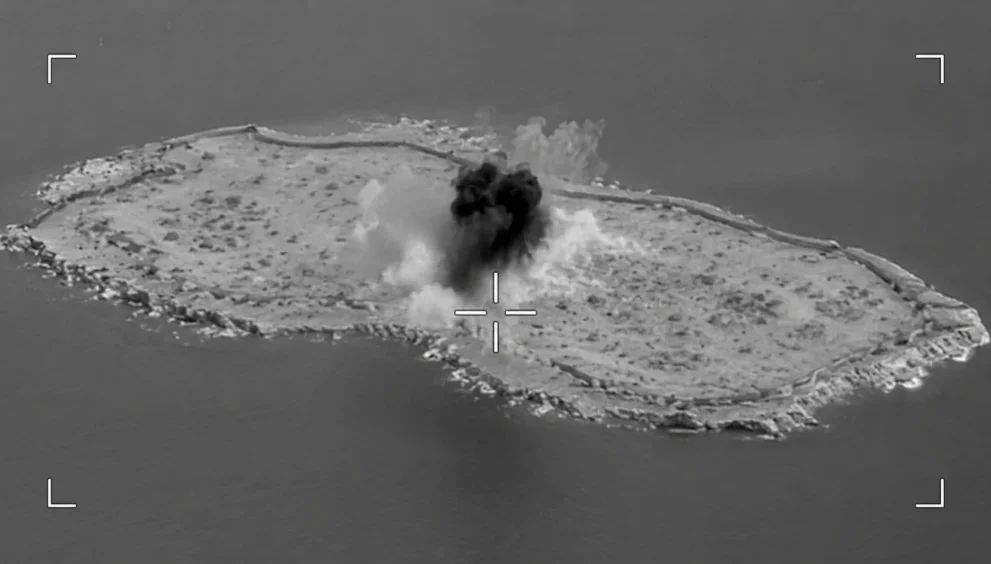
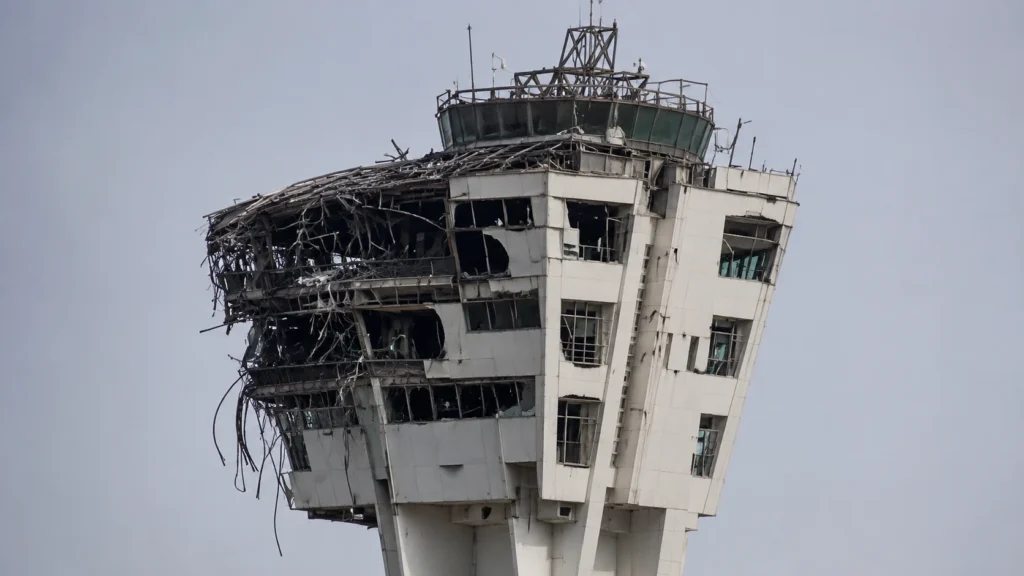
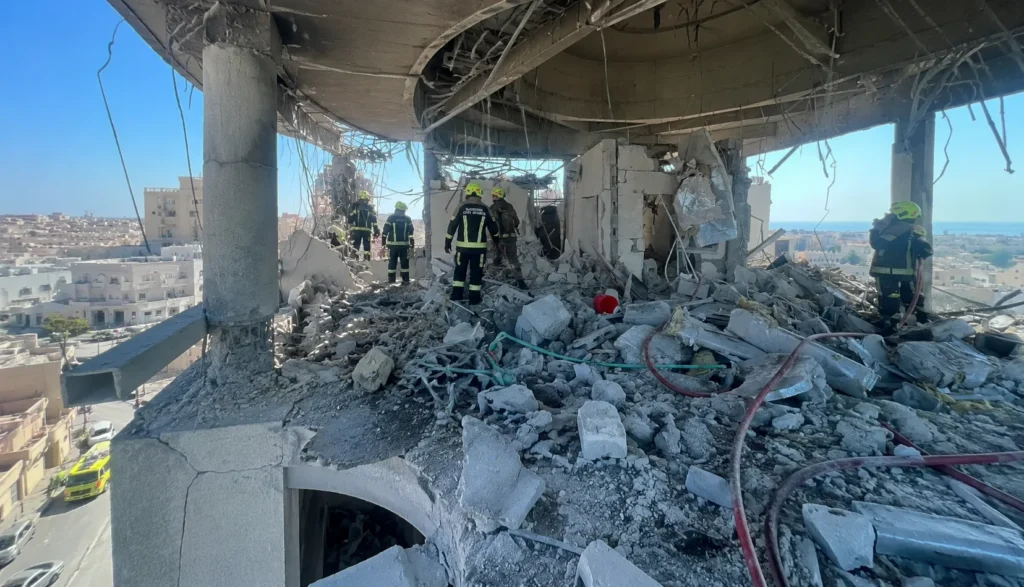
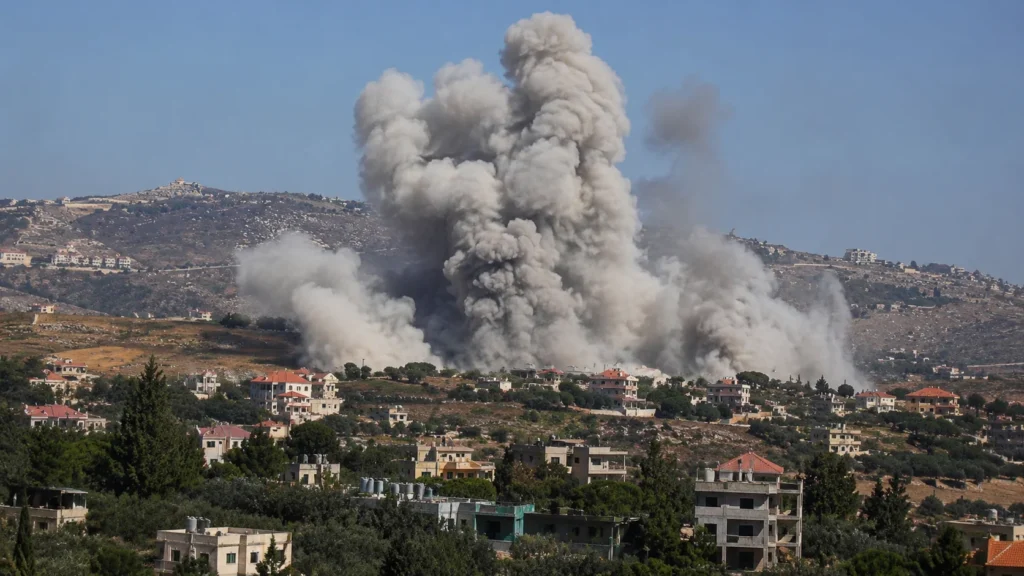
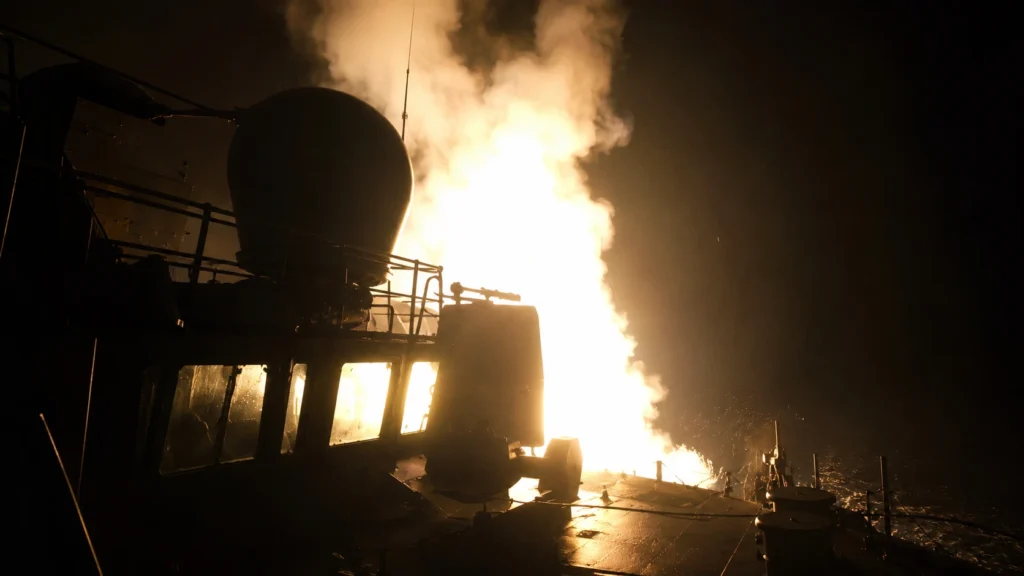
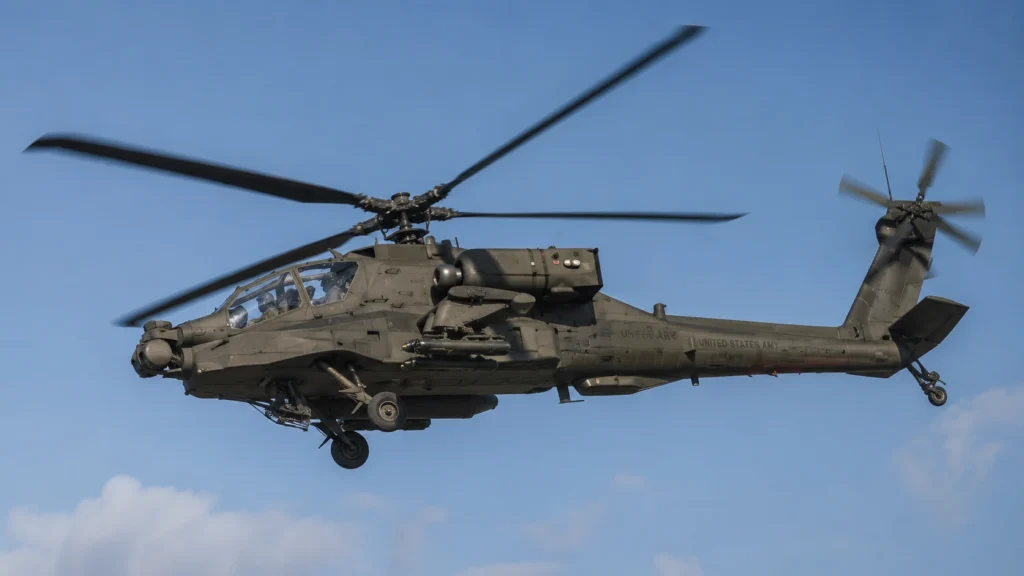
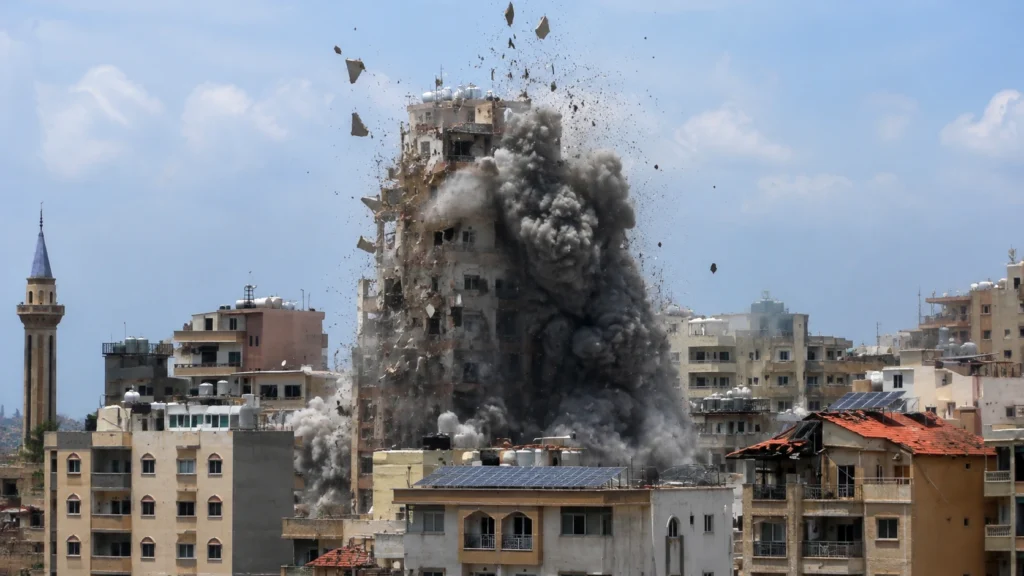
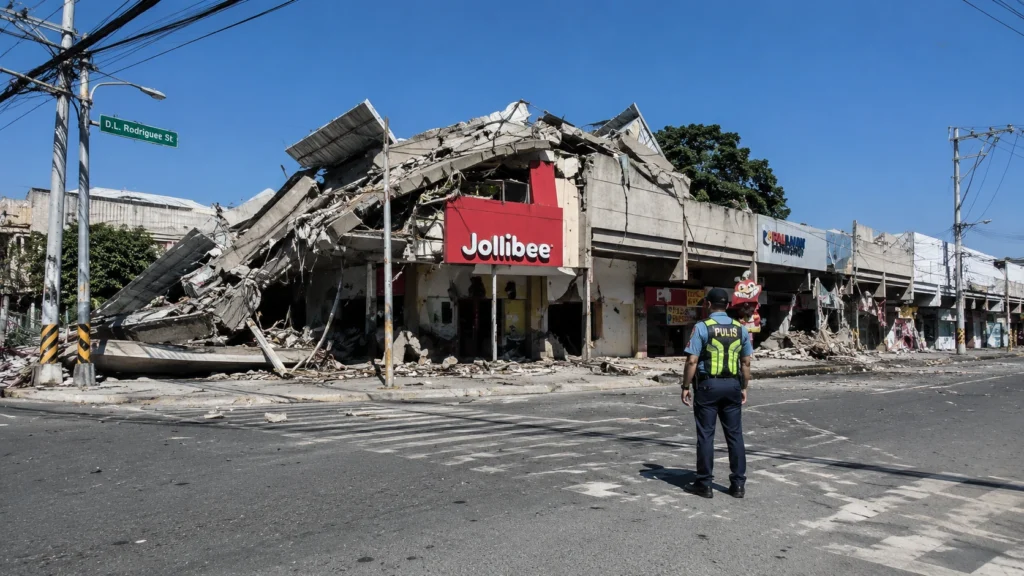
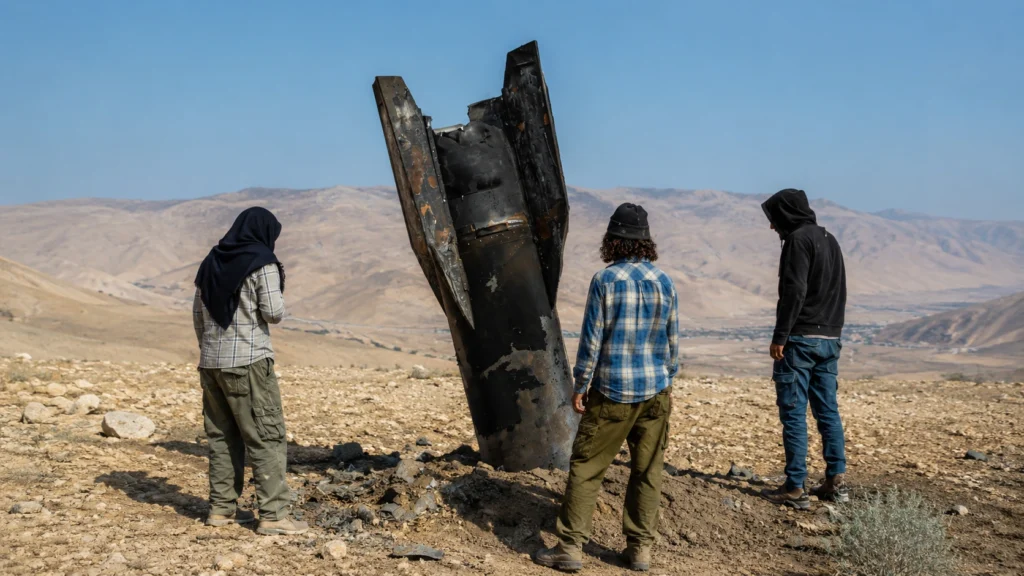
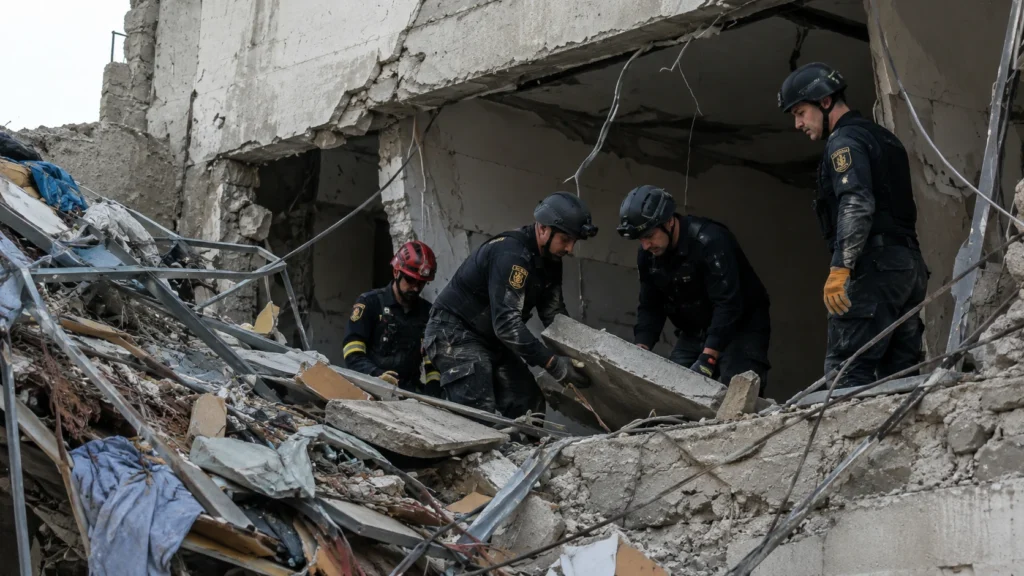
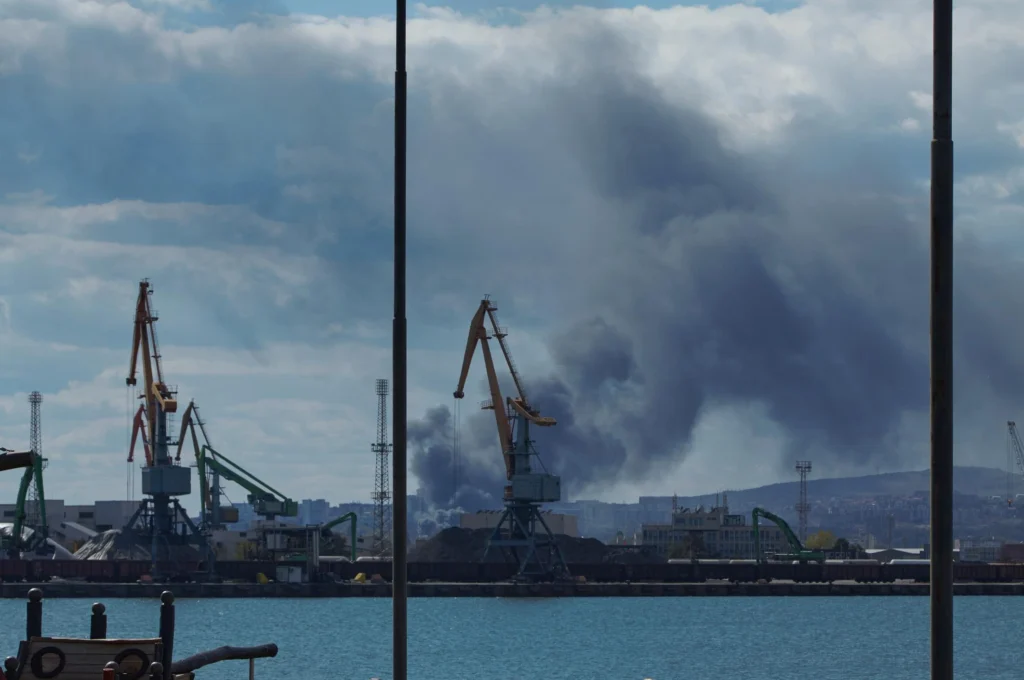
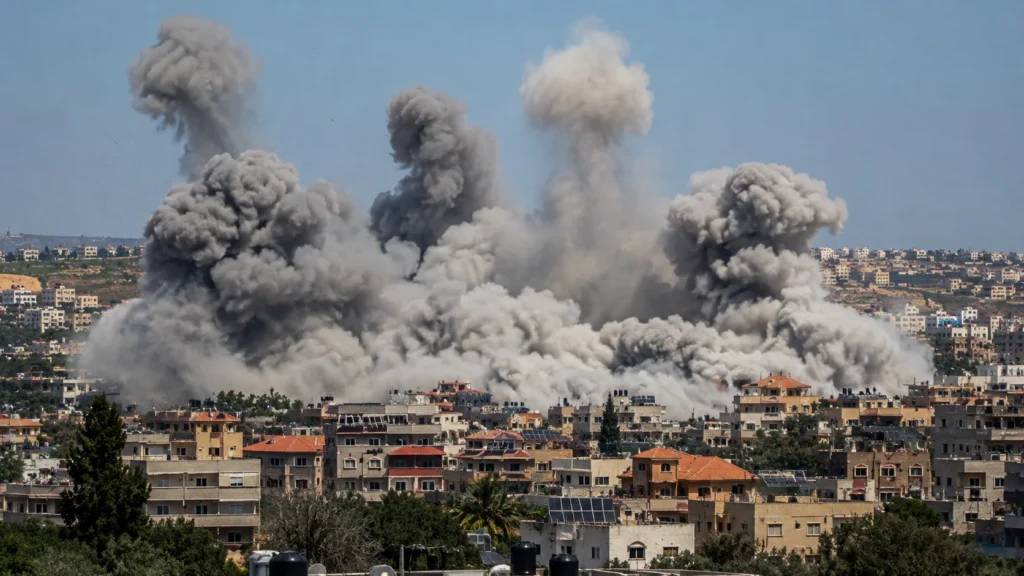
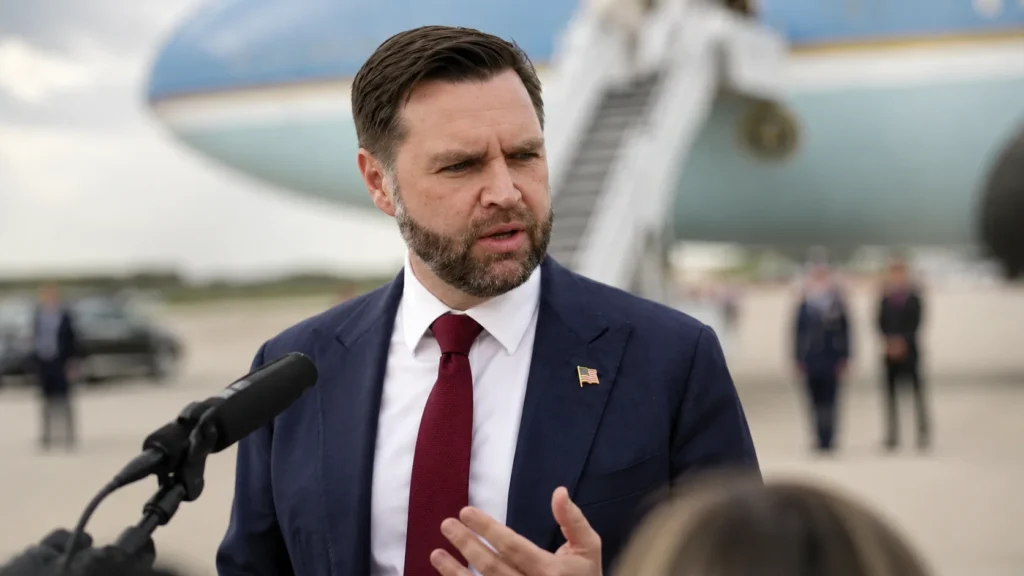
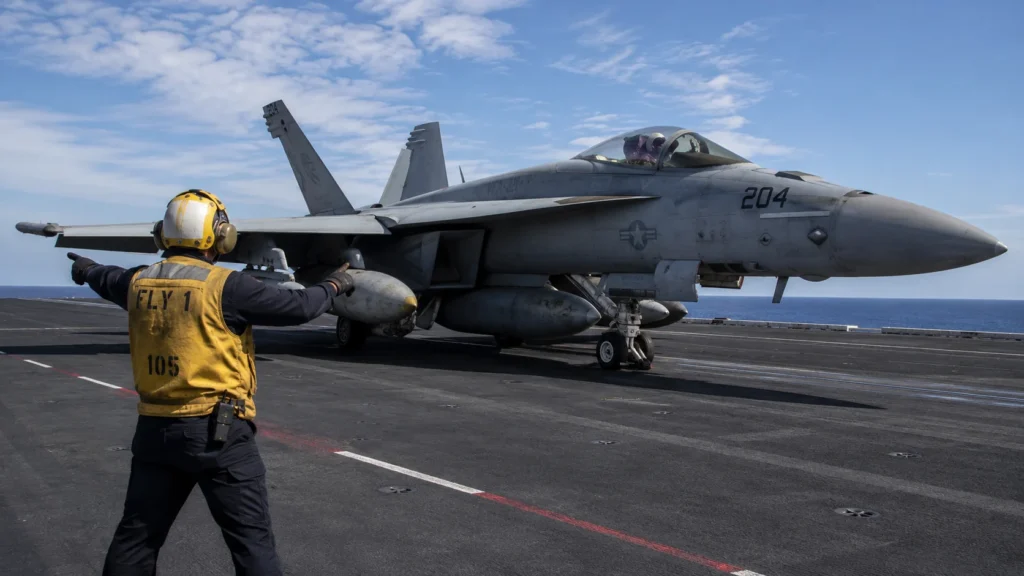
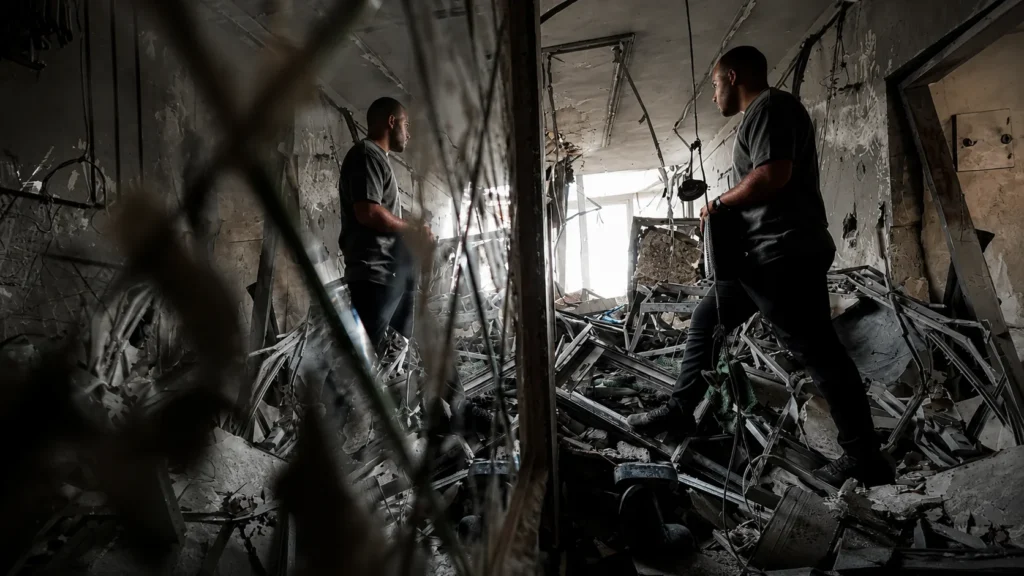
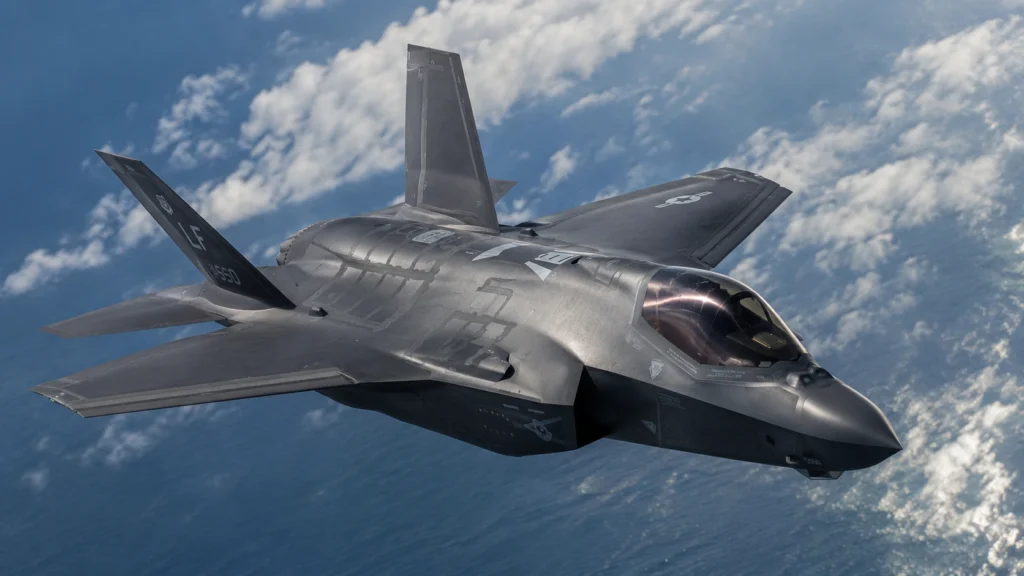
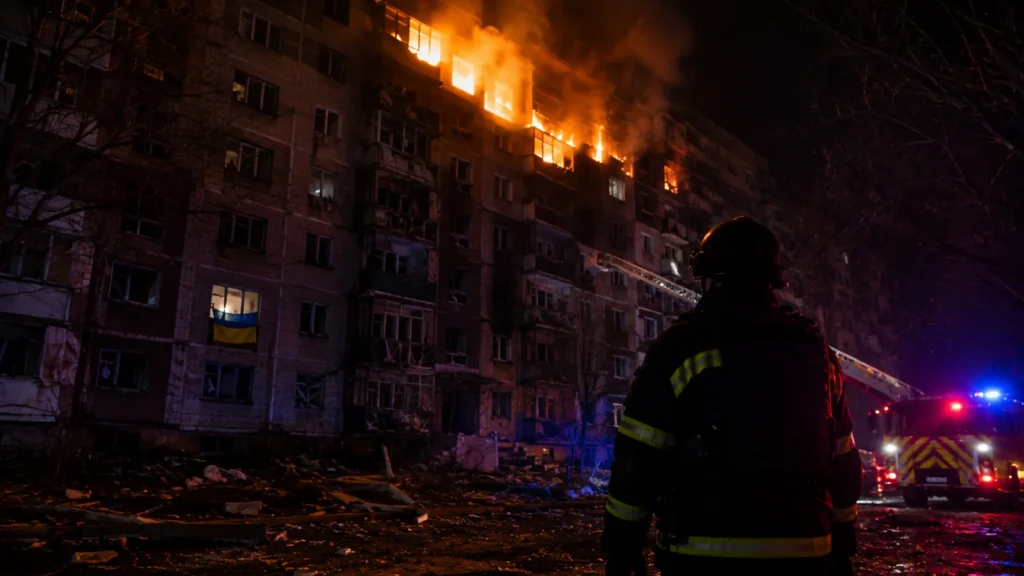
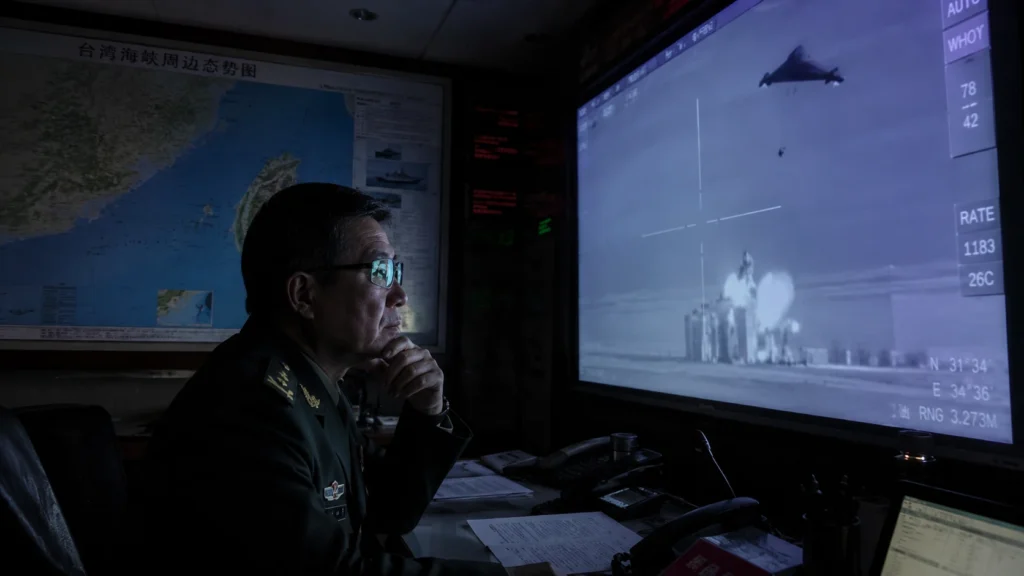
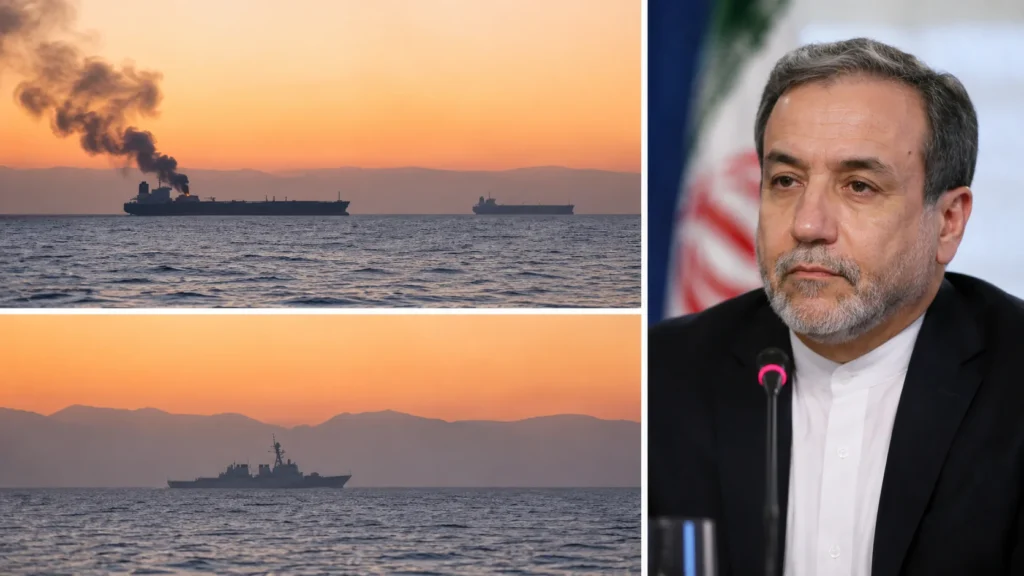
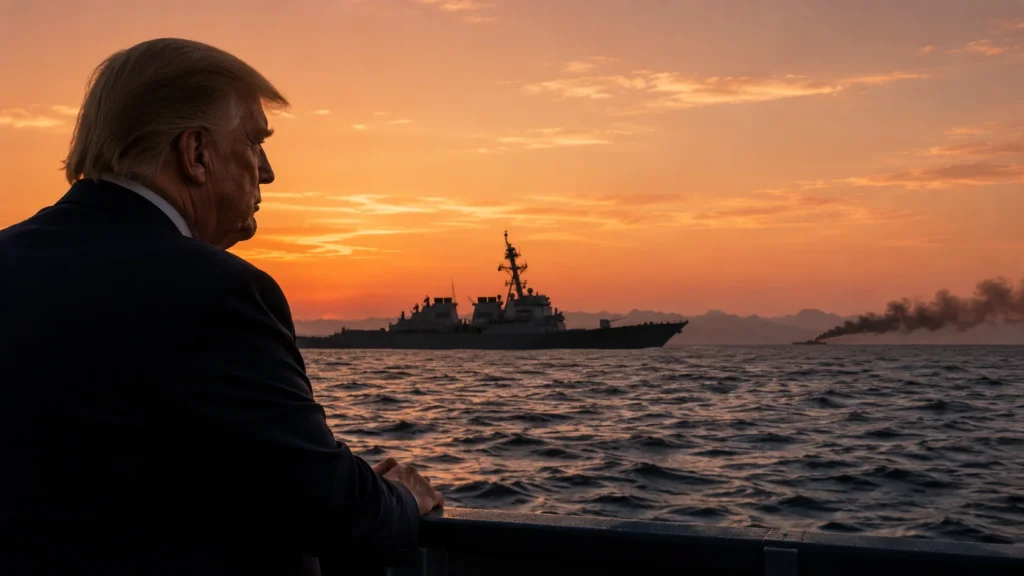
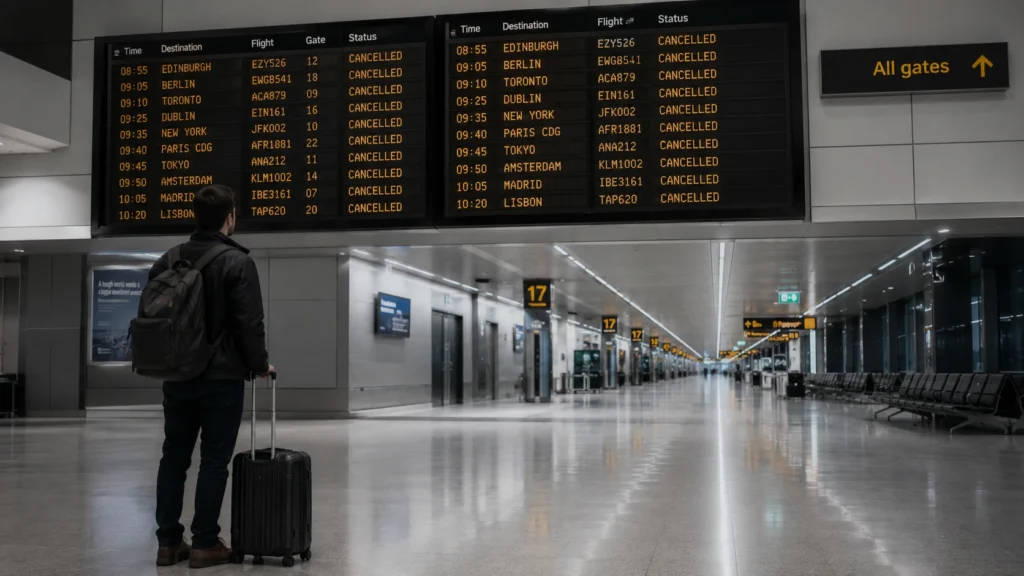
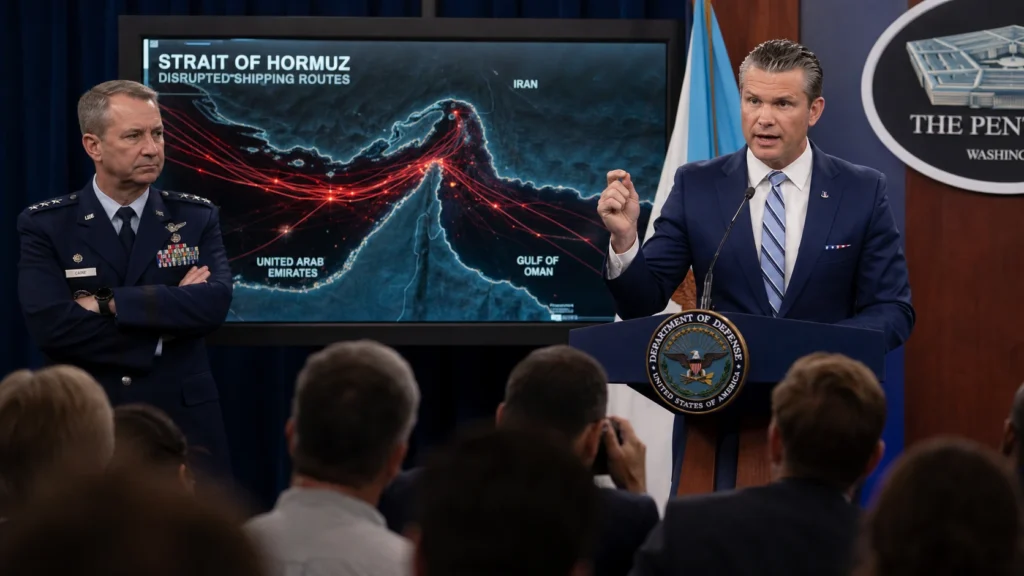
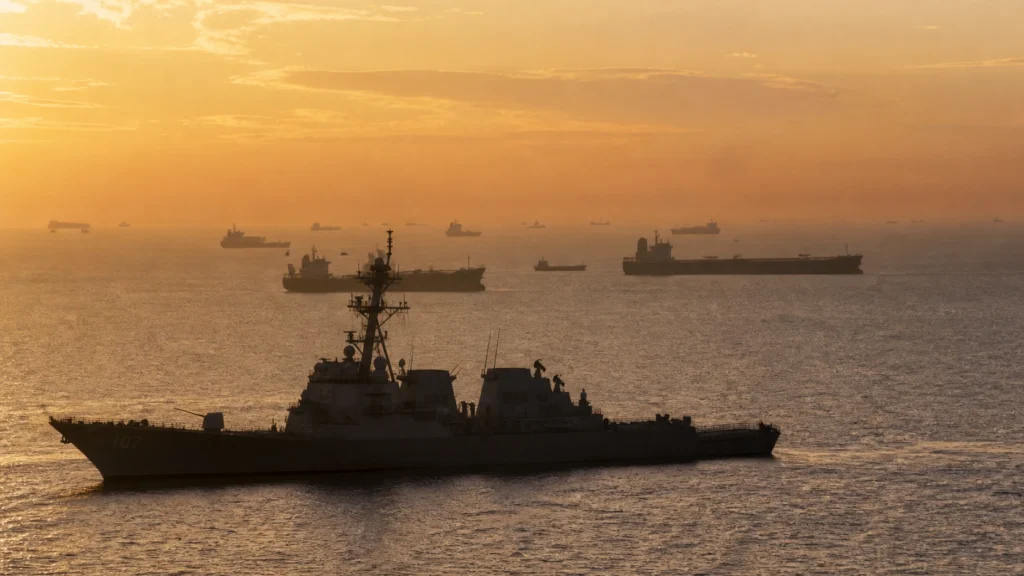
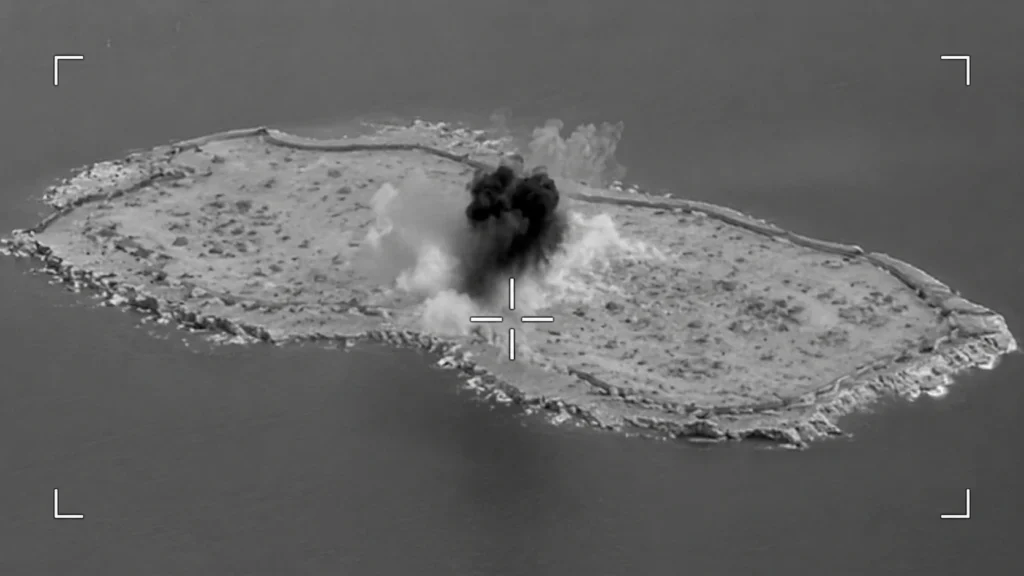
The US and Iran exchanged fresh strikes across the Gulf this week, further testing the ceasefire that has been in place since early April. American forces shot down four Iranian drones approaching the Strait of Hormuz, then struck coastal radar sites in southern Iran. Iran retaliated by firing seven ballistic missiles at US air bases in Kuwait and US Navy facilities in Bahrain. Centcom confirmed six missiles were intercepted, and one fell short. One person died, and more than 60 were injured when Iranian drones struck Kuwait’s international airport on Wednesday. Iran’s Islamic Revolution Guard Corps denied responsibility, blaming a US interceptor error. Centcom called the strike “deliberate, calculated, and unjustified.” The exchanges continued a pattern of calibrated violence that has defined the conflict since the US and Israel launched wide-ranging strikes on Iran on February 28.
What the Ceasefire Actually Does
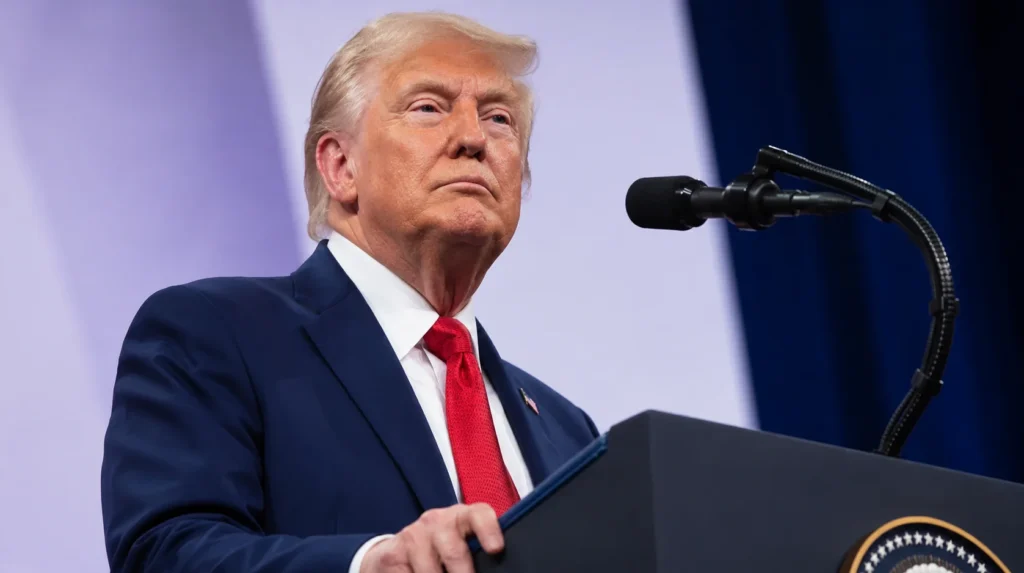
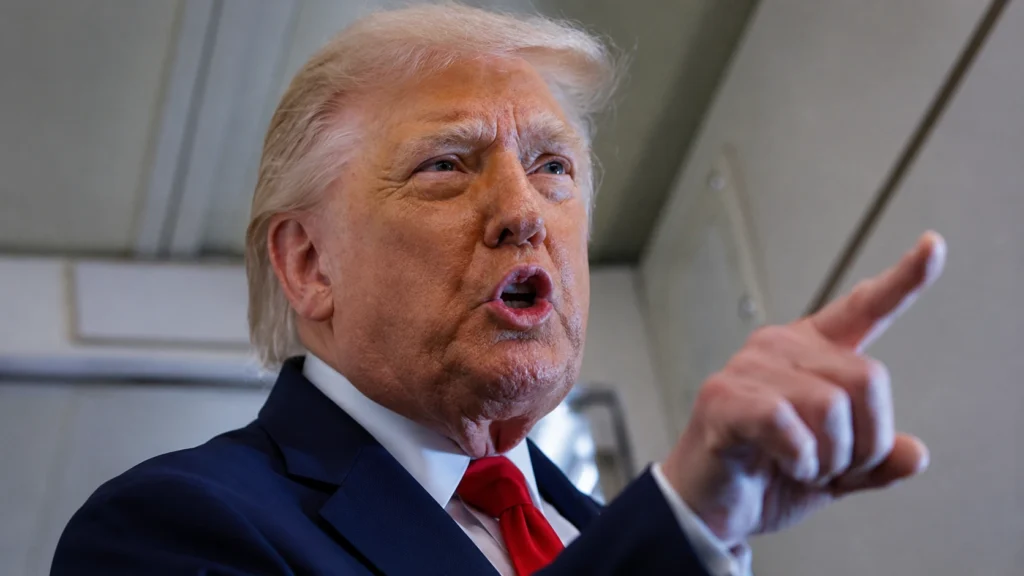
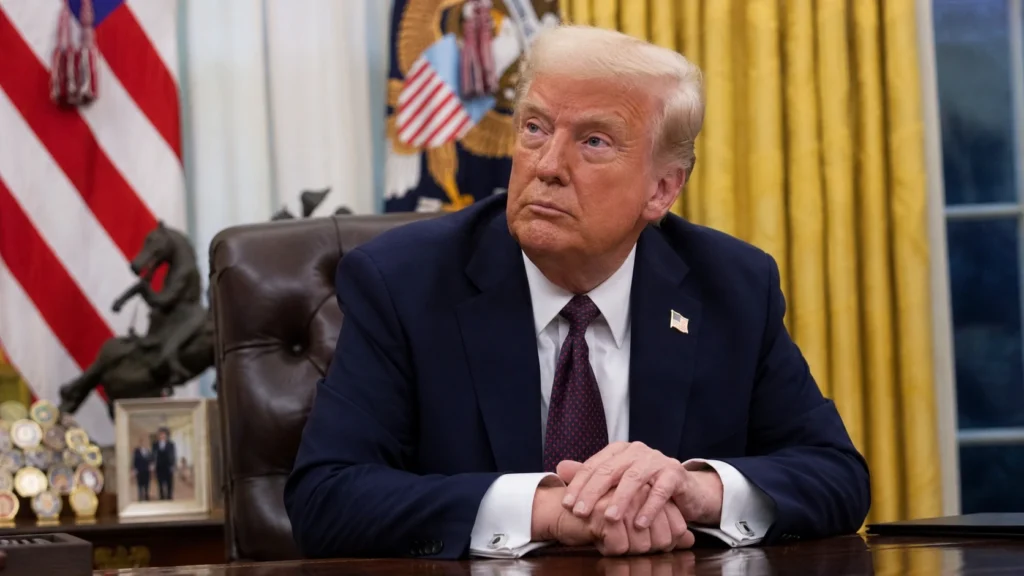
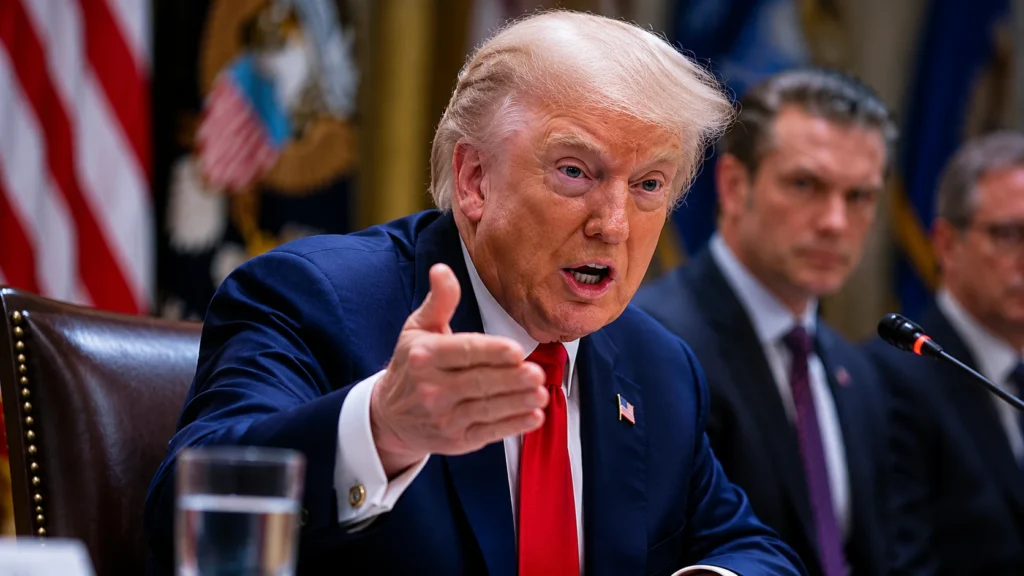
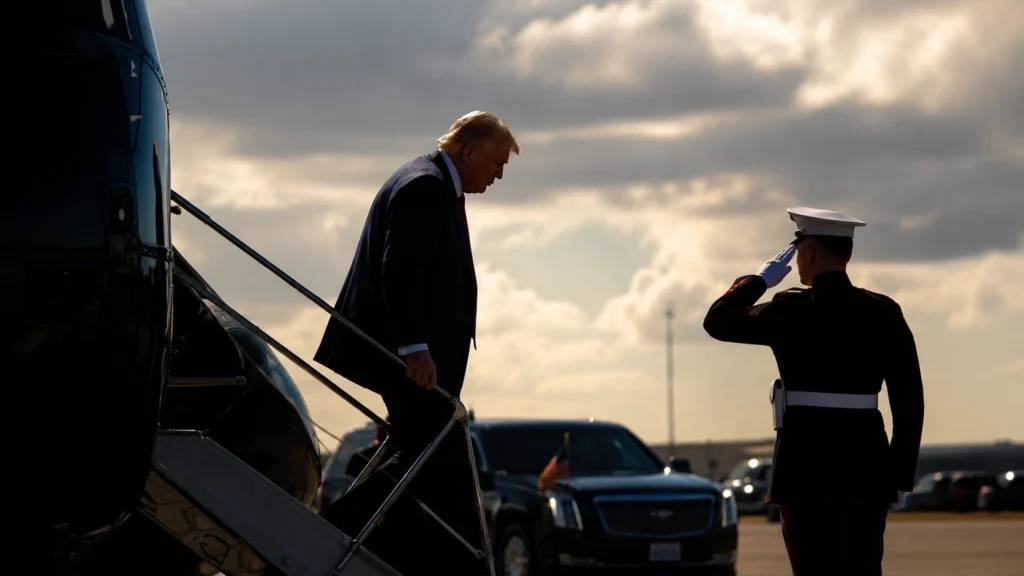
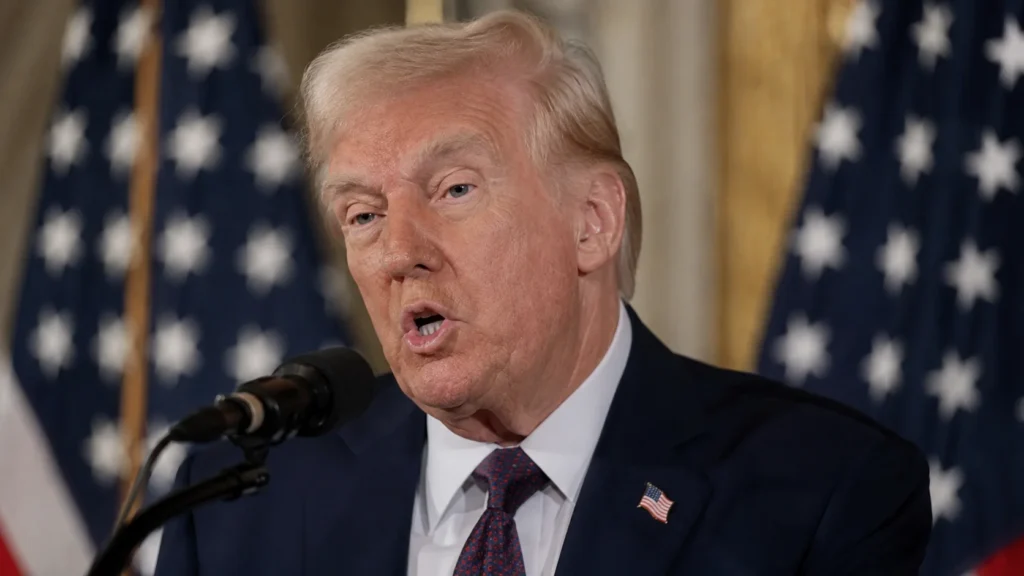
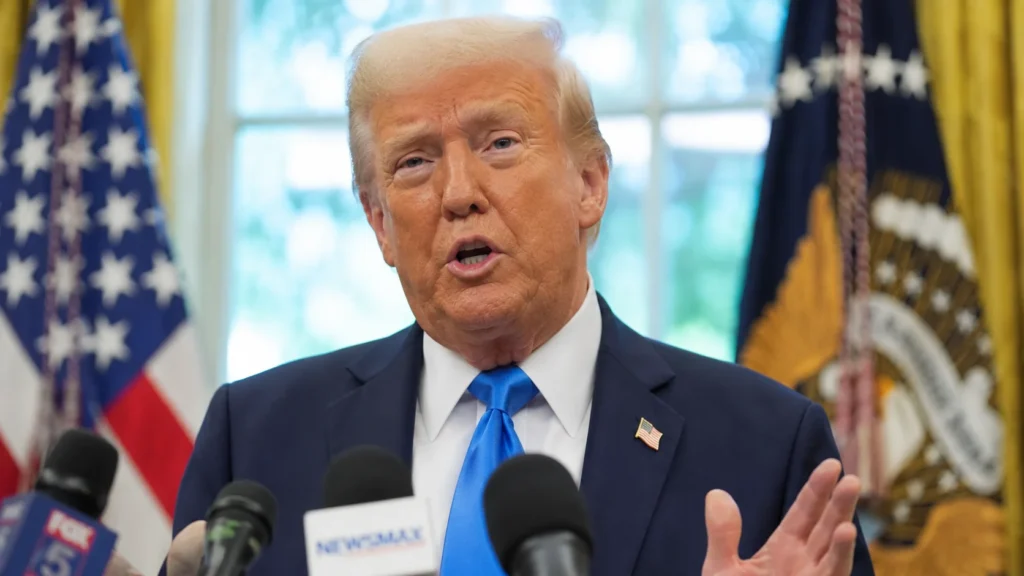
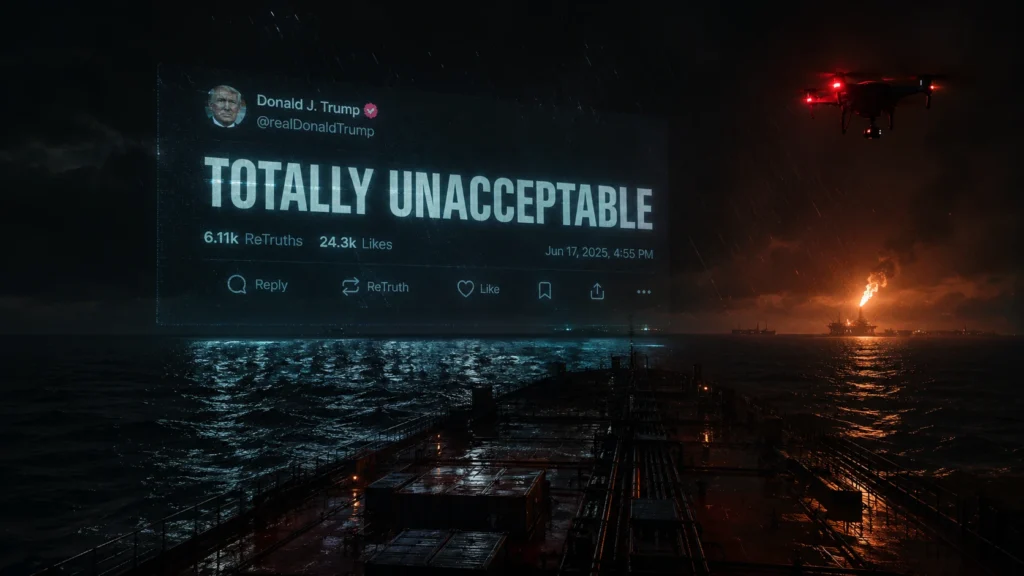
The agreement reached in early April paused major combat operations. It did not end them. The US blockade of Iranian ports remains in place. Trump said it would stay “in full force and effect until an agreement is reached, certified, and signed.” Iran continues periodic drone launches, ballistic missile salvos, and proxy operations.
The result is an equilibrium of controlled escalation. Neither side sustains full-scale operations. Neither side stops fighting. The ceasefire functions as an operational interval—time to reposition, resupply, and recalibrate before the next exchange.
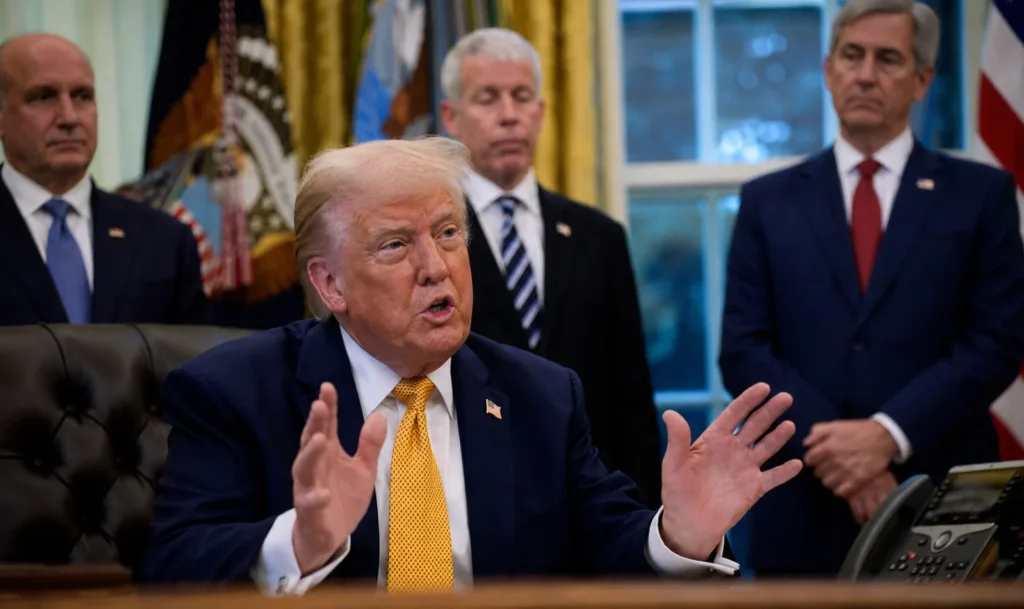
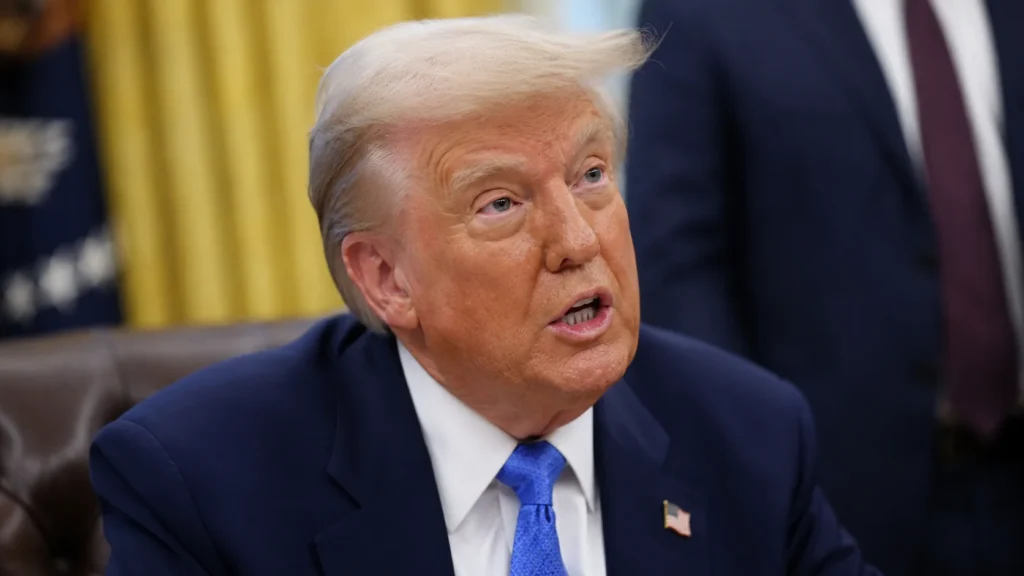
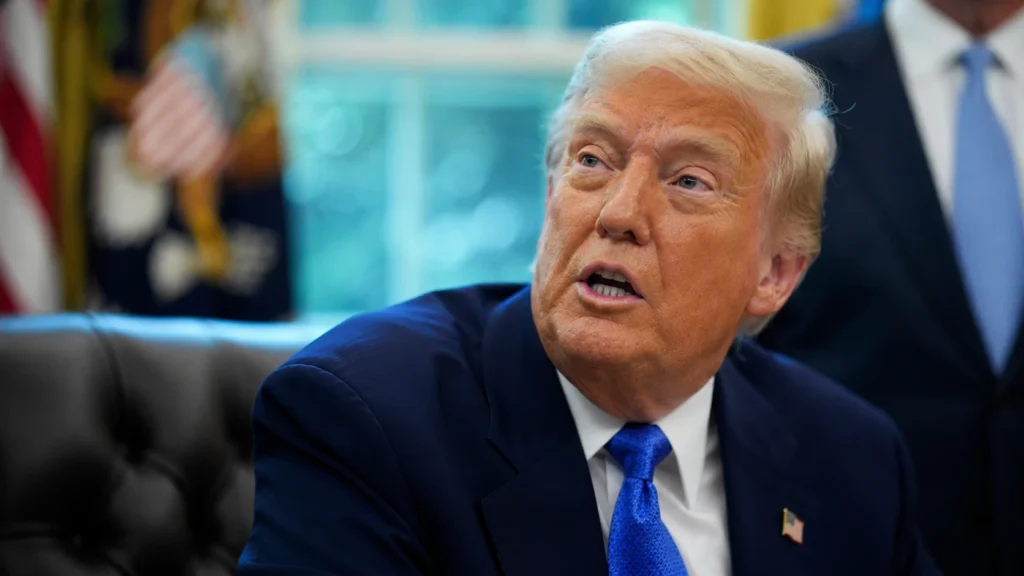
Iran’s foreign ministry stated Monday that the US was “constantly changing its views and putting forward new or contradictory demands.” US media reported Trump had requested changes to the terms of a potential agreement. The diplomatic track continues. The military track continues. They operate simultaneously without converging.
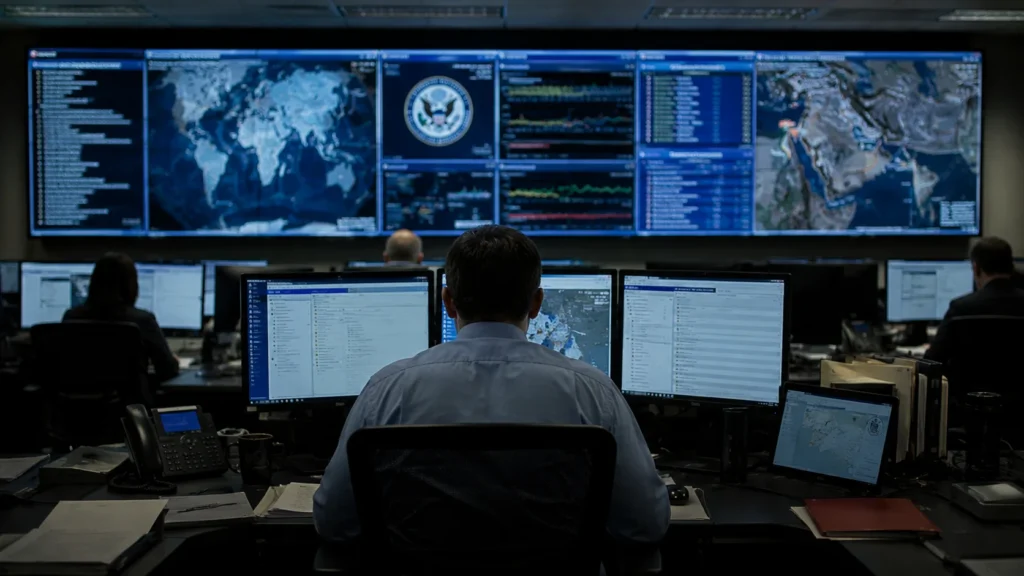
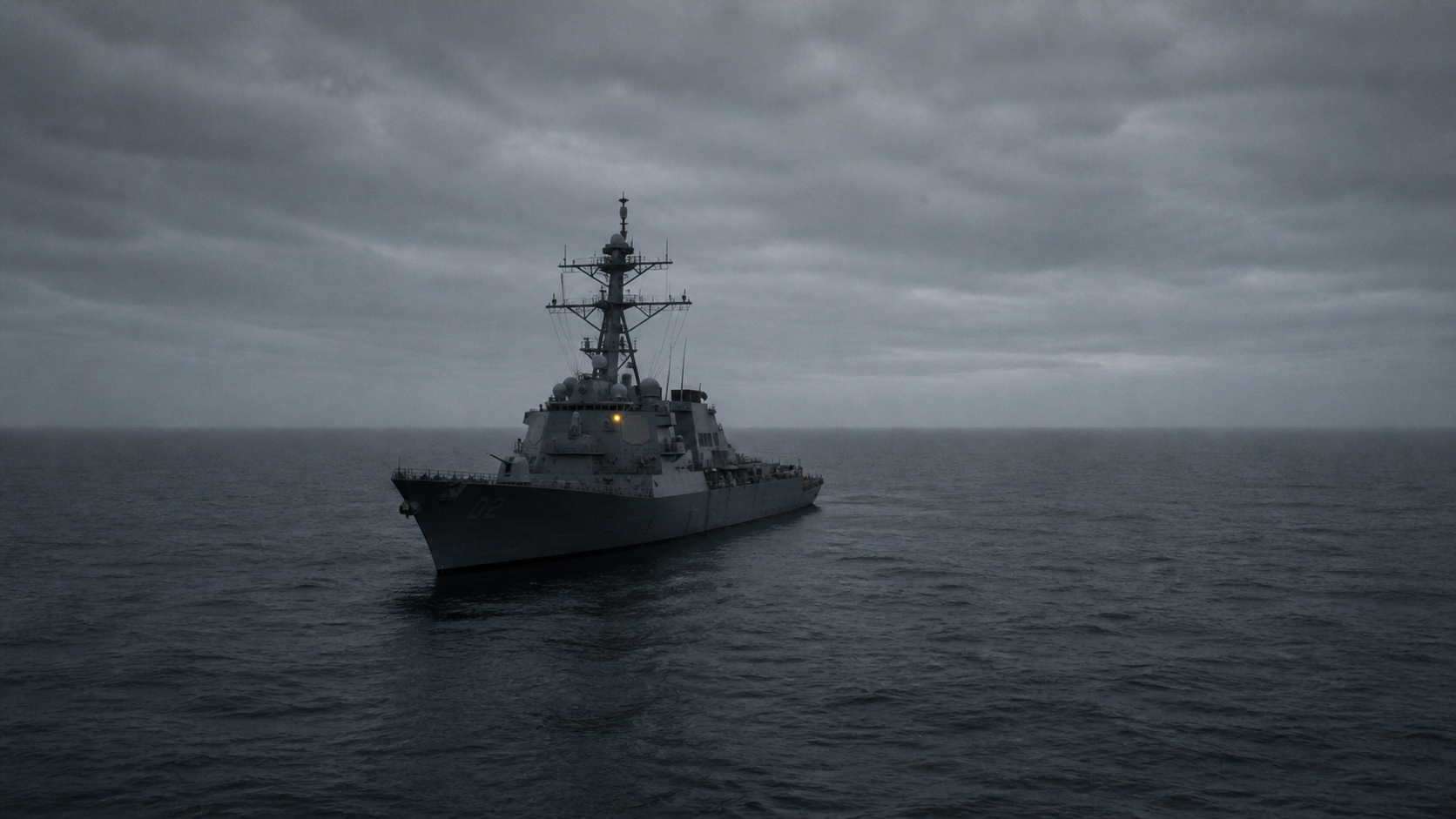
The US Central Command official statements on Gulf operations now detail drone intercepts and radar strikes with bureaucratic regularity. The language of threat assessment has become administrative.
Timeline: From Ceasefire to Airport Strike
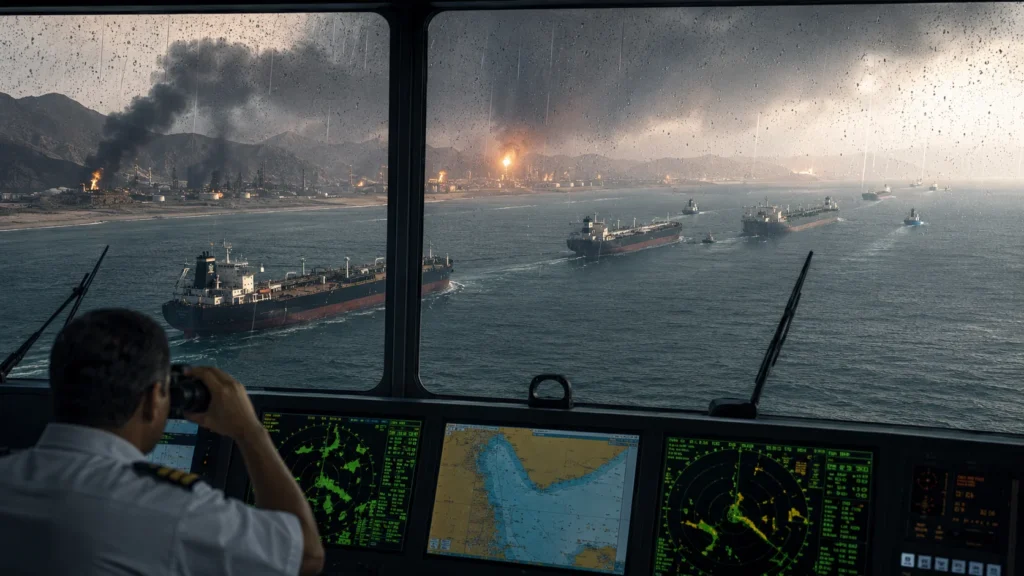
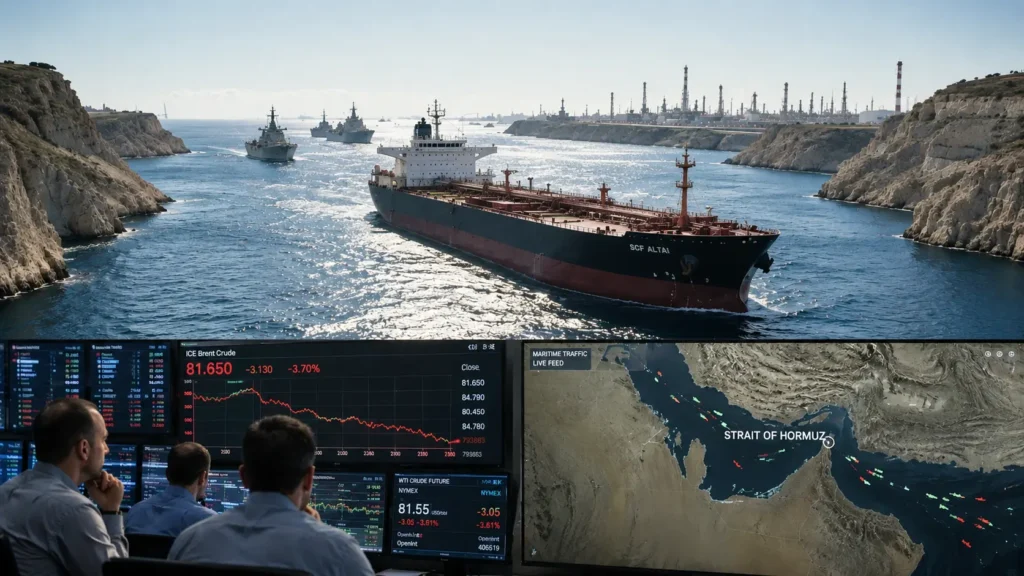
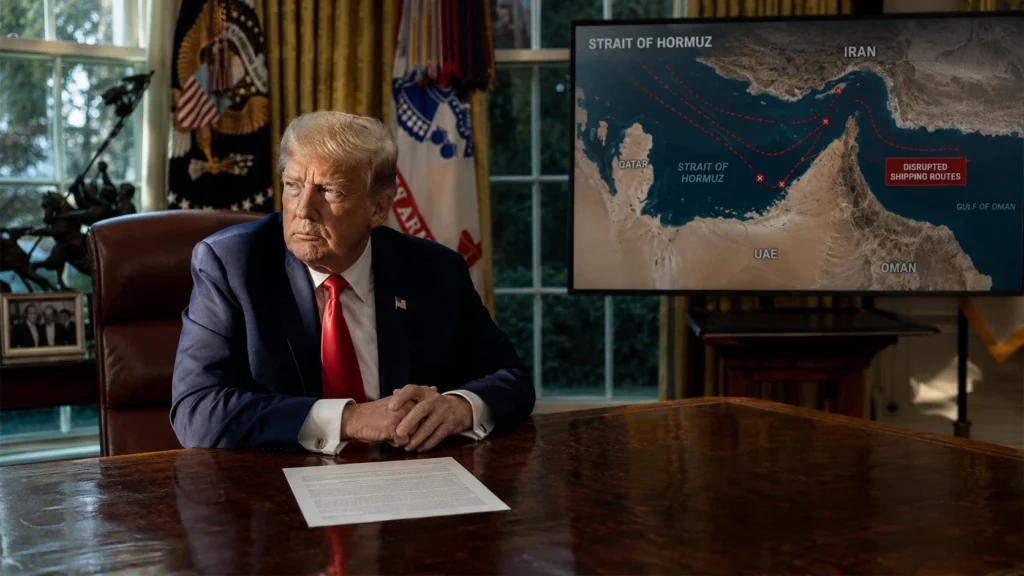
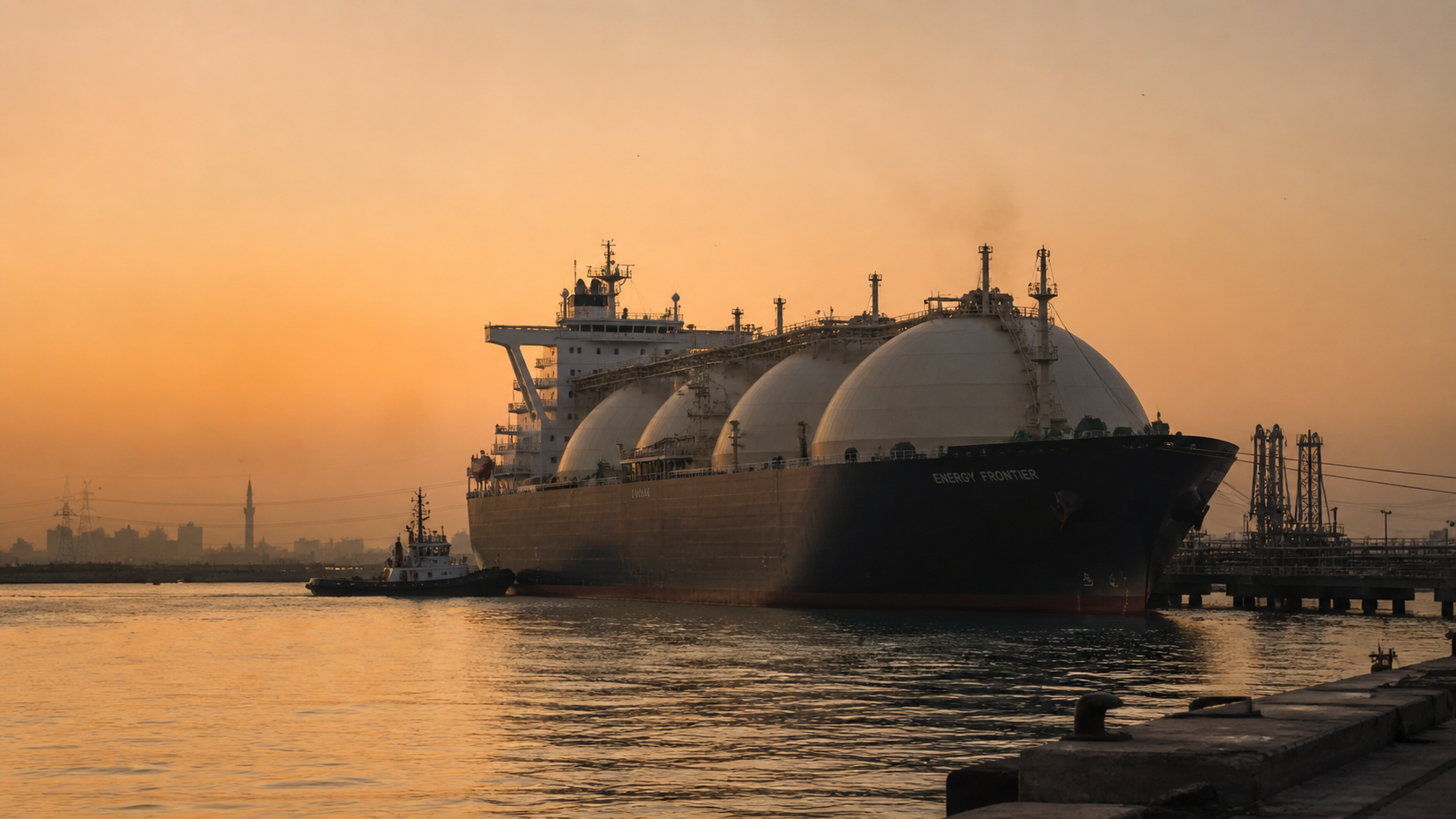
February 28, 2026: The US and Israel launch wide-ranging strikes on Iran. Conflict spreads across the Middle East. Iran attacks Israel and US-allied states in the Gulf and effectively closes the Strait of Hormuz, through which roughly 20% of global oil and LNG transits.
Early April 2026: A ceasefire is agreed. The US establishes a blockade of Iranian ports. Trump states it will remain until a full agreement is “reached, certified, and signed.”
Monday, June 2: Iran’s foreign ministry spokesman accuses the US of “constantly changing its views and putting forward new or contradictory demands” in negotiations.
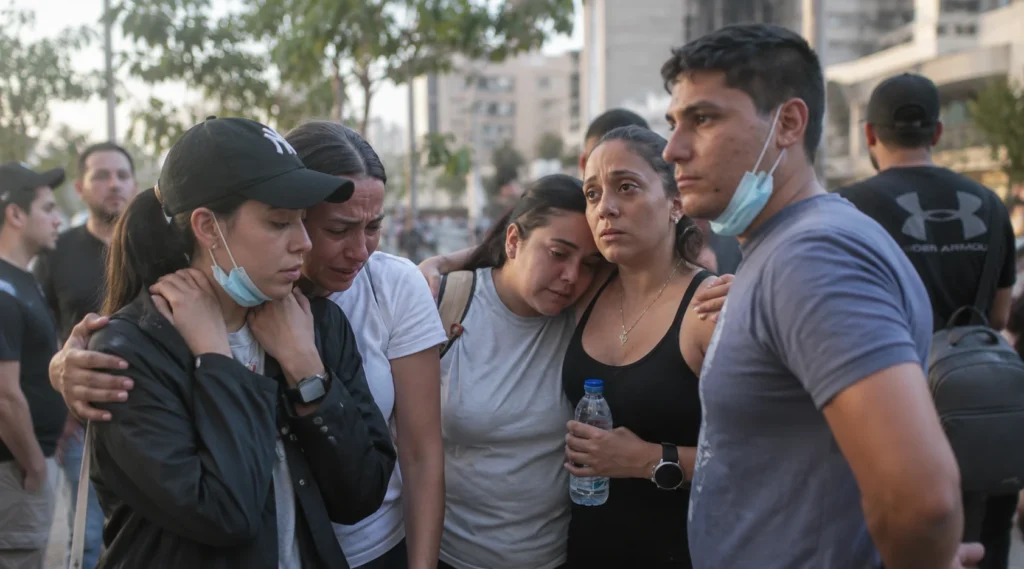
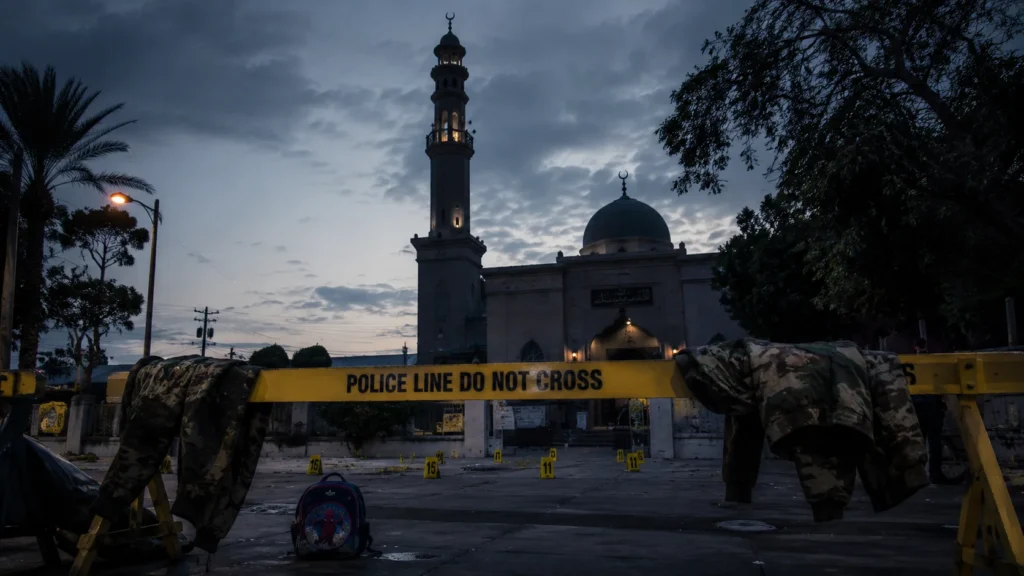
Wednesday, June 4: Iranian drones strike Kuwait’s international airport. One person is killed. More than 60 are injured. The IRGC denies responsibility, claiming damage resulted from a US missile interceptor error. Centcom calls the strike “deliberate, calculated, and unjustified.”
Thursday, June 5: US forces shoot down four Iranian “one-way attack drones” launched toward the Strait of Hormuz. US forces subsequently strike Iranian coastal surveillance radar sites in southern Iran. Iran fires seven ballistic missiles at US air bases in Kuwait and US Navy facilities in Bahrain. Six are intercepted. One does not reach one’s target.
As our analysis of the Iran conflict escalation patterns since February documented, the tempo of exchanges has settled into a predictable rhythm—one that no longer triggers emergency diplomatic interventions but steadily erodes the ceasefire’s credibility.
FAQ
Is the US-Iran ceasefire still in effect?
Technically yes. The April 2026 ceasefire remains the official framework. In practice, both sides continue periodic strikes. The US blockade of Iranian ports persists. Iran conducts drone and missile operations. The ceasefire functions more as a ceiling on large-scale operations than as a cessation of hostilities.
What happened at Kuwait’s airport?
Iranian drones struck Kuwait International Airport on Wednesday, June 4. One person died. More than 60 were injured. Iran’s IRGC denied responsibility, claiming the damage resulted from a US missile interceptor error. US Central Command called the strike “deliberate, calculated, and unjustified.”
Why is the Strait of Hormuz important?
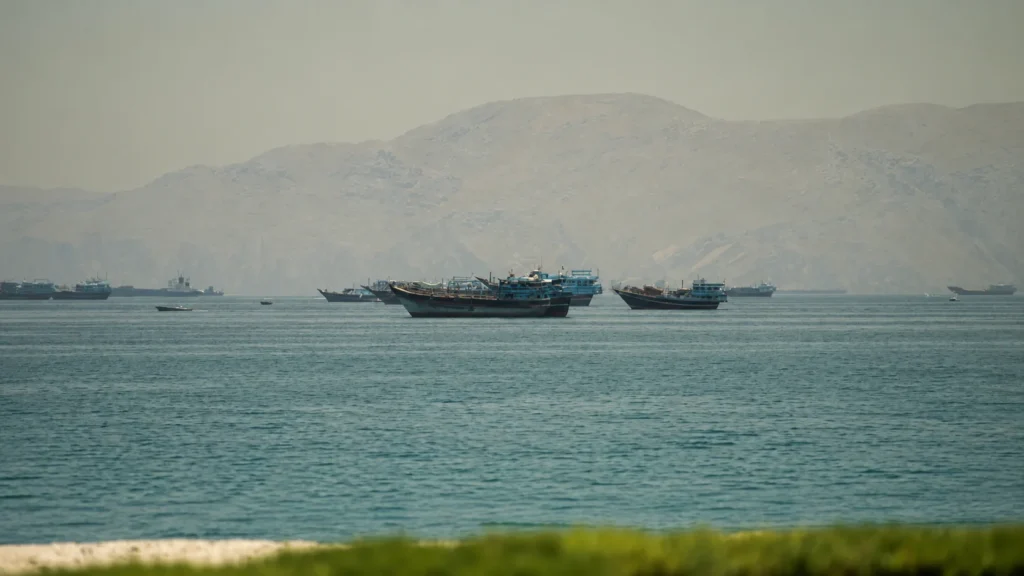
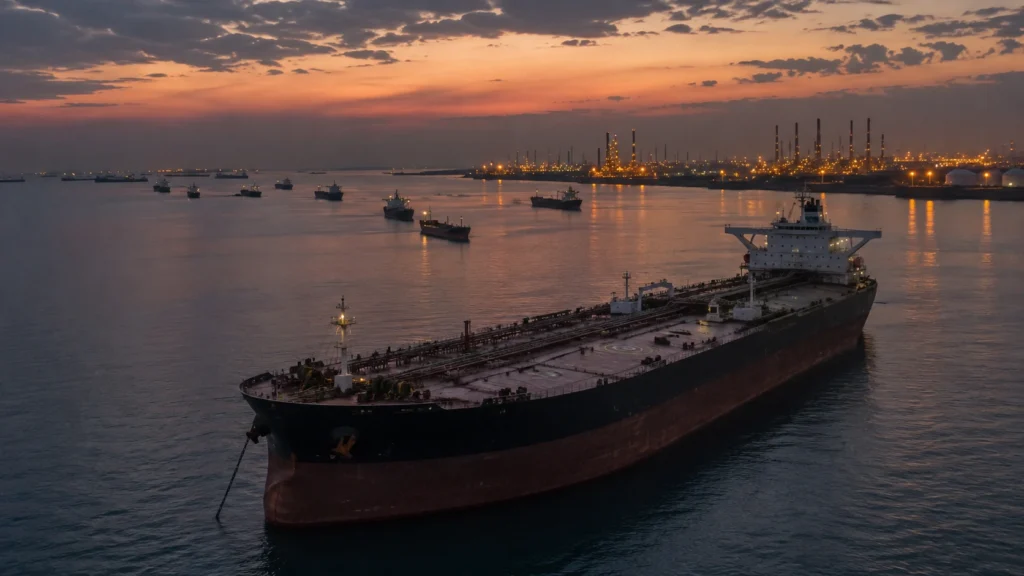
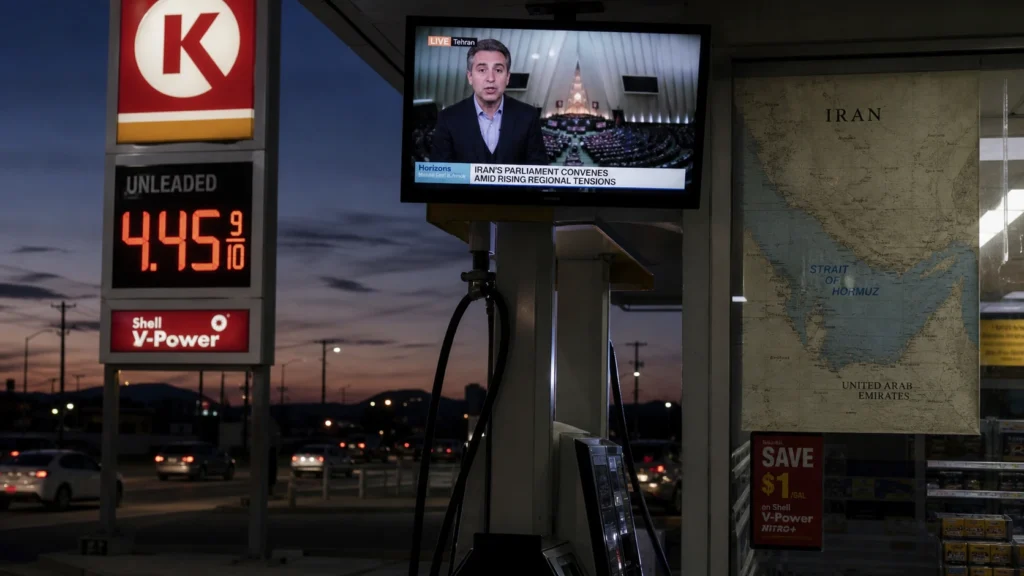
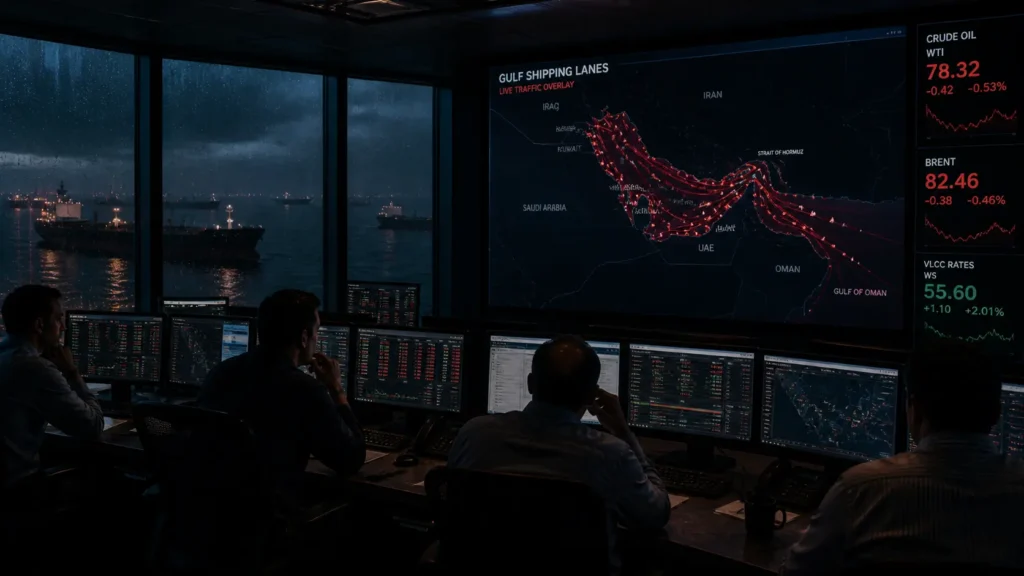
The Strait of Hormuz carries roughly 20% of global oil and liquefied natural gas supplies. Oil from Iran, Iraq, Kuwait, Qatar, Saudi Arabia, and the UAE transits the waterway. Iran effectively closed the Strait following the February 28 strikes. Some traffic continues under escort at elevated insurance rates, but normal commercial shipping has not resumed.
How many missiles did Iran fire at US bases?
Iran fired seven ballistic missiles at two US air bases in Kuwait and US Navy facilities in Bahrain. Centcom confirmed six were intercepted. One fell short of its target. No American casualties were reported.
What is the US blockade of Iranian ports?
President Trump established the blockade after the April ceasefire. It prevents normal commercial shipping from accessing Iranian ports. Trump said it would remain “in full force and effect until an agreement is reached, certified, and signed.” The blockade functions as an economic siege mechanism alongside military operations.
Are ceasefire negotiations still ongoing?
Yes. Both sides maintain diplomatic channels. Iran’s foreign ministry has accused the US of shifting demands. Trump has reportedly requested changes to the agreement terms. The negotiations continue against a backdrop of active hostilities, with diplomats and military commanders operating on parallel tracks.
What to Watch Over Six Months
Three indicators will determine whether the current equilibrium holds or collapses.
First, the diplomatic track’s durability. If either side concludes negotiations serve only to provide cover for continued military operations, the ceasefire framework will collapse formally, not just operationally. Iran’s accusations of shifting US demands suggest patience is thinning. Trump’s reported request for changes suggests Washington hasn’t found terms it considers acceptable.
Second, civilian infrastructure targeting. The Kuwait airport strike represents an escalation in target selection. If commercial aviation becomes a regular battleground, Gulf states hosting US bases will face increased domestic pressure to distance themselves from American operations. As our reporting on Gulf state calculations amid US-Iran hostilities has tracked, Kuwait and Bahrain walk a narrow line between alliance obligations and vulnerability to retaliation.
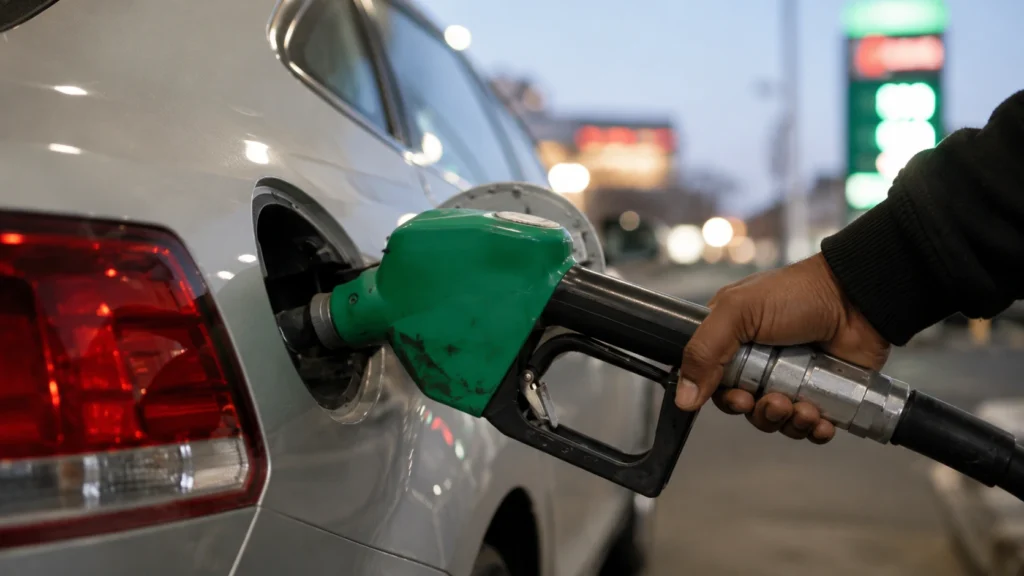
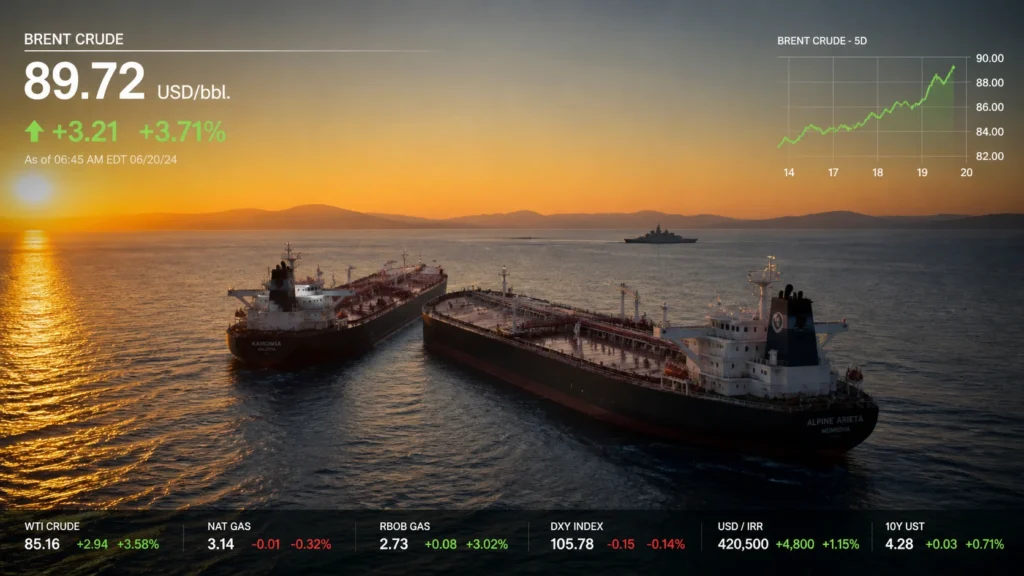
Third, the Strait of Hormuz status. Some traffic moves under escort. Insurance rates remain elevated. Global markets have absorbed the disruption through strategic reserves and alternative supply chains. The question is whether “absorbed” becomes “normalized.” The longer the strait operates below capacity, the more permanent the alternative infrastructure becomes. The International Energy Agency oil market reports and strait transit data provide monthly snapshots of how much traffic is returning—or not.
Written by the Security & Geopolitics Desk, which has covered US-Iran relations, Gulf security dynamics, and the Strait of Hormuz crisis since the conflict began in February 2026.