

 English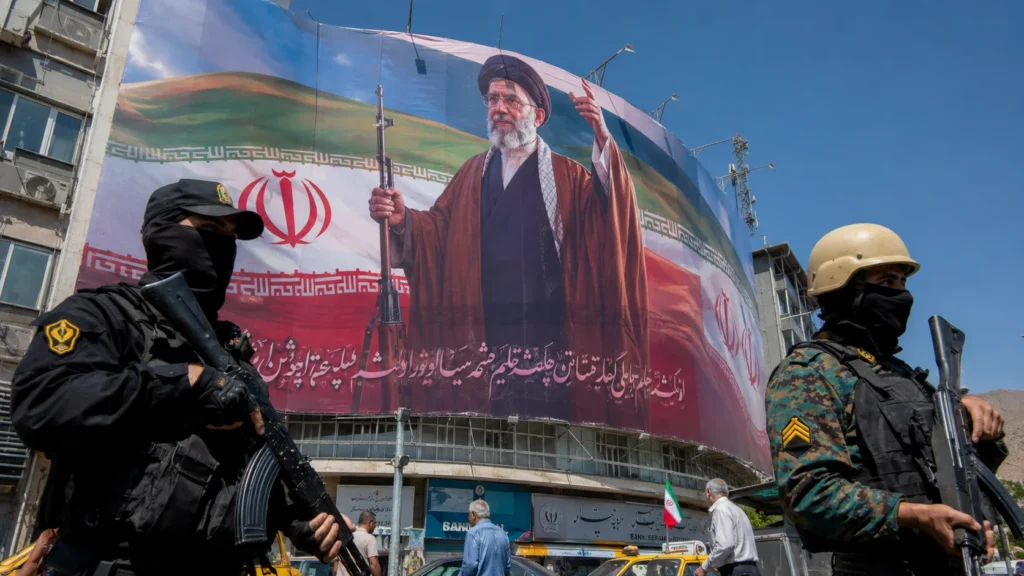





































































































































































































Israel Beirut Strike: Ceasefire Broken as Dahieh Hit Again
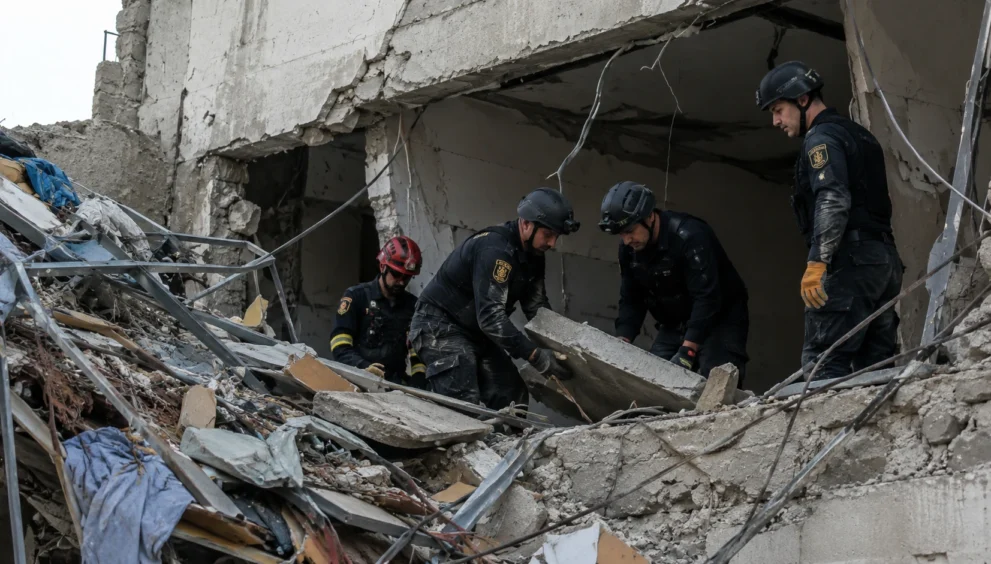
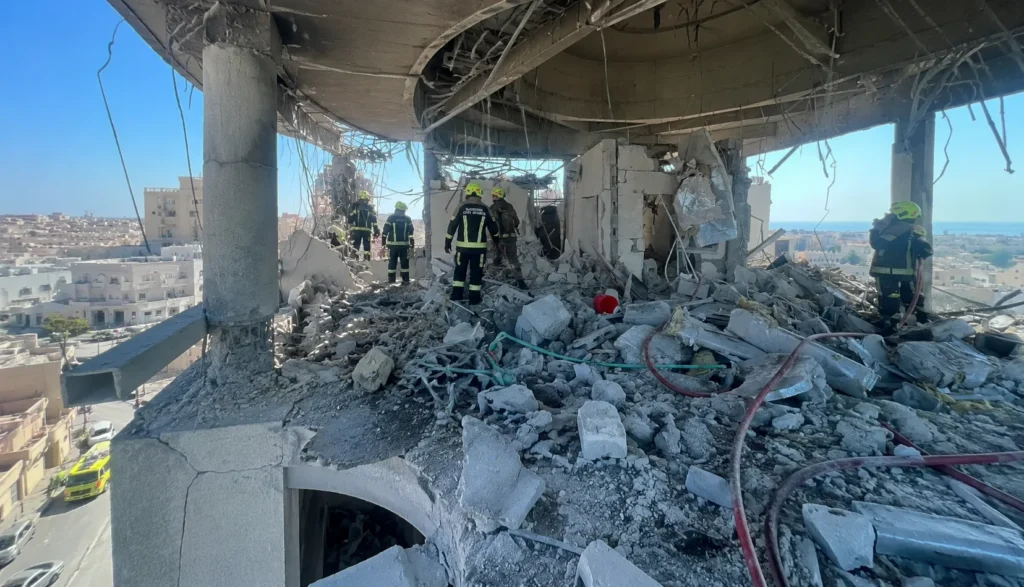
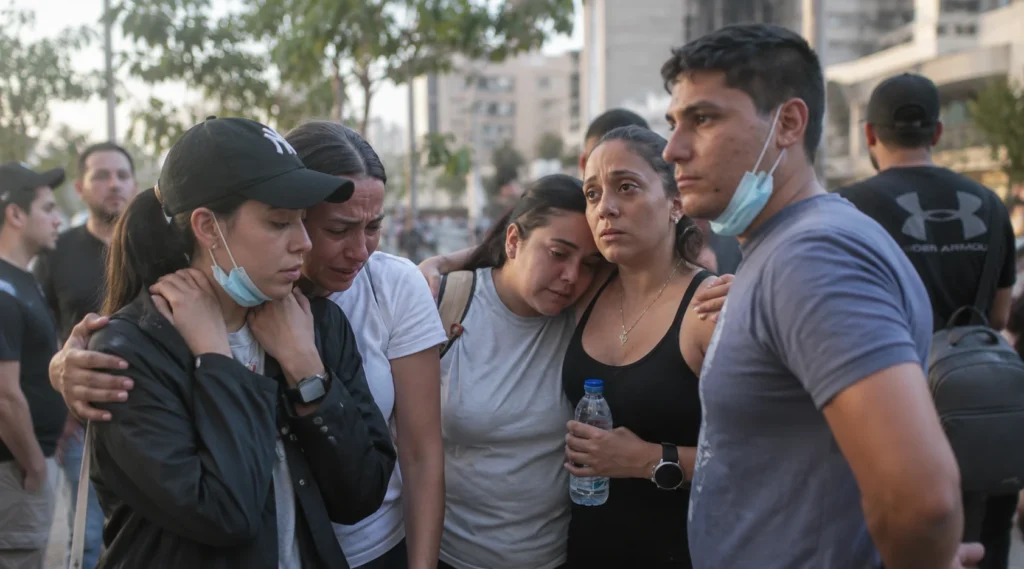
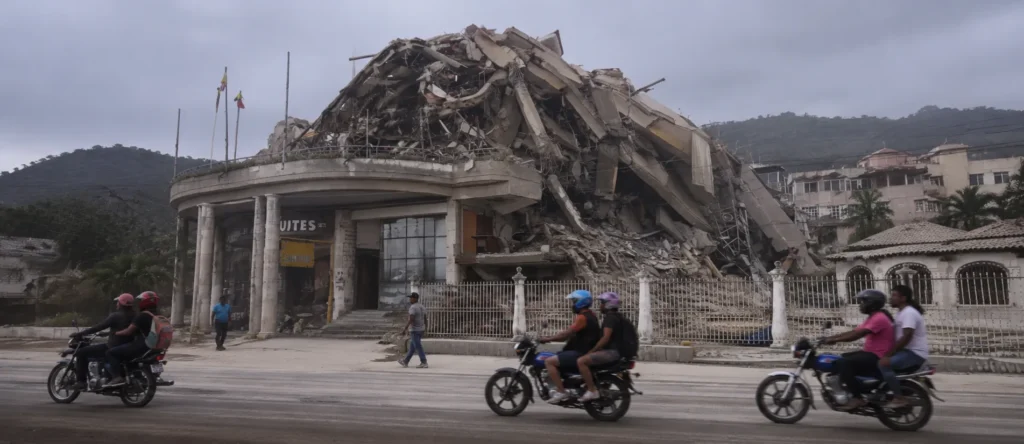
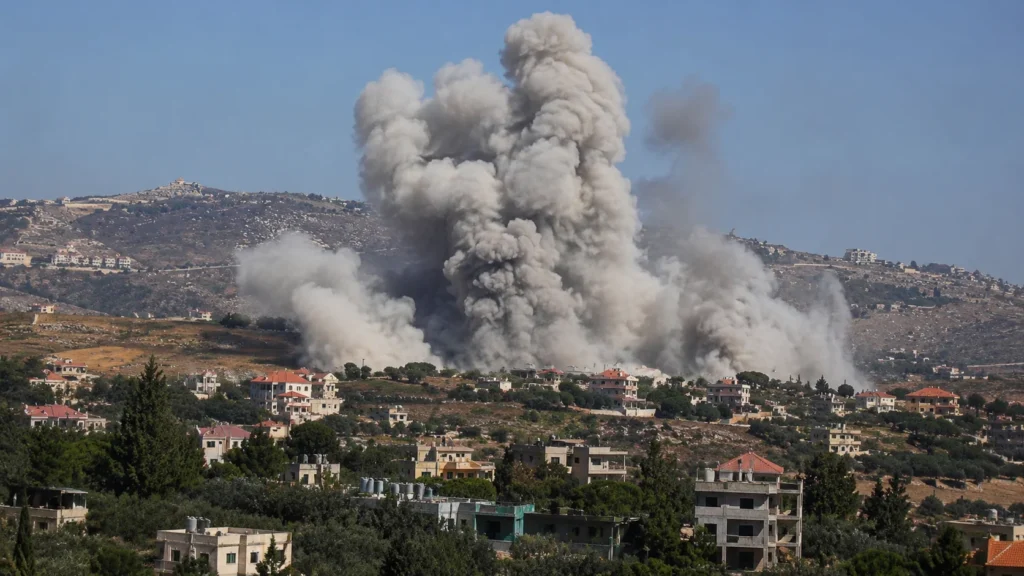
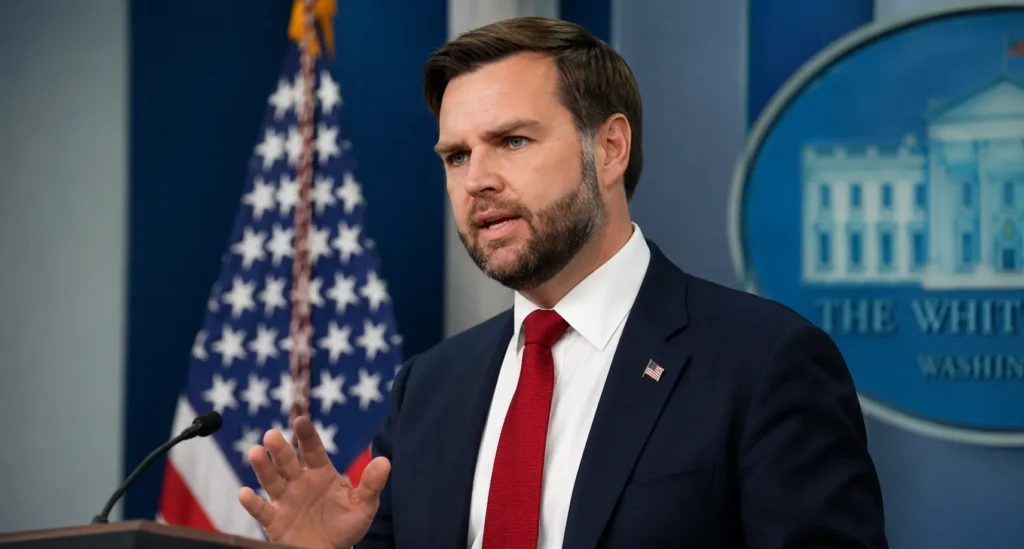
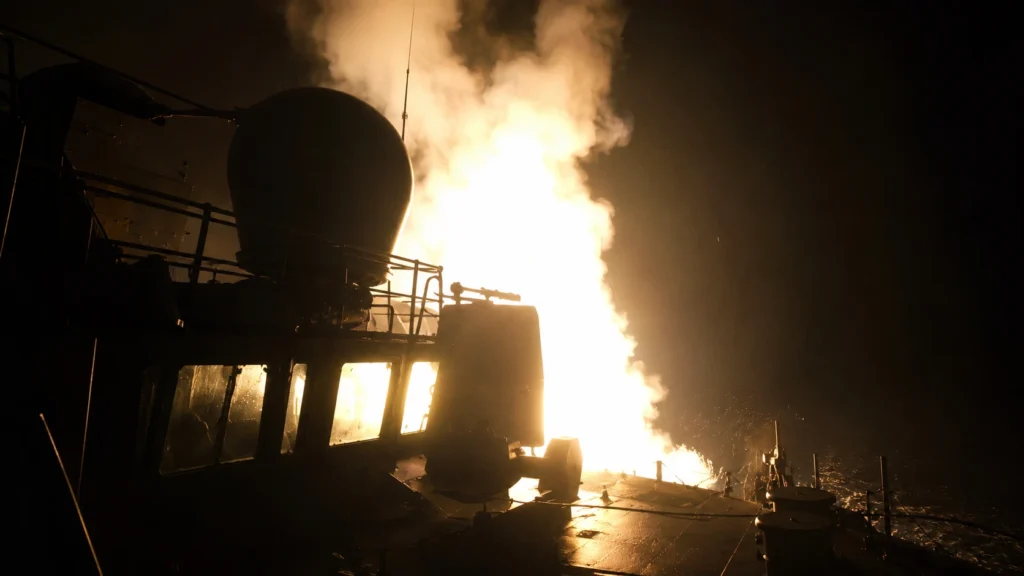
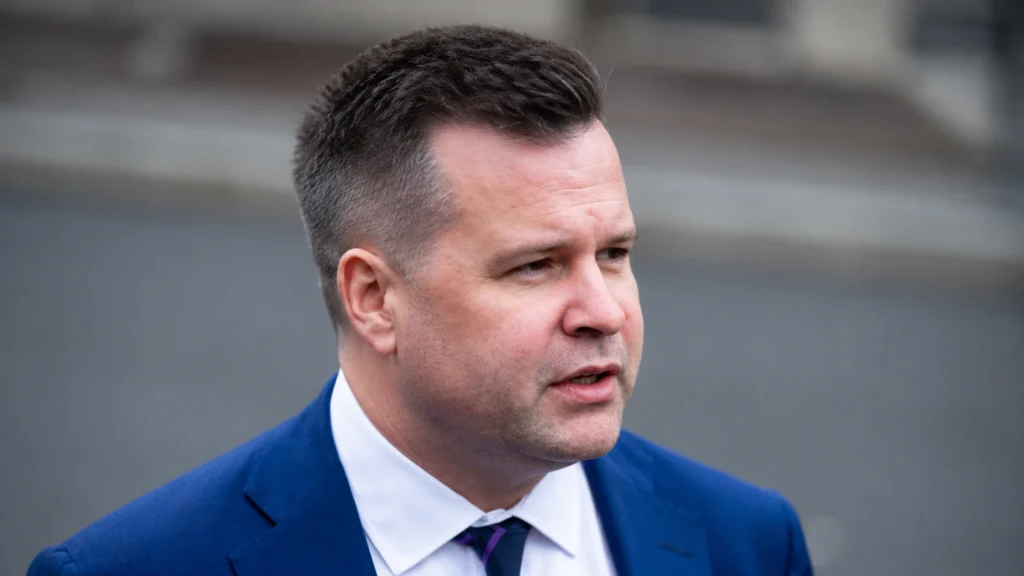
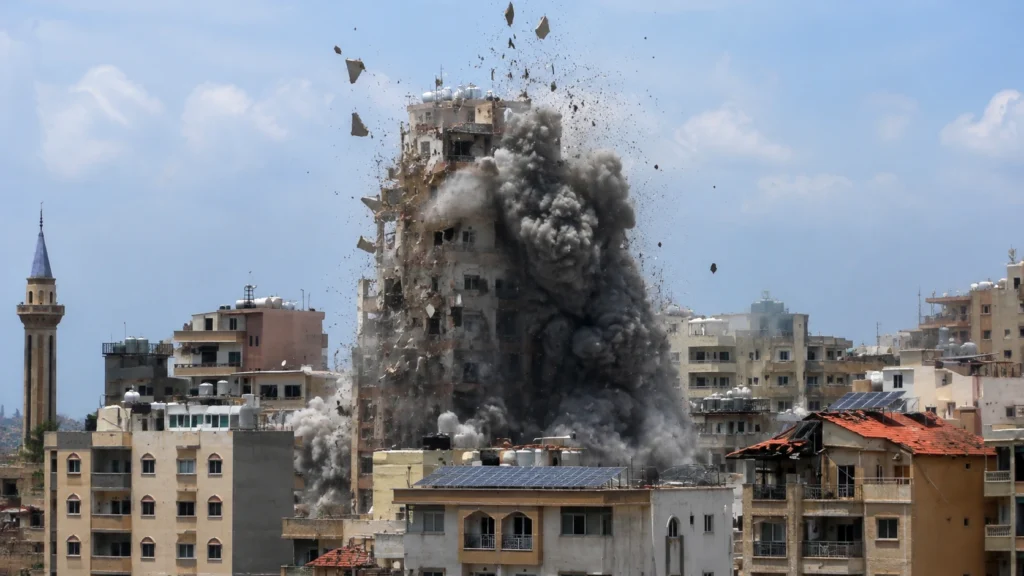
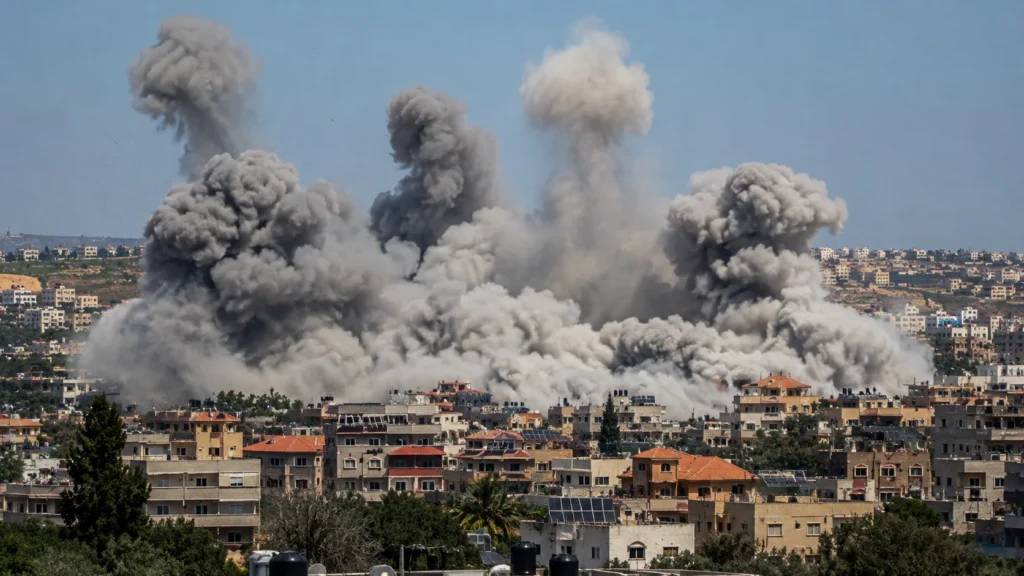
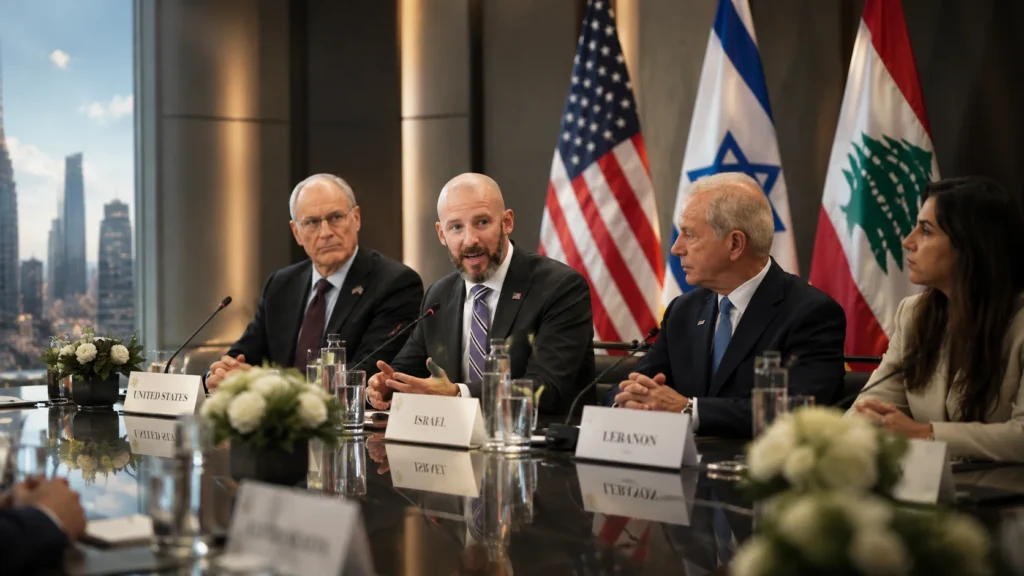
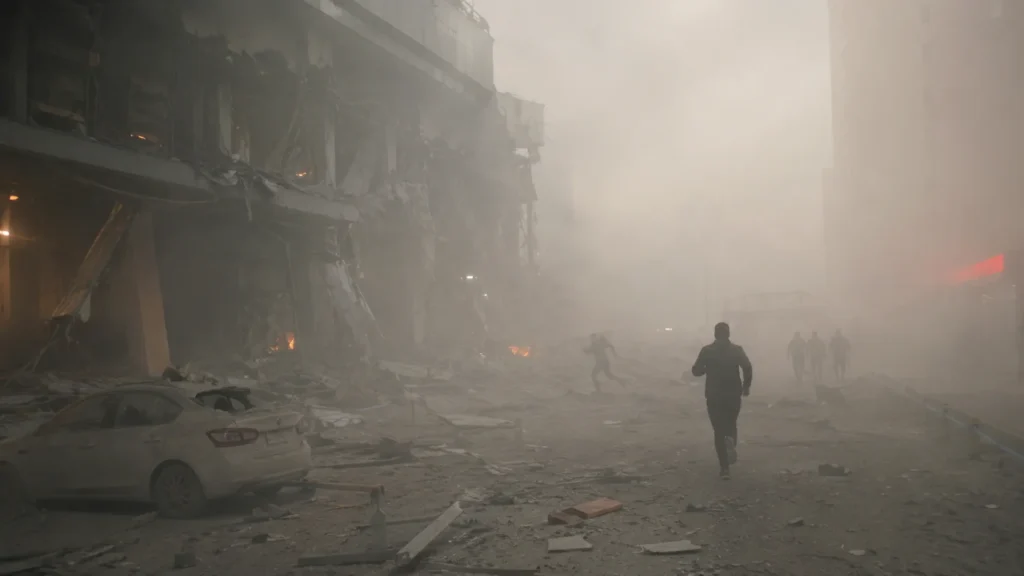
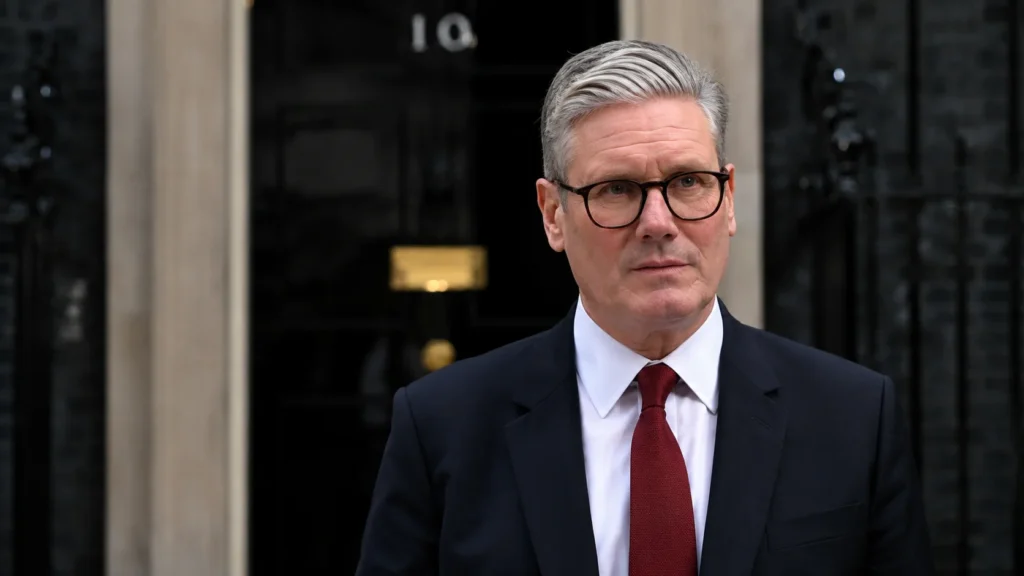
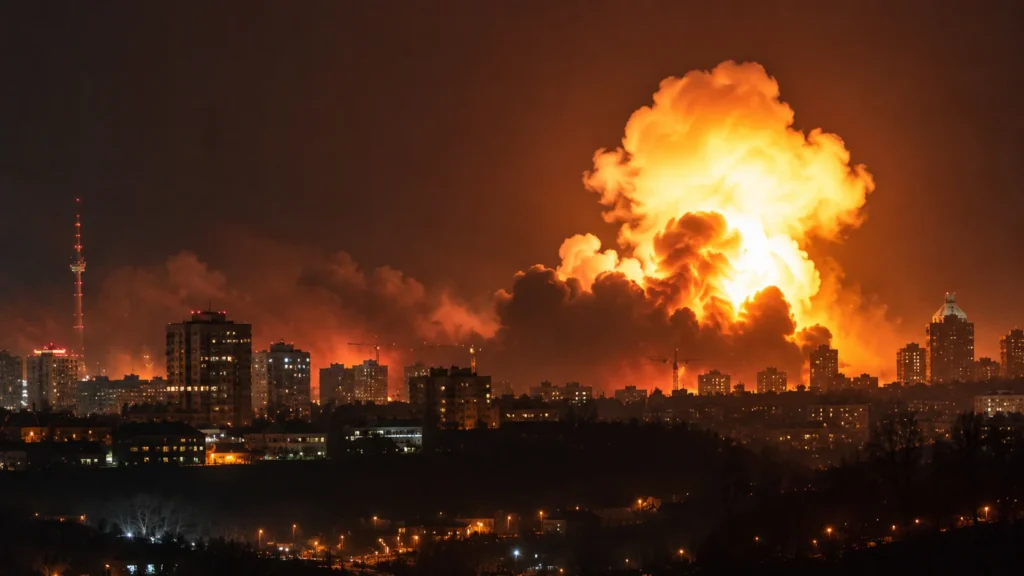
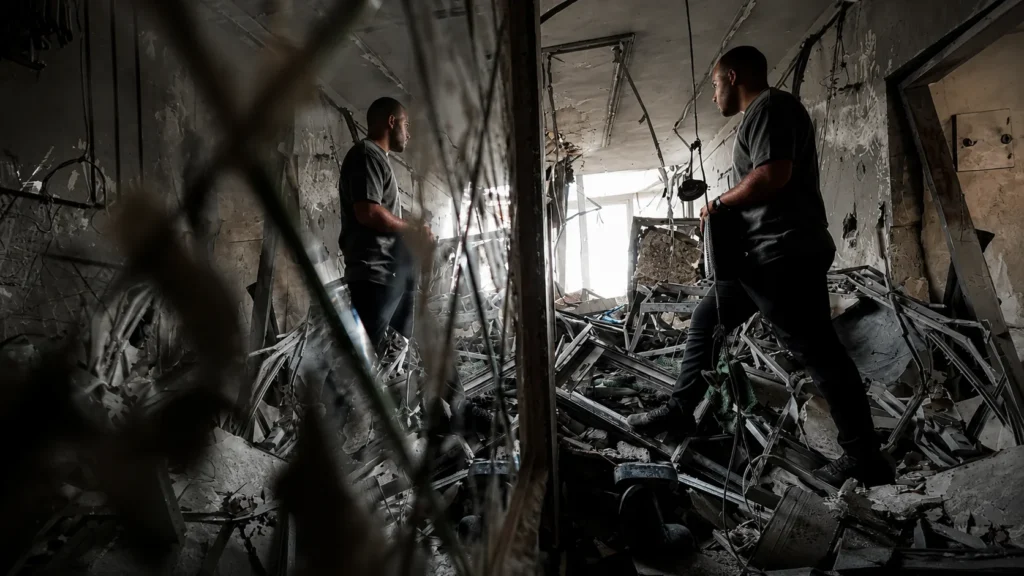
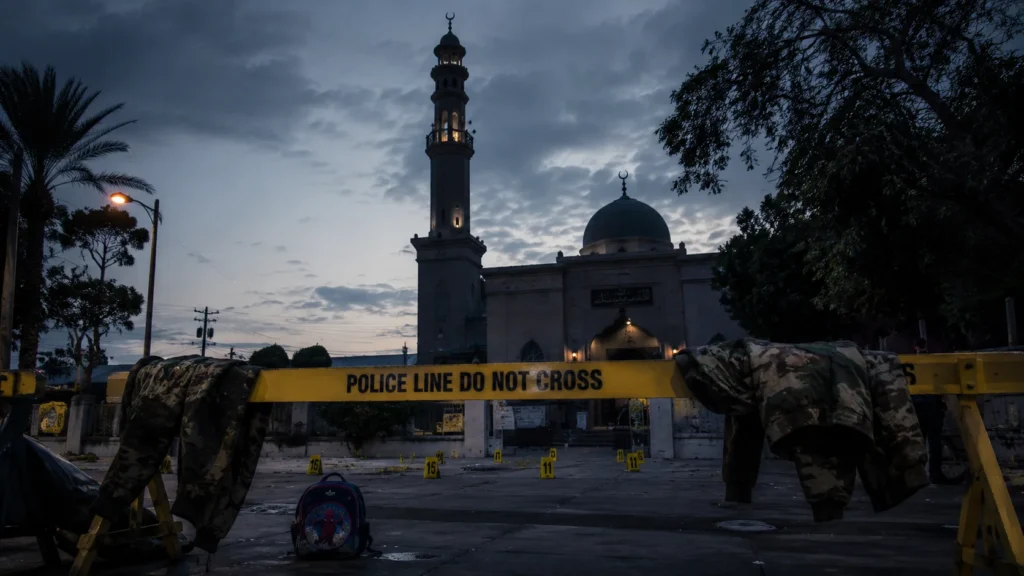
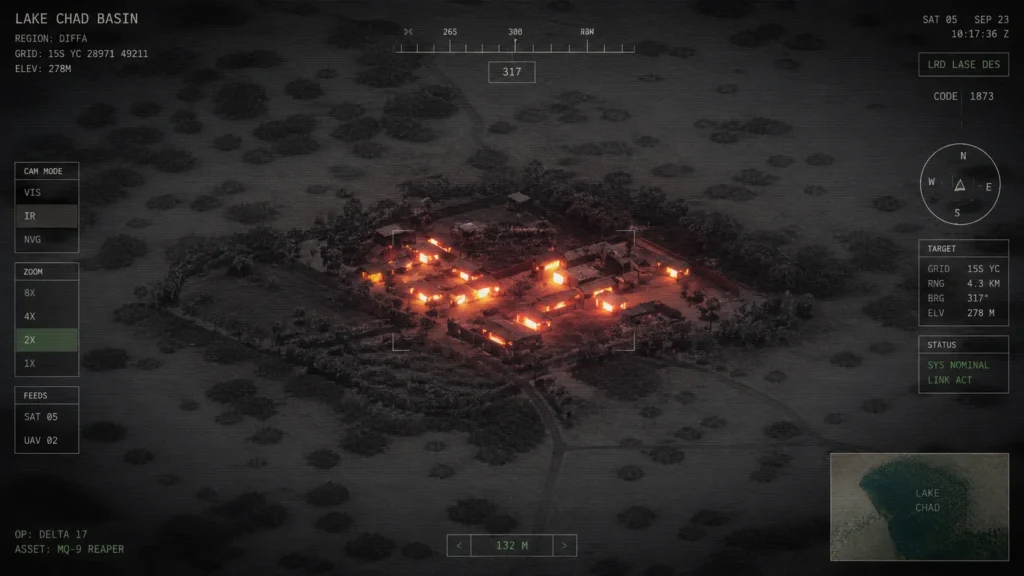
Israel struck two apartment buildings in Beirut’s Dahieh district on Sunday, one week after a US-brokered ceasefire between Israel and Hezbollah took effect on June 3. Lebanon’s state news agency reported two people killed and at least 17 wounded. Prime Minister Benjamin Netanyahu said the strike targeted “terrorist headquarters” in response to projectiles fired toward Israeli territory. Hezbollah did not claim the launches. The Israeli military’s Arabic spokesman posted on X that “Hezbollah terrorist infrastructure” was targeted and added: “To be continued.” The strike marks the third on the Lebanese capital since the truce went into force—the first two targeted Hezbollah commanders. Parliament Speaker Nabih Berri, a Hezbollah ally, had already rejected the US-brokered deal as “a trap.” Iran’s parliament promised “a decisive and painful response.” The ceasefire, violated repeatedly by both sides since its signing, now exists as a diplomatic document detached from operational reality.
The Question Everyone Is Asking
Can a ceasefire function when no party treats it as binding?
The Lebanon truce, announced June 3 after a frantic round of American diplomacy, was supposed to halt hostilities that began March 2—when Hezbollah launched rockets into Israel in retaliation for the strike that killed Iran’s supreme leader. Israel responded with an air campaign across Lebanon and a ground invasion in the south. The ceasefire has been “violated repeatedly by both sides,” the official language now acknowledges.
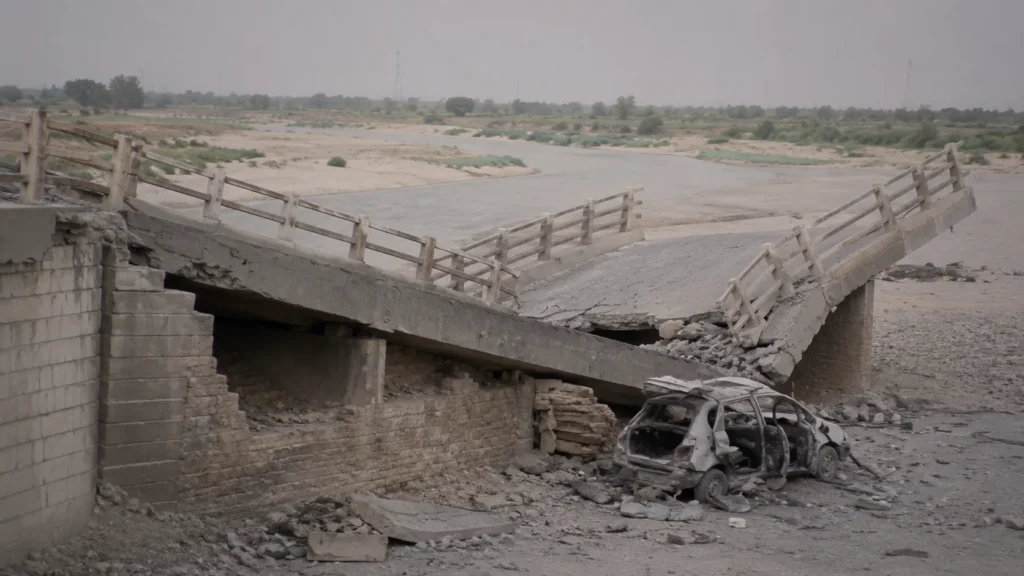
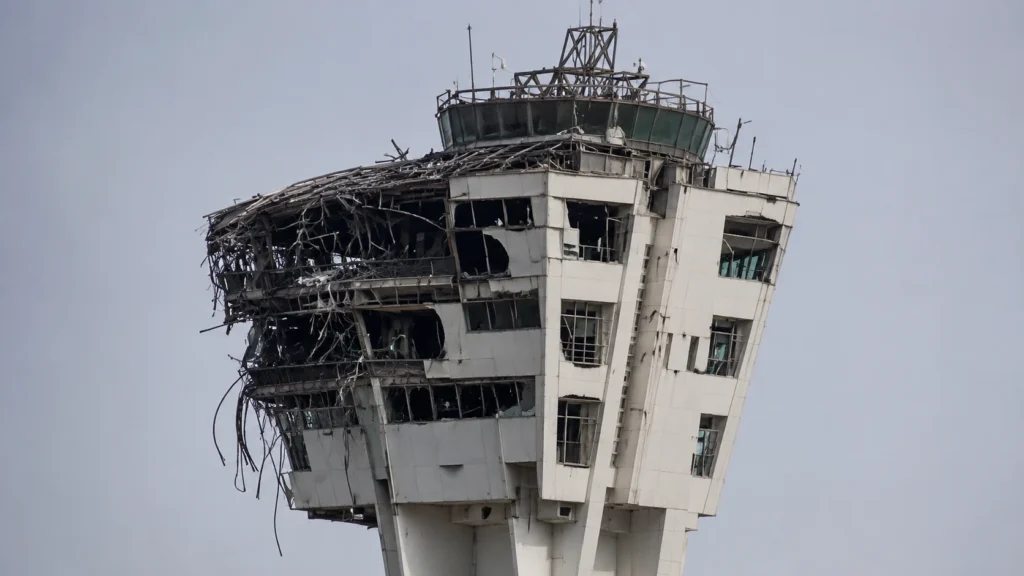
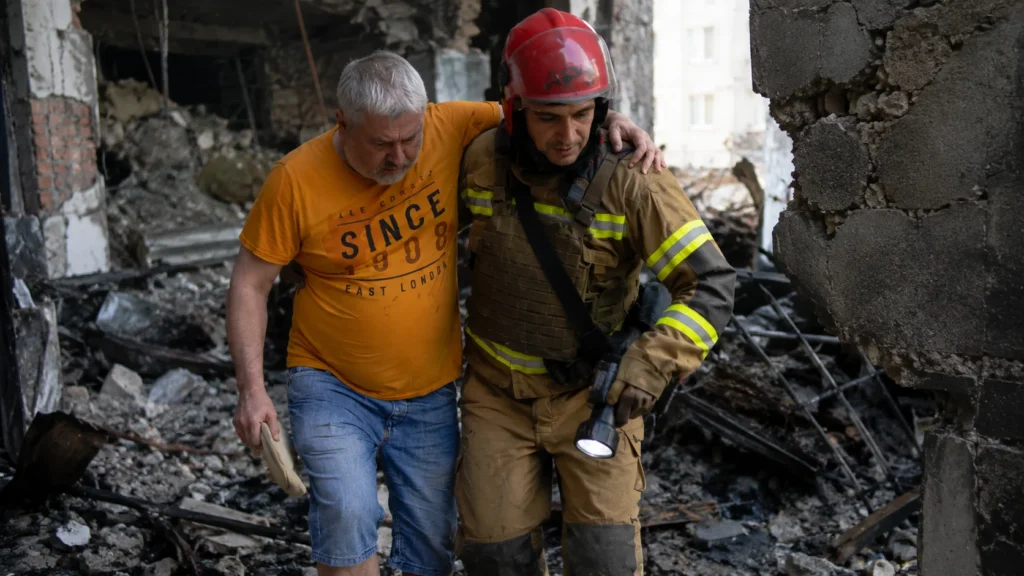
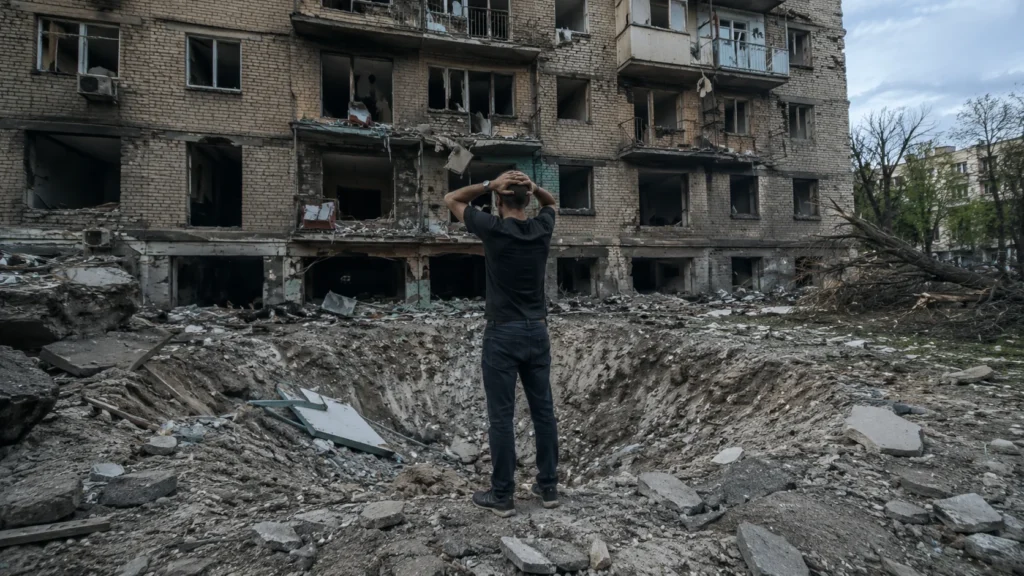
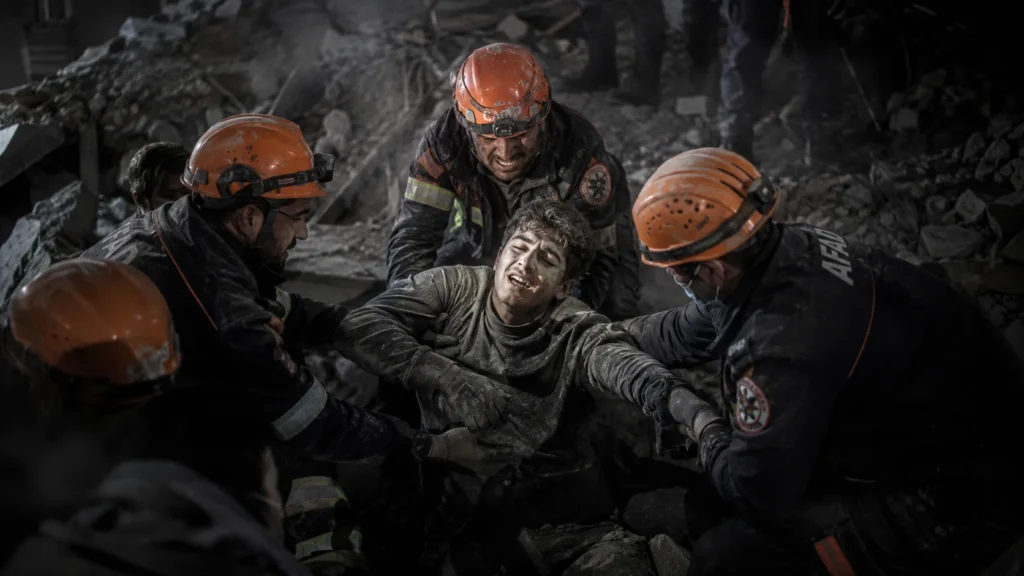
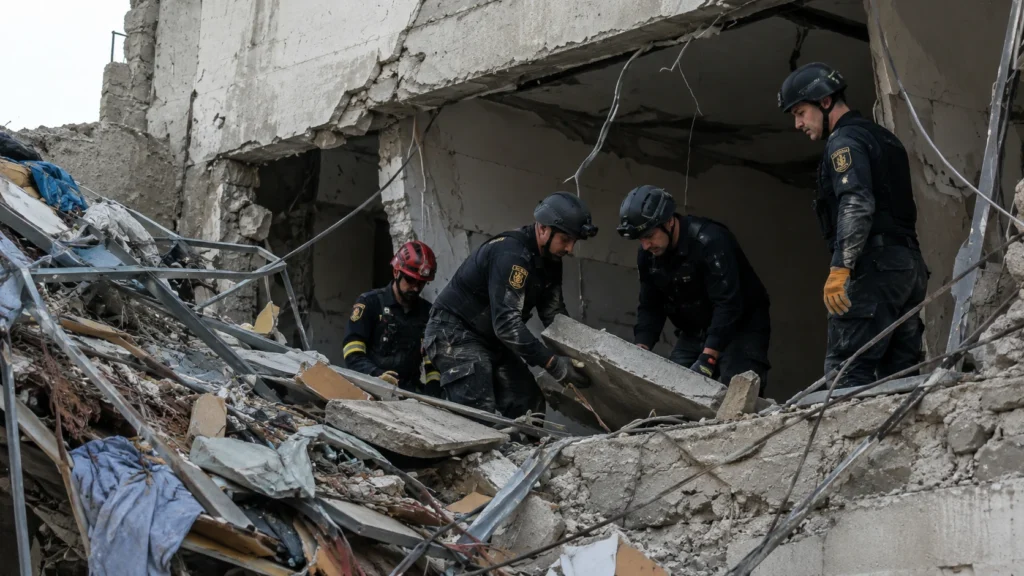
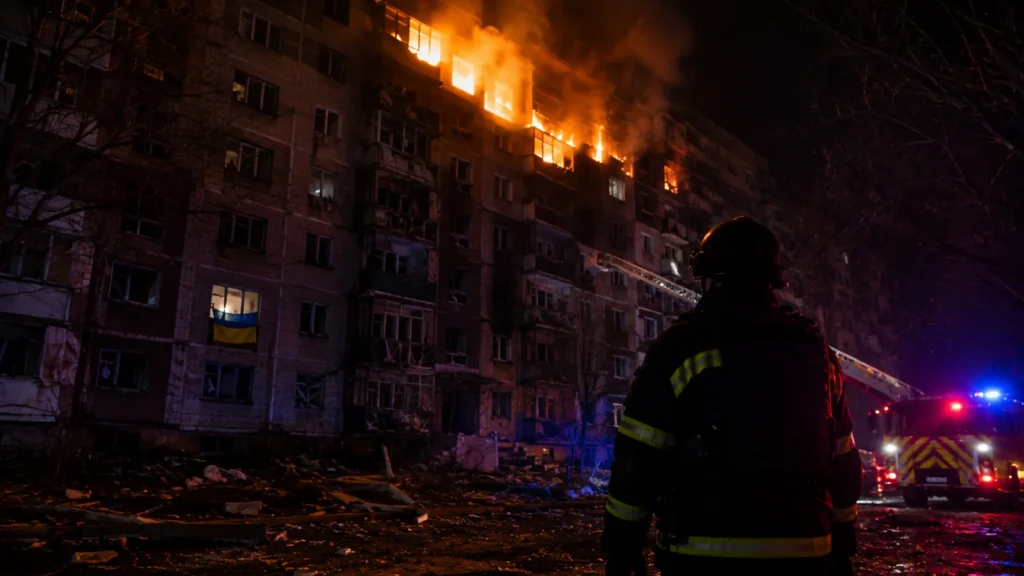
Sunday’s strike on Dahieh—a Hezbollah stronghold—tore open the lower floors of a residential building. Videos showed crowds rushing to pull survivors from rubble. The Israeli military signaled more strikes would follow. The US, which brokered the agreement and claimed credit for restraining Israeli operations in Beirut, now manages a truce it cannot enforce. The question isn’t whether the ceasefire is broken. It’s whether the concept of “ceasefire” still describes anything meaningful in this conflict.
How the Ceasefire Unraveled
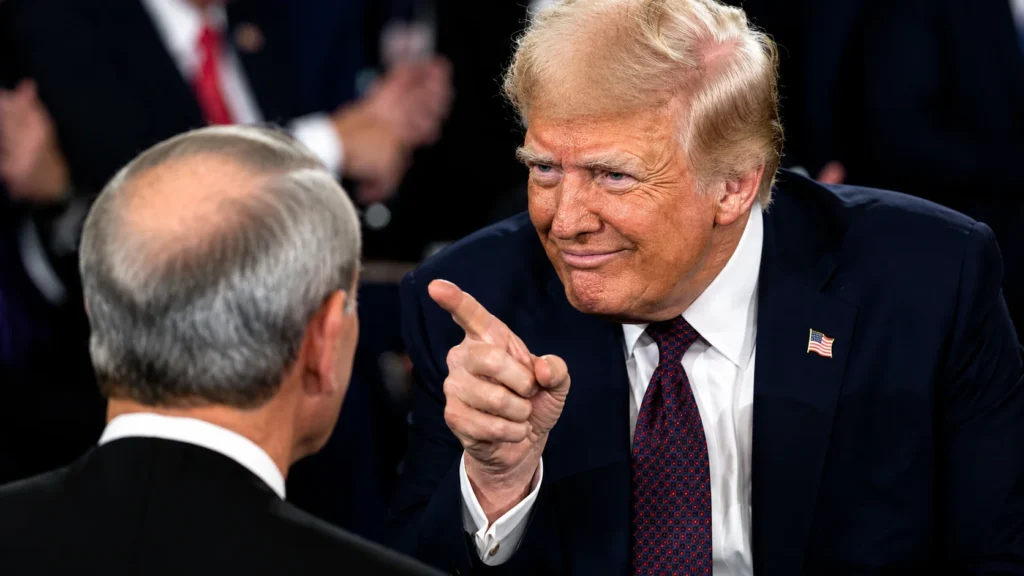
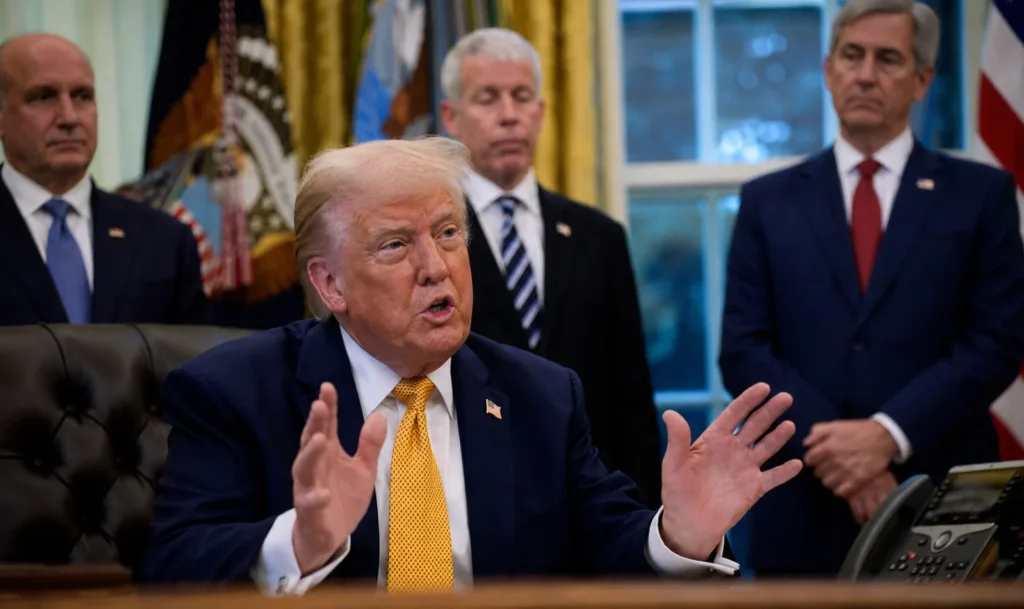
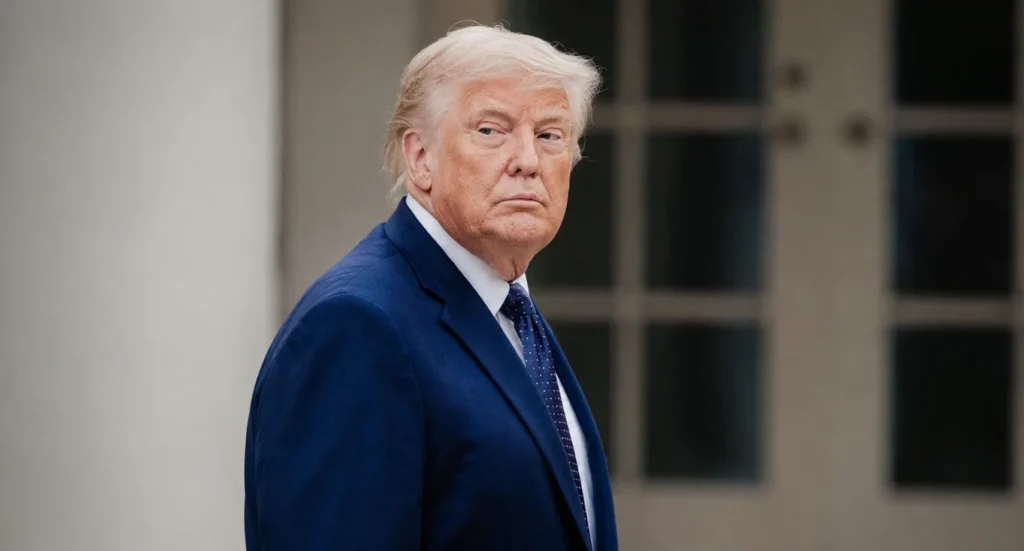
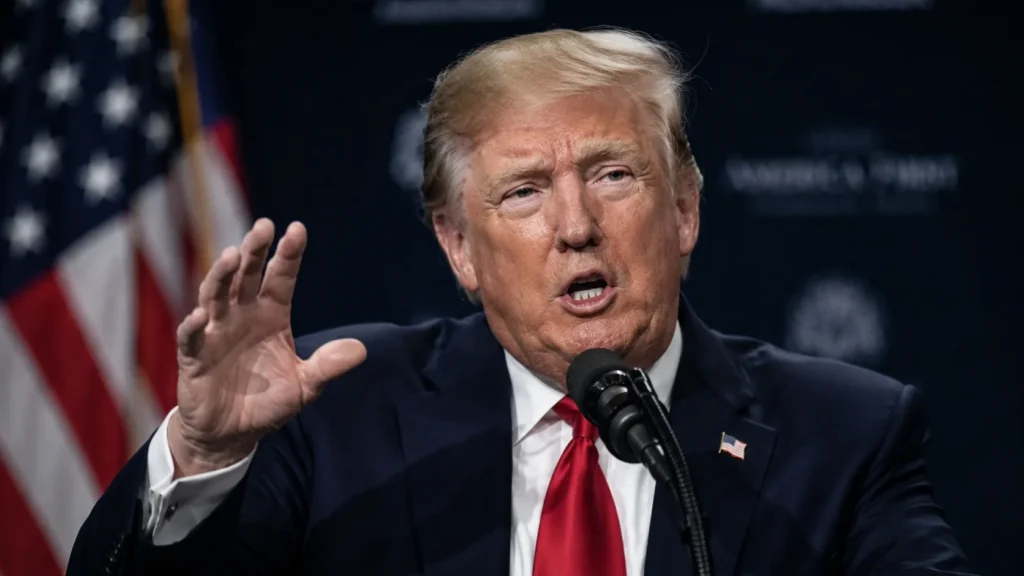
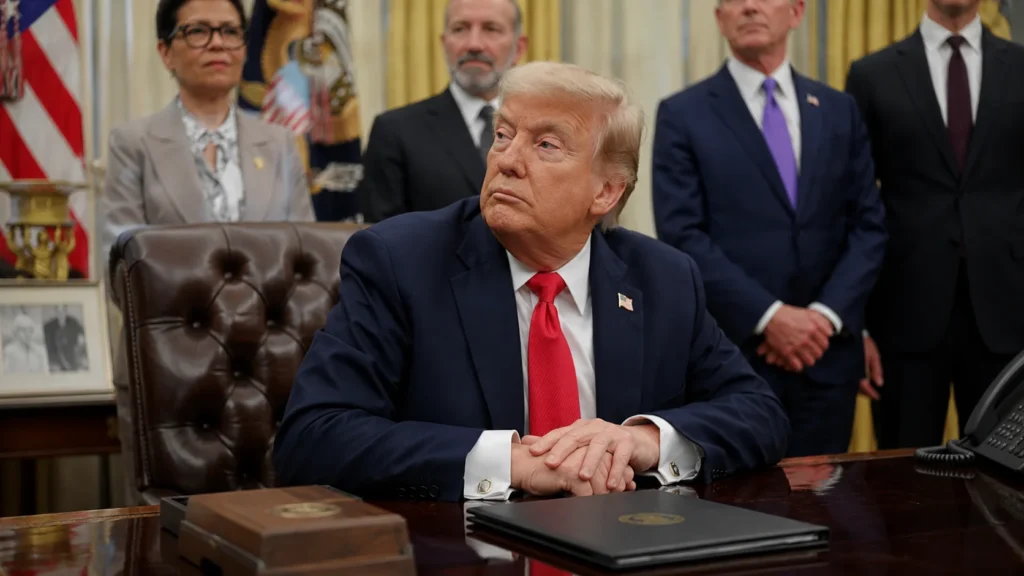
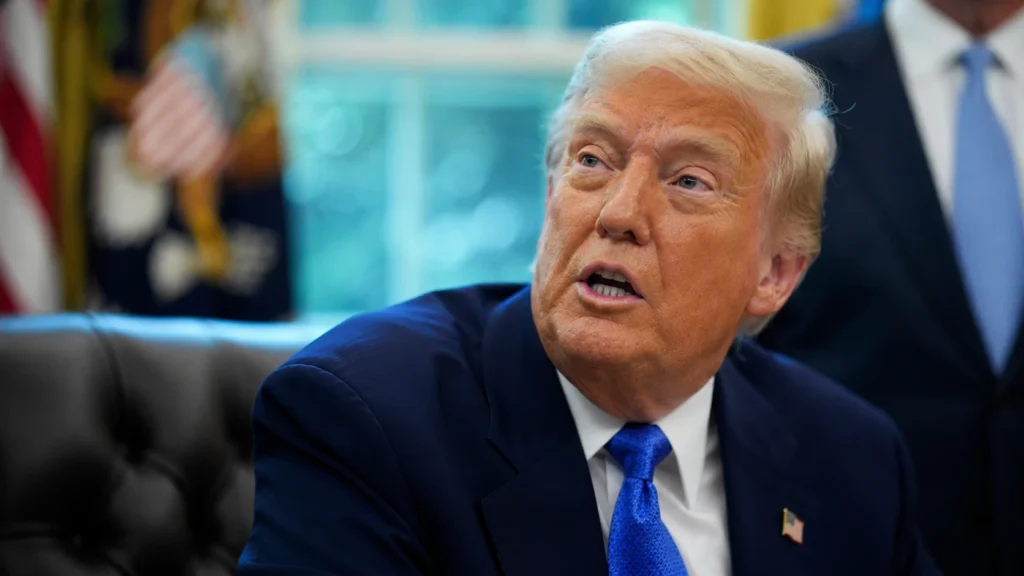
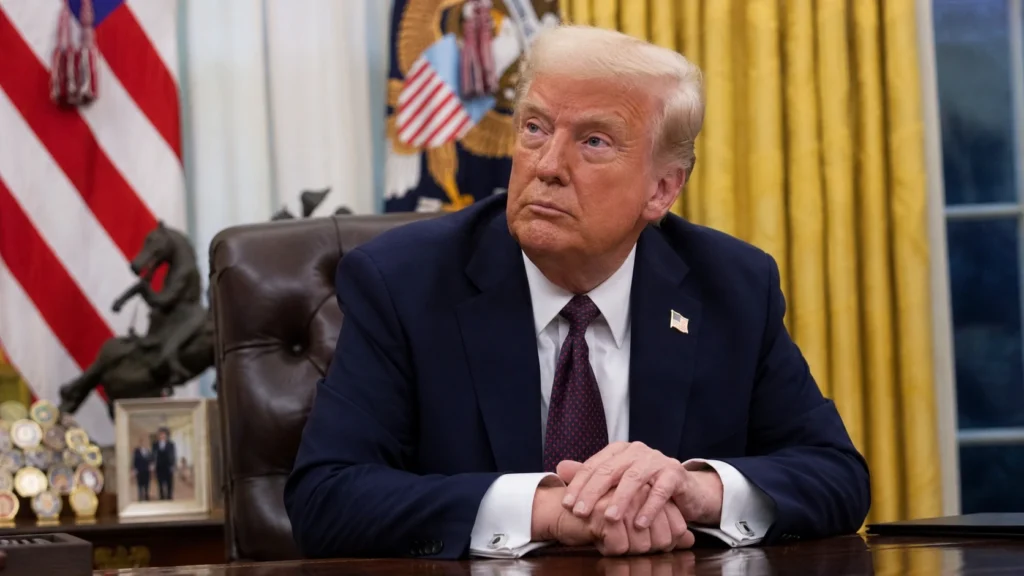
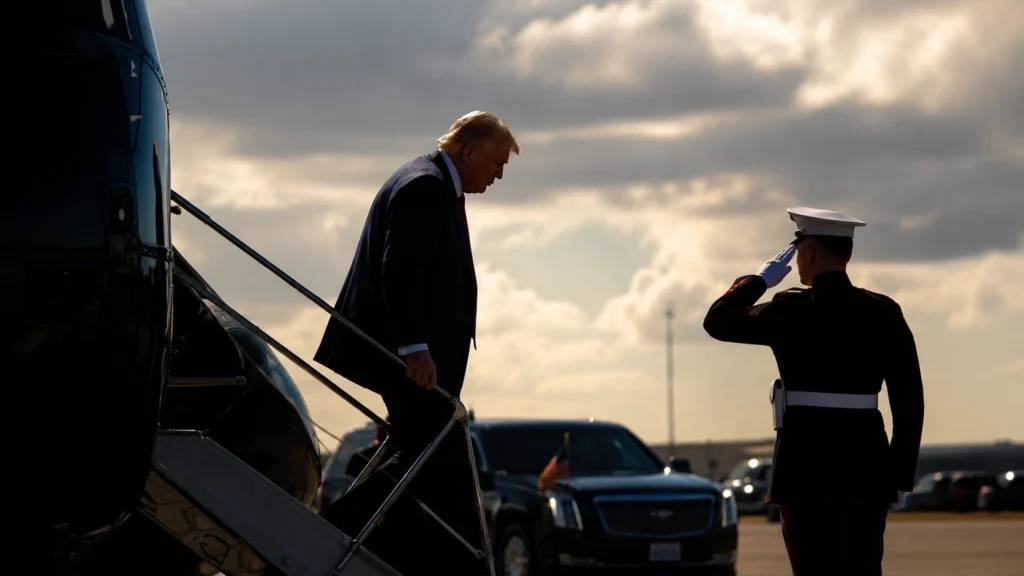
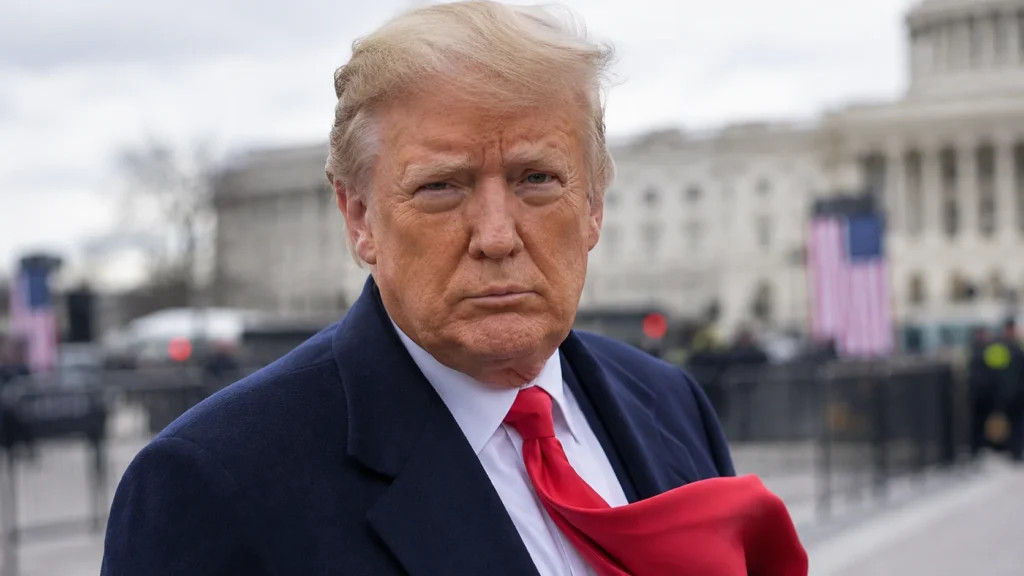
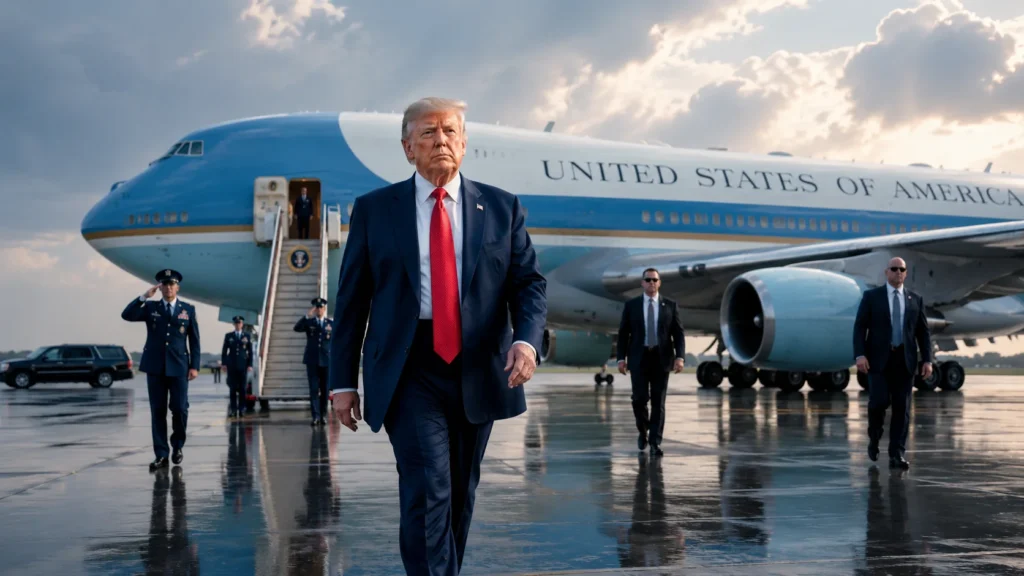
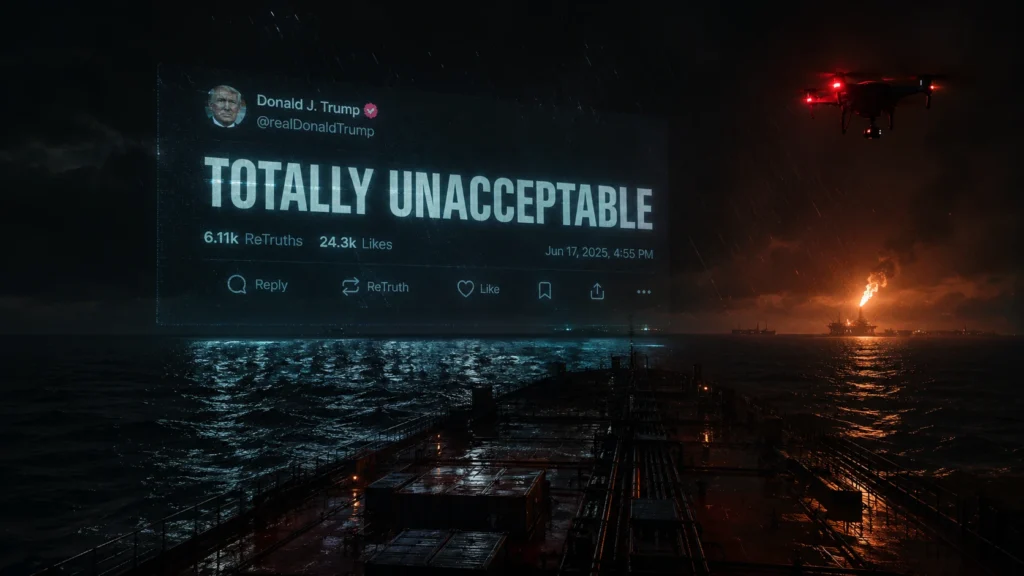
The June 3 truce emerged from a specific sequence of American pressure. Israel had threatened a broad offensive on Dahieh in late May, prompting mass flight from the suburb. Trump posted on Truth Social that there would be “no troops going to Beirut” after a call with Netanyahu. The US informed Qatar—which had been working to broker de-escalation—that it had instructed the Israelis to stand down. The diplomatic intervention produced a pause. The pause lasted one week.
The Israeli Prime Minister’s Office official statements on military operations now describe the Dahieh strike as a response to projectiles from Lebanon. Hezbollah hasn’t claimed those launches. The group rarely acknowledges specific attacks since the ceasefire began, maintaining operational ambiguity while allowing the military reality to speak for itself.
Lebanon’s Parliament Speaker Nabih Berri rejected the agreement entirely, calling it “a trap” because it contains no parallel Israeli withdrawal from occupied southern territory. Hezbollah leader Naim Qassem stated Thursday that disarming the group would fulfill “the enemy’s objectives.” The rejection isn’t rhetorical posturing. It defines the strategic reality: one party to the ceasefire has rejected it outright, another violates it while claiming self-defense, and the guarantor lacks enforcement mechanisms beyond phone calls that work for a week.
The Regional Overlap
Sunday’s strike doesn’t exist in isolation. It intersects with two other ceasefires, each deteriorating at its own pace.
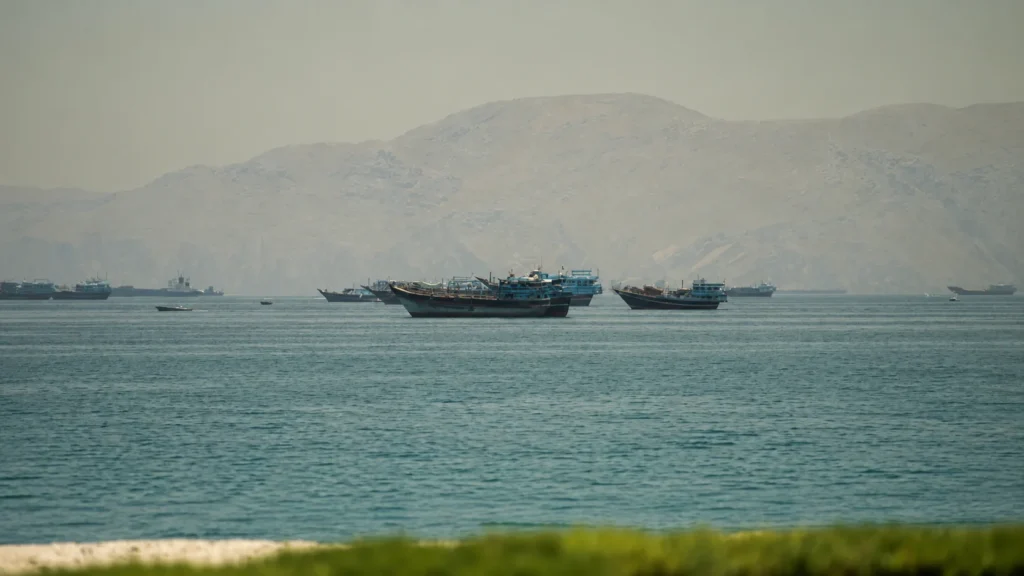
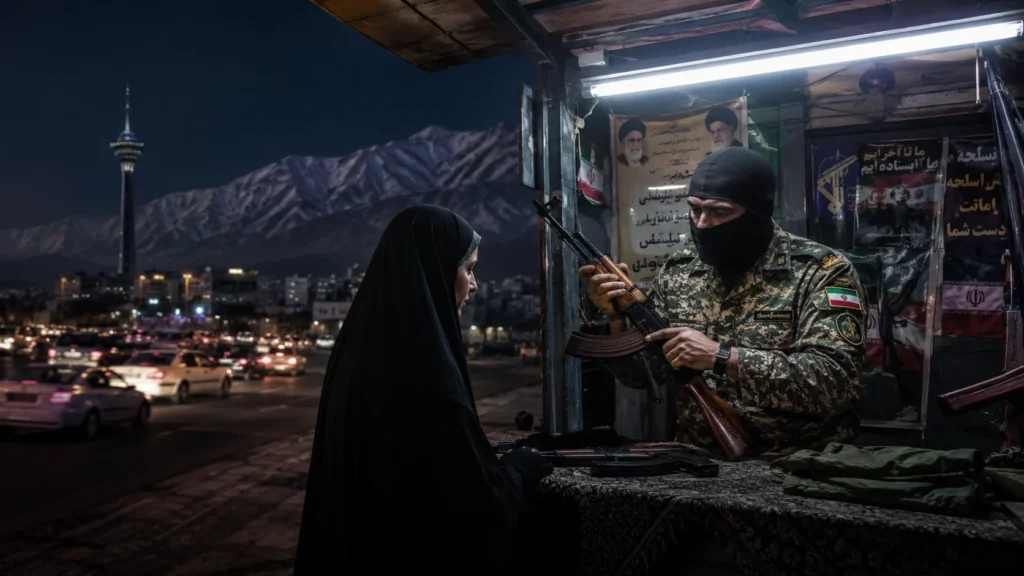
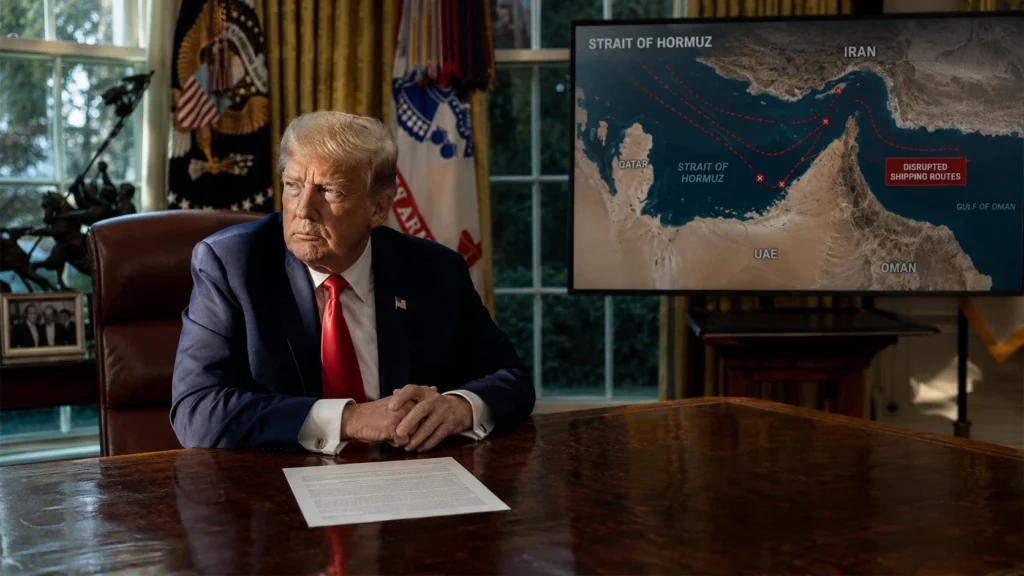
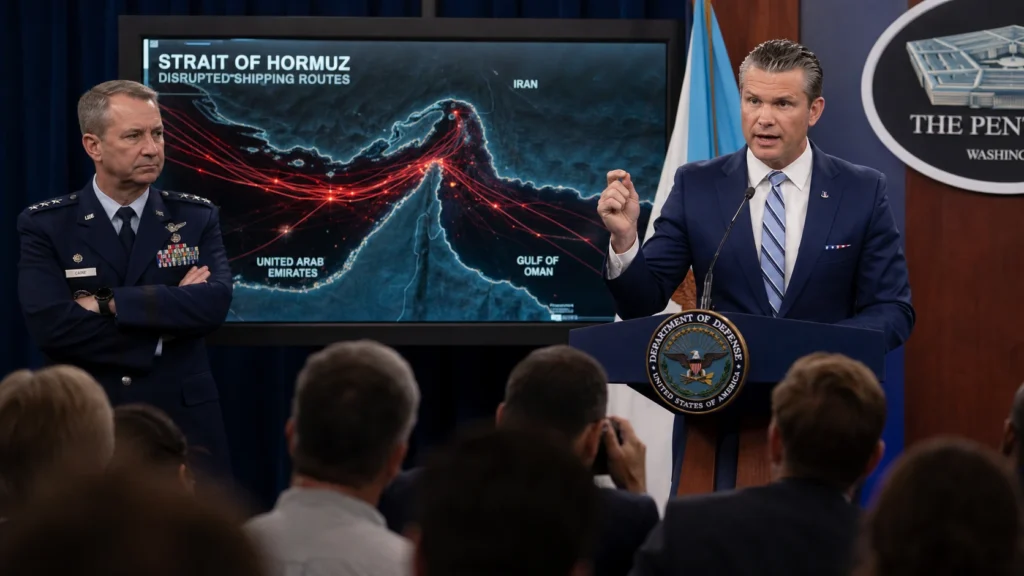
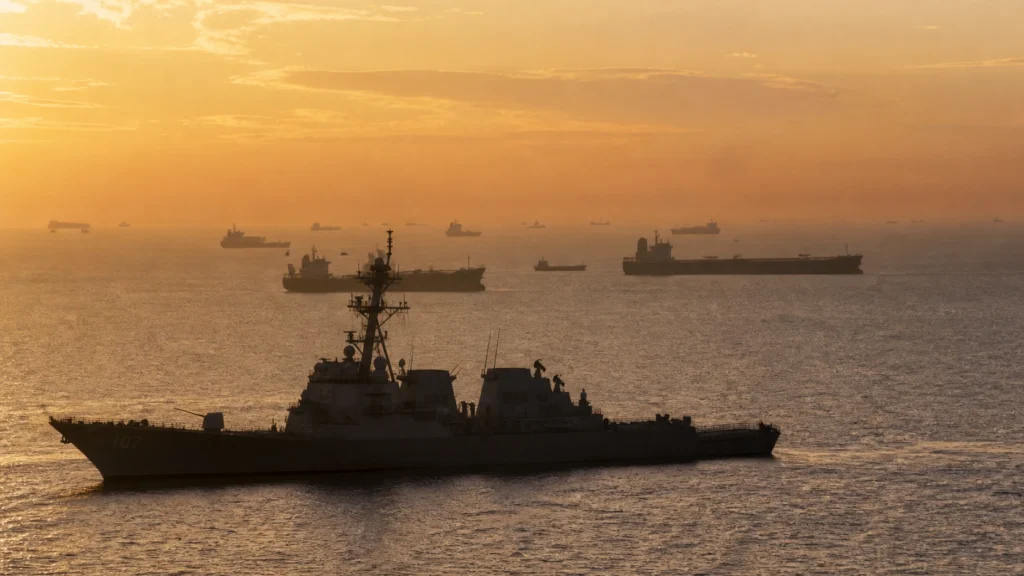
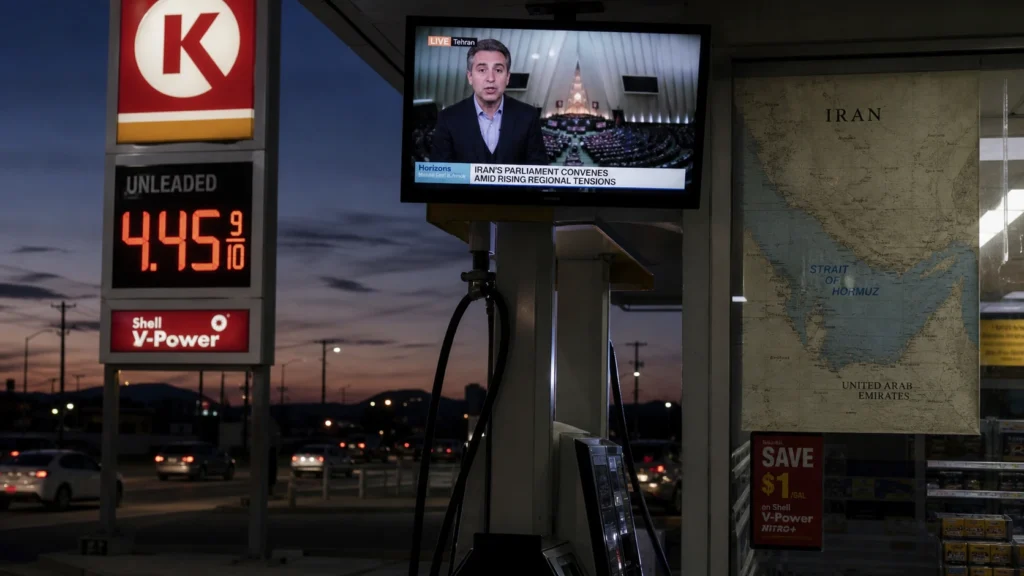
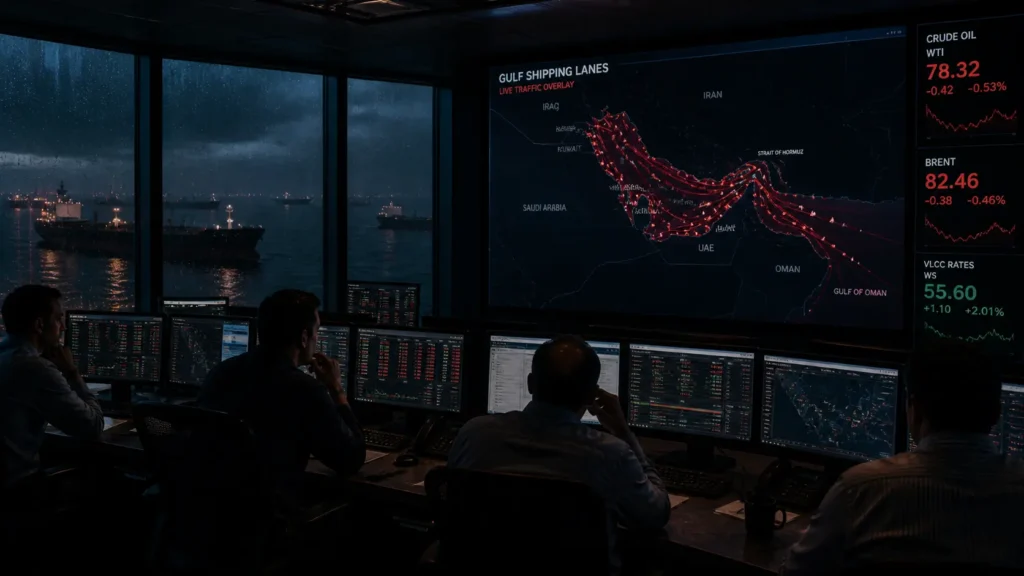
The US-Iran ceasefire, agreed in April, governs the Gulf theater. Last week, American forces struck Iranian radar sites. Iran fired ballistic missiles at US bases in Kuwait and Bahrain. The US Central Command official statements on Gulf operations detail the exchanges with bureaucratic regularity. That ceasefire functions as a rhythm of calibrated strike and counter-strike. The Strait of Hormuz remains bottlenecked.
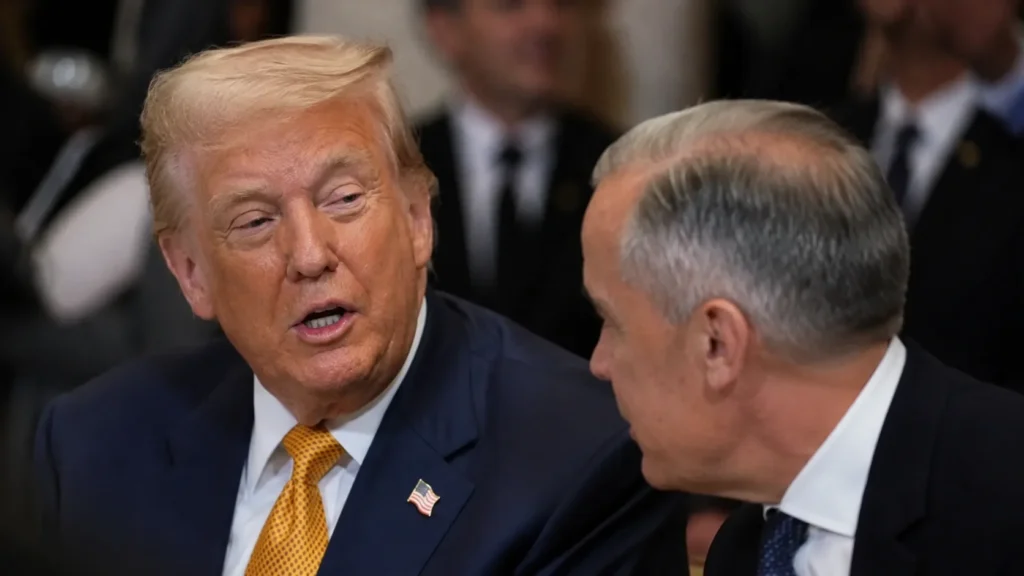
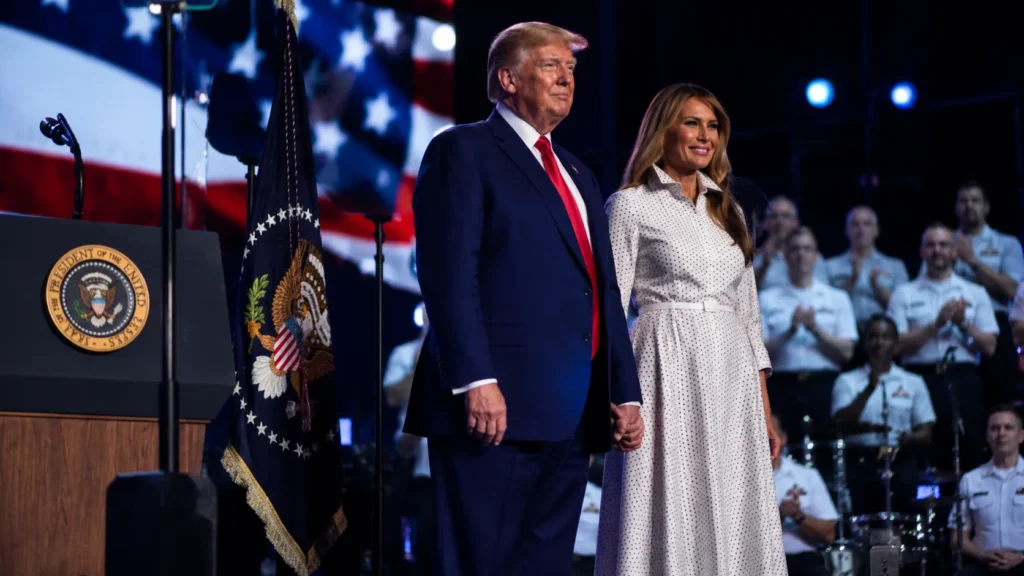
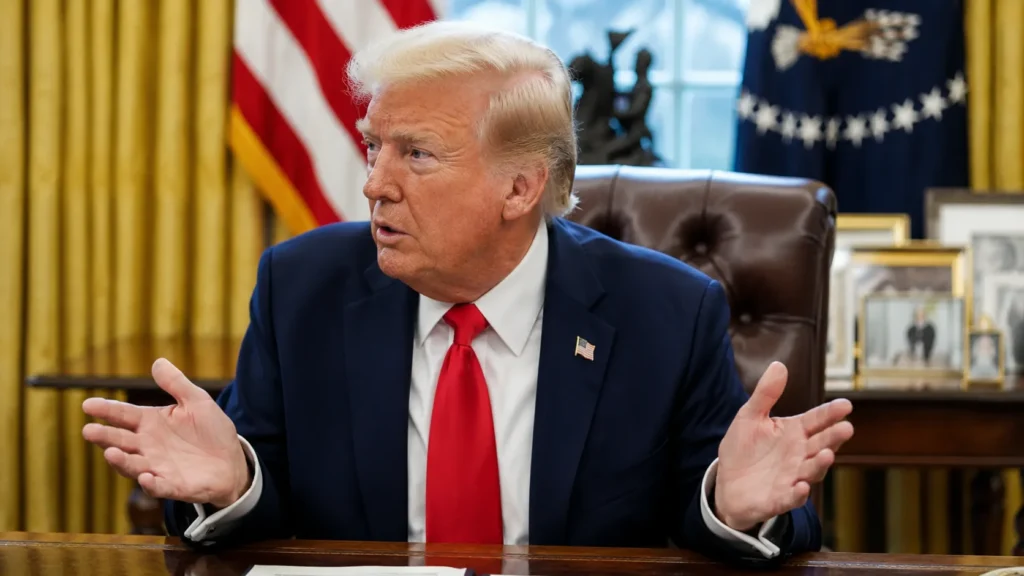
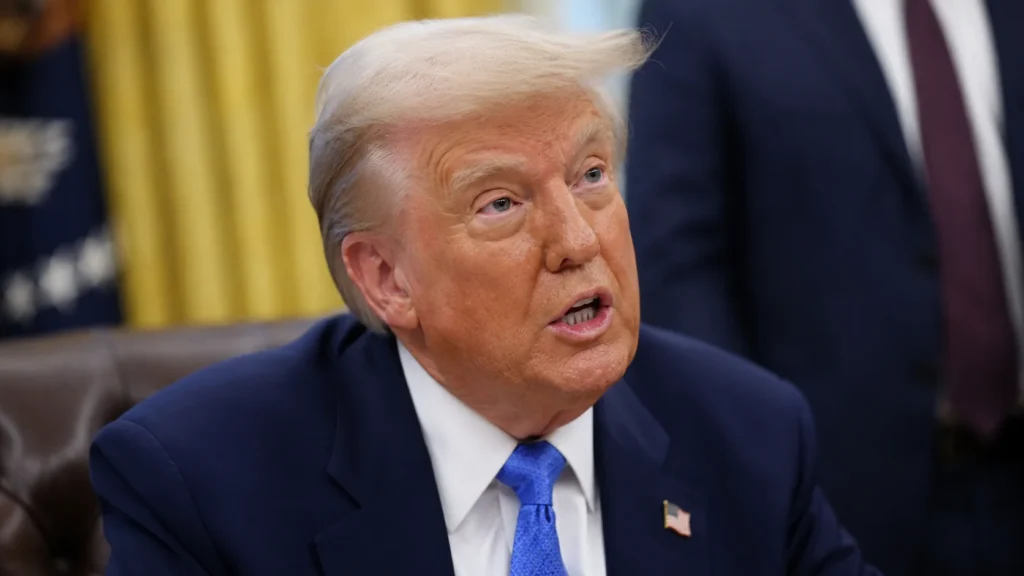
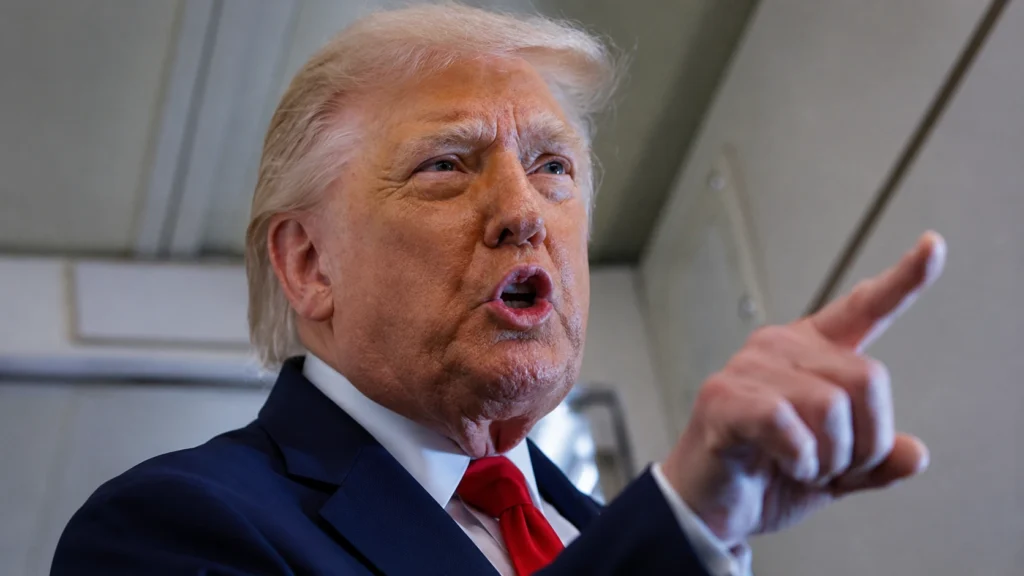
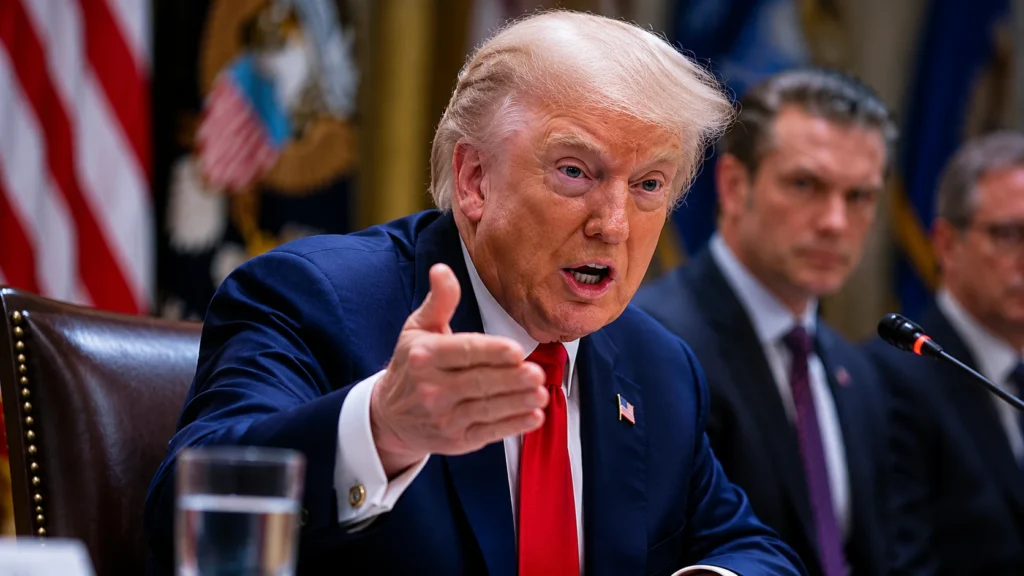
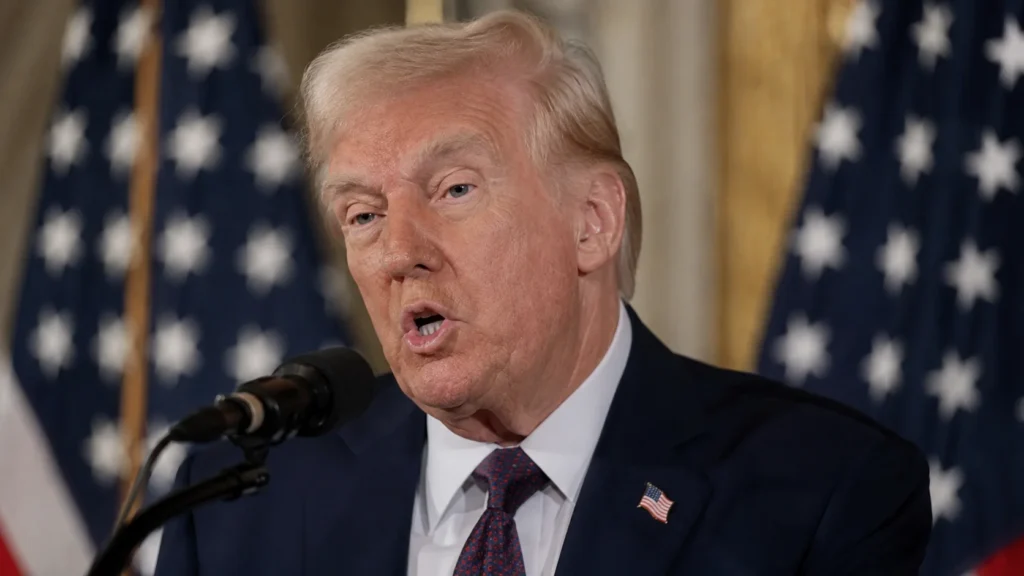
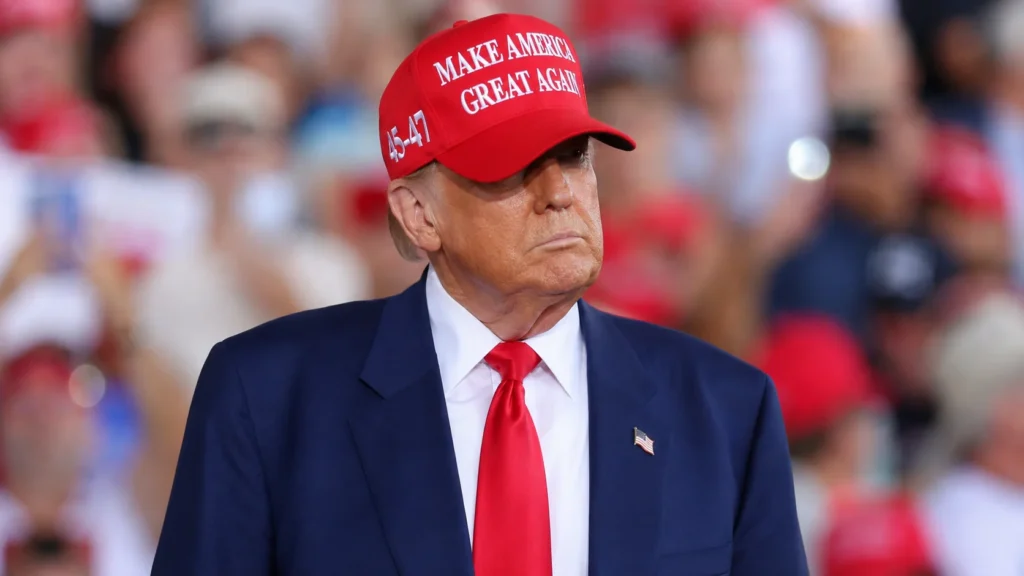
On NBC’s Meet the Press on Sunday, Trump separated the Lebanon question from the Iran negotiations: “not demanding that Lebanon be part of any peace deal with Iran.” The separation is strategically convenient. Hezbollah is Iran’s most significant proxy force. Its weapons, funding, and strategic direction flow from Tehran. Iran’s parliament spokesman promised “a decisive and painful response” to Sunday’s strike. The two tracks cannot be severed because the actors on the ground refuse to distinguish between them.
As our analysis of the overlapping ceasefire architecture across the Iran-Israel-Lebanon theaters documented, the US now manages three simultaneous truces—none of which function as more than interval-management tools between exchanges of fire.
FAQ
Why did Israel strike Beirut after the ceasefire?
Prime Minister Netanyahu said the strike on Dahieh targeted “terrorist headquarters” in response to projectiles fired toward Israeli territory from Lebanon. Hezbollah did not claim the launches. The Israeli military signaled further strikes would follow. This marks the third Israeli strike on Beirut since the June 3 ceasefire took effect.
What is the June 3 ceasefire between Israel and Lebanon?
The US brokered a truce on June 3 after Israel threatened a broad offensive on Beirut’s Dahieh district and President Trump personally intervened, telling Netanyahu there would be “no troops going to Beirut.” The agreement was supposed to halt hostilities that began on March 2 when Hezbollah launched rockets into Israel. Both sides have violated it repeatedly. Lebanon’s Parliament Speaker rejected the deal as “a trap.”
What happened in the Dahieh strike?
Two apartment buildings in Beirut’s Dahieh district—a Hezbollah stronghold—were hit. The lower floors of one building tore open. Lebanon’s state news agency confirmed two people were killed and at least 17 were wounded. Social media videos showed crowds rushing to pull survivors from the rubble.
What did Hezbollah say about the strike?
Hezbollah has not commented directly on Sunday’s strike. The group rarely claims specific military actions since the ceasefire began. Its leader, Naim Qassem, said Thursday that disarming the group would amount to fulfilling “the enemy’s objectives.” Lebanon’s Parliament Speaker Nabih Berri, a Hezbollah ally, had already rejected the ceasefire agreement.
How does this affect the US-Iran negotiations?
The US is pursuing a broader peace deal with Iran while attempting to separate the Lebanon theater from the Gulf theater. Trump told NBC on Sunday he was “not demanding that Lebanon be part of any peace deal with Iran.” Iran’s parliament spokesman promised “a decisive and painful response” to the Beirut strike. Hezbollah remains Iran’s most significant proxy force. The two diplomatic tracks cannot operate independently because the actors on the ground refuse to recognize the distinction.
What is the status of the other ceasefires in the region?
Three ceasefires now overlap. The US-Iran ceasefire from April governs the Gulf but has been tested by repeated drone and missile exchanges. The Israel-Lebanon truce that began on June 3 has been violated by both sides. A broader US-Iran diplomatic track continues despite stalled negotiations. As our tracking of ceasefire compliance across Middle East theaters since February has reported, none of the agreements function as more than operational interval-management.
What to Watch Over Six Months
Three indicators will determine whether the Lebanon ceasefire collapses entirely or survives as a hollow framework.
First, Hezbollah’s response calculus. The group has absorbed three Beirut strikes since June 3 without large-scale retaliation. That restraint may reflect Iranian direction—Tehran wants to preserve the US-Iran diplomatic track and may instruct Hezbollah to avoid actions that jeopardize it. Or it may reflect operational weakness after months of Israeli air campaign and ground operations. If Hezbollah retaliates with significant rocket fire toward Israeli population centers, the ceasefire collapses formally, not just operationally.
Second, US enforcement capacity. Trump’s intervention produced a one-week pause. The strike on Dahieh demonstrates the limits of presidential phone calls as enforcement mechanisms. Whether Washington imposes costs on Israel for violating the truce—or on Hezbollah for the projectile launches—will signal whether the US functions as a guarantor or merely a commentator.
Third, the Iran deal timeline. As our coverage of the US-Iran nuclear negotiations and their regional dependencies reported, Tehran insists on a complete ceasefire in Lebanon as a condition for broader agreement. Sunday’s strike makes that condition harder to meet. If the Iran track stalls, the regional ceasefire architecture—already frayed—loses its diplomatic anchor.
Written by the Middle East & Security Desk, which has covered the Israel-Hezbollah conflict, US-Iran diplomacy, and the regional ceasefire architecture since hostilities began in February 2026.