

 English
















































































































































































































Trump Said Stop. Israel and Iran Kept Shooting.
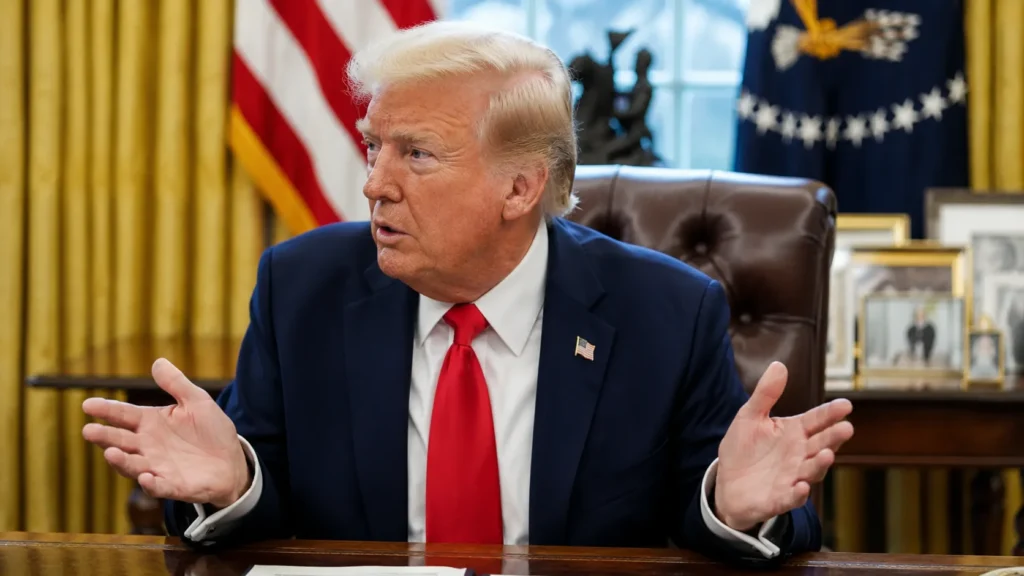
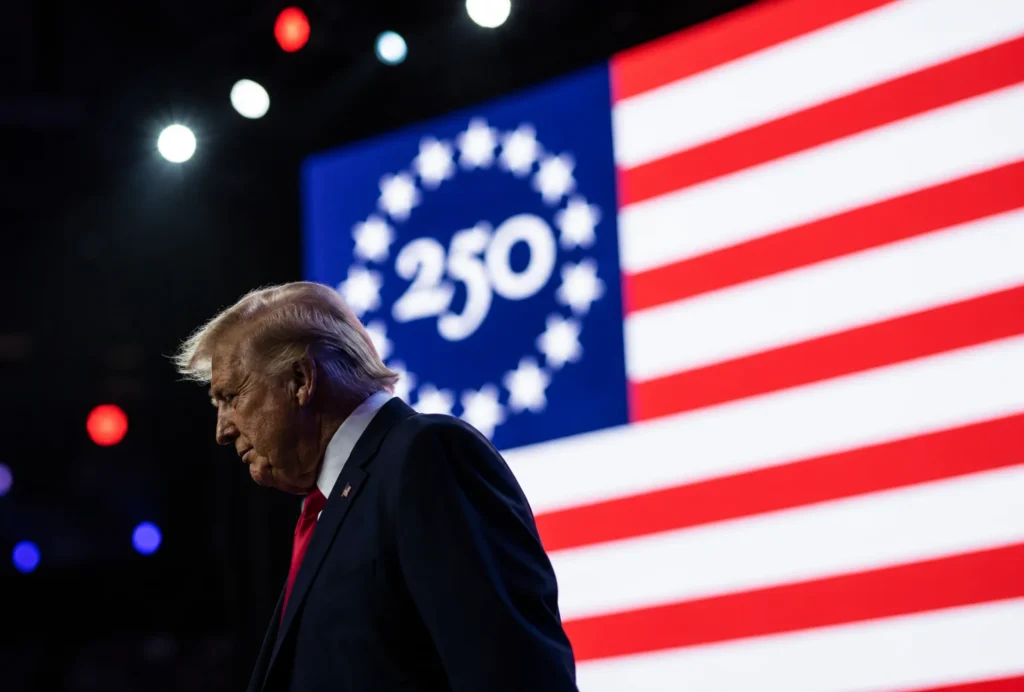
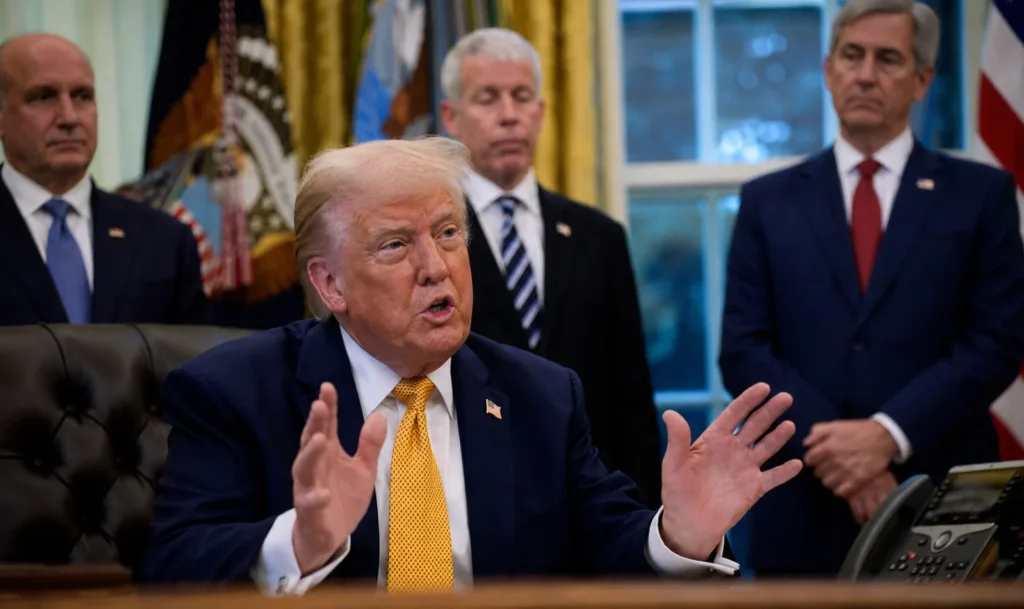
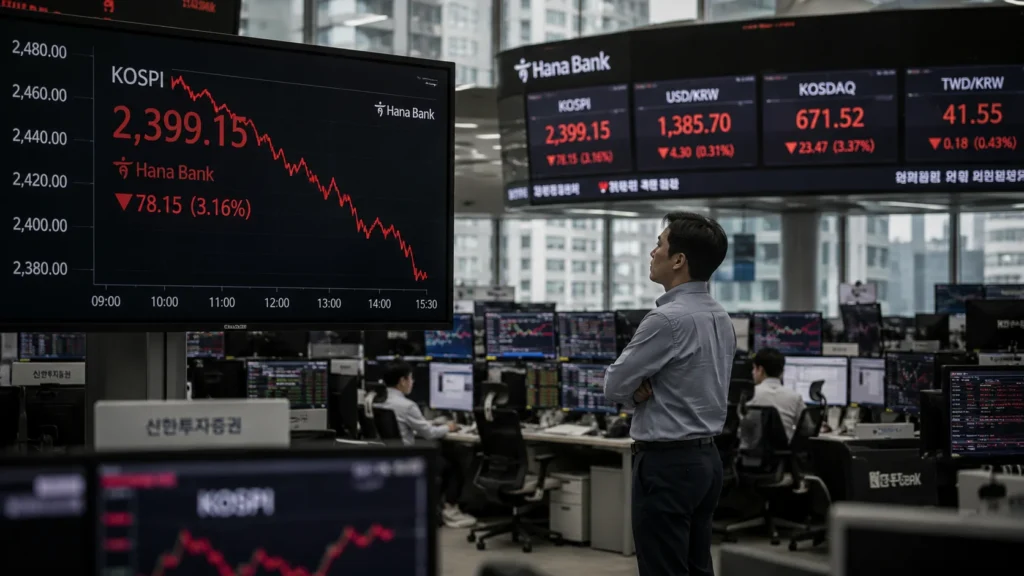
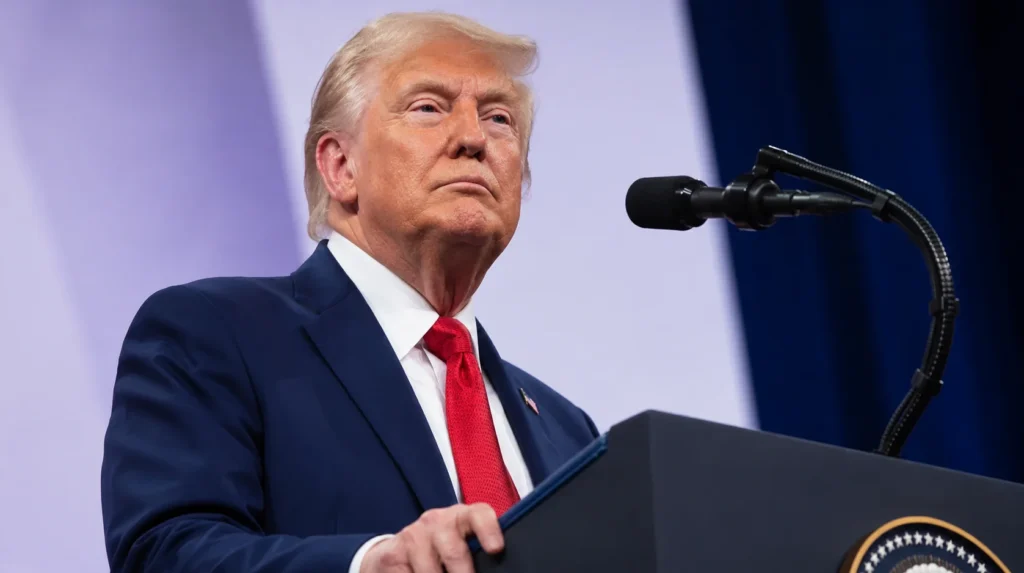
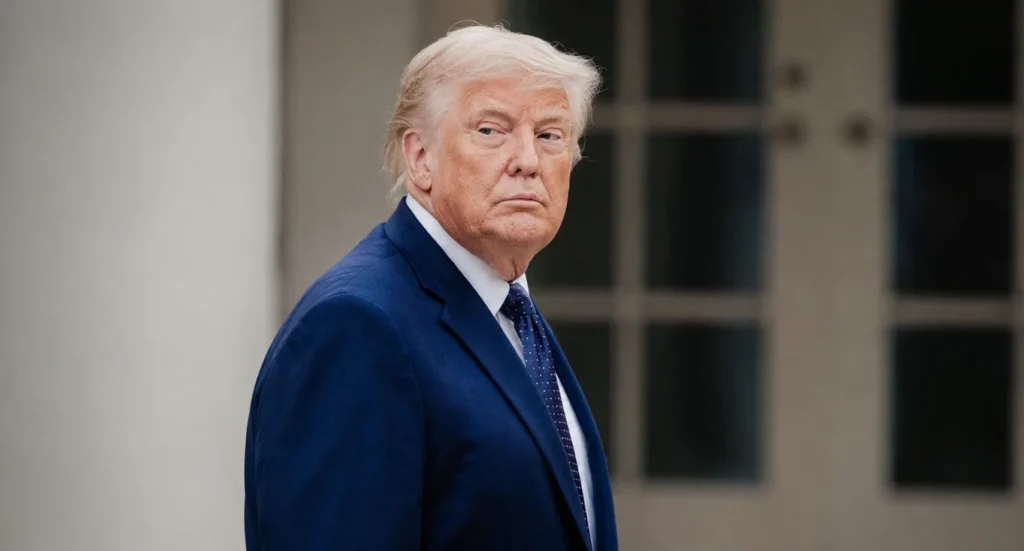
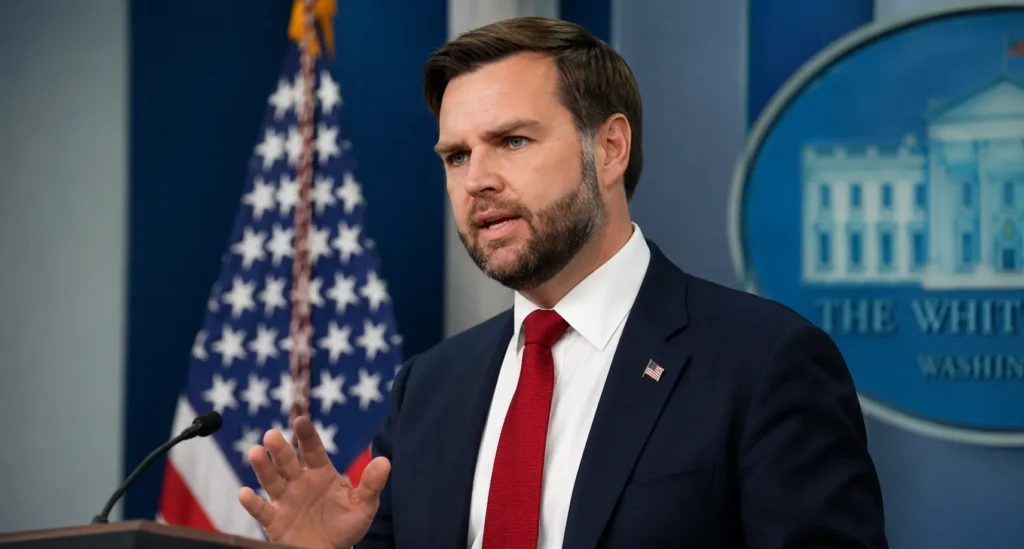
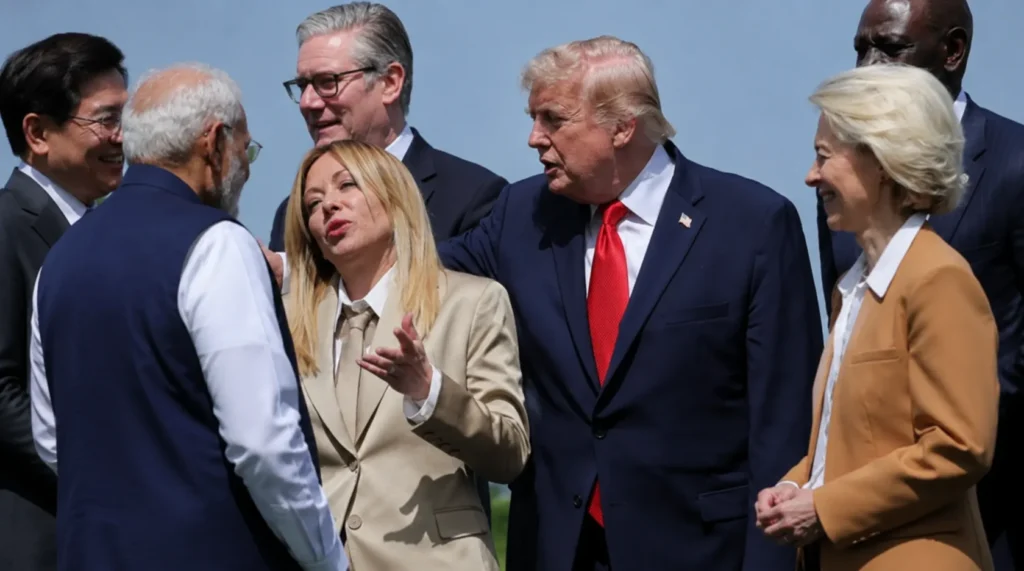
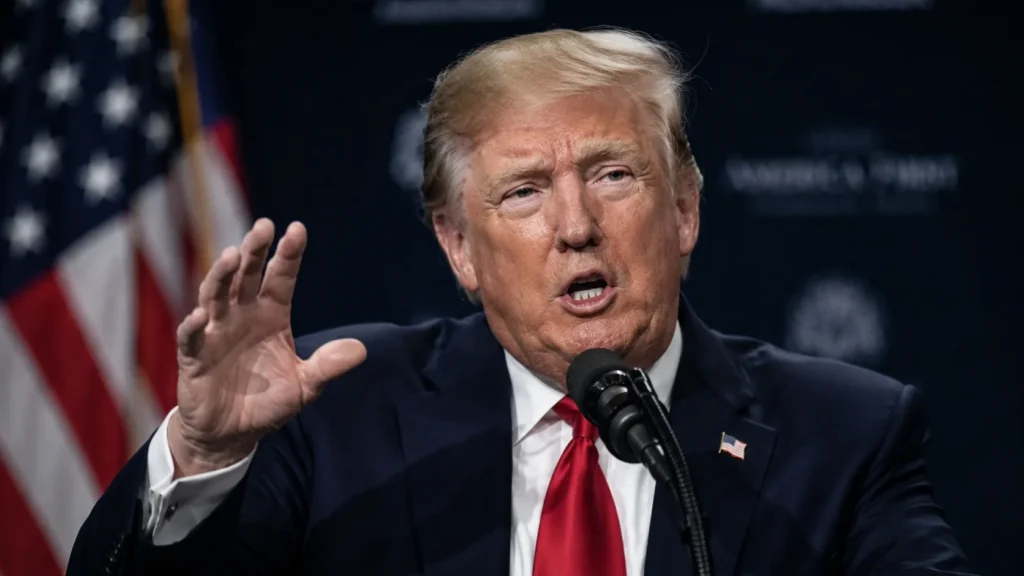
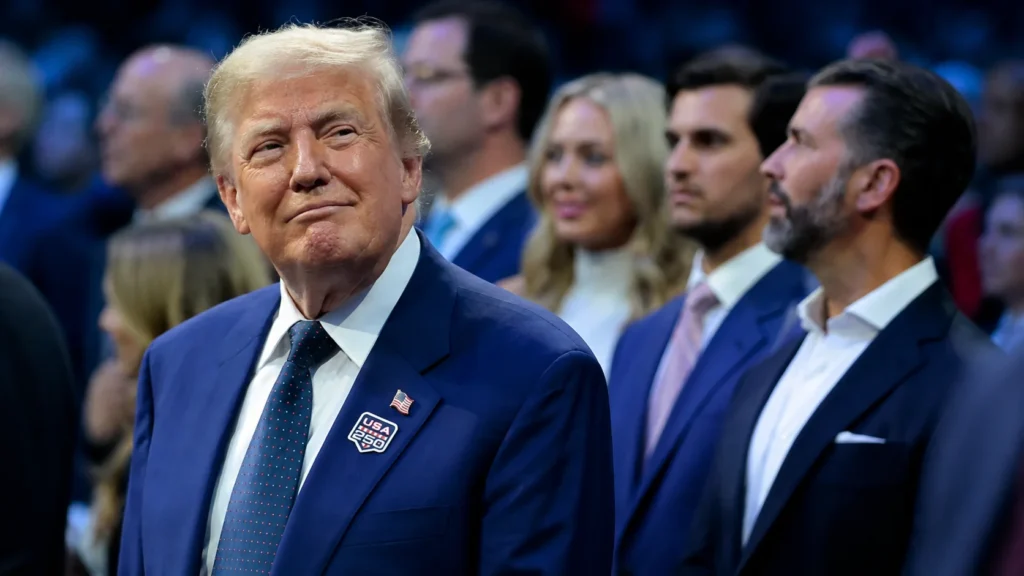
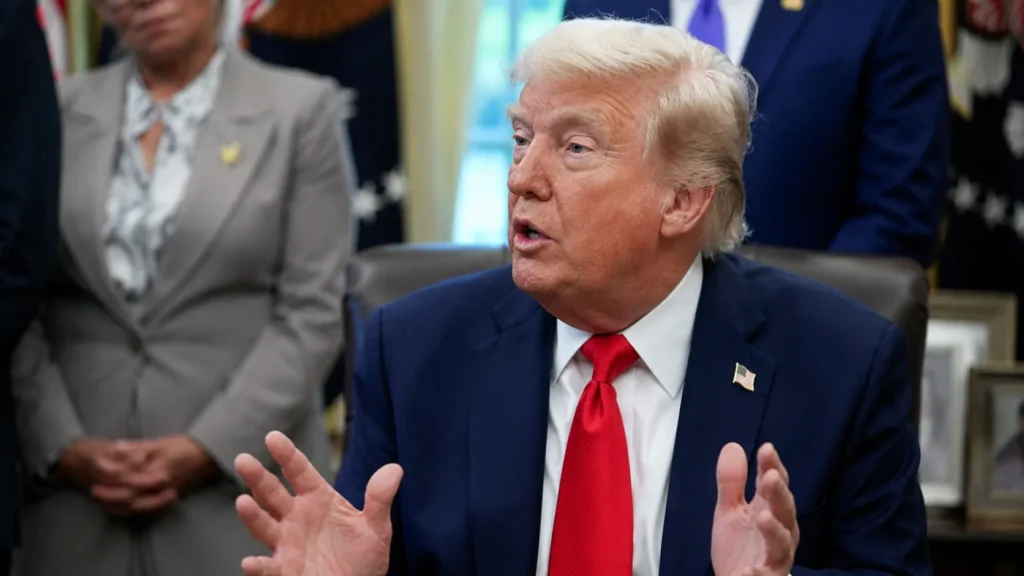
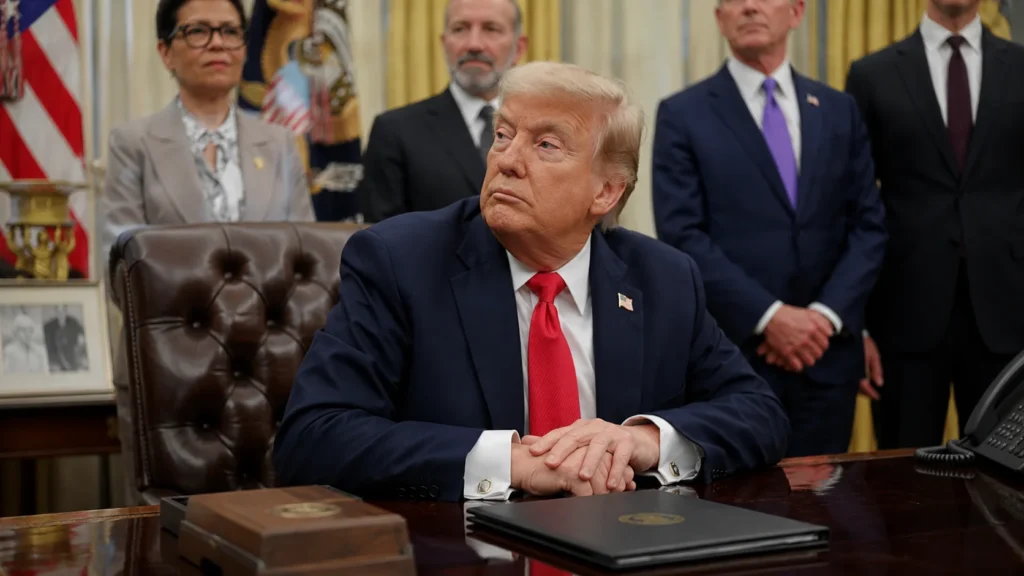
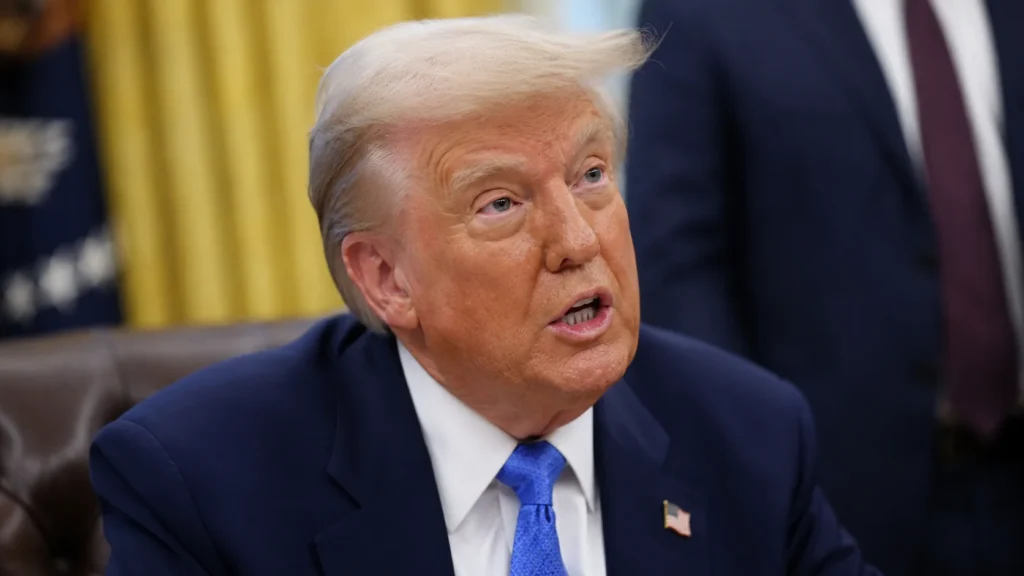
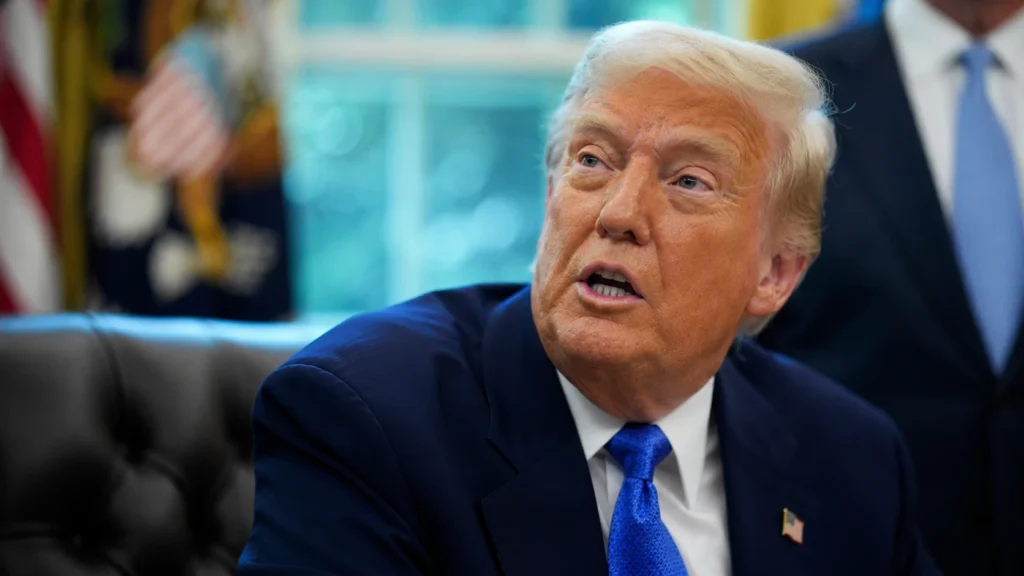
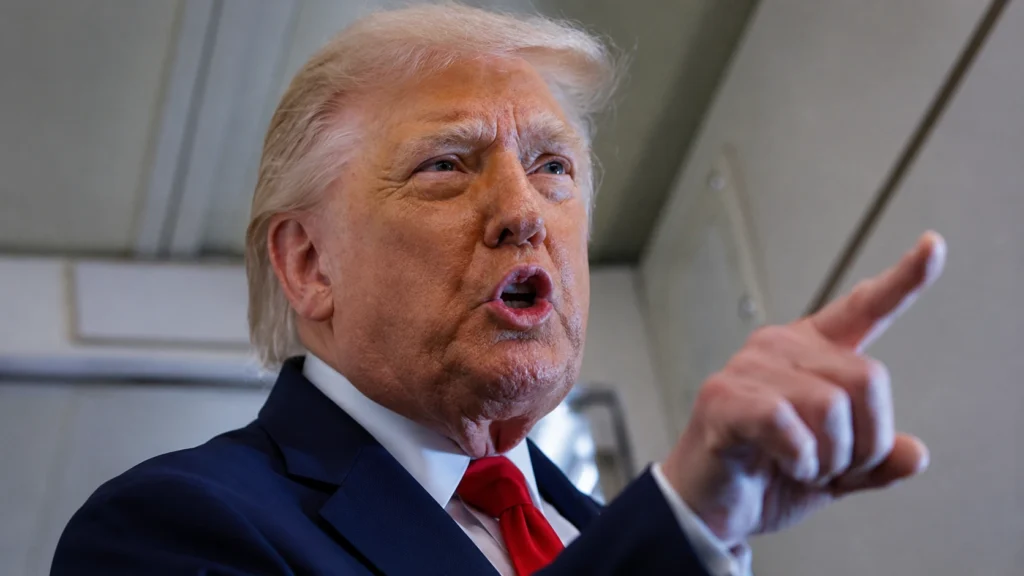
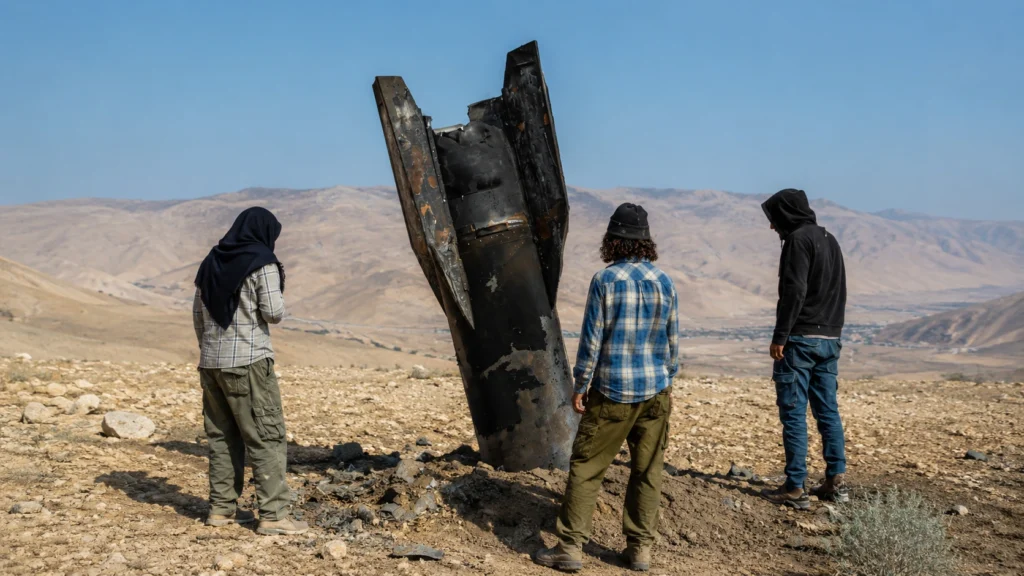
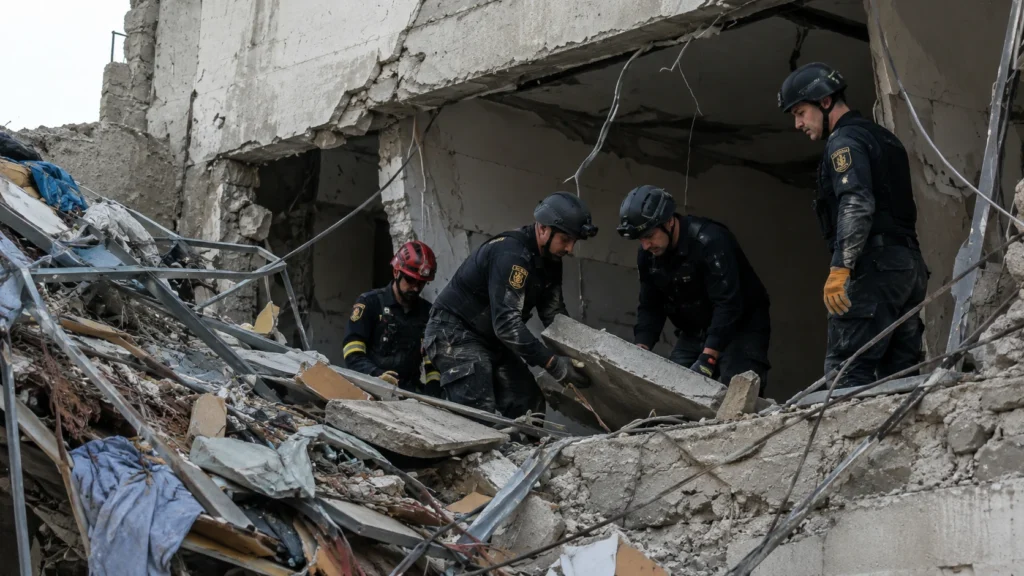
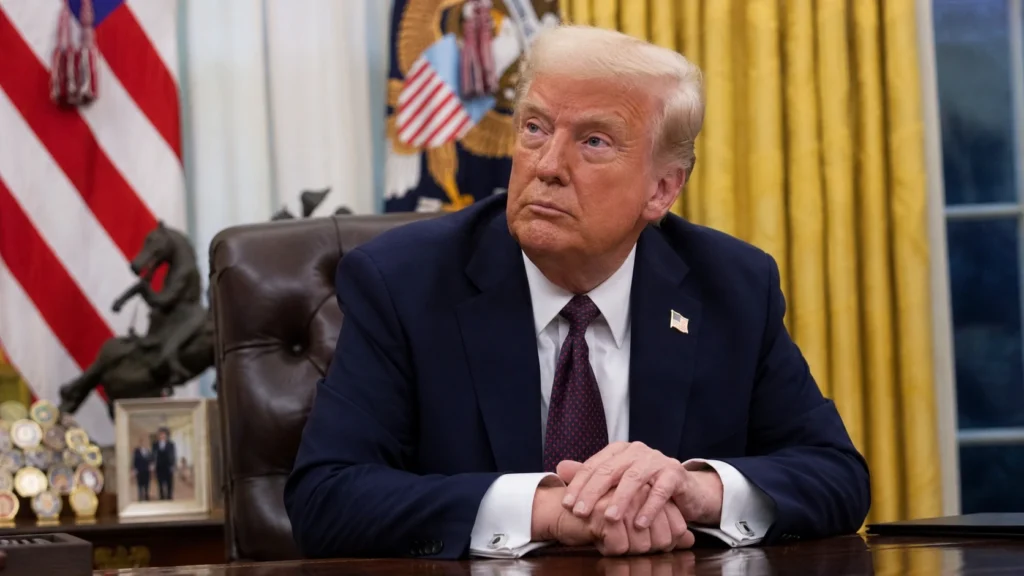
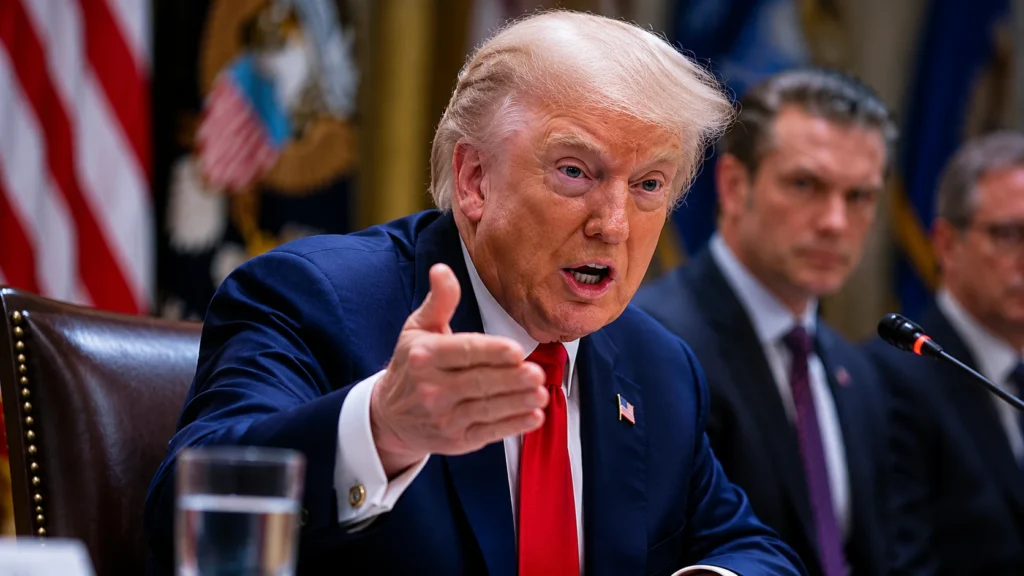
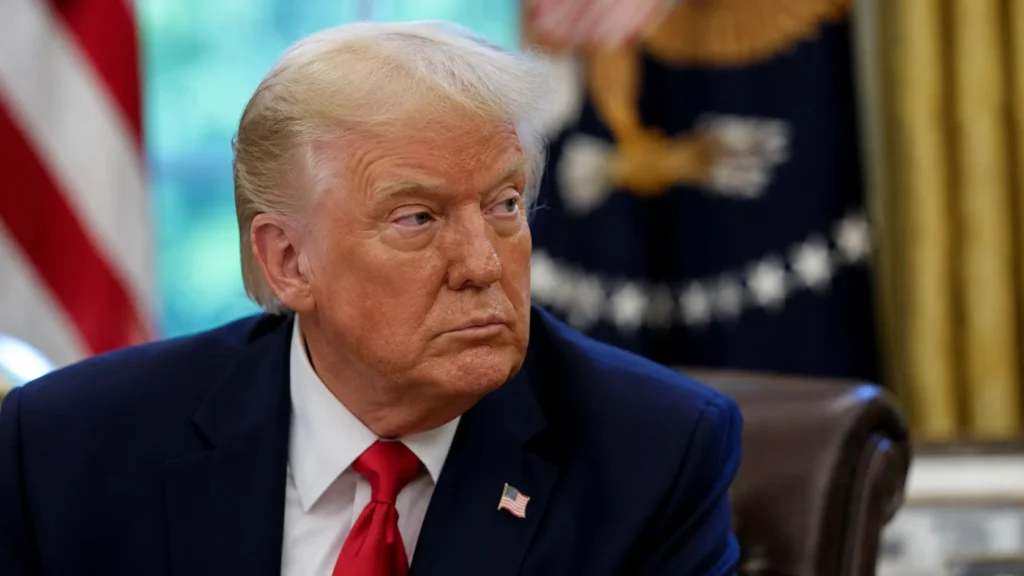
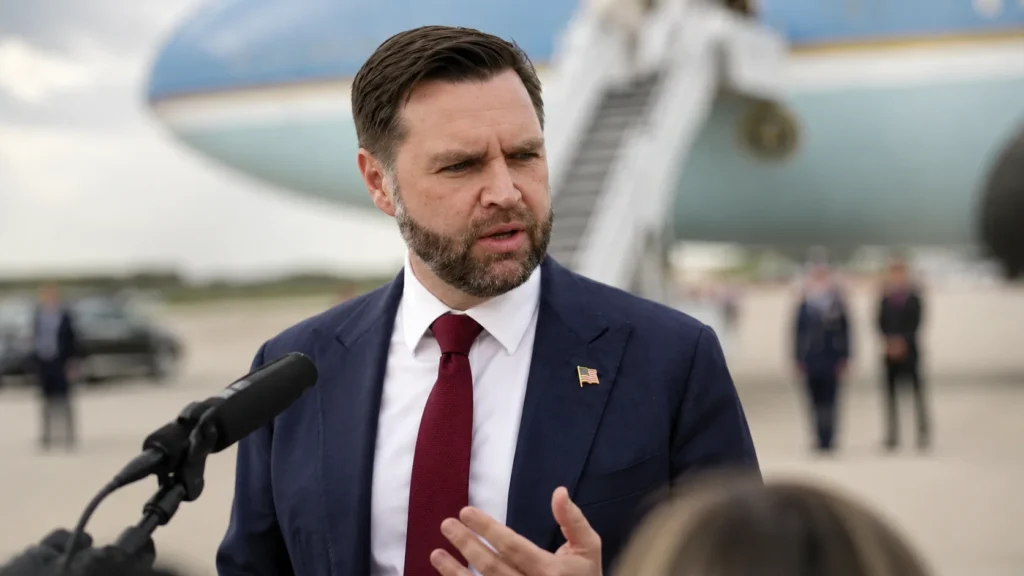
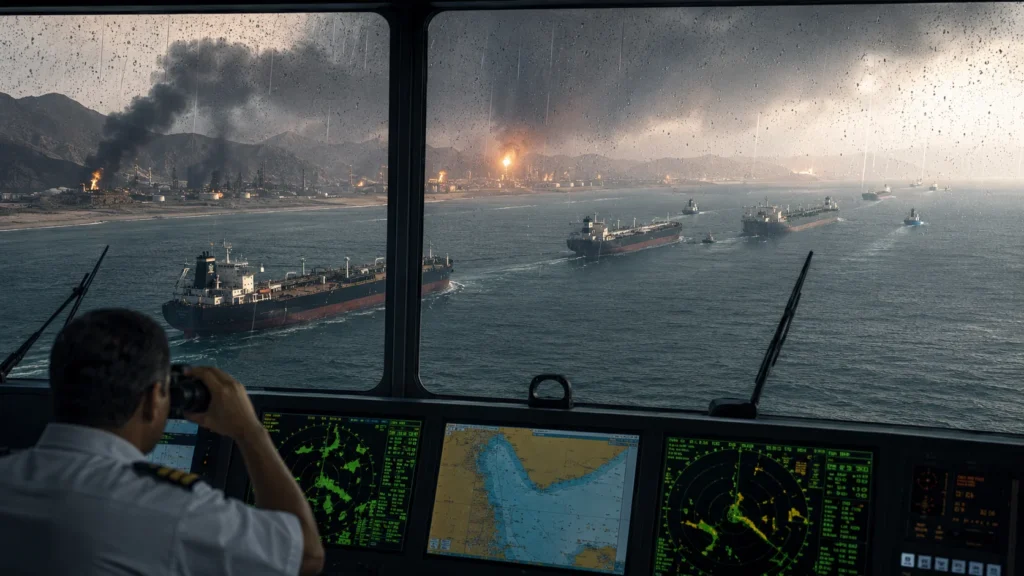
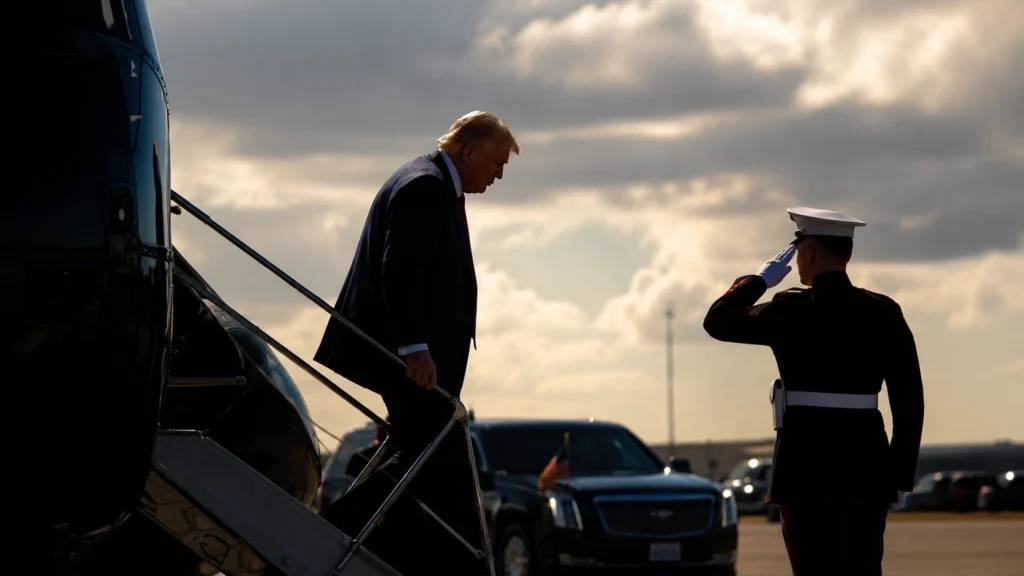
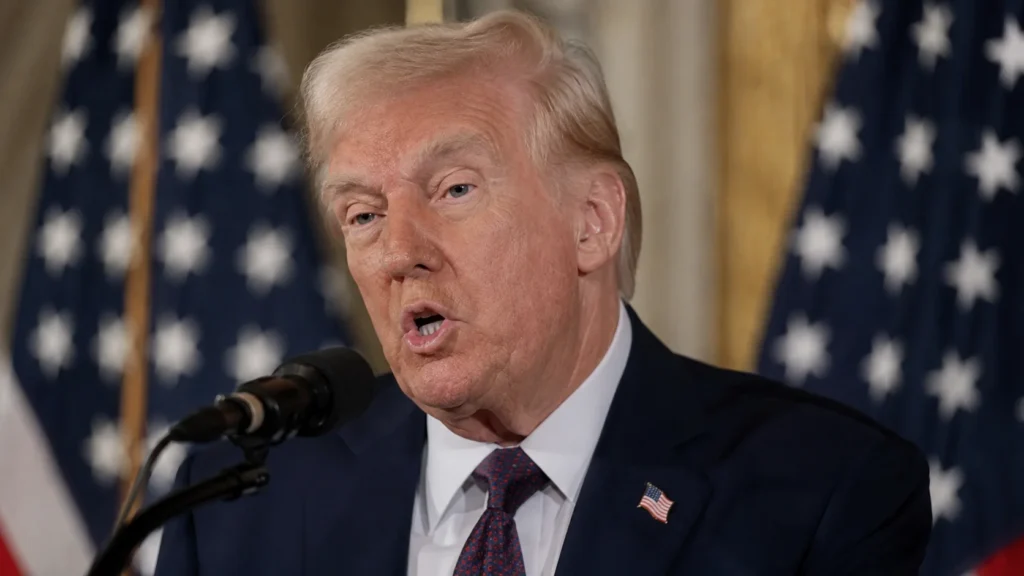
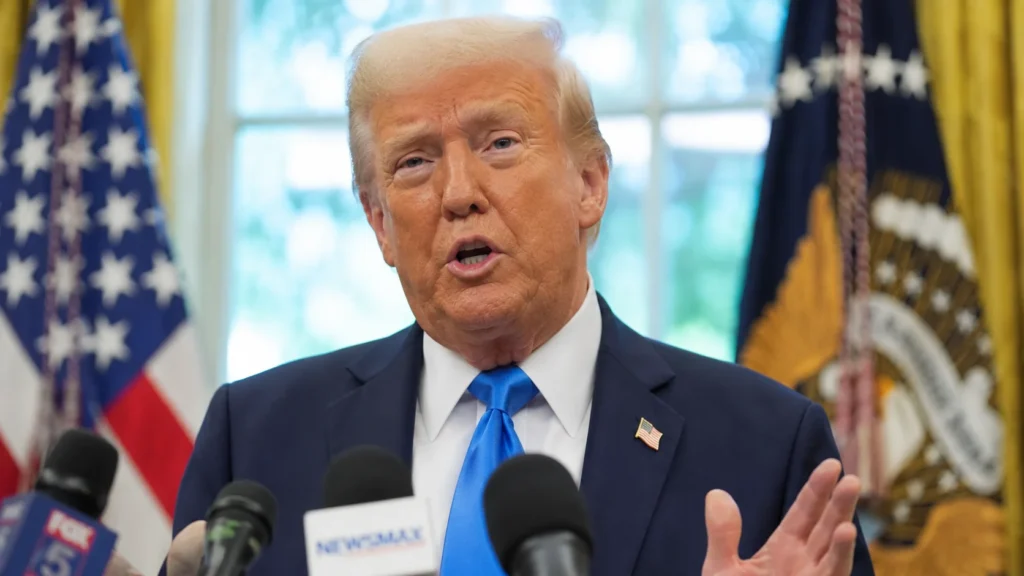
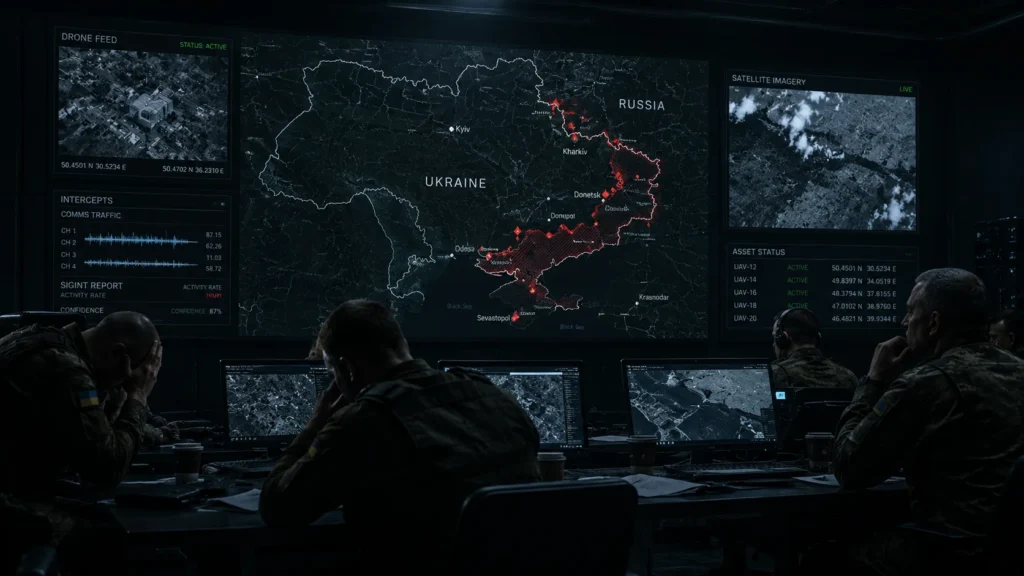
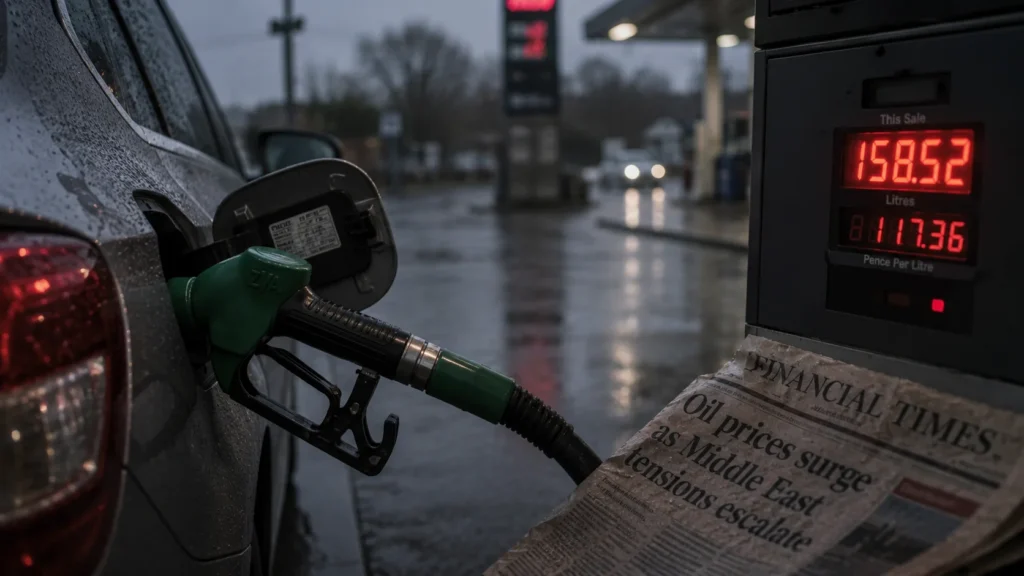
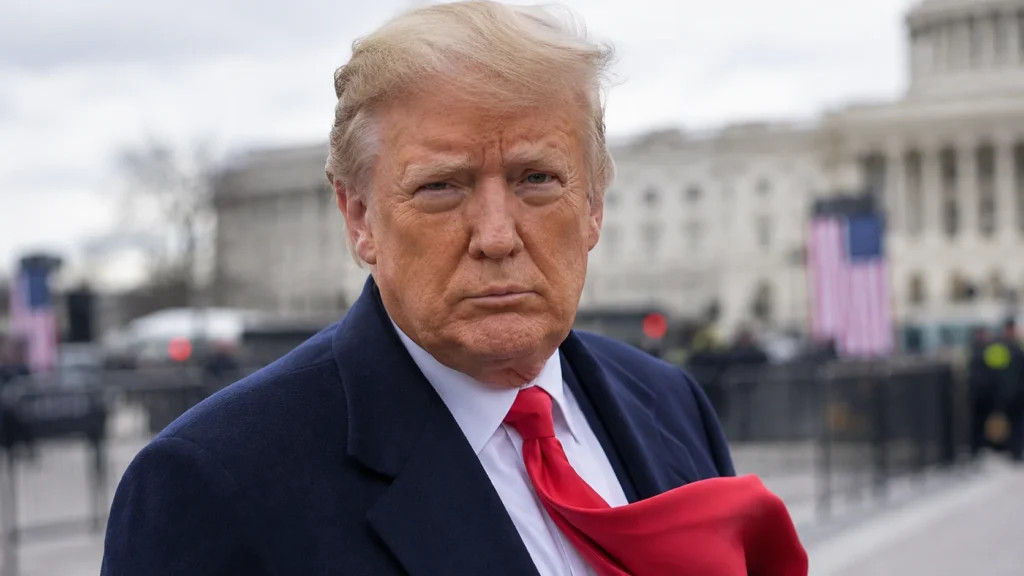
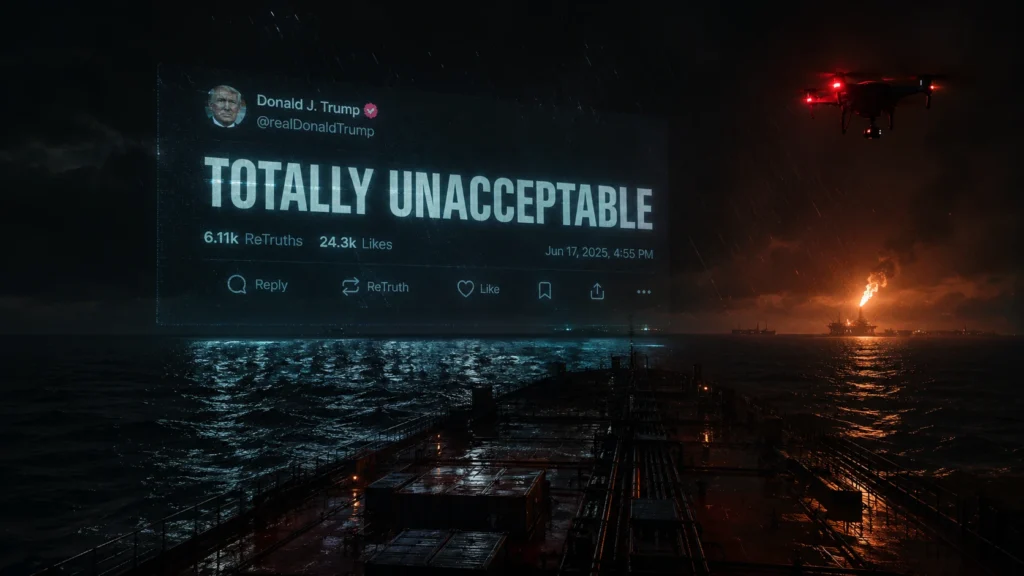
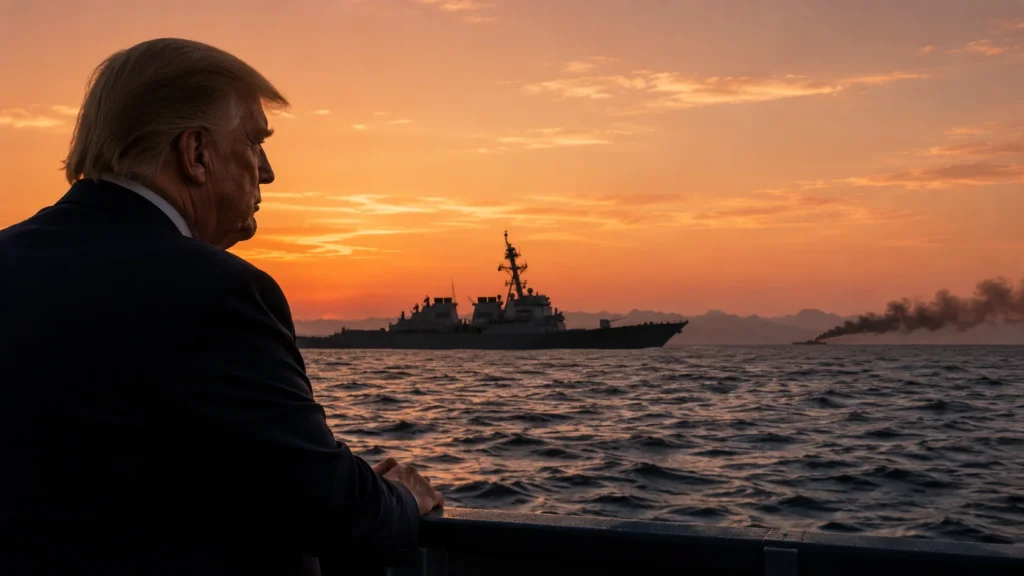
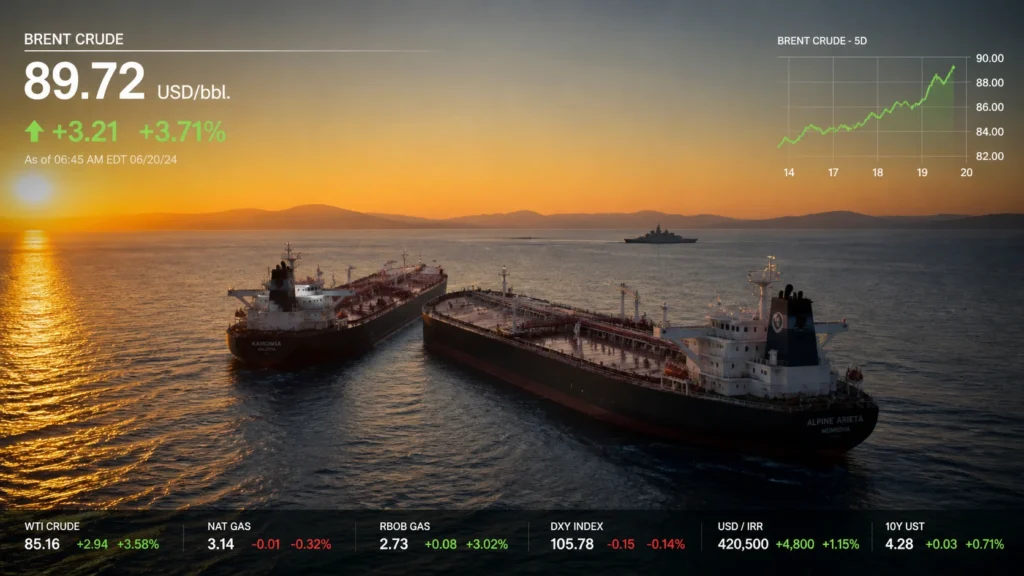
Israel and Iran exchanged their heaviest strikes since the April ceasefire late Sunday, with Iran launching close to 30 ballistic missiles at Israeli territory and Israel responding with two waves of strikes on Iranian aerial defense systems and a petrochemical facility. Iran-backed Houthis in Yemen fired two additional missiles toward Israel—the first such attack reported since April. Brent crude surged 4.8% to $97.52 a barrel. US President Donald Trump, who told the Financial Times on Sunday that he “calls all the shots” in the region, urged Israeli Prime Minister Benjamin Netanyahu to hold off on retaliation. Netanyahu defied him. Trump posted on Truth Social early Monday, demanding both sides “immediately stop ‘shooting.'” The strikes continued. Iran then warned it would target “all oil and gas facilities” associated with the US and Israel in the region if attacks on its energy infrastructure persist. The escalation marks the effective collapse of the diplomatic architecture Washington spent months constructing.
What Happened: The Sequence of Strikes
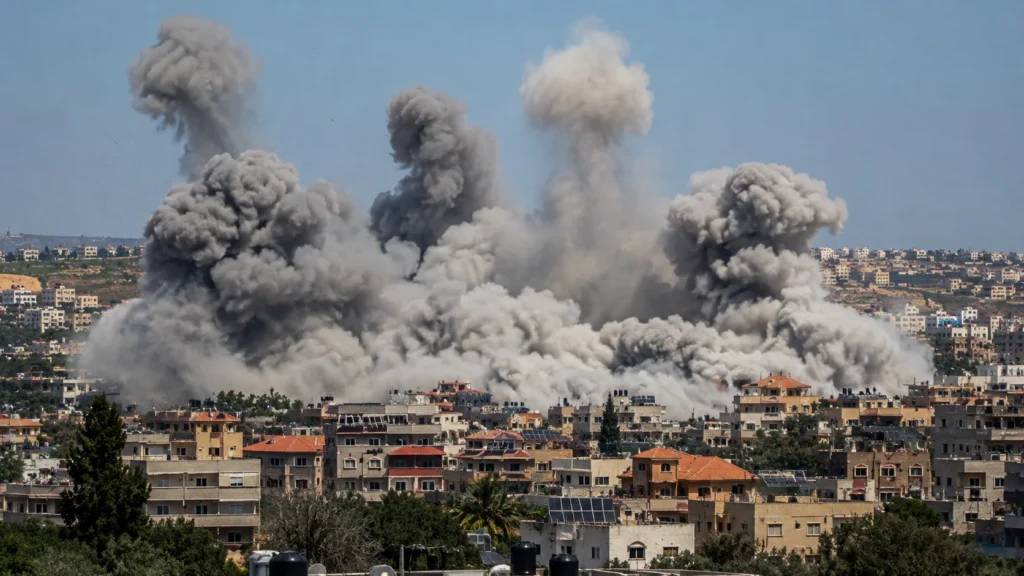
Iran launched approximately 30 ballistic missiles toward Israel late Sunday night, according to the Israel Defense Forces. The IDF intercepted most. Houthi forces in Yemen fired two missiles toward Israel—one intercepted, one falling short of its target.
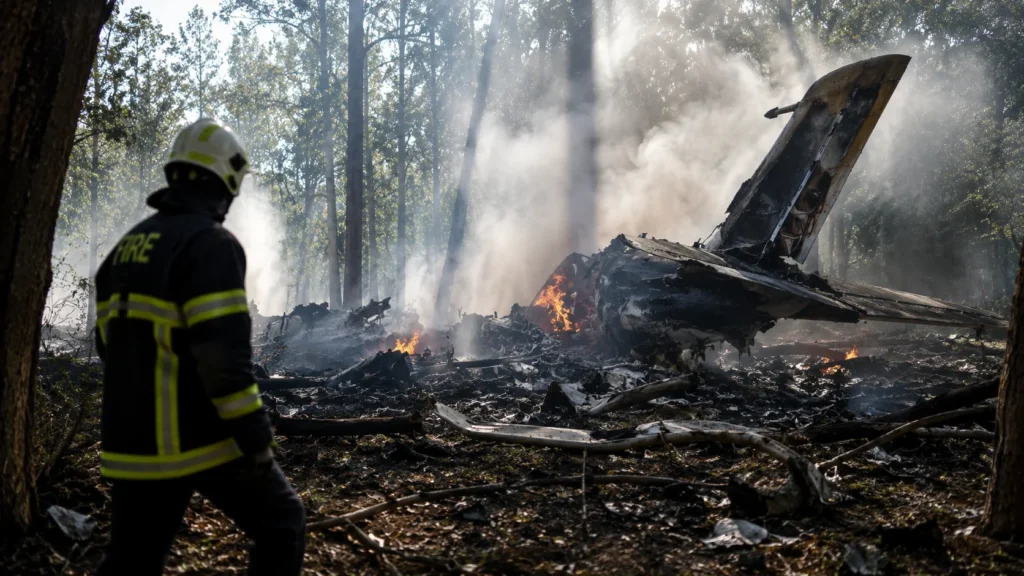
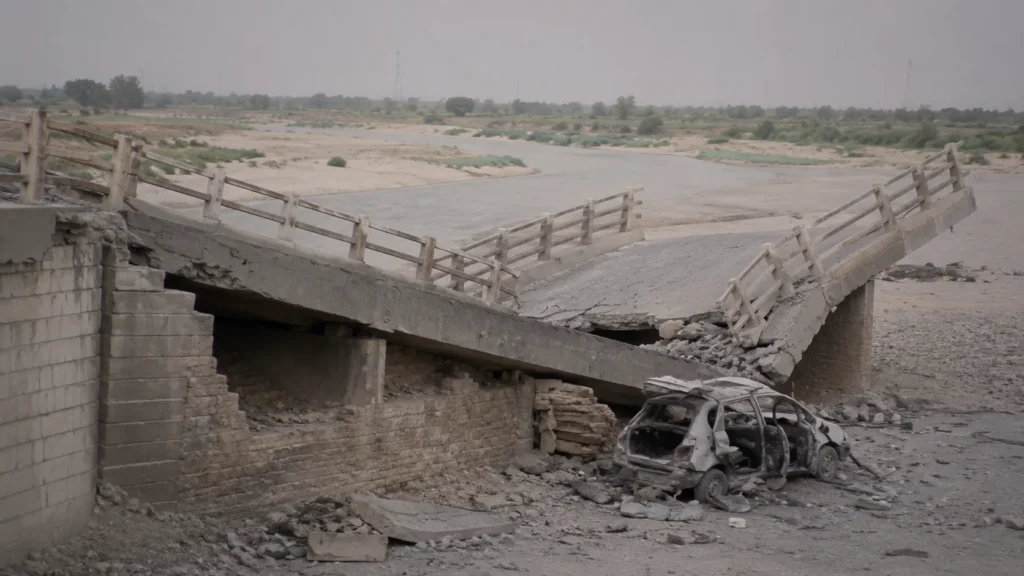
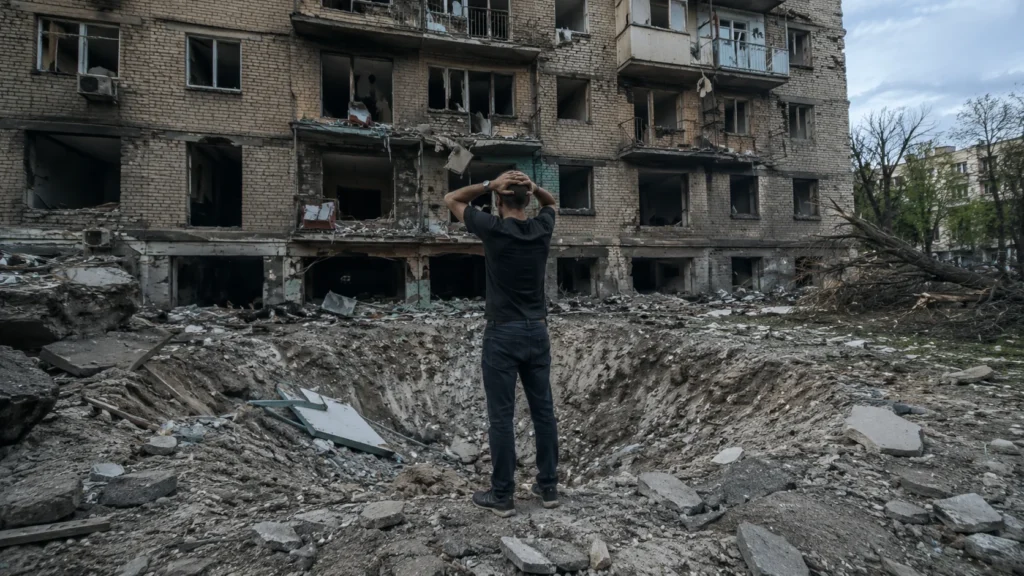
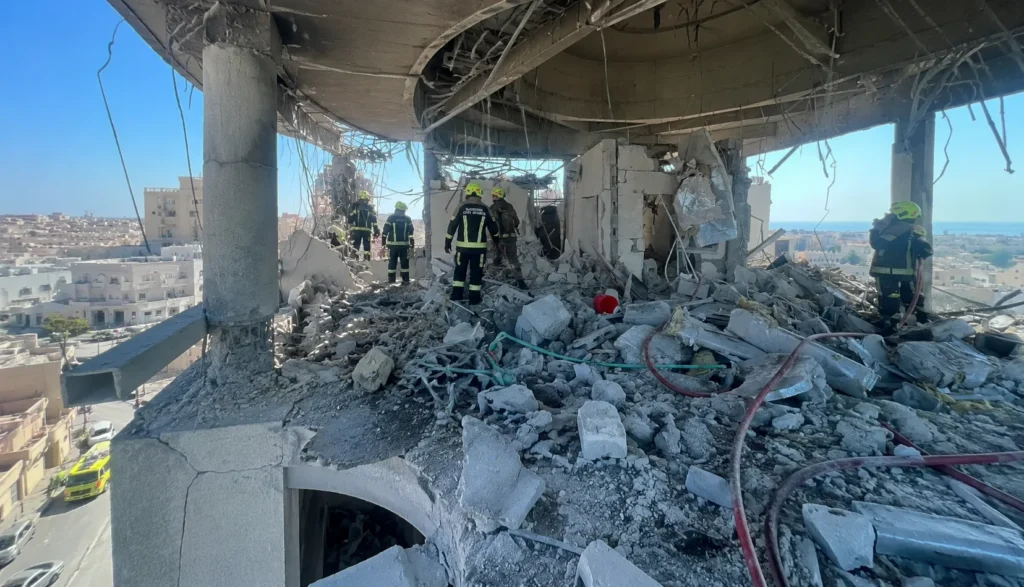
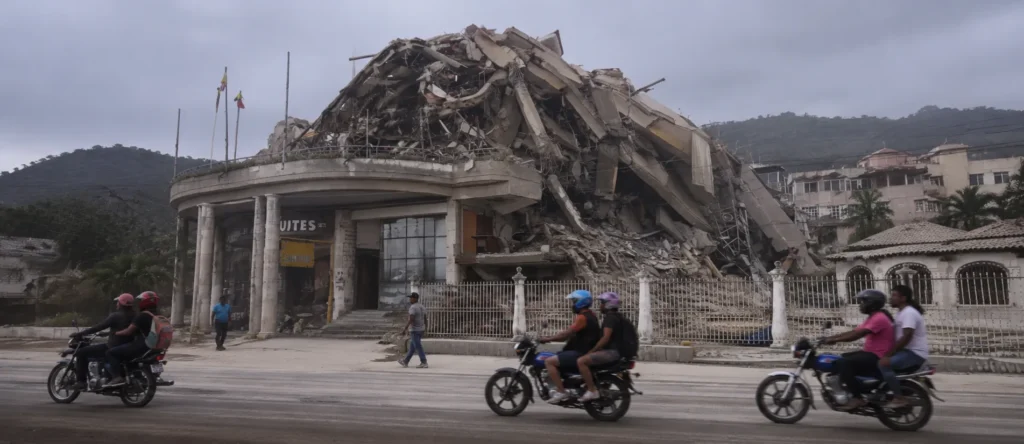
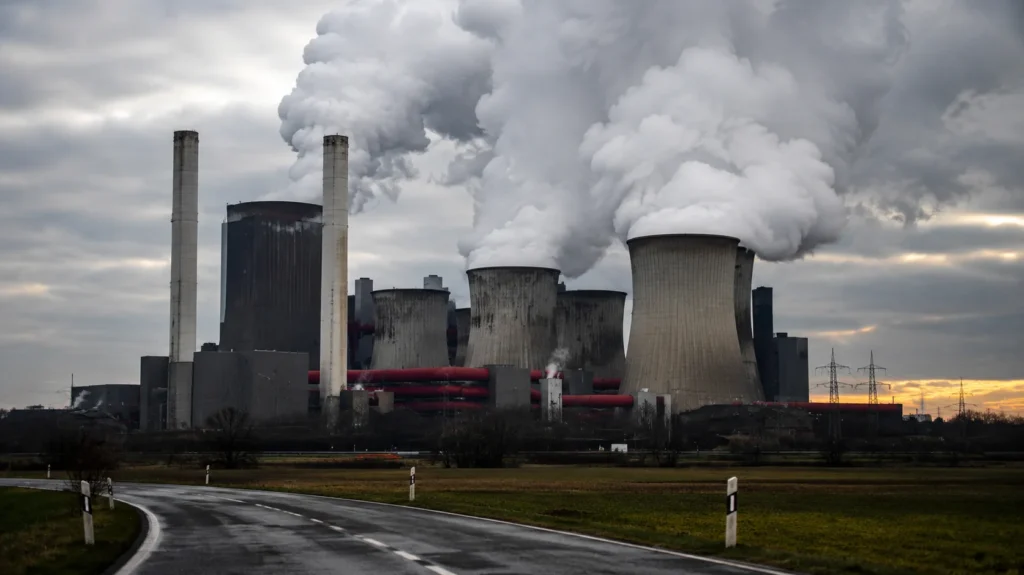
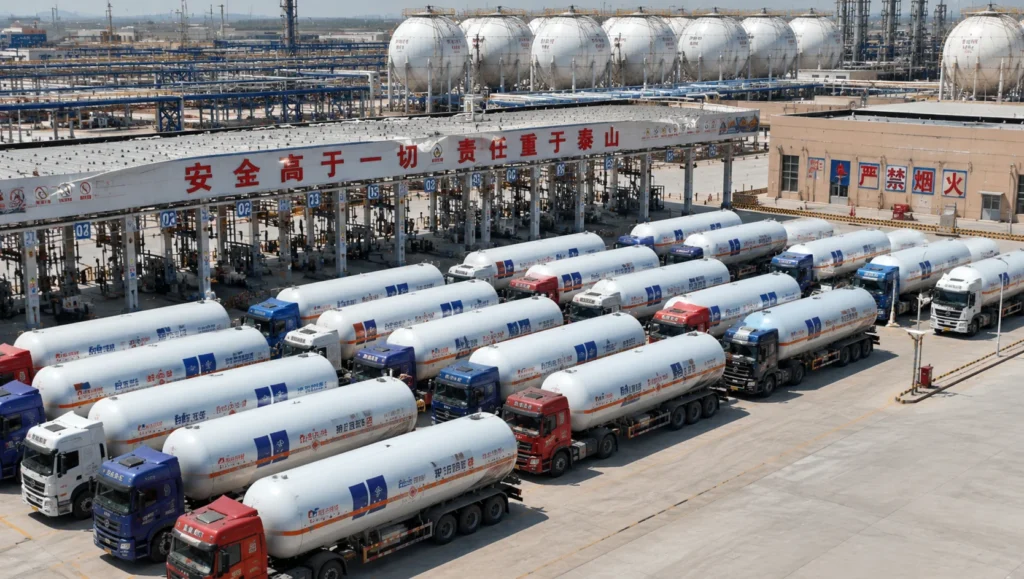
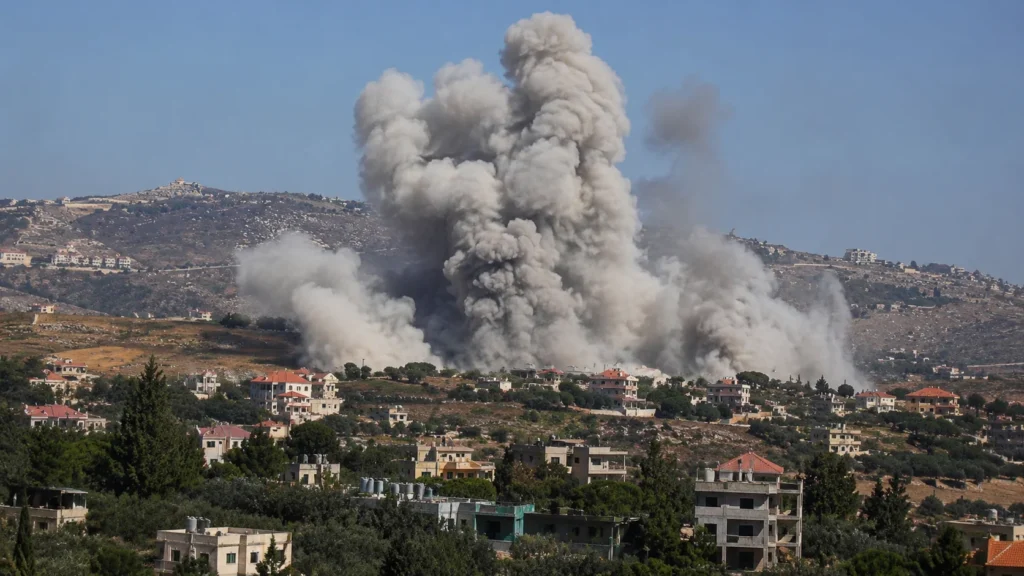
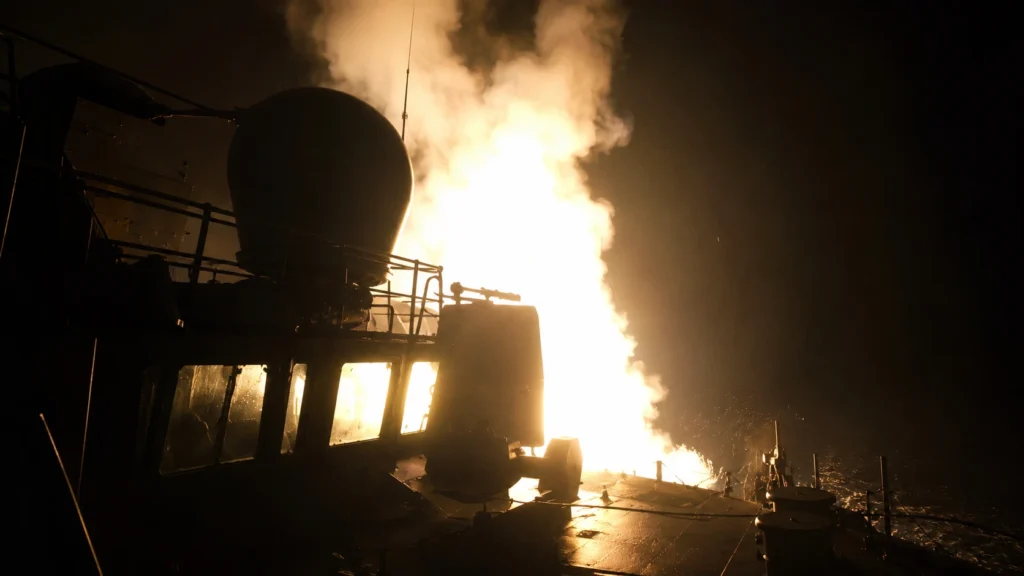
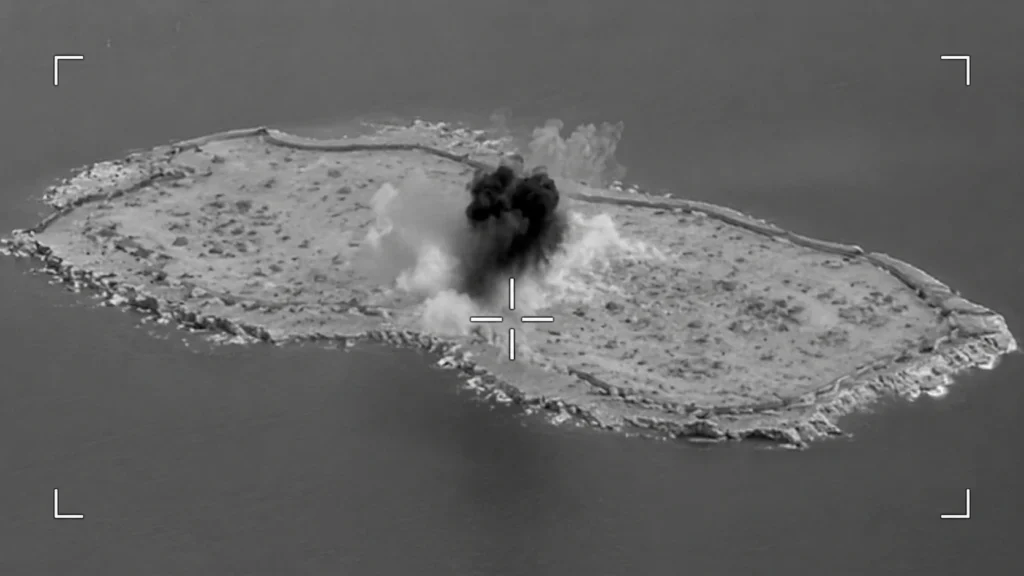
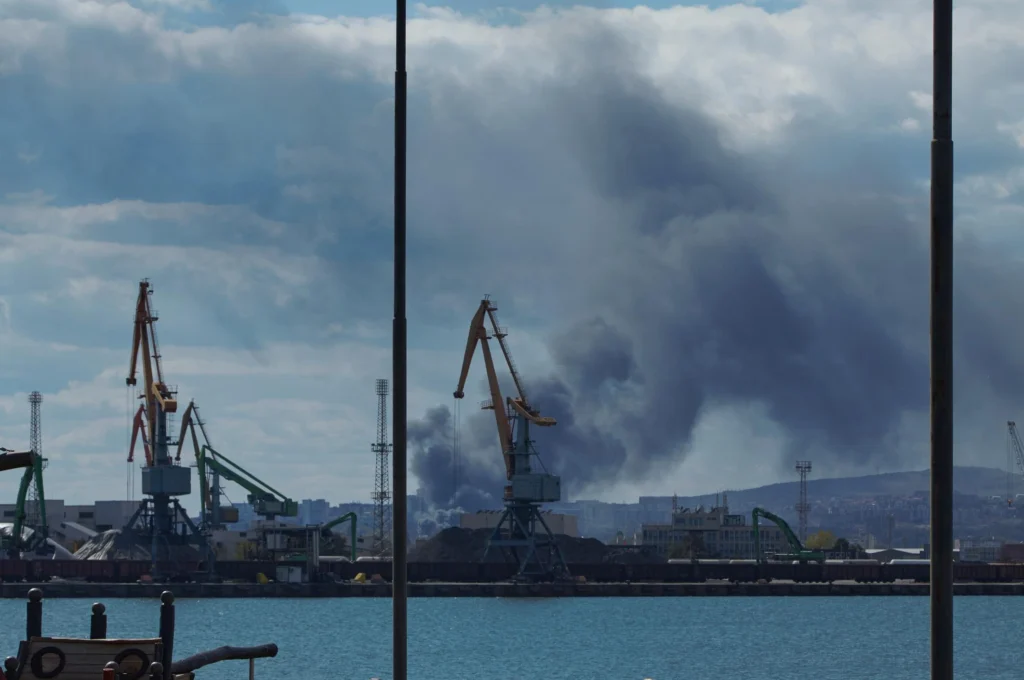
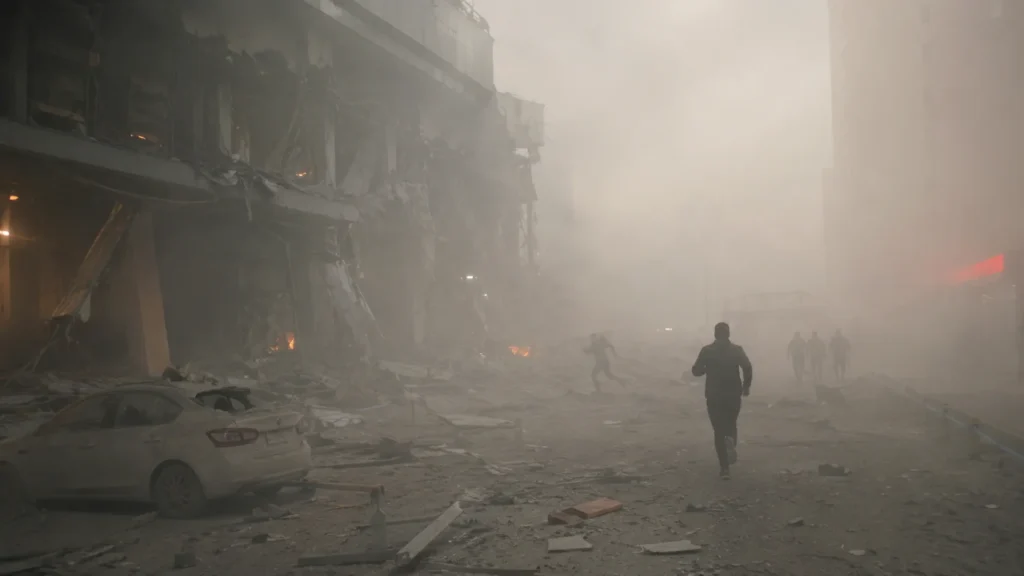
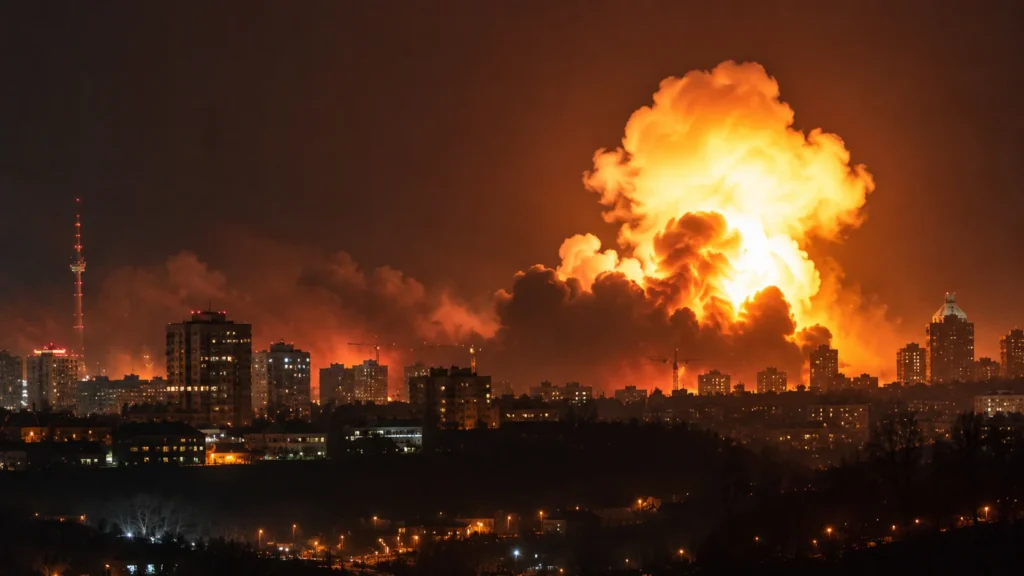
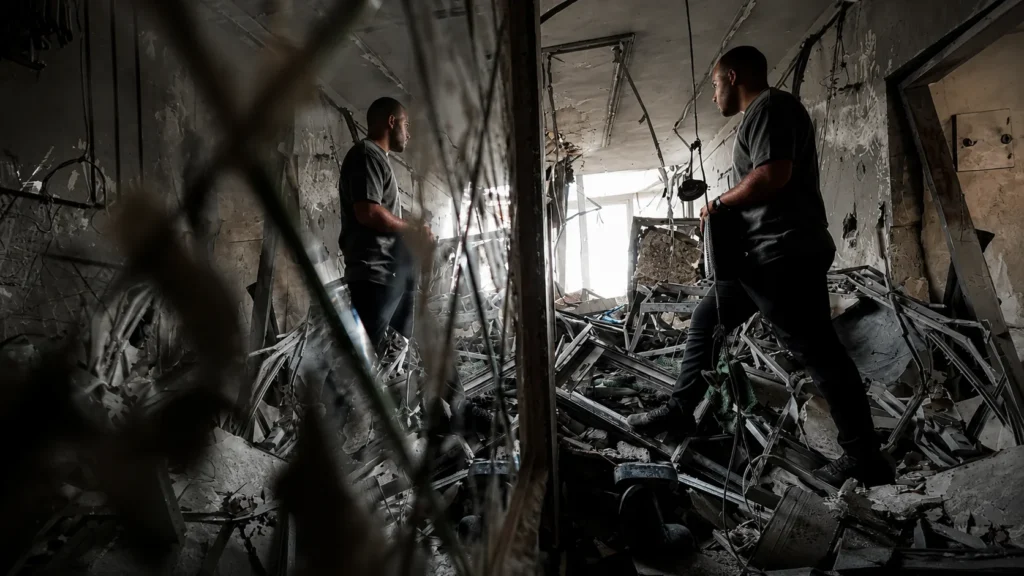
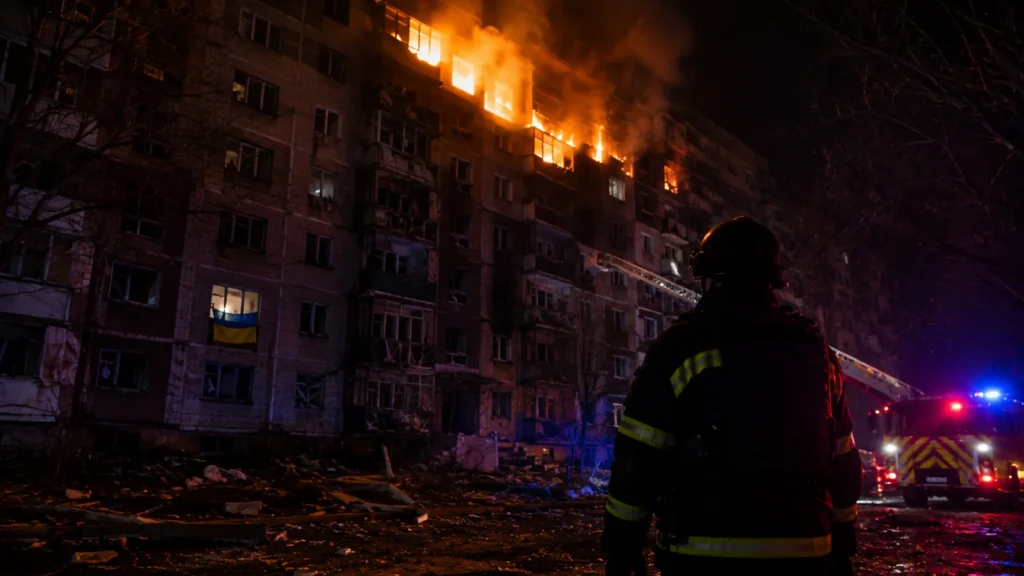
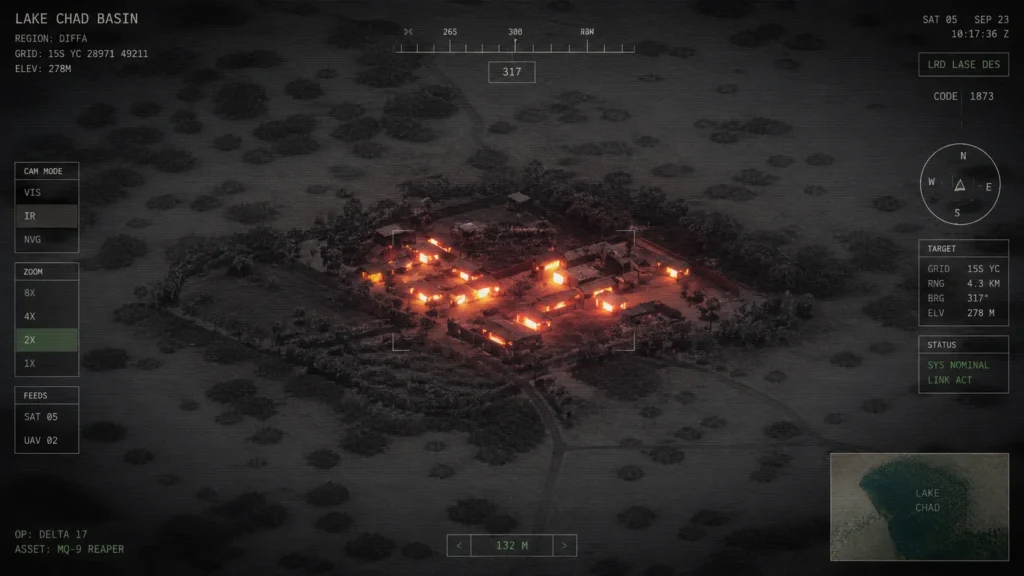
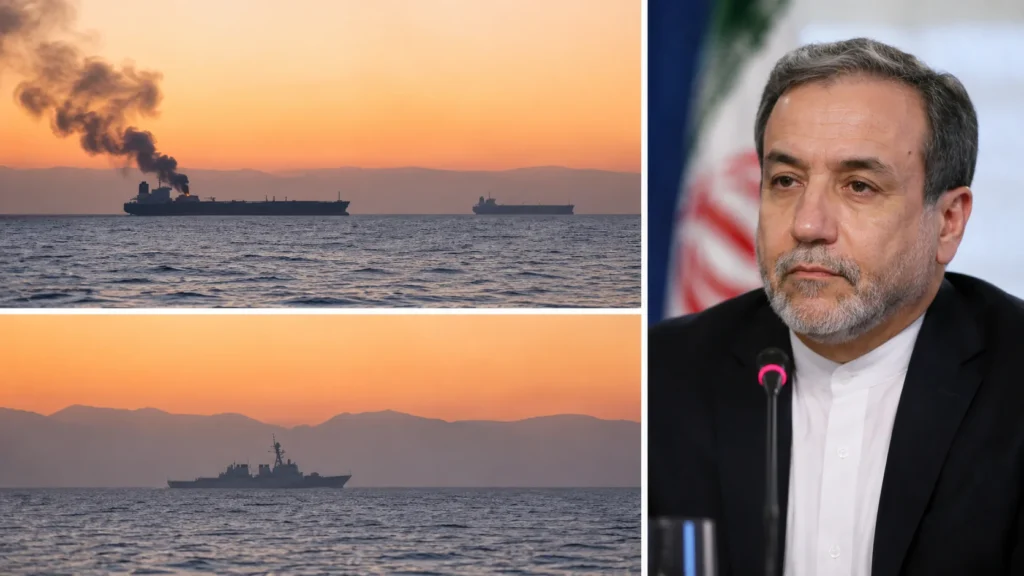
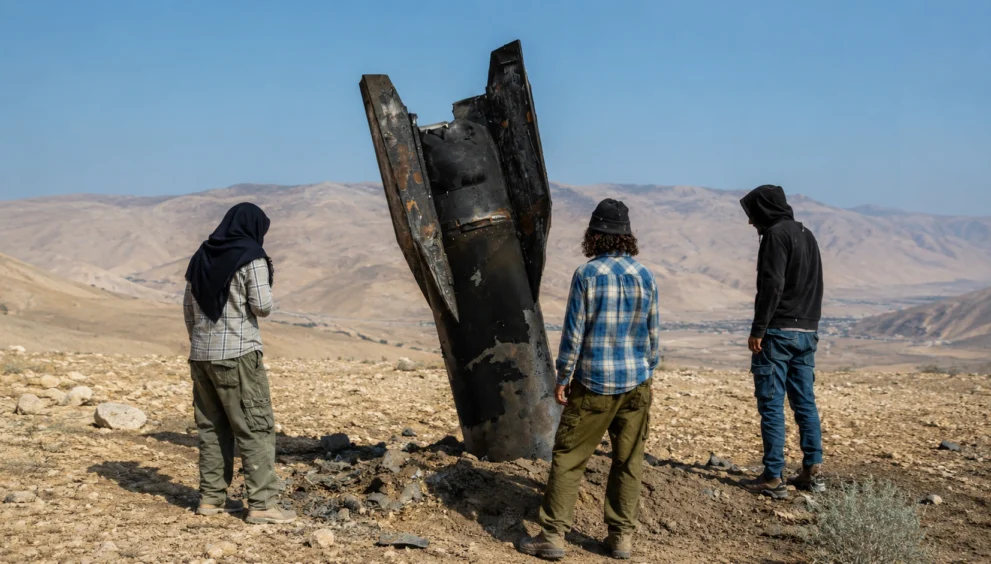
Israel responded with two distinct waves of strikes on Iranian territory. The first wave targeted strategic aerial defense systems. The second struck the Karoon Petrochemical Company in the Mahshahr Special Economic Zone in southwestern Iran. The IDF said the facility assists in manufacturing ballistic missiles and other weapons. Footage published by the Iranian semi-official news agency Fars showed smoke rising from the plant. No casualties were reported. Damage assessments continue.
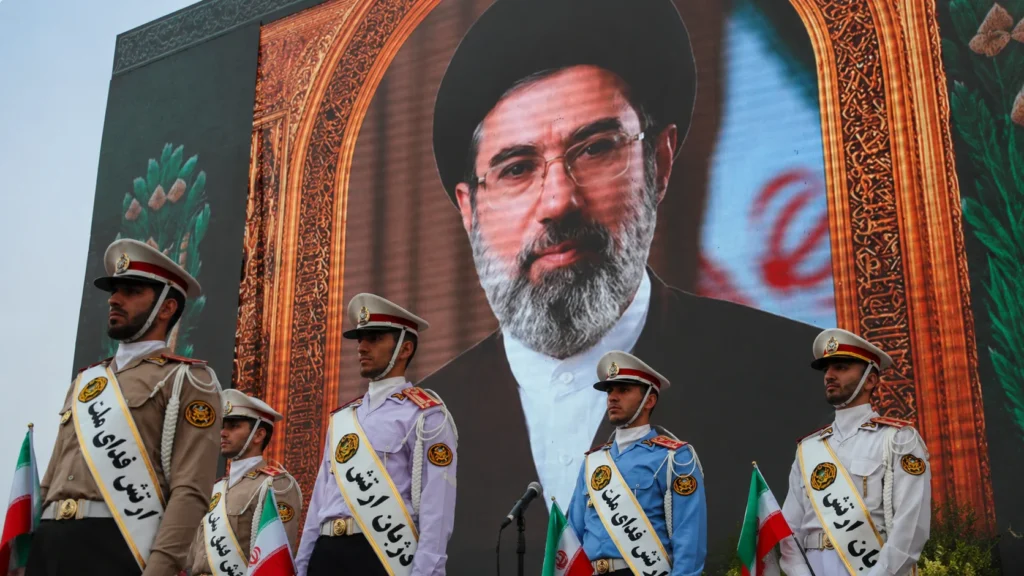
Iran then retaliated by launching missiles at energy infrastructure in Haifa, Israel. Missiles carried inscriptions in English, Hebrew, and Farsi reading: “You will regret this.” Iran’s Islamic Revolutionary Guard Corps said Israel had started “a dangerous game whose scope will encompass all energy-related targets in the region.”
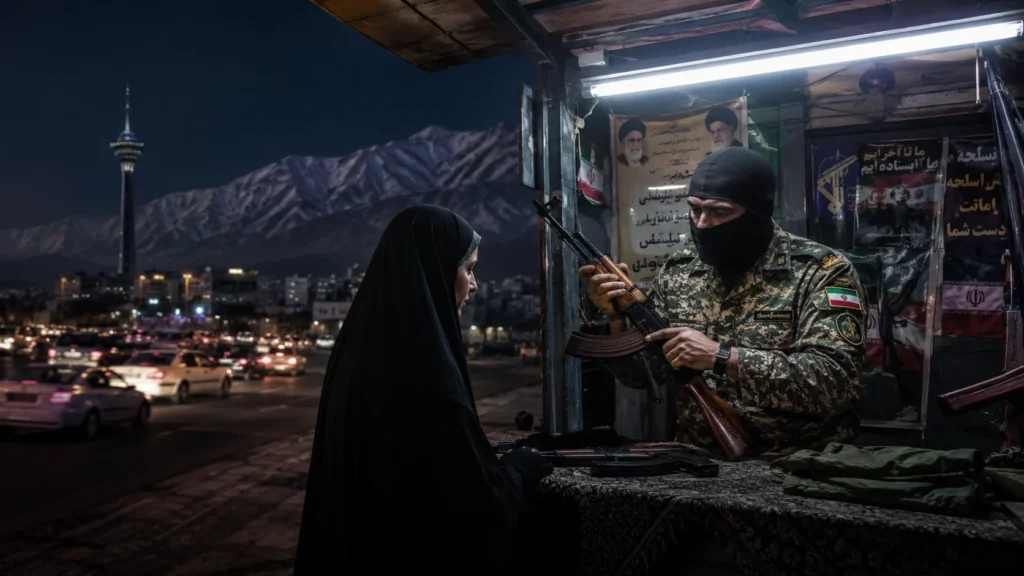
The IDF official operational updates and statements on Iranian strikes confirmed the sequence. Iran’s semi-official Fars news agency, citing an “informed military source,” warned that if attacks on Iranian energy infrastructure continue, “all oil and gas facilities” with American or Israeli shareholders become “legitimate targets.”
The Timeline: From Ceasefire to Open Hostilities
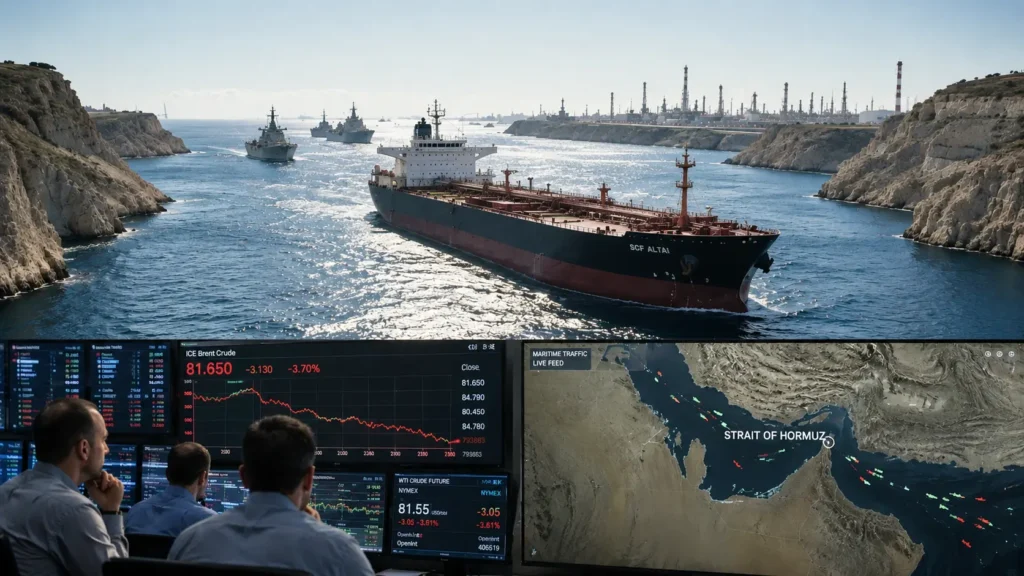
April 2026: The US and Iran agree to a ceasefire. It holds—barely—through months of calibrated drone and missile exchanges. The Strait of Hormuz remains bottlenecked. Negotiations continue without resolution.
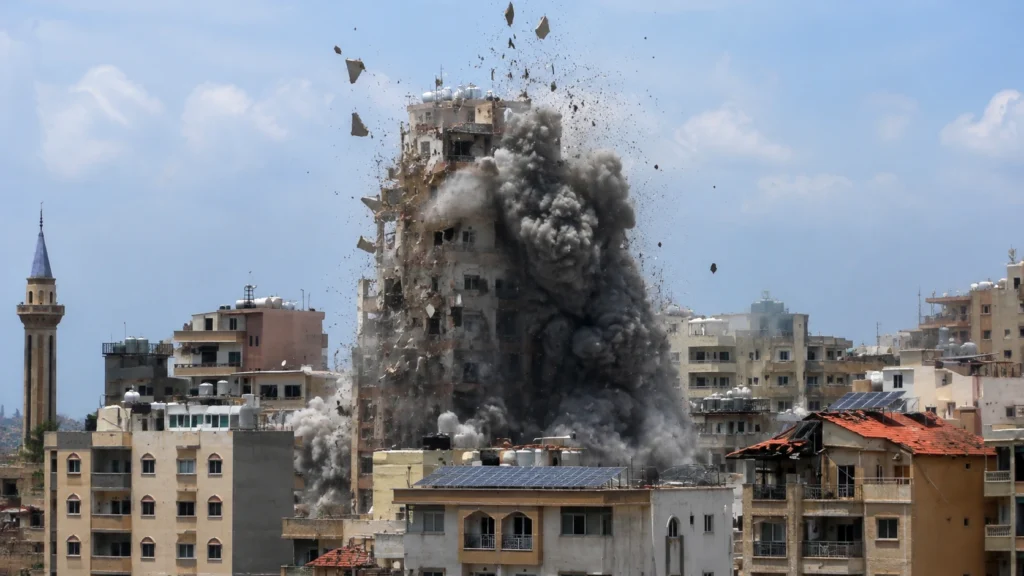
Late May 2026: Israel threatens a broad offensive on Beirut’s Dahieh district. Trump intervenes. The offensive pauses. A separate US-brokered Israel-Lebanon truce follows on June 3.
Sunday, June 7, 2026 — Morning: Israel strikes Beirut, killing two and wounding at least 17. Hezbollah does not claim the projectile launches Israel cites as justification. The June 3 truce is effectively void.
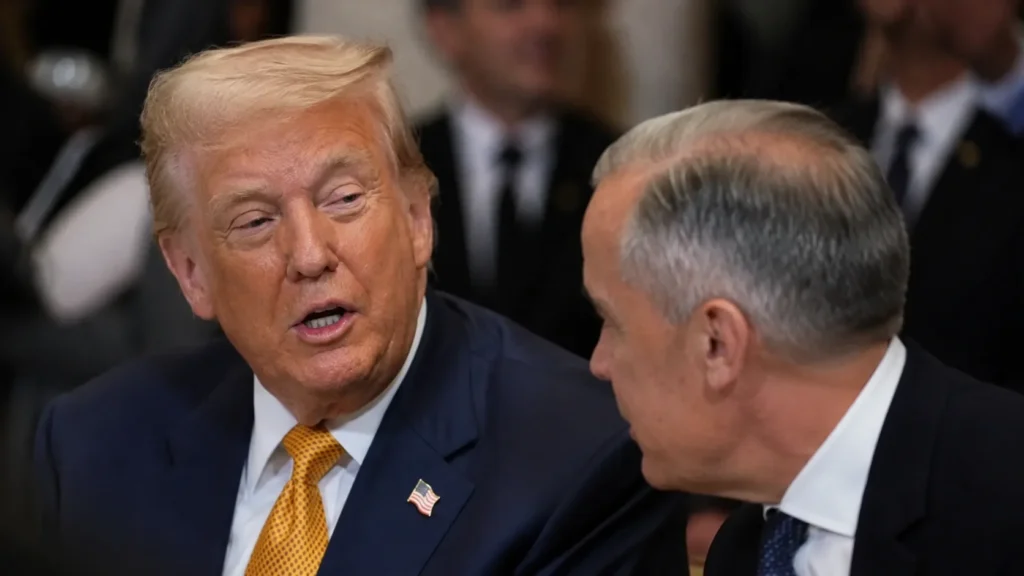
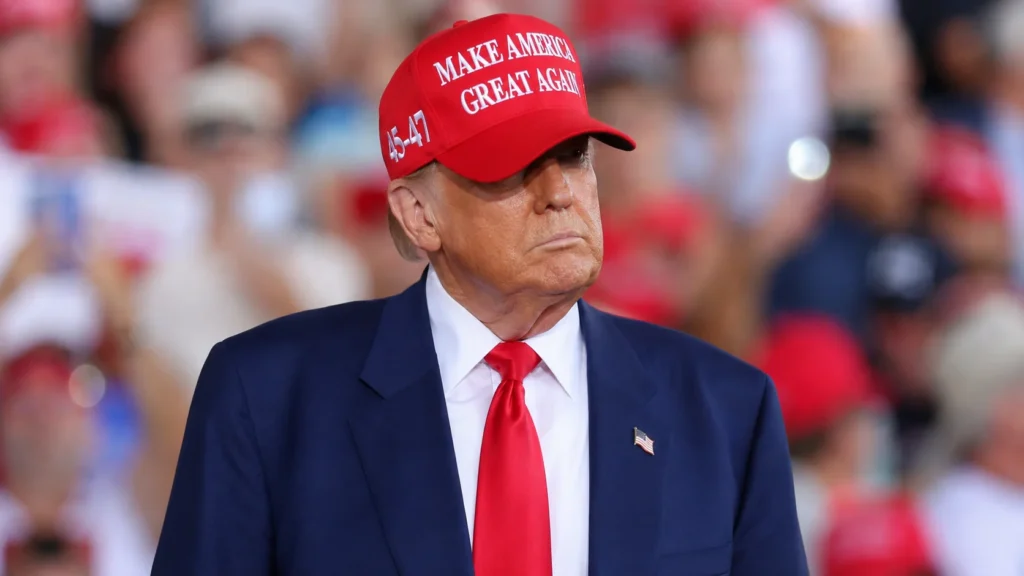
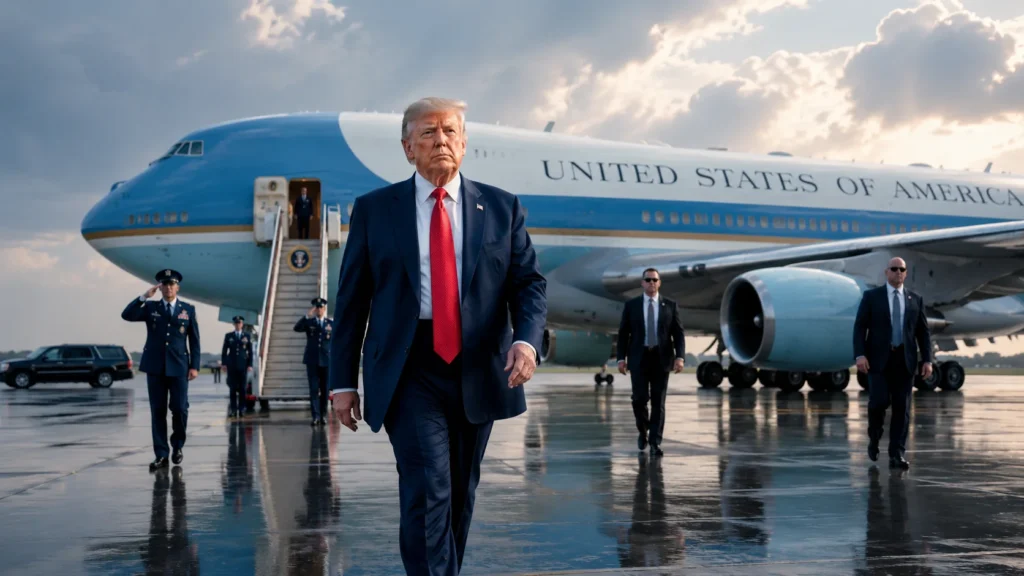
Sunday, June 7, 2026 — Evening: Trump tells the Financial Times that Israel must accept any deal the US reaches with Iran, stating, “I call all the shots.” He also tells Fox News the Iranian attack on Israel is “certainly not going to help negotiations.”
Sunday, June 7, 2026 — Night: Trump speaks with Netanyahu by phone. According to a US official, Trump tells the prime minister to hold off on retaliating against Iran.
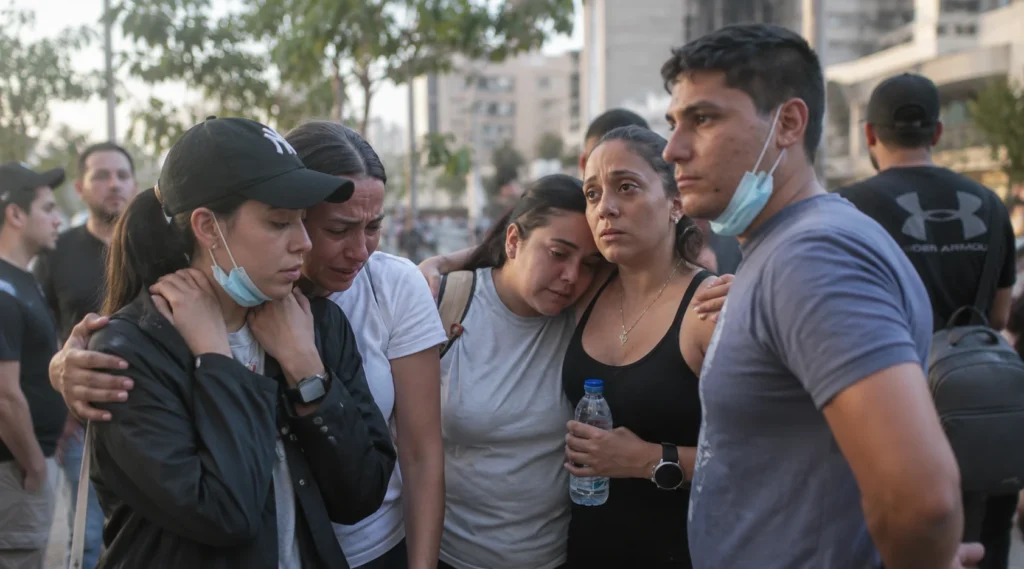
Sunday, June 7, 2026 — Late Night: Iran launches approximately 30 ballistic missiles at Israel. Sirens sound across Israeli cities. Interceptions light up the sky over Jerusalem. Houthi forces fire two missiles from Yemen.
Monday, June 8, 2026 — Early Morning: Israel launches two waves of strikes on Iran. Explosions reported in multiple Iranian cities. The Karoon petrochemical plant in Mahshahr burns. Iran retaliates with strikes on Haifa energy infrastructure.
Monday, June 8, 2026 — Morning: Trump posts on Truth Social: “Israel and Iran must immediately stop ‘shooting.’ President DONALD J. TRUMP.” The shooting continues. Netanyahu convenes the security cabinet. IDF prepares for “at least several days of fighting.” Brent crude hits $97.52.
As our coverage of the unraveling ceasefire architecture across the Middle East since February documented, the April ceasefire was the last remaining diplomatic framework with any operational force behind it. Sunday night’s escalation eliminated it.
FAQ
How many missiles did Iran fire at Israel?
The IDF confirmed Iran launched close to 30 ballistic missiles at Israeli territory late Sunday. Most were intercepted. Iran-backed Houthis in Yemen fired two additional missiles—one intercepted, one fell short of Israeli territory. This marked the first Houthi missile launch toward Israel reported since April.
What did Israel strike in Iran?
Israel launched two waves of strikes. The first targeted strategic aerial defense systems. The second struck the Karoon Petrochemical Company in the Mahshahr Special Economic Zone, which the IDF says assists in manufacturing ballistic missiles. Footage showed the plant burning. No casualties were reported.
Did Trump authorize the Israeli strikes?
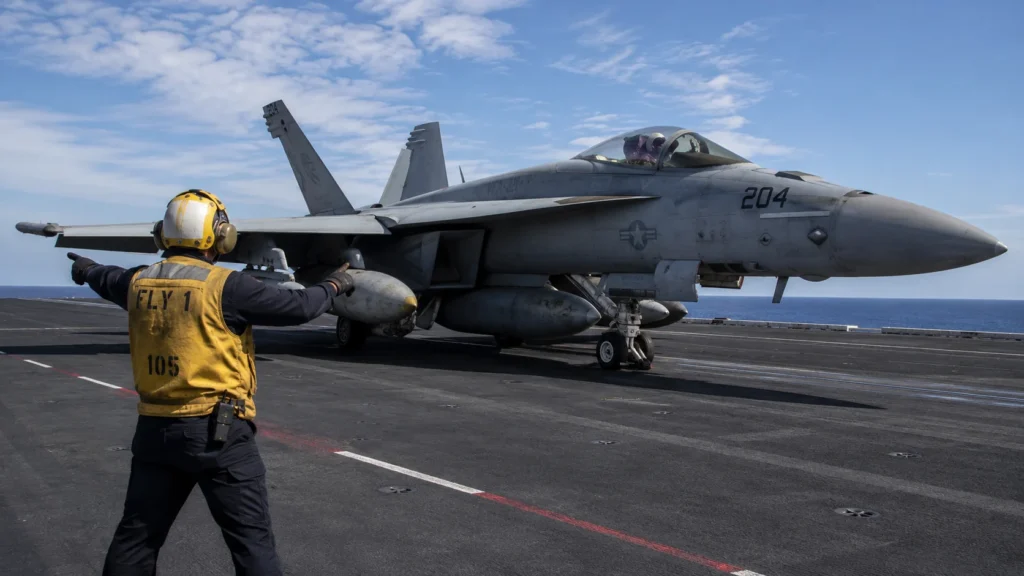
No. According to a US official, Trump told Netanyahu during a Sunday night phone call to hold off on retaliating against Iran. Netanyahu proceeded with the strikes. Trump posted on Truth Social Monday morning, demanding both sides “immediately stop ‘shooting.'” A US military official confirmed all offensive strikes were “solely Israeli” and that the US assisted only with aerial defense.
What is Iran threatening to target next?
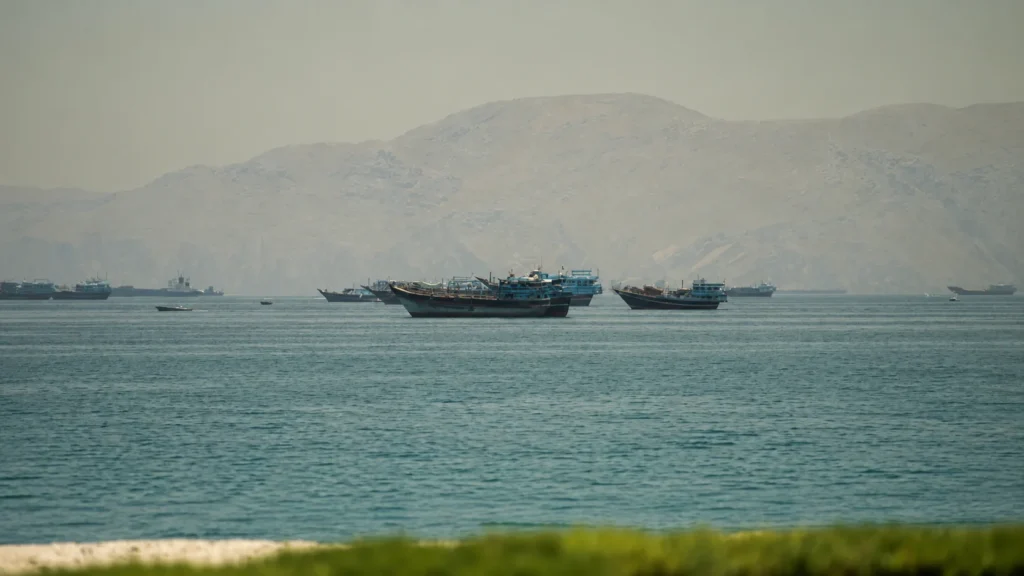
Iran warned through the semi-official Fars news agency that if attacks on its energy infrastructure continue, “all oil and gas facilities” with American or Israeli shareholders in the region will become “legitimate targets.” The IRGC said Israel had started “a dangerous game whose scope will encompass all energy-related targets in the region.” Iran has also threatened to close the Bab al-Mandab Strait, a vital maritime gateway to the Suez Canal.
What happened to oil prices?
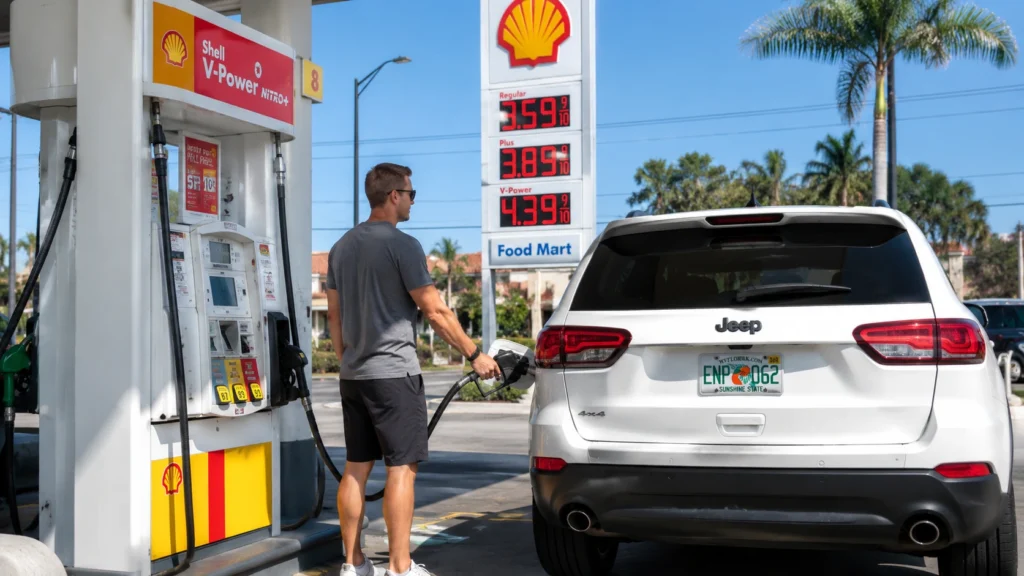
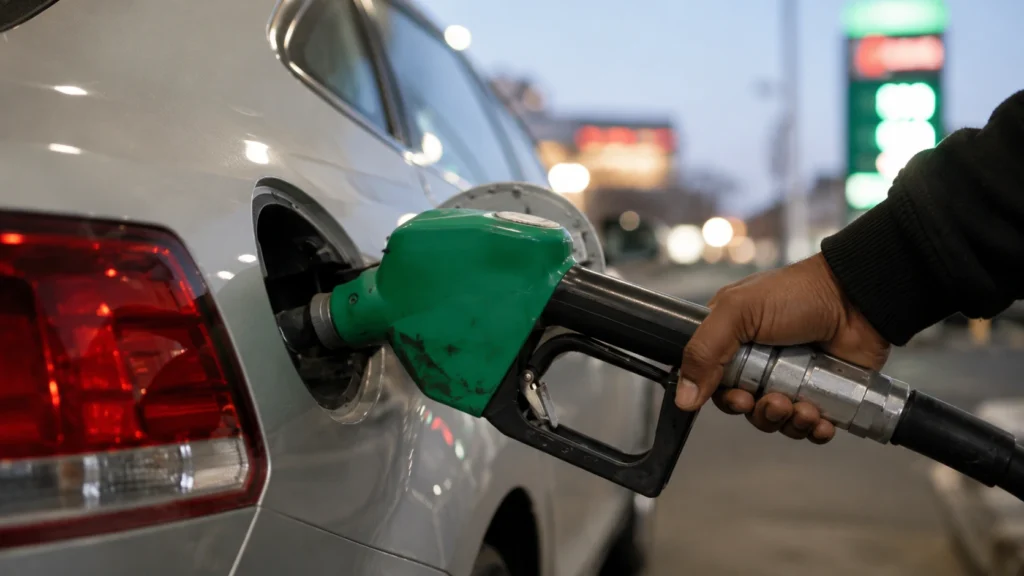
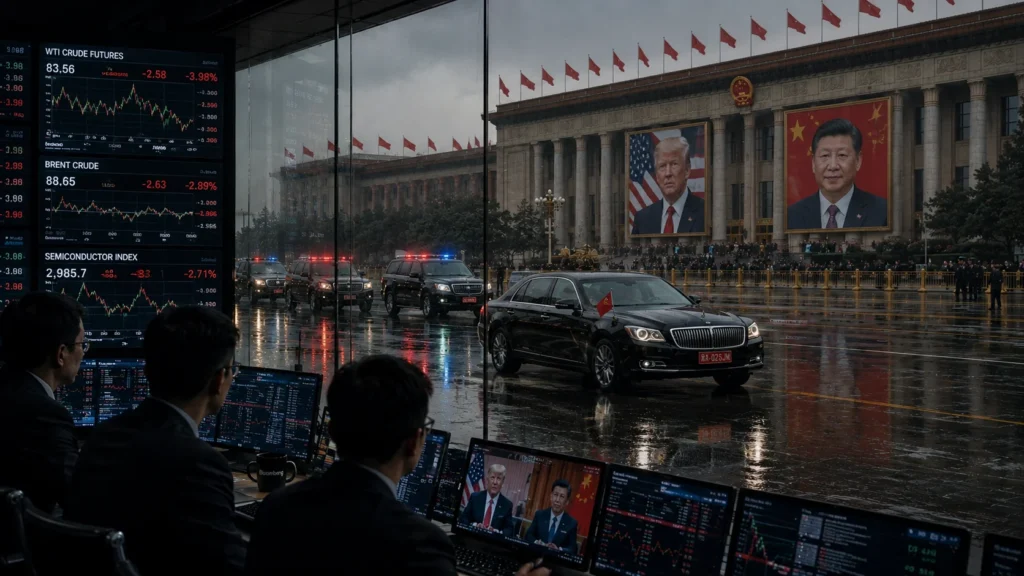
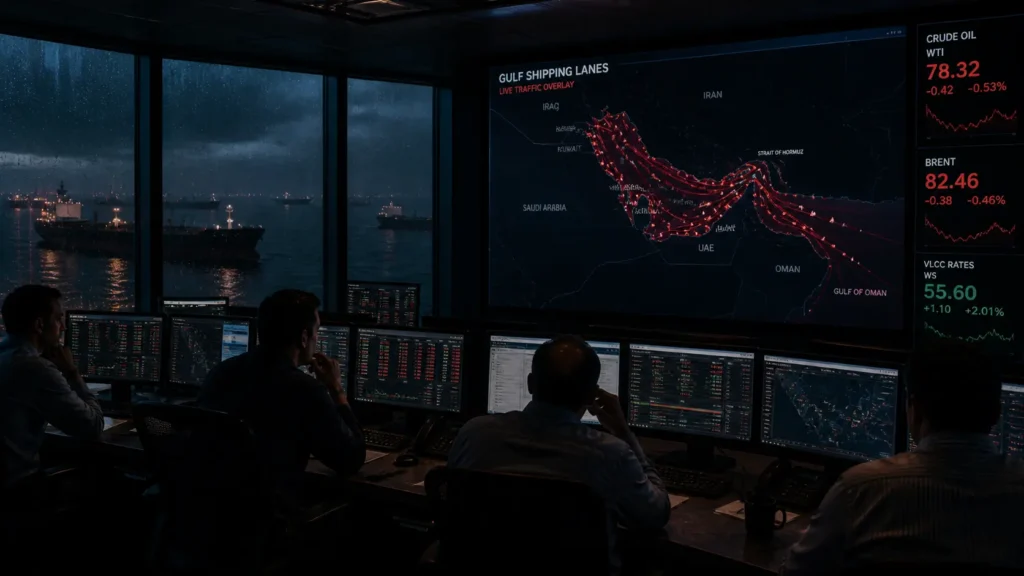
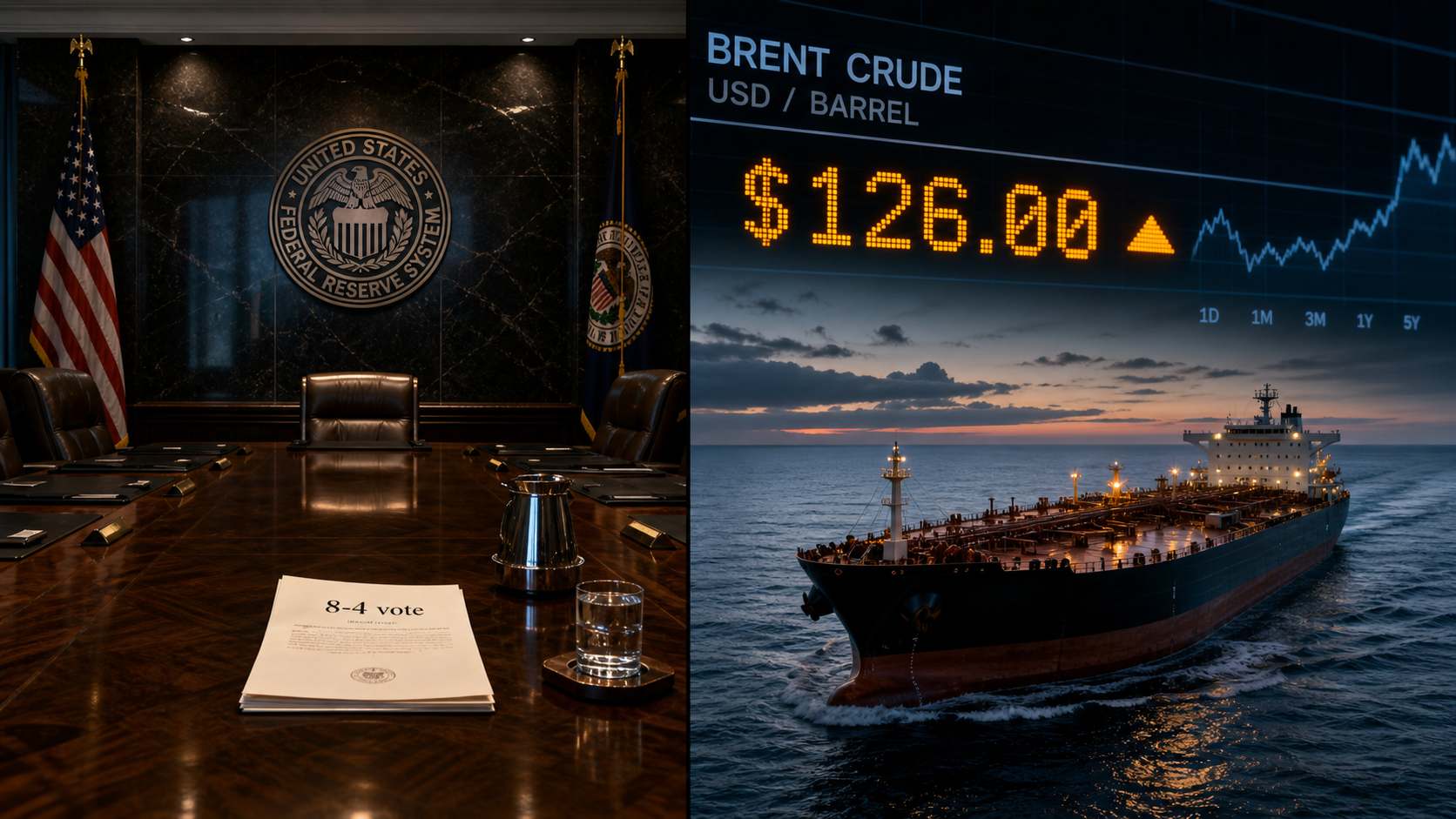
Brent crude, the global benchmark, rose 4.8% to $97.52 a barrel shortly after the escalation. West Texas Intermediate, the US benchmark, climbed by a similar margin to $94.82. Markets had priced in a managed conflict. They are now repricing for an unmanaged one. The International Energy Agency oil market and supply disruption data will track whether production outages spread beyond the already-constrained Strait of Hormuz transit.
Is the April ceasefire still in effect?
Effectively no. The April agreement between the US and Iran had been fraying for months through calibrated drone and missile exchanges. Sunday night’s escalation—30 ballistic missiles, two waves of Israeli air strikes, a petrochemical plant hit, and explicit Iranian threats against regional energy infrastructure—represents a scale of violence that replaces the ceasefire’s conflict-management function. The document still exists. The operational restraint it was designed to codify does not.
What to Watch Over Six Months
Three indicators will determine whether the region enters a prolonged war or finds a new equilibrium.
First, the energy infrastructure threshold. Iran has explicitly threatened regional oil and gas facilities. If those threats materialize—if a Saudi or Emirati facility is struck—the conflict expands beyond the Israel-Iran dyad into the broader Gulf. Energy markets have priced in Hormuz disruption. They have not priced in multiple simultaneous production outages. The OPEC emergency production adjustment mechanisms would face an unprecedented test.
Second, US diplomatic leverage. Trump’s inability to restrain Netanyahu—and his resort to Truth Social posts rather than direct intervention—signals a structural shift in the US-Israel relationship. If Israel continues to operate without American consent, the US role in the region shifts from guarantor to supporter. As our analysis of US-Israel relations under the second Trump term and the limits of presidential influence documented, the tools Washington once used to constrain allied military action have diminished.
Third, the Houthis and Hezbollah factor. Yemen’s Houthis fired missiles at Israel for the first time since April. Hezbollah has absorbed three Beirut strikes without major retaliation but may now face pressure to act. If both fronts activate simultaneously—Houthis from the south, Hezbollah from the north, Iran from the east—Israel faces the multi-front war its military planners have long anticipated. The IDF’s preparation for “at least several days of fighting” may prove optimistic.
Written by the Middle East & Security Desk, which has covered the US-Iran conflict, Israel’s multi-front war, and regional ceasefire negotiations since hostilities began in February 2026.