

 English







































































































































































































































































































Kospi Circuit Breaker Triggers as Tech Selloff Meets Oil Spike
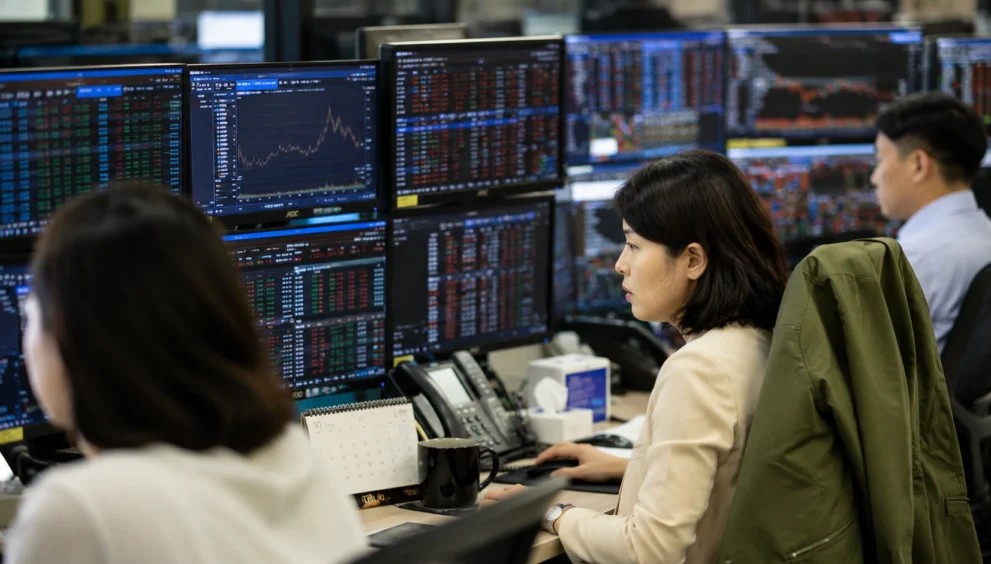
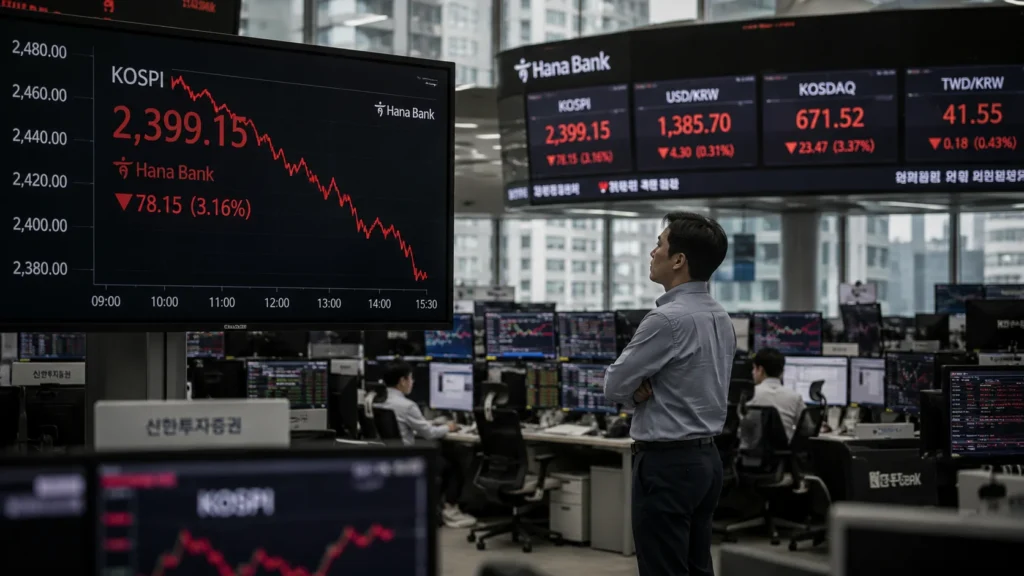
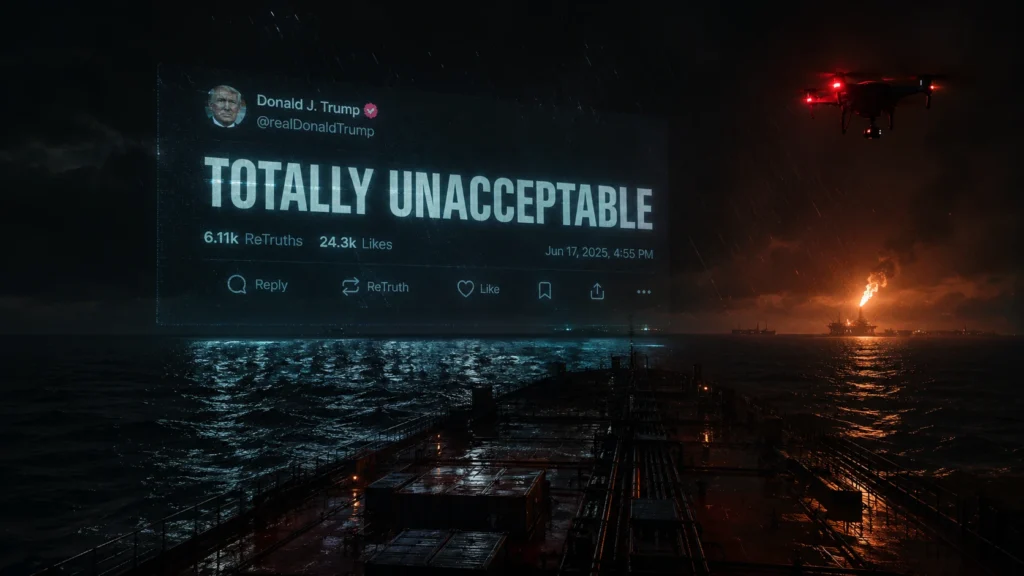
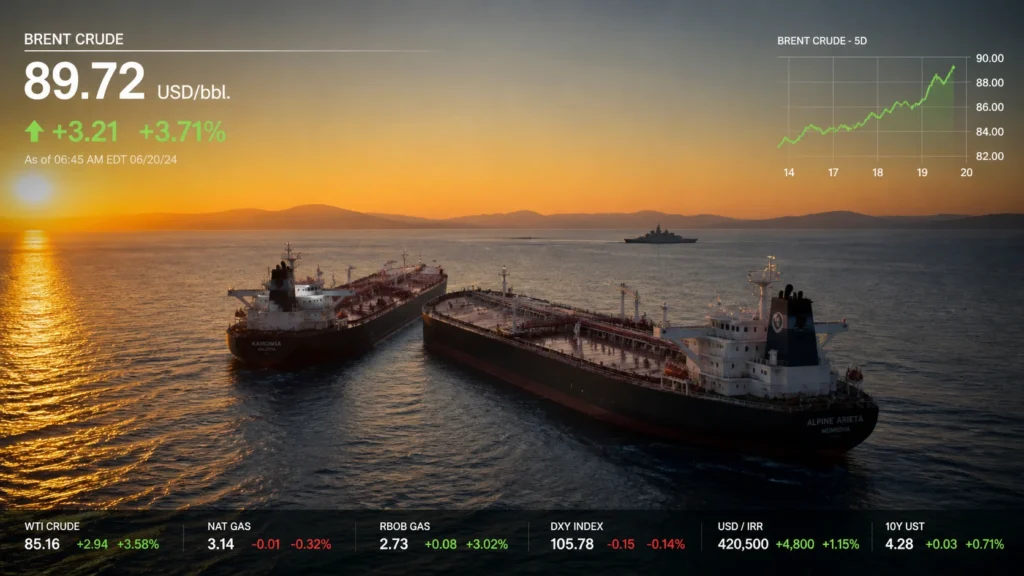
South Korea’s stock exchange halted trading for 20 minutes on Monday after the Kospi index plunged nearly 9% within minutes of opening, triggering a circuit breaker mechanism designed to prevent panic selling. The index closed down 8.3%. Samsung fell 10%. SK Hynix dropped sharply. The selloff followed a 4% Nasdaq decline on Friday—the US index’s worst single-day drop in more than a year—and a 4.6% surge in Brent crude to $97.34 a barrel after Iran and Israel exchanged their heaviest strikes since the April ceasefire. Japan’s Nikkei fell 3.8%. Taiwan’s TSMC slid 3%. European markets opened lower but saw smaller declines. The double shock of tech repricing and geopolitical escalation compounded into a single global sell signal that hit Asian exchanges hardest.
The Question Everyone Is Asking
Why did markets fall so sharply on Monday?
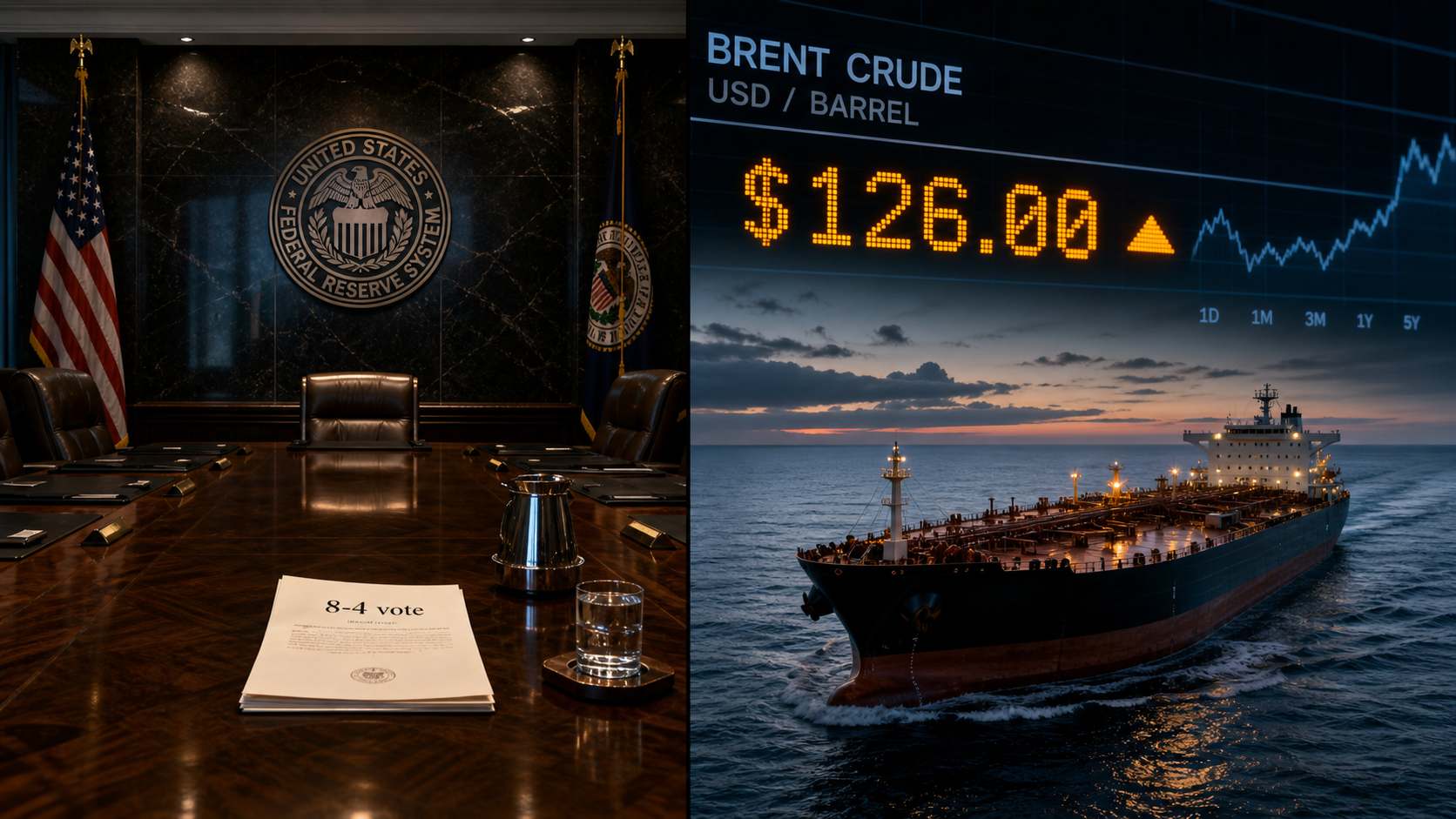
Two separate shocks converged. On Friday, a stronger-than-expected US jobs report eliminated near-term hopes for Federal Reserve interest rate cuts. Tech stocks—particularly AI and semiconductor names—sold off because higher rates reduce the present value of their future earnings. The Nasdaq dropped 4% in its worst session in over a year.
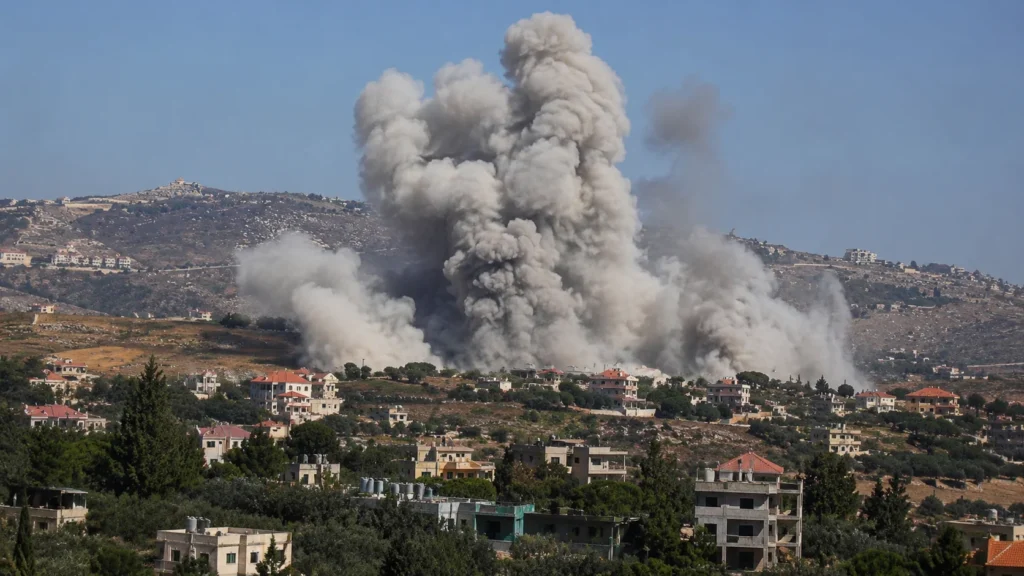
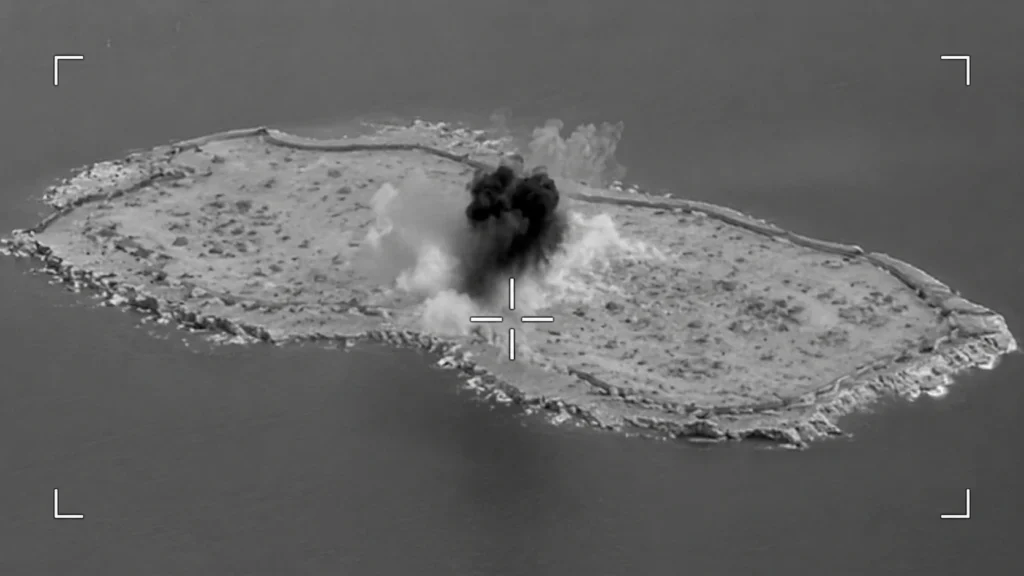
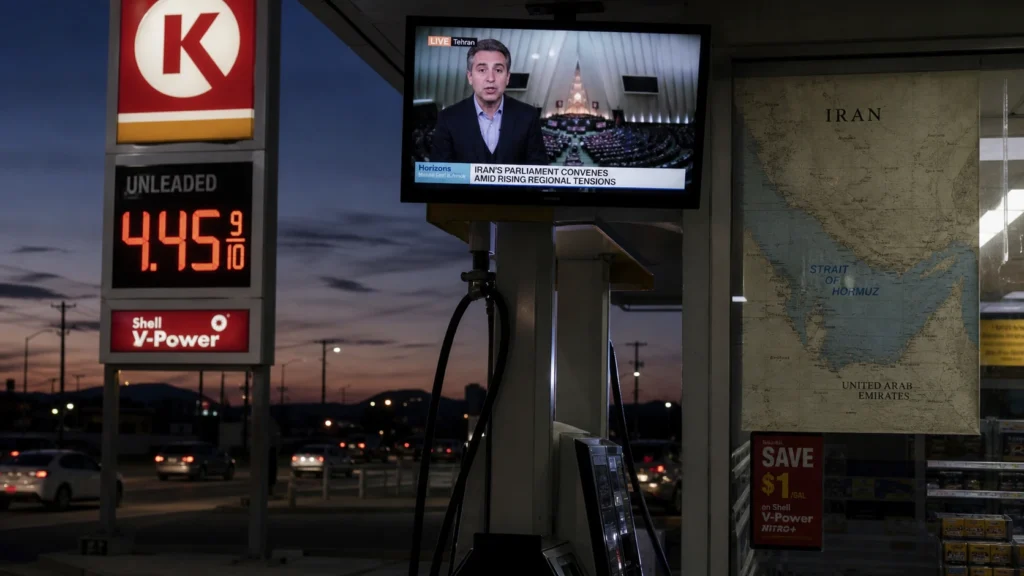
Then on Sunday night, Iran launched nearly 30 ballistic missiles at Israel. Israel responded with two waves of strikes on Iranian military and energy targets. Brent crude surged. The oil spike reignited inflation fears that the rate environment had already amplified. When Asian markets opened on Monday, both shocks hit simultaneously. The Kospi, dominated by semiconductor stocks deeply embedded in the global AI supply chain, absorbed the full force of the repricing.
Charu Chanana, chief investment strategist at Saxo, called it a “messy mix” of shocks tied to the tech sector and accelerated by rising energy prices. Investors had spent weeks repositioning over fears that artificial intelligence investments had become overvalued. The geopolitical escalation provided the catalyst for a selloff already looking for a trigger.
What Happened Where
South Korea: The Kospi fell nearly 9% within minutes of the open, triggering a circuit breaker for the third time this year. Trading paused for 20 minutes. Samsung closed down 10%. SK Hynix fell sharply. President Lee Jae-myung responded by stating domestic shares remained “slightly undervalued.”
Japan: The Nikkei 225 fell 3.8%. Japanese tech stocks, heavily weighted in the index, tracked the Nasdaq’s Friday decline.
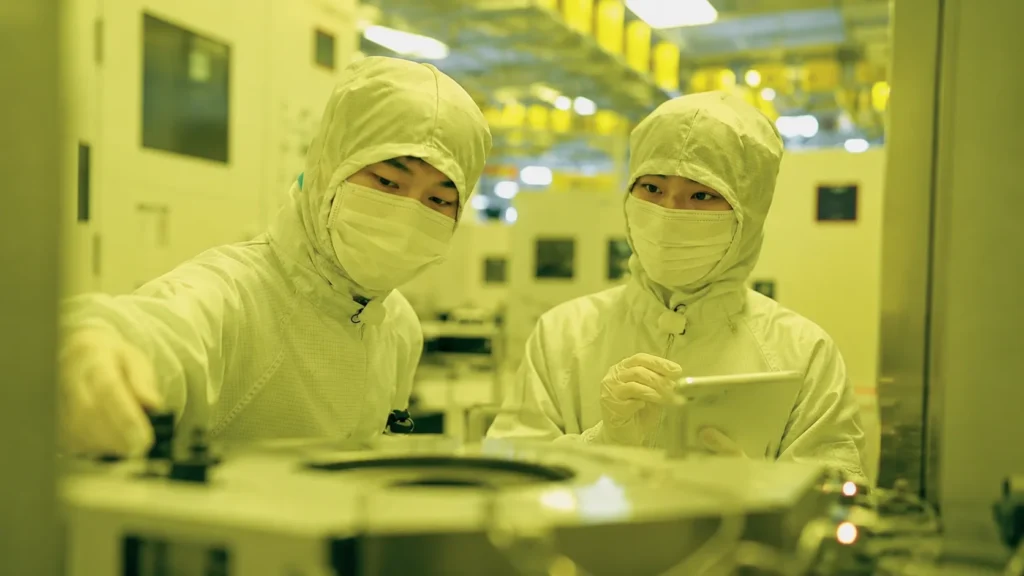
Taiwan: The Taiex dropped as TSMC, a key supplier to Nvidia, fell 3%. The semiconductor giant sits at the intersection of the AI supply chain and geopolitical risk.
United States (Friday): The Nasdaq fell 4%. The S&P 500 dropped 2.6%. The Dow shed 1.35%. The selloff concentrated in AI and semiconductor stocks that had risen the furthest during the AI rally.
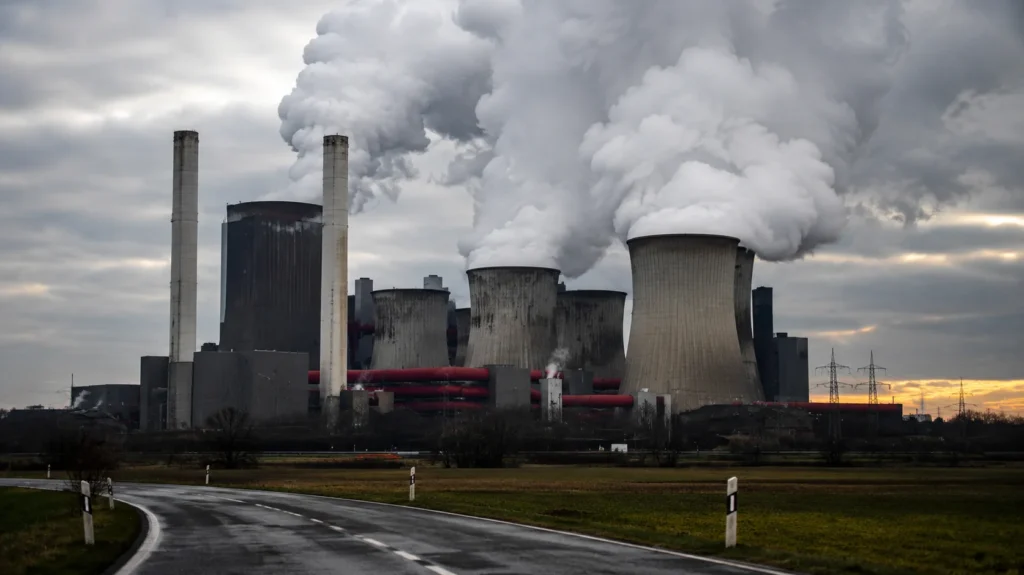
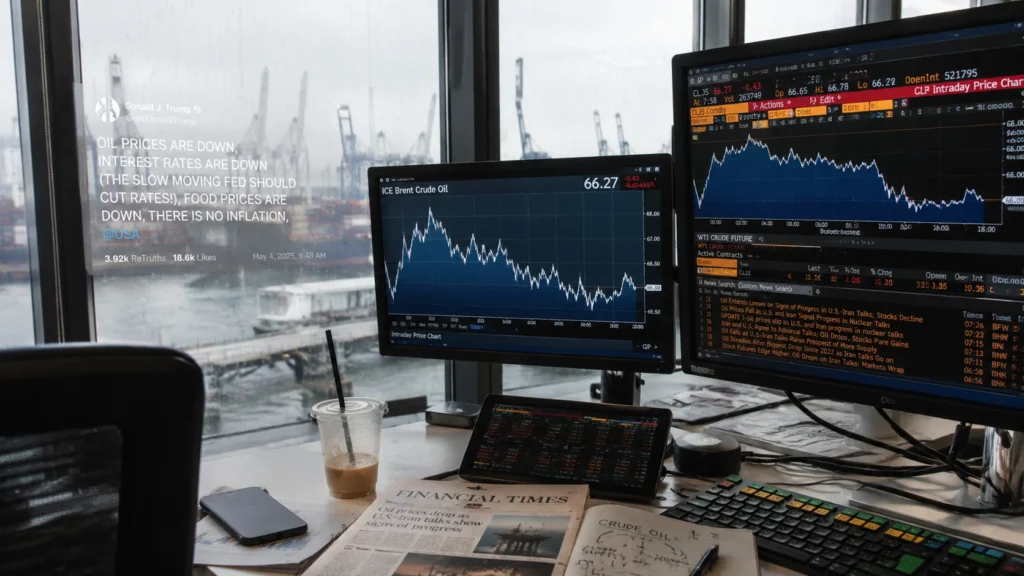
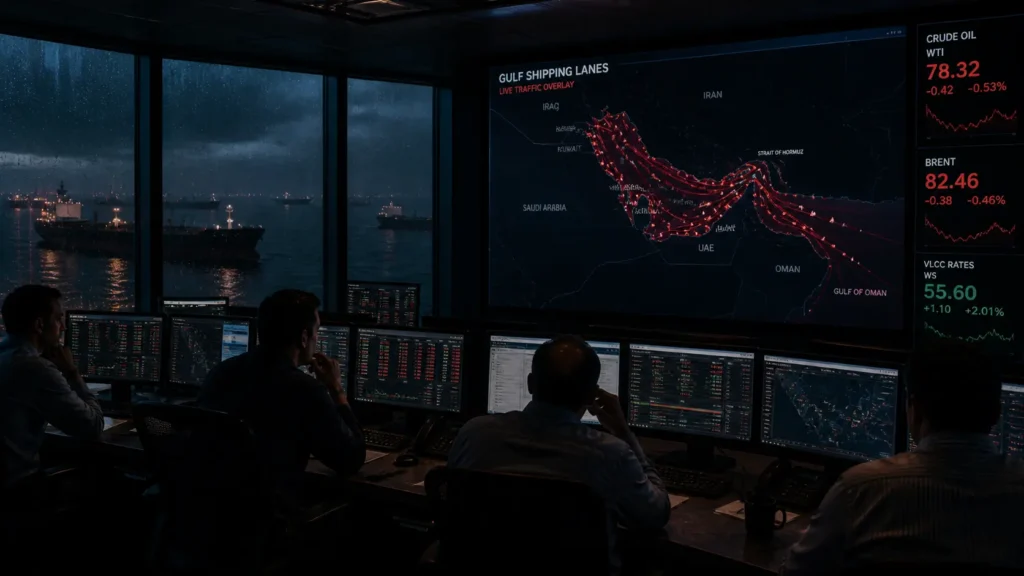
Oil markets: Brent crude surged 4.6% to $97.34. West Texas Intermediate rose 4.3% to $94.40. The International Energy Agency oil market data and supply disruption assessments will track whether production outages spread beyond the already-constrained Strait of Hormuz.
Europe: Germany’s DAX fell 0.9%. The UK’s FTSE 100 slipped 0.2%. European markets absorbed the shock with smaller declines than Asia, reflecting lower tech weighting and less direct exposure to Middle East energy disruption.
The Timeline: Two Shocks Converge
Friday, June 5: US April jobs report crushes expectations. The labor market refuses to weaken. Rate cut hopes collapse. The Nasdaq falls 4%. Selling concentrates in AI and semiconductor stocks.
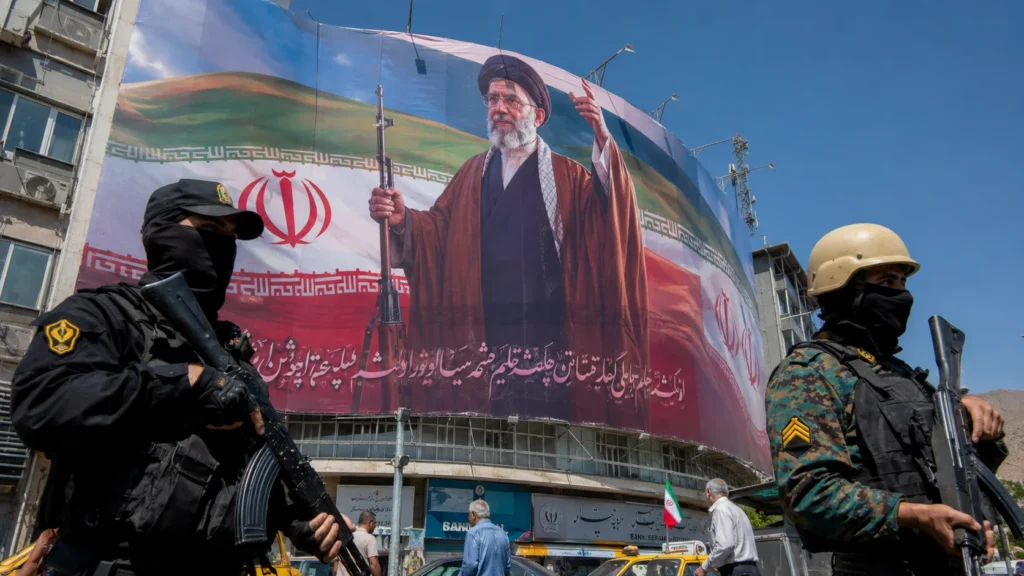
Sunday, June 7 — Night: Iran launches approximately 30 ballistic missiles at Israel. Israel responds with two waves of strikes on Iranian aerial defense systems and a petrochemical facility in Mahshahr. Brent crude surges past $97.
Monday, June 8 — Asian Open: The Kospi plunges nearly 9% within nine minutes. Circuit breaker triggers. Trading halts for 20 minutes. Samsung and SK Hynix lead the decline. Nikkei falls 3.8%. TSMC slides 3%.
Monday, June 8 — European Open: DAX falls 0.9%. FTSE 100 slips 0.2%. Smaller declines reflect lower tech exposure.
Monday, June 8 — US Pre-Market: Futures point to further declines. NVIDIA CEO Jensen Huang calls the slide a “buying opportunity.”
As our analysis of the Nasdaq selloff and the AI valuation reckoning documented on Friday, the tech repricing was already underway before the geopolitical shock accelerated it. The Kospi circuit breaker marked the moment the two corrections merged.
What is a Kospi circuit breaker?
The Korea Exchange operates circuit breaker mechanisms that halt trading for 20 minutes when the Kospi index falls more than 8% from the previous close. Monday’s trigger marked the third activation this year. The mechanism is designed to prevent panic selling and give traders time to absorb information. Trading resumed after the pause, but the index continued falling, closing down 8.3%.
Why did tech stocks fall so sharply?
Two reasons combined. First, Friday’s strong US jobs report eliminated near-term hopes for Federal Reserve rate cuts. Higher rates reduce the present value of future earnings—a particular problem for growth stocks that trade on earnings expected years from now. Second, the AI sector had experienced a strong run in recent weeks, and investors began questioning whether valuations reflected realistic revenue expectations. Charu Chanana of Saxo said, “The burden of proof has gone up” for AI companies to demonstrate real earnings.
How did the Iran-Israel escalation affect markets?
Iran launched nearly 30 ballistic missiles at Israel late Sunday. Israel struck back with two waves of attacks on Iranian targets. Brent crude surged 4.6% to $97.34. Higher oil prices feed into inflation metrics, which in turn affect central bank rate decisions. The feedback loop connects a petrochemical plant fire in Iran to semiconductor stock declines in South Korea. Associate Professor Jiajia Yang from James Cook University said oil prices will remain volatile “unless diplomatic efforts succeed.”
Which stocks were hit hardest?
Samsung fell 10% in Seoul. SK Hynix fell sharply. TSMC dropped 3% in Taiwan. The selling concentrated in semiconductor and AI stocks—the same names that had led the AI rally. Defensive sectors, including healthcare, utilities, and consumer staples, attracted Monday’s rotation as investors sought companies with reliable income streams.
What did governments and CEOs say?
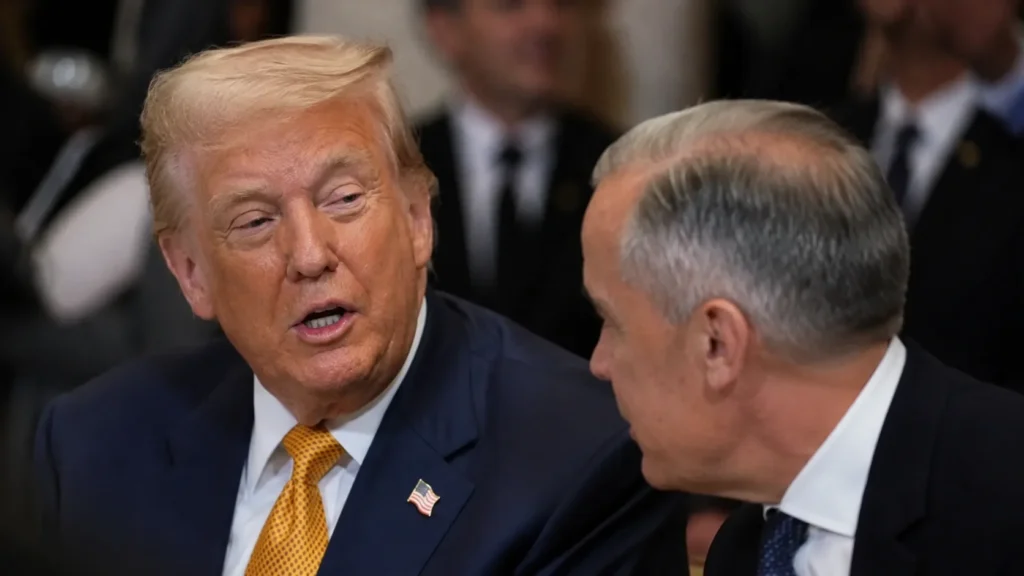
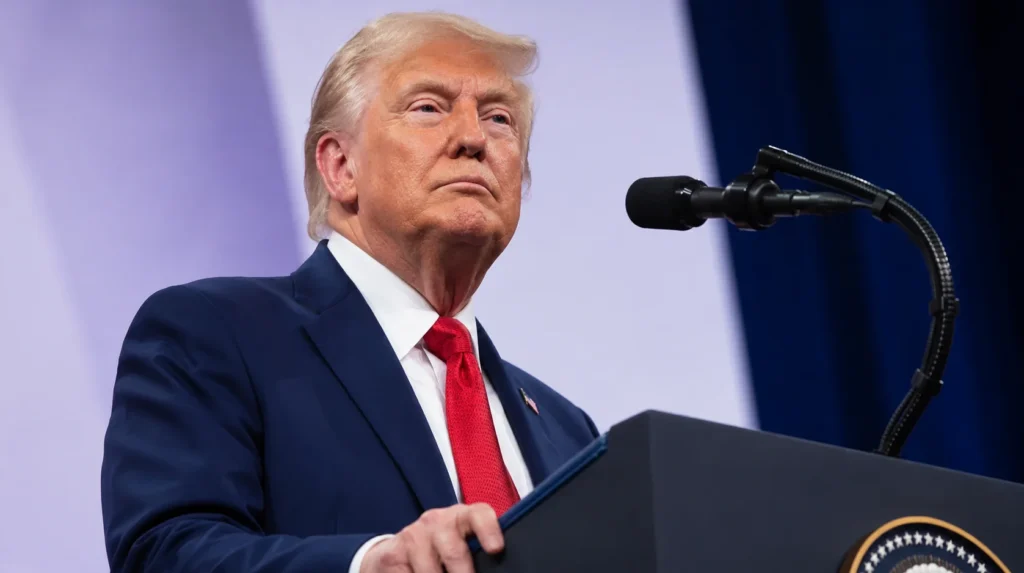
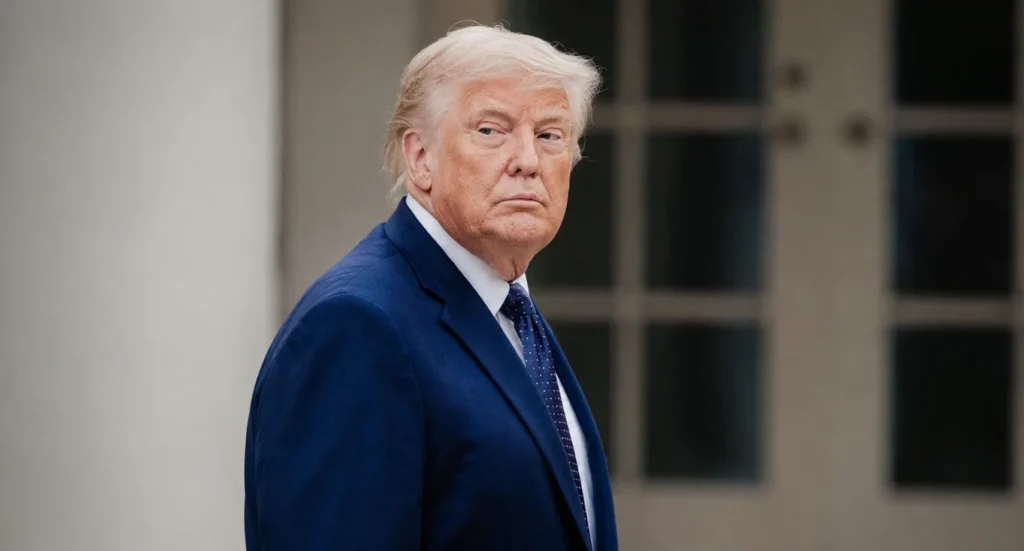
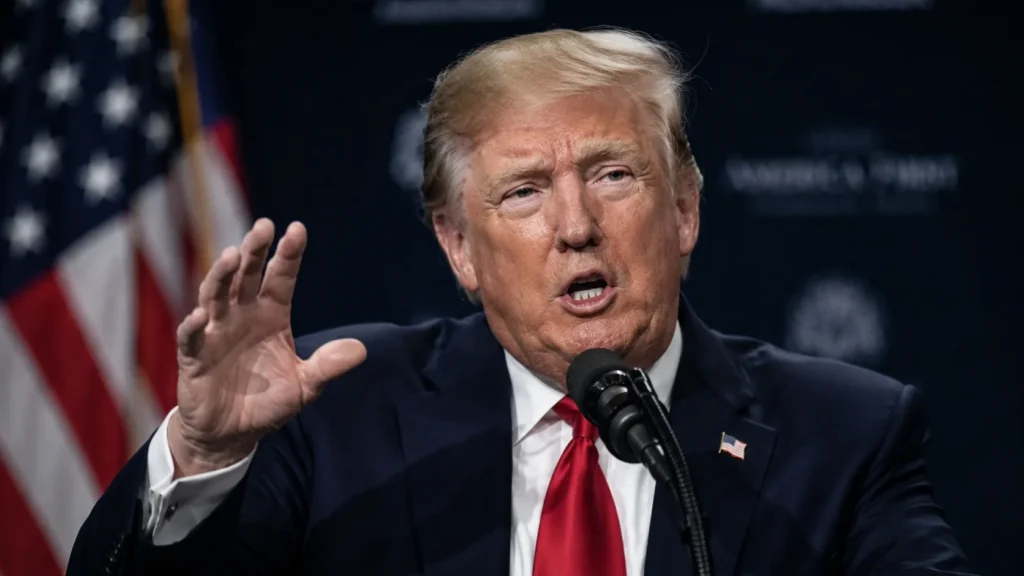
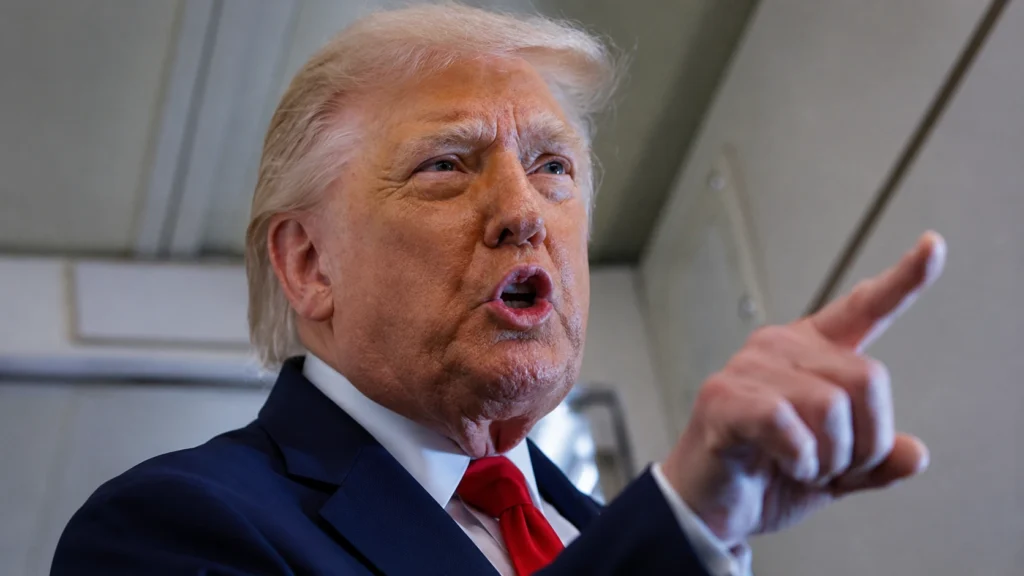
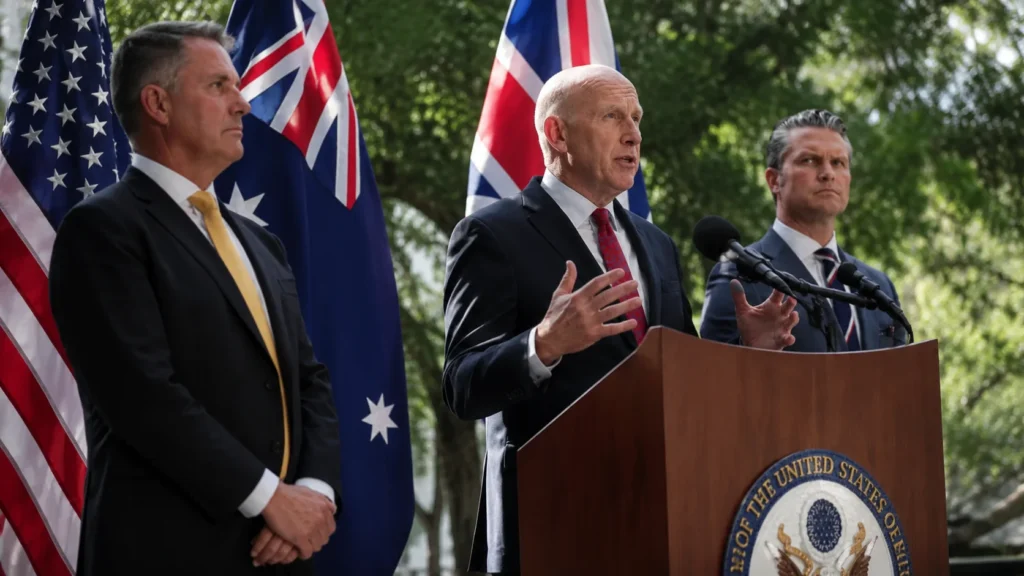
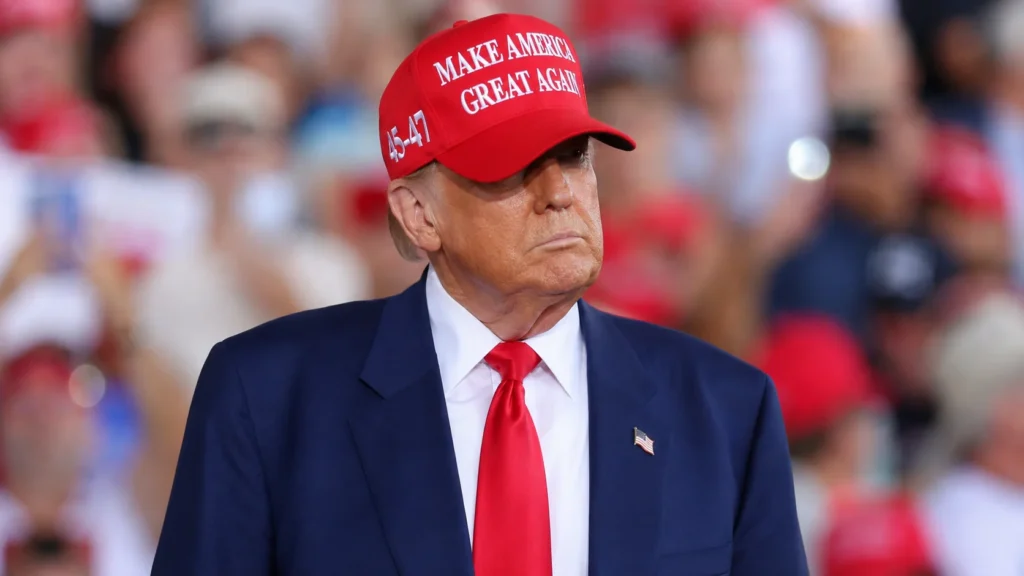
South Korean President Lee Jae-myung said the stock market would experience volatility but described domestic shares as “slightly undervalued.” NVIDIA CEO Jensen Huang called the tech stock slide a “buying opportunity.” Trump told Axios the US was “very close to a final deal with Iran” and didn’t want it to “blow up because of what is happening now.” The strikes continued.
How does this affect interest rates?
The strong jobs report already reduced the likelihood of near-term Fed rate cuts. The oil price spike adds inflation pressure that further complicates the central bank’s calculus. Higher energy costs feed into the consumer price index, making the Fed less likely to ease. Markets now price a higher probability of rates staying elevated through the remainder of 2026.
What to Watch Over Six Months
Three indicators will determine whether Monday marks a temporary correction or the start of a deeper repricing.
First, the Kospi’s next sessions. Circuit breakers sometimes mark capitulation—the moment selling exhausts itself and buyers return. Sometimes they mark the beginning of a longer decline. As our tracking of tech-heavy Asian indices and their correlation with AI sentiment has documented, the Kospi’s composition makes it a leading indicator for global tech sentiment. If it stabilizes, the correction may have run its course. If it falls further, the repricing has further to go.
Second, Brent crude’s $100 threshold. A breach of the psychological $100 level would intensify inflation fears and likely trigger additional central bank hawkishness. Iran has threatened to target regional energy infrastructure. The OPEC emergency production adjustment mechanisms would face pressure to respond. Whether the cartel can coordinate a response during active hostilities remains untested.
Third, the AI earnings season. The next quarterly reporting cycle will provide concrete data on whether AI investment has translated into revenue. Susannah Streeter of Wealth Club noted “undercurrents of worry about the surge in tech stock prices.” Earnings that disappoint would deepen the rotation. Earnings that exceed expectations would validate the valuations that Monday’s selloff questioned.
Written by the Markets & Strategy Desk, which has covered global equity markets, central bank policy, and the intersection of technology valuations and geopolitical risk since 2018.