

 English






















































































































































































































































































































Philippines Earthquake: 7.8 Quake Kills 35, Displaces 10,000
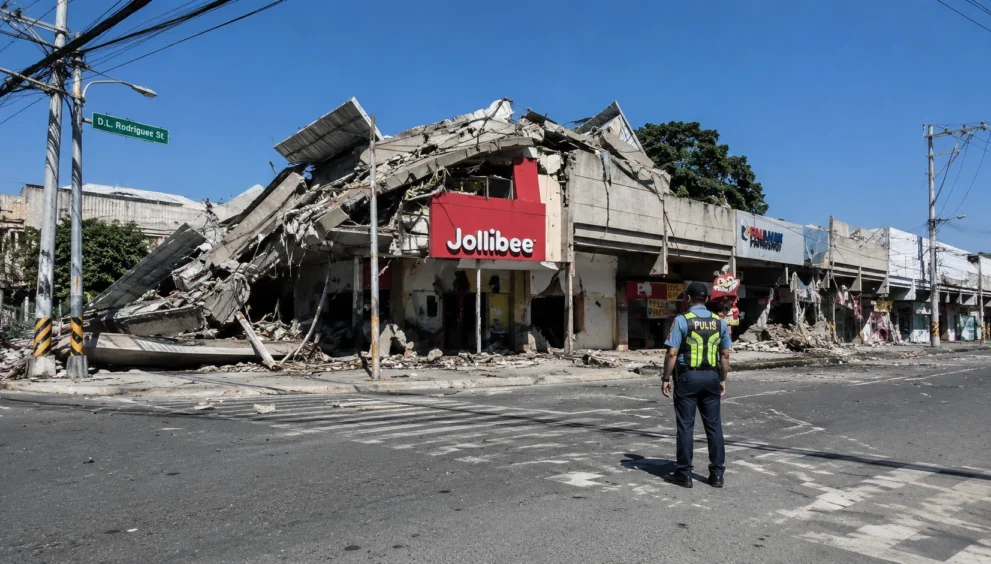
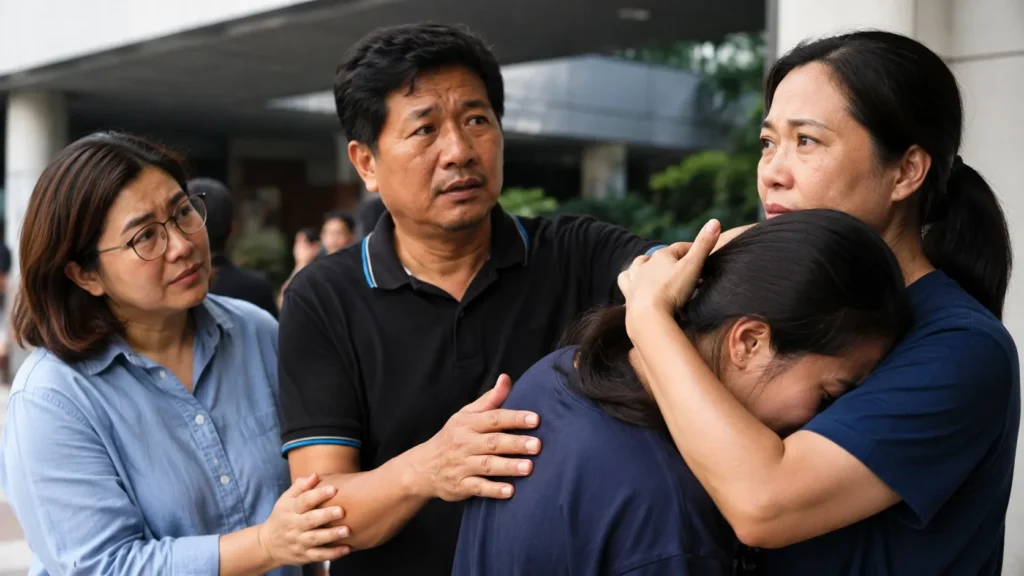
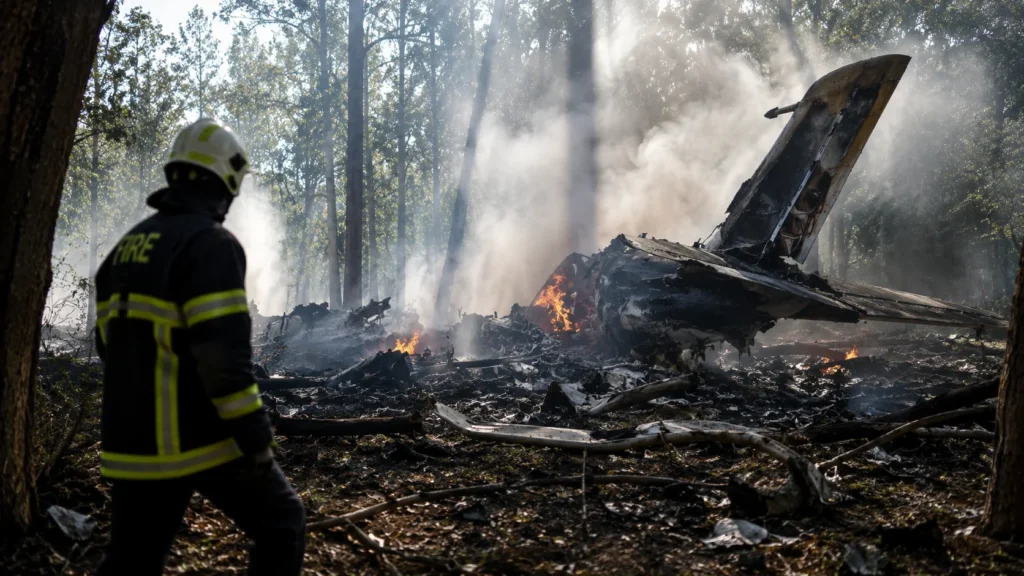
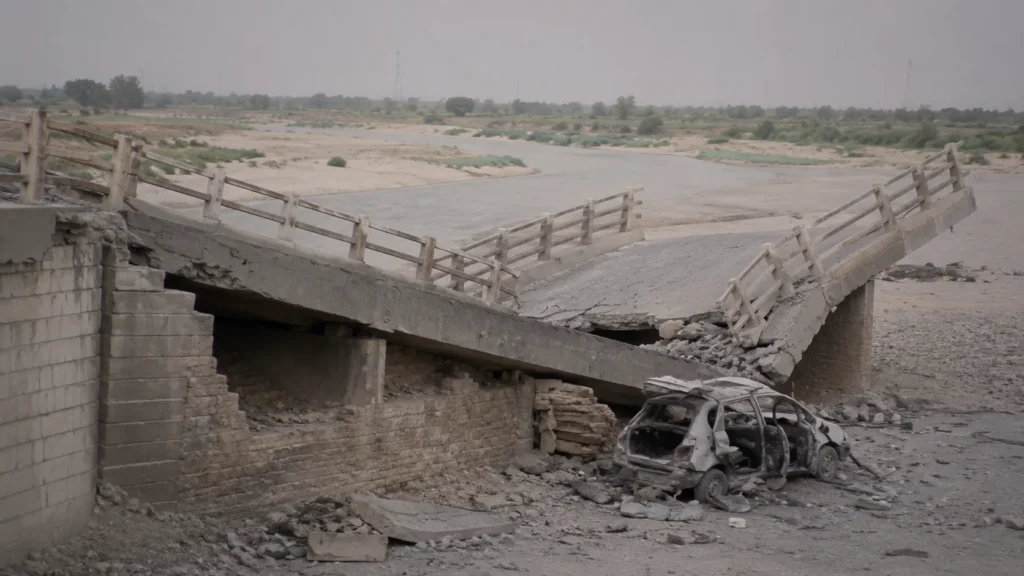
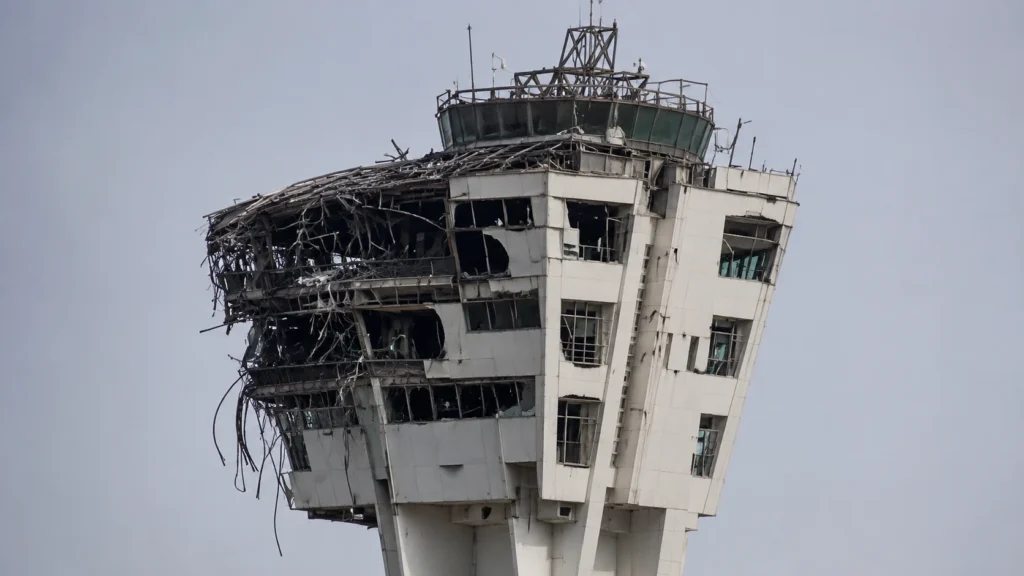
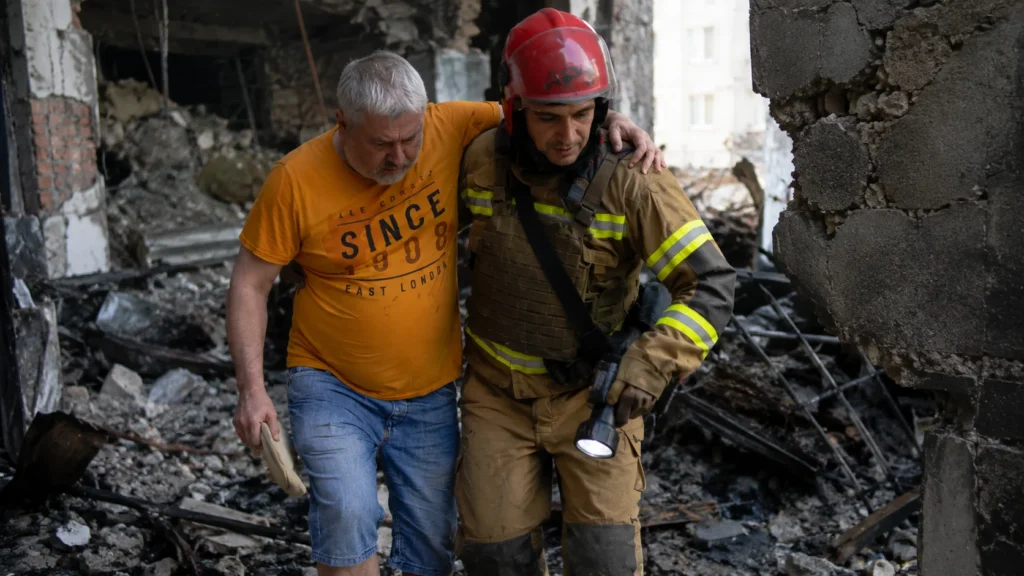
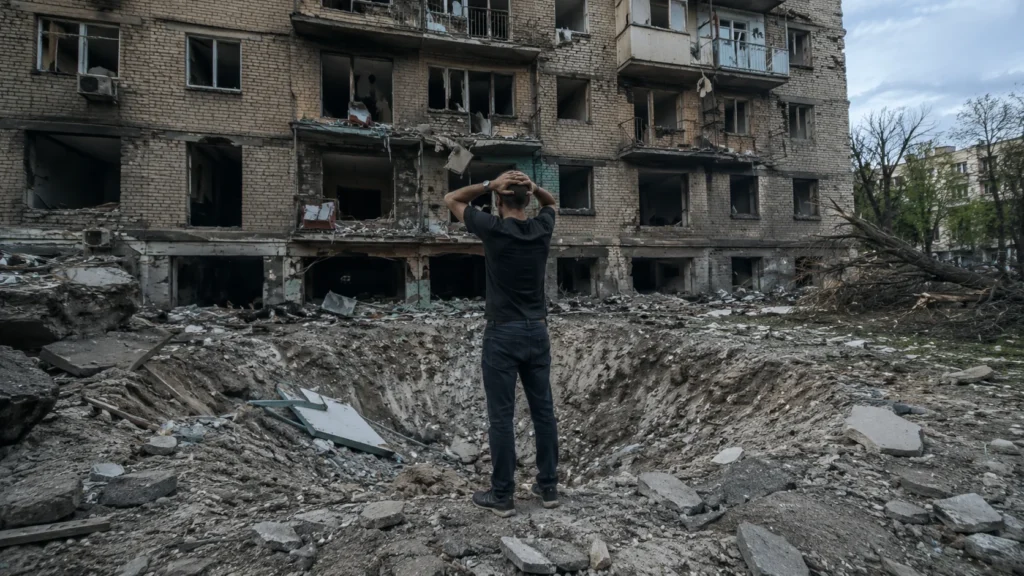
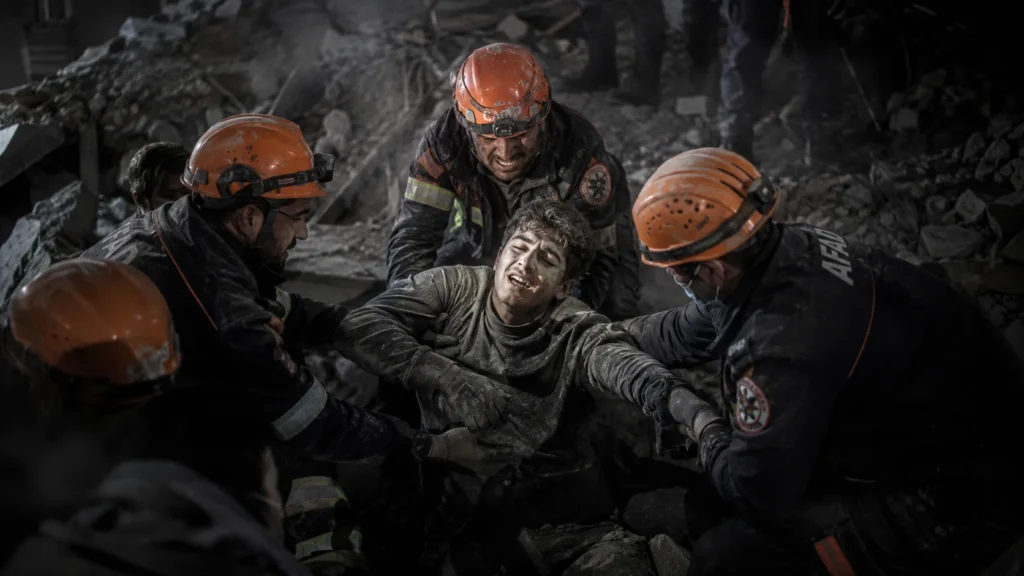
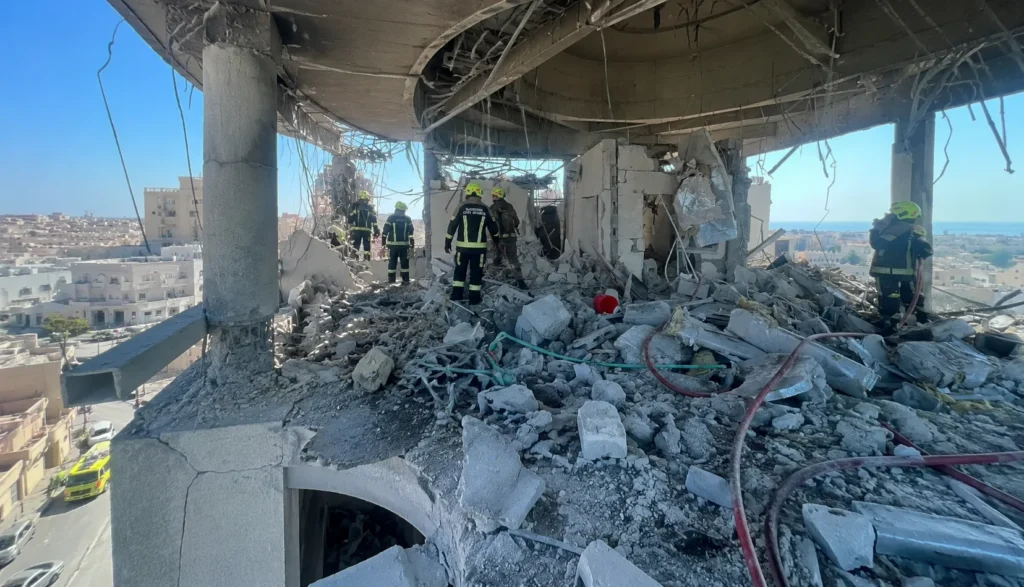
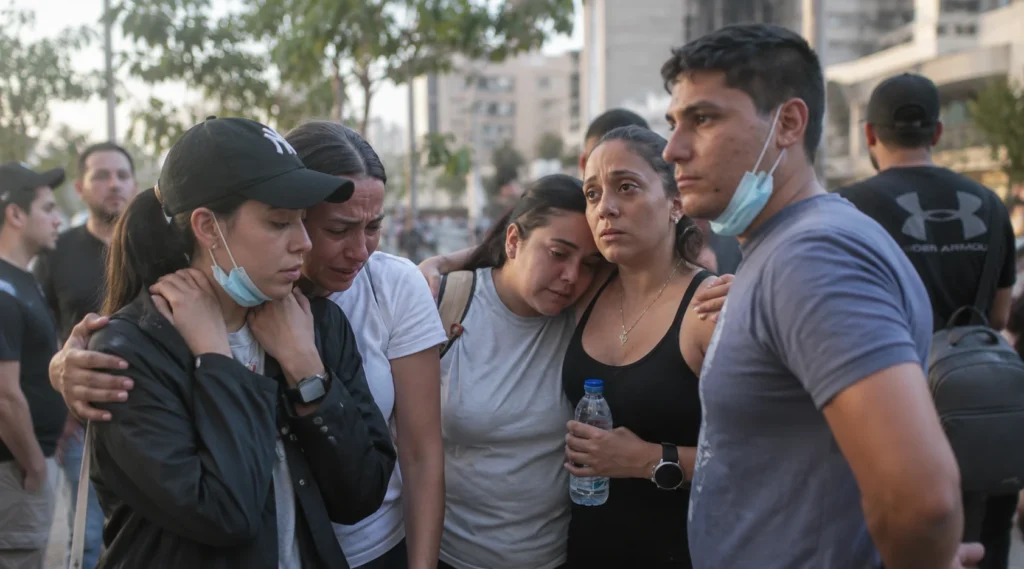
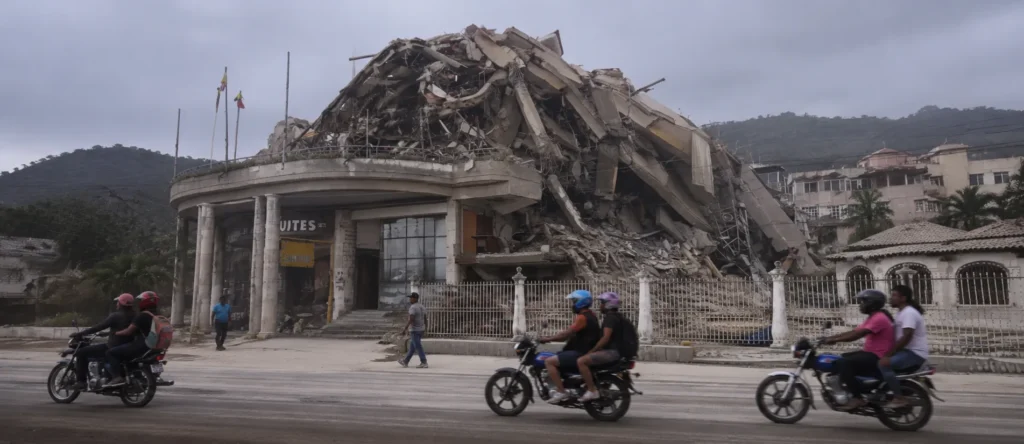
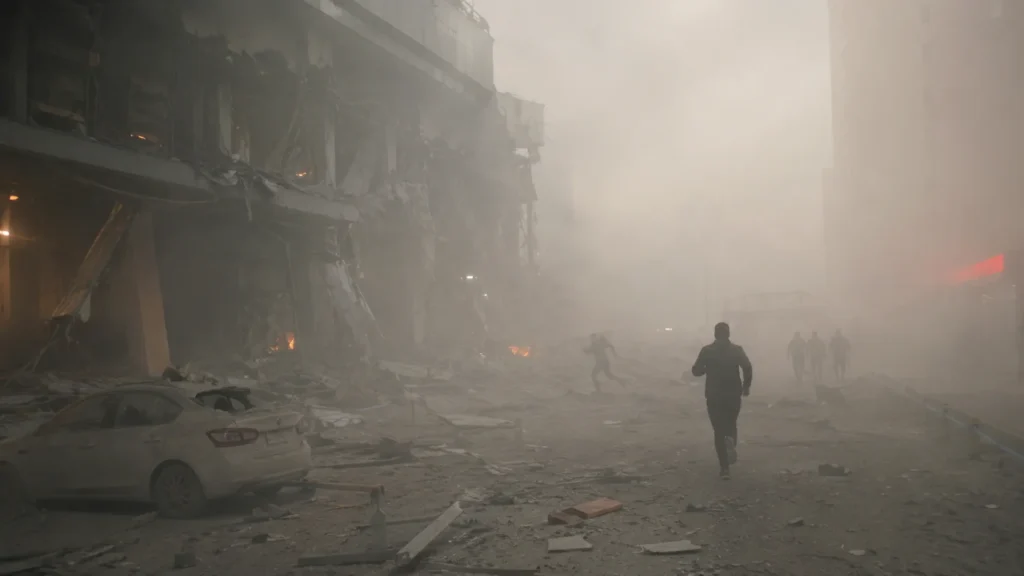
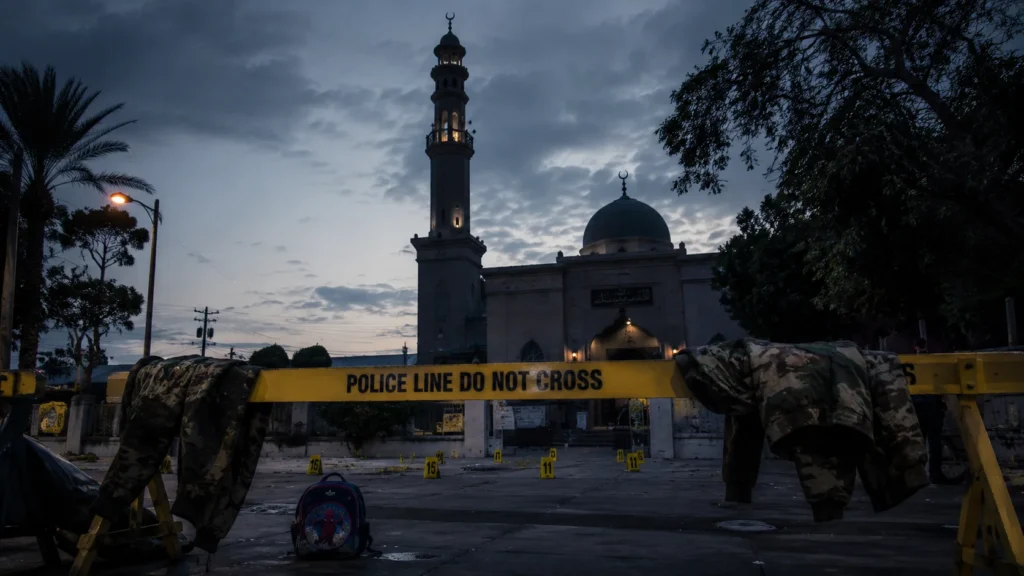
A magnitude-7.8 earthquake struck off the coast of Mindanao in the southern Philippines at 07:37 local time on Monday, killing at least 35 people, injuring 134, and displacing roughly 10,000 families, according to the country’s Office of Civil Defense. The quake triggered tsunami alerts across the Philippines, Indonesia, Japan, and Australia. Those warnings were cancelled or downgraded hours later after waves ranging from a few centimeters to 1.4 meters were recorded. More than 130 aftershocks followed, the strongest reaching magnitude 6.7. President Ferdinand Marcos Jr. suspended classes in affected areas and pledged the national government would not leave Mindanao behind. The quake struck on the first day of the Philippine school year. A primary school in Davao Occidental captured video of dozens of students squatting on shaking ground as a shelter collapsed behind them. The school reported no injuries. The death toll remains preliminary as the national disaster agency verifies reports from local sources.
The Question Everyone Is Asking
Why does the Philippines face such frequent and destructive earthquakes?
The country sits on the Pacific Ring of Fire, a seismically active zone that generates roughly 90% of the world’s earthquakes. The Philippine Sea Plate, the Eurasian Plate, and several smaller tectonic plates converge around the archipelago. The Philippine Institute of Volcanology and Seismology (Phivolcs) records thousands of earthquakes annually. Most are minor. Some, like Monday’s 7.8-magnitude event, are catastrophic.
Last September, a magnitude-6.9 earthquake struck the central Visayas region, killing more than 70 people. The frequency of major quakes compresses recovery timelines. Infrastructure damaged in one event often remains unrepaired when the next one hits. Communities displaced by last year’s disaster were still rebuilding when Monday’s quake struck. The result is compounding vulnerability—not just to the earthquake itself, but to the accumulated weight of serial catastrophe.
The Basics: What Happened on Monday
The earthquake originated off the coast of Mindanao, the Philippines’ second-largest island, home to approximately 26 million people. The Office of Civil Defense confirmed 31 fatalities in the Soccsksargen region and four in Davao. At least 12 people remain missing. The figures are preliminary. The Philippine Office of Civil Defense official disaster reports and casualty tracking will provide verified updates in the coming days.
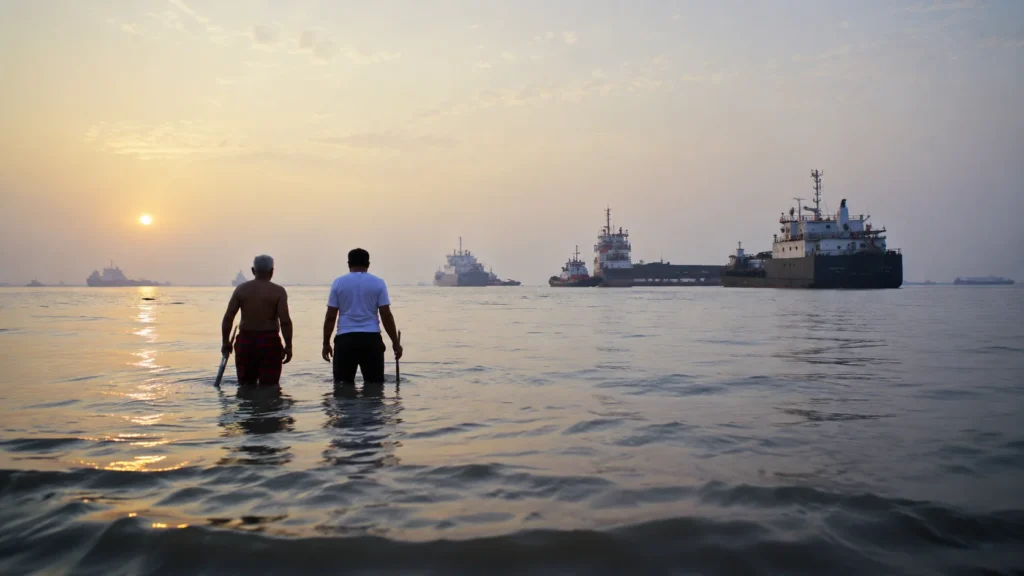
The quake triggered the Pacific Tsunami Warning System. Japan recorded a tsunami of a few centimeters in Okinawa. Indonesia detected waves up to 1.4 meters. Palau and the Philippines recorded smaller surges. No casualties resulted from the waves. The warnings were cancelled within hours.
More than 130 aftershocks followed the initial quake, with magnitudes ranging from 1.3 to 6.7. A separate magnitude-5.7 earthquake struck off Balut Island in Sarangani at 22:52 local time. Aftershocks are expected to continue for days or weeks.
President Marcos suspended classes in affected areas and stated that “the national government is moving and we will not leave Mindanao behind.” The pledge addresses a long-standing concern: Mindanao has historically received less infrastructure investment and slower disaster response than the northern island of Luzon, where the capital Manila is located. As our analysis of Philippine disaster response equity and the center-periphery resource gap documented, the political economy of relief distribution has long favored the capital region.
The Tsunami Warning System: What Worked
The Pacific Tsunami Warning System, established after the 2004 Indian Ocean disaster that killed over 230,000 people across 14 countries, functioned as designed. Alerts went out to the Philippines, Indonesia, Japan, and Australia within minutes of the earthquake. Coastal communities received evacuation orders where applicable. The waves that arrived—from a few centimeters to 1.4 meters—stayed within predicted parameters.
The system’s success is a genuine achievement of post-2004 international cooperation. Its limitation is structural: it warns everyone but rescues no one. The response burden falls entirely on the country where the earthquake strikes. The Philippines now bears that burden alone—35 dead, 134 injured, 10,000 families displaced, infrastructure damaged across multiple provinces.
The Pacific Tsunami Warning Center official bulletins and alert history will archive Monday’s event alongside thousands of others. The archive records operational success. It doesn’t record the recovery that follows.
FAQ
How strong was the Mindanao earthquake?
The earthquake registered a magnitude of 7.8. It struck off the coast of Mindanao at 07:37 local time on Monday (Sunday 23:37 GMT). Over 130 aftershocks followed, with magnitudes ranging from 1.3 to 6.7. A separate magnitude-5.7 earthquake struck off Balut Island later that evening.
How many people died in the Philippines earthquake?
The Office of Civil Defense confirmed 35 dead as of Monday afternoon—31 in Soccsksargen and four in Davao. At least 134 people were injured. Approximately 10,000 families were displaced. Twelve people were reported missing. The national disaster agency is verifying reports from local sources, and the death toll may change.
Were there tsunami warnings?
Yes. Tsunami alerts were issued for the Philippines, Indonesia, Japan, and Australia. Japan recorded a wave of a few centimeters in Okinawa. Indonesia detected waves up to 1.4 meters. The Philippines and Palau recorded smaller surges. The warnings were cancelled or downgraded within hours. No tsunami-related casualties were reported.
Why is the Philippines prone to earthquakes?
The Philippines lies on the Pacific Ring of Fire, where multiple tectonic plates converge. The Philippine Sea Plate and the Eurasian Plate interact beneath the archipelago, generating frequent seismic activity. Phivolcs records thousands of earthquakes annually. A magnitude-6.9 quake struck the Visayas region in September 2025, killing more than 70 people.
What did President Marcos say about the earthquake?
President Ferdinand Marcos Jr. suspended classes in affected areas and stated that “the national government is moving and we will not leave Mindanao behind.” The pledge addresses Mindanao’s historical experience of receiving less infrastructure investment and slower disaster response than the northern island of Luzon.
How long will aftershocks continue?
Aftershocks are expected to continue for days or potentially weeks. The strongest recorded so far reached magnitude 6.7. Aftershocks complicate rescue operations, retrigger trauma, and can collapse structures already weakened by the initial quake. Residents in affected areas should follow guidance from Phivolcs and local authorities.
What to Watch Over the Coming Days
Three developments will shape the recovery’s trajectory.
First, the death toll. The national disaster agency’s verification process typically revises preliminary figures upward as rescue teams reach cut-off areas and as the injured succumb in facilities stretched beyond capacity. Twelve people remained missing as of Monday’s update. The Philippine National Disaster Risk Reduction and Management Council official situation reports will provide the authoritative count as verification continues.
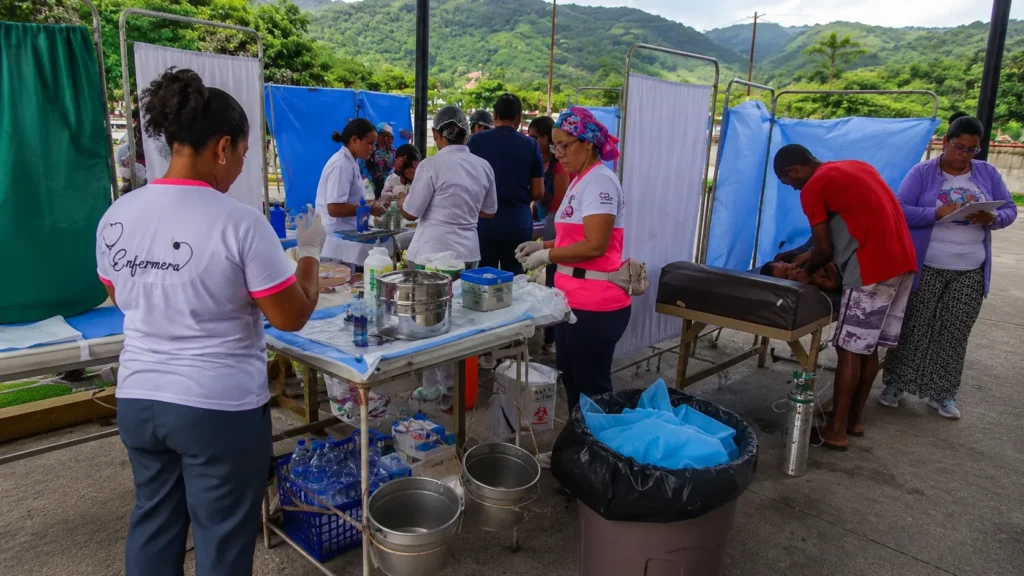
Second, the displacement challenge. Ten thousand families without shelter require immediate humanitarian assistance—food, water, medical care, and temporary housing. Mindanao’s agricultural economy compounds the problem. Displaced farming families in Soccsksargen and Davao lose not just homes but livelihoods. The earthquake struck near the start of the growing season in some areas. As our reporting on post-disaster agricultural supply chain disruption in Southeast Asia has tracked, the economic aftershock—lost income, disrupted supply chains, local food price increases—arrives after the geological aftershocks fade.
Third, the Marcos government’s response to the execution. The president’s pledge that Mindanao won’t be left behind is both a reassurance and a test. Whether aid reaches affected communities at the speed rhetoric demands will determine whether centralization delivers results or reproduces the neglect Mindanao has historically experienced. The political benefit of responsive governance is real. The operational delivery is what matters.
Written by the Asia-Pacific Desk, which has covered natural disasters, disaster response systems, and Philippine governance since 2016.