

 English





































































































































































Israel Strikes Tyre After Iran Warning: Lebanon Deaths Rise
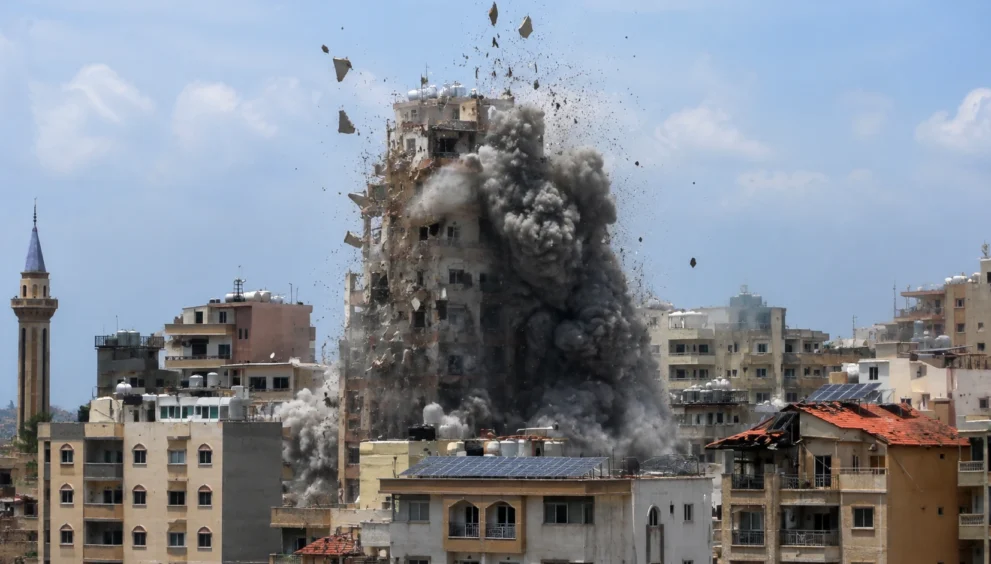
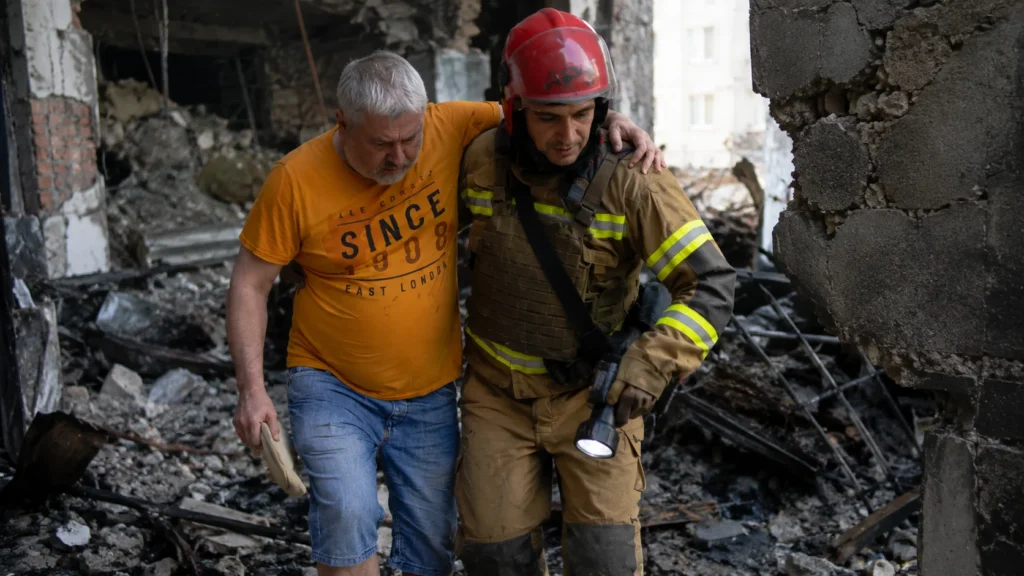
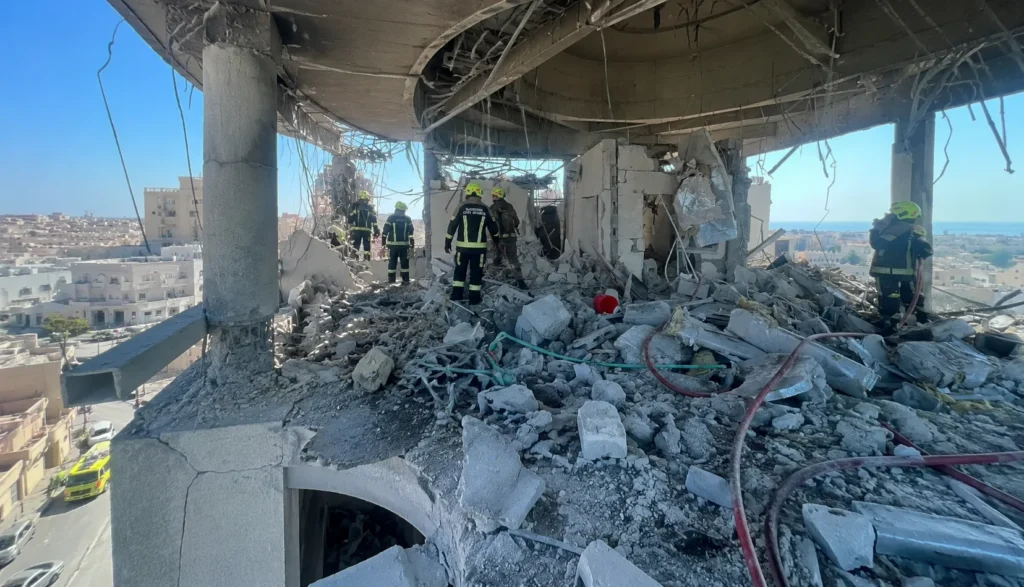
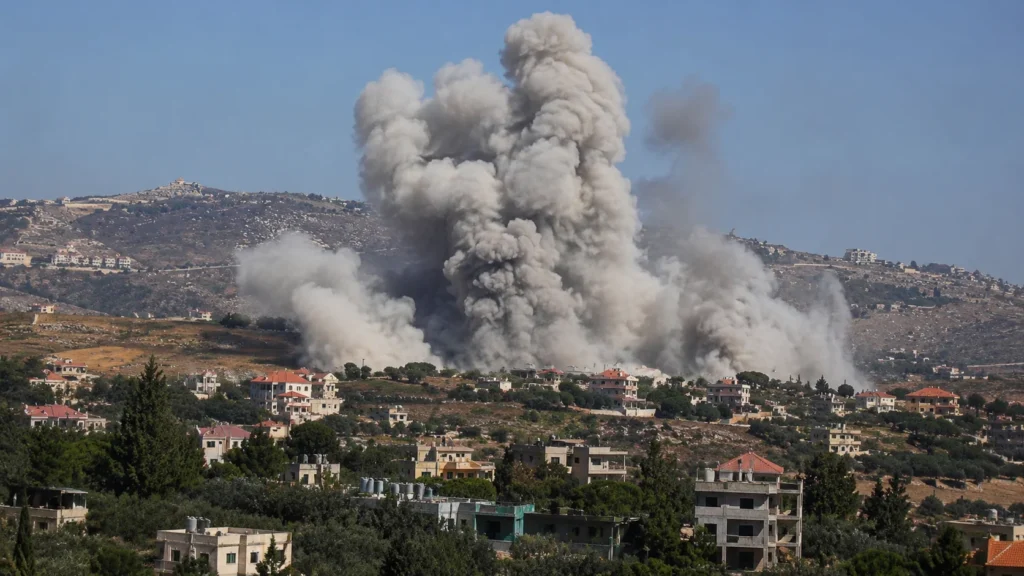
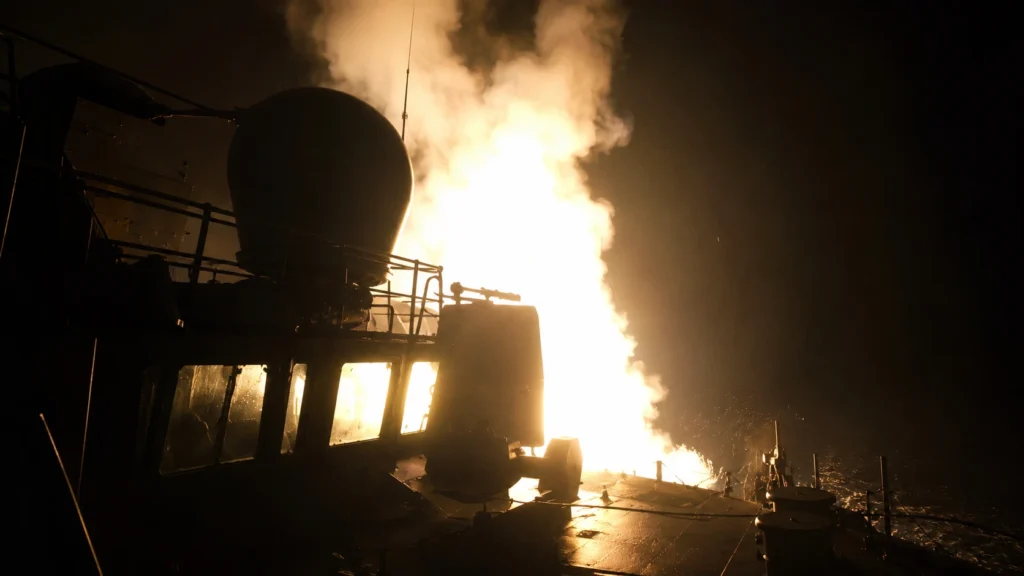
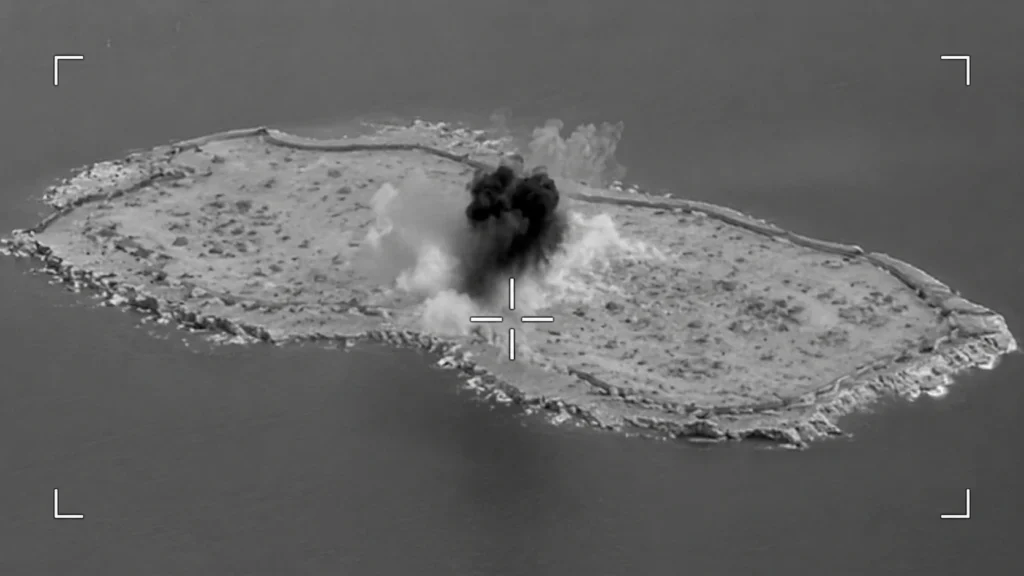
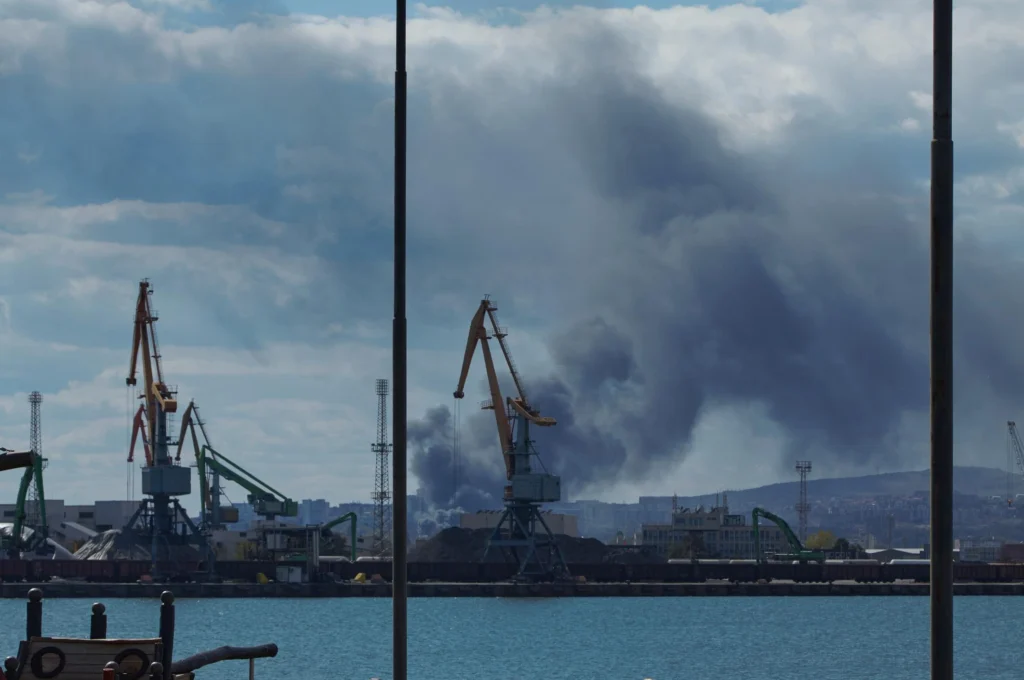
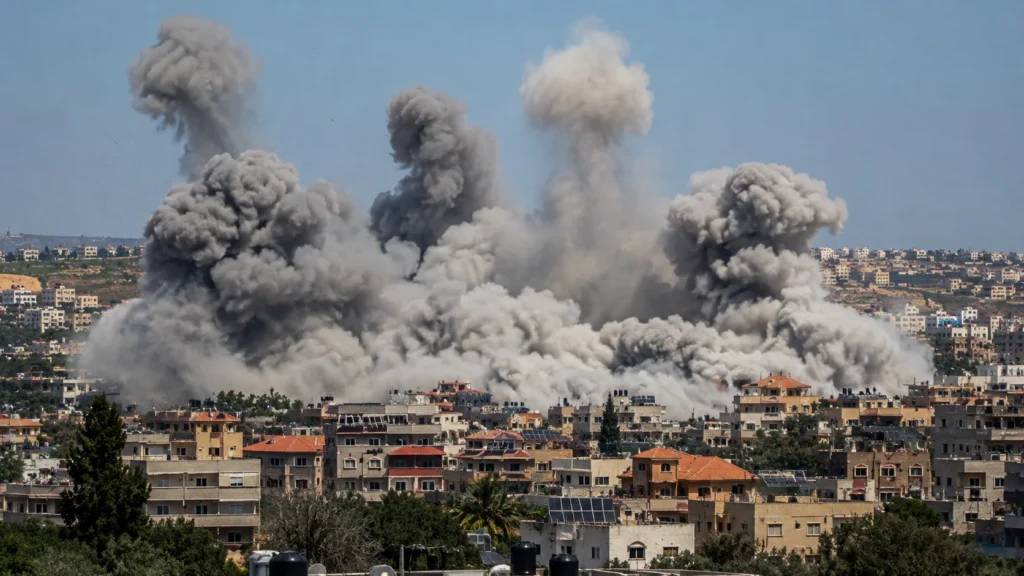
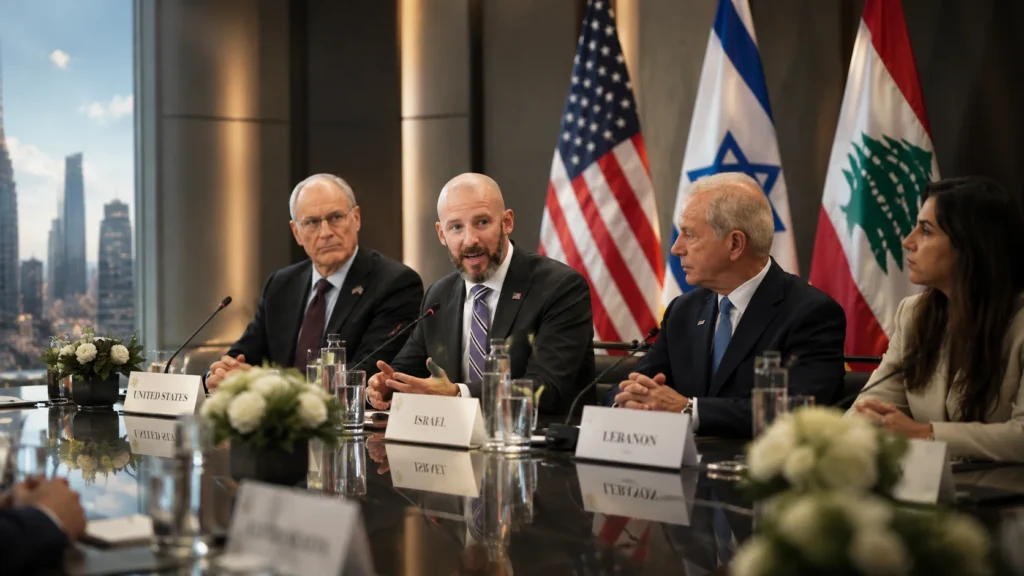
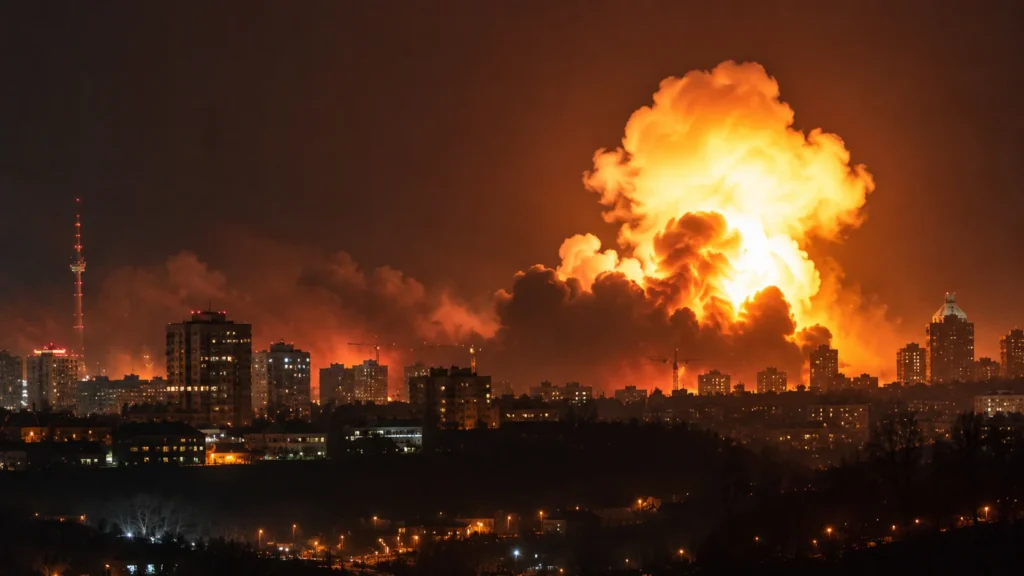
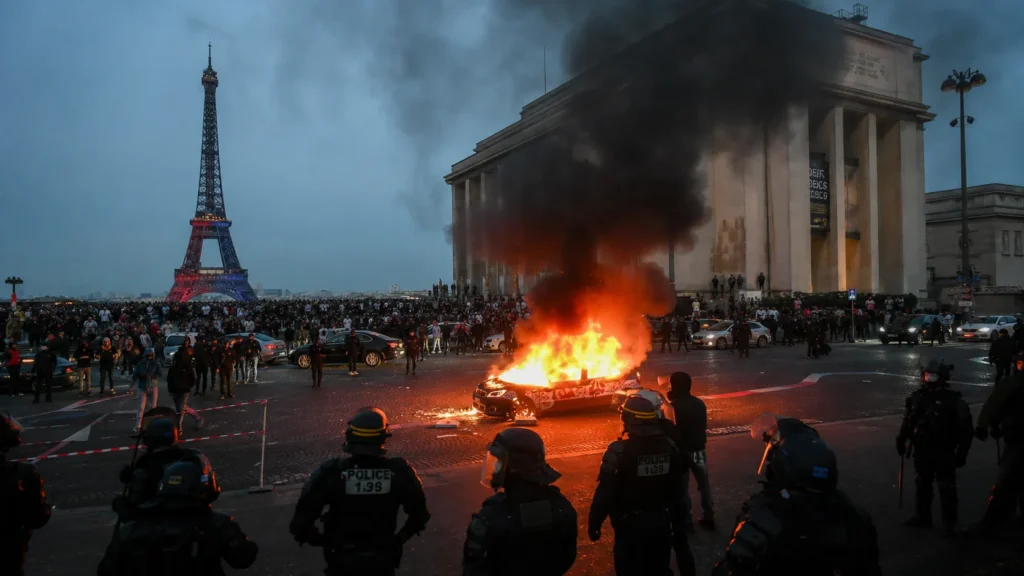
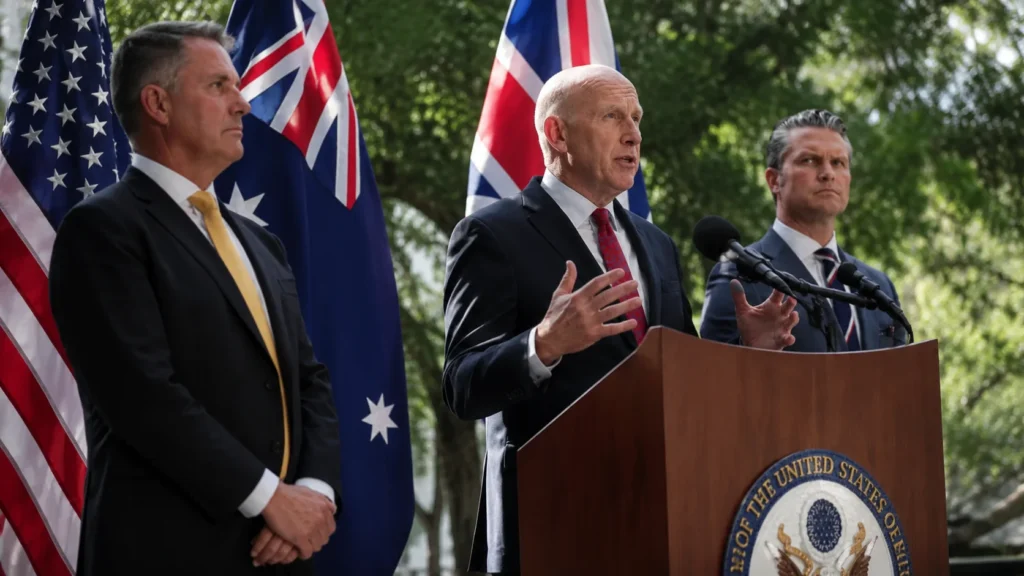
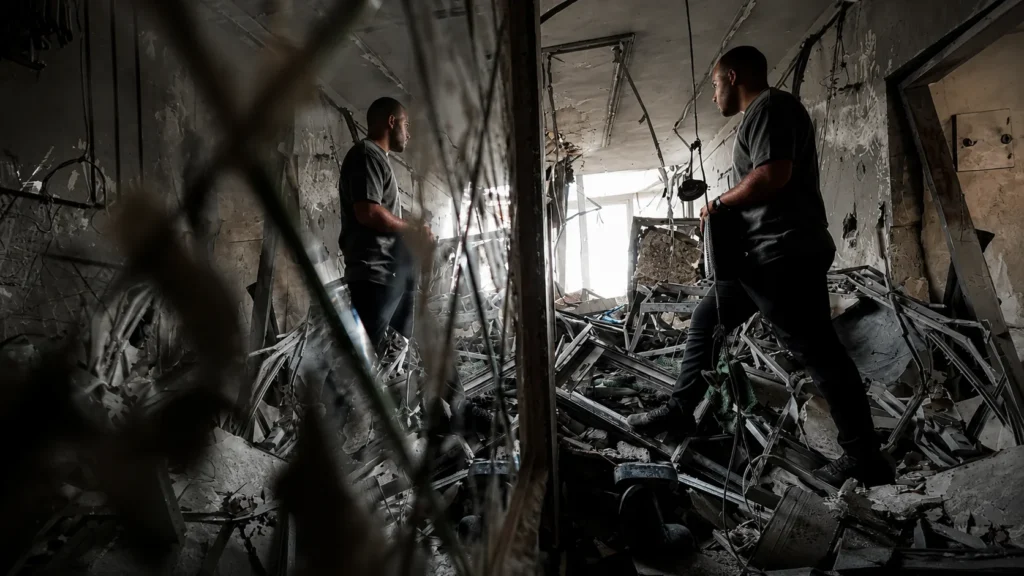
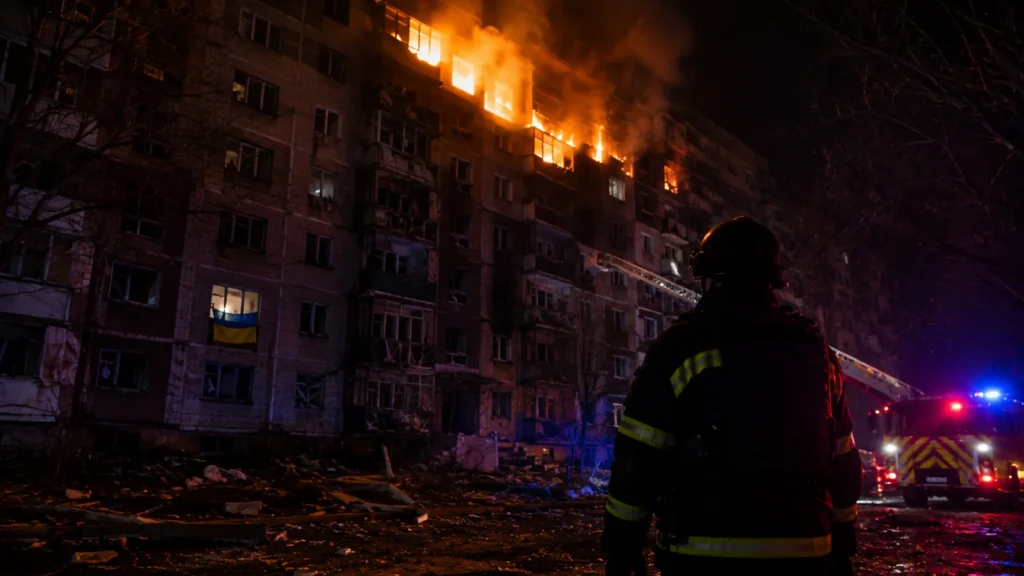
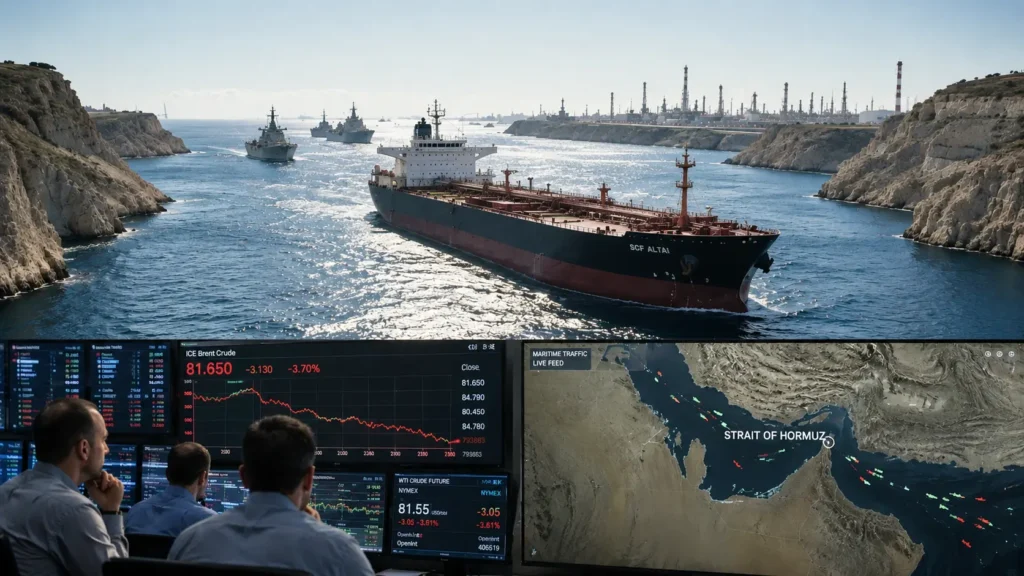
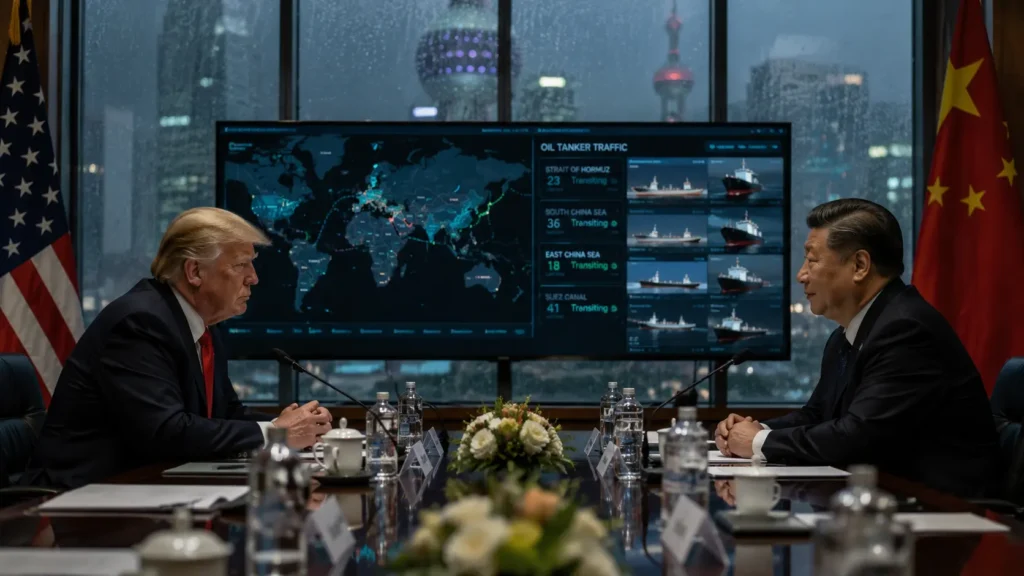
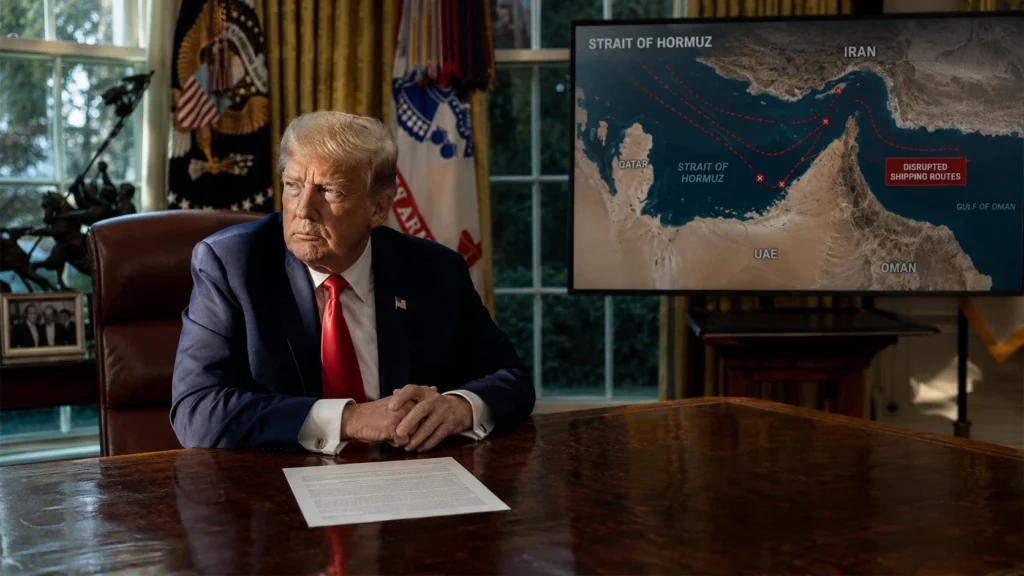
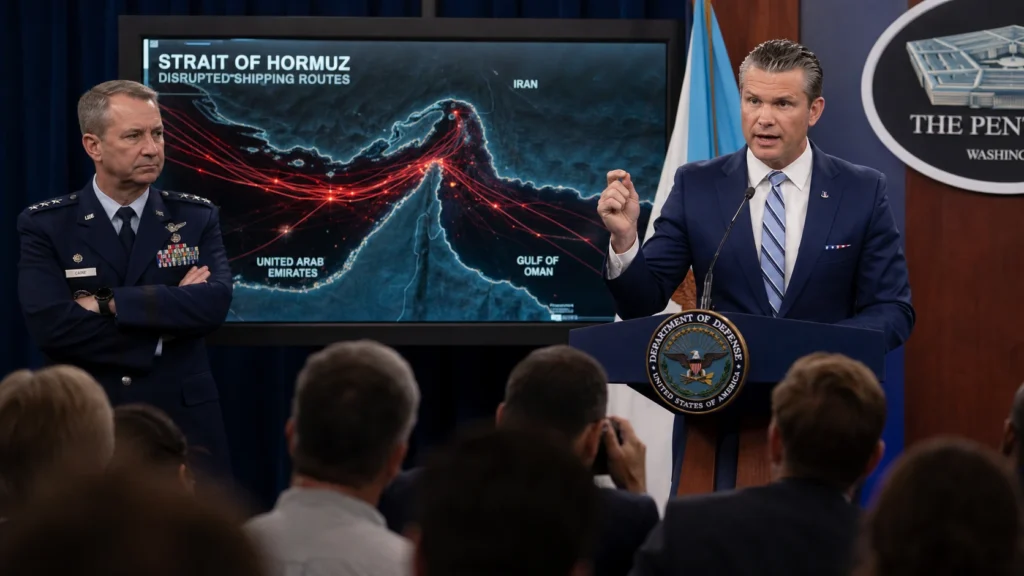
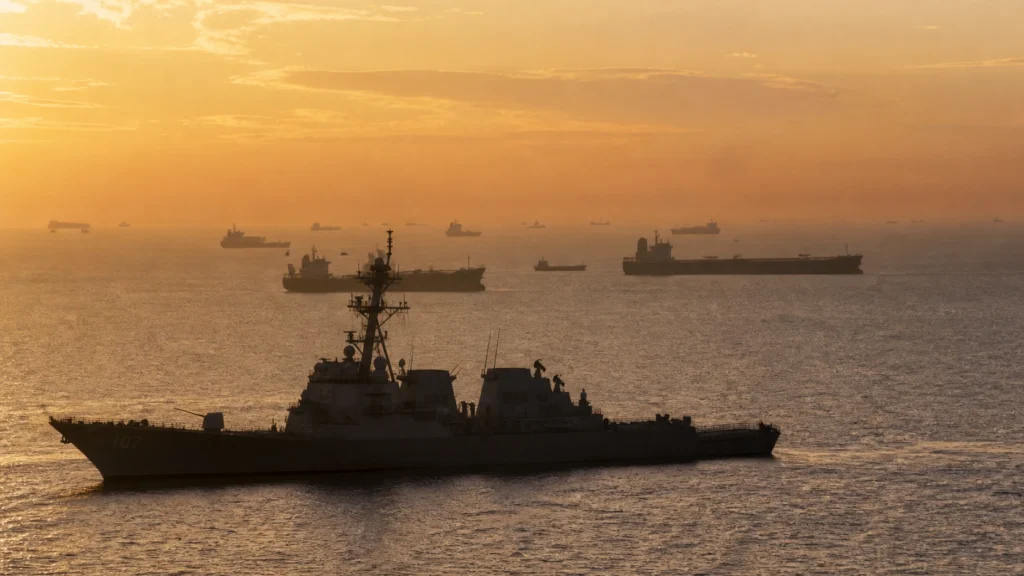
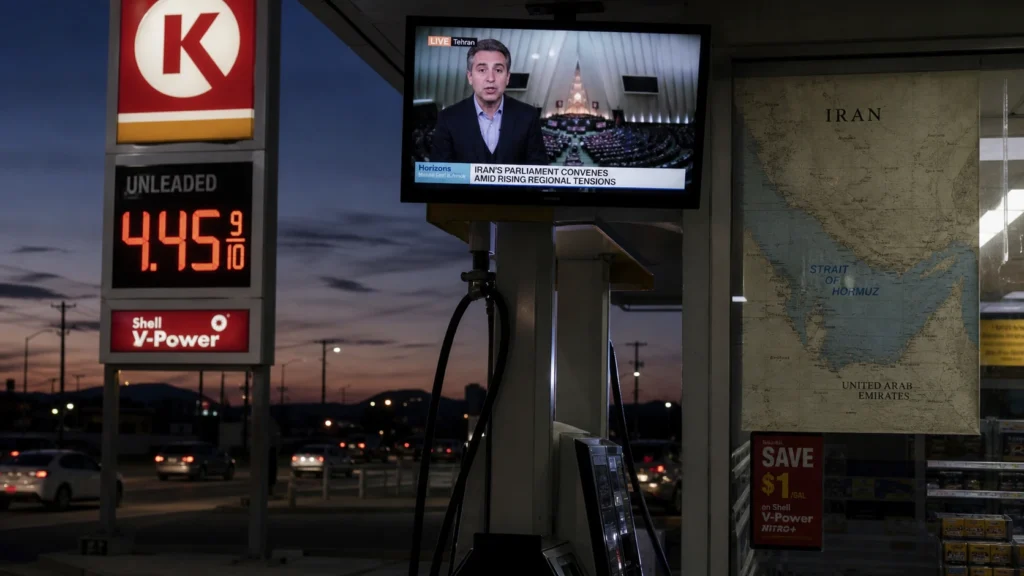
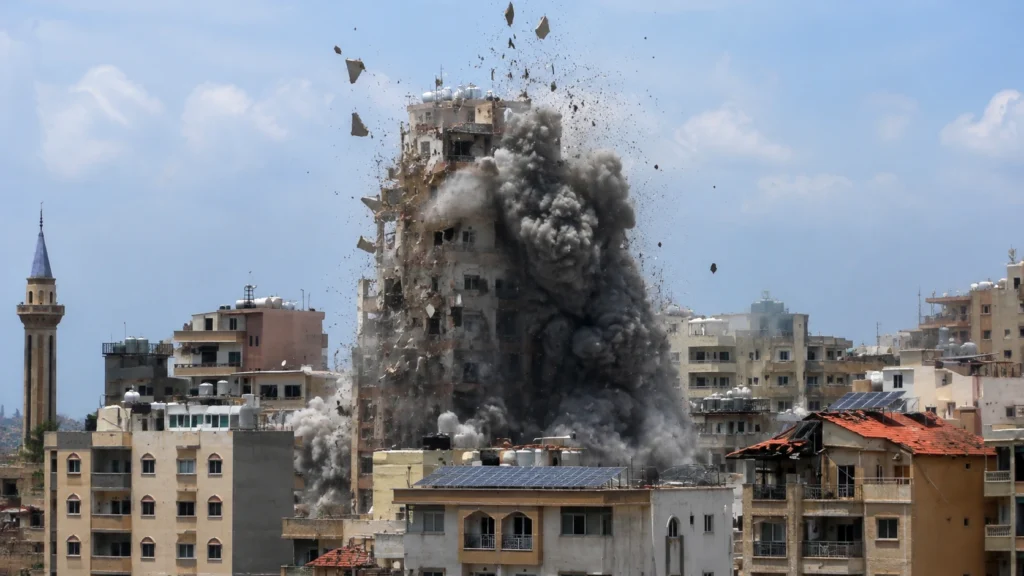
Israel launched air strikes on the southern Lebanese city of Tyre on Tuesday, hours after issuing an evacuation order covering the entire city—including the Christian quarter for the first time—and a day after Iran conditioned its pause in hostilities on an end to Israeli attacks on Lebanon. Lebanese media reported at least three people killed in Tuesday morning strikes, adding to the 14 killed in southern Lebanon on Monday. The Israel Defense Forces said it was responding to Hezbollah’s “violation of the ceasefire agreement.” Iran had paused its strikes on Israel on Monday and warned of a “severe response” if Israeli attacks on Lebanon continued. US President Donald Trump told reporters that the US and Iran were in the “final throes” of a deal to reopen the Strait of Hormuz. The escalation in Tyre demonstrates that the battlefield facts the deal depends on continue to shift regardless of diplomatic progress.
The Question Everyone Is Asking
Can a US-brokered deal hold when Israel and Iran are fighting through proxies on a separate front?
The evidence from Tyre suggests not. Iran paused its direct strikes on Israel on Monday, explicitly conditioning the pause on an end to Israeli attacks on Lebanon. Within hours, Israel expanded its Lebanon operations by issuing an evacuation order covering the entire city of Tyre—including neighborhoods previously spared—and resumed air strikes. The sequence exposes the central flaw in Washington’s diplomatic architecture: it treats the Iran-Israel front and the Israel-Lebanon front as separable, while the parties on the ground treat them as linked.
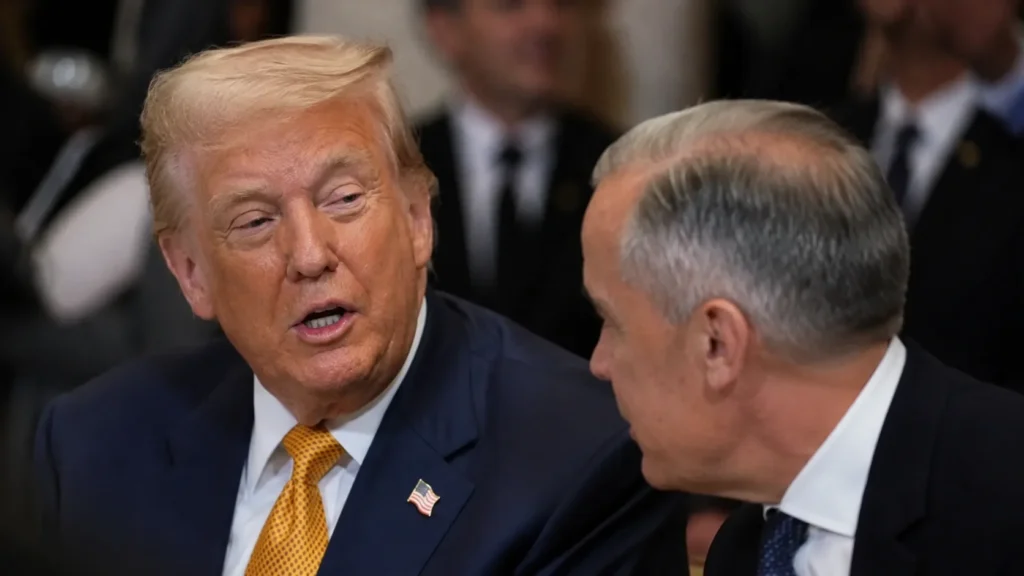
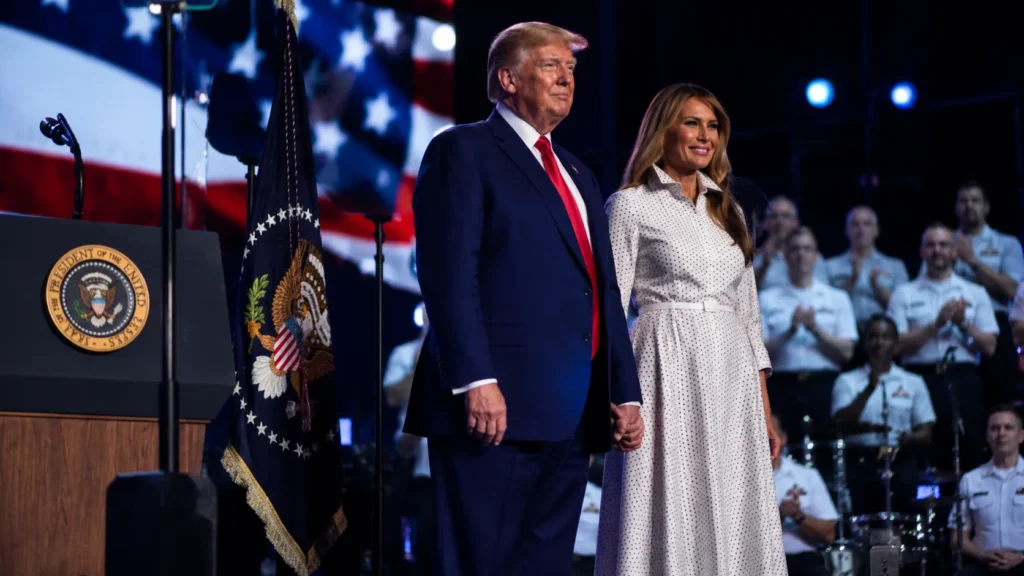
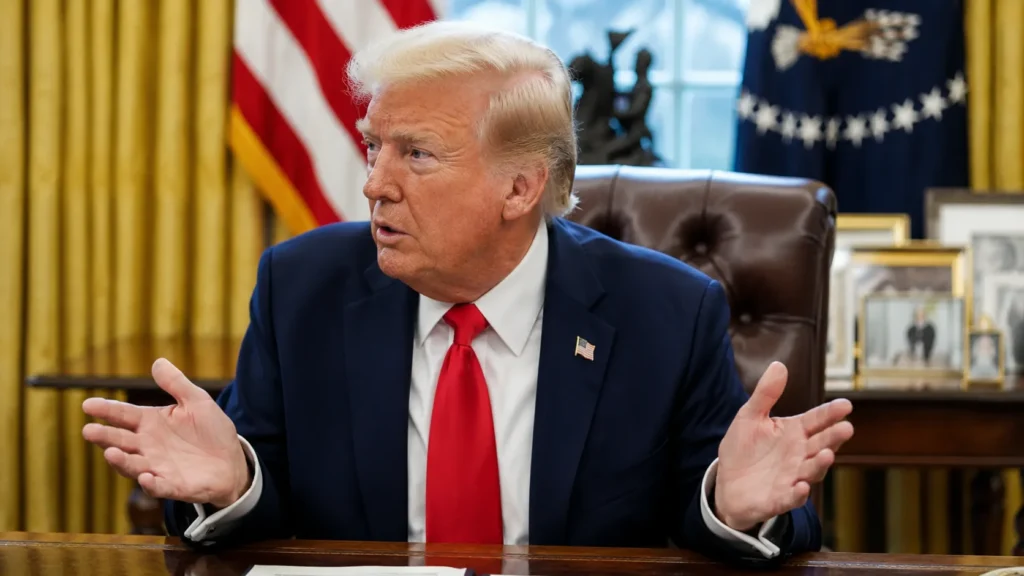
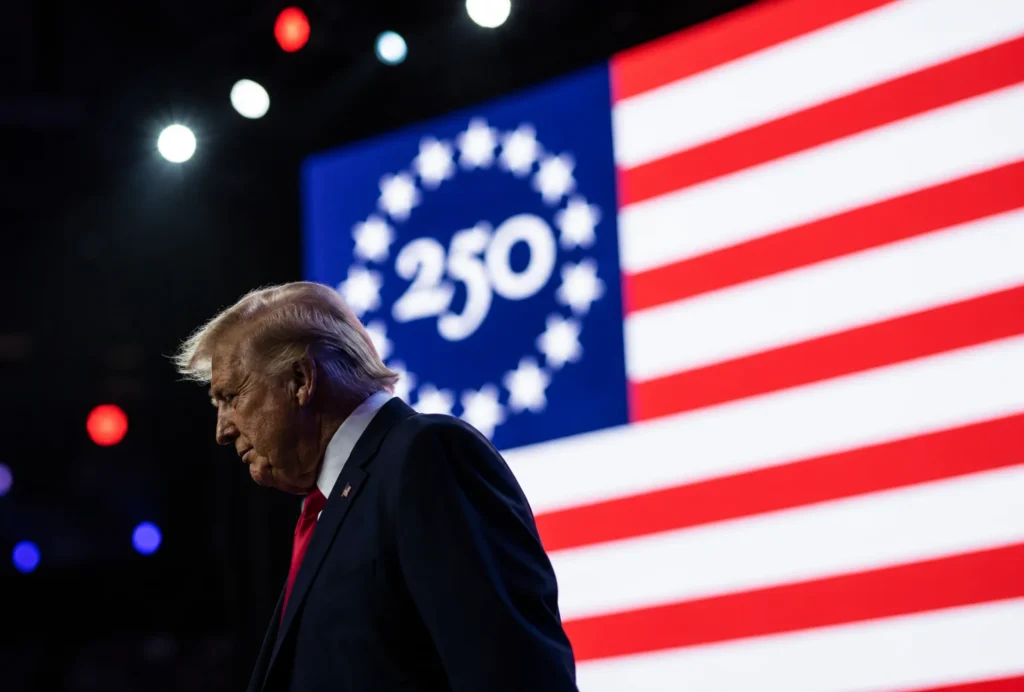
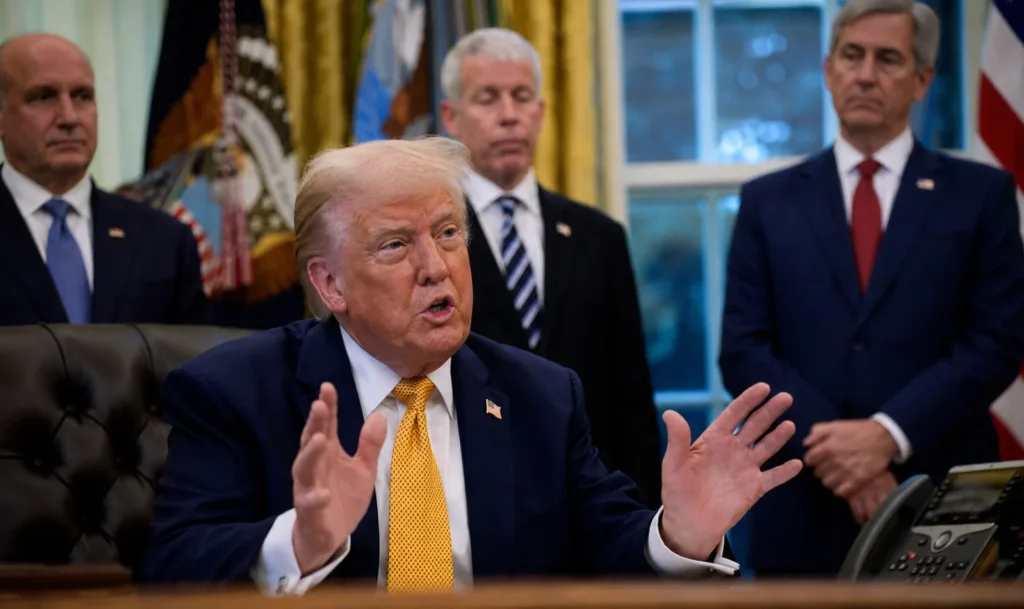
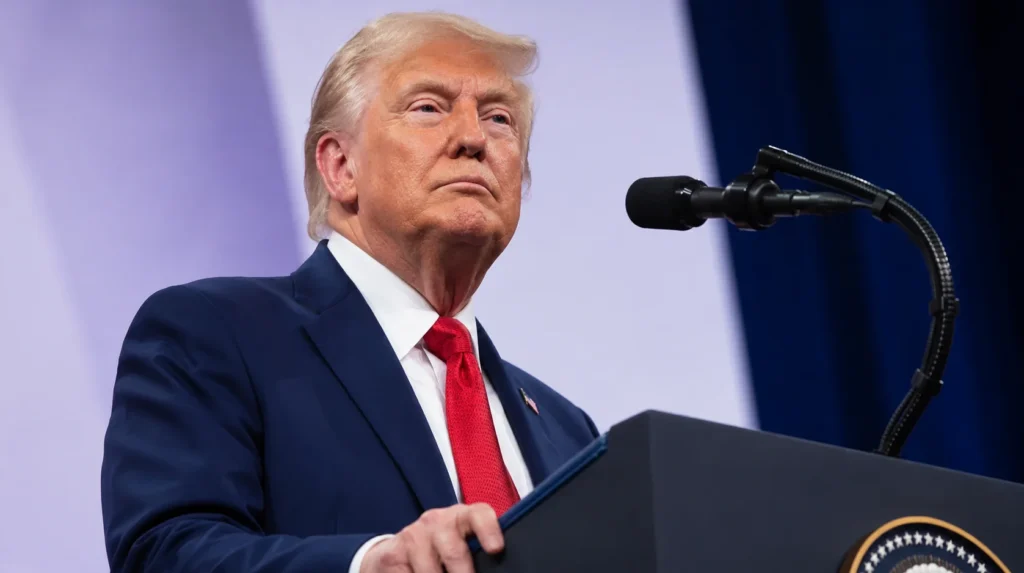
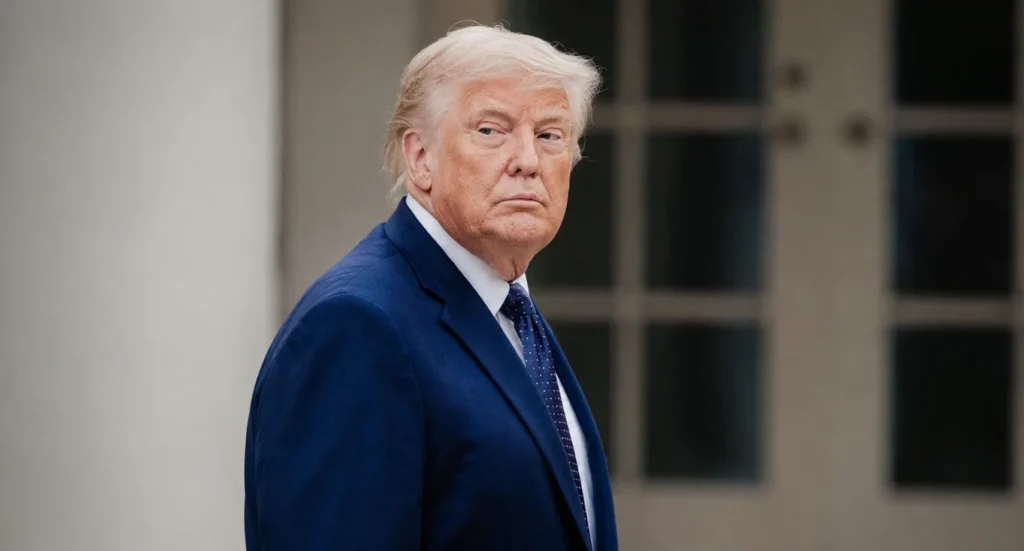
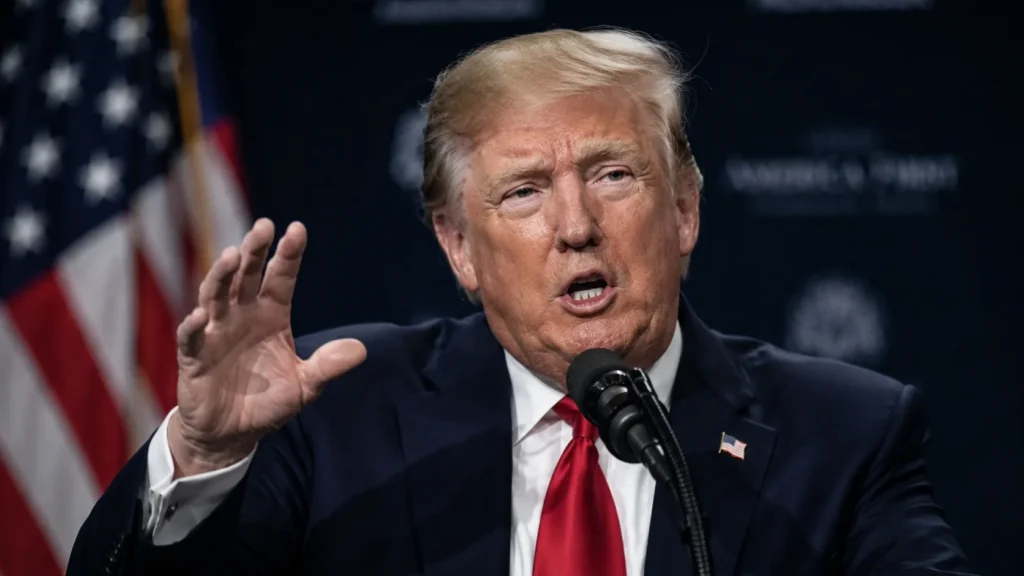
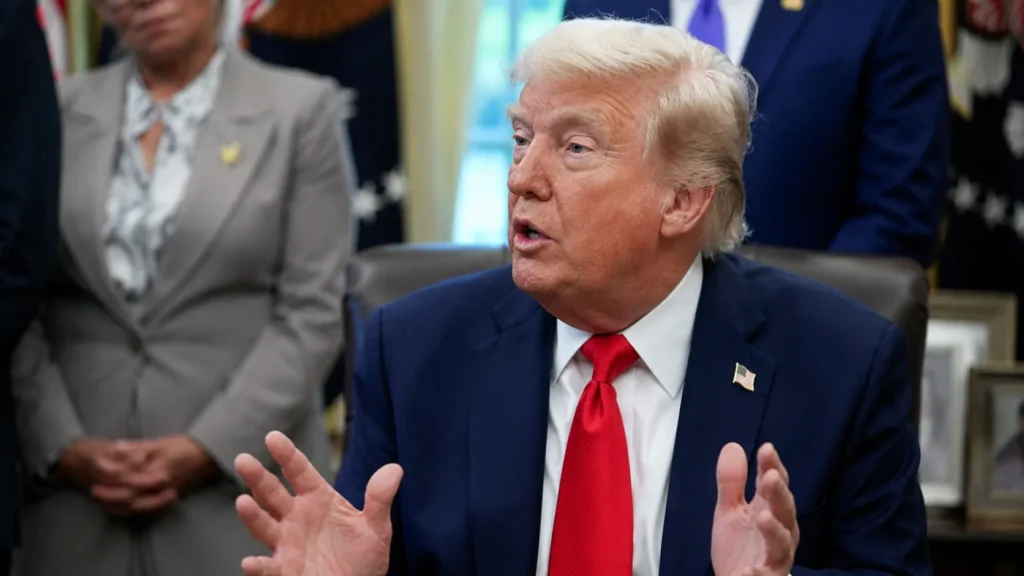
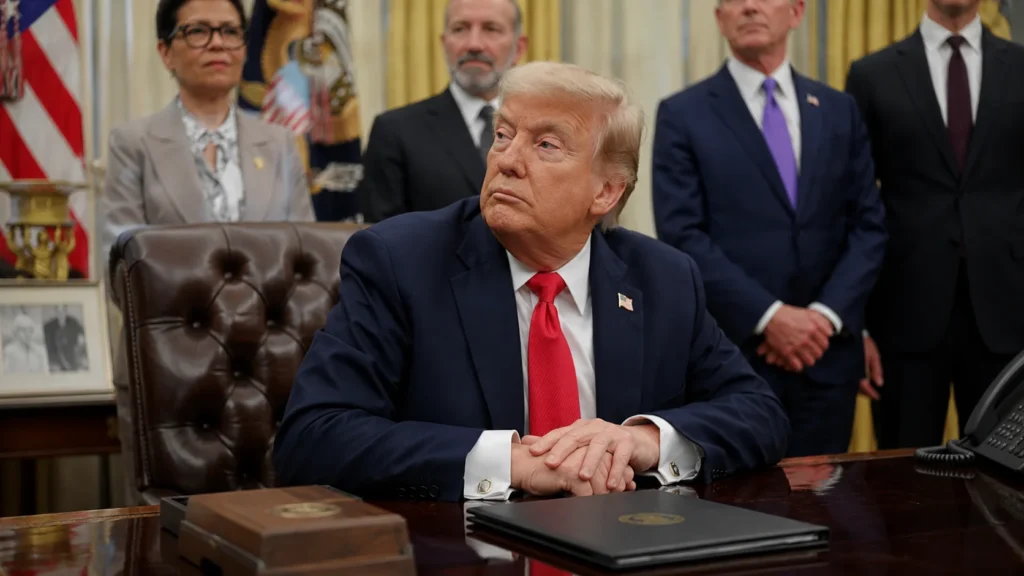
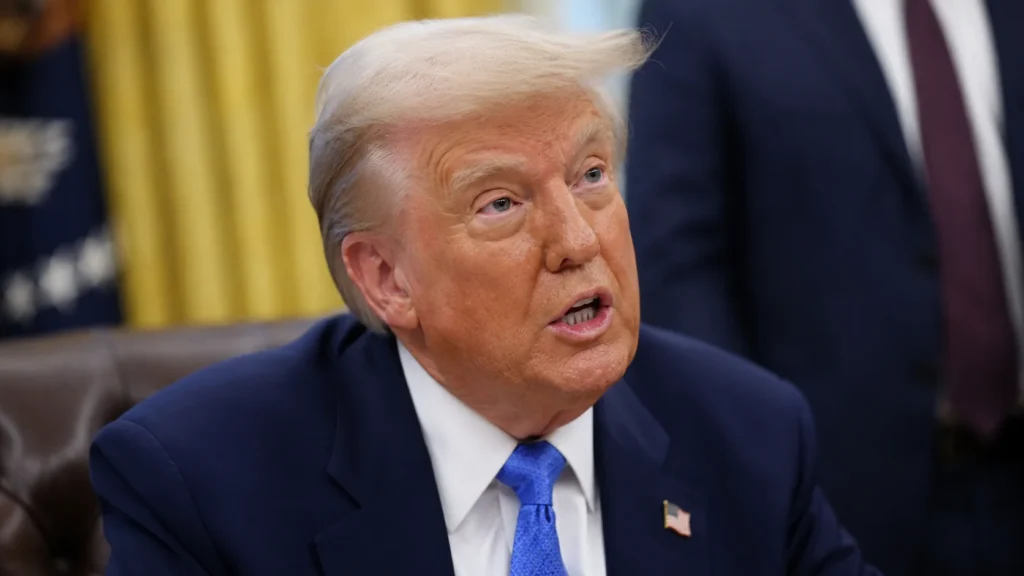
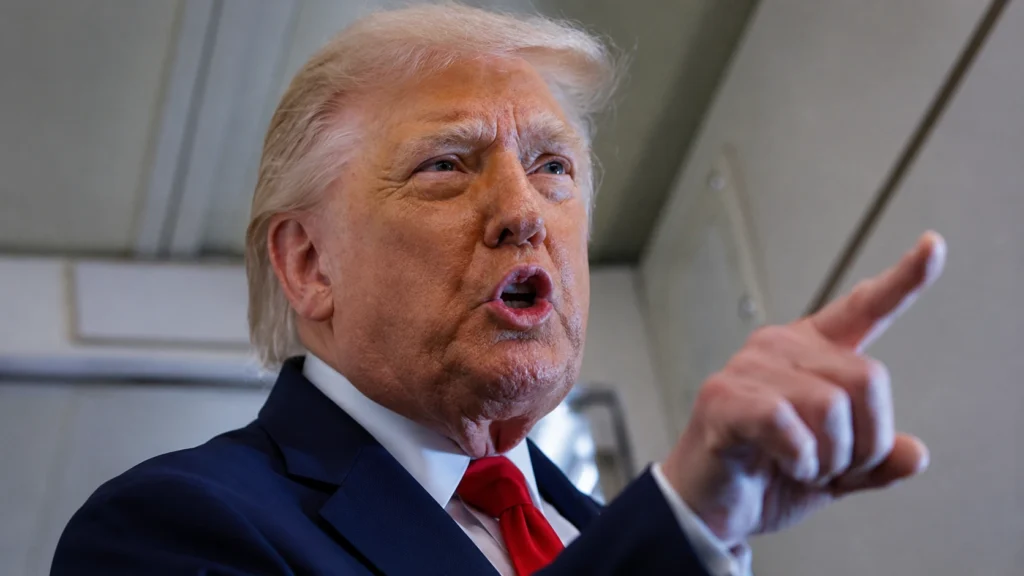
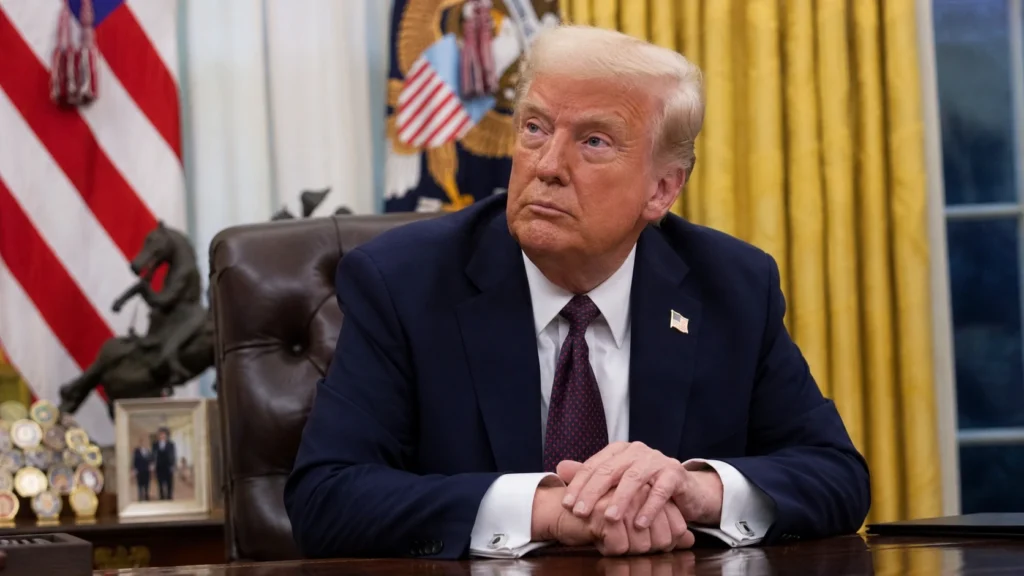
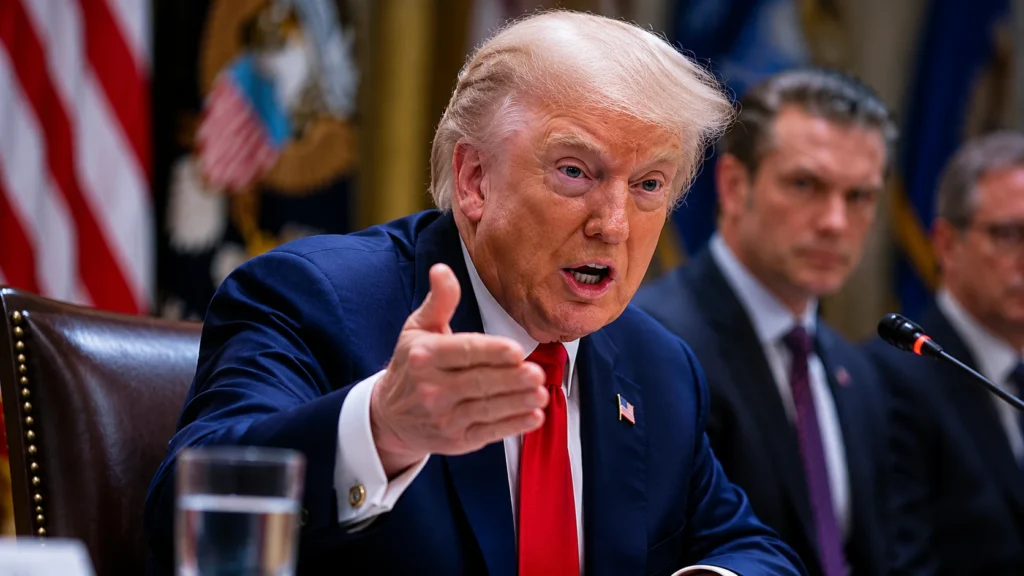
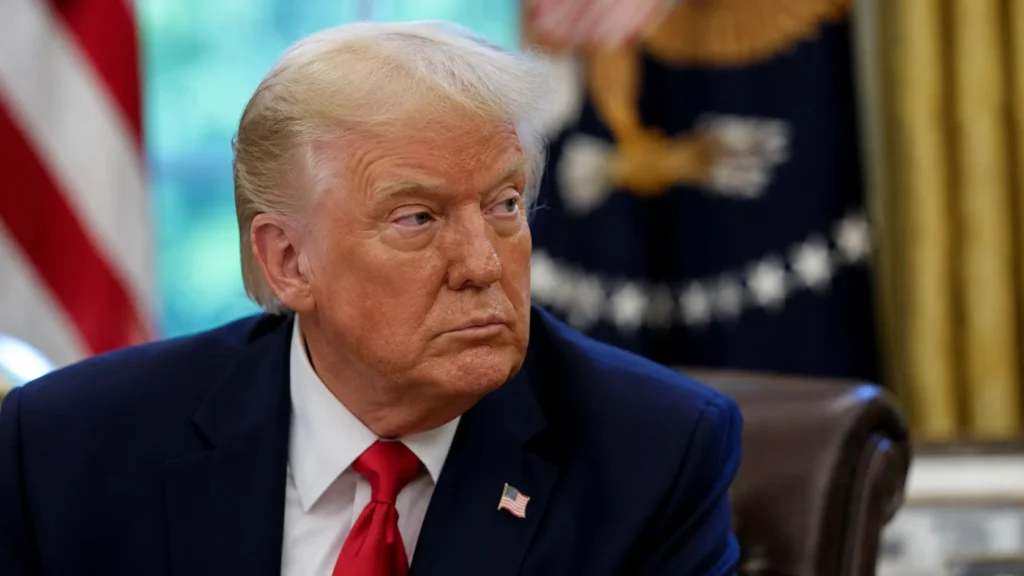
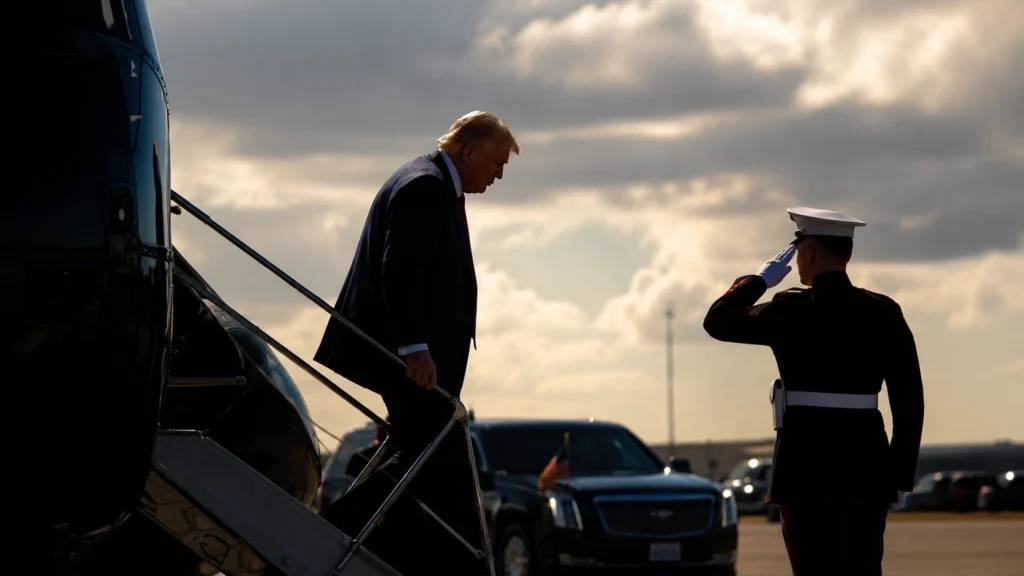
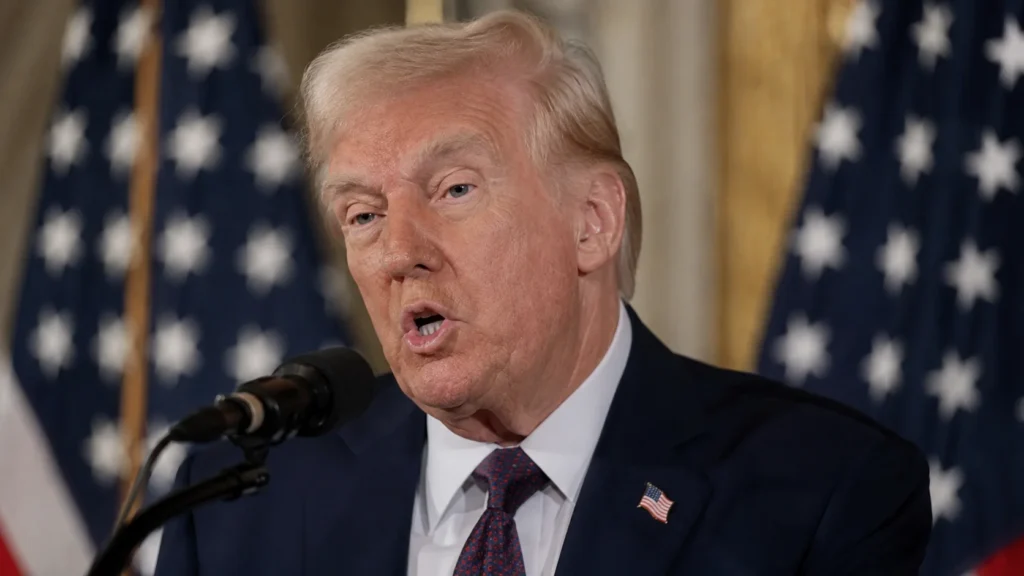
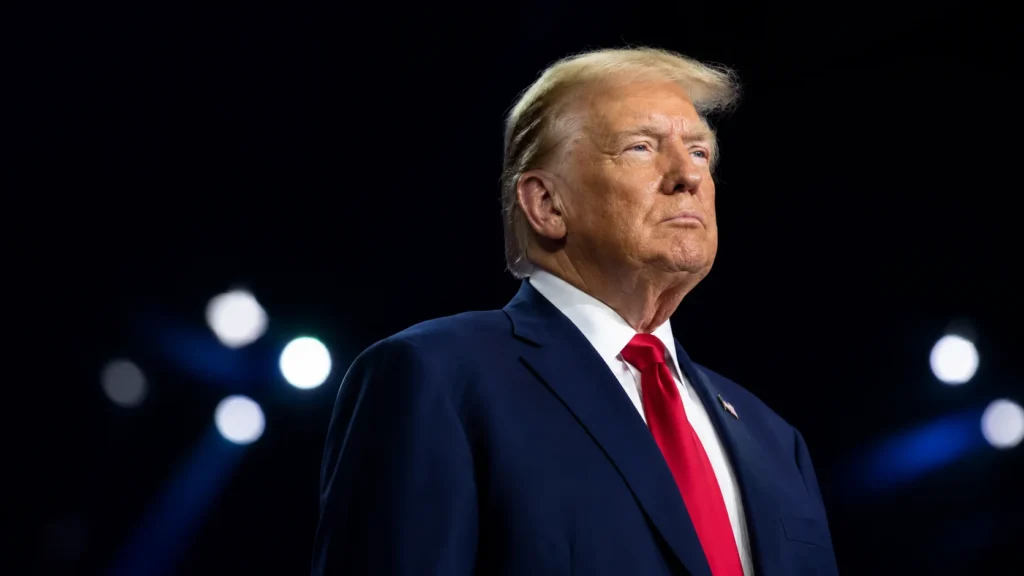
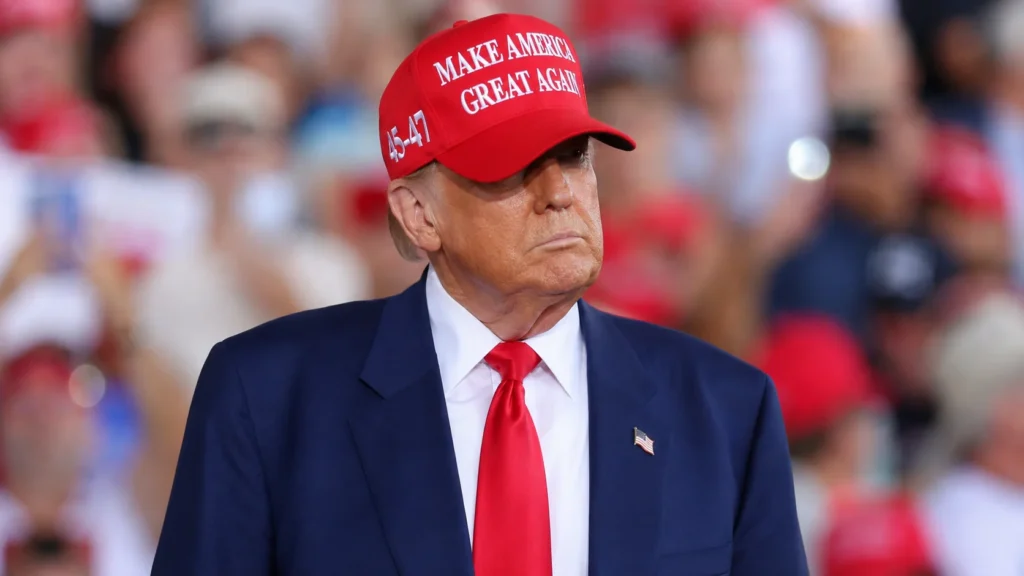
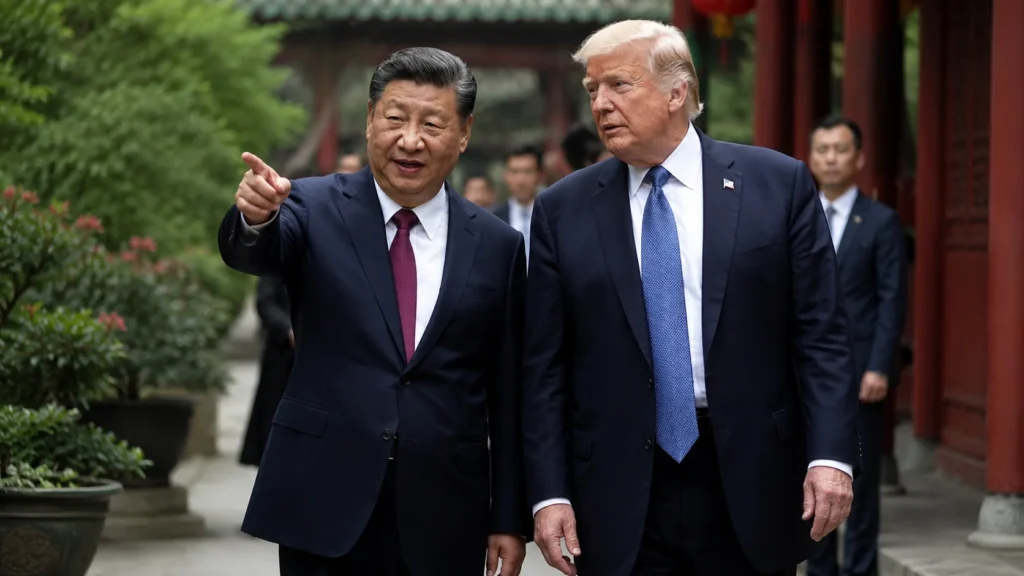
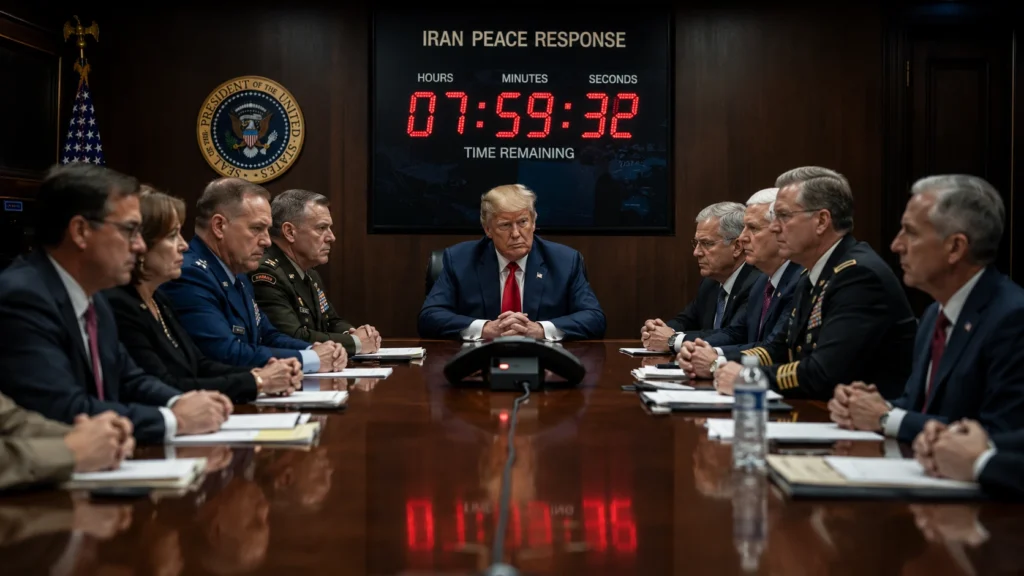
Trump told the BBC on Monday that “if I tell Netanyahu to do something, he does it.” The prime minister had retaliated against Iran the previous day despite Trump’s urging for restraint. Now Israel has escalated in Lebanon hours after Iran made de-escalation conditional on the opposite. The president’s claim describes a relationship that no longer corresponds to operational reality.
What Happened in Tyre
Tyre is one of Lebanon’s largest cities and the largest south of the Litani River—a key demarcation line throughout current and past conflicts. It is a UNESCO World Heritage site with Roman ruins, a major fishing port, and a population that includes Shia Muslim majorities, Sunni and Christian communities, and three official UNRWA Palestinian refugee camps.
The Israeli military issued an urgent evacuation order Tuesday morning. IDF Arabic-language spokesman Avichay Adraee posted on X that residents’ “presence near Hezbollah elements… endangers your lives” and that “any building used by Hezbollah for military purposes may be subject to targeting.” The accompanying map covered most of the city, including the Christian quarter and surrounding camps—areas spared in previous evacuation orders.
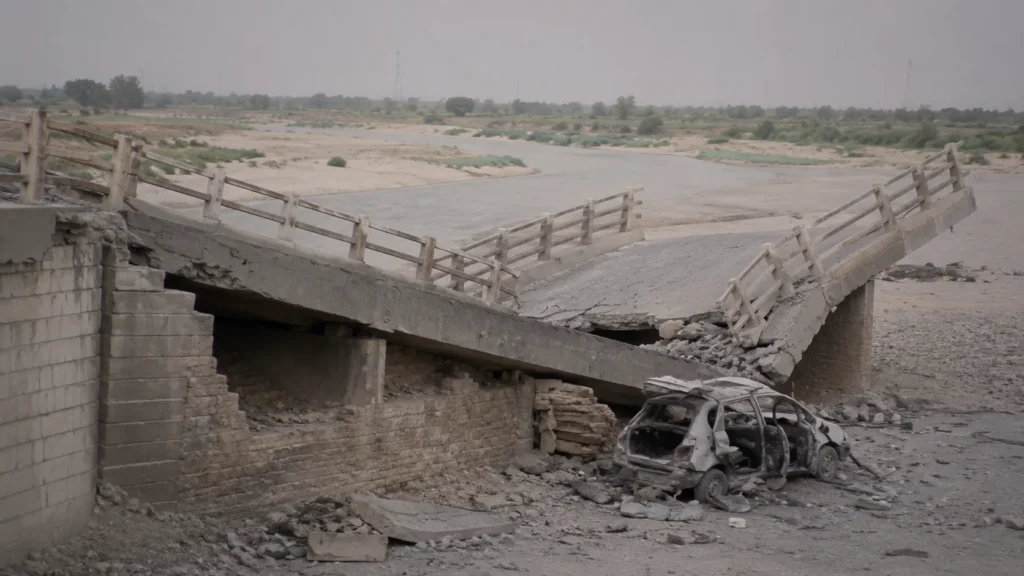
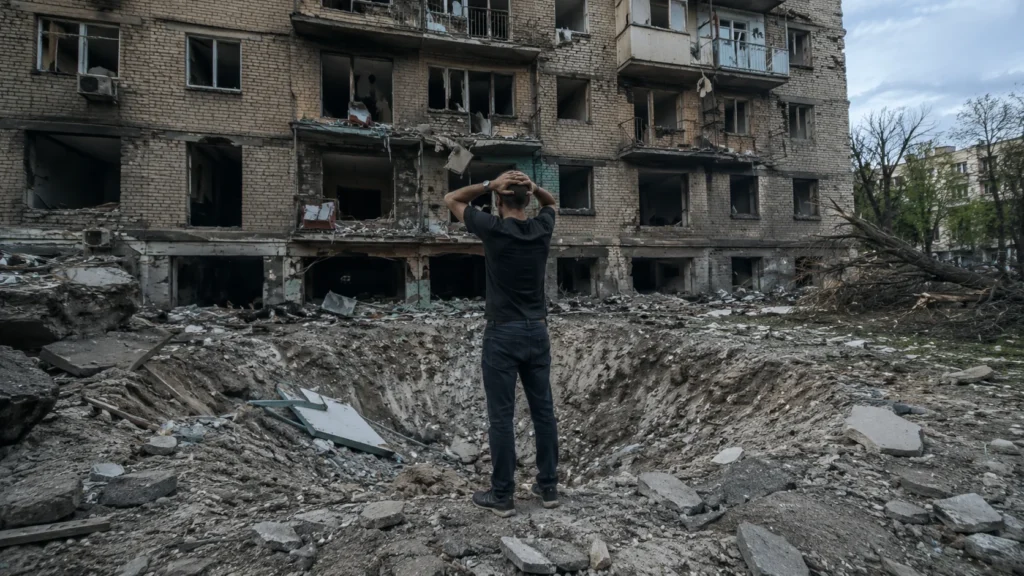
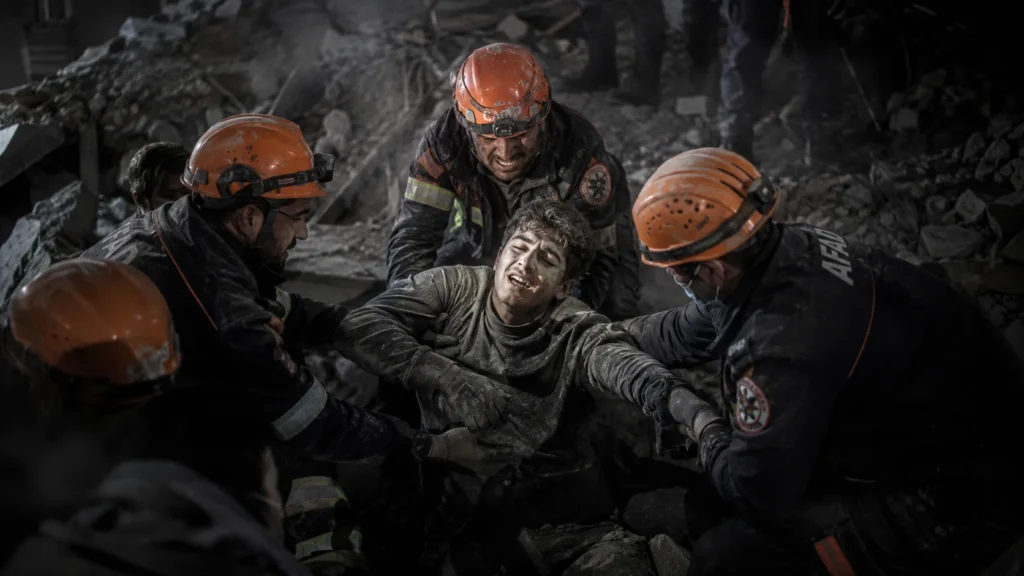
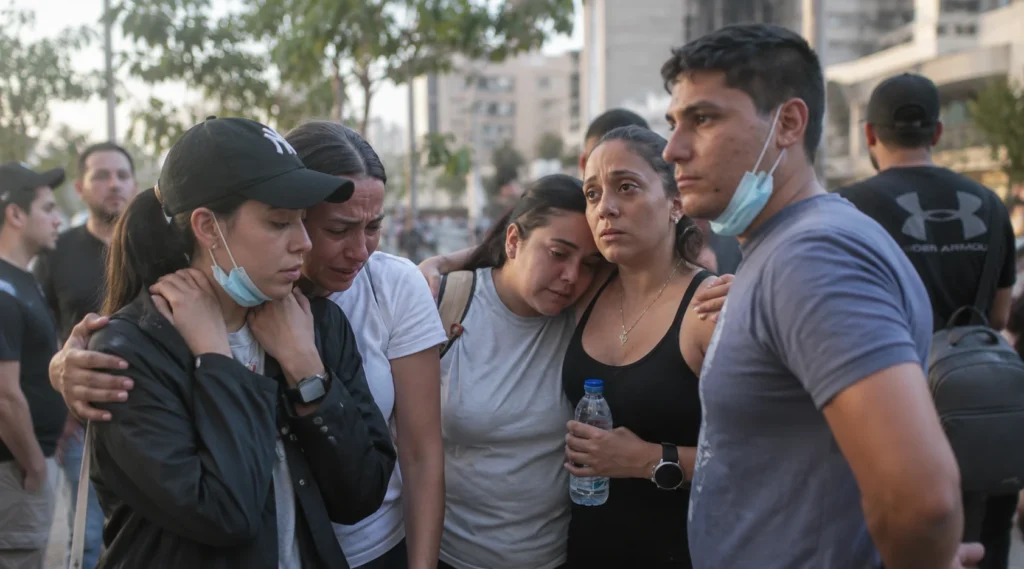
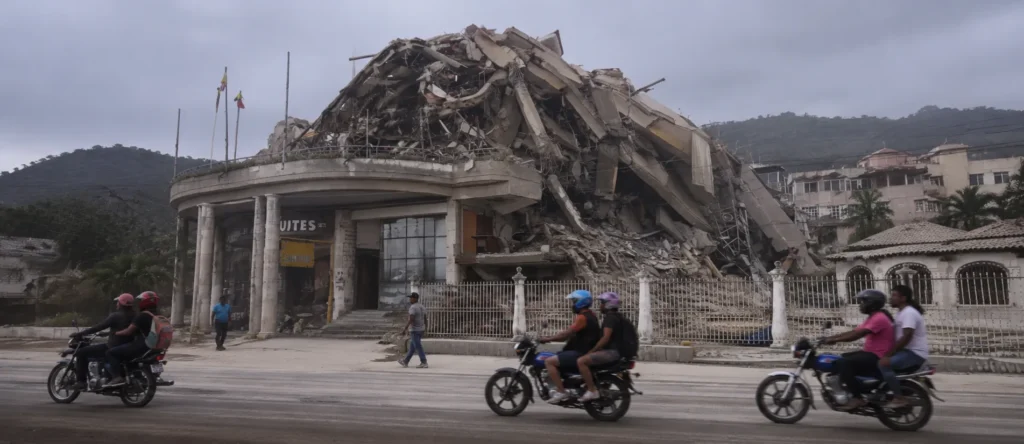
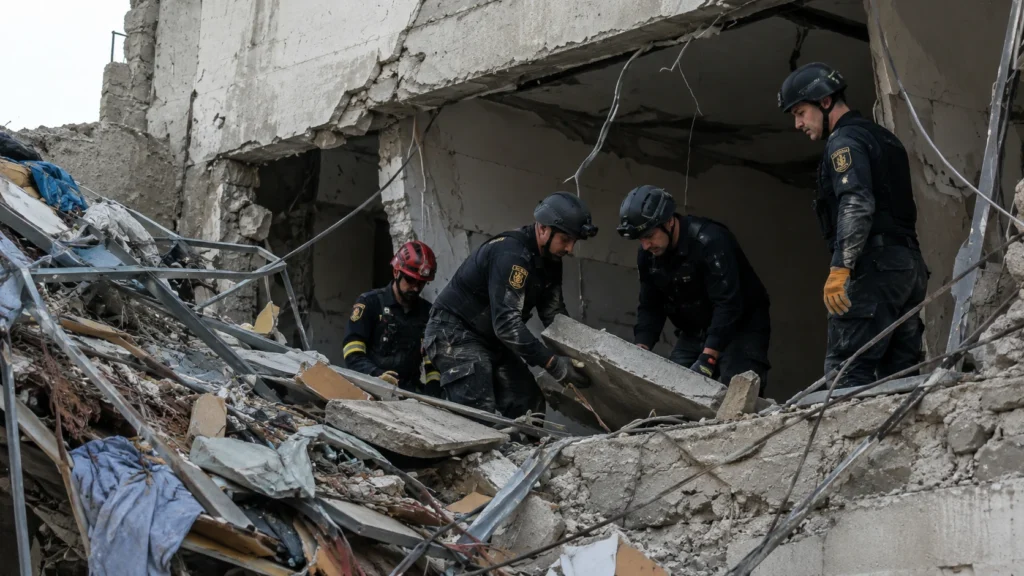
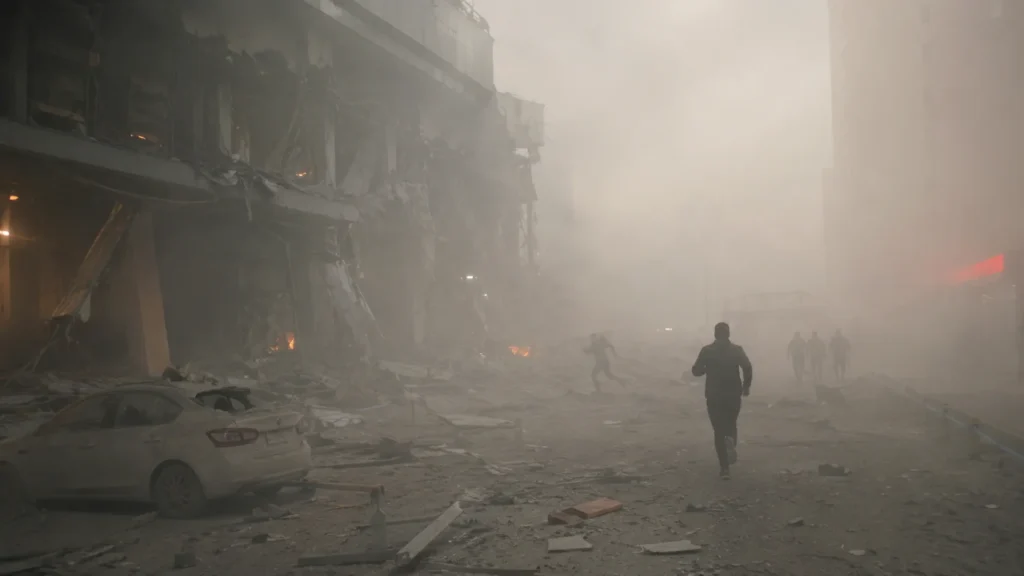
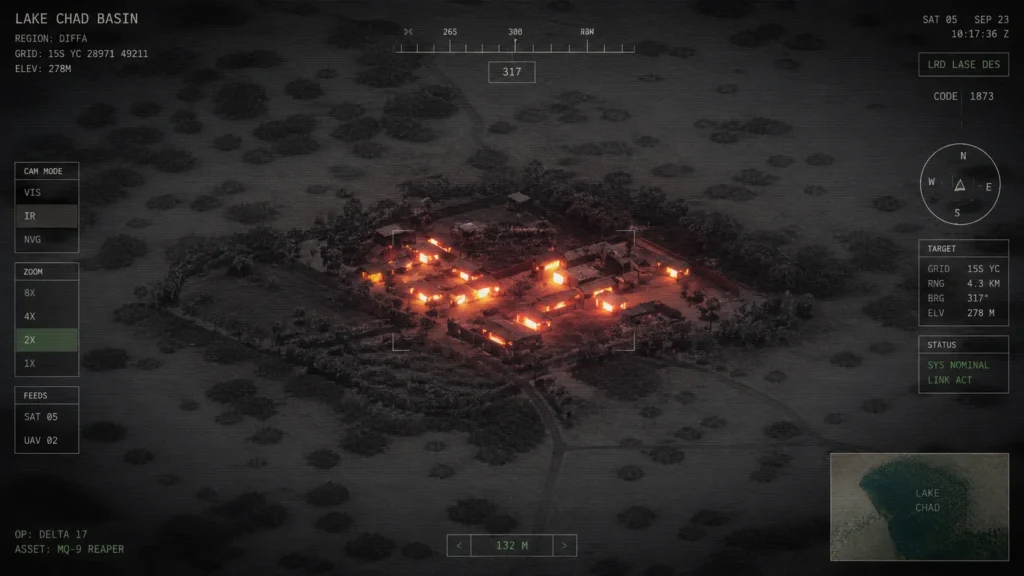
The state-run National News Agency reported shelters for displaced residents had reached capacity. Vehicles with mattresses strapped to roofs streamed north toward the Zahrani River. Then the strikes began. Lebanese media reported at least three killed Tuesday morning—one in the al-Massaken al-Shaabiya area of Tyre, two in a pre-dawn drone attack in Kfar Roummane, northeast of the city. Strikes also hit Nabatieh, Kfar Sir, and Jibchit.
On Monday, Lebanon’s health ministry said Israeli strikes killed at least 14 people in the south—seven in Nabatieh district, five in Tyre. The cumulative death toll in Lebanon since the conflict reignited now exceeds 3,600, according to Lebanese authorities. The Lebanon Ministry of Public Health official casualty reports provide verified counts that continue to rise.
The Timeline: From Pause to Escalation
Sunday, June 7 — Night: Iran launches nearly 30 ballistic missiles at Israel. Israel responds with two waves of strikes on Iranian targets, including a petrochemical plant. Trump tells Netanyahu to hold off on further retaliation. Netanyahu proceeds anyway.
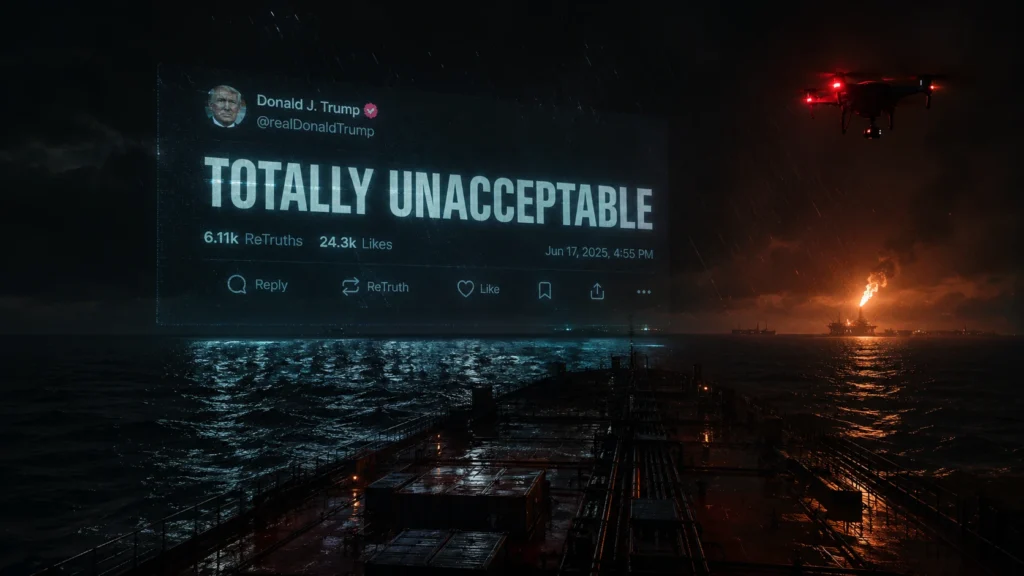
Monday, June 8: Trump posts on Truth Social demanding both sides “immediately stop ‘shooting.'” Iran and Israel announce they have halted direct attacks on each other. Iran’s president, Masoud Pezeshkian, says the country will “not retreat in the face of any threat.” Iran conditions its pause on an end to Israeli strikes on Lebanon.
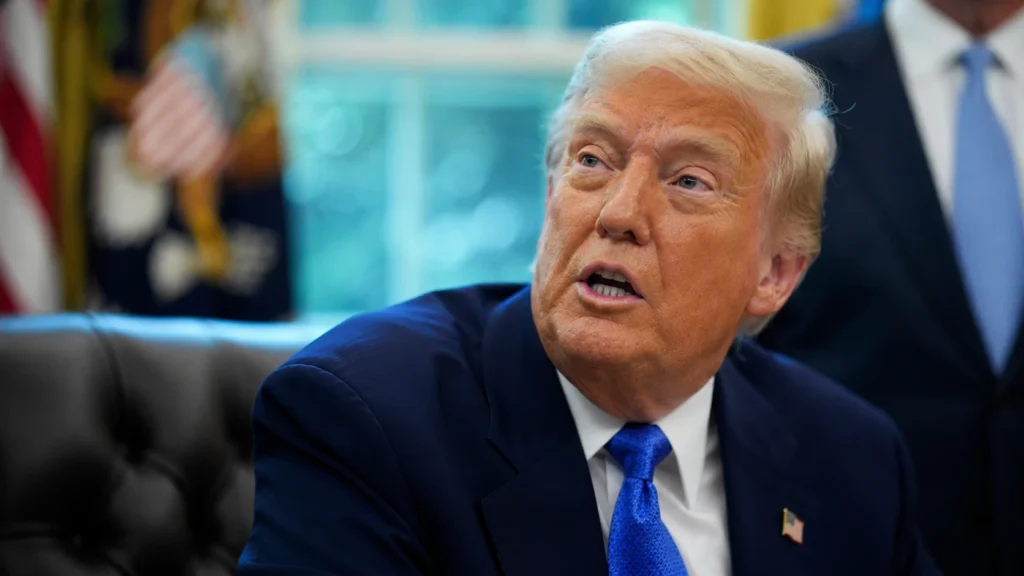
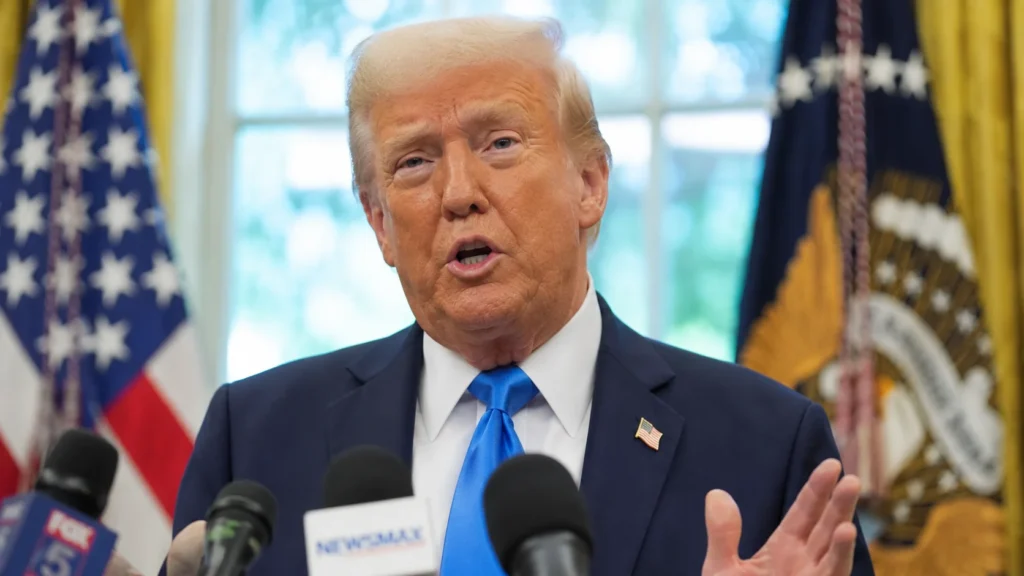
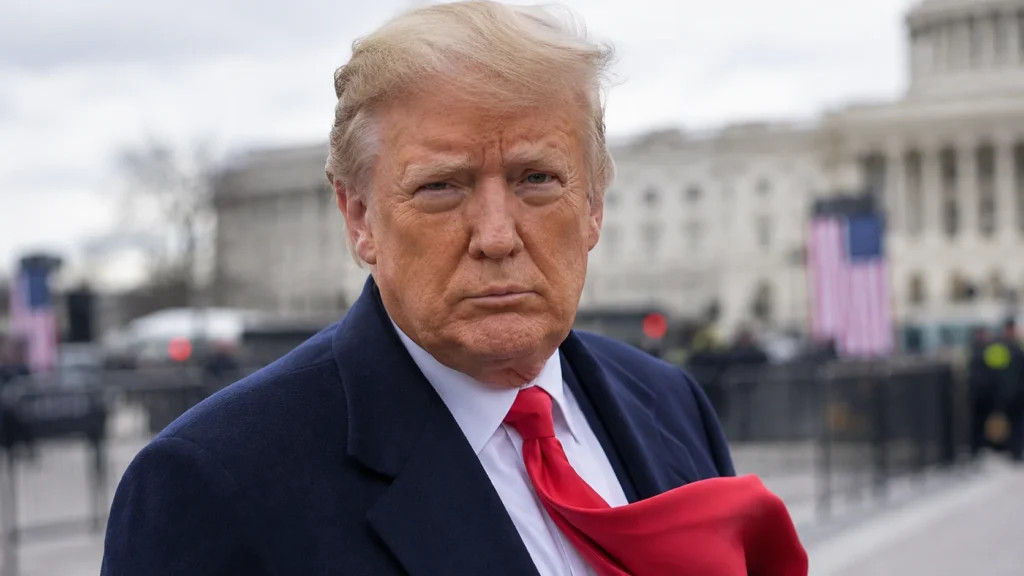
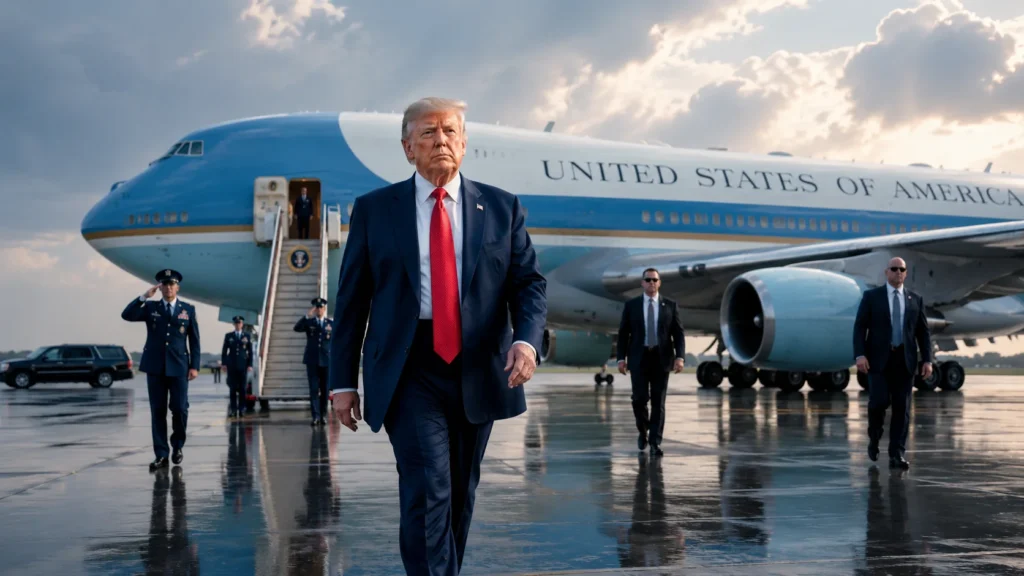
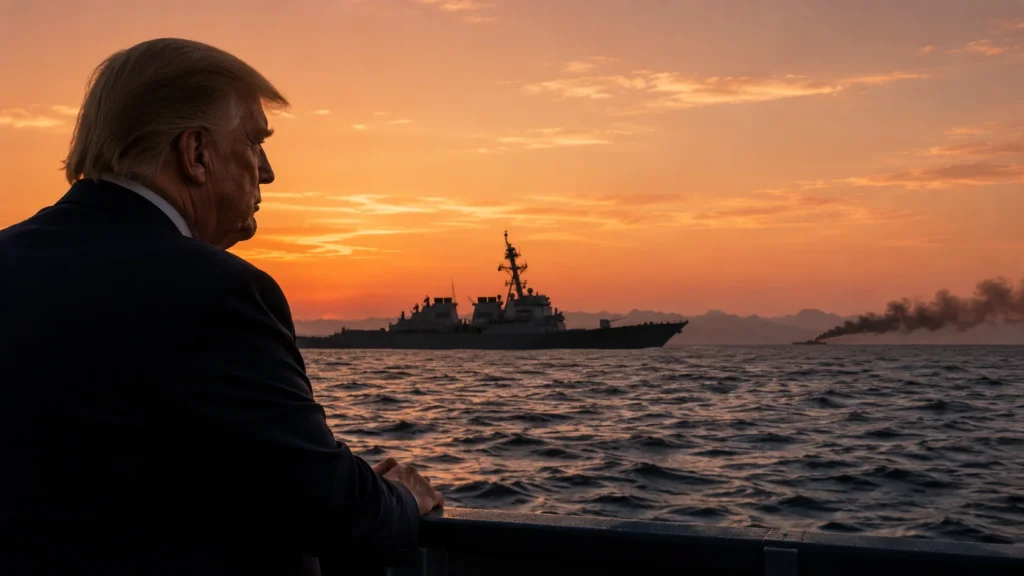
Monday, June 8 — Evening: Trump tells reporters at JFK Airport that the US and Iran are in the “final throes” of a deal. He says the Strait of Hormuz will reopen “in two or three days” upon signing. Trump tells the BBC that “if I tell Netanyahu to do something, he does it.”
Tuesday, June 9 — Morning: Israel issues an evacuation order for all of Tyre, including the Christian quarter, for the first time. Air strikes follow. At least three killed. The escalation continues.
As our analysis of the Trump administration’s diminishing leverage over Israeli military operations documented, the patron-client relationship has inverted since the war began in February. The Tyre escalation is the latest confirmation.
FAQ
Why did Israel strike Tyre after the Iran-Israel pause?
Israel says it is targeting Hezbollah infrastructure in southern Lebanon in response to the group’s “violation of the ceasefire agreement.” Hezbollah claimed it fired rockets at advancing Israeli forces near Bayyada on Monday night. Israel has not commented on that specific engagement, but continues ground operations and air strikes in the south. The escalation occurred hours after Iran conditioned its pause in direct strikes on Israel on an end to Israeli attacks on Lebanon.
What did Iran say about the Tyre strikes?
Iran had not issued a specific statement on Tuesday’s Tyre strikes at the time of publication. On Monday, Iran’s military said it had stopped operations against Israel following the delivery of a “painful response” and threatened “severe” measures if Israel carried out more strikes, including in Lebanon. Iran’s president said the country would “not retreat in the face of any threat.”
What is the significance of Tyre’s Christian quarter?
The Israeli evacuation order for Tyre included the Christian quarter for the first time in this conflict. Previous evacuation orders and strikes had concentrated on Shia-majority areas where Hezbollah maintains its strongest presence. Expanding the order to cover the entire city signals that Israeli military operations will not observe the sectarian boundaries that had previously provided some neighborhoods with relative safety.
How many people have died in Lebanon since the conflict reignited?
Lebanese authorities report more than 3,600 killed since the conflict began. The figure includes civilians, Hezbollah fighters, medical workers, and journalists. The health ministry reported 14 dead from Israeli strikes on Monday alone—seven in Nabatieh district and five in Tyre. At least three more were killed Tuesday morning. The Lebanon Ministry of Public Health daily situation reports provide ongoing updates.
What did Trump say about the deal with Iran?
Trump told reporters at JFK Airport on Monday night that the US and Iran were in the “final throes” of a deal that will not allow in any way, shape, or form nuclear weapons.” He said the Strait of Hormuz would “open up right away—they’ll open up immediately upon signing, which could be in two or three days.” Senior Arab sources told the BBC that a deal is close. Senior Western diplomats warned against “optimism bias.” The deal remains unsigned as the fighting in Lebanon continues.
Is the April ceasefire still in effect?
The April ceasefire between the US and Iran collapsed into direct confrontation on Sunday. The US-brokered ceasefire between Israel and Lebanon, renewed earlier this month, has been violated by both sides. Israel continues strikes and ground operations in southern Lebanon. Hezbollah continues rocket and drone attacks on northern Israel. The our tracking of ceasefire compliance across Middle East theaters has documented repeated violations across all agreements.
What to Watch Over Six Months
Three indicators will determine whether the Tyre escalation marks a temporary spike or a sustained expansion of the Lebanon front.
First, Iran’s response threshold. Tehran paused direct strikes on Israel and conditioned the pause on an end to the Lebanese attacks. Israel rejected the condition within hours. Whether Iran retaliates—through direct strikes, Hezbollah escalation, or proxy activation elsewhere—will define whether the pause holds or collapses. The two Iranian servicemen killed Monday and buried Tuesday in Tehran provide a domestic political impetus for a response that Iranian leaders must manage.
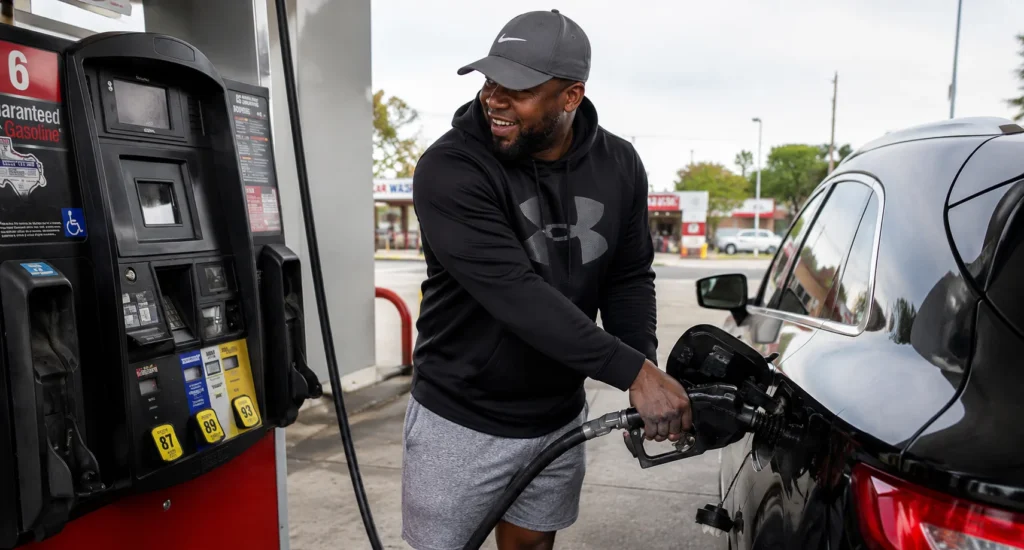
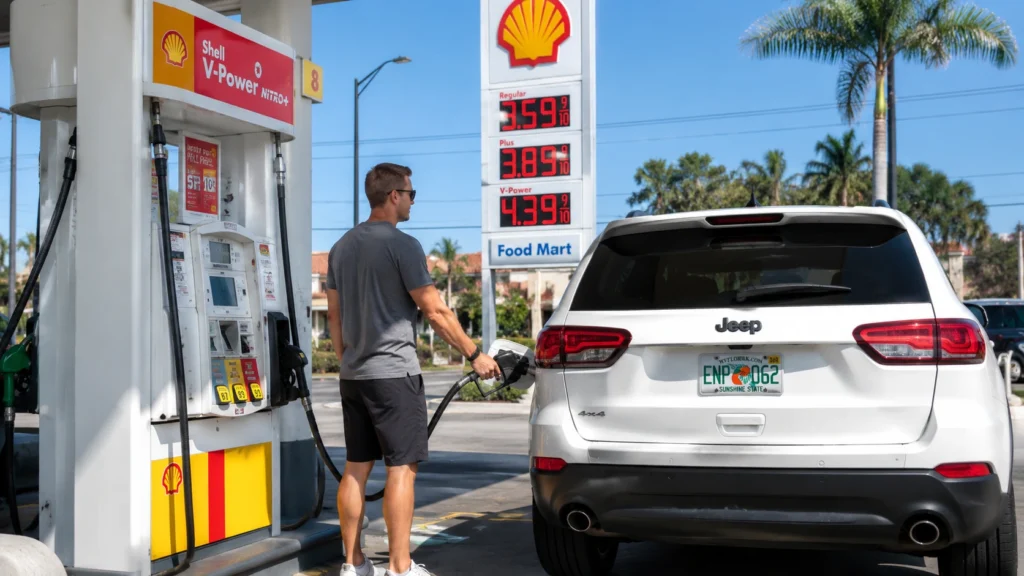
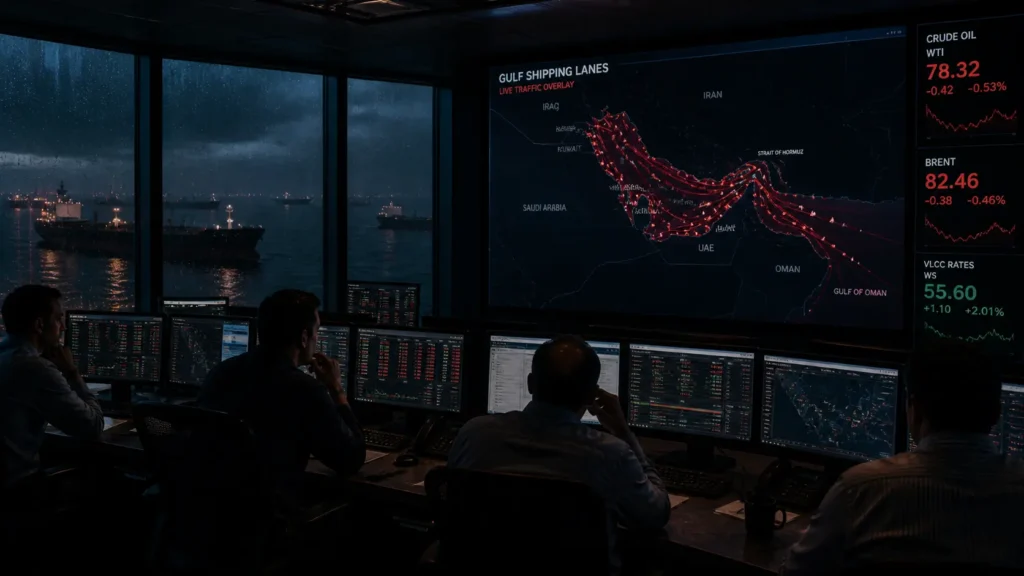
Second, the US diplomatic track. Trump continues to claim a deal is imminent. The Strait of Hormuz remains closed. As our reporting on the economic consequences of the Hormuz closure and the pressure on the Trump administration has documented, rising summer fuel prices in the United States create a political clock that ticks louder each week. Whether that pressure produces a deal that Israel accepts—or whether Israel’s Lebanon operations continue regardless—will determine whether the president’s diplomacy can bridge the gap between Washington’s priorities and its ally’s actions.
Third, Lebanon’s humanitarian capacity. Shelters in Tyre reached capacity before the strikes stopped. The displacement from southern Lebanon has been continuous since the ground invasion expanded. The UNRWA Lebanon emergency situation reports track the strain on refugee infrastructure. A full evacuation of a city the size of Tyre would overwhelm a system already operating at its limits.