

 English
























































































































The Safest Countries Ranked. The Rest of Us Fell.
The geothermal pool steamed in the cold air. A few Icelanders soaked in silence. No guards. No entry gate scanning tickets. Just a changing room, a wooden bench, and water that had been warming locals since before the country had a flag. Oddný Arnarsdóttir, head of Visit Iceland, calls this “bathing culture.” She’s not wrong. But she’s also describing something that costs nothing and requires no policing.
That is the texture of safety most people never name. It is not the absence of crime statistics. It is the absence of the thought of crime statistics.
New Zealand’s Warwick Woodley put it differently: “Most people don’t think about it much, which is probably the best indicator that it’s generally not a concern.” Guns are not part of everyday life. Neighbourhoods still function. Anonymity is harder to come by in a country of five million.
But the visitor numbers were not the story. The story was a quiet, uncomfortable question: does safety scale—or does it only work at the edges of the map?
The Geography of Safety
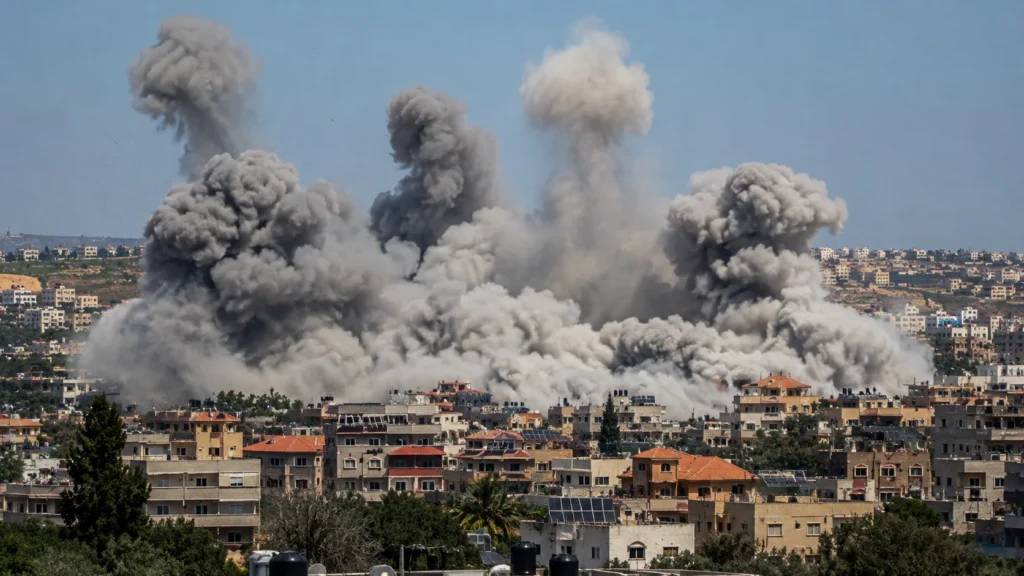
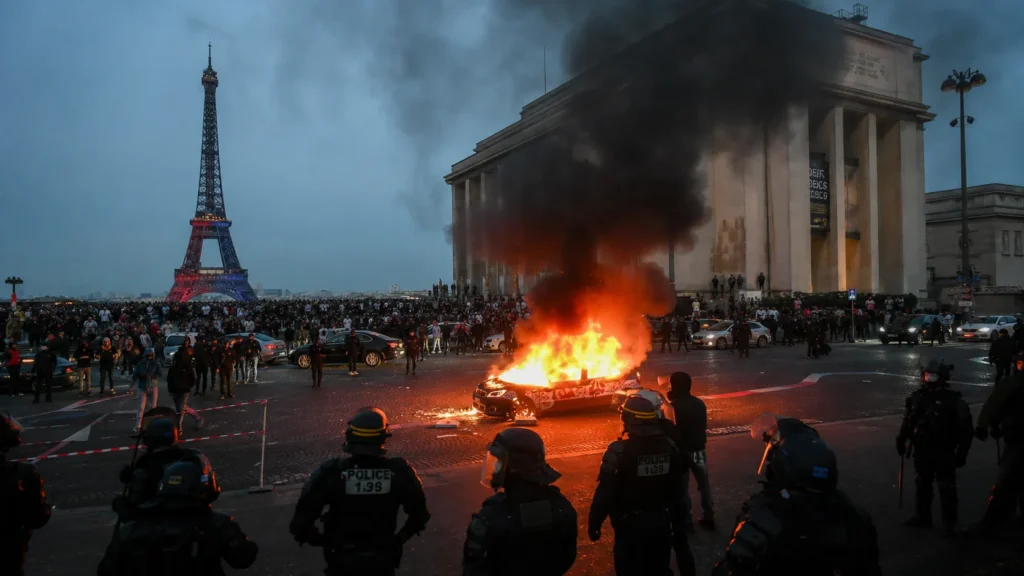
Iceland has topped the Global Peace Index for 19 consecutive years. The index, produced by the Institute for Economics & Peace since 2007, ranks 163 nations across 23 indicators: military expenditure, ongoing conflict, homicide rates, and perceptions of safety. In 2026, overall peacefulness deteriorated in 99 countries. That marks the 12th consecutive year of global decline.
The top five
- Iceland
- New Zealand
- Switzerland
- Slovenia
- Ireland
barely moved.
Steve Killelea, the institute’s founder, noted the disconnect: “Even though we had this catastrophic drop, it hasn’t really affected the countries at the top.” The worst year for global peace since World War Two left the safest nations untouched.
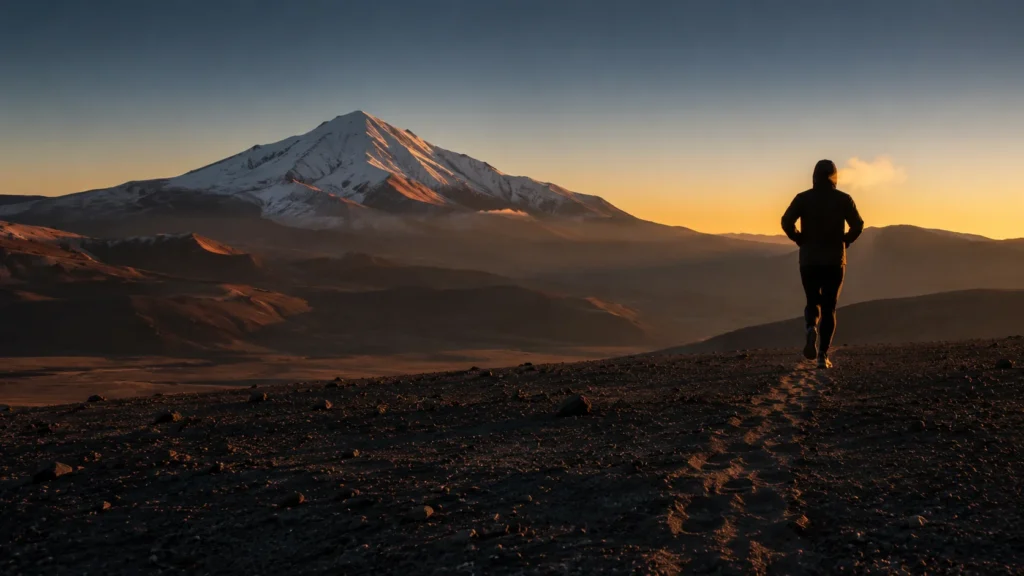
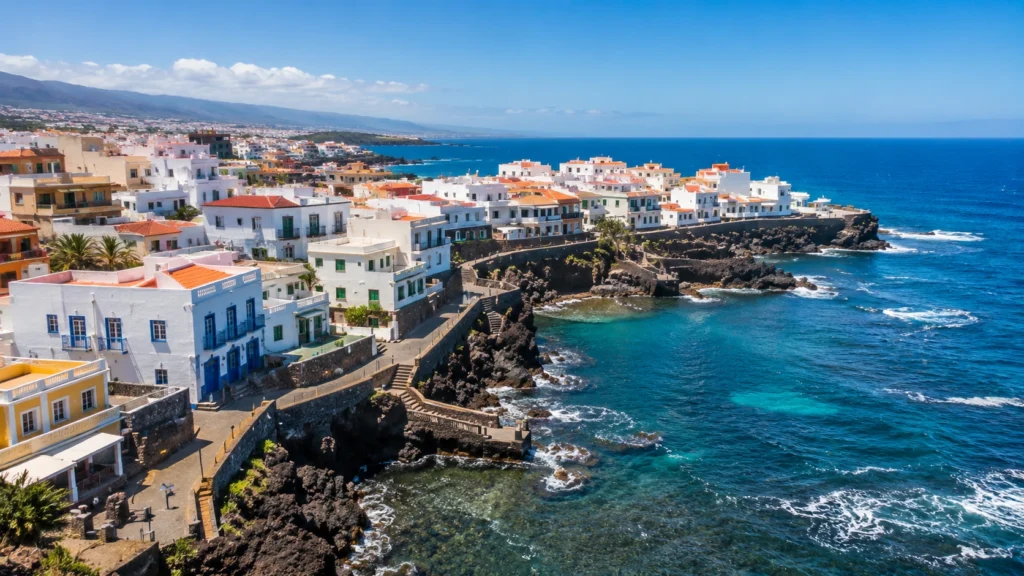
Geography explains part of this. Iceland sits in the North Atlantic, hours from anywhere. New Zealand is farther from conflict zones than almost any nation on earth. Ireland occupies what Didi Ronan, founder of regenerative hotel Native in West Cork, calls “a far-out rock in the Atlantic.” Distance insulates. It always has.
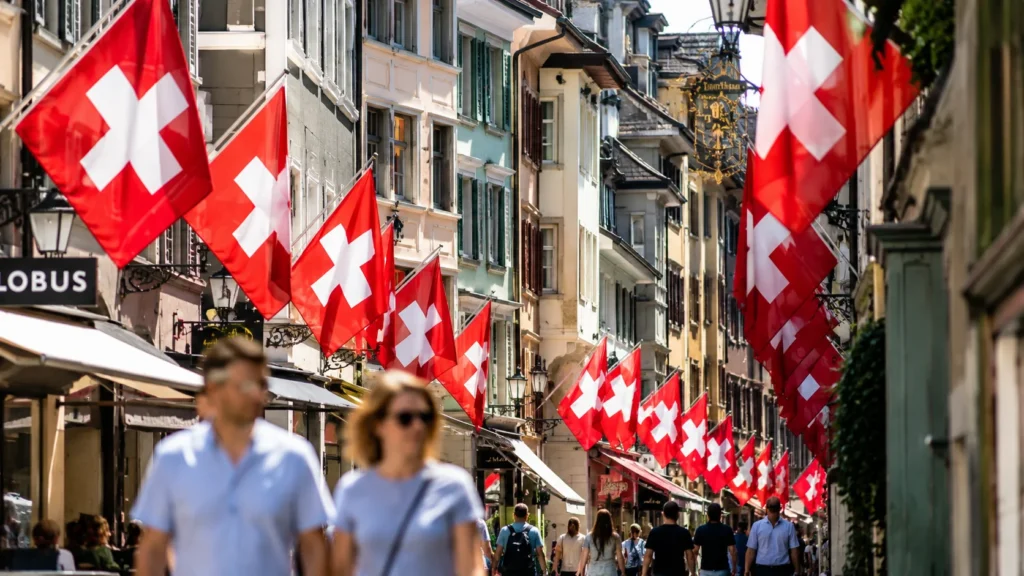
But geography alone does not explain Slovenia, landlocked and bordered by six countries, debuting in the top five for the first time. Or Switzerland, rising from fifth to third, surrounded by NATO members and EU institutions while refusing to join either. The pattern is not just location. It is location plus something else.
The Trust Layer
Cornelia Choe lives in Geneva. She lost her wallet twice in Switzerland. The first time, a stranger mailed it back with the cash still inside. The second time, someone found her credit card at a train station and contacted the bank directly to cancel it—to protect her from fraud.
“Those are small moments,” Choe said. “But they leave a lasting impression.” Trust here is transactional but reliable. People assume others will do the right thing. The assumption gets rewarded often enough that it becomes self-reinforcing.
Jerneja Zver, who lives in Ljubljana and manages operations for Intrepid Travel in Eastern Europe, describes a similar dynamic in Slovenia. Weekends mean hiking, cycling, and gathering with friends. “Slovenians place great importance on community and spend a lot of time in nature, which I believe creates a calmness and steadiness in us.” The calm is not accidental. It is reproduced through relationships that density and leisure time make possible.
Iceland’s Arnarsdóttir frames it as a conscious choice: “Peacefulness is all around us in Iceland in the nature that surrounds us, but it is also a conscious choice rooted in our close-knit communities.” The word “choice” matters. These countries did not inherit safety passively. They built institutions—gender parity policies, renewable energy infrastructure, public services, gun laws tightened after Christchurch—that maintain it.
The index reflects this. The top performers combine low violence with functioning institutions, high social trust, good neighbour relations, and quality of life. Remove one element and the ranking shifts.
Who Gains Access, Who Gets Left Outside
The tension here is not about tourism. It is about exclusivity masquerading as universal aspiration.
Safety in these five nations is a product of specific conditions: small populations, geographic isolation or armed neutrality, dense social ties, and institutional trust built over generations. Those conditions do not transfer. A traveller can visit Iceland’s 120 geothermal pools. They cannot import the social cohesion that makes them function without entry gates.
This creates a paradox that the travel industry rarely acknowledges. The safest countries market themselves as escapes. Visit Iceland promotes “the space to disconnect.” New Zealand offers mountains and beaches “all within reach.” Slovenia sells hospitality, nature, and food. The promise is restoration. The subtext is retreat from a less peaceful world.
But retreat is a luxury good. Access to Iceland requires airfare, time, and the kind of passport that permits visa-free movement. The very conditions that make these countries peaceful—remoteness, small scale, strong borders—also make them exclusive. The safety is real. It is also rationed by geography and wealth.
Ireland’s Ronan traces hospitality to the Brehon laws, which governed Ireland for much of the first millennium and mandated food and shelter for strangers. “It’s in our DNA,” she said. That is a beautiful inheritance. It is also a tradition from a time when strangers arrived on foot, not on low-cost carriers.
The Cultural Signal
What these rankings actually signal is not which countries are safest. It is that safety has become a positional good. Like a view of Central Park or a house in a quiet school district, national peacefulness now functions as a premium attribute that money and mobility can access—but only for those who already possess the right starting conditions.
The Global Peace Index showed deterioration in 99 countries. That means the gap between the safest and most dangerous places is widening. The top five become more desirable precisely because the global baseline sinks. Their brand of calm appreciates as conflict elsewhere intensifies.
This is not a failure of Iceland or New Zealand or Slovenia. It is a structural feature of how safety is distributed in an interconnected world. The same globalization that moves tourists also moves tensions. The countries that remain outside those currents benefit from their insulation. The countries caught inside them cannot simply choose to step out.
Choe captured this in Switzerland: “Societies don’t have to agree on everything to become stronger.” She described a norm of compromise, a willingness to find practical solutions. That is admirable. It also describes a society with the political bandwidth for compromise. Not every country has that. Many never will.
What Comes Next
The 12-month outlook for these rankings is stable. Iceland will likely extend its streak. New Zealand and Switzerland will trade places within the top five. Slovenia may hold or slip depending on regional stability.
What will change is the meaning of the list itself. As global peacefulness continues its decline, the countries at the top will face pressure they have not yet confronted. Demand for residency, for citizenship-by-investment, for second passports will rise. New Zealand already sees this, with Woodley’s firm advising on golden visas. The safest nations will have to decide whether to monetize their peacefulness or protect it through stricter borders.
The other shift is perceptual. Travellers who visit these countries seeking calm will return to homes in less peaceful places. The contrast will sharpen. The question “why can’t we have this?” will become harder to answer. Some will respond by booking another trip. Others will start asking harder questions about their own societies.
Safety at the top of the index is real. It is also a mirror. What it reflects is not just how peaceful some places are, but how unpeaceful everywhere else has become.