

 English










































































































































































































































































Trump Won’t Drop Pulte. FISA Expires Friday.

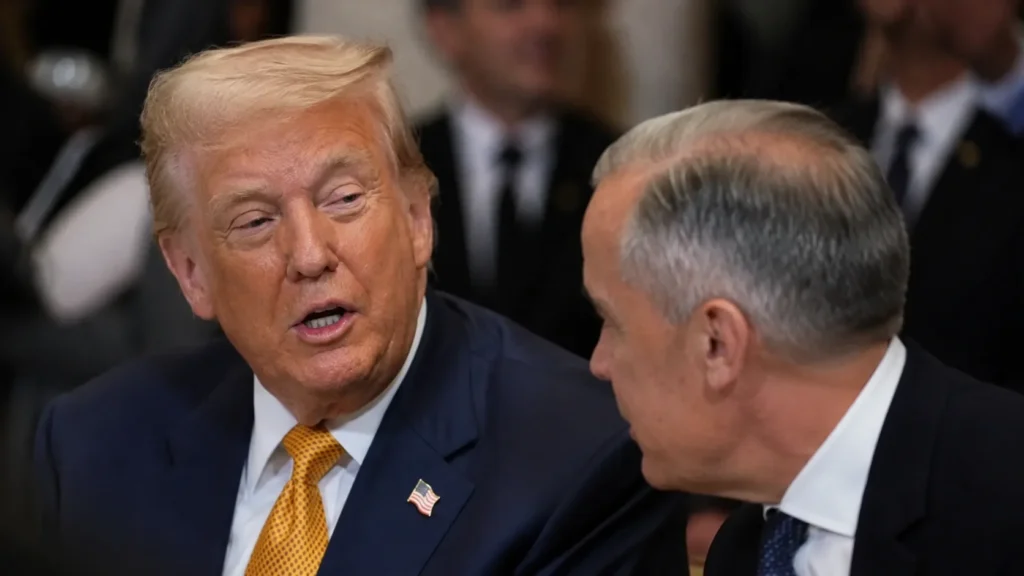
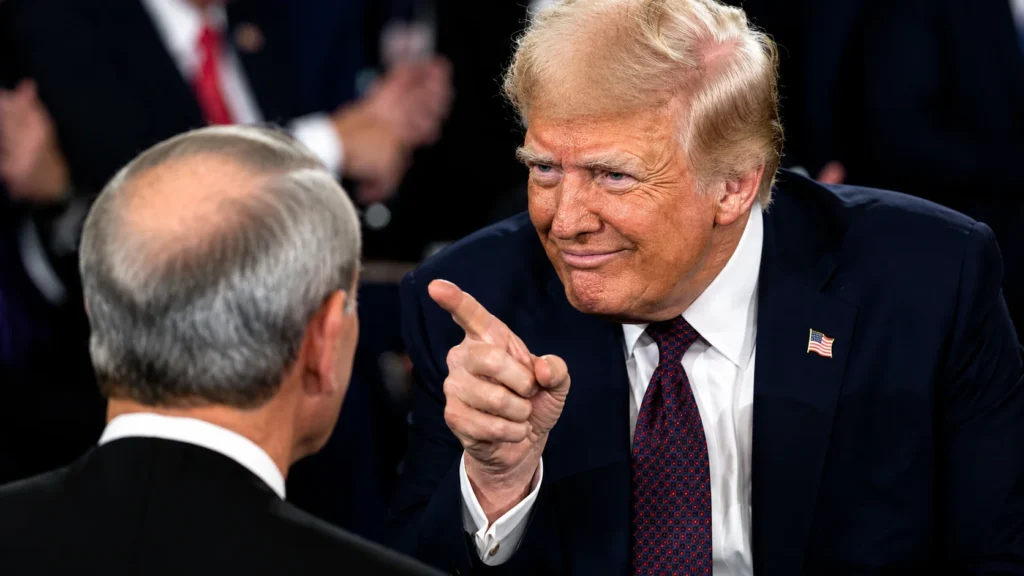
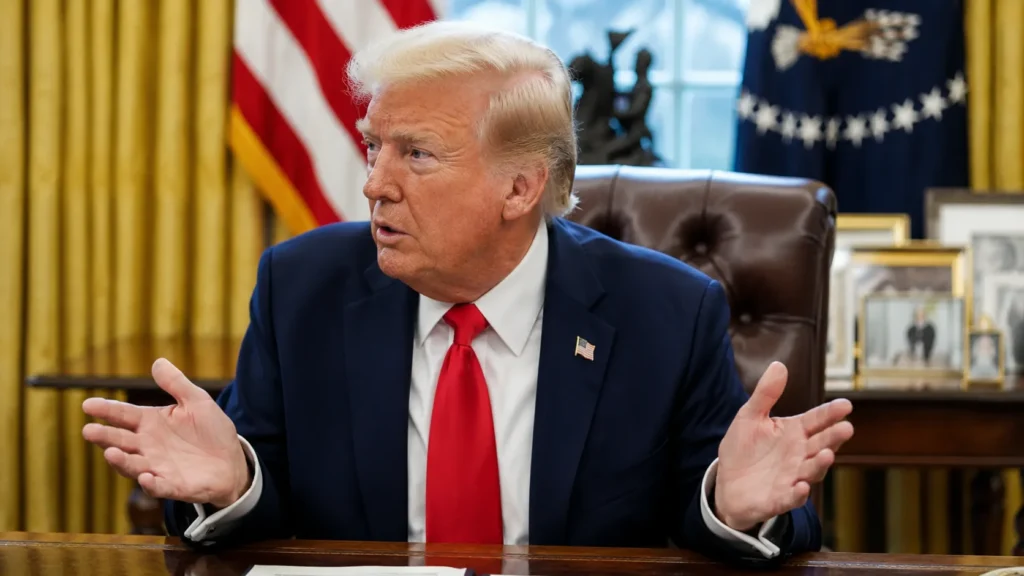
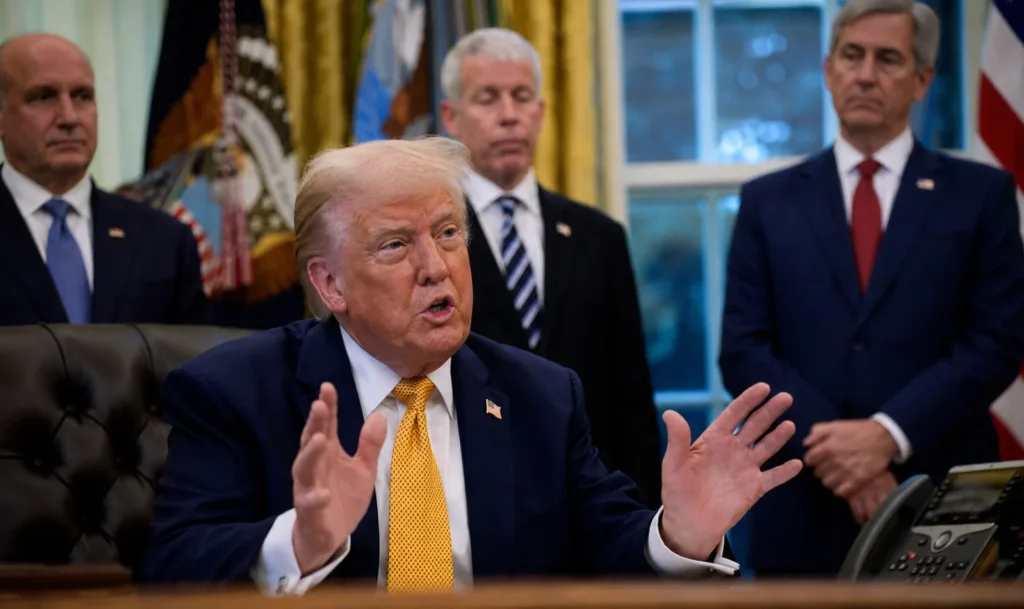
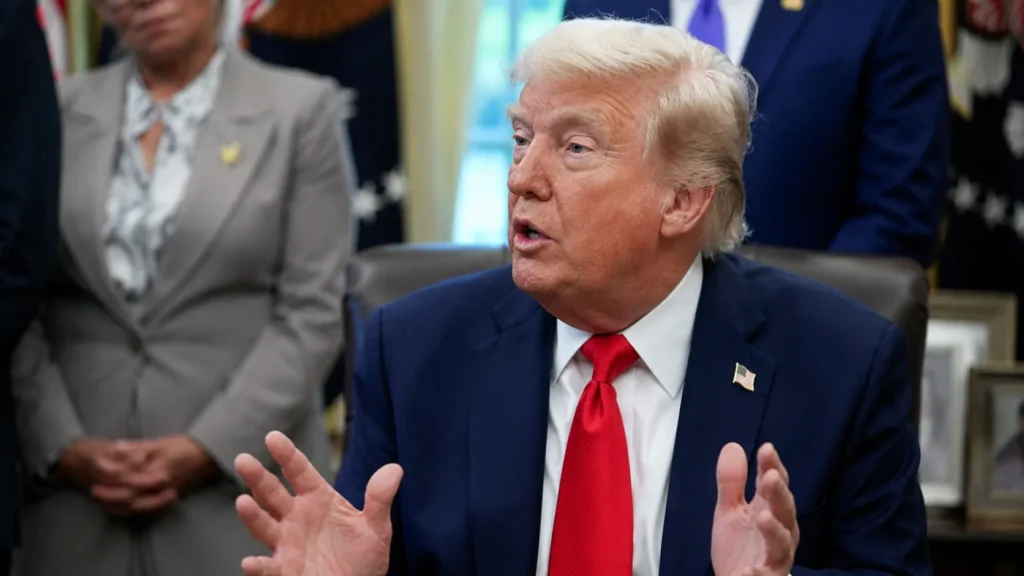
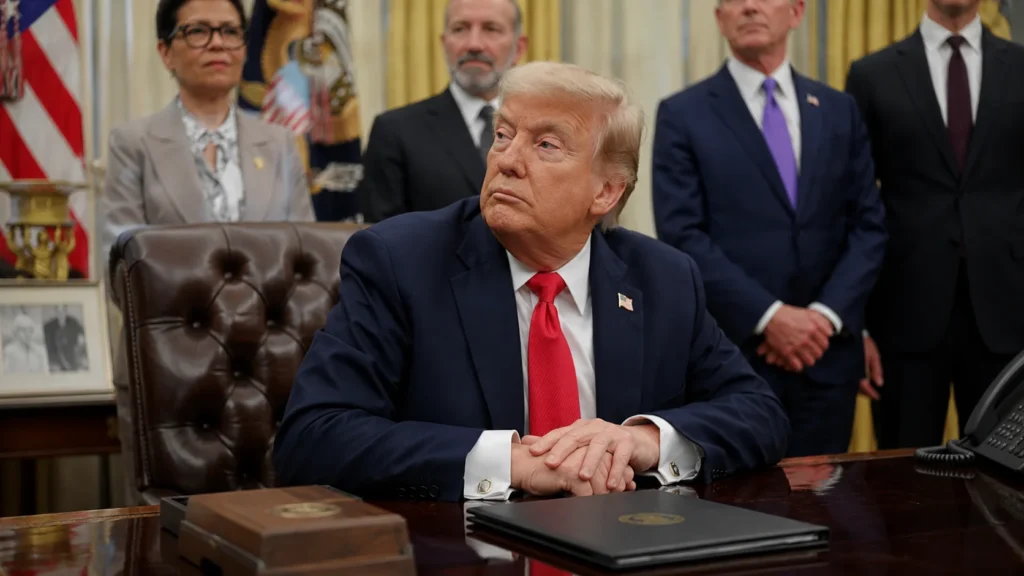
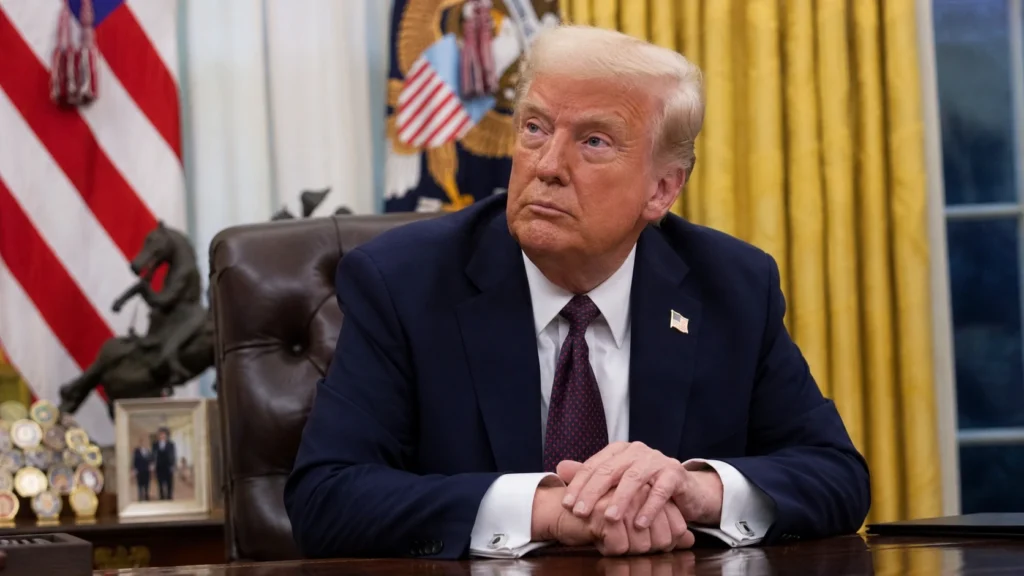
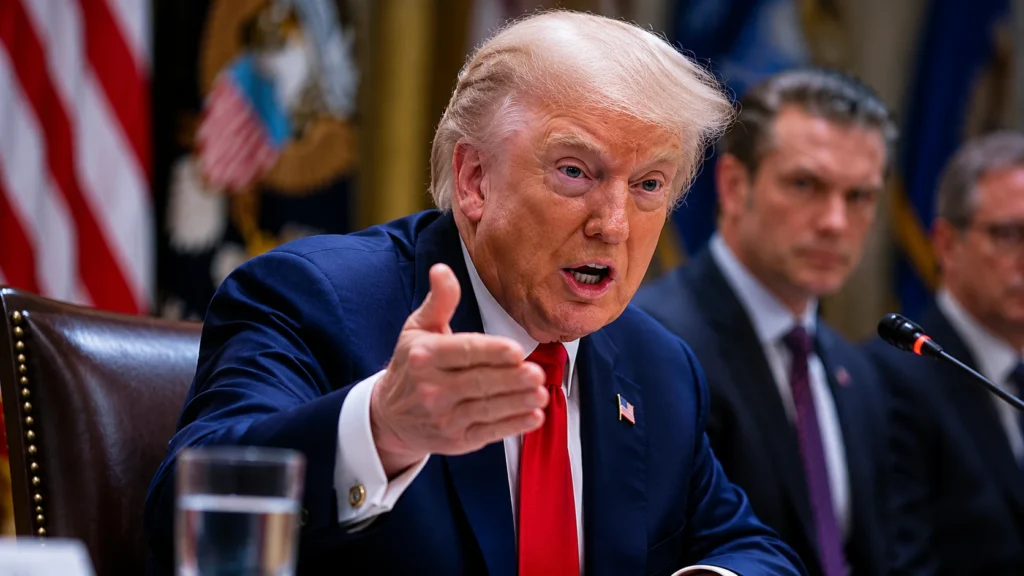
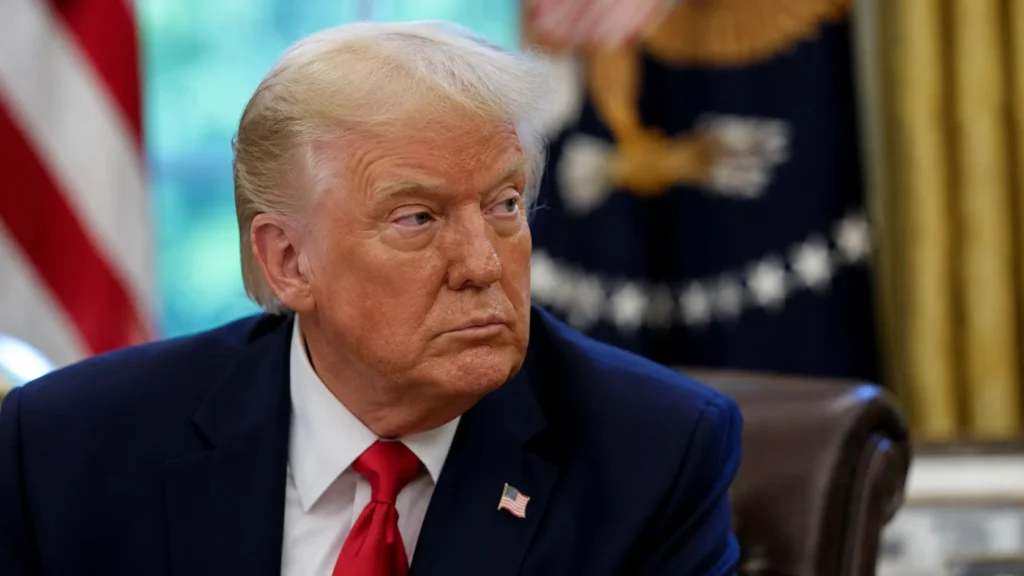
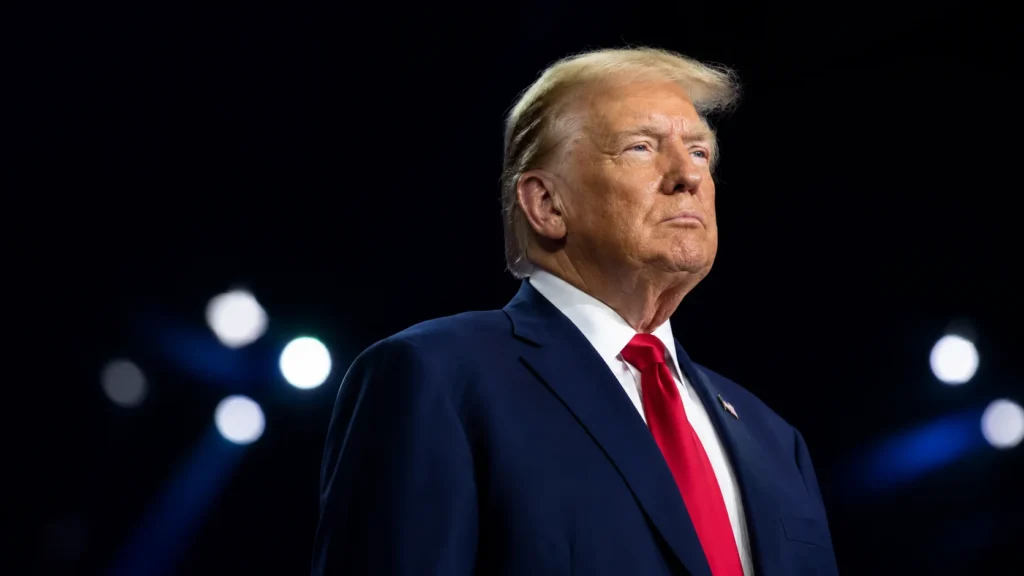
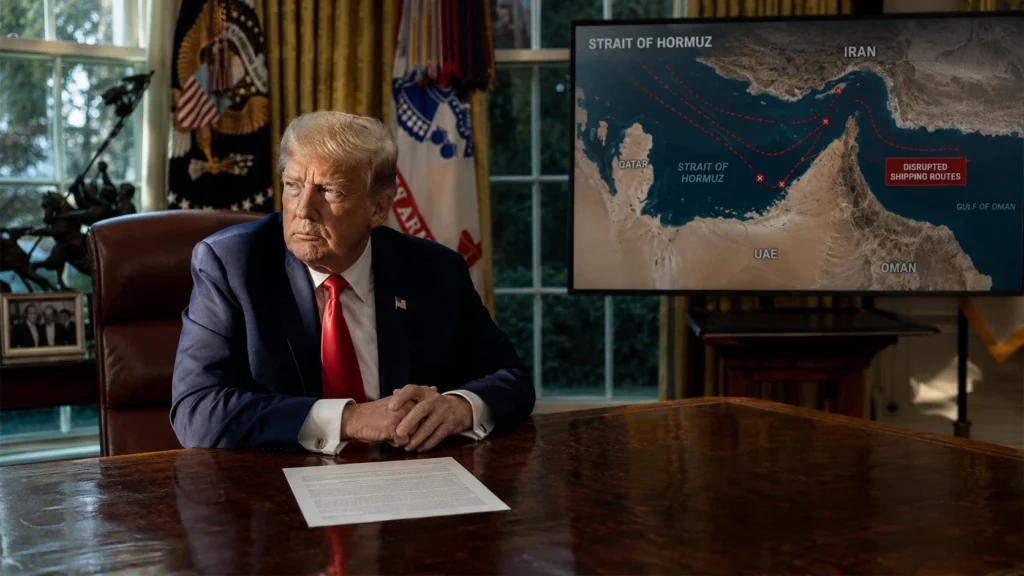
President Donald Trump told House Speaker Mike Johnson during a Tuesday meeting that he would not withdraw Bill Pulte as acting director of national intelligence, despite Democratic threats to let a key surveillance authority expire over the appointment, two sources briefed on the meeting told CNN.
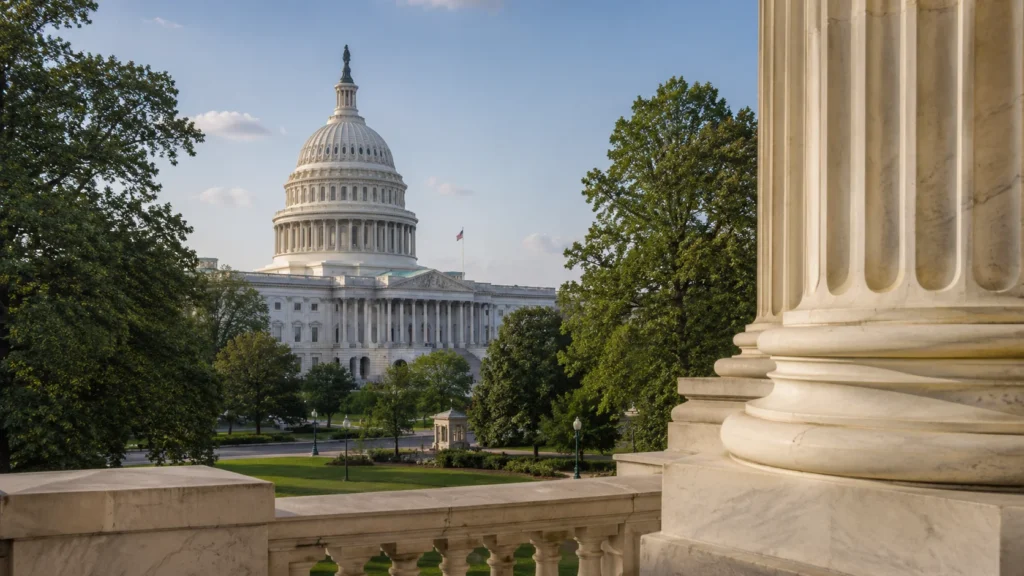
Section 702 of the Foreign Intelligence Surveillance Act (FISA) expires Friday. Democrats are refusing to provide the votes Republican leaders need to pass an extension unless Pulte, a former housing official with no demonstrated national security experience, is removed from the acting DNI role.
The stalemate has left GOP leaders scrambling with no clear path to a deal just days before the deadline.
Later Tuesday, Trump announced Pulte would begin his role on June 19—earlier than the White House had told outgoing DNI Tulsi Gabbard and her team to expect. On Wednesday, Trump posted on Truth Social that he is seeking a permanent director with national security experience, an apparent concession to Republican lawmakers who have criticized Pulte’s qualifications.
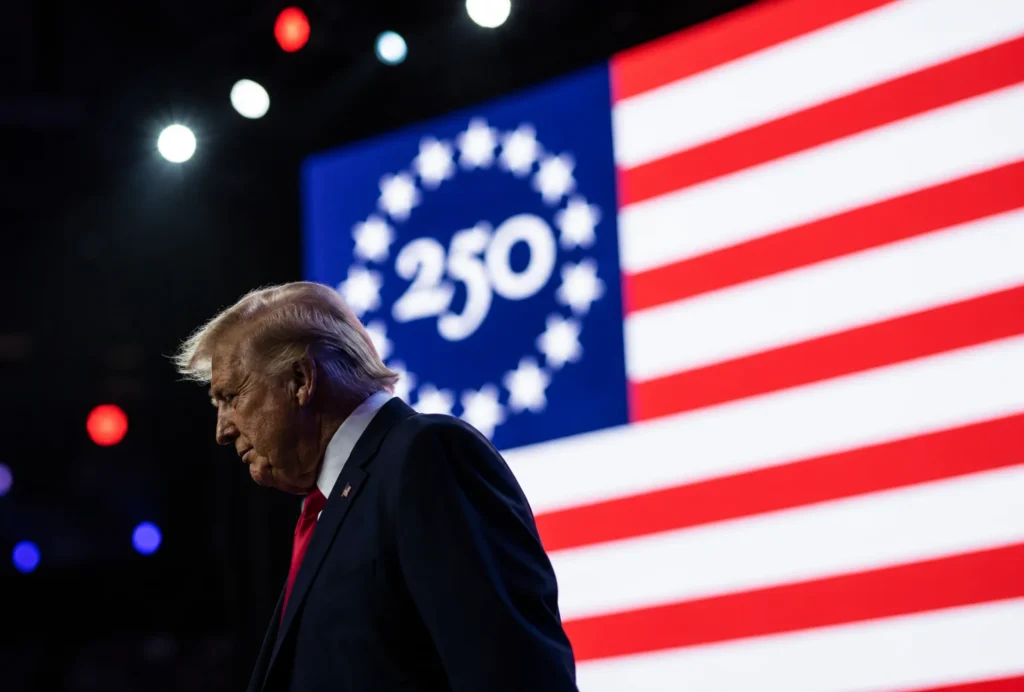
Trump also urged Congress to pass a short-term extension of the surveillance authority. “FISA 702 is very important to our Military, and keeping the American People safe, especially during the World Cup and America250 Celebrations,” he wrote. “I am asking Congress to send me a short-term extension of FISA to provide time for the selection and confirmation of a permanent Head of the Agency.”
Republican Frustration Spills Into Public View
Pulte has few defenders on Capitol Hill. Republican lawmakers have expressed bafflement at the appointment, and some have gone public with their criticism.
“This is the most critical national security tool we have. We cannot go dark, ever. Especially when we have America’s 250 and FIFA coming now, like this week,” Rep. Brian Fitzpatrick, a longtime member of the House Intelligence Committee, told CNN. He added of Pulte: “I don’t think he ever should have been put in.”
“We need serious people in these roles. These are serious roles, we need serious people,” Rep. Kevin Kiley of California, an independent who recently left the GOP, told CNN.
The criticism extends to the Senate. Majority Leader John Thune told CNN he believes the White House is “weighing seriously” naming a permanent DNI quickly to satisfy Democrats while keeping Pulte as acting director. Sen. John Cornyn was more direct: “Democrats are not going to vote to pass 702 until he’s withdrawn, and we need that done. The stalemate needs to be broken.”
Democrats Hold the Line
At a closed-door meeting of House Democrats on Tuesday morning, Rep. Jim Himes, the top Democrat on the Intelligence Committee, urged his colleagues not to cave if Pulte remains in position, according to a person familiar with the discussion.
Democrats insist they are not bluffing. The party has unified behind a demand that would have been difficult to coordinate under different circumstances. Pulte is a personnel decision, not a policy dispute. Unifying against an individual appointment has proved easier than reaching consensus on surveillance legislation.
The White House Position
Trump has argued privately to allies that Pulte’s tenure would be short and designed to restructure the intelligence community before a permanent nominee is confirmed. A permanent director, Trump reasoned, should not carry out mass firings, sources told CNN.
But Pulte has built a team of loyalists who have lobbied the president directly. A White House official said Pulte spent time with Trump over the weekend. The personal relationship has insulated him from the congressional backlash that normally derails embattled nominees.
What Happens Next
The Friday deadline leaves little room for the legislative maneuvering that typically resolves such disputes. A three-year bipartisan extension had drawn cautious optimism before the Pulte appointment fractured the coalition.
If Trump names a permanent DNI with national security credentials before the deadline, Democrats will face a decision: accept the nomination while Pulte remains as acting director, or extend the standoff at the cost of a FISA lapse during major international events.
If Friday passes without an extension, intelligence agencies lose access to a surveillance tool that both parties have described as critical. Republicans in competitive districts would face questions about why a personnel fight disrupted national security months before the midterms.
Frequently Asked Questions
What is Section 702 of FISA?
Section 702 of the Foreign Intelligence Surveillance Act authorizes US intelligence agencies to collect communications of foreign targets overseas. It does not permit targeting US persons without a warrant. The authority is set to expire on Friday unless Congress passes an extension.
Why are Democrats blocking the FISA extension?
Democrats are refusing to provide votes for the extension unless President Trump withdraws Bill Pulte as acting director of national intelligence. Pulte’s background is in housing, and he has no demonstrated national security experience. Democrats argue the role requires serious qualifications.
Who is Bill Pulte?
Bill Pulte is a former housing official whom Trump named as acting director of national intelligence. His selection stunned intelligence staffers and lawmakers. Trump has argued to allies that Pulte’s tenure would be short and focused on restructuring the intelligence community before a permanent nominee is confirmed.
What did Trump say about the situation?
On Wednesday, Trump posted on Truth Social that he is seeking a permanent DNI with national security experience and asked Congress to pass a short-term FISA extension to buy time. On Tuesday, he told House Speaker Mike Johnson he would not withdraw Pulte.
What happens if FISA Section 702 expires?
If the authority expires, US intelligence agencies lose access to a surveillance tool used to collect communications of foreign targets overseas. Lawmakers from both parties have warned that a lapse during the World Cup and America250 celebrations would pose a national security risk.