

 English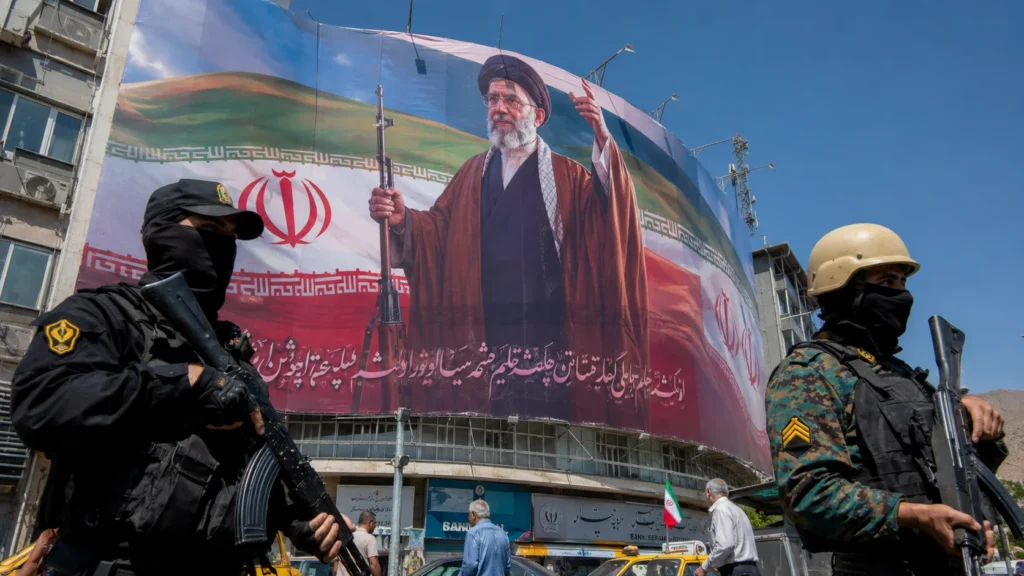





























































































































































































Iran Strikes US Bases in Gulf After Second Night of American Attacks
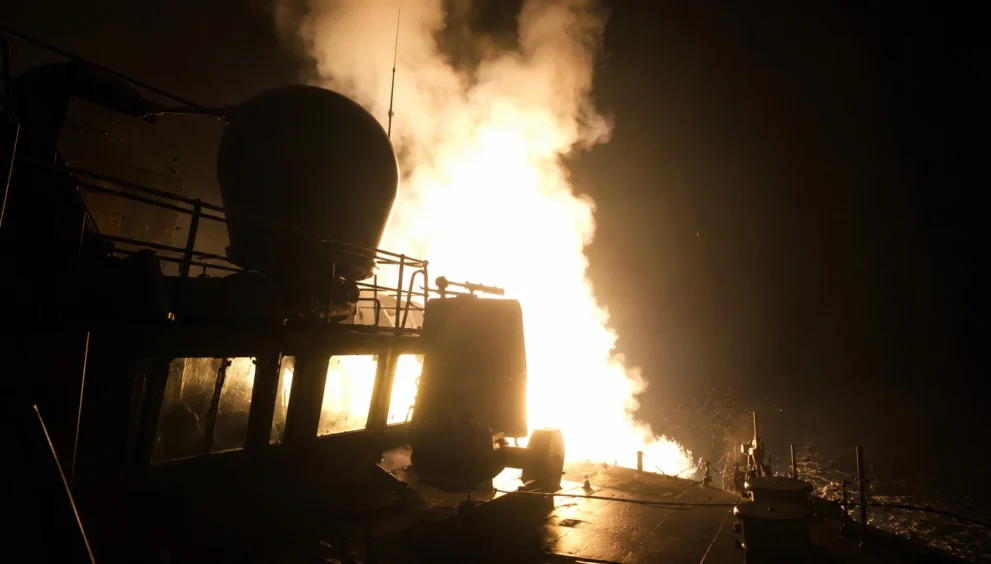
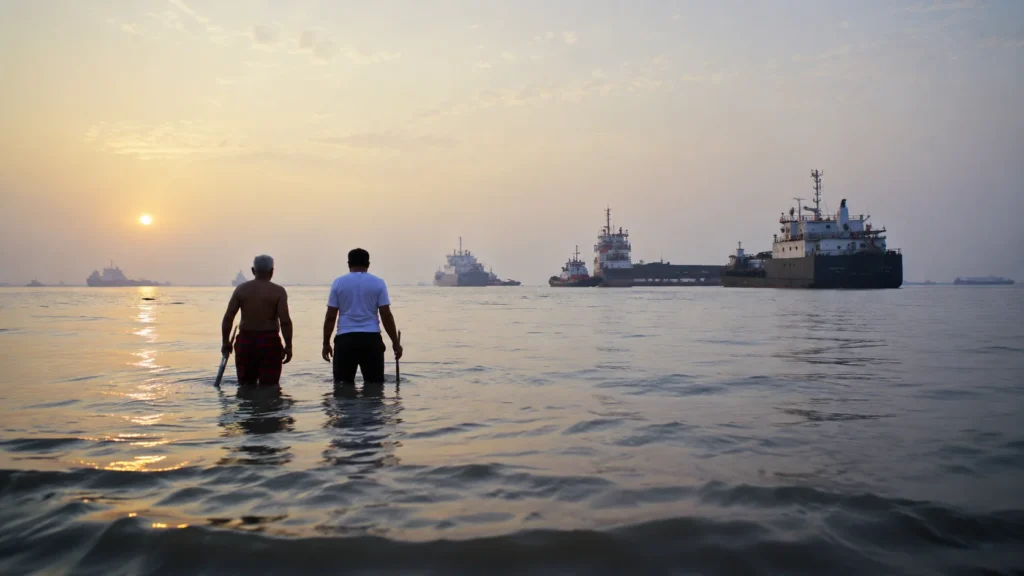
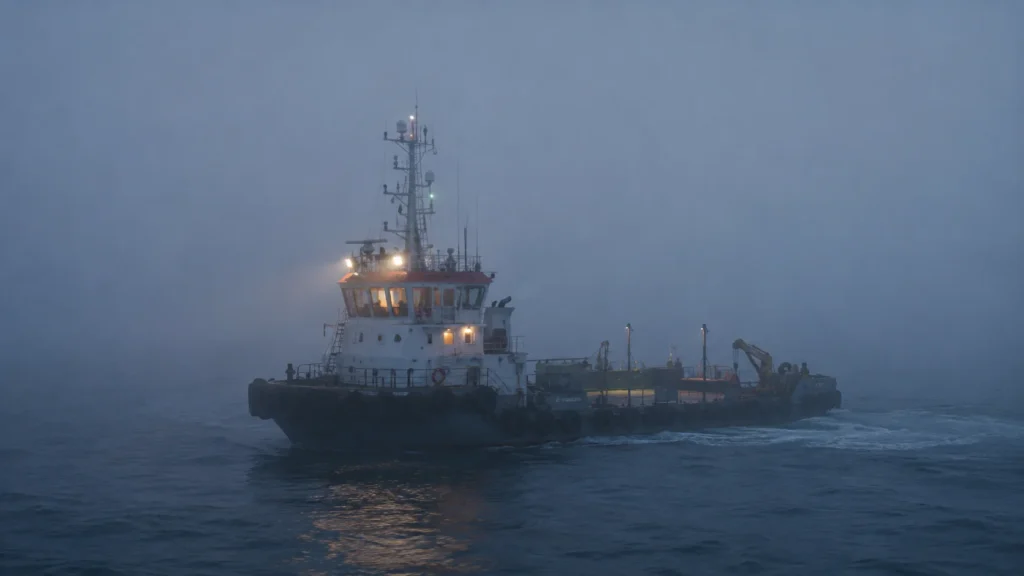
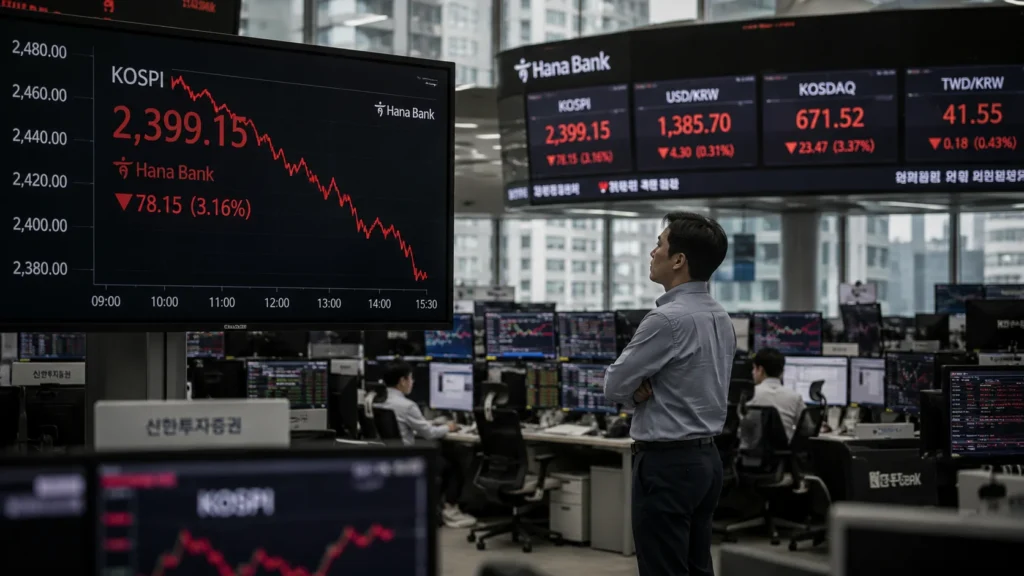
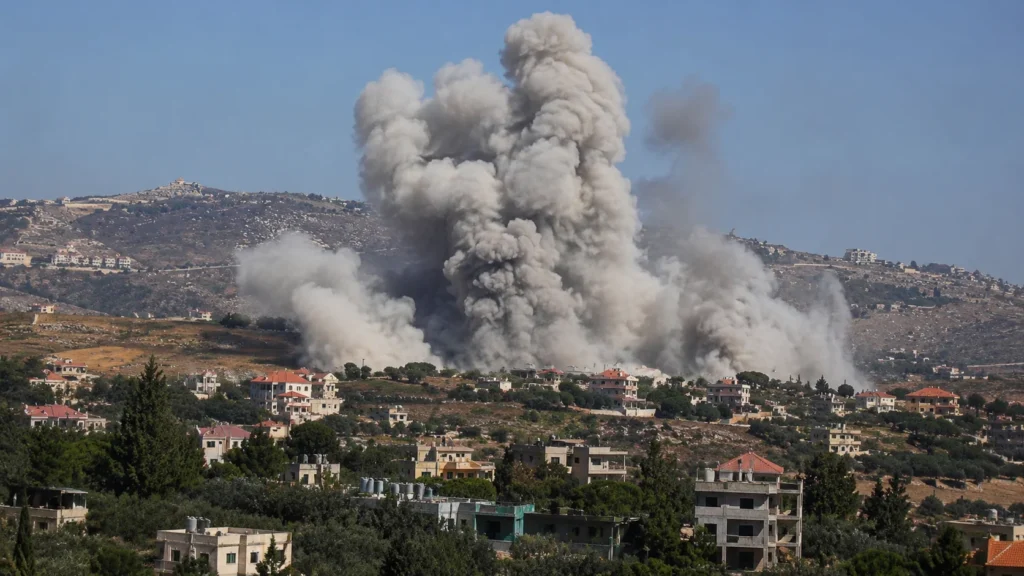
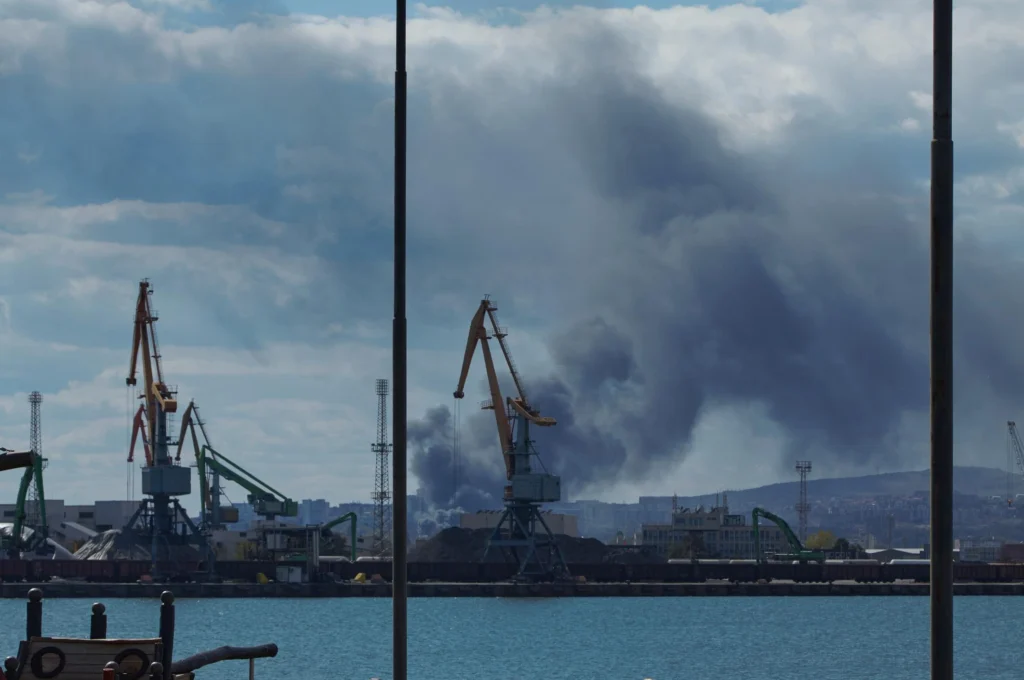
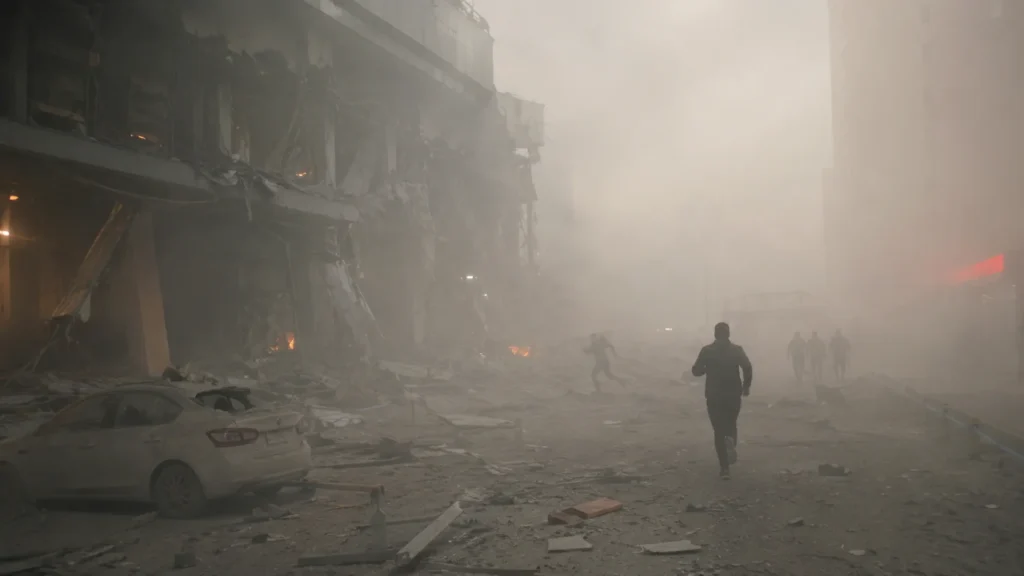
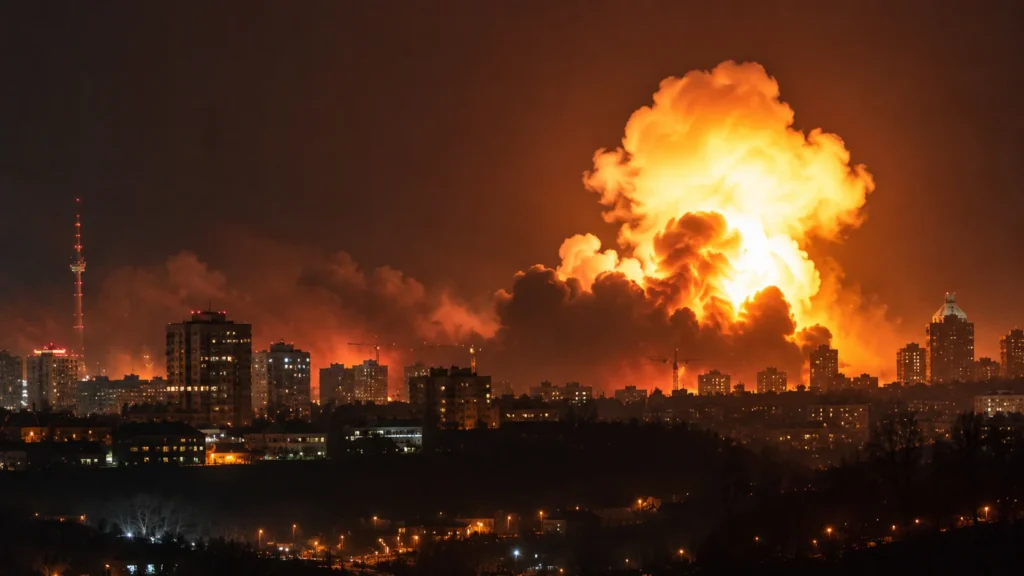
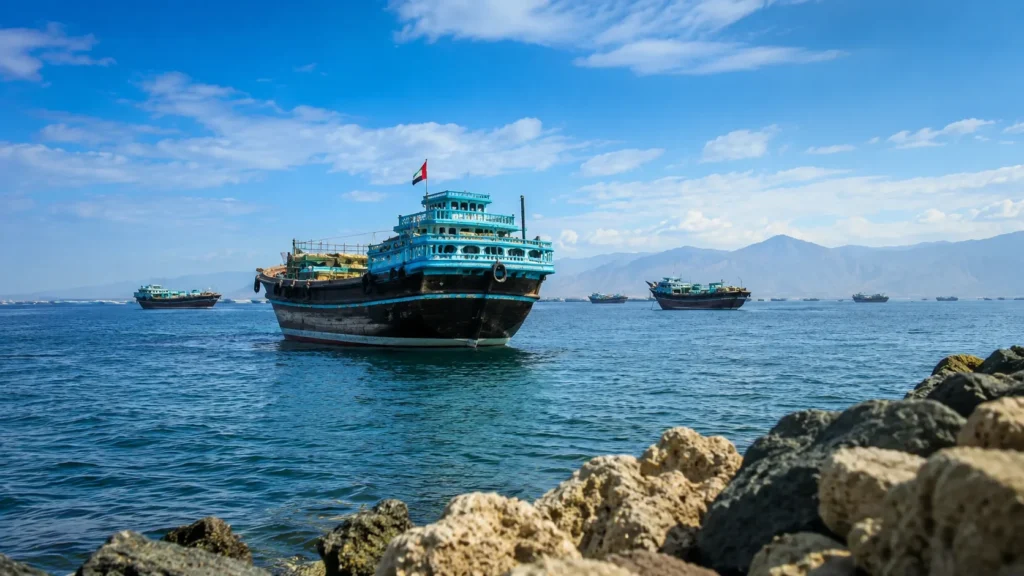
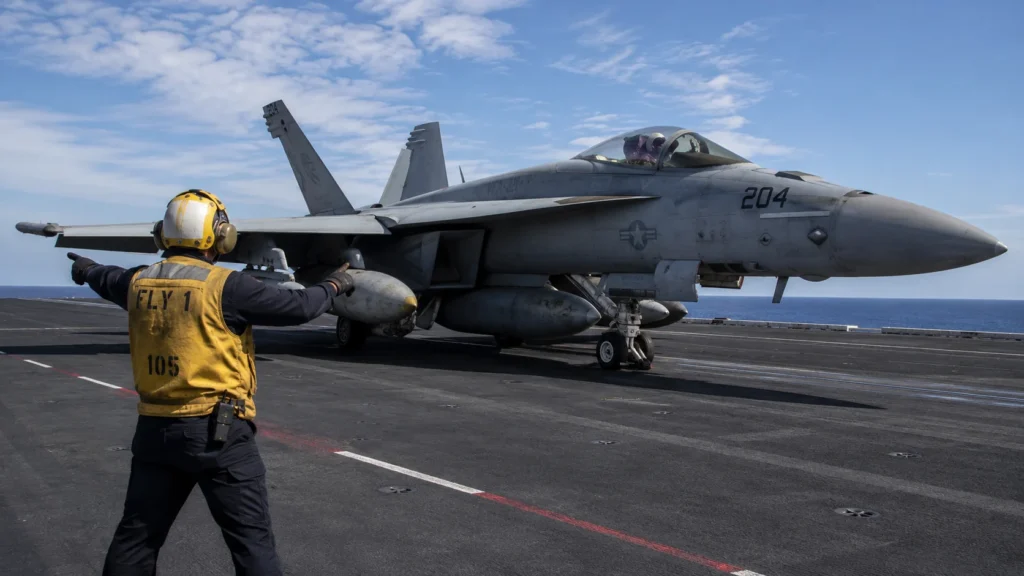
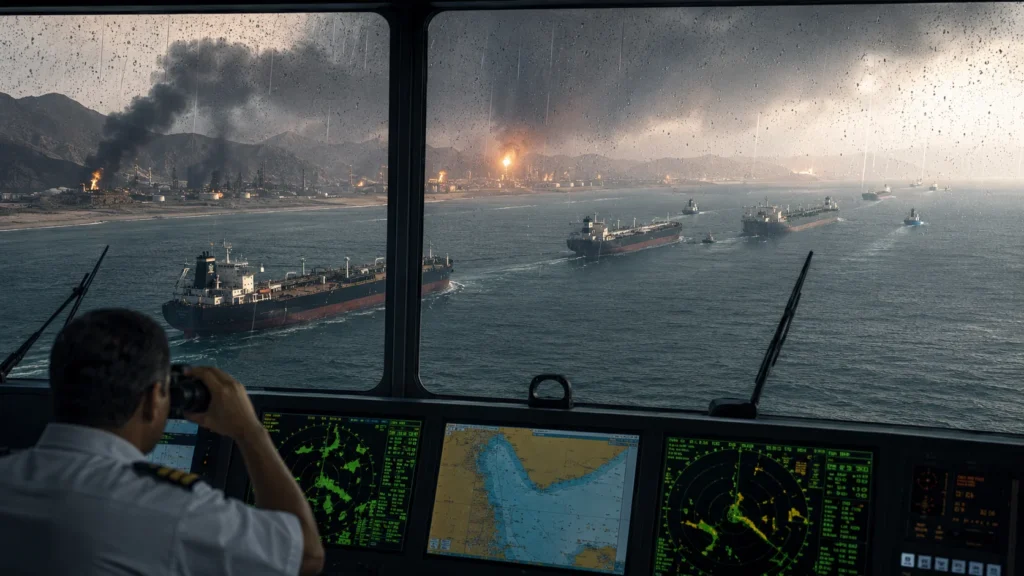
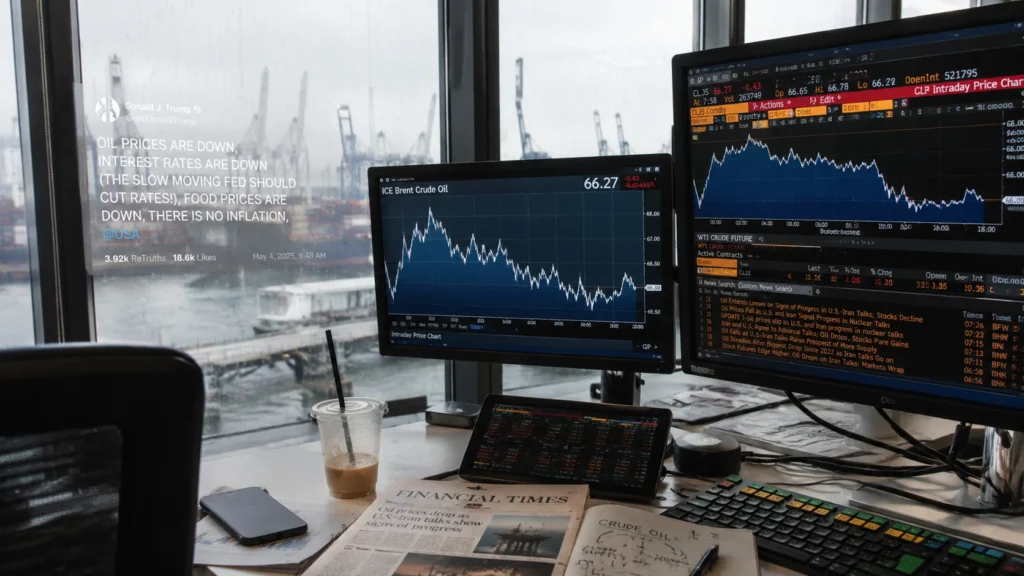
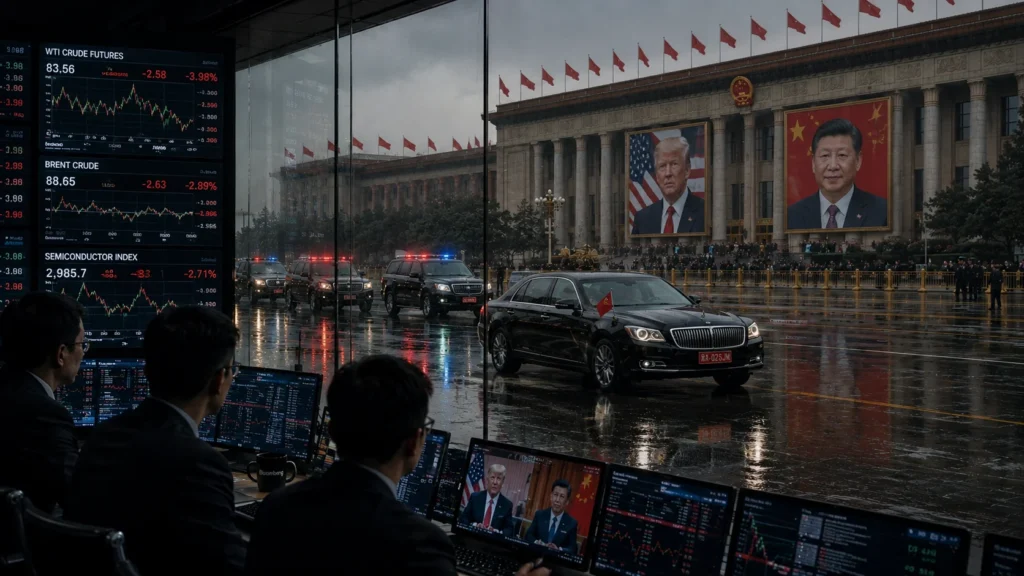
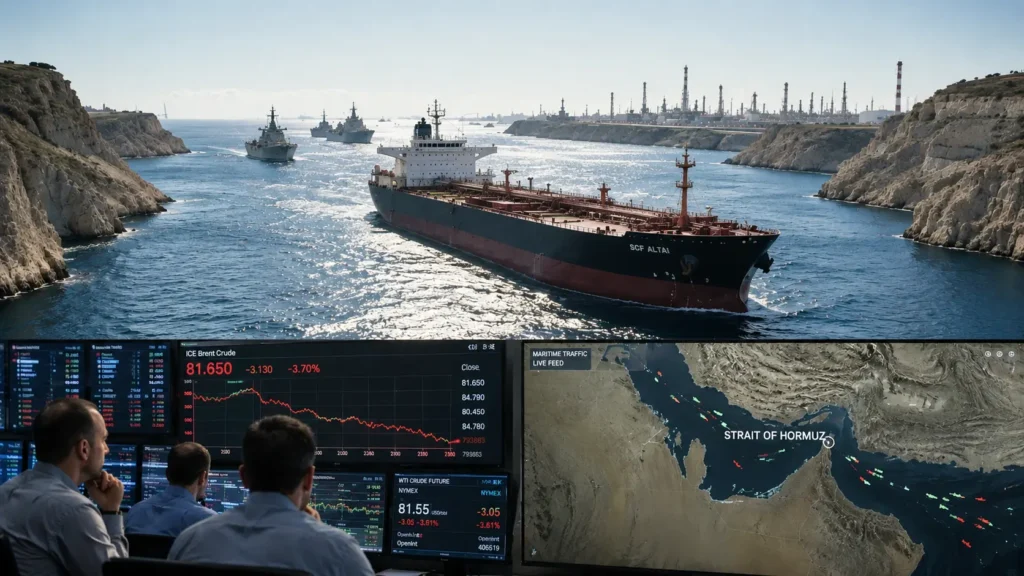
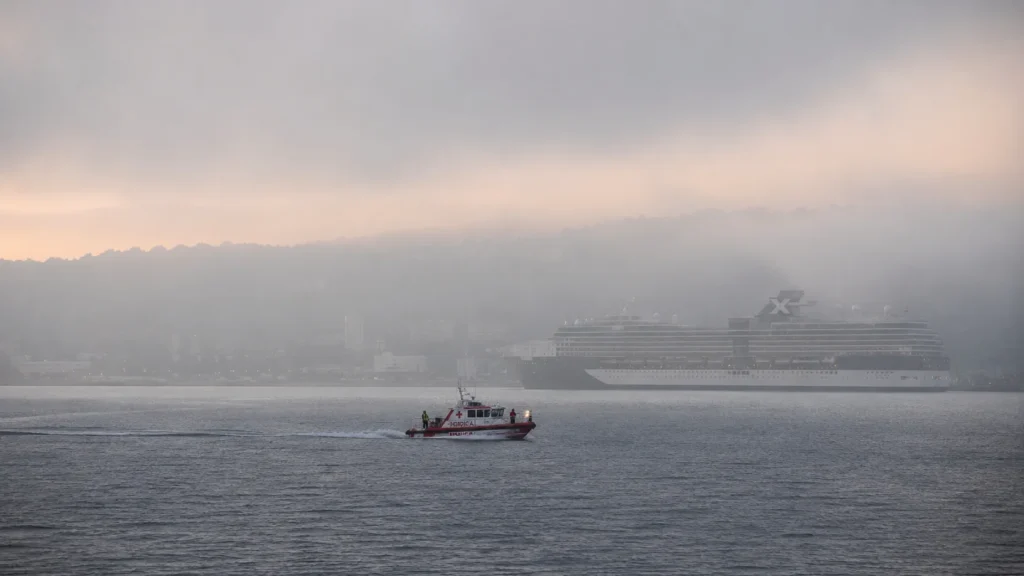
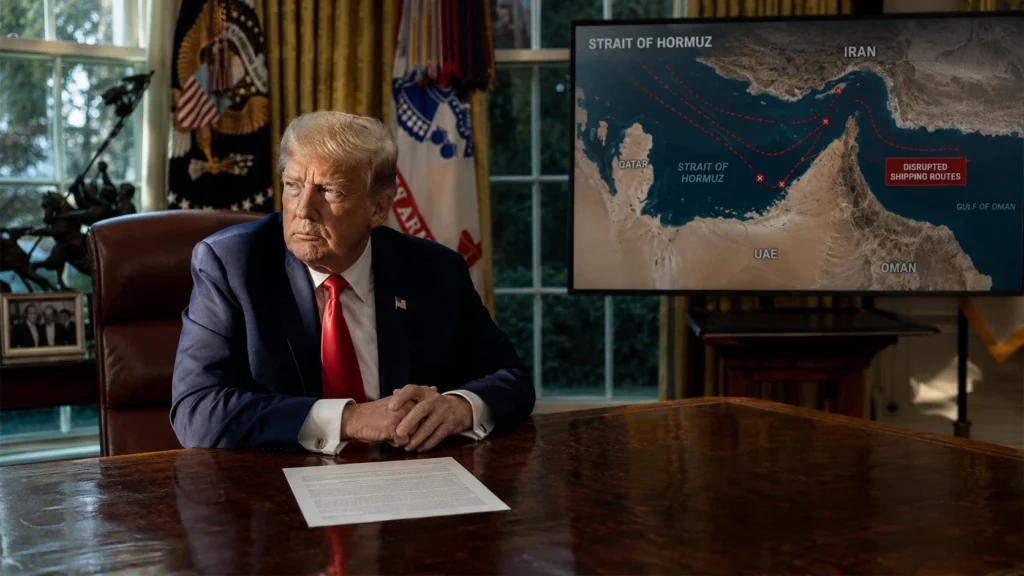
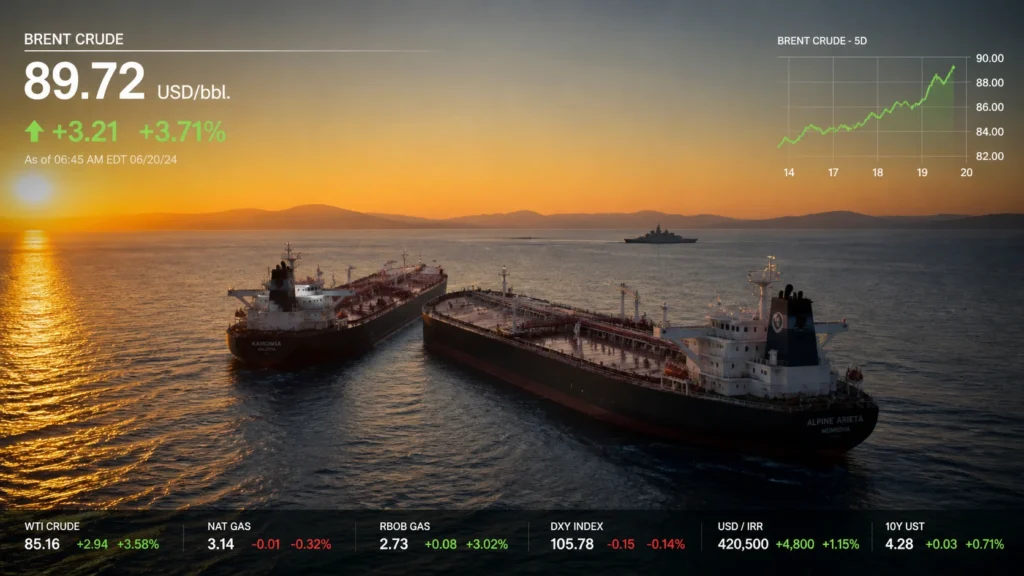
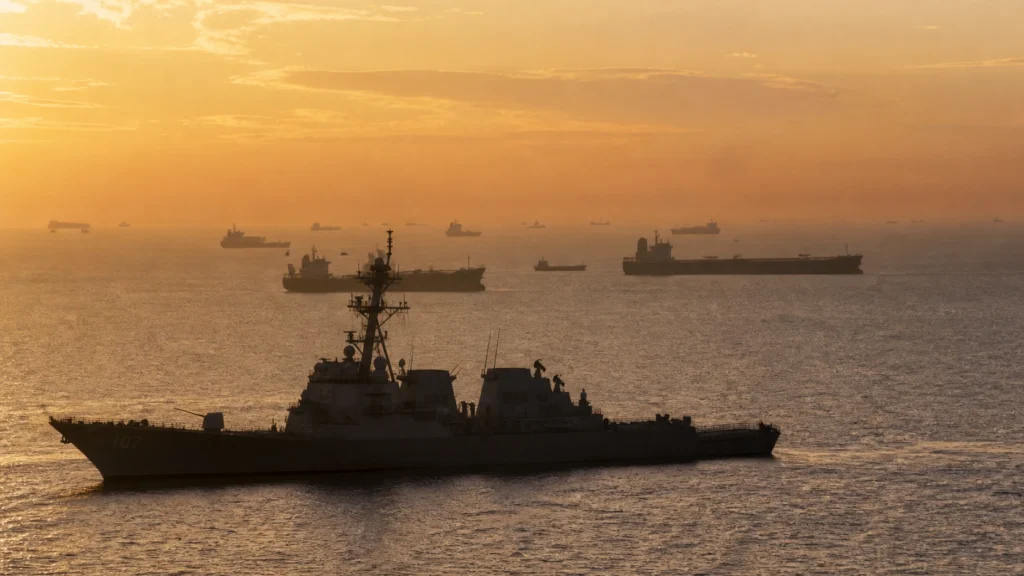
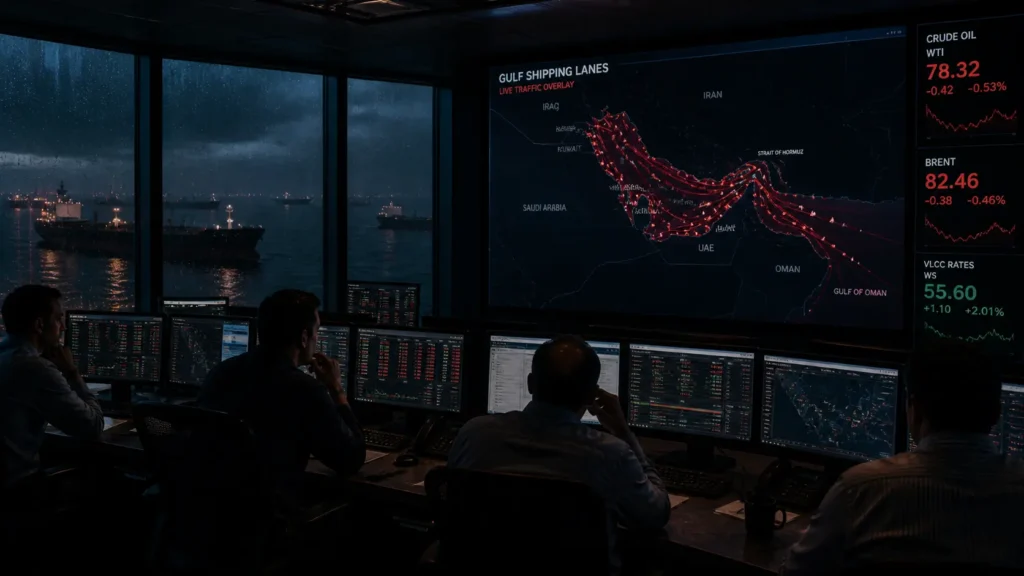
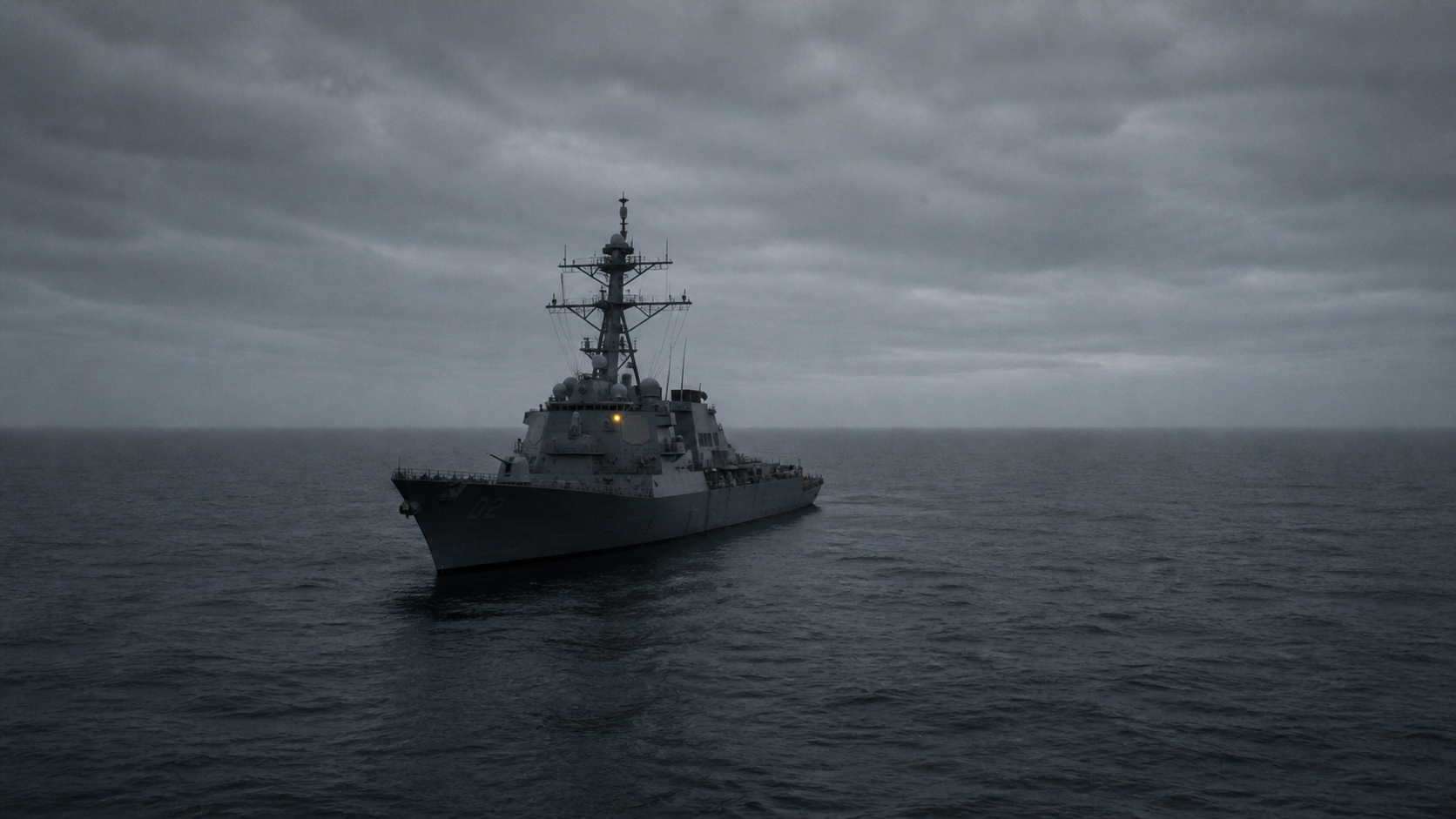
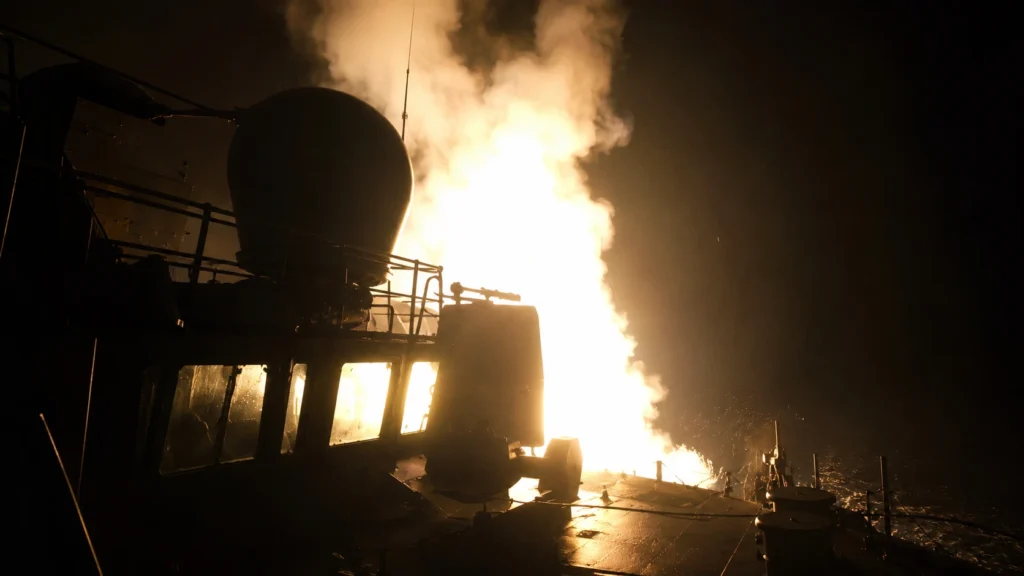
Brent crude crossed $95 before most of Asia had finished breakfast. The number on the trading screen did not climb on a single event. It climbed on a pattern. A second consecutive night of US strikes on Iran. A second consecutive day of Iranian retaliation against US bases in Bahrain and Kuwait. An announcement on Iranian state media that the Strait of Hormuz was “completely closed to all types of vessels.”
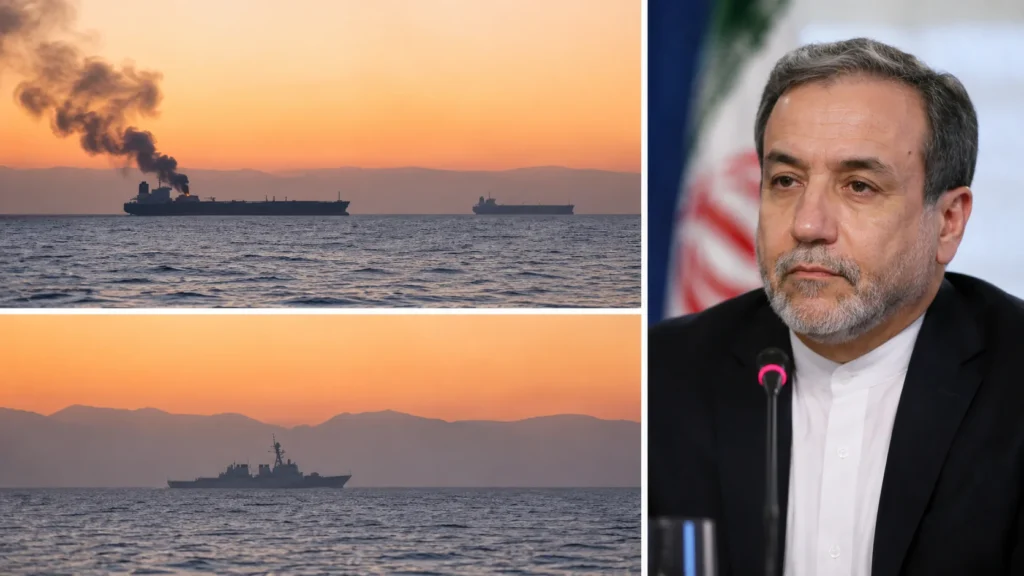
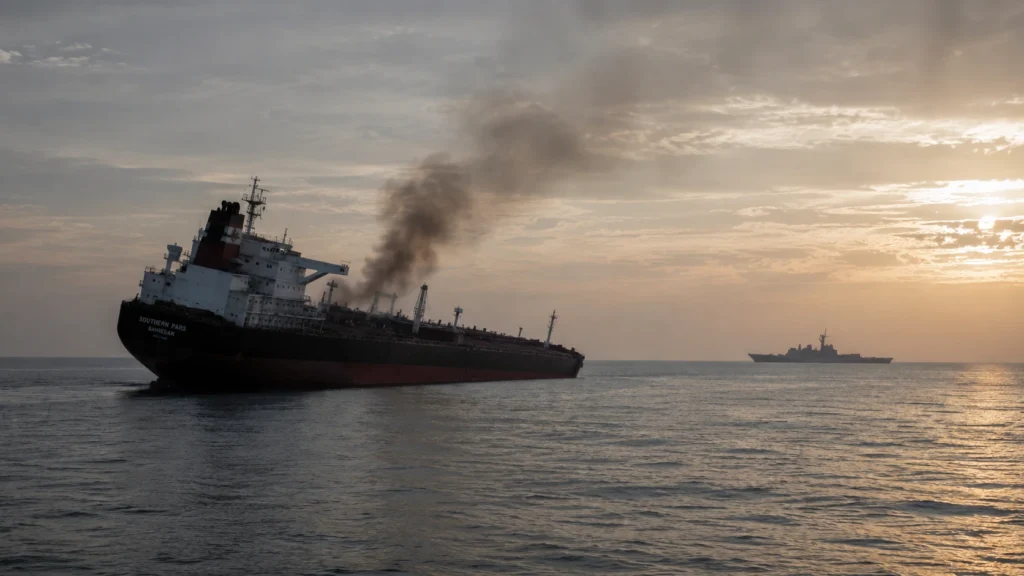
Centcom countered that commercial ships continued to transit. The IRGC claimed it struck two oil tankers. No immediate confirmation followed. The oil price did not wait.
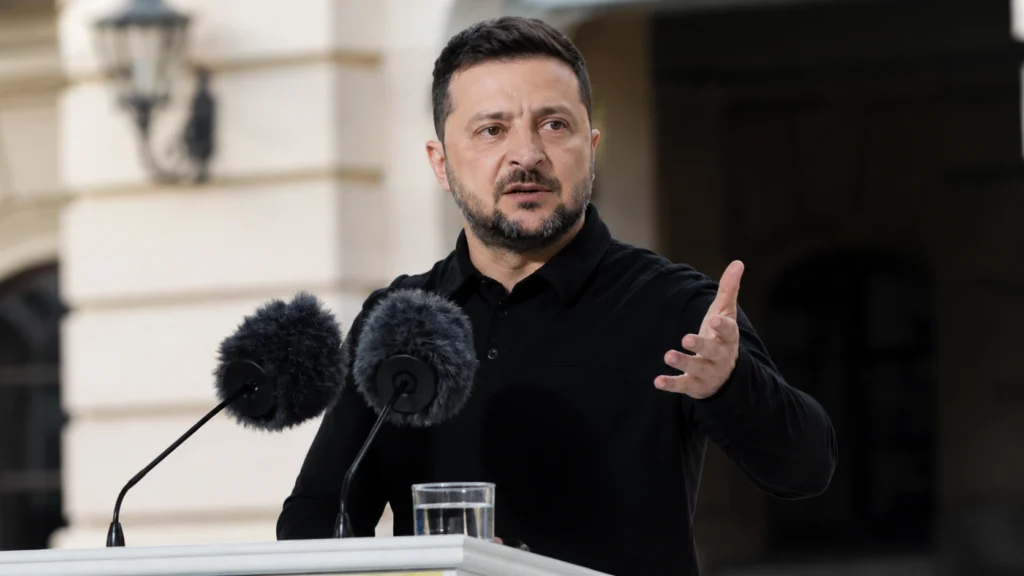
The April ceasefire between Washington and Tehran was meant to last two weeks. It has now been stretched, punctured, and redefined into something the UN Secretary-General labelled a “lesser fire.” António Guterres put the warning plainly: “We should not minimize the risks of lesser fire becoming full fire.”
This is not an isolated event. This is a structural shift in how a critical global chokepoint becomes contested terrain—not through formal blockade, but through the accumulated uncertainty of competing claims, contradictory reports, and the slow uninsurability of the world’s most important shipping lane.
The Strait as Information War
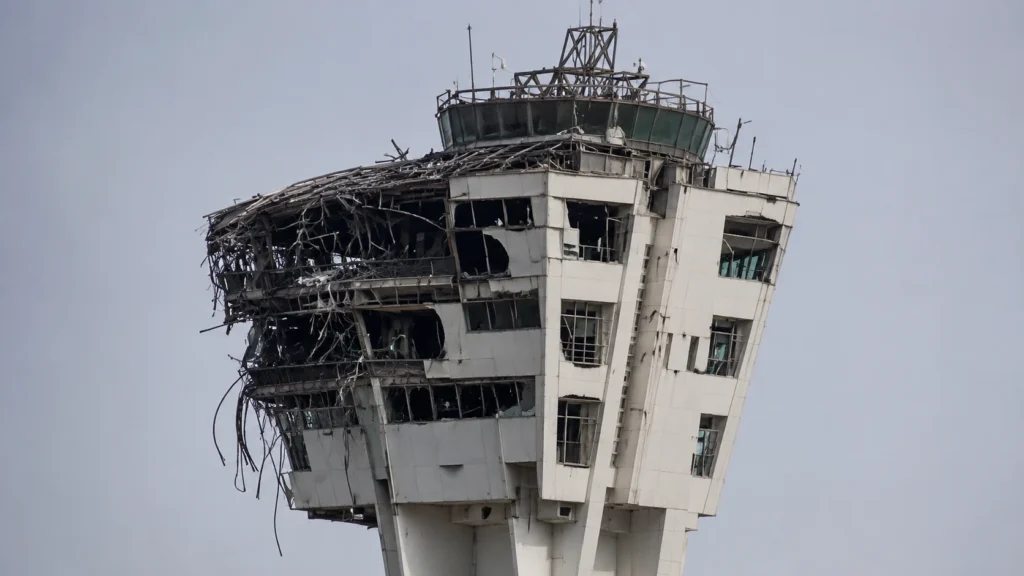
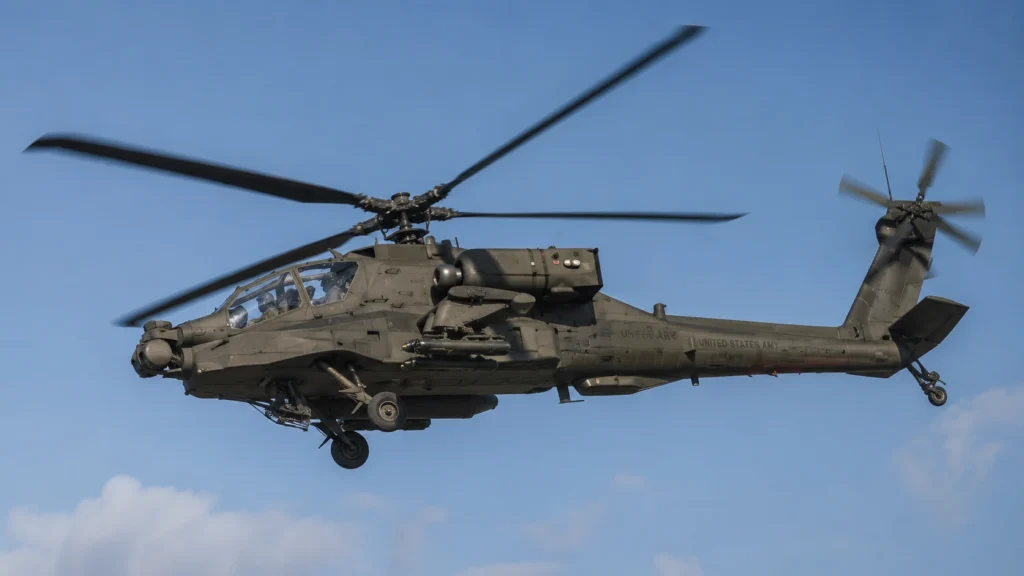
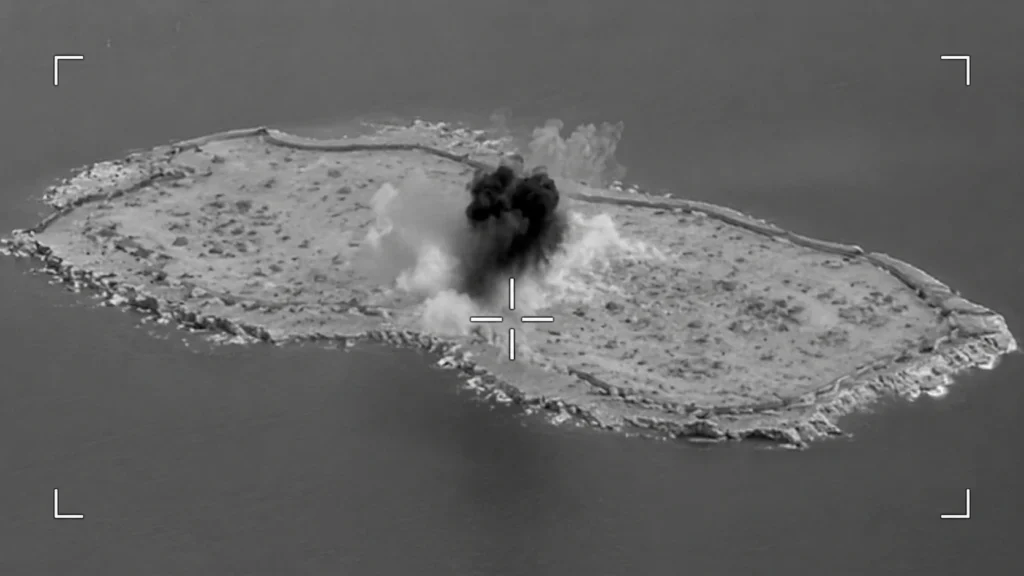
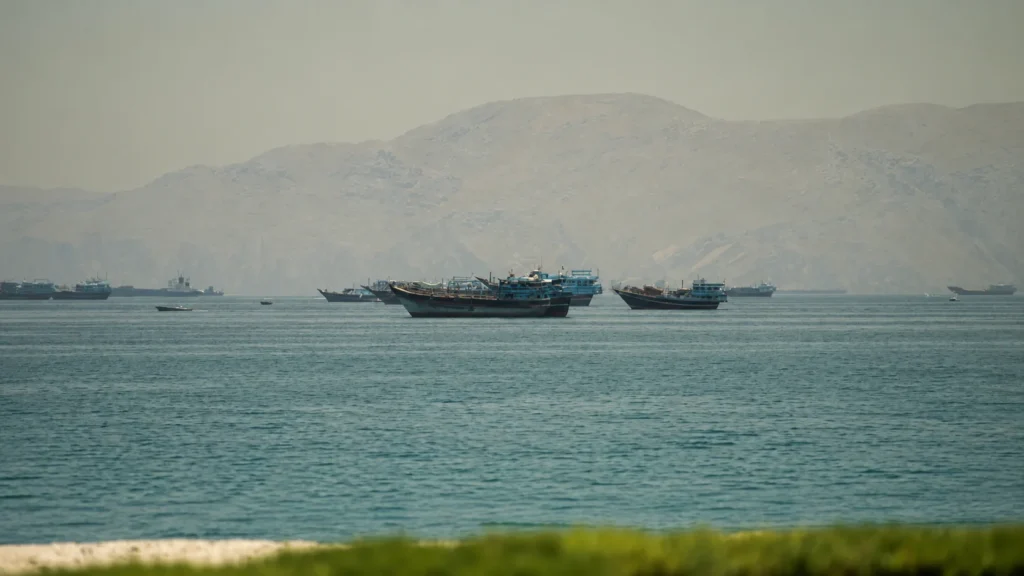
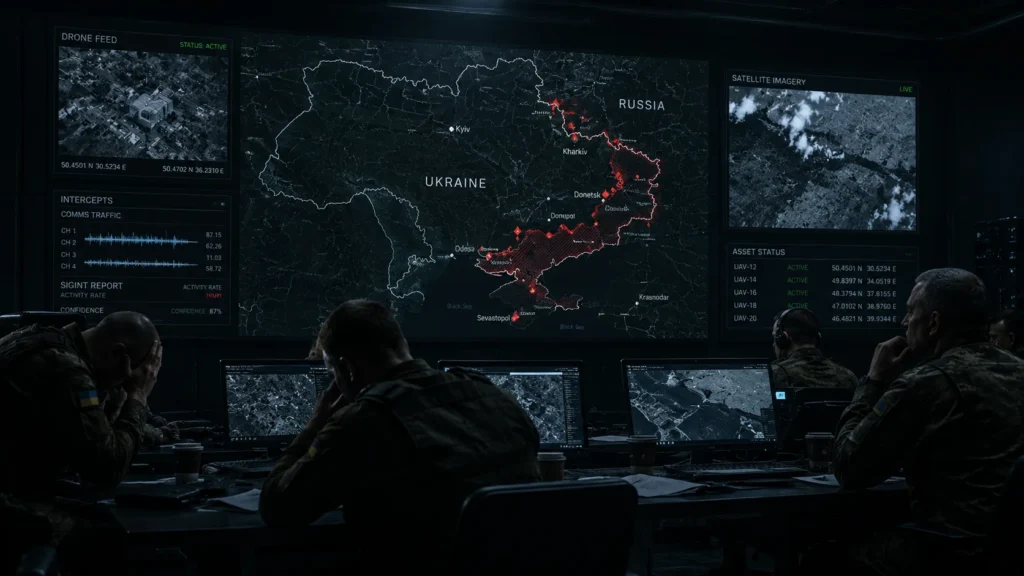
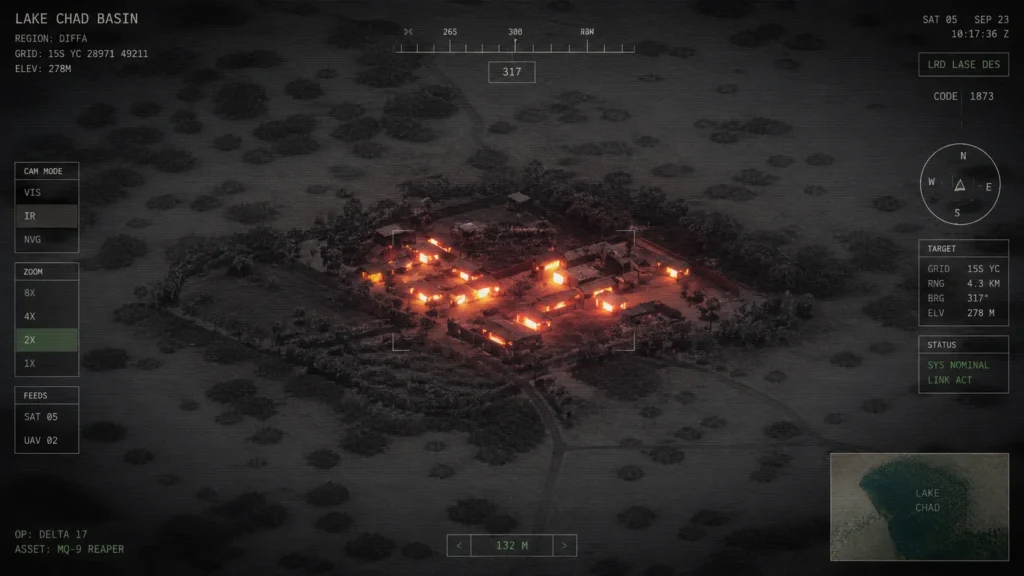
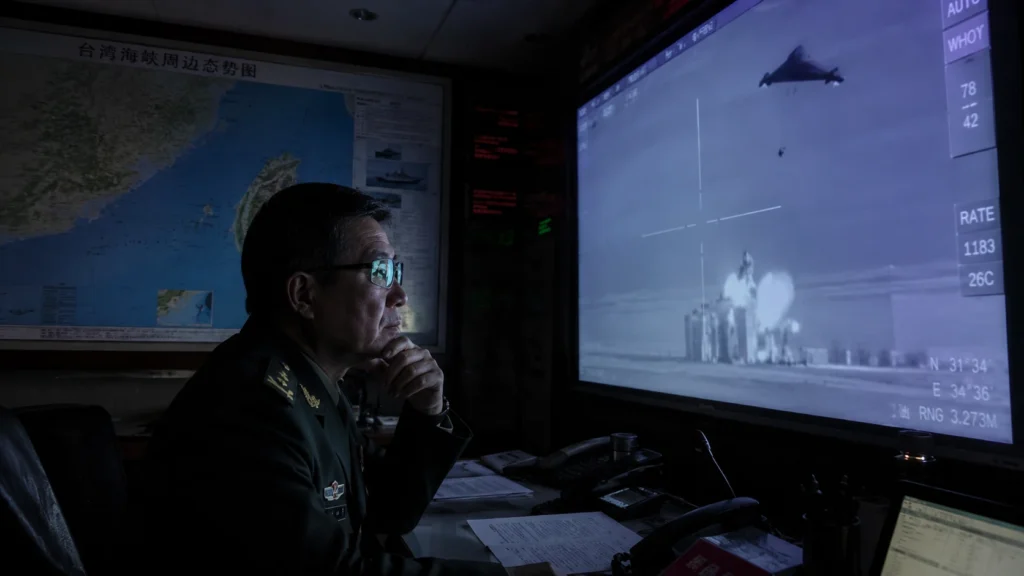
The Strait of Hormuz now hosts two conflicts simultaneously. One involves missiles and air defense sites, and US Army helicopters downed in disputed circumstances. The other involves the definition of reality.
Iranian state media declared the Strait closed. Centcom said it remained open. The IRGC claimed attacks on tankers. No independent verification emerged. Oil markets absorbed the contradiction and priced the risk, not the facts. When Iranian media reports can move Brent crude by 2% in a morning session, the weaponization of information becomes indistinguishable from the weaponization of naval mines or drone strikes.
The April ceasefire created a framework for de-escalation. It did not create a framework for verification. Both sides have exchanged intermittent fire without returning to full-scale hostilities. The distinction between “lesser-fire” and “full fire” now depends on definitions neither side agrees upon. What Washington calls proportional self-defense strikes, Tehran calls violations. What Tehran calls legitimate retaliation, Washington calls escalation.
The gap between those descriptions is where the ceasefire dissolved.
The Energy Market Recalibration
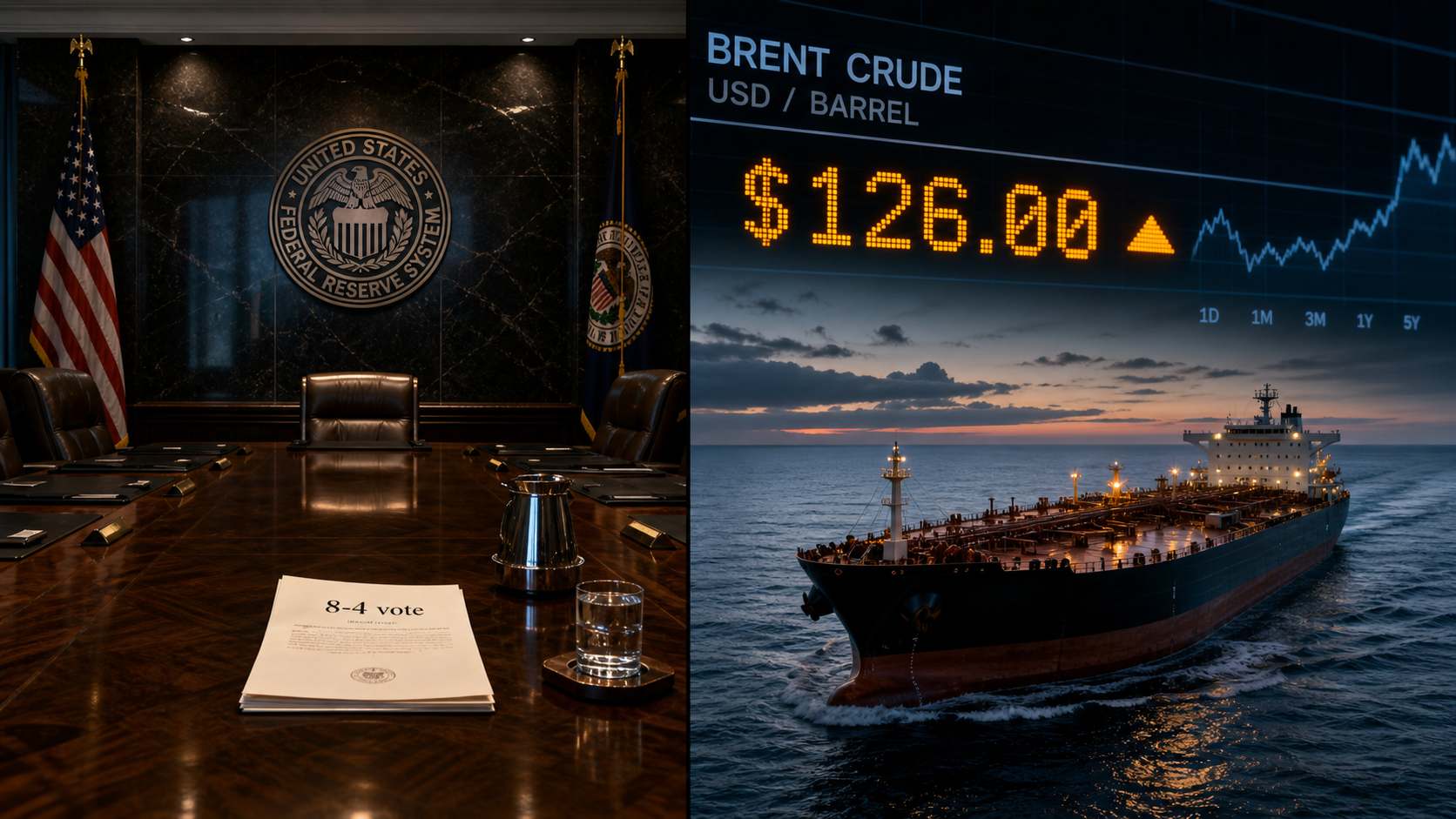
Brent crude above $95 signals something beyond a temporary spike. Markets now price Gulf instability as a structural condition rather than a transient shock. The mechanism is straightforward: each strike cycle reduces the probability traders assign to a near-term resolution, thereby raising the risk premium embedded in every barrel.
Two dynamics compound the effect.
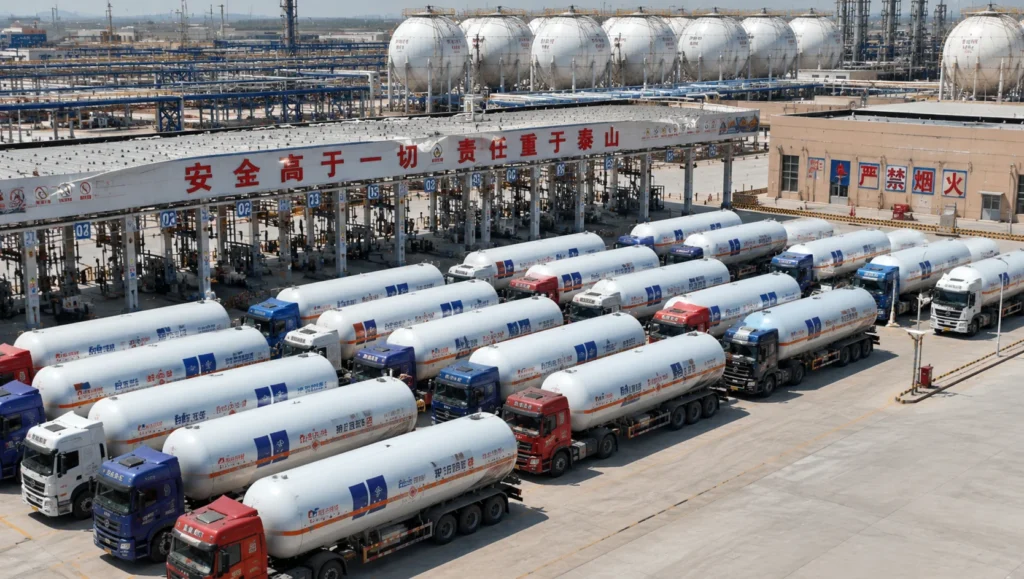
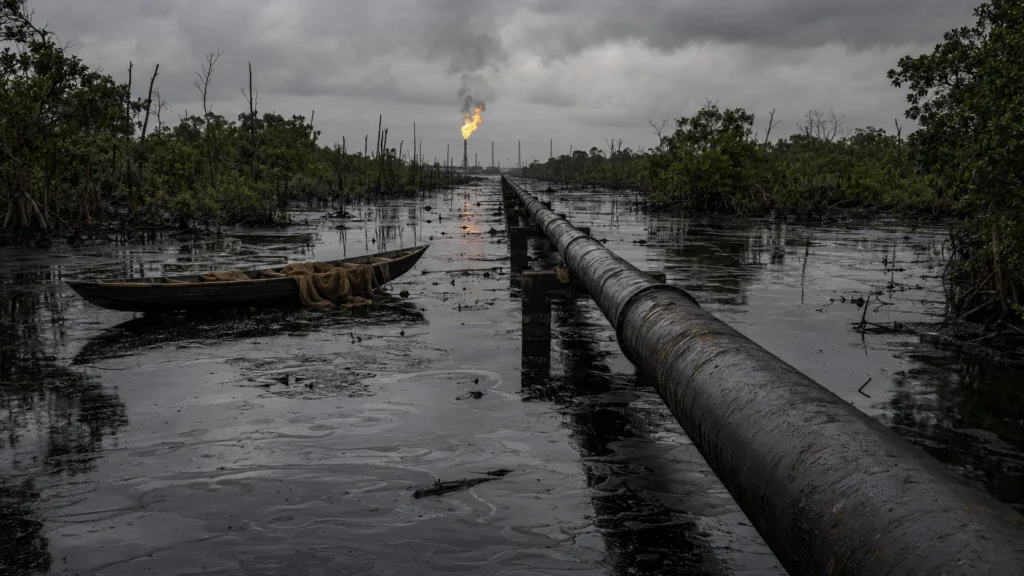
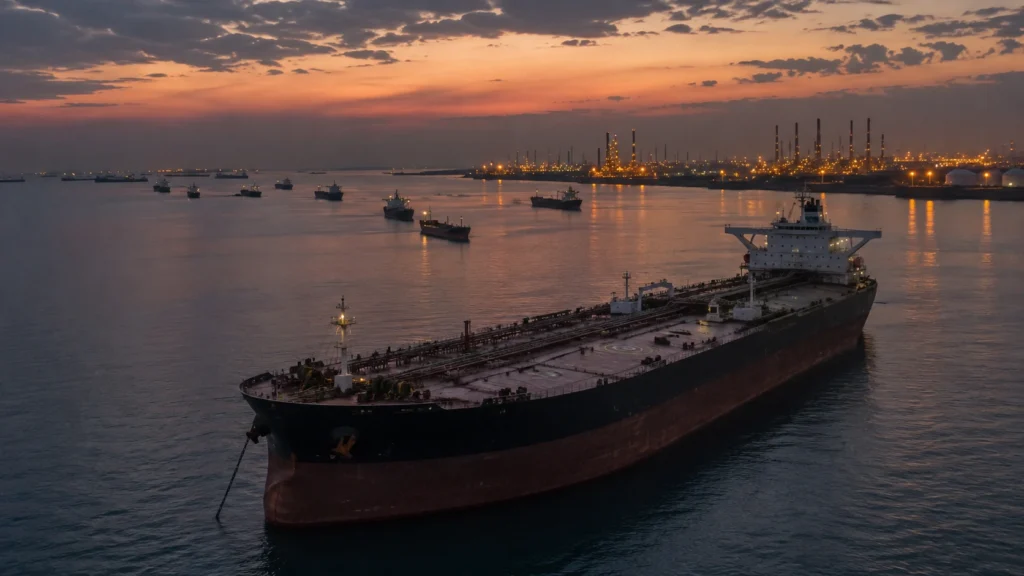
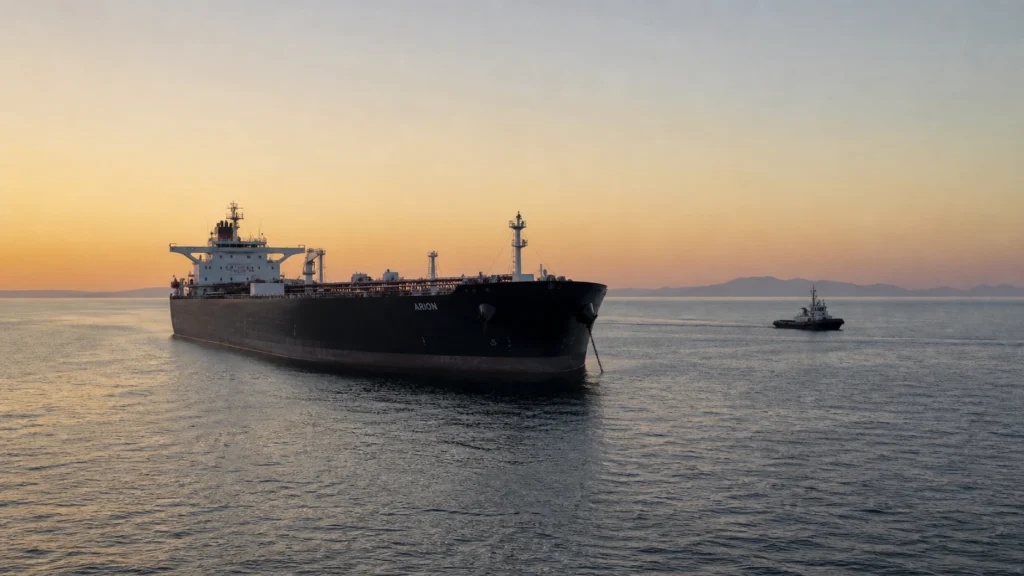
First, the targeting of tankers—claimed by the IRGC, unconfirmed but not denied—introduces a threat to commercial shipping that did not exist in the previous phase of the conflict. Energy infrastructure can absorb military strikes on coastal installations. It cannot absorb strikes on vessels mid-transit. The insurance calculus shifts immediately. If hulls become targets, premiums reach levels that make routine shipping commercially irrational.
Second, the contradictory claims about the Strait’s status create uncertainty that functions like a partial closure even if the waterway remains technically open. Shipping companies do not route tankers through channels where they cannot verify the risk. They wait. The waiting itself constricts supply.
Who Gains, Who Loses
The power recalibration is visible across multiple axes.
Iran gains the ability to impose costs on global energy markets without controlling the Strait militarily. A claim of closure, a claim of a tanker strike, and a rising oil price achieve a strategic effect disproportionate to operational reality. The leverage is asymmetric. Iran cannot win a conventional confrontation with US forces. It can ensure that no one wins economic stability while the confrontation continues.
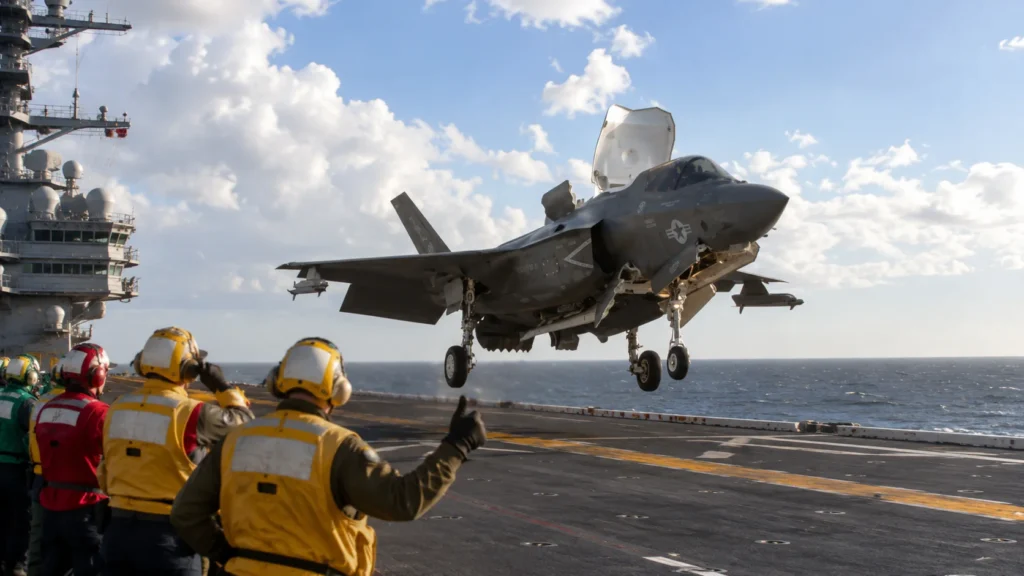
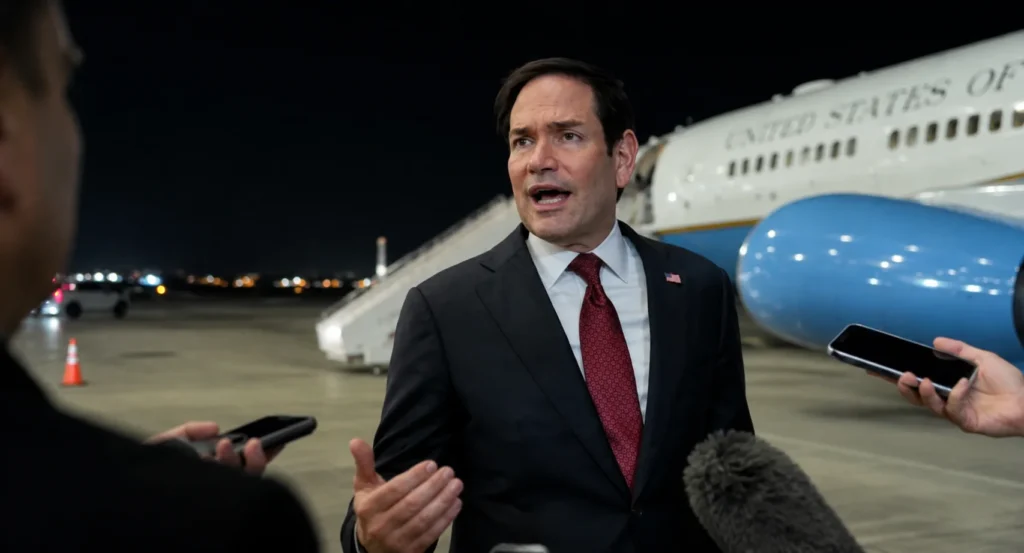
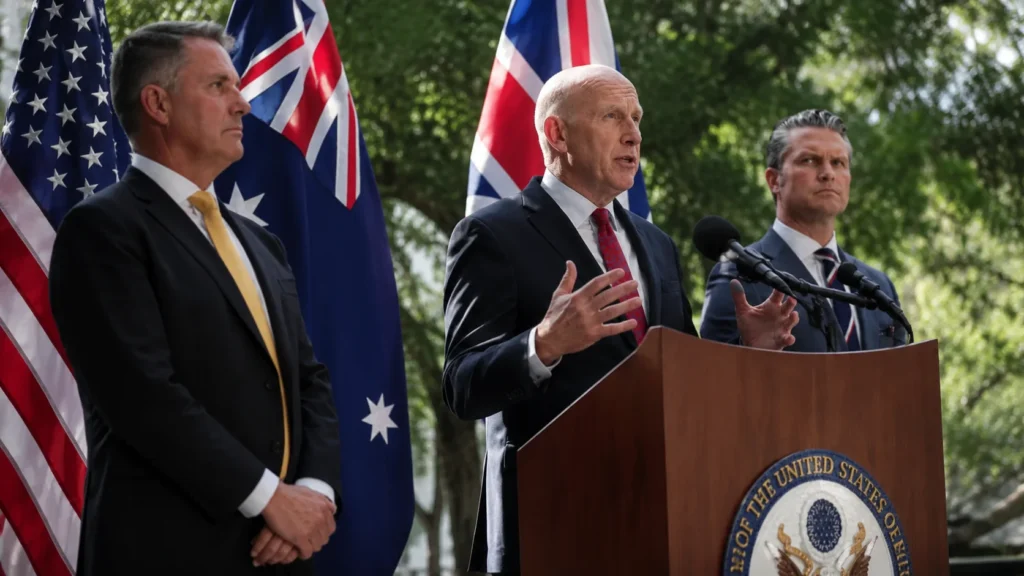
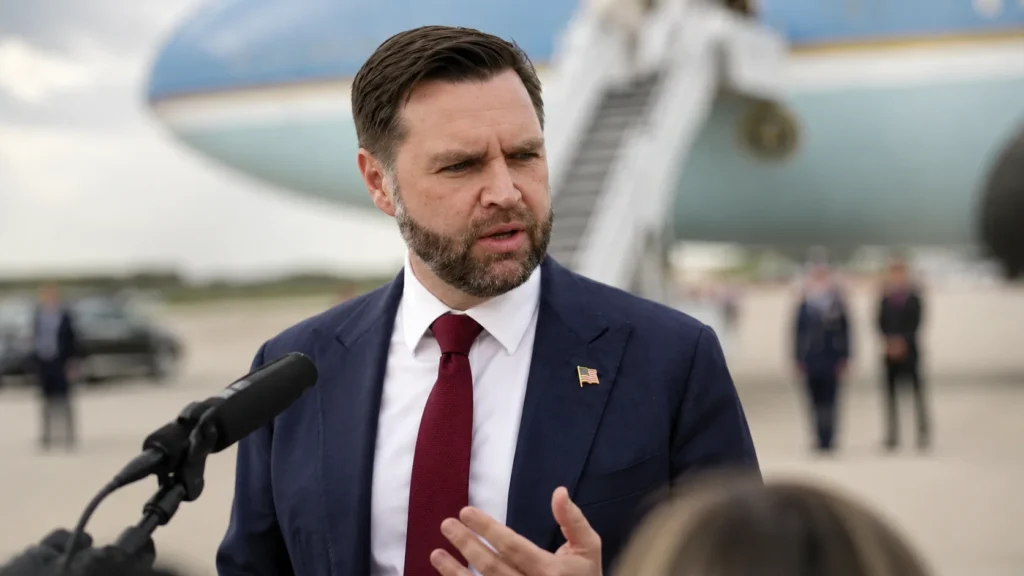
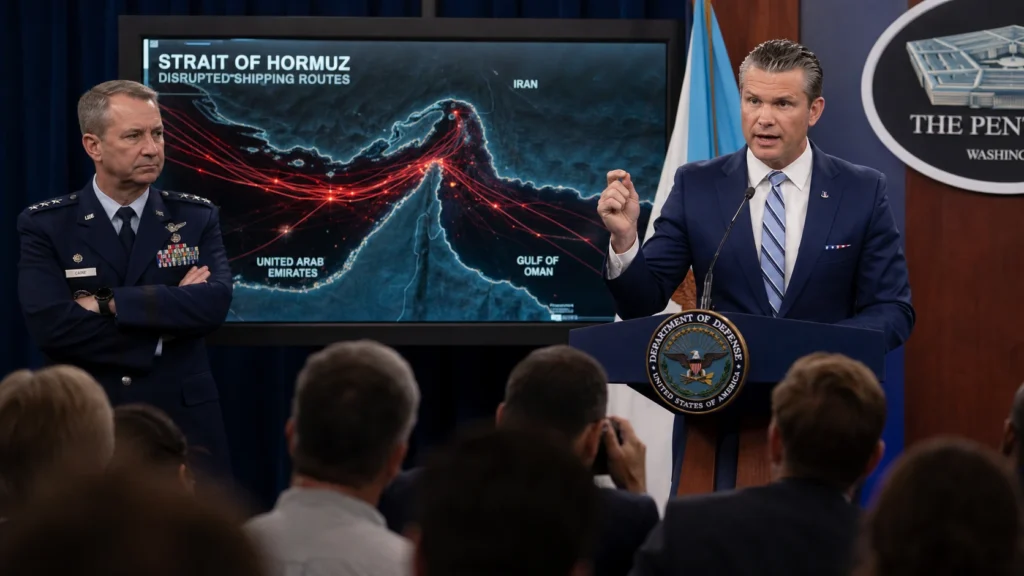
The United States loses the ability to dictate the terms of escalation. Centcom described its second consecutive night of strikes as self-defense. Defense Secretary Pete Hegseth said Iran had been given a chance to make a deal and had not taken it. But the deal—the April ceasefire—already existed. The strikes demonstrate military reach. They do not demonstrate control over the diplomatic or economic trajectory of the conflict.
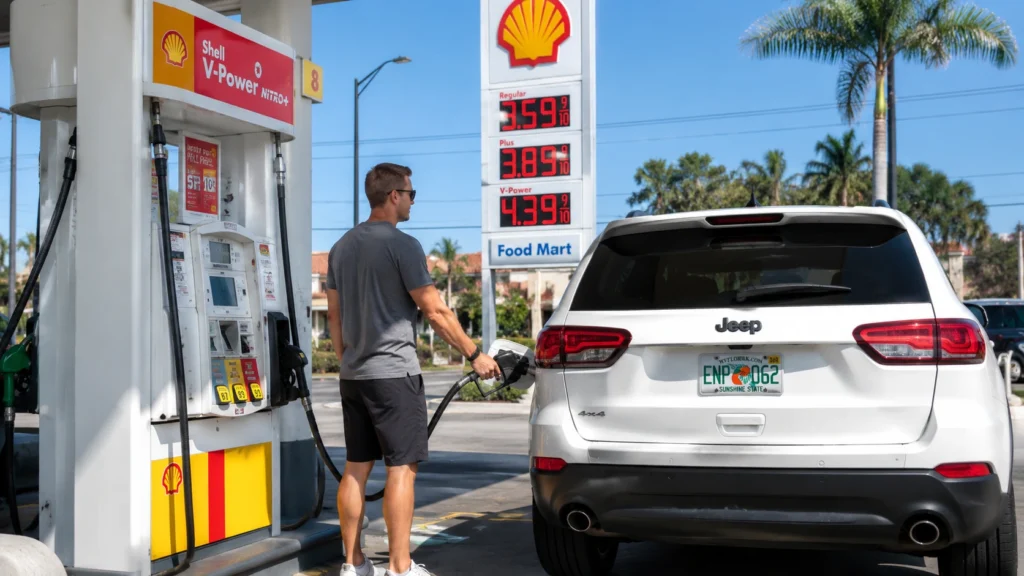
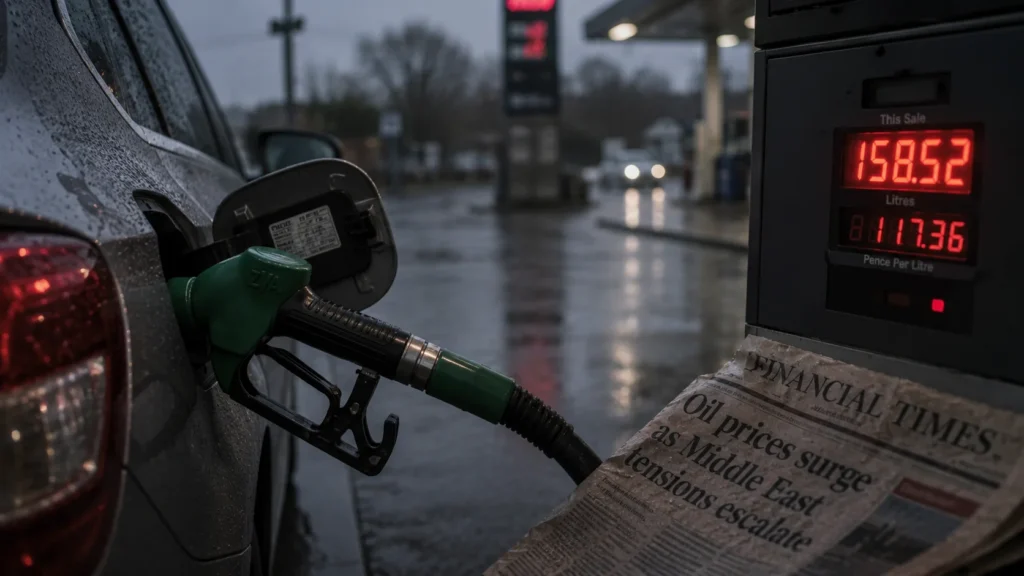
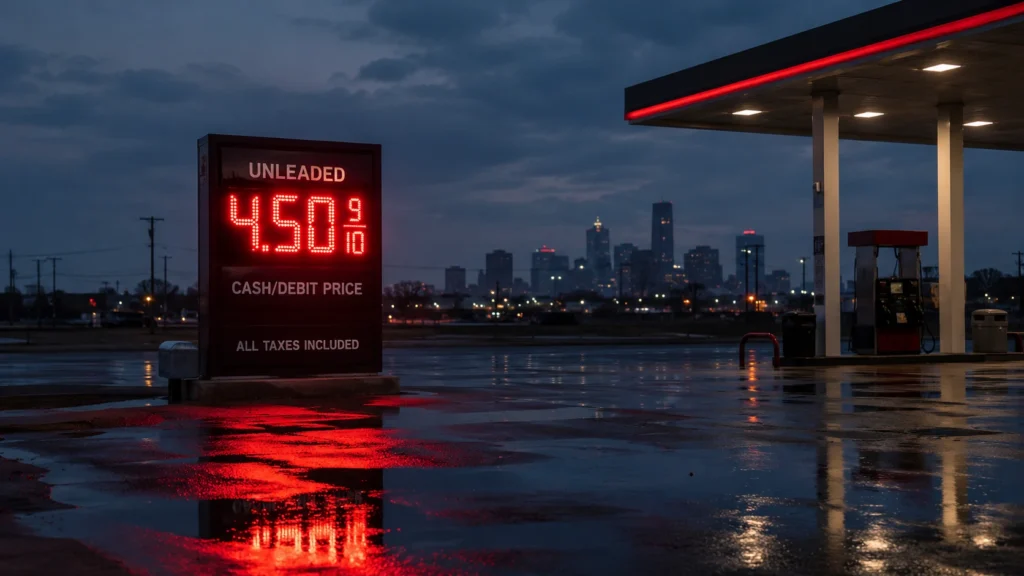
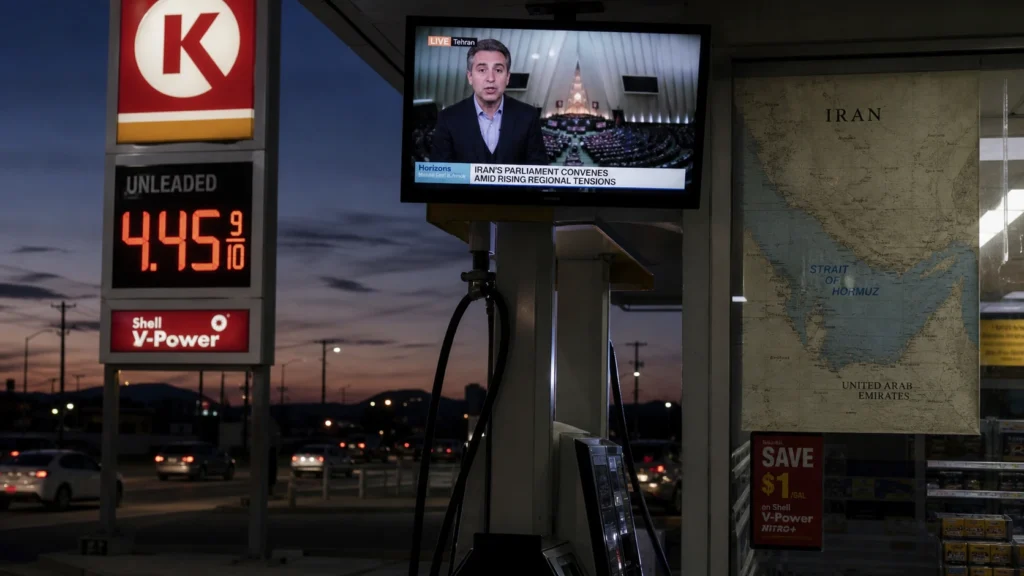
Global energy consumers lose out on prices. $95 Brent translates into higher gasoline costs, higher transportation expenses, and higher input costs for industries dependent on petroleum. The burden is distributed unevenly—Europe and Asia bear the most acute impact—but the mechanism operates globally.
The UN loses authority incrementally. Guterres’ statement captured the moment precisely: “the ceasefire is more like a lesser-fire.” But precision of description does not equal effectiveness of intervention. The UN can name the problem. It cannot enforce a resolution.
The Diplomatic Void
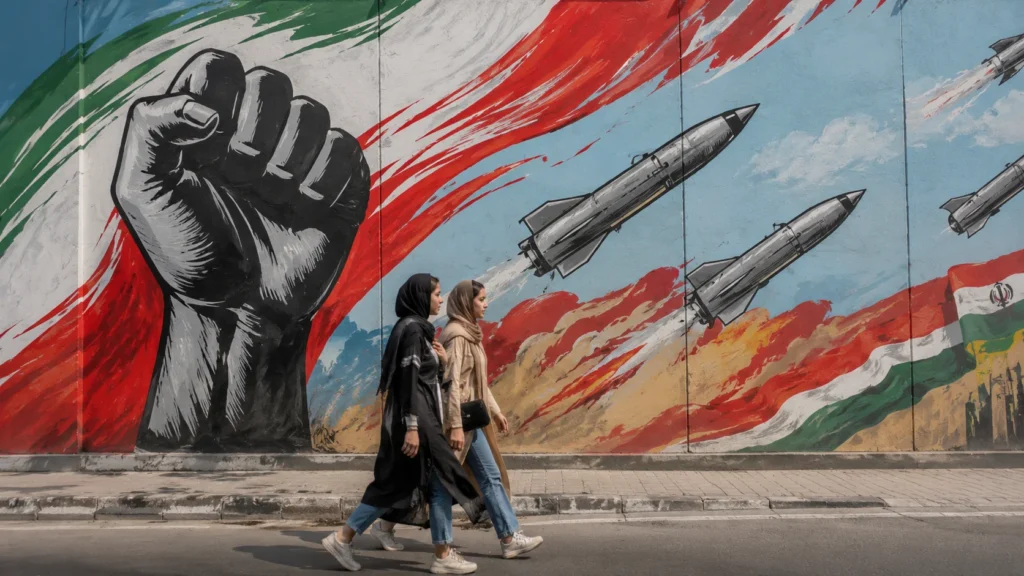
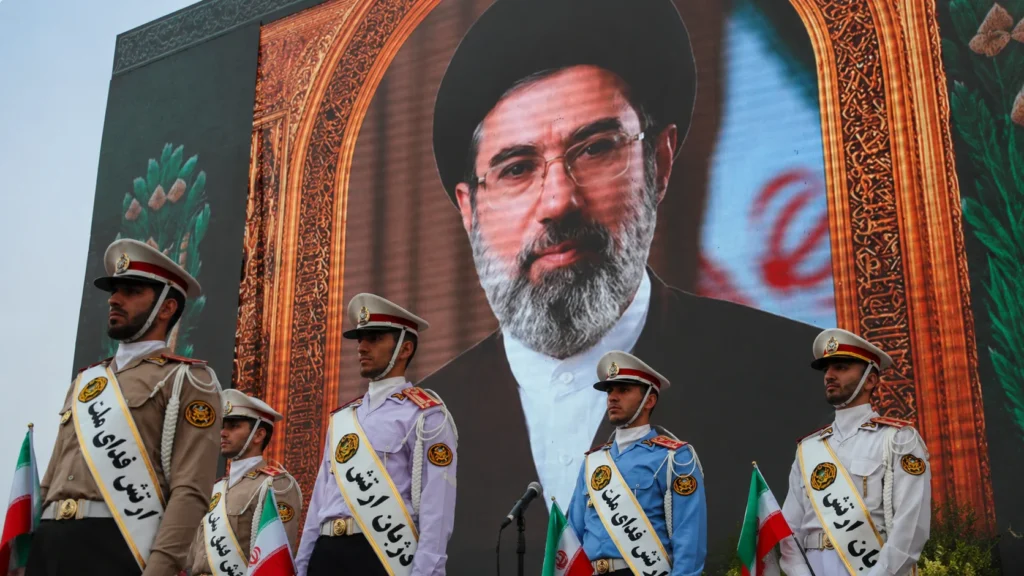
Iranian President Masoud Pezeshkian said Iran “will stand firm against any pressure or threat.” The Iranian foreign ministry accused Washington of “damaging the diplomatic process through the contradictory messages it sends.”
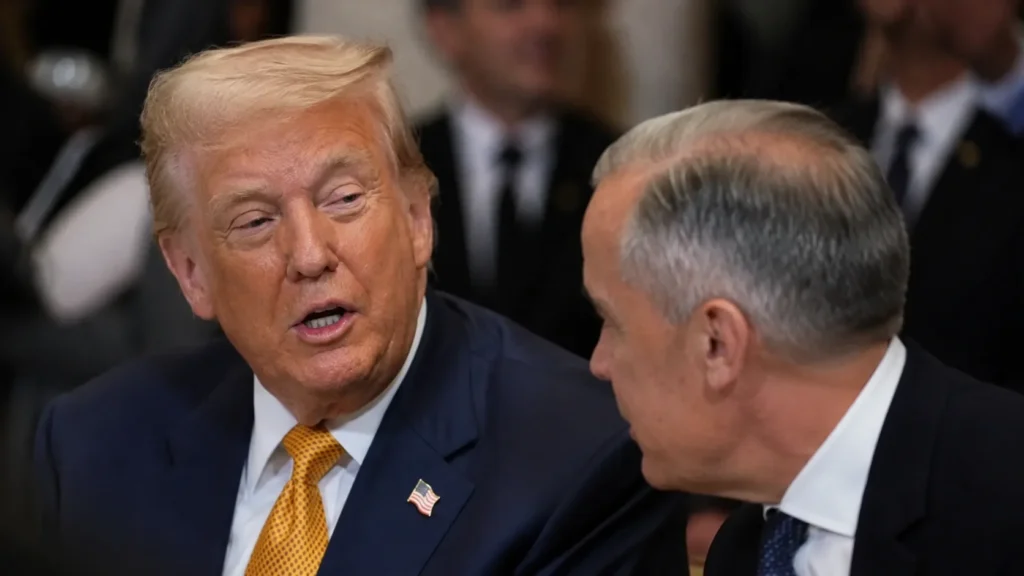
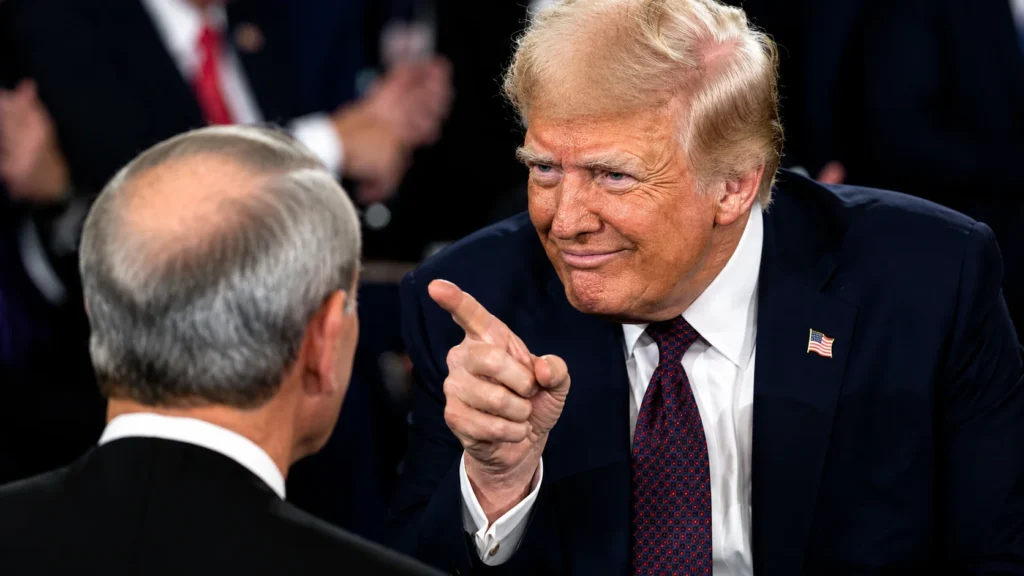
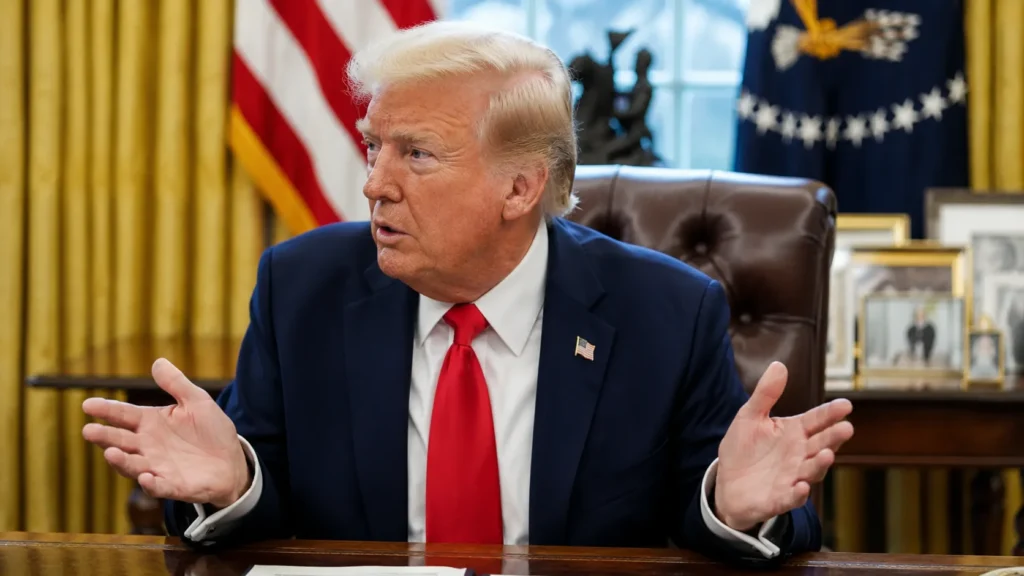
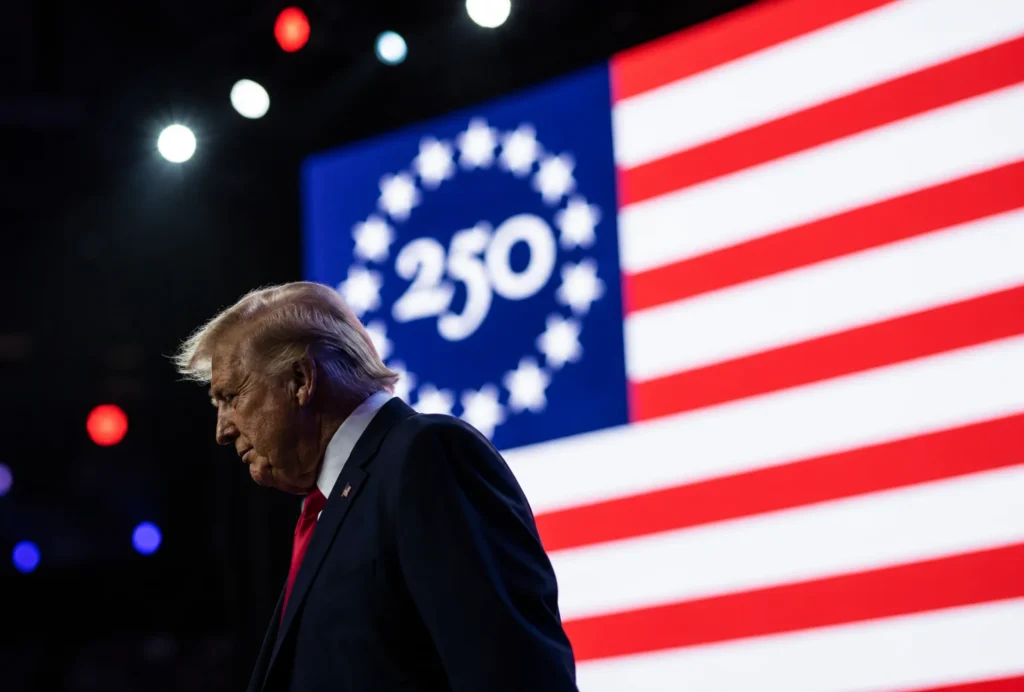
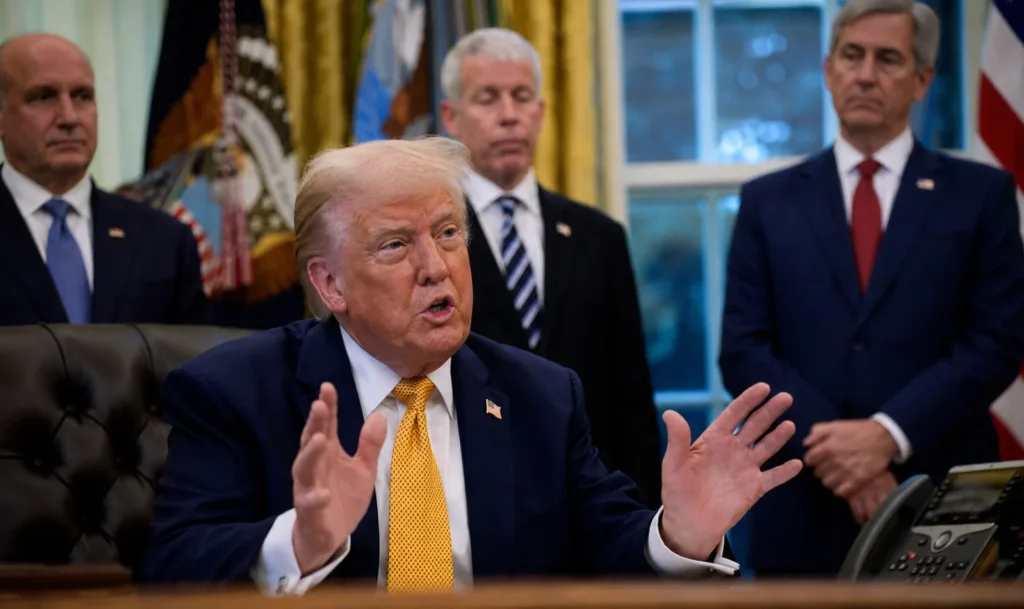
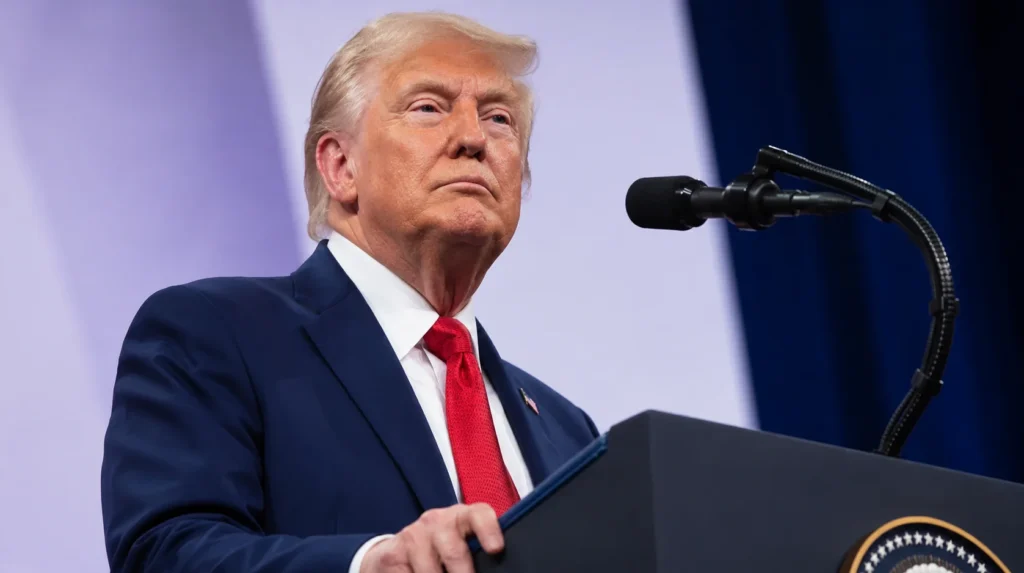
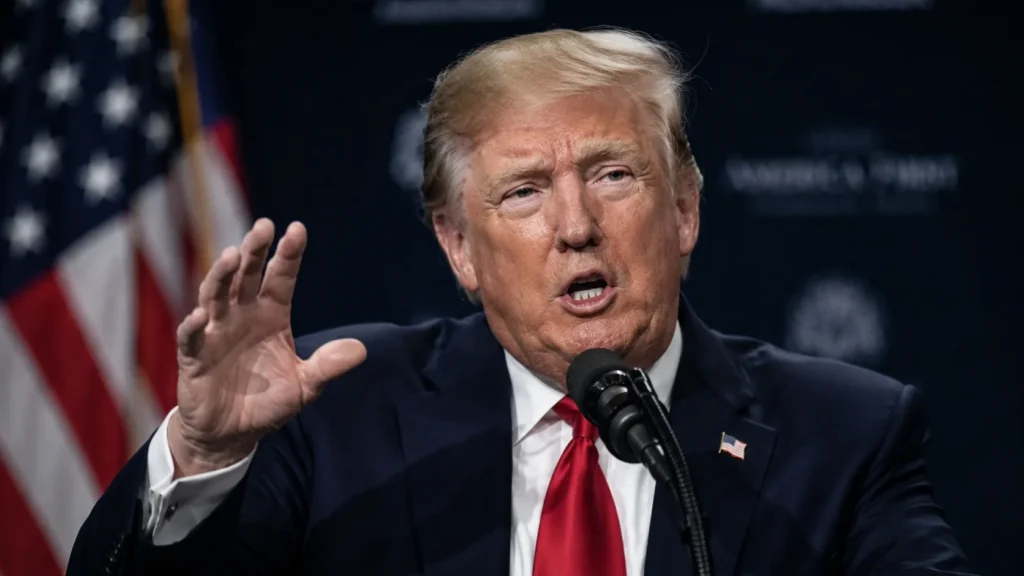
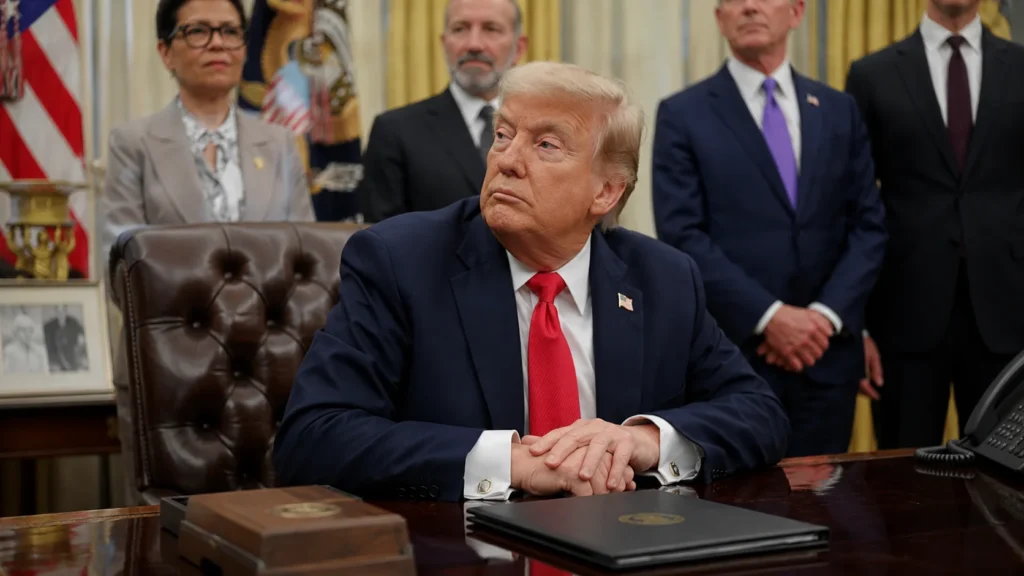
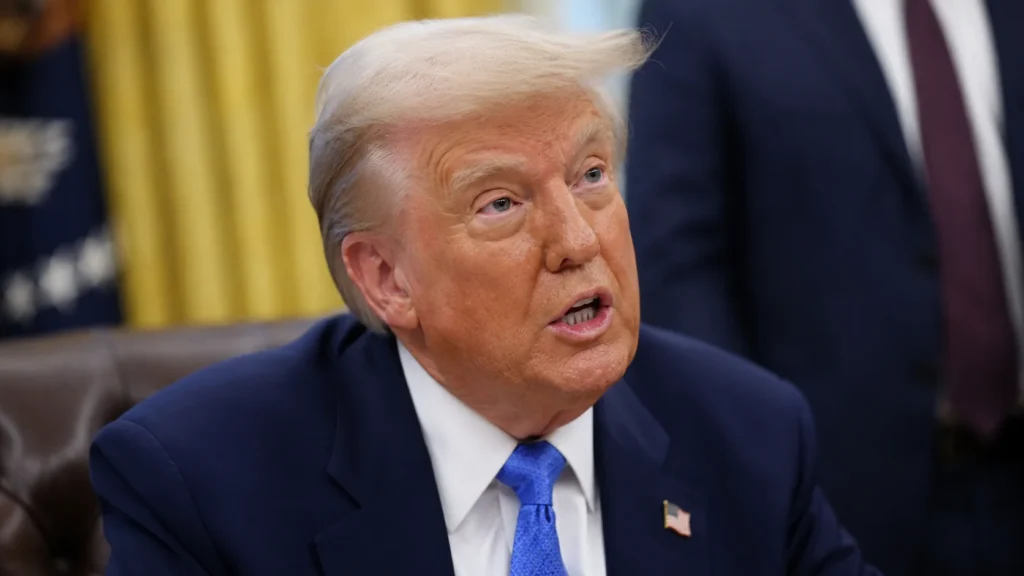
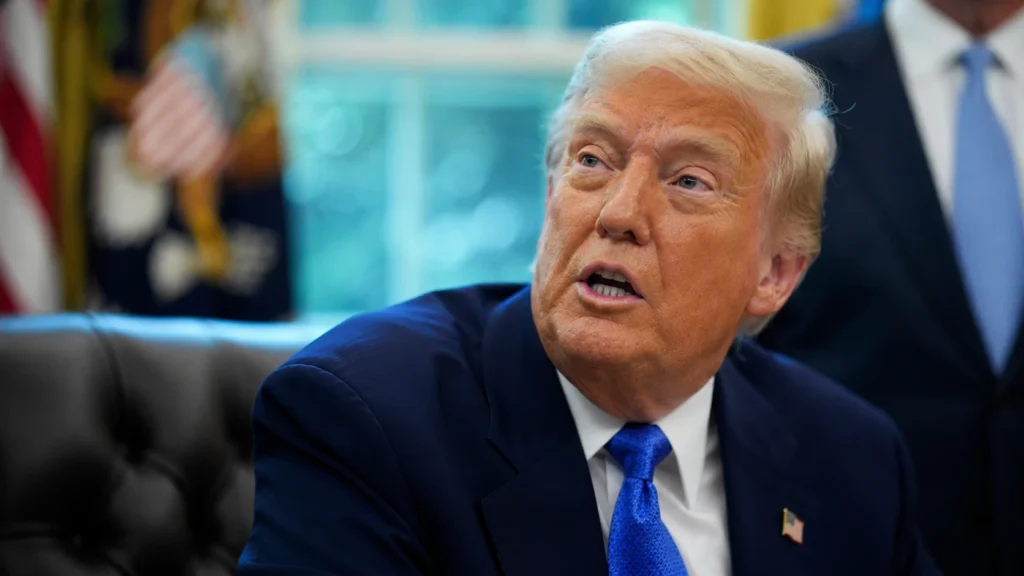
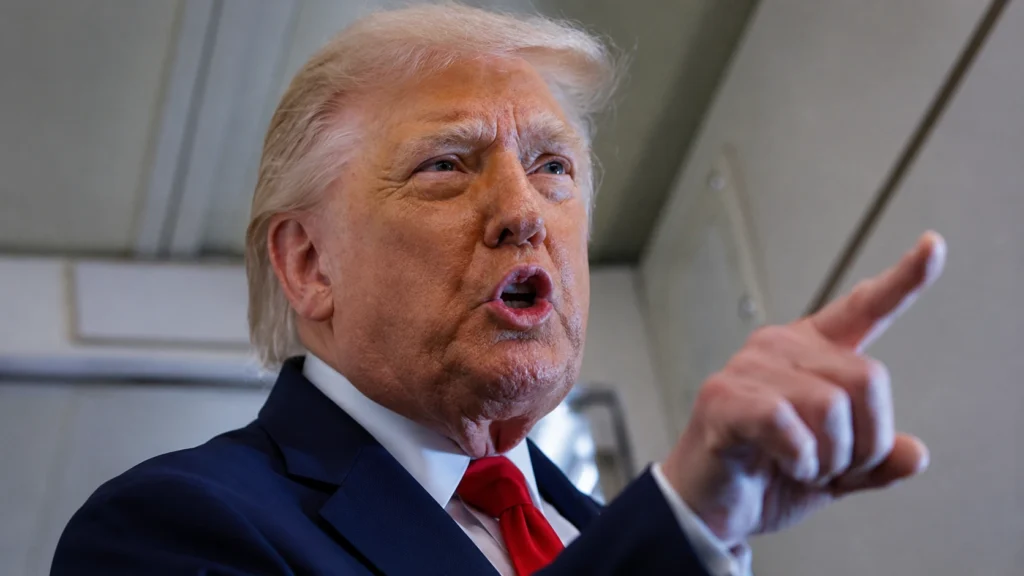
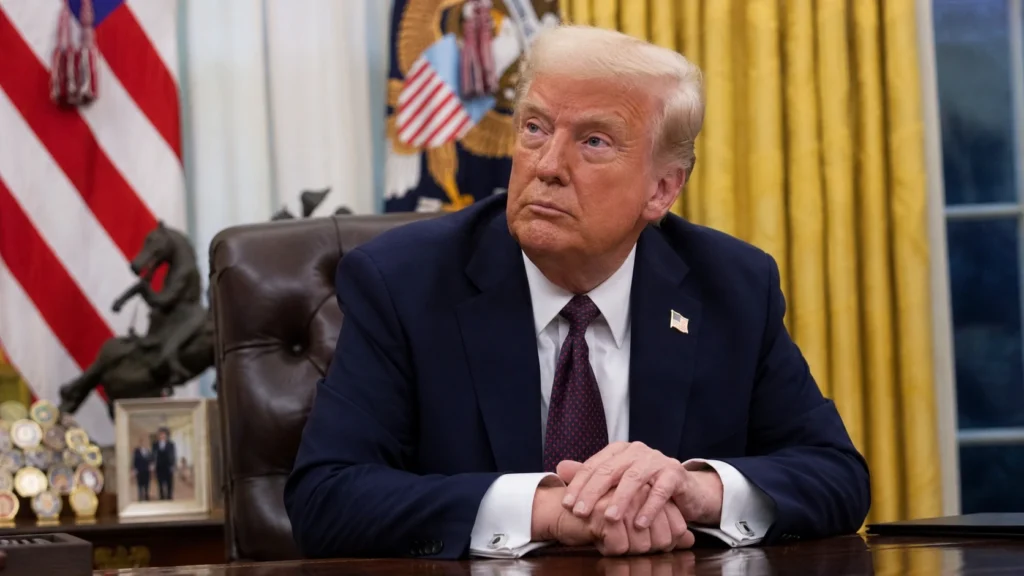
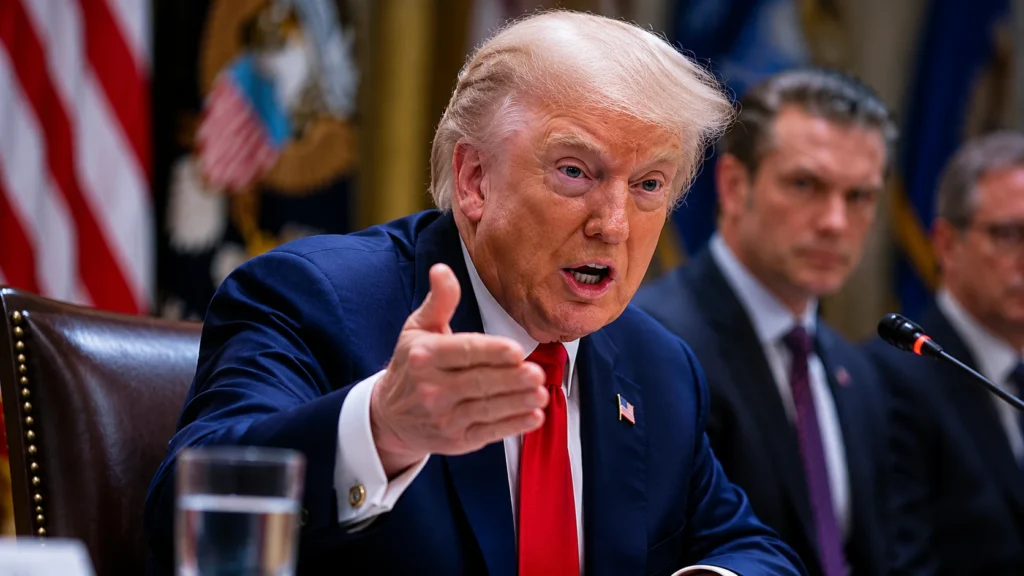
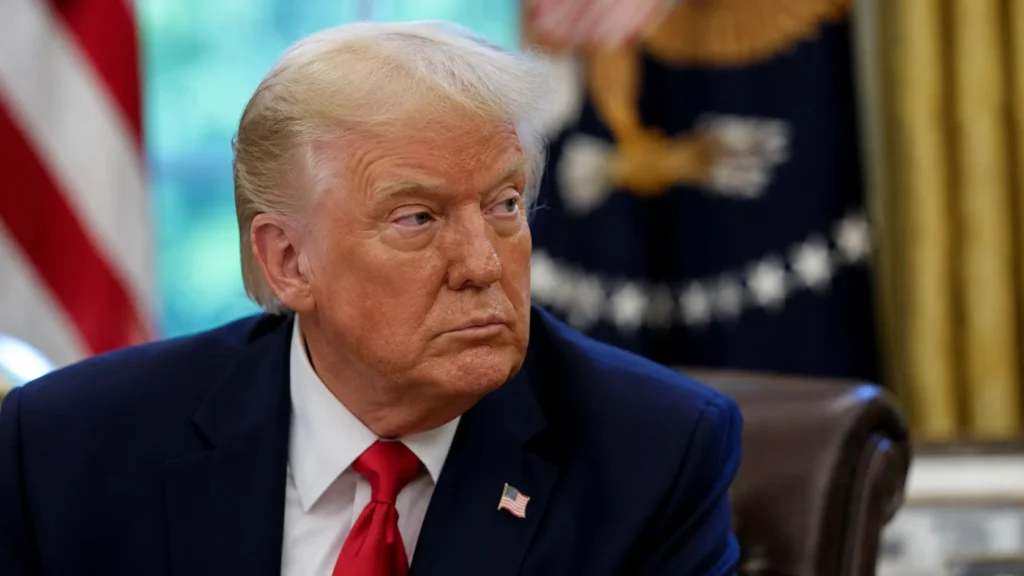
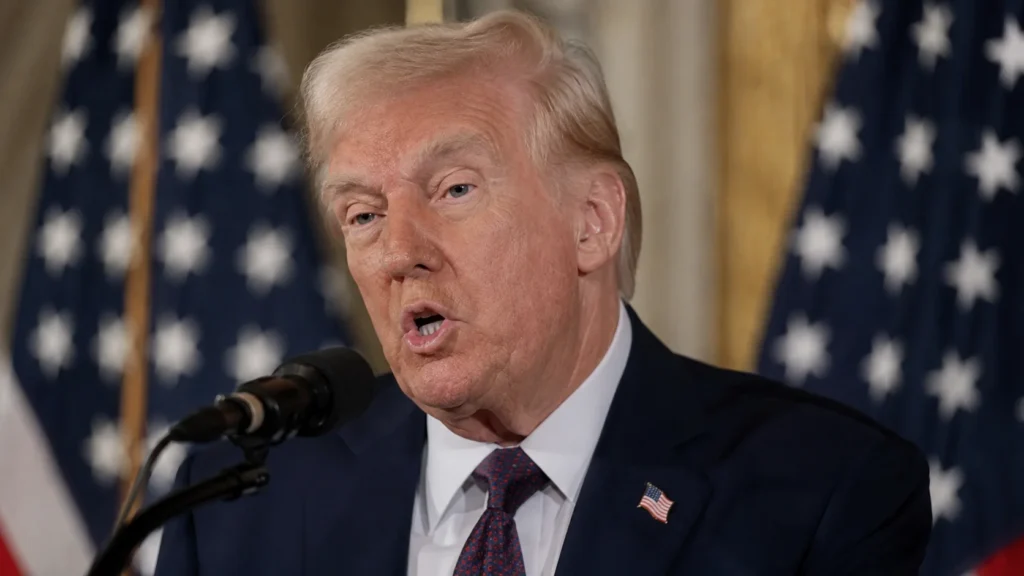
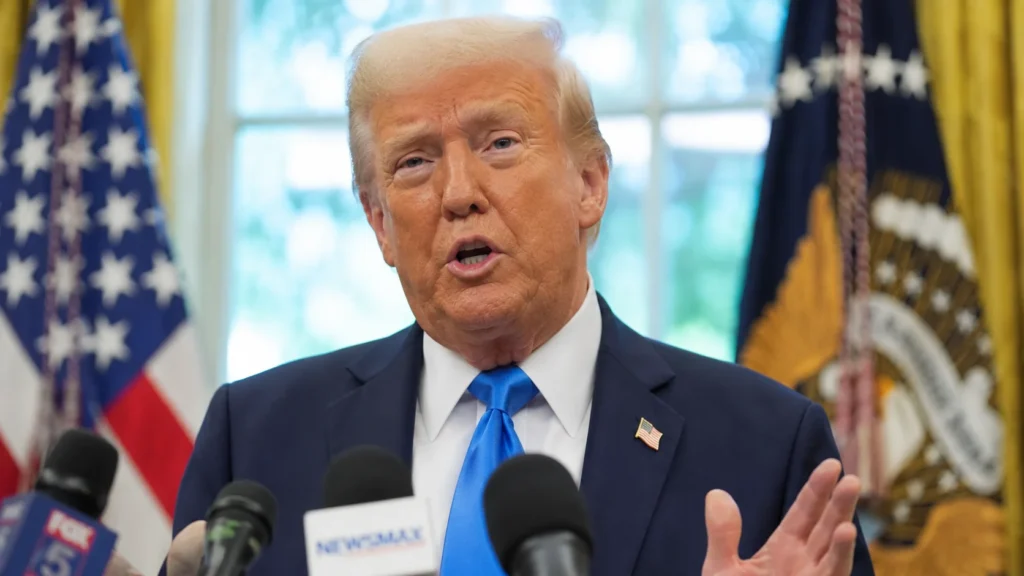
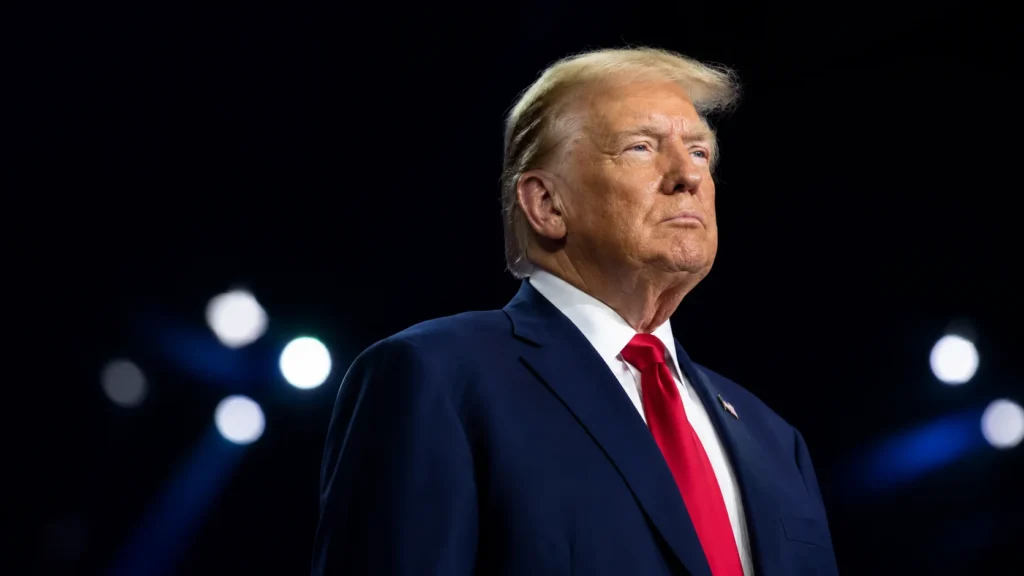
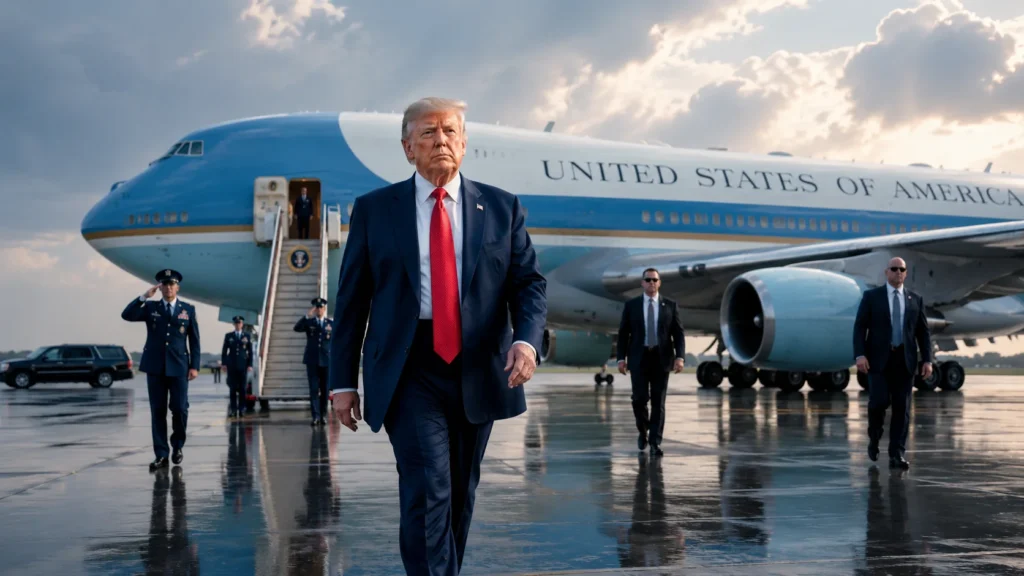
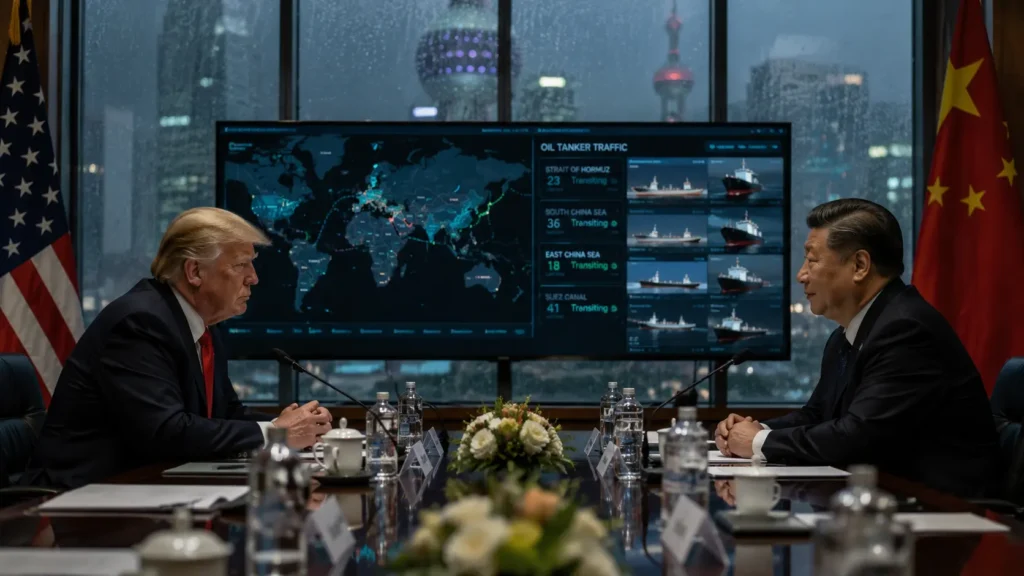
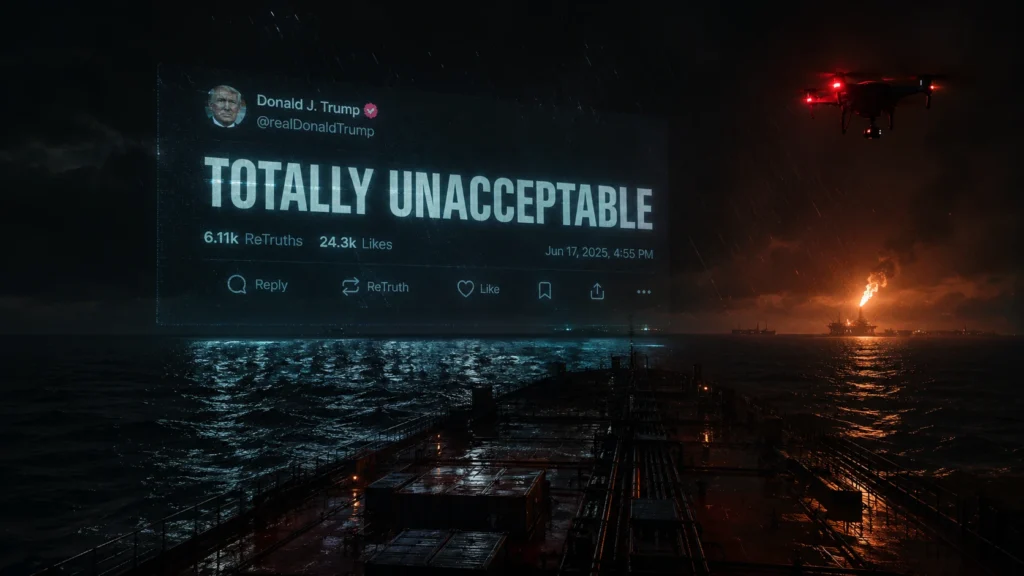
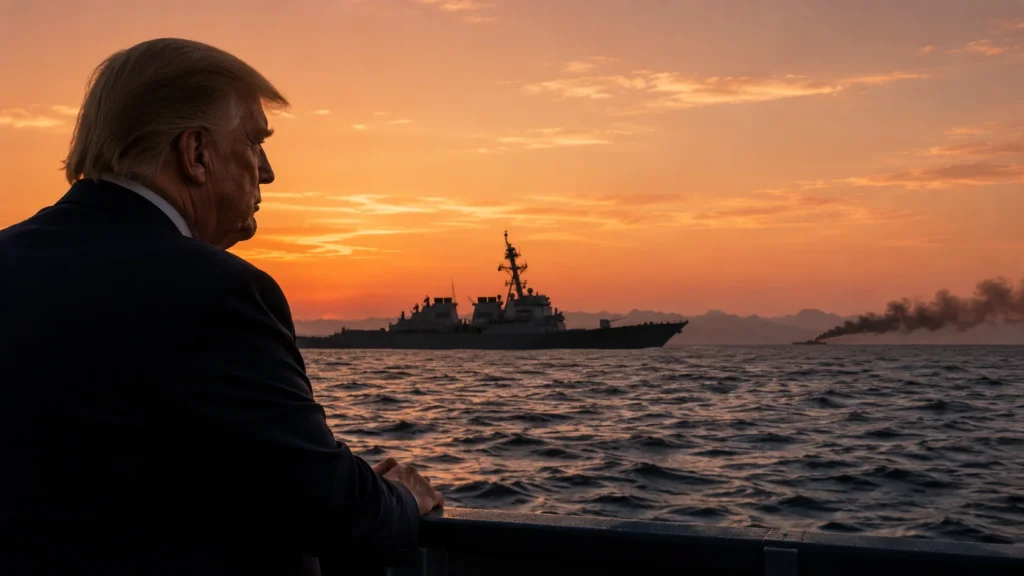
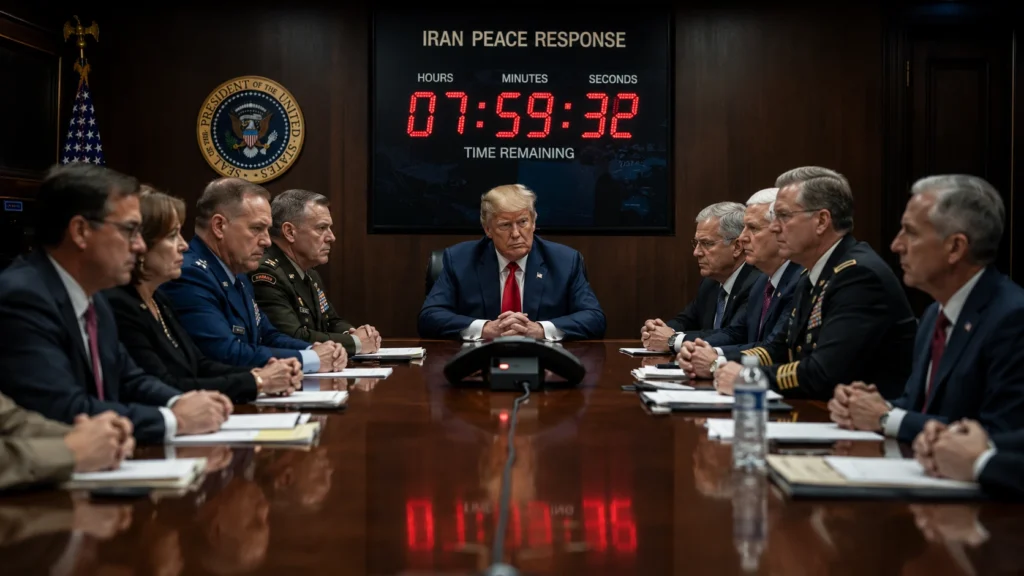
Trump’s Truth Social post set the tone hours before the latest US strikes: “We hit them hard yesterday, and we’re going to hit them hard again today.” He added that Iran had “taken too long to negotiate a deal.” The sequence—bombardment then demand for negotiation—reverses the traditional diplomatic logic. Sanctions or strikes typically precede talks. Here, strikes accompany them.
The contradiction the Iranian foreign ministry cited is not rhetorical. It is operational. A negotiating partner that bombs you on consecutive nights while demanding a deal is not offering diplomacy. It is offering terms under fire. Iran’s refusal to accept those terms is not a rejection of negotiation. It is a rejection of the premise that bombardment and bargaining can coexist without one undermining the other.
The Human Pressure Layer
The populations absorbing this conflict do not experience it as a geopolitical chess match.
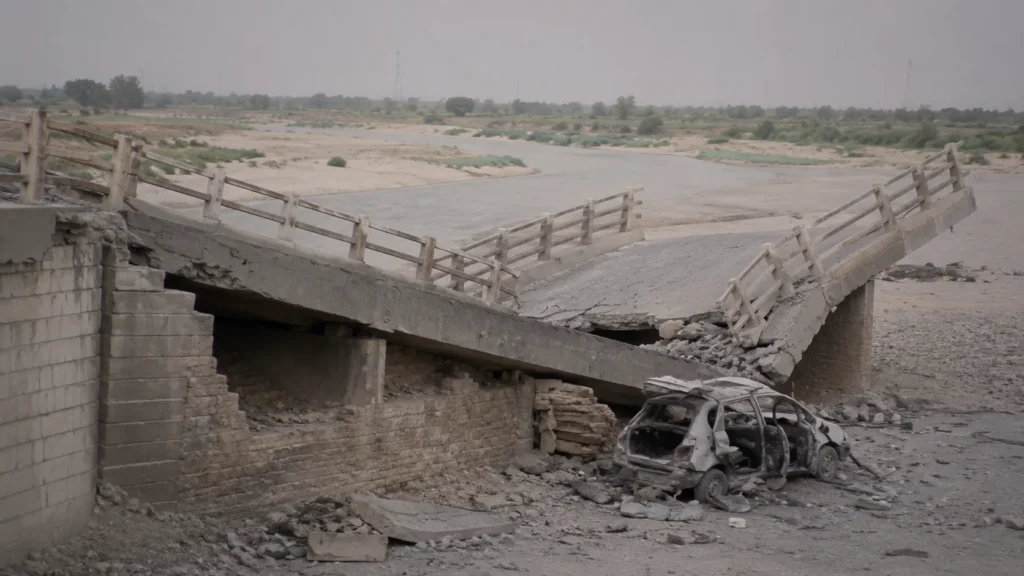
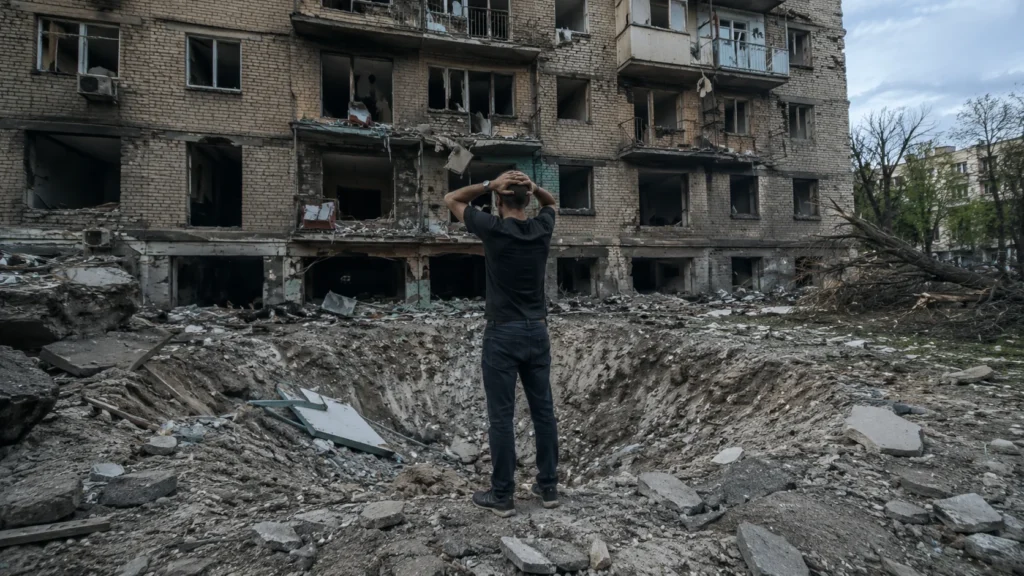
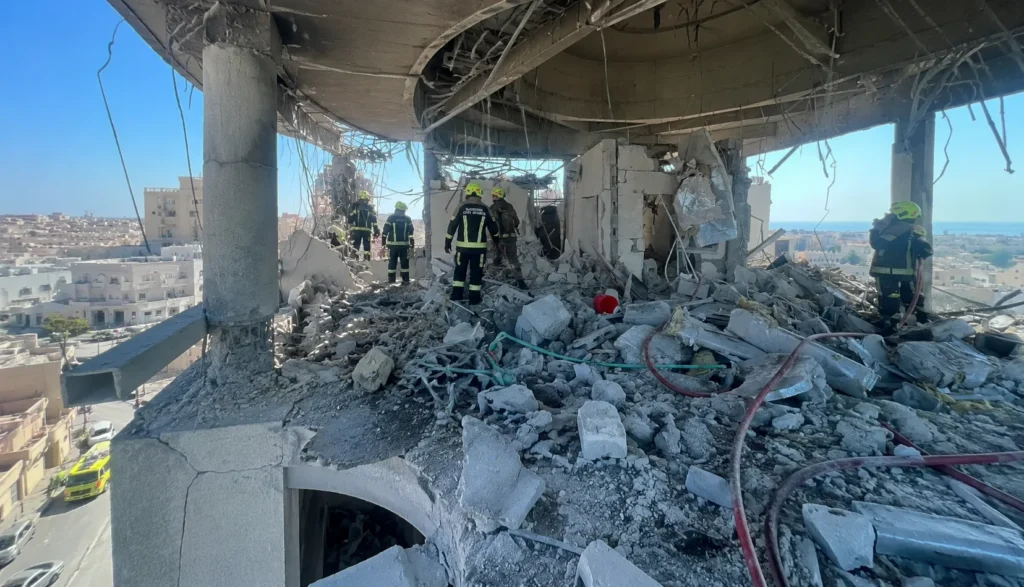
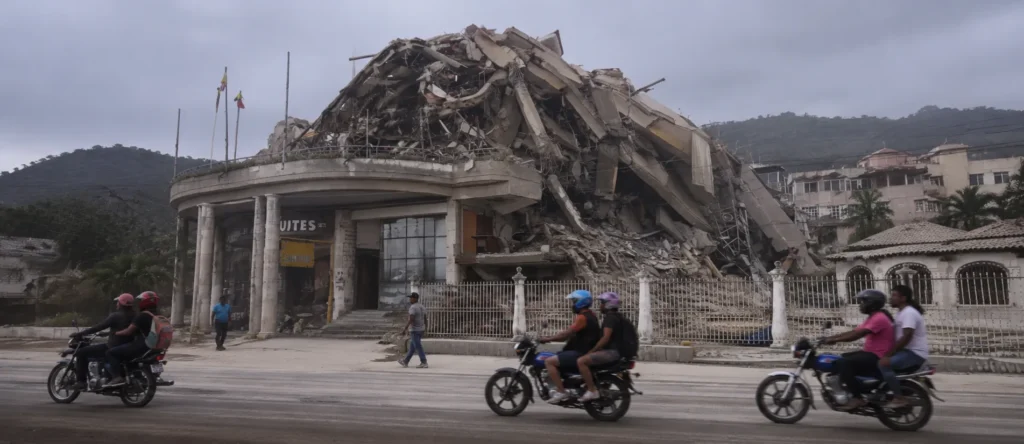
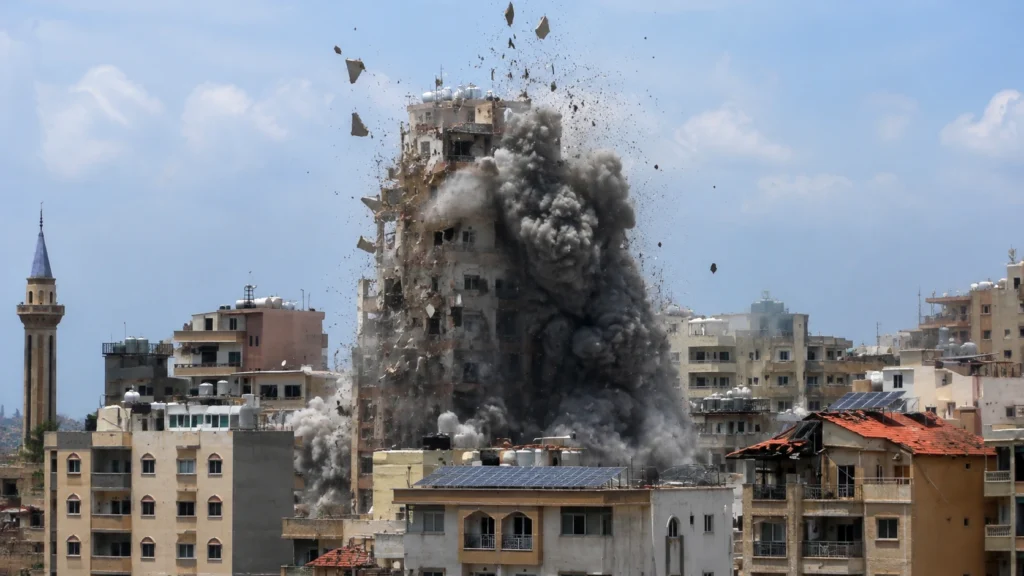
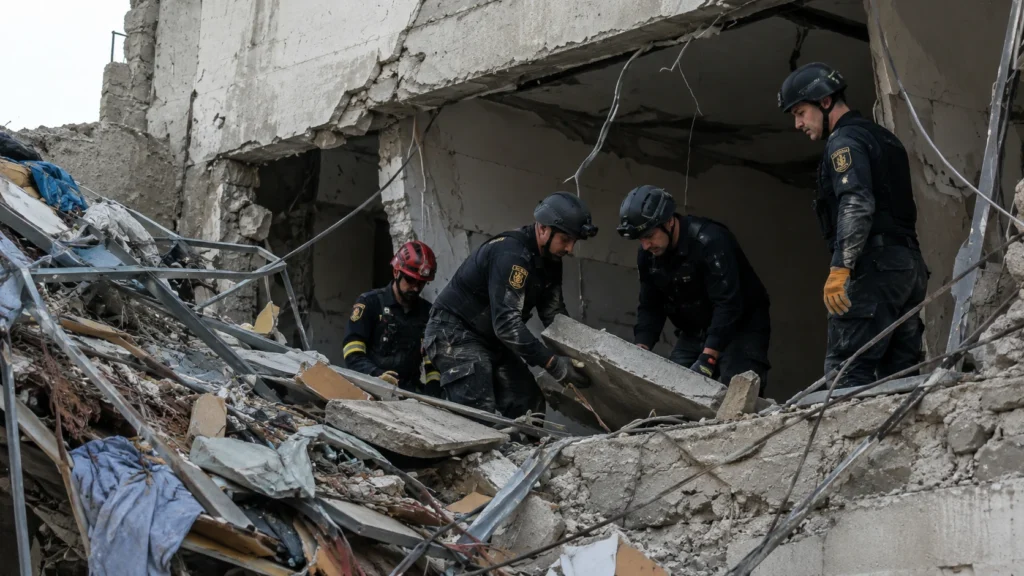
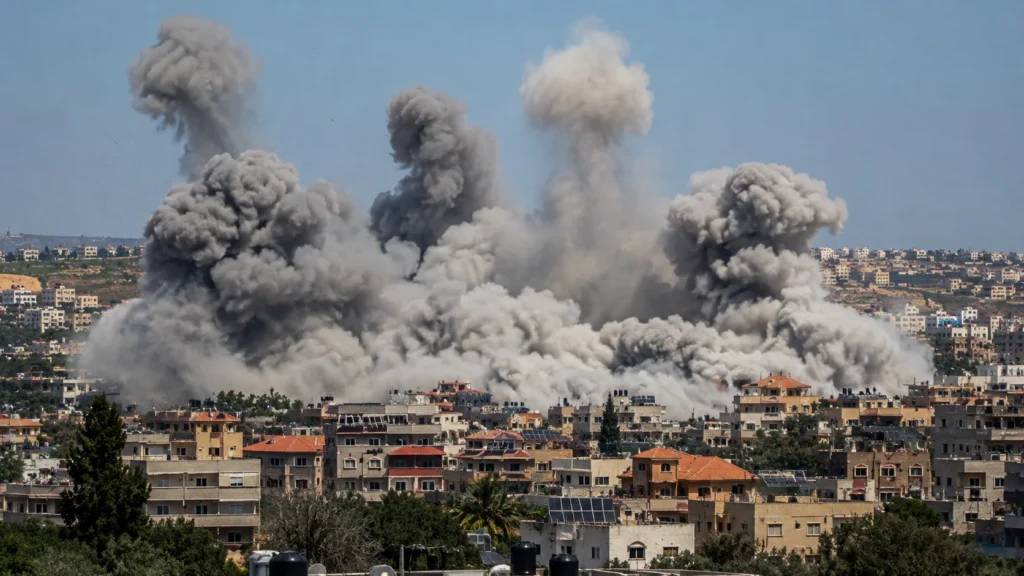
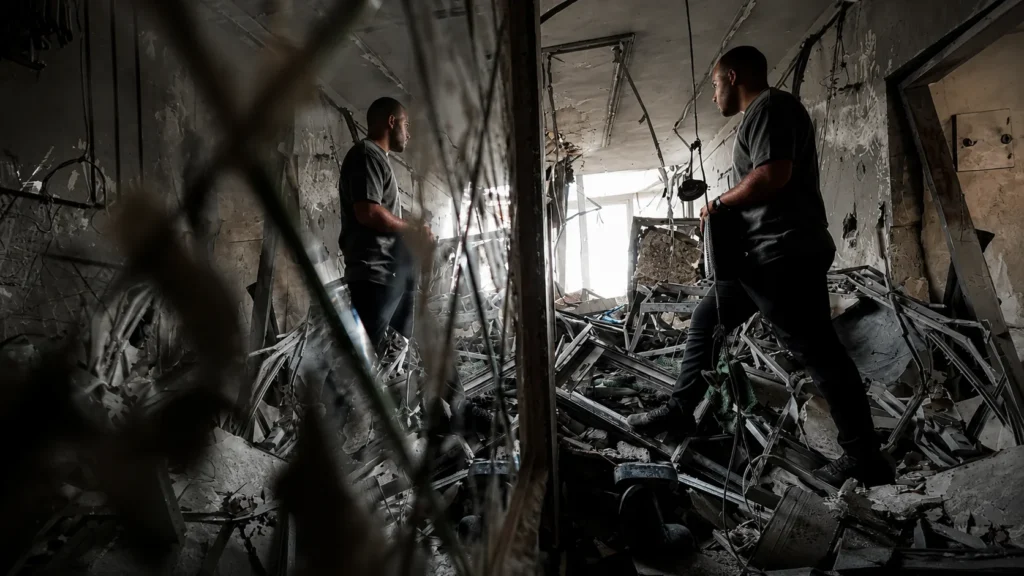
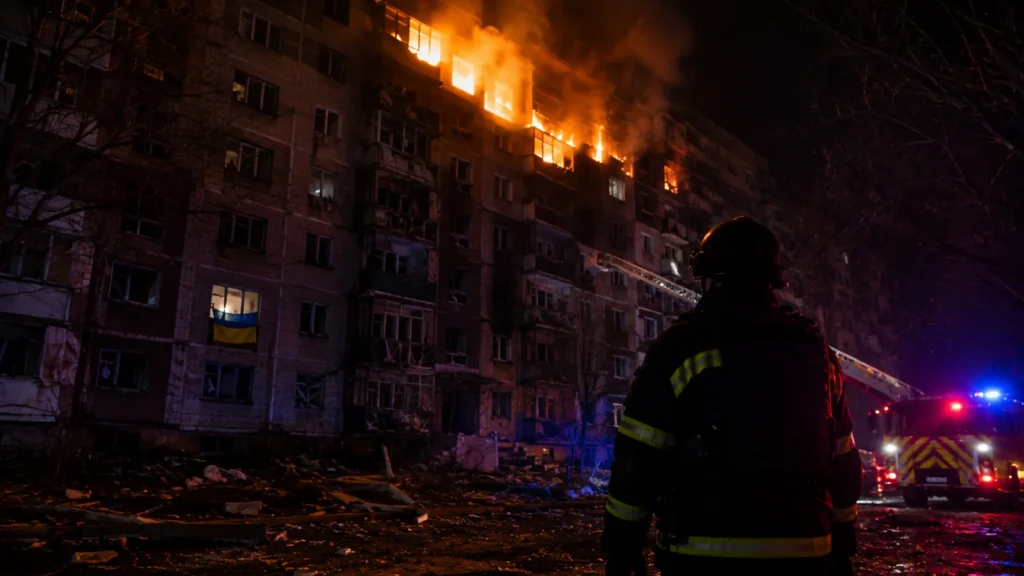
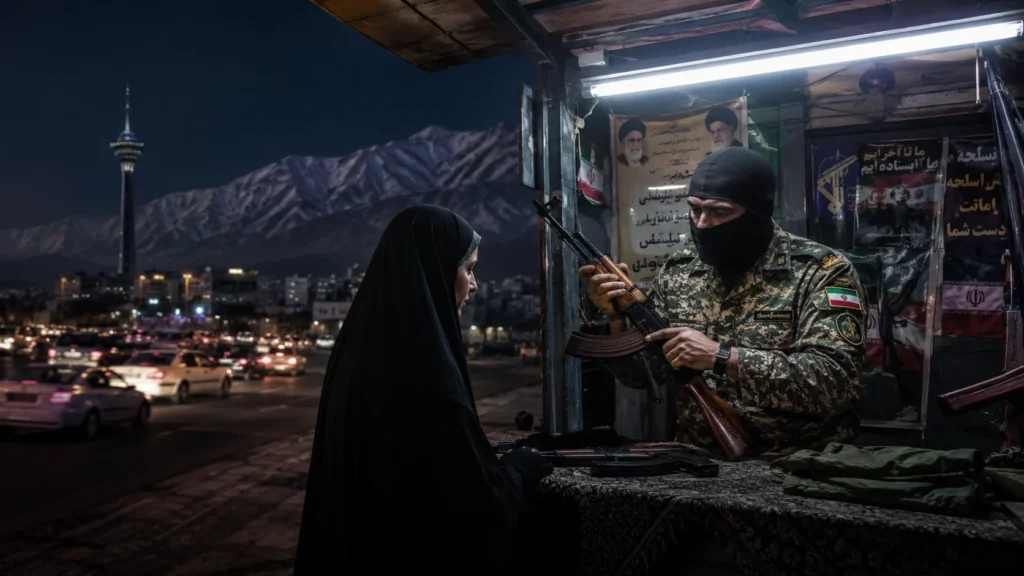
In southern Iran, explosions near the Strait of Hormuz cities of Jask and Sirik have become a regular occurrence. The IRGC reported damage to infrastructure in earlier rounds of strikes. The pattern of nightly bombardment reshapes daily life in ways that economic data cannot capture.
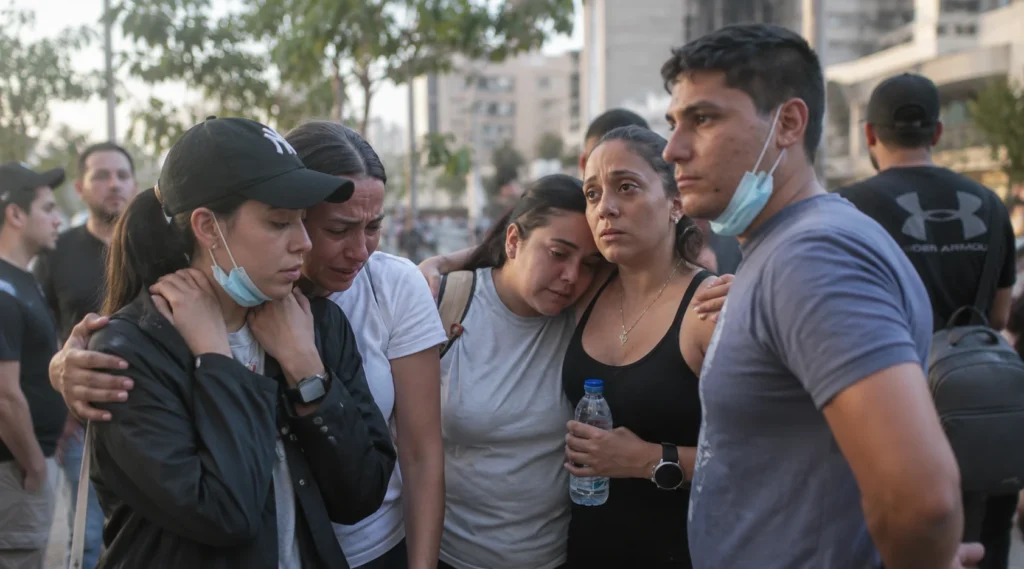
In Bahrain and Kuwait, populations hosting US bases now experience those bases as targets. The geography that once provided security guarantees now provides vulnerability. Citizens of small Gulf states did not vote for involvement in a US-Iran escalation. Their locations were chosen for them.
In Europe and Asia, households absorbing higher energy costs experience the conflict through fuel receipts and utility bills. The economic transmission mechanism is indirect but relentless. Every sustained week of elevated oil prices compounds the cost.
The 12-Month Trajectory
The path ahead narrows.
If the Strait of Hormuz remains contested—whether technically open but practically dangerous, or formally closed by either side—oil prices will not return to pre-conflict levels. The market has already recalibrated. The new baseline assumes disruption.
If attacks on commercial shipping continue or expand, the insurance market will force a de facto closure more effective than any naval blockade. Tanker companies will not send vessels into uninsurable waters. The economic consequences would cascade beyond energy markets into global trade flows, manufacturing supply chains, and food prices.
If diplomacy re-emerges, it will do so from a starting point worse than April’s. Trust, always scarce in US-Iran relations, has been further depleted by the cycle of strike and retaliation. The “lesser-fire” Guterres described is not a stable equilibrium. It is a corridor between ceasefire and full conflict that narrows with each exchange.
The indicator to watch is not the next round of strikes. It is the next round of shipping insurance premiums. When the maritime industry prices the Strait as a war zone, the economic phase of the conflict will have begun. The military phase is already underway.