

 English















































































































































































US Inflation Hits 4.2% as Trump Says He “Loves” Rising Prices
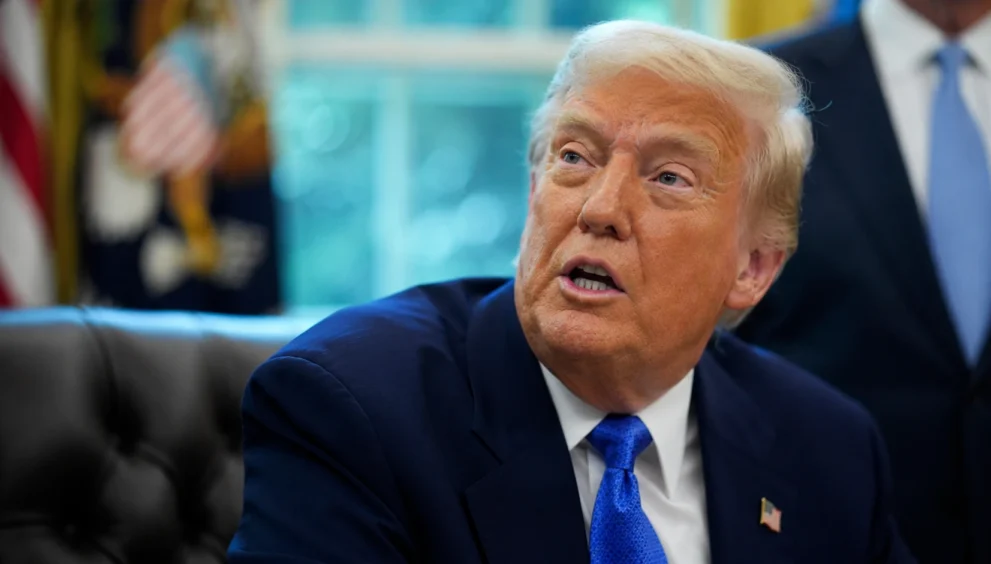
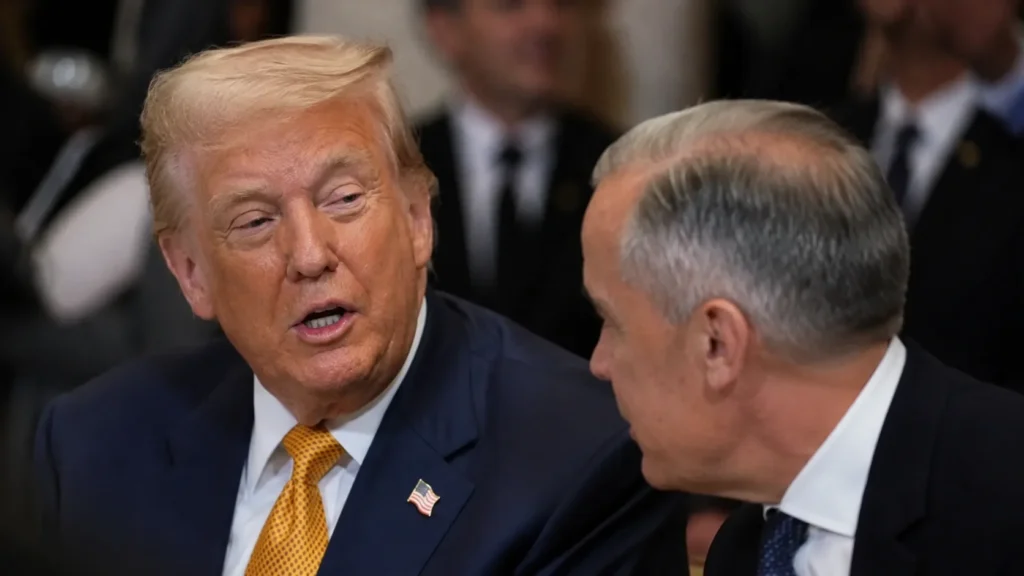
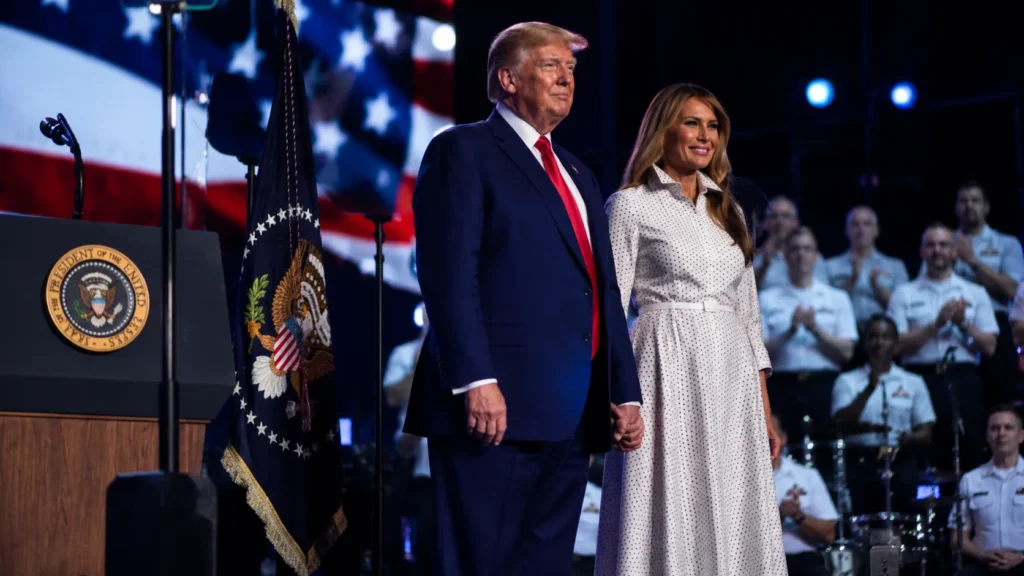
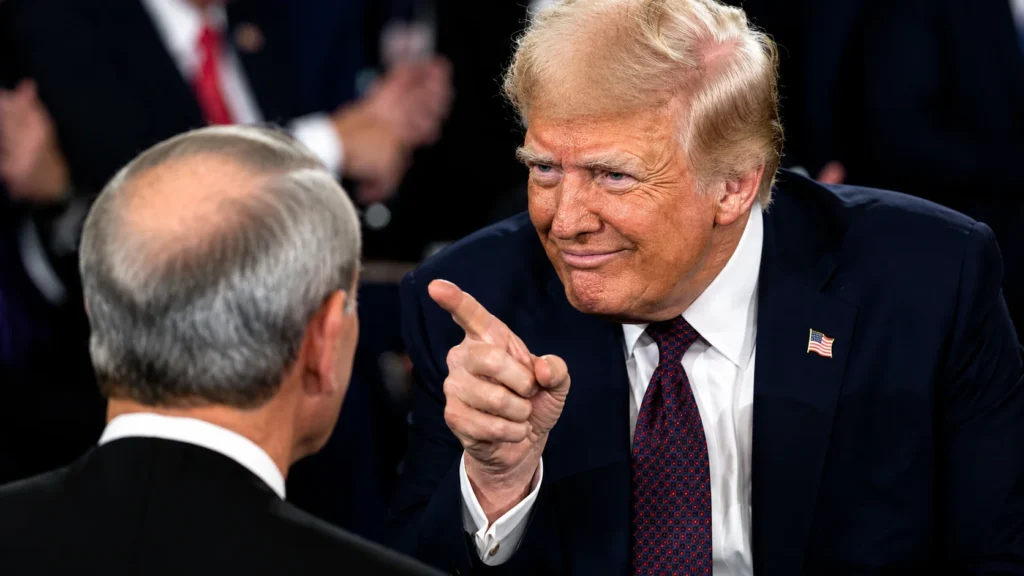
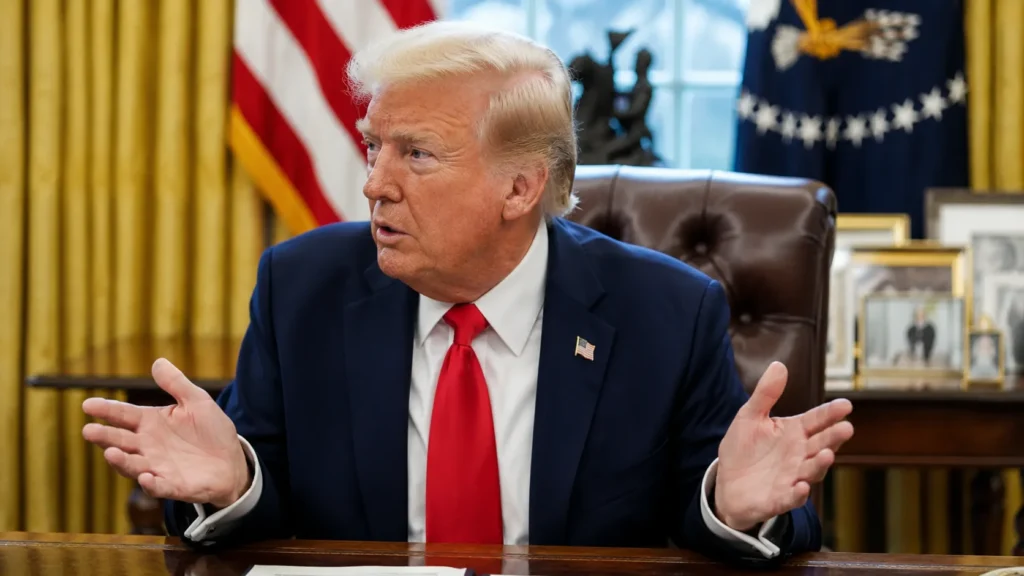
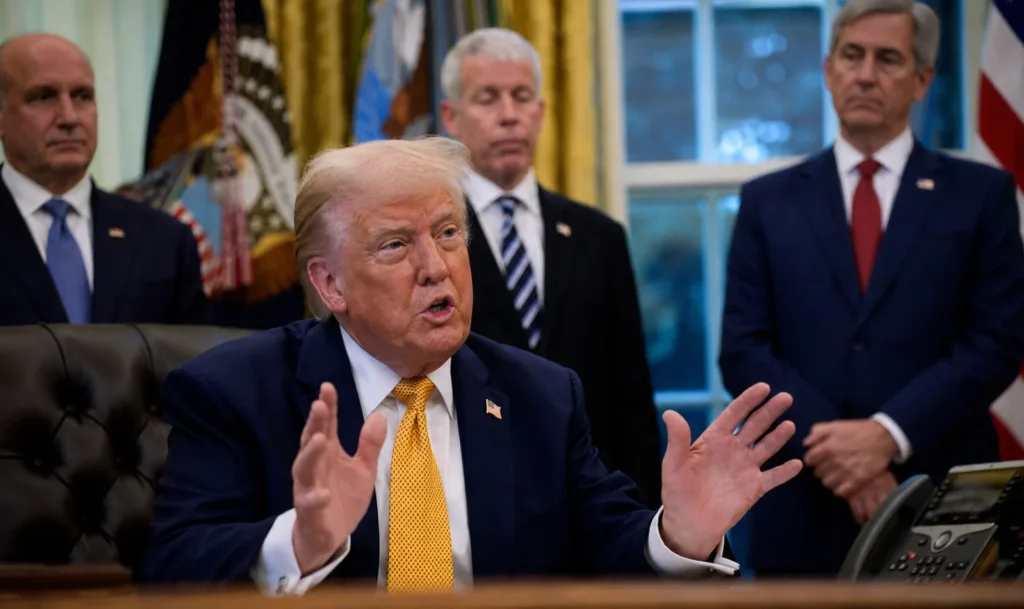
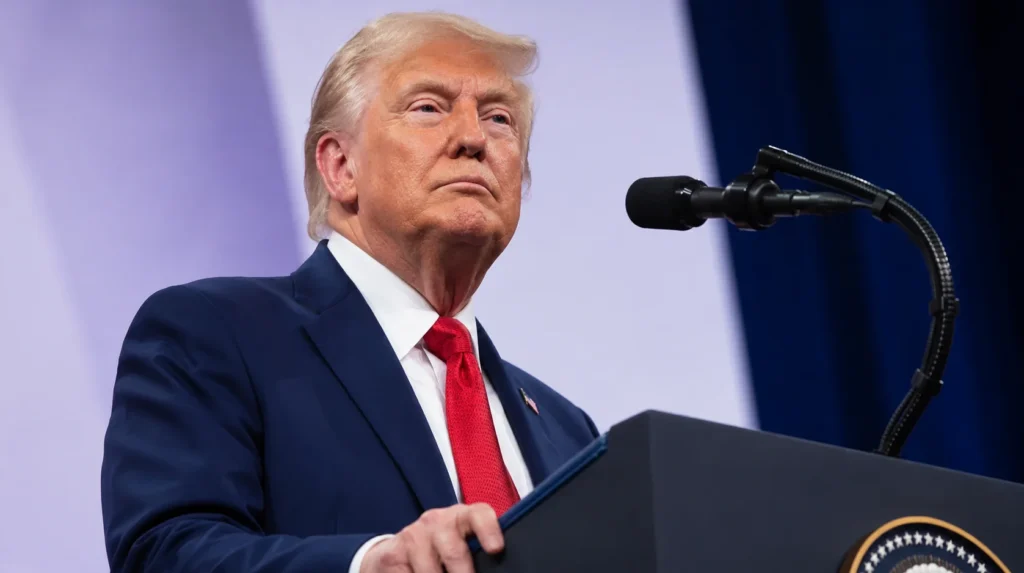
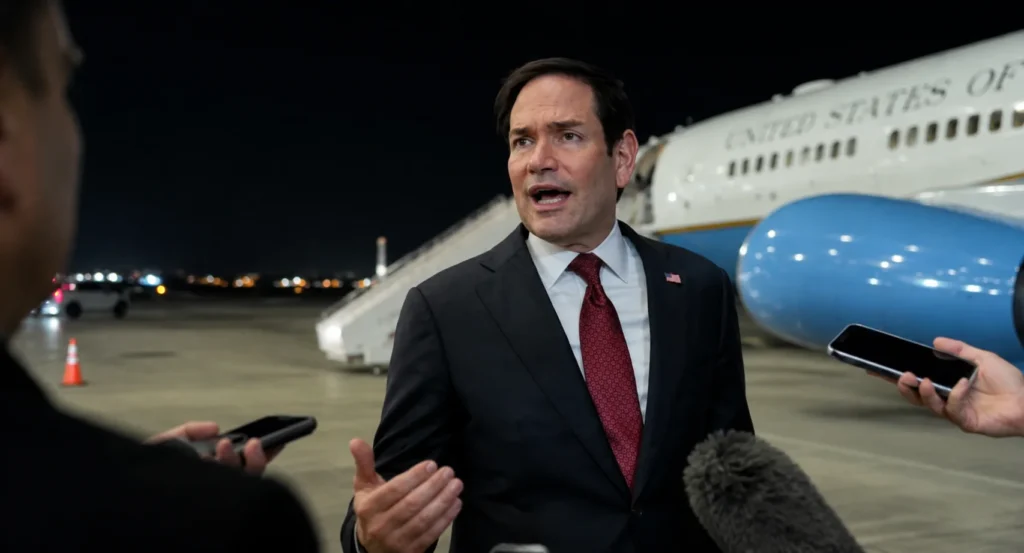
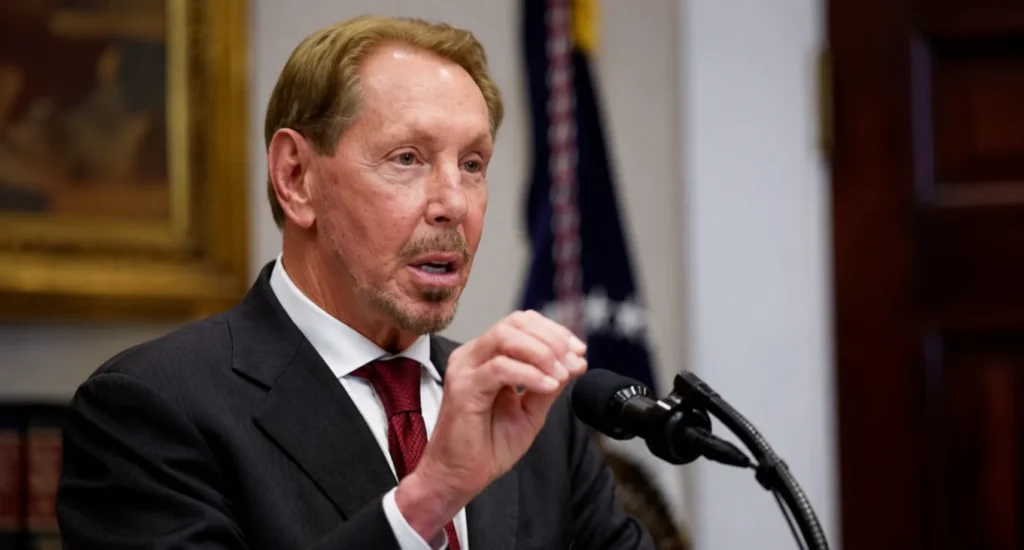
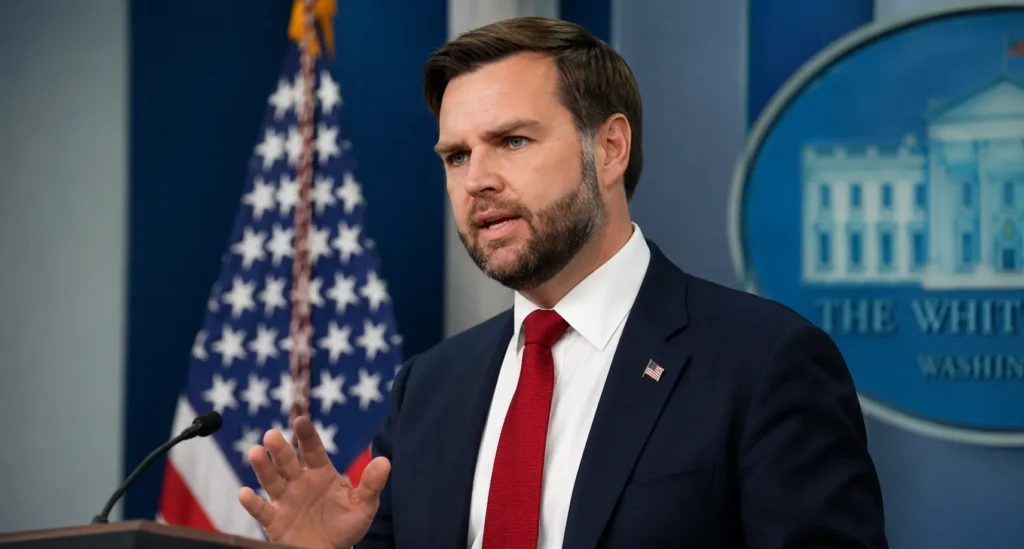
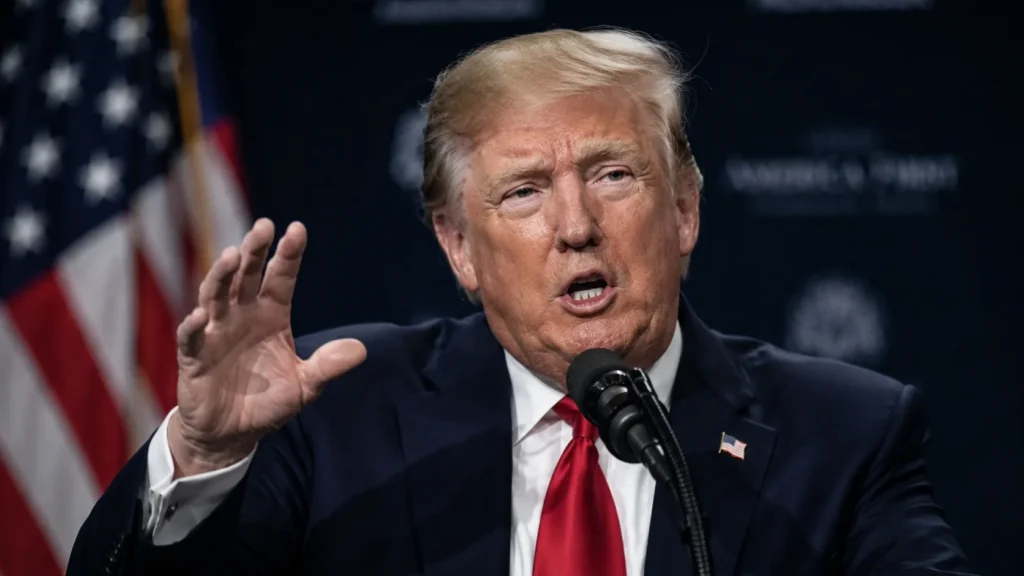
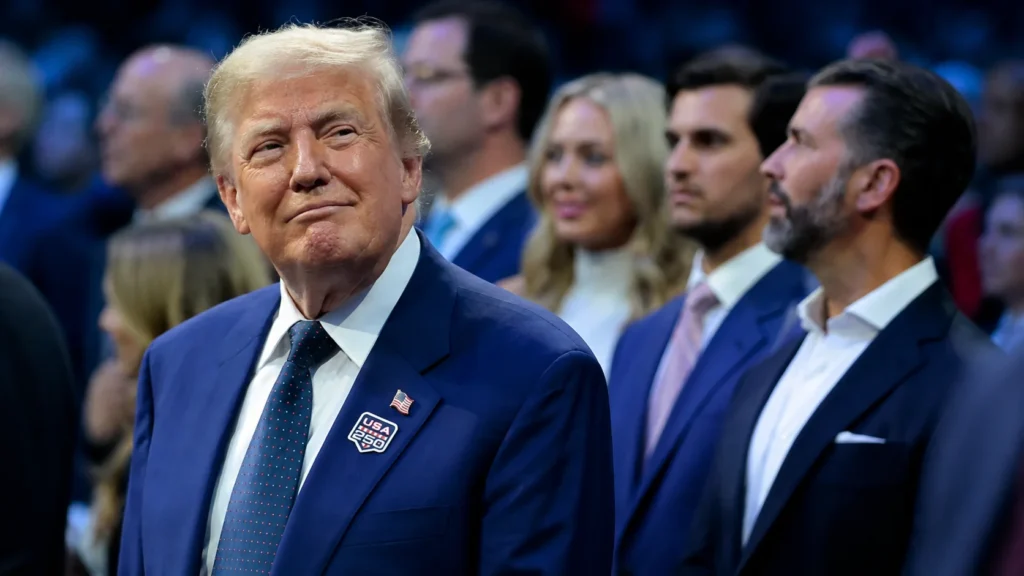
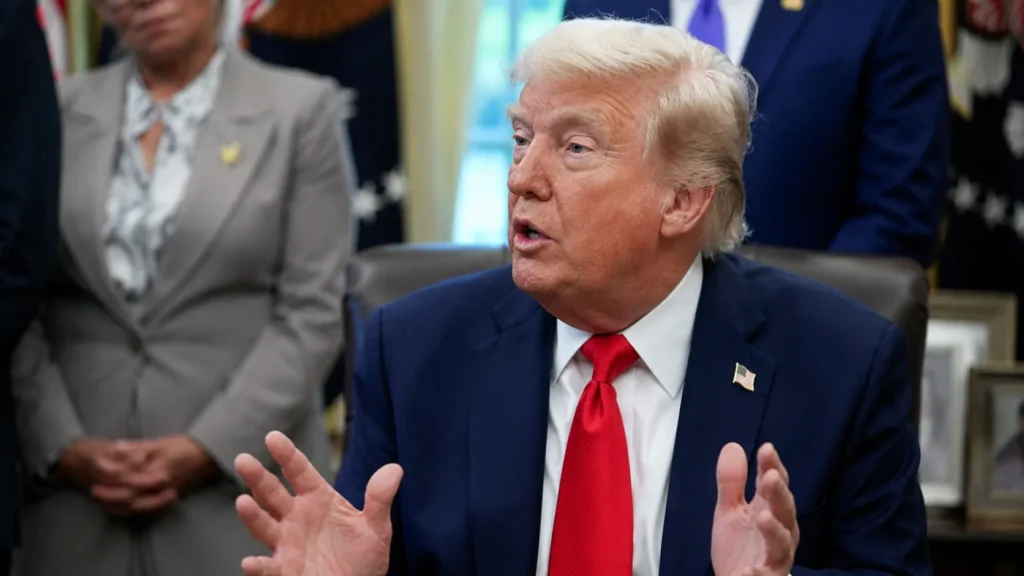
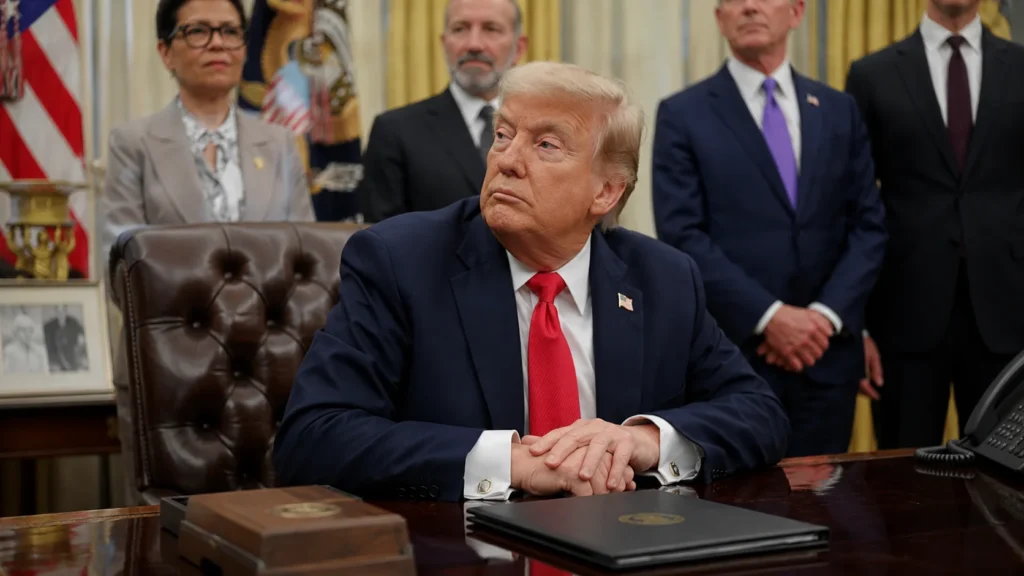
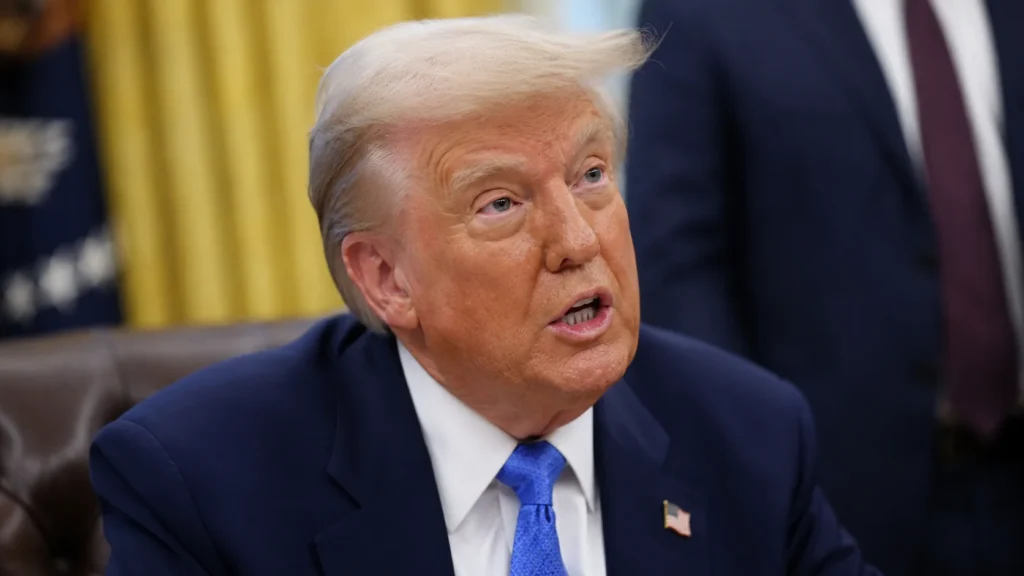
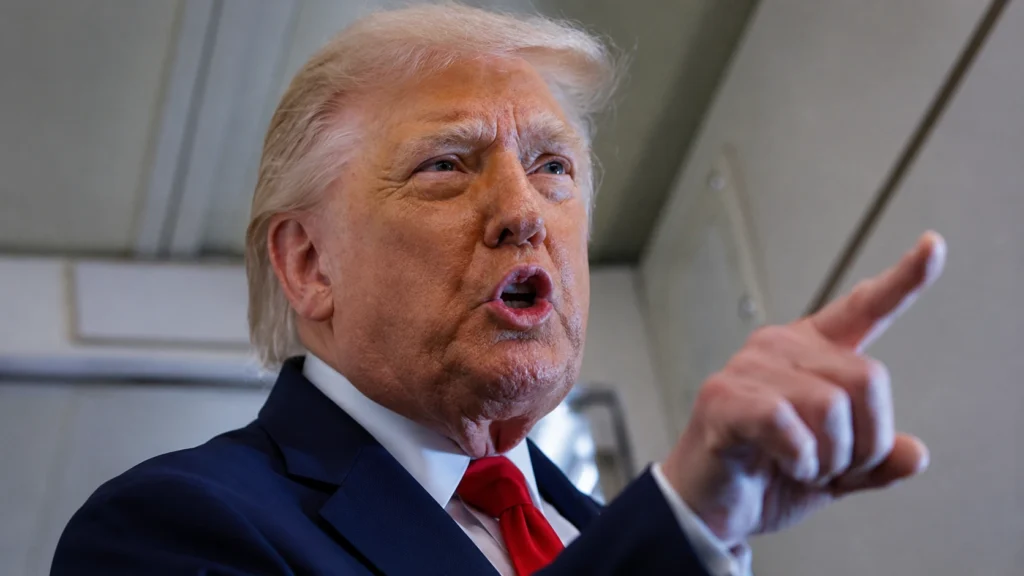
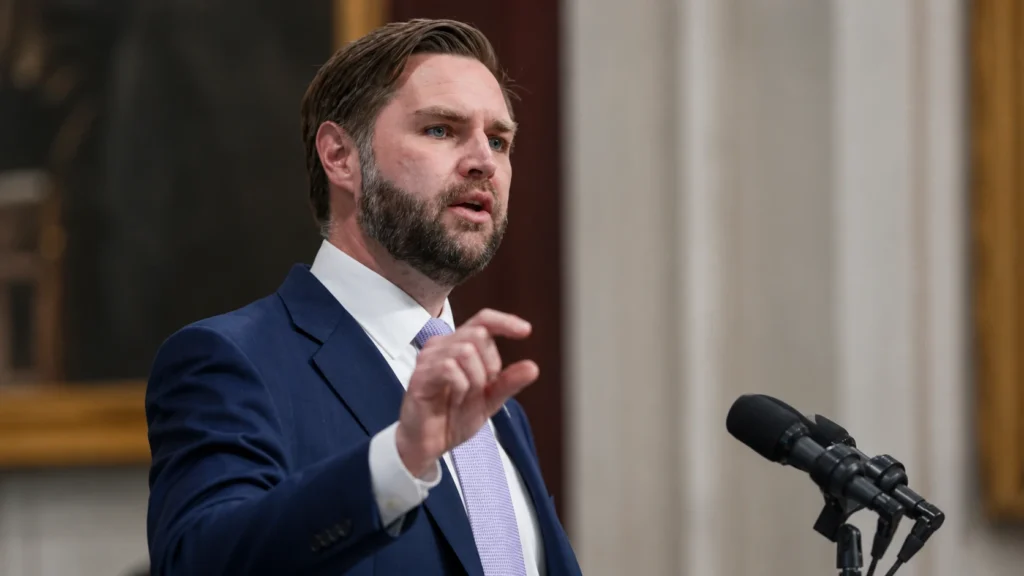
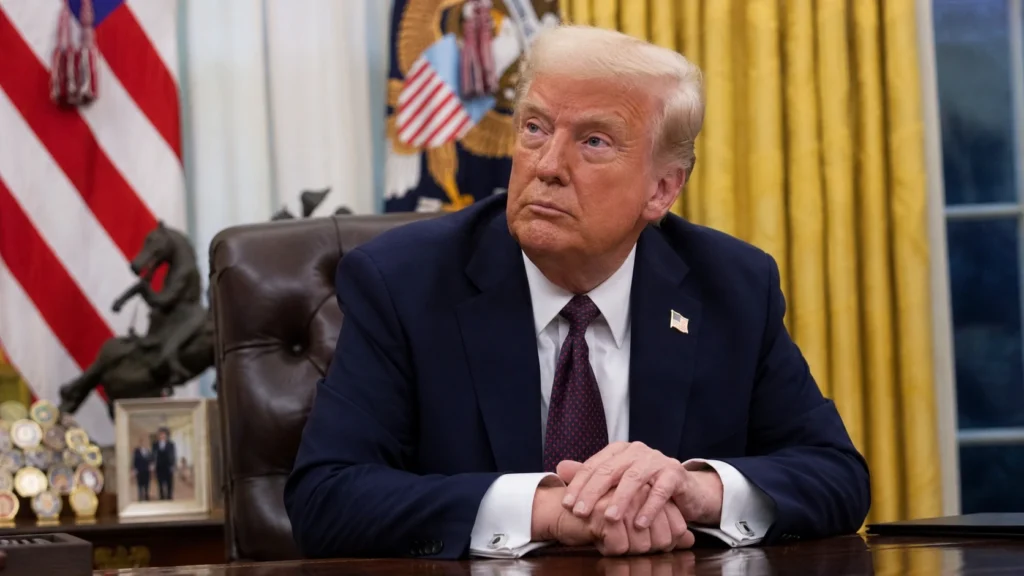
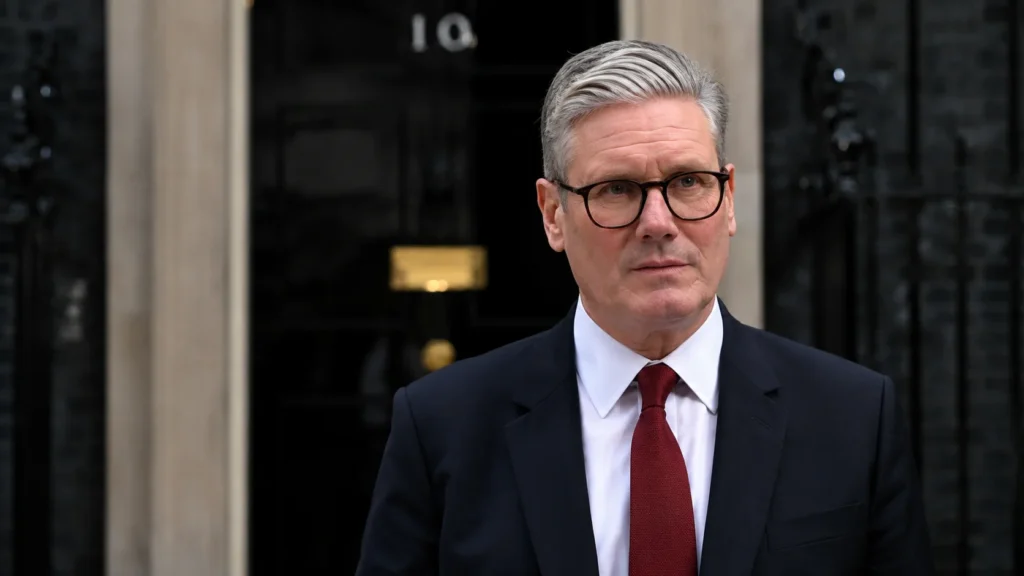
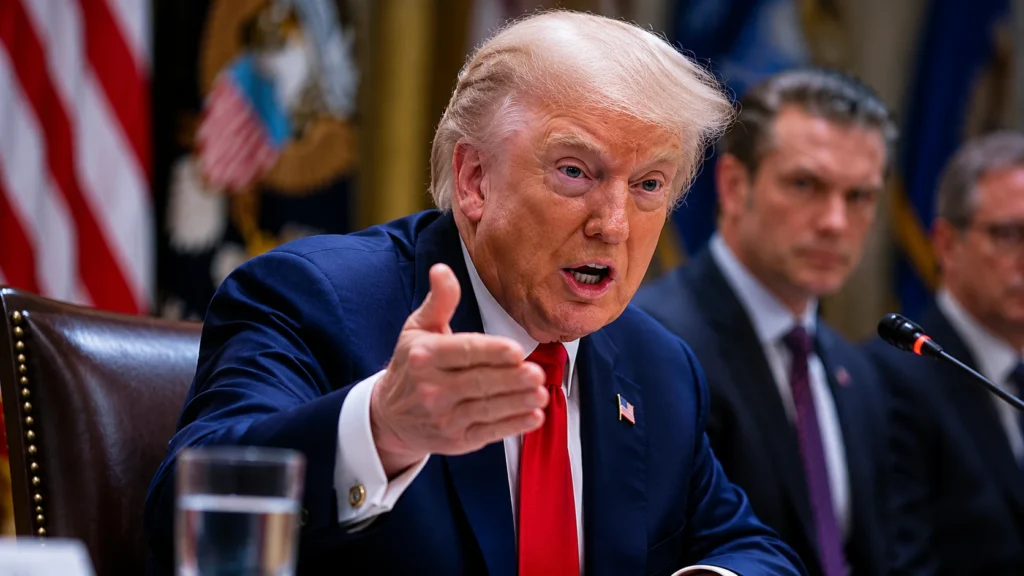
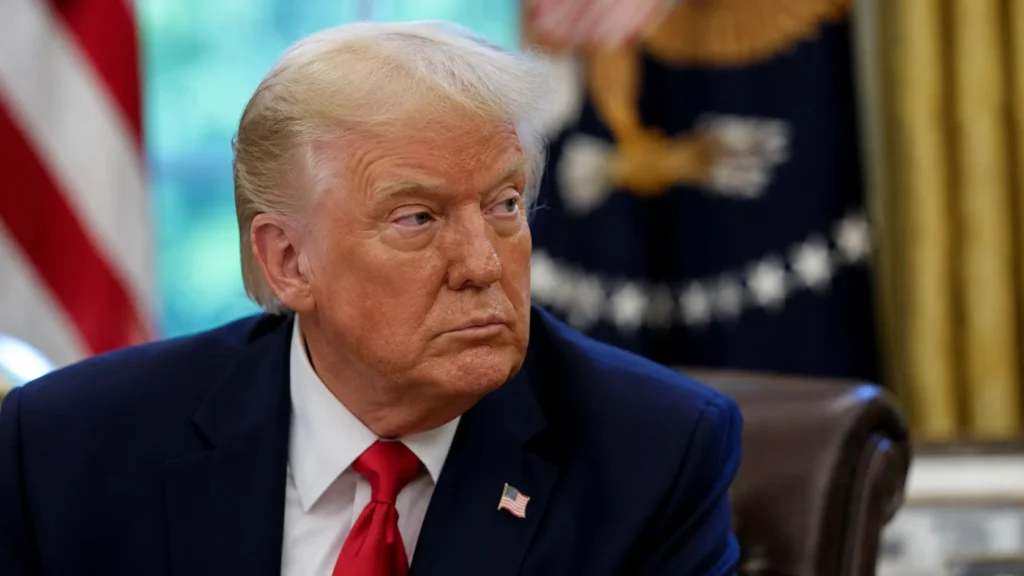
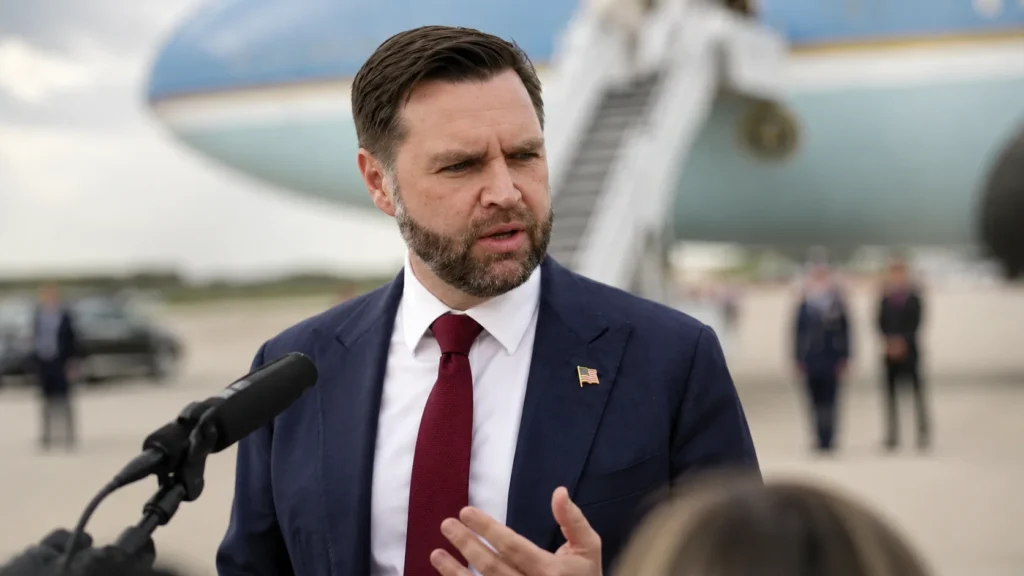
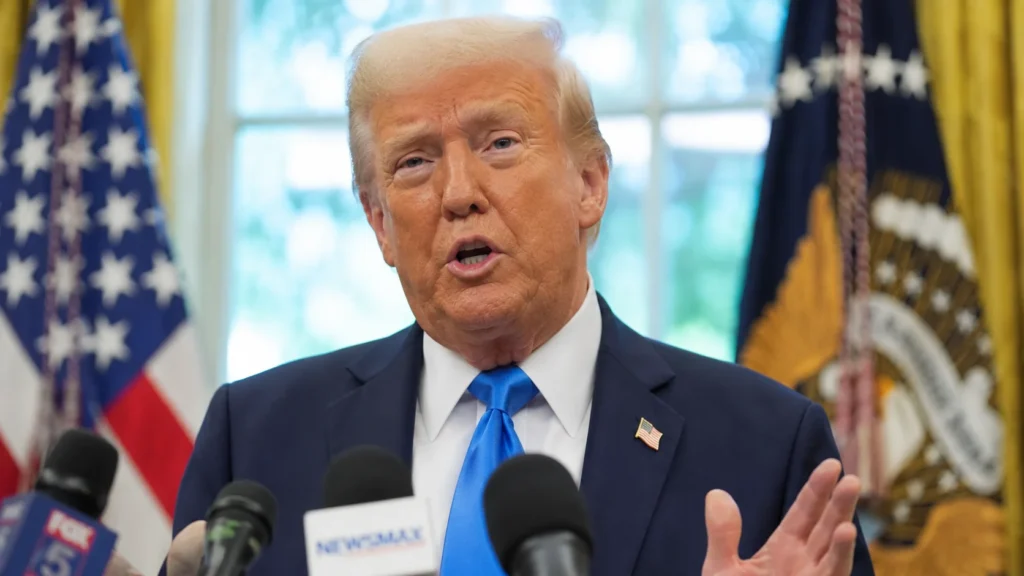
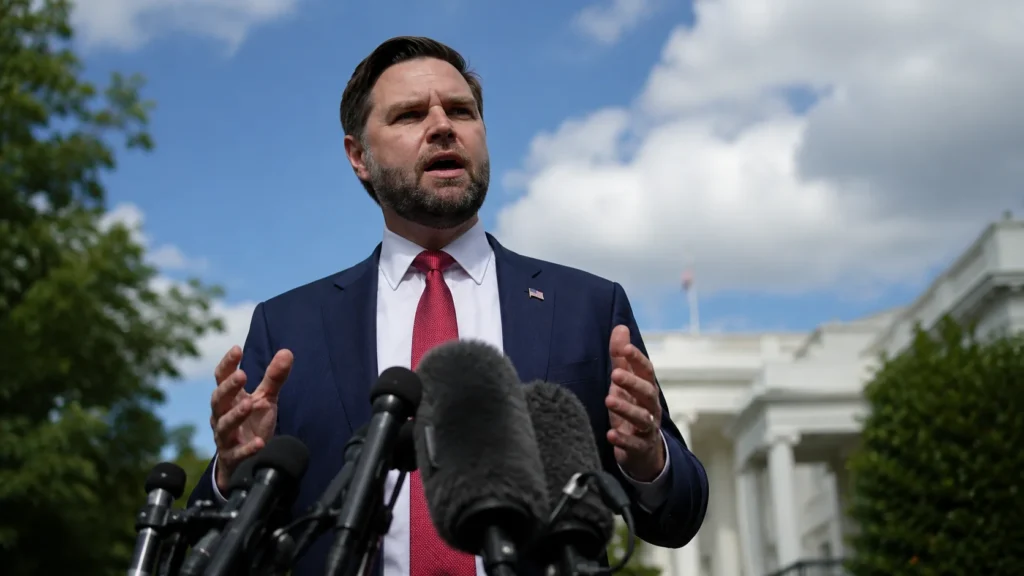
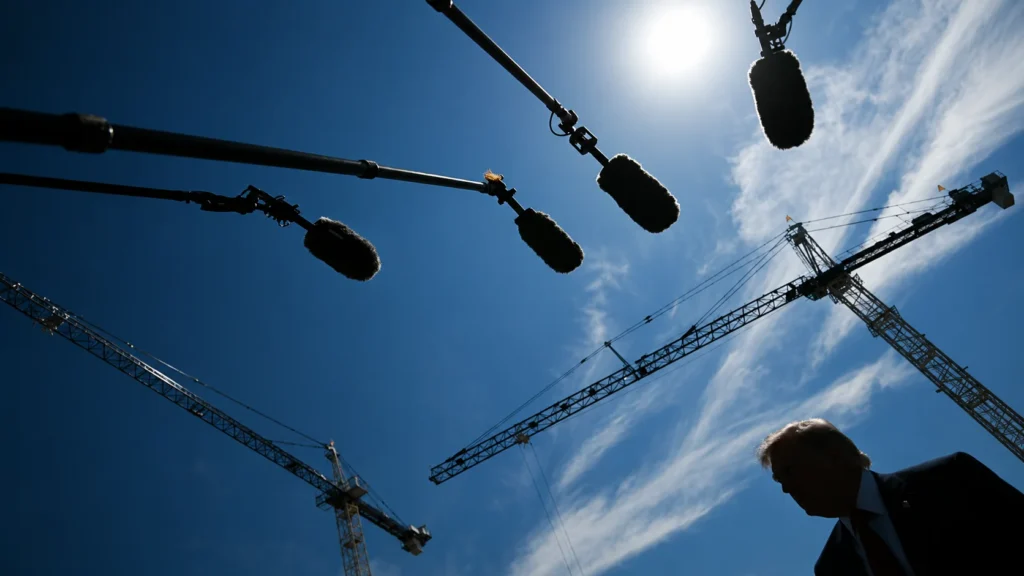
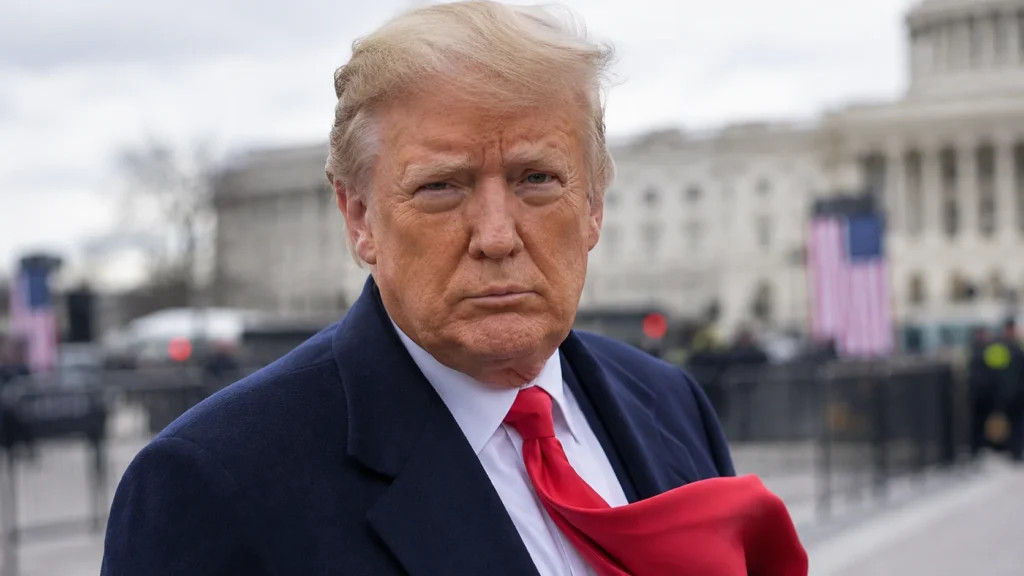
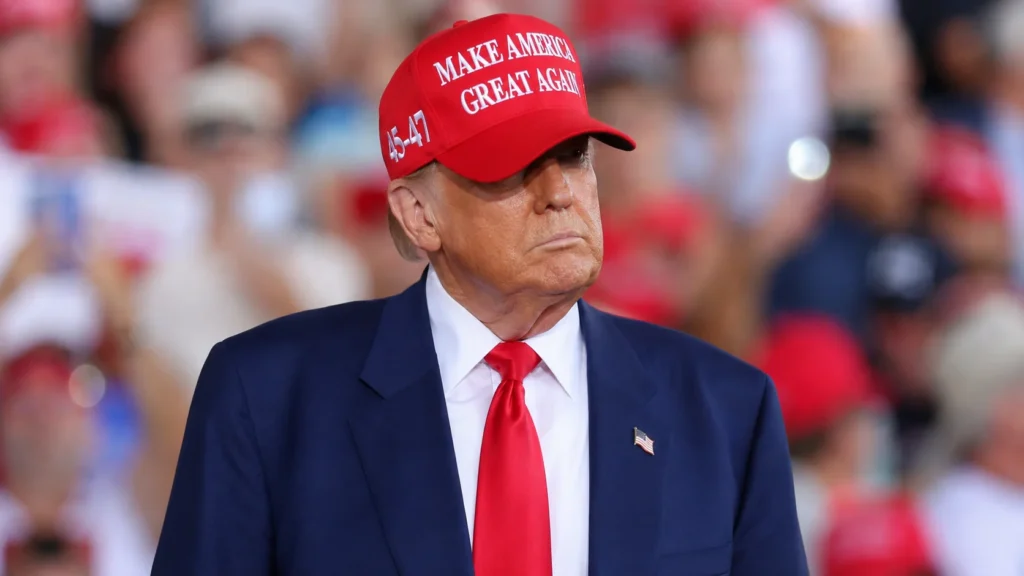
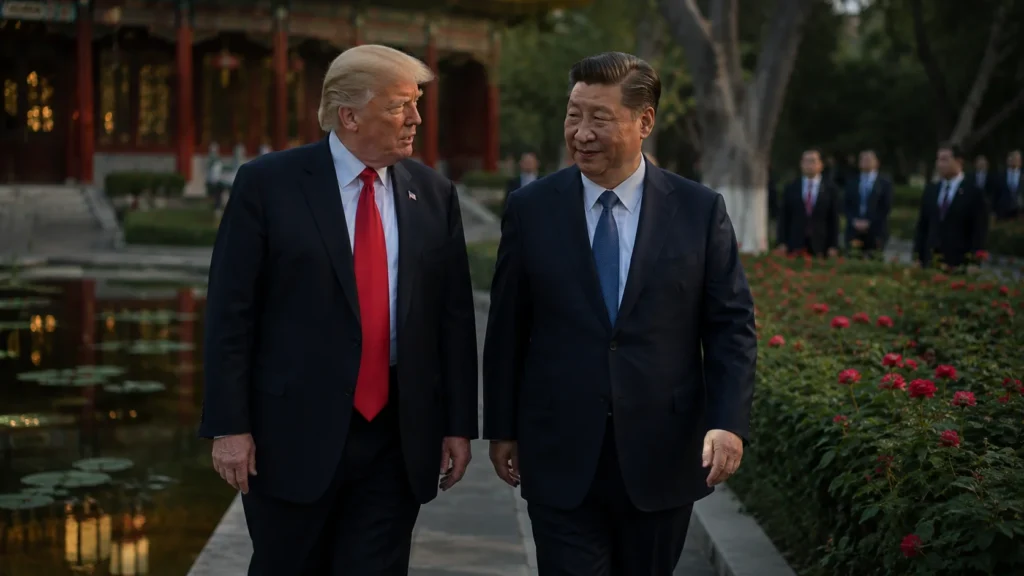
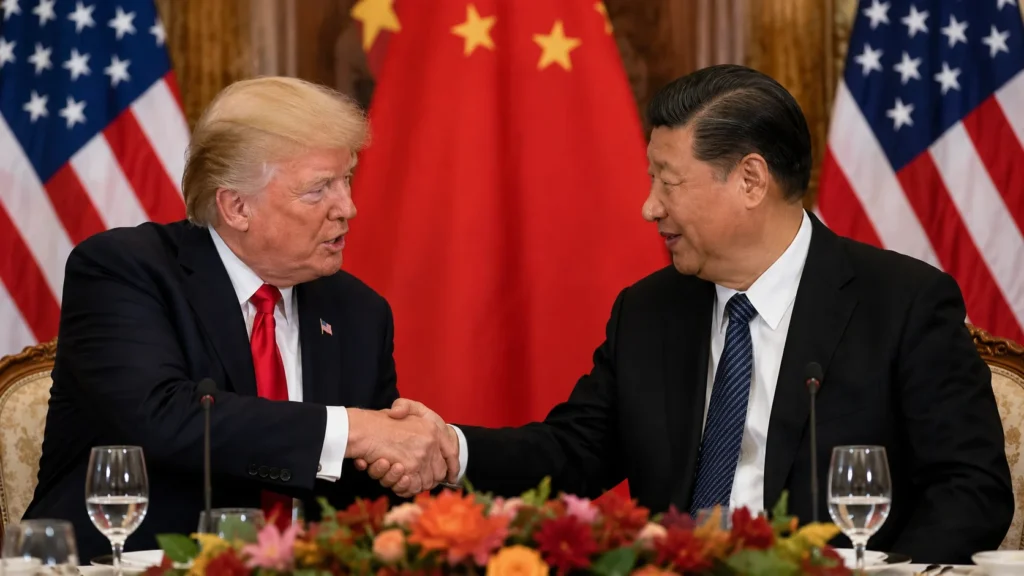
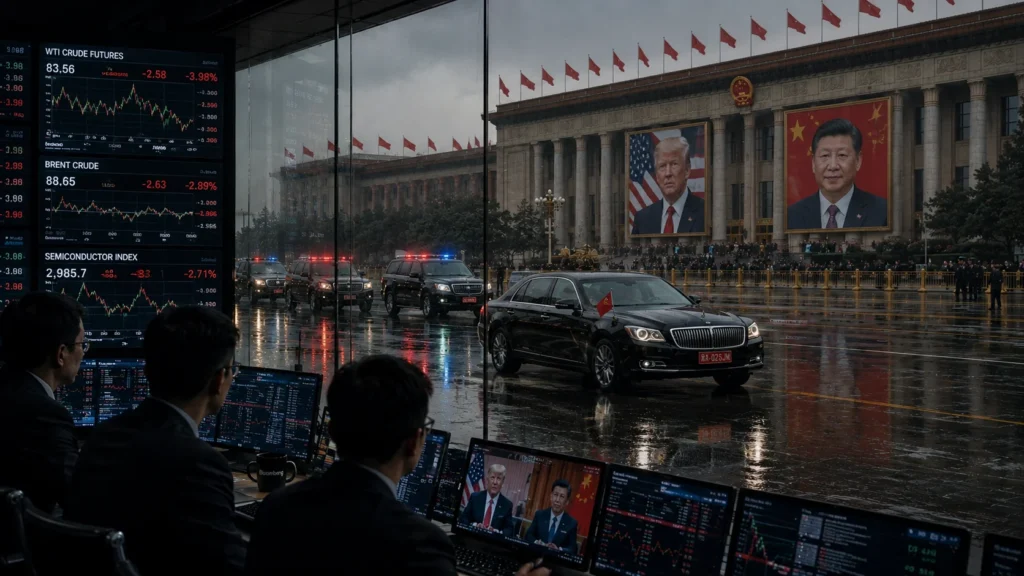
President Donald Trump said he “loves the inflation” at the White House on Wednesday after the Bureau of Labor Statistics reported US consumer prices rose 4.2% in May from a year earlier, the fastest pace in three years. The increase, up from 3.8% in April, marked the third consecutive monthly rise in the Consumer Price Index. Trump later told the New York Post his remarks were taken out of context and he meant inflation was “much lower than anticipated” given the ongoing war with Iran. The comments landed days before newly appointed Federal Reserve Governor Kevin Warsh chairs his first interest rate decision.
How We Got Here: A Timeline
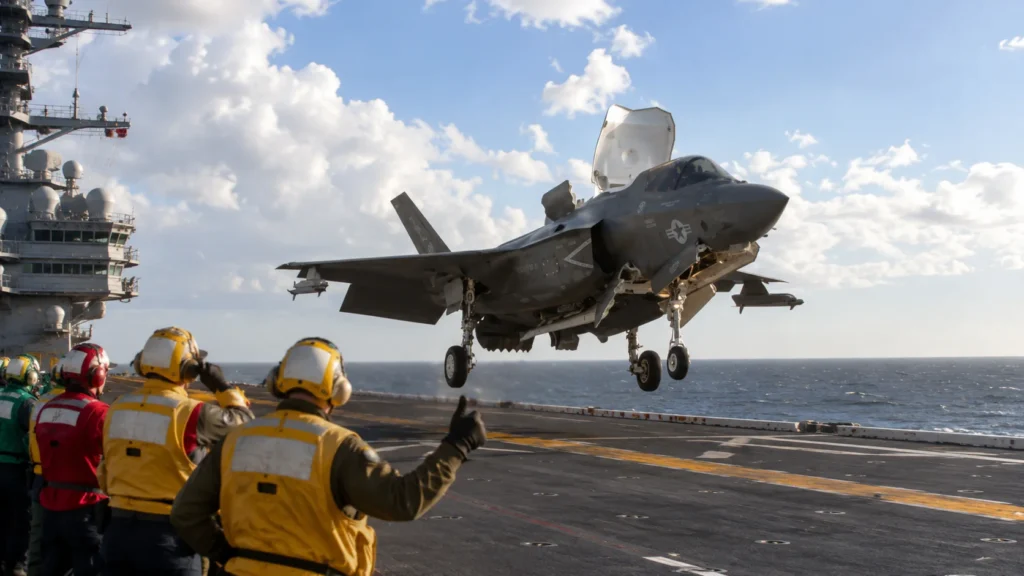
February 28, 2025: President Trump launches military strikes on Iran. The average price of regular petrol stands at $2.98 per gallon, according to motoring group AAA.
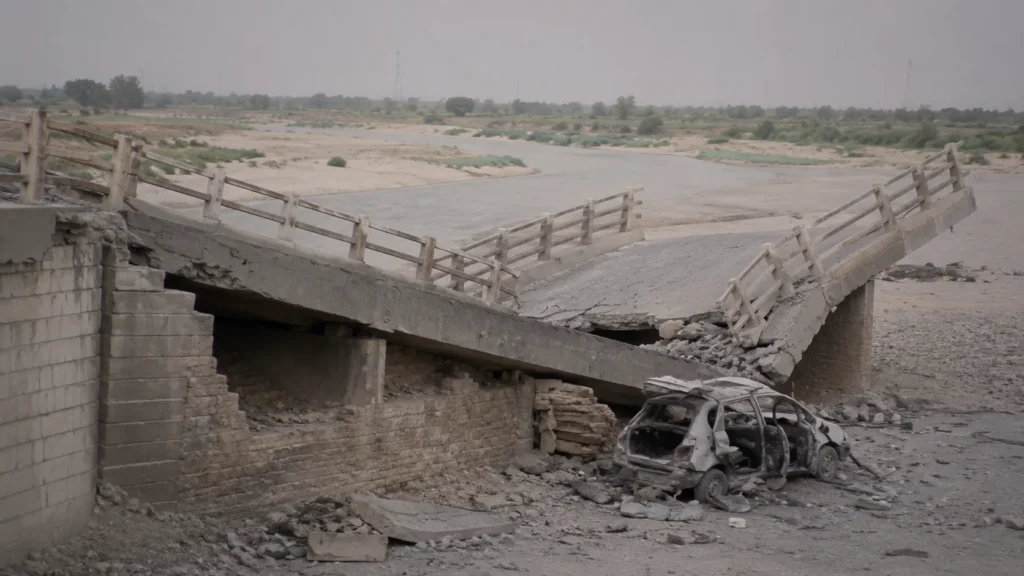
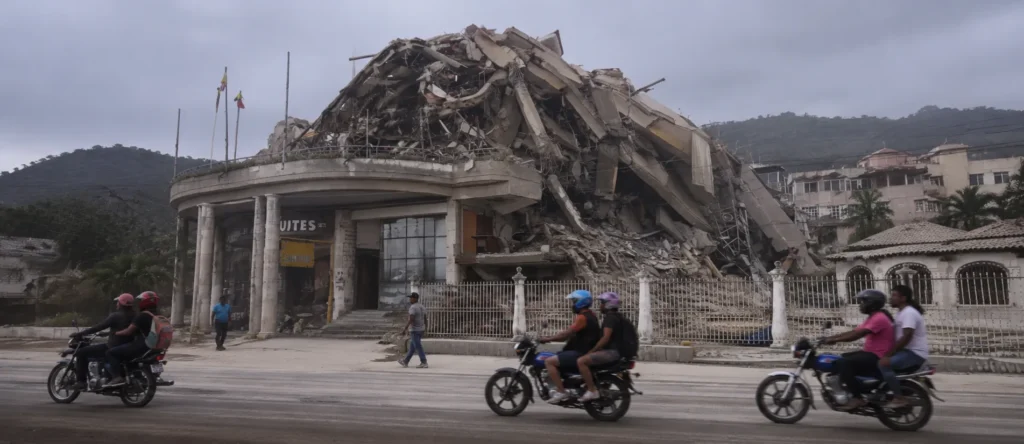
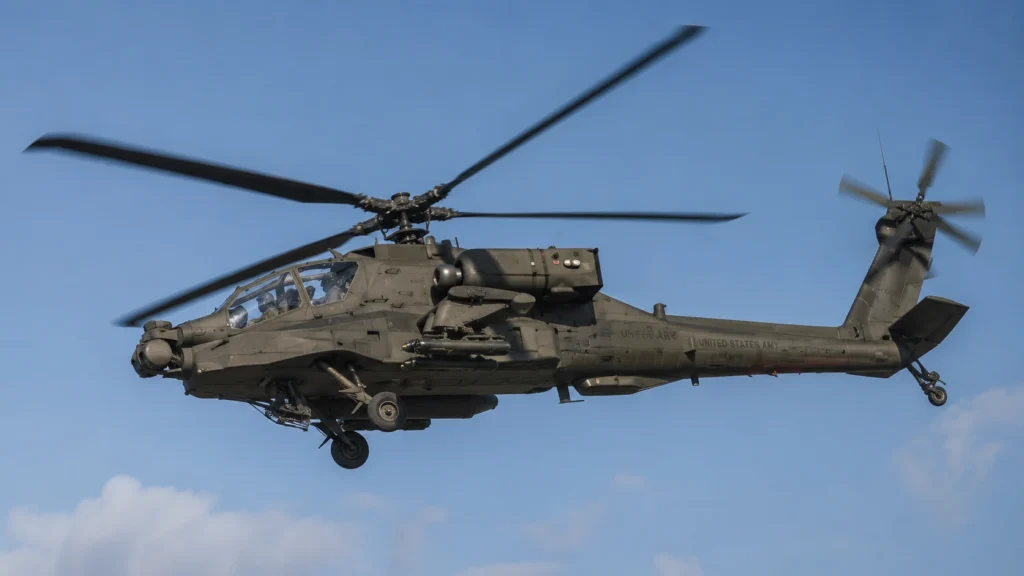
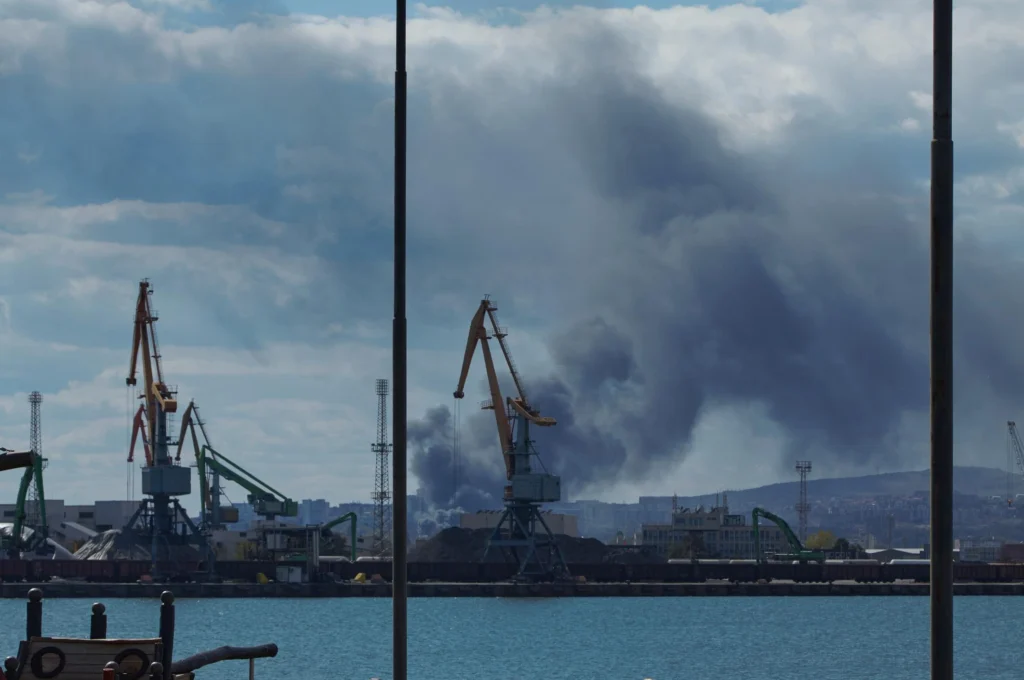
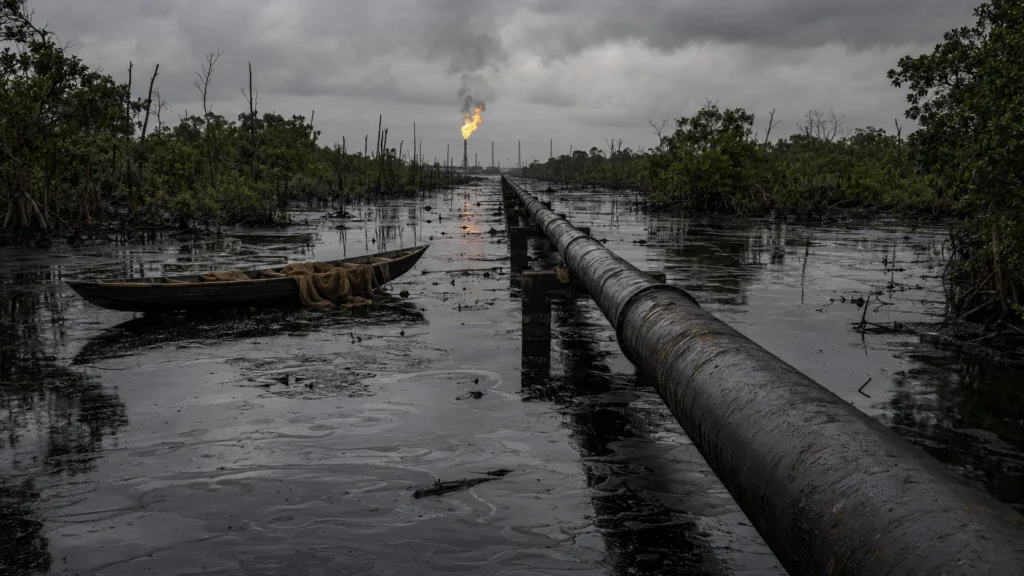
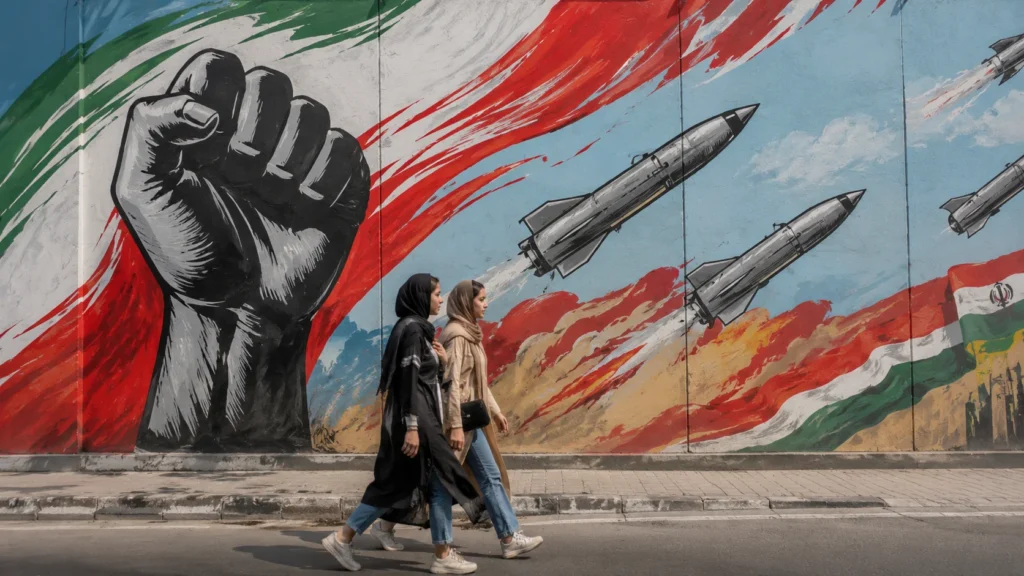
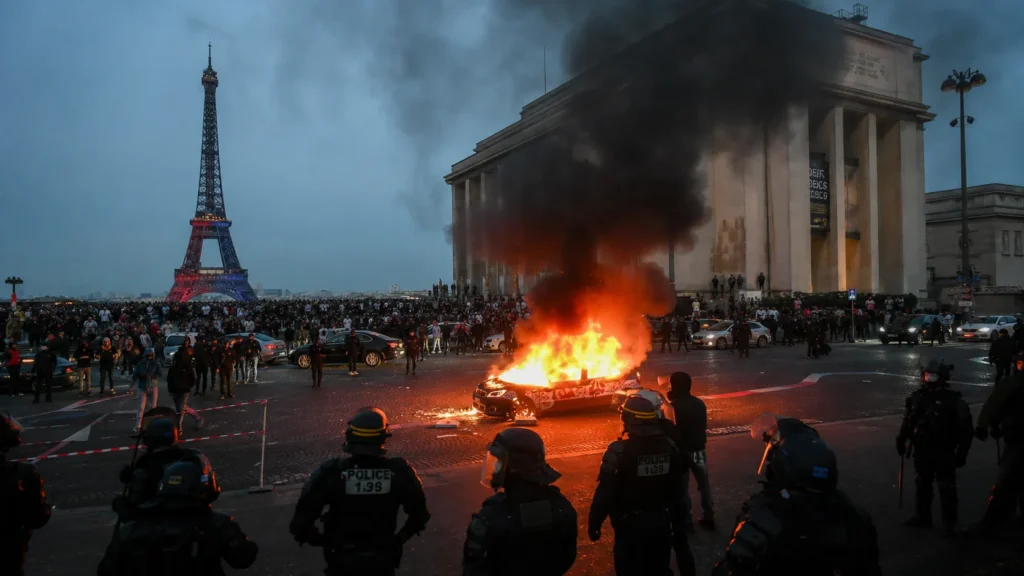
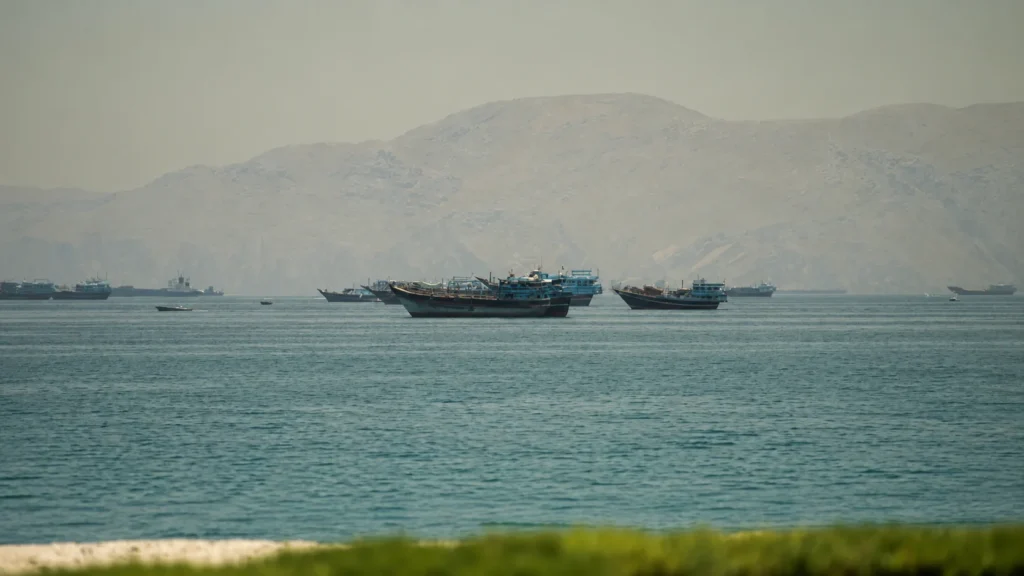
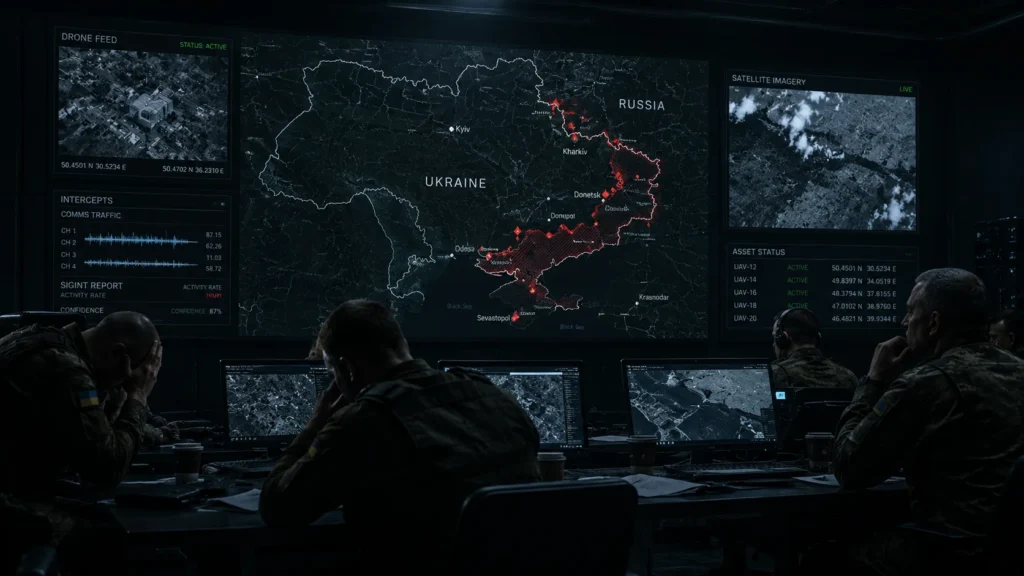
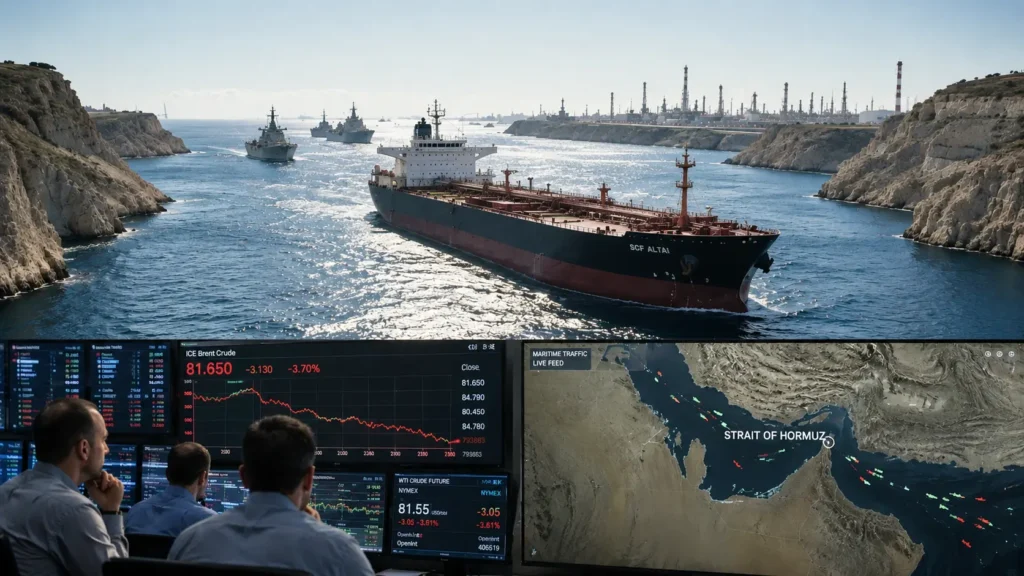
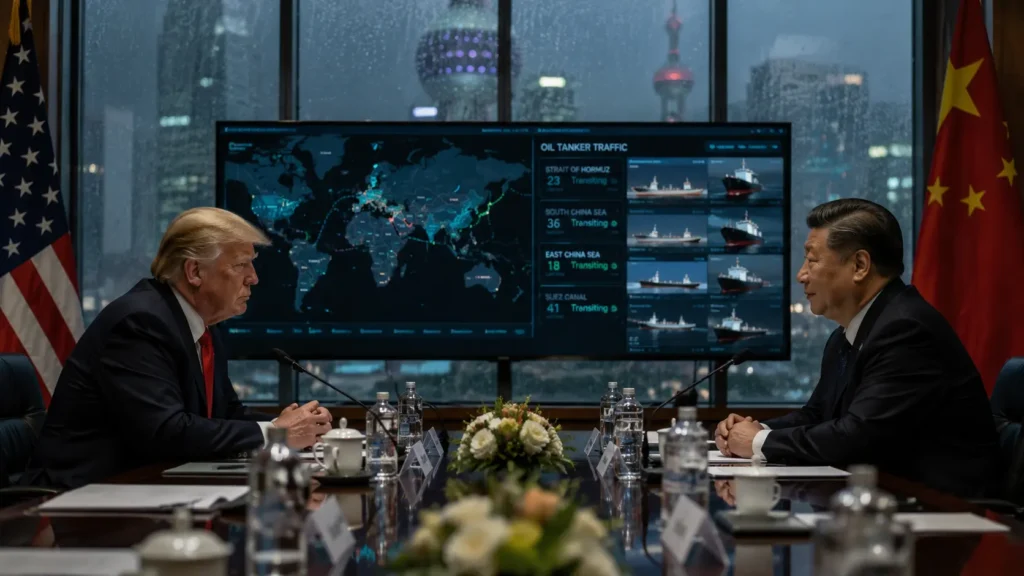
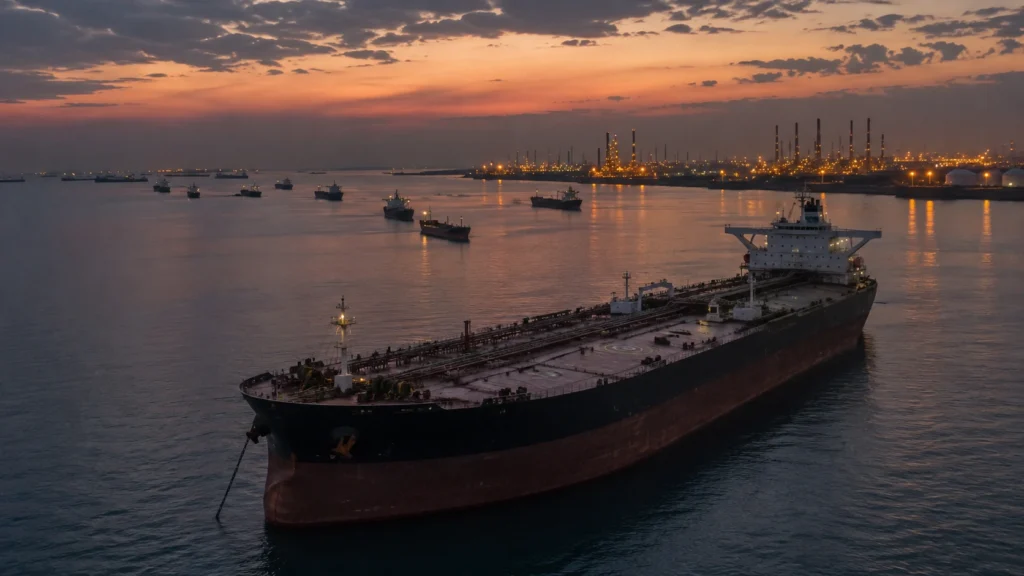
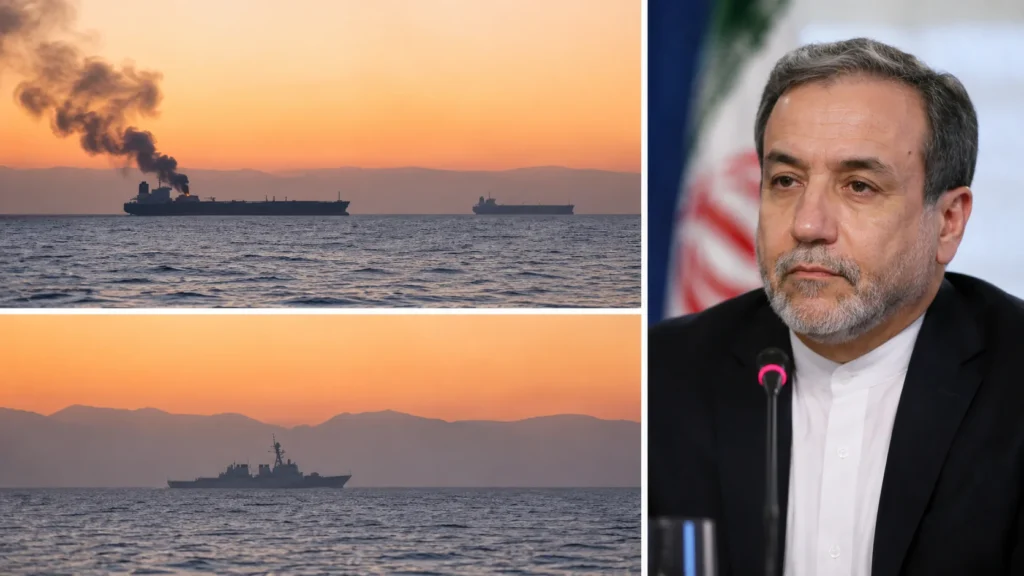
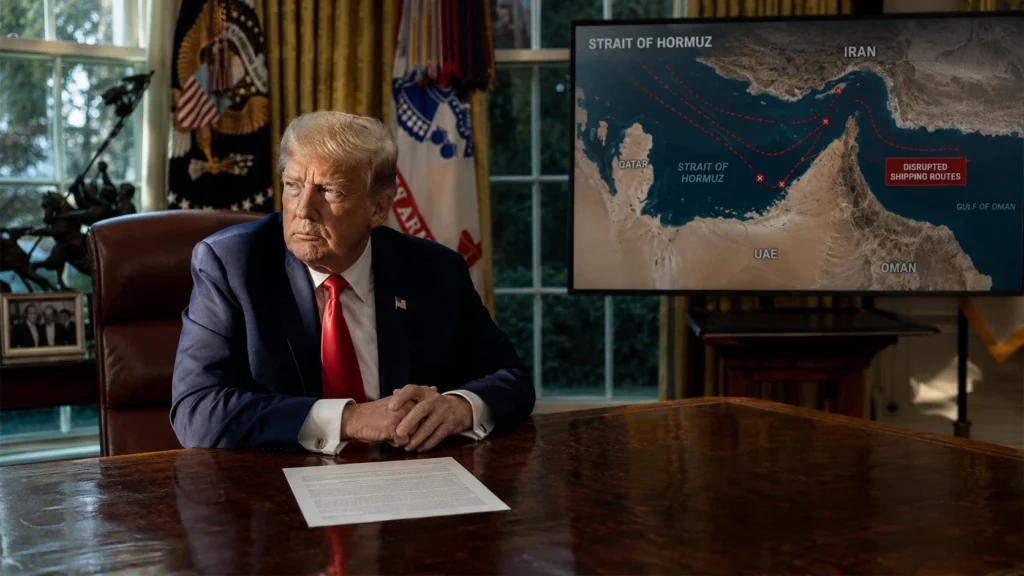
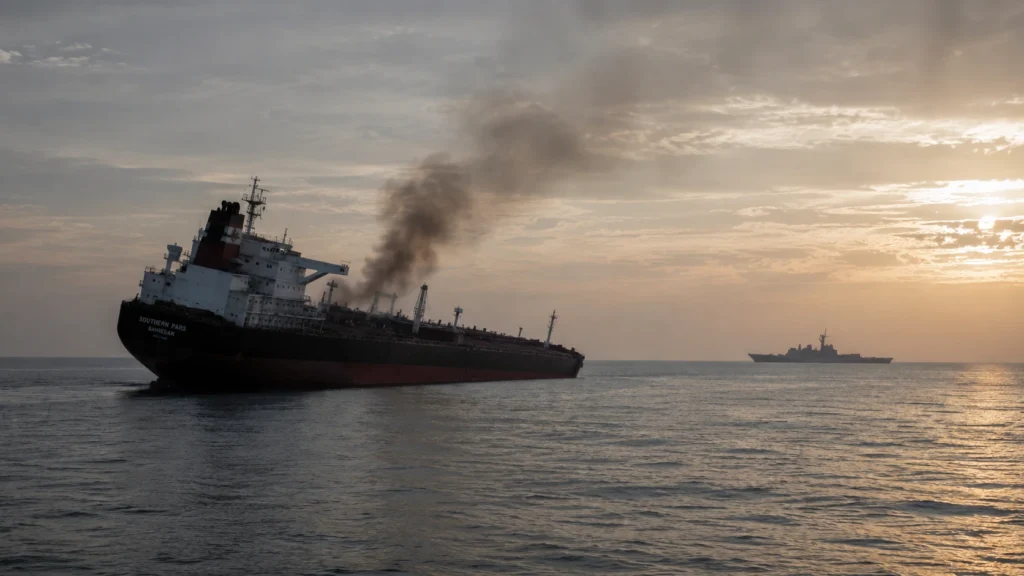
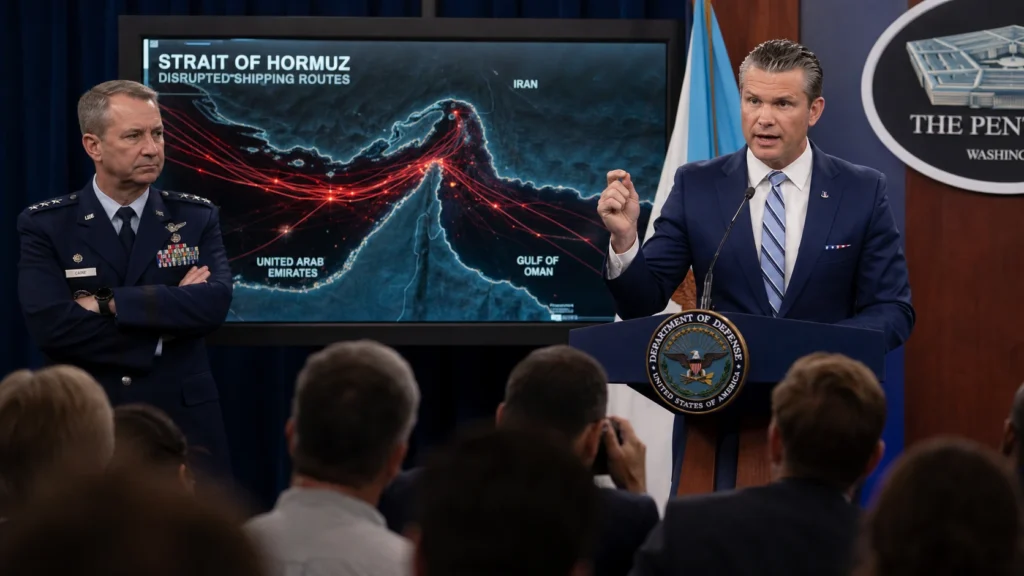
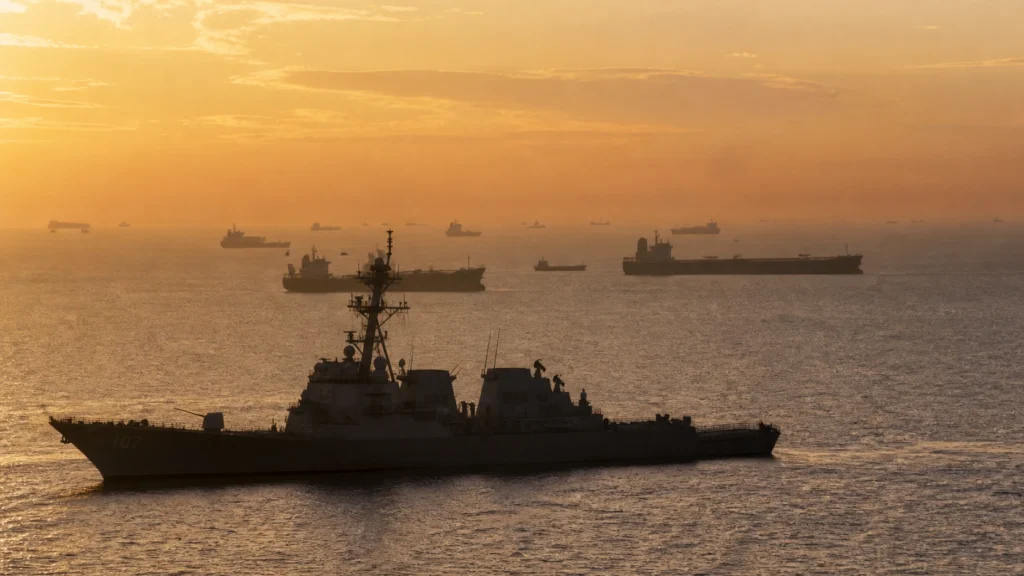
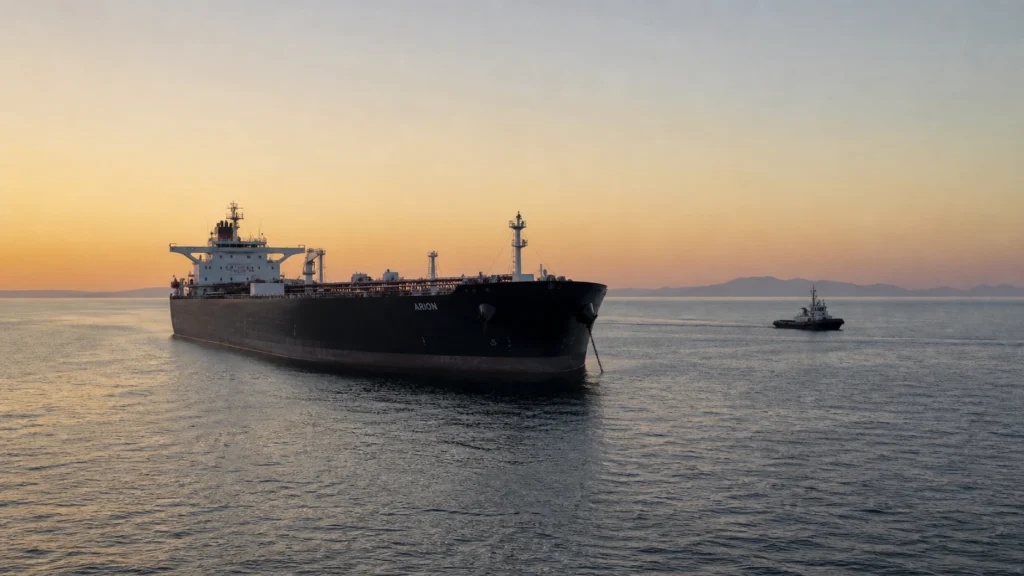
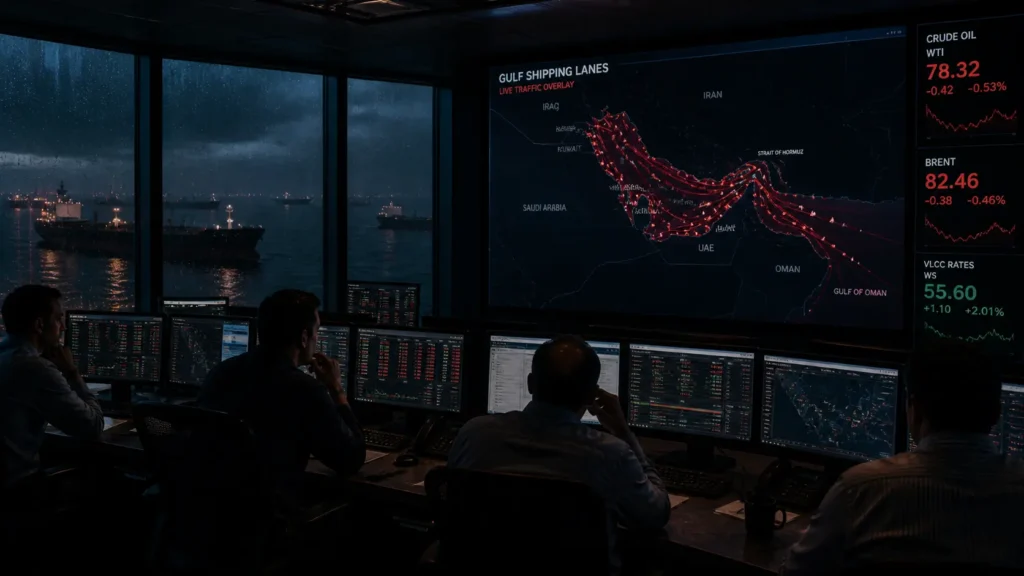
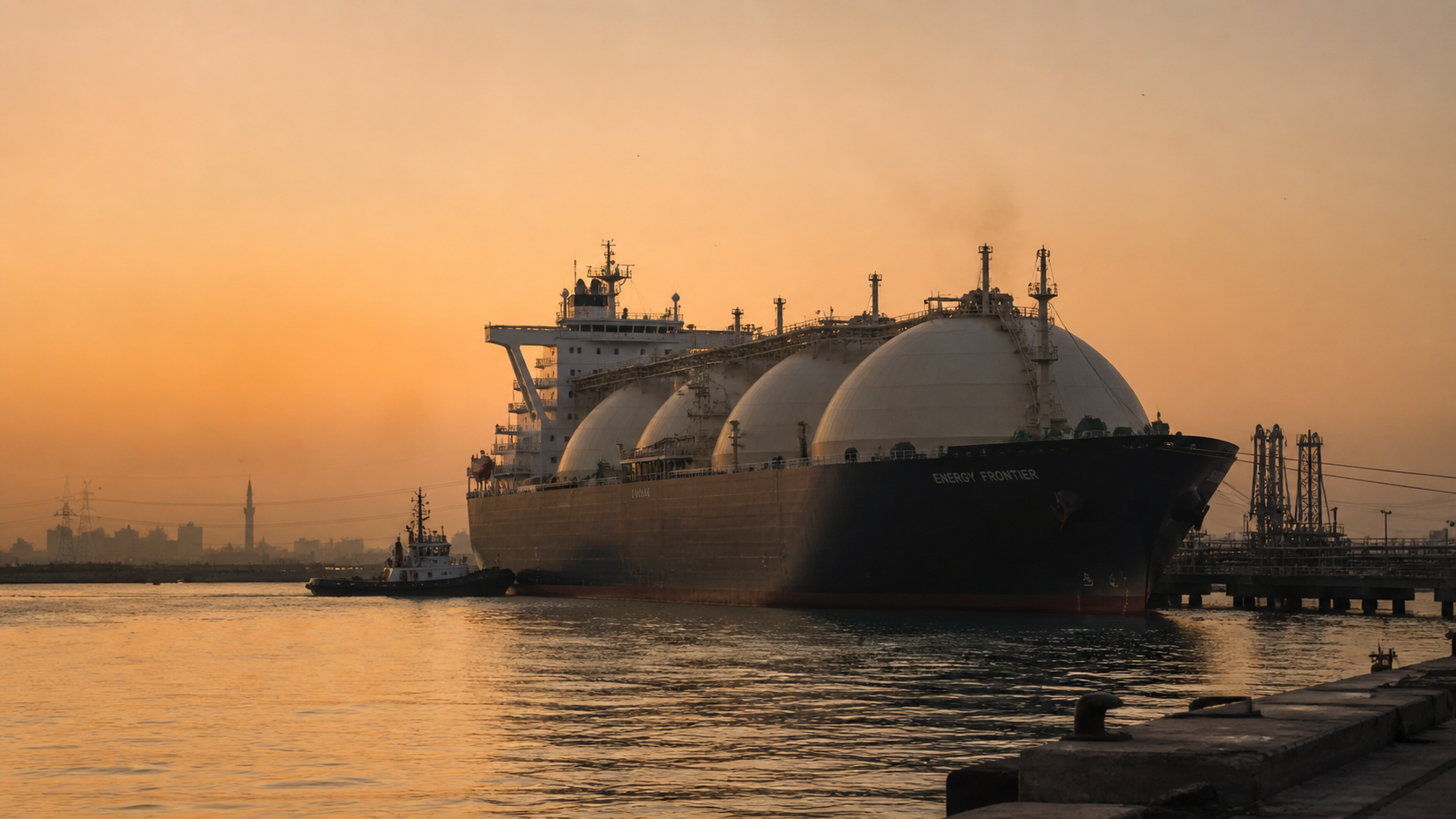
April 2025: The US and Iran agree to a ceasefire initially meant to last two weeks. Both sides have since exchanged intermittent fire without returning to full-scale hostilities. The Strait of Hormuz, which typically ships around a fifth of the world’s oil and gas, has been effectively closed since the conflict began.
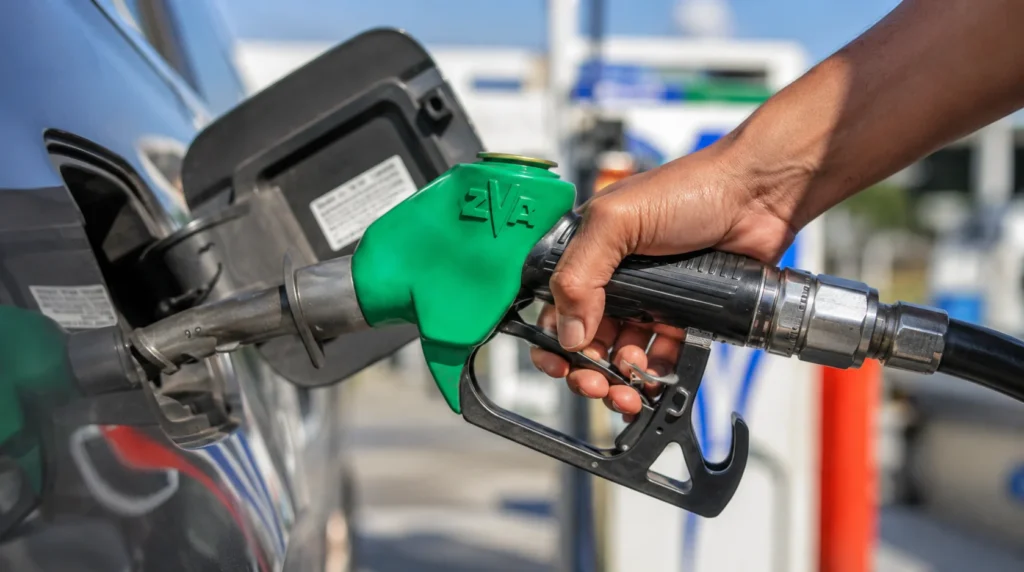
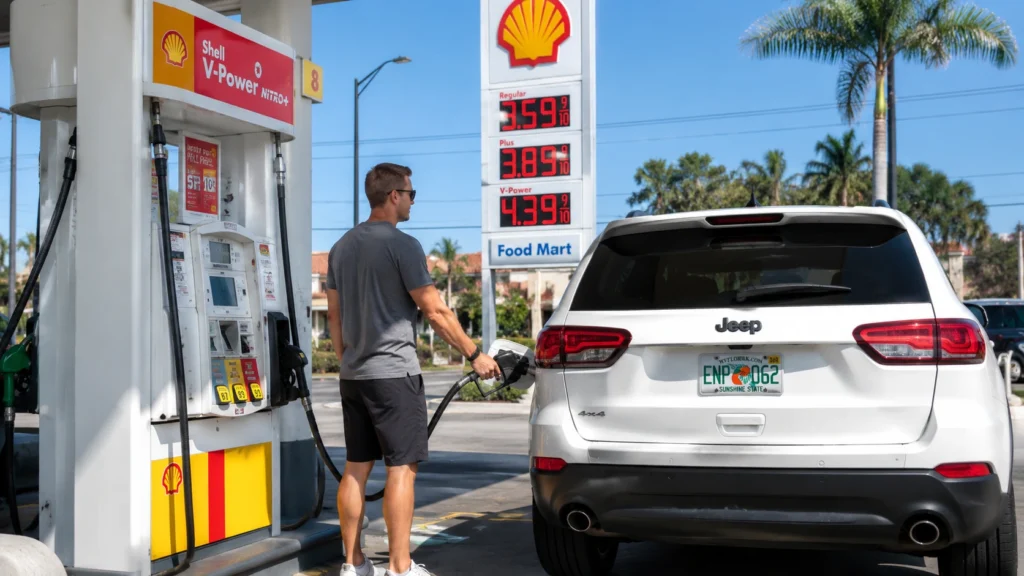
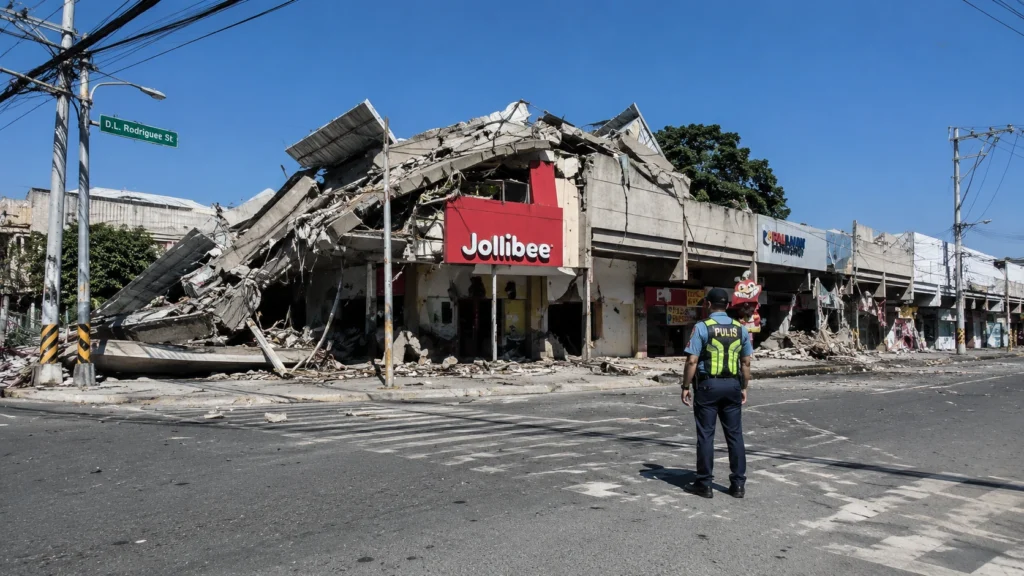
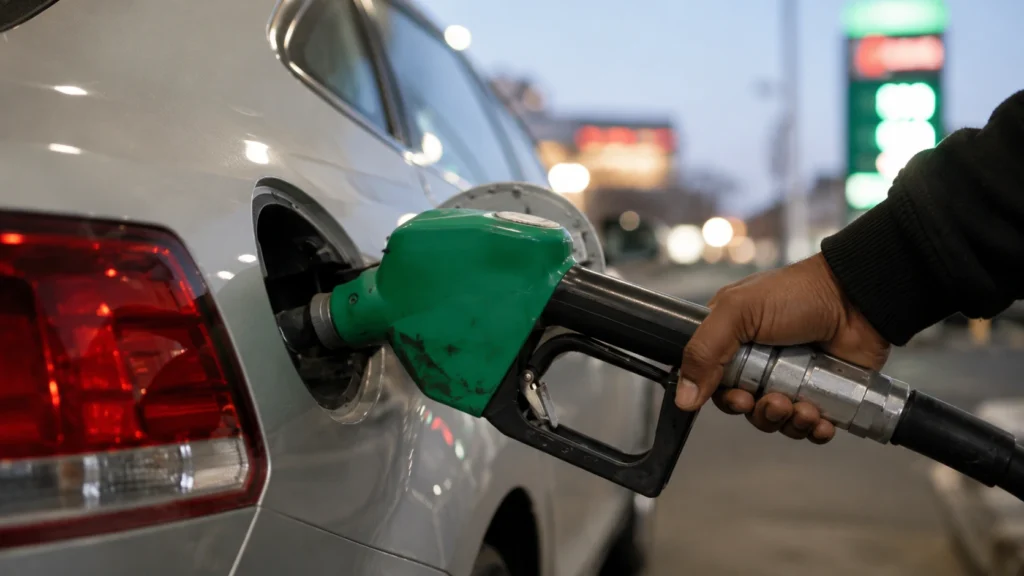
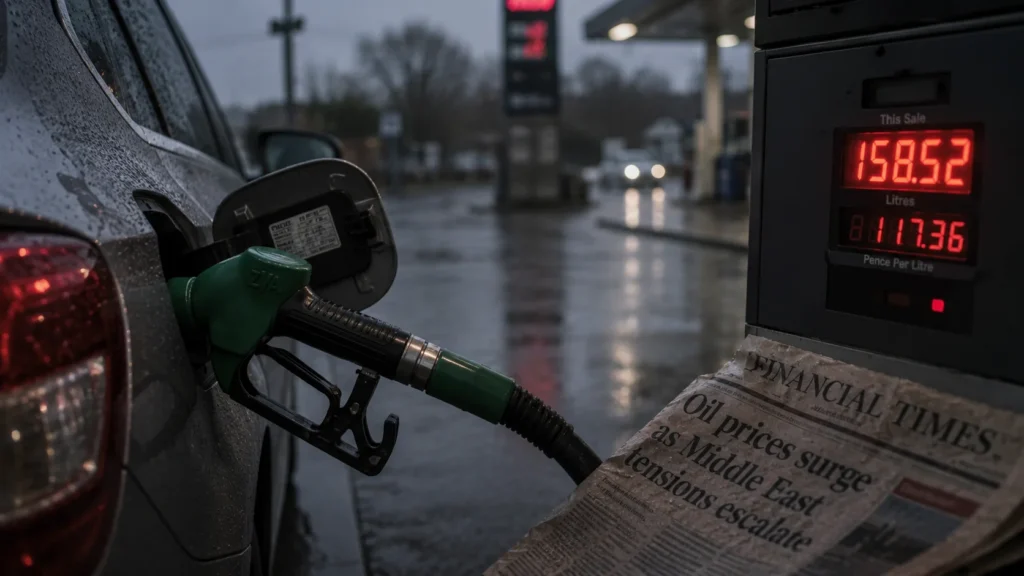
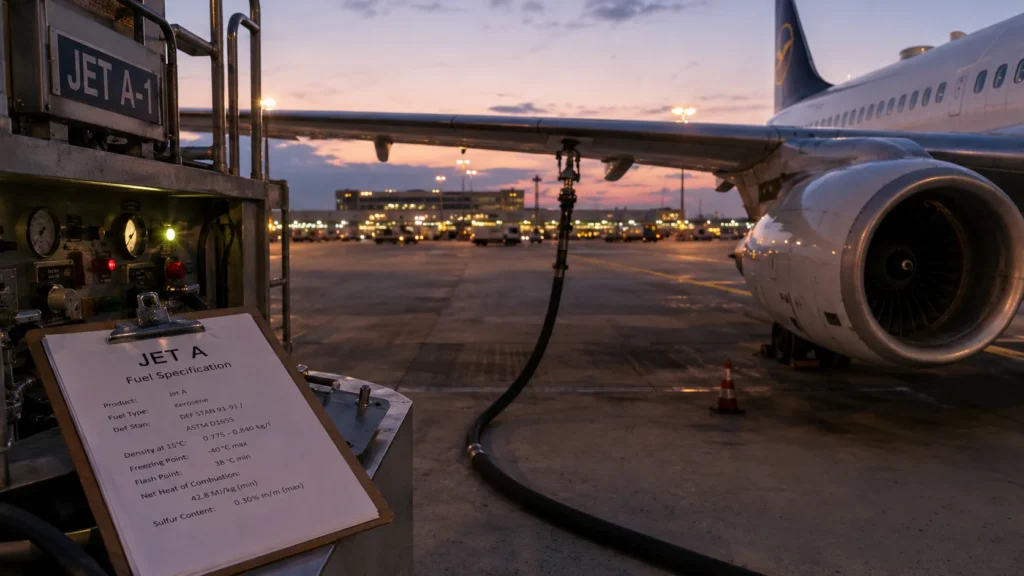
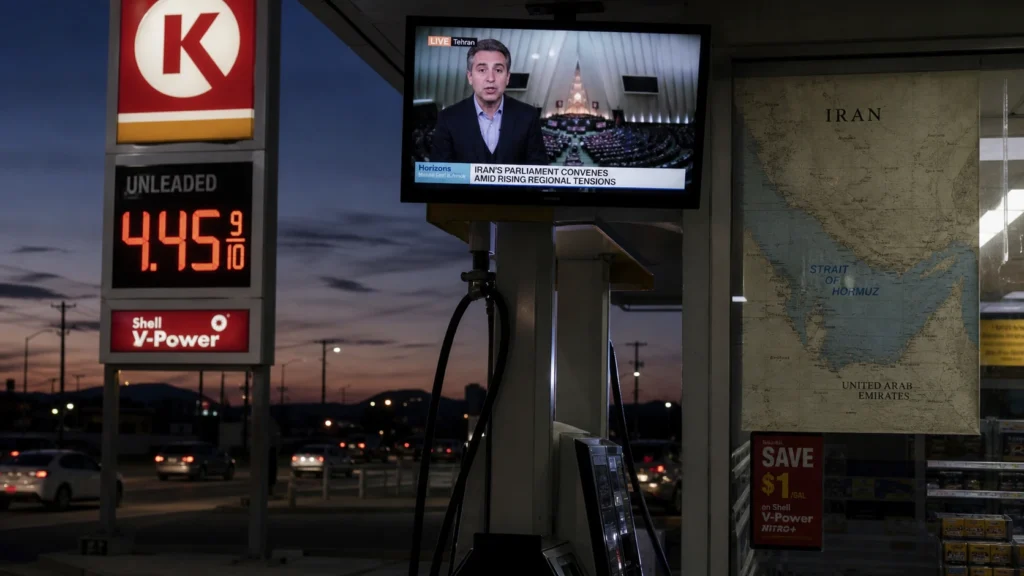
May 2025: The Bureau of Labor Statistics reports CPI at 4.2%, up from 3.8% in April. Overall energy bills, including gas and electricity, rose by almost a quarter from a year earlier. Petrol reaches $4.15 per gallon. The BLS also records rising costs for plane tickets, personal and medical care, recreation, and communication.
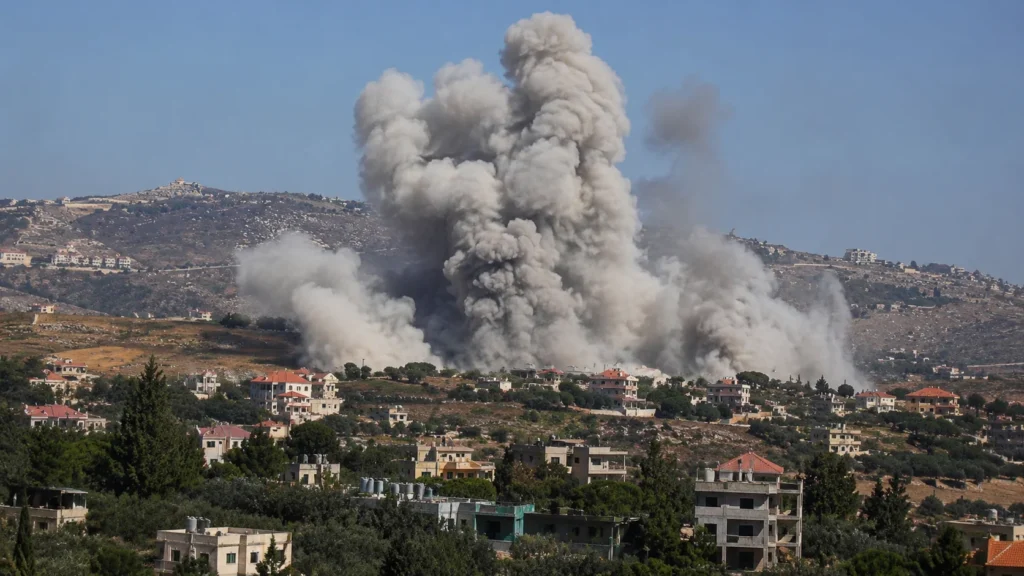
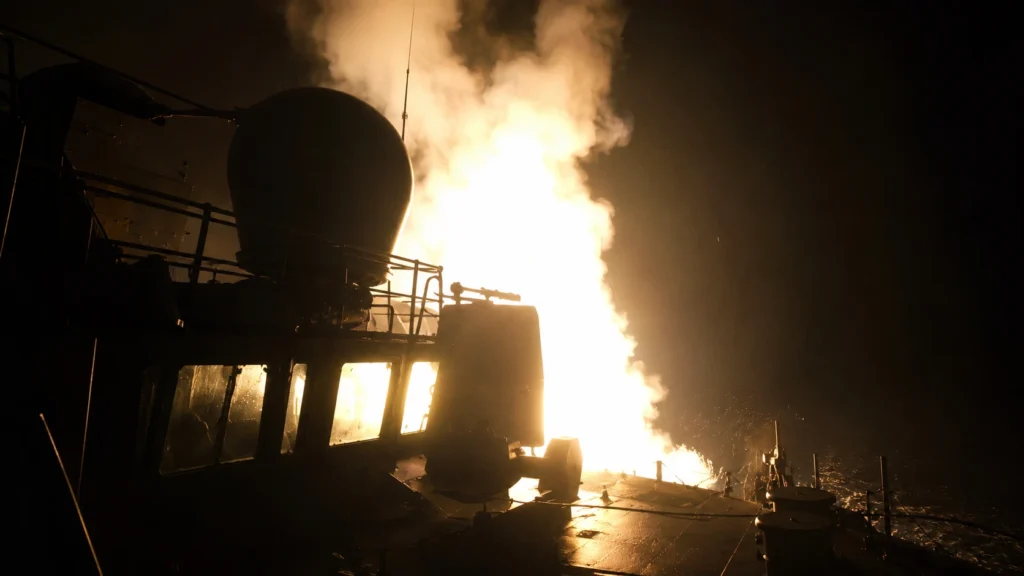
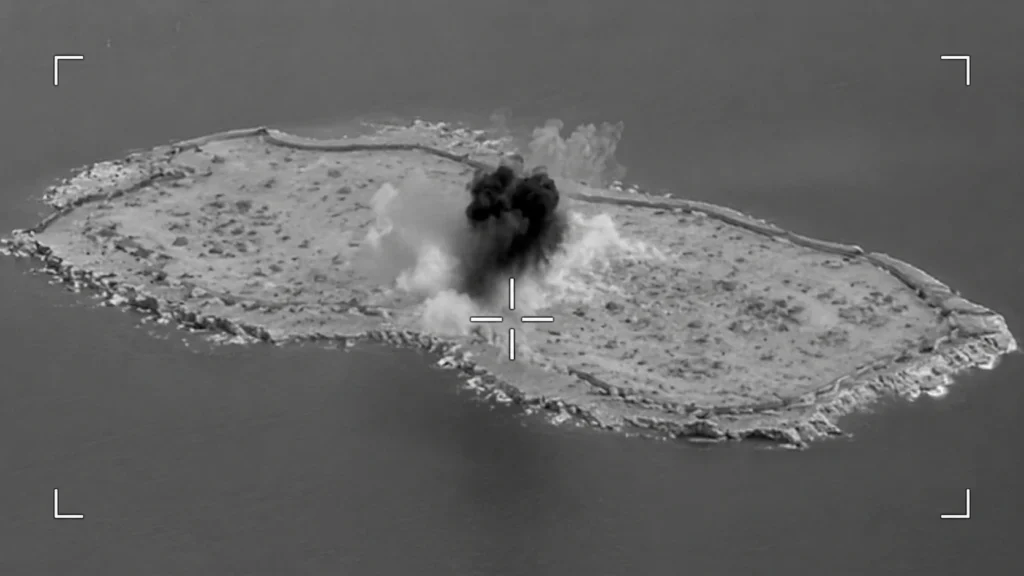
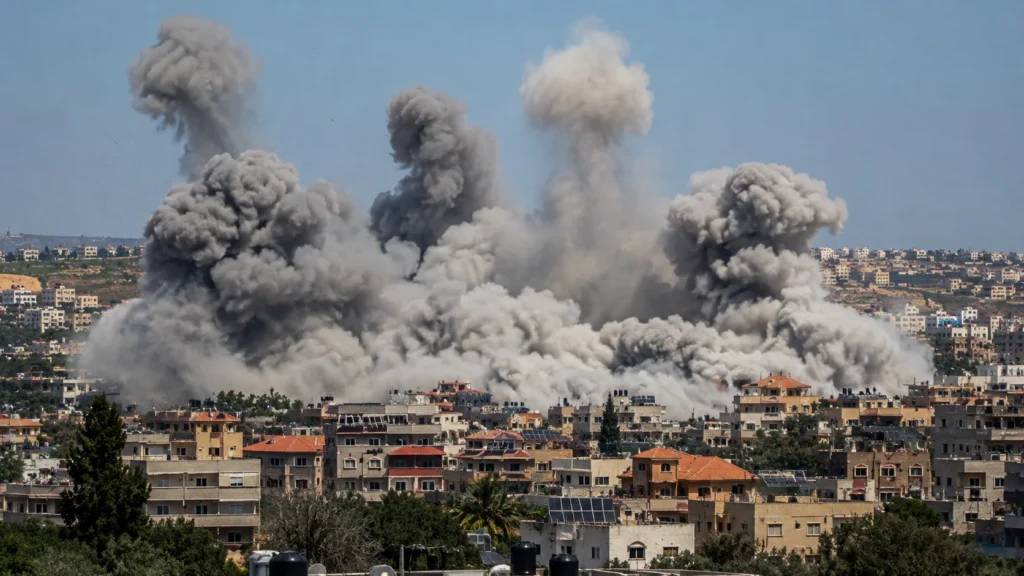
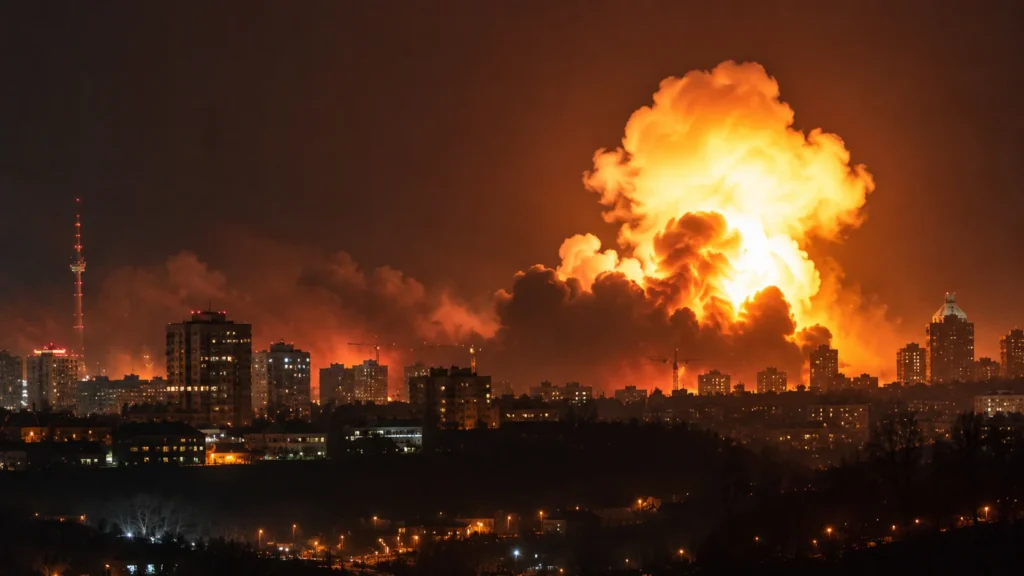
This Week: The US military bombs Iran for a second consecutive night. Iran retaliates by striking US bases in Bahrain and Kuwait. The UN Secretary-General describes the April ceasefire as having become a “lesser-fire.”
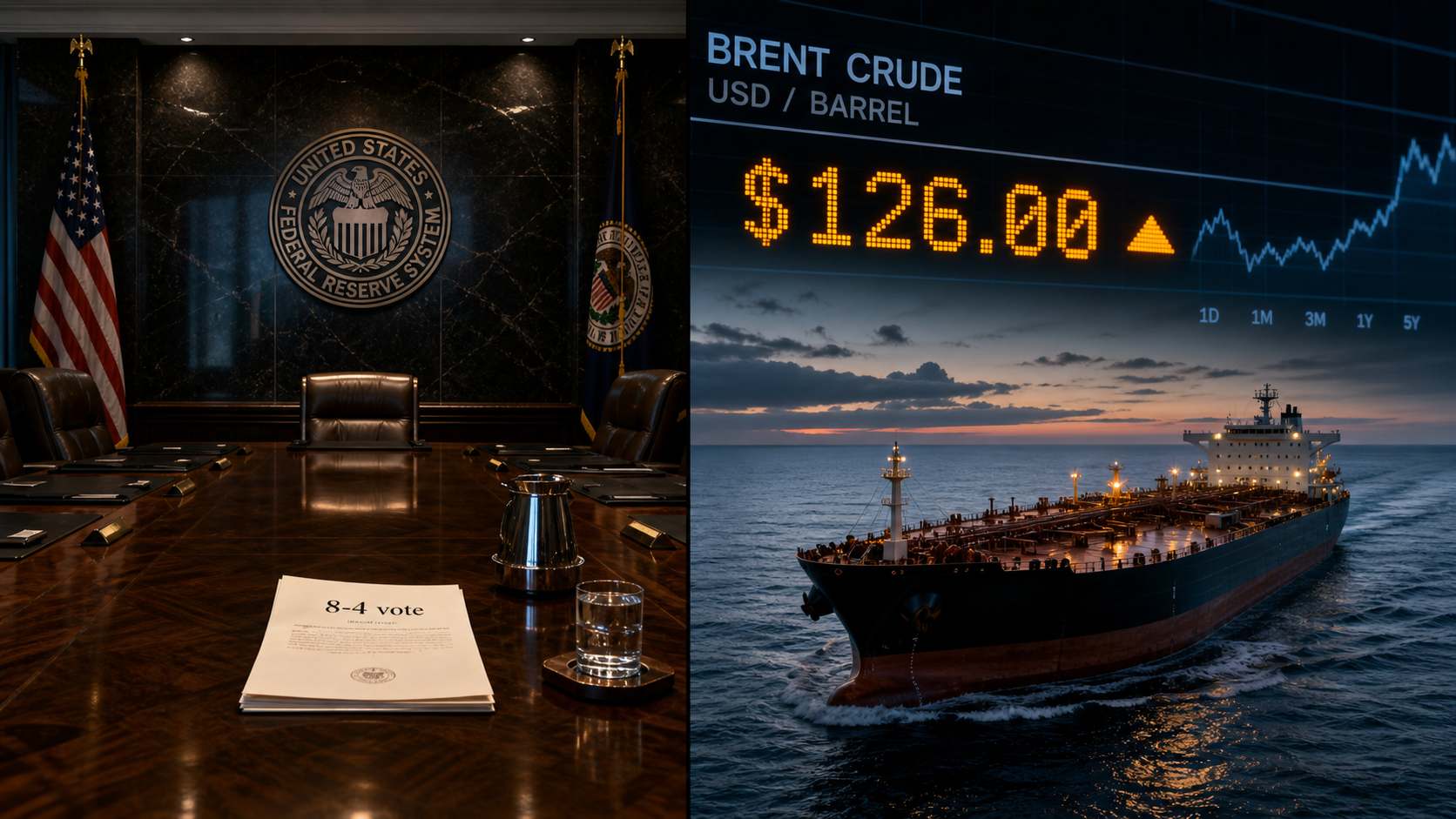
Next Week: Kevin Warsh chairs his first Federal Reserve interest rate decision. The central bank’s long-term inflation target is 2%. The May CPI reading doubles that.
The Political and Economic Crossfire
Trump’s “I love it” remark—however, later qualified—created an immediate political opening for opponents. Senate Democratic Leader Chuck Schumer posted on X: “His contempt for you knows no bounds.” The president’s team described the comment as taken out of context, but the damage traveled faster than the clarification.
Voters have ranked the economy as a top concern ahead of November’s midterm elections. Trump’s 2024 campaign placed cutting inflation at the center of his agenda. A 4.2% CPI print, driven largely by energy costs linked to a conflict the president initiated, complicates that message.
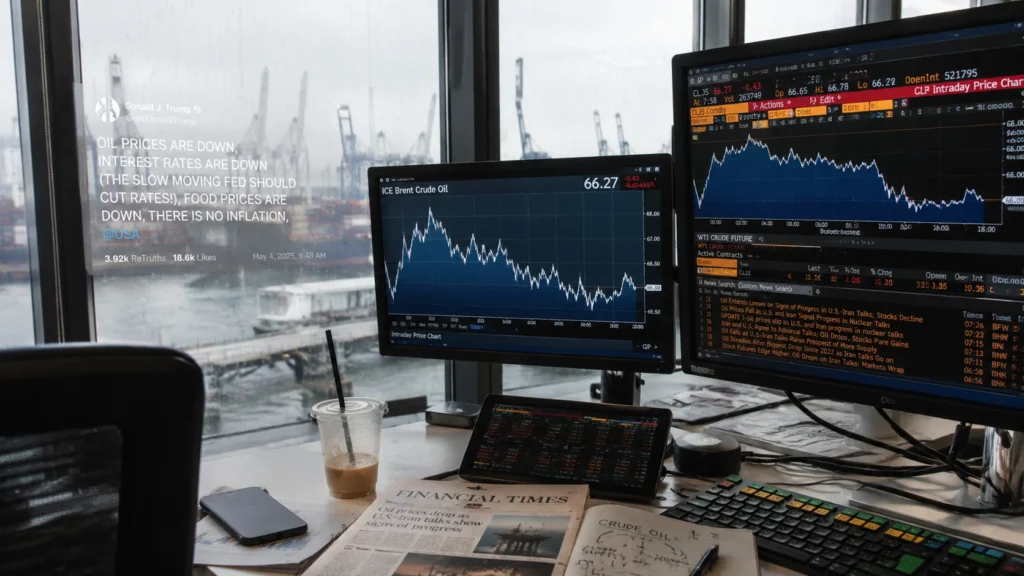
The president argued prices would “come down like a rock” once the war ends and pointed to petrol at $1.85 per gallon in Iowa earlier this year as evidence of where prices could return. But economists have warned that even with a swift resolution, normal goods flow through the Strait of Hormuz could take until 2027 to restore. The April ceasefire has not held. US strikes on Iran continued this week.
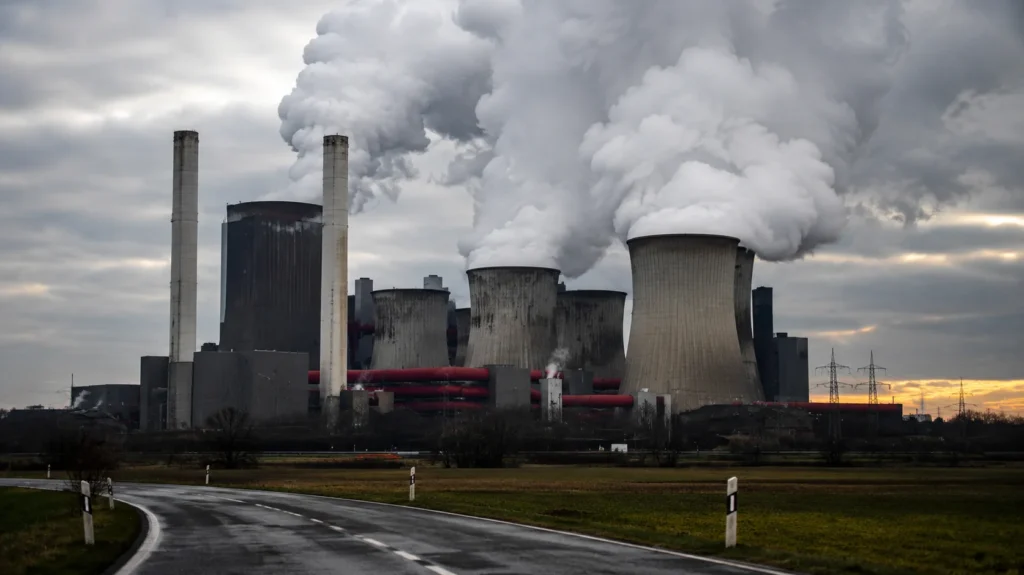
As analysis of global energy supply disruptions previously documented, supply shocks tied to unresolved military tensions tend to persist rather than dissipate quickly.
The Fed’s Dilemma
The inflation data lands at the worst possible moment for the central bank’s new leadership.
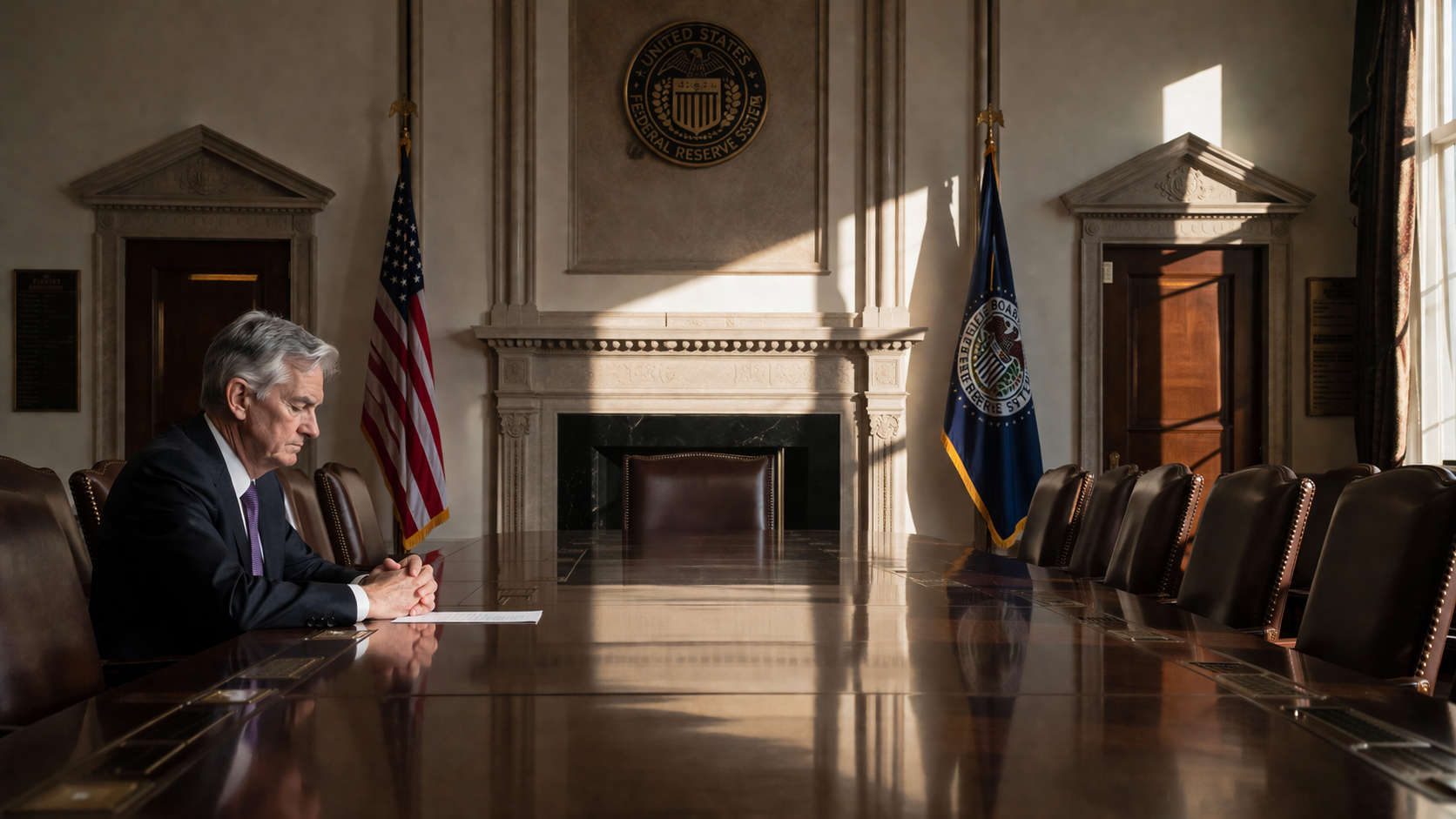
Kevin Warsh takes charge of his first rate decision with inflation running at more than double the Fed’s 2% target. The standard playbook requires raising interest rates when inflation runs significantly above target. Rate hikes push up borrowing costs and restrict the flow, limiting further price increases.
Trump spent his first term pressuring then-Chair Jerome Powell to cut rates. He has signaled similar expectations for the current environment. A rate increase would clash directly with White House preferences. A rate hold would risk inflation expectations becoming entrenched.
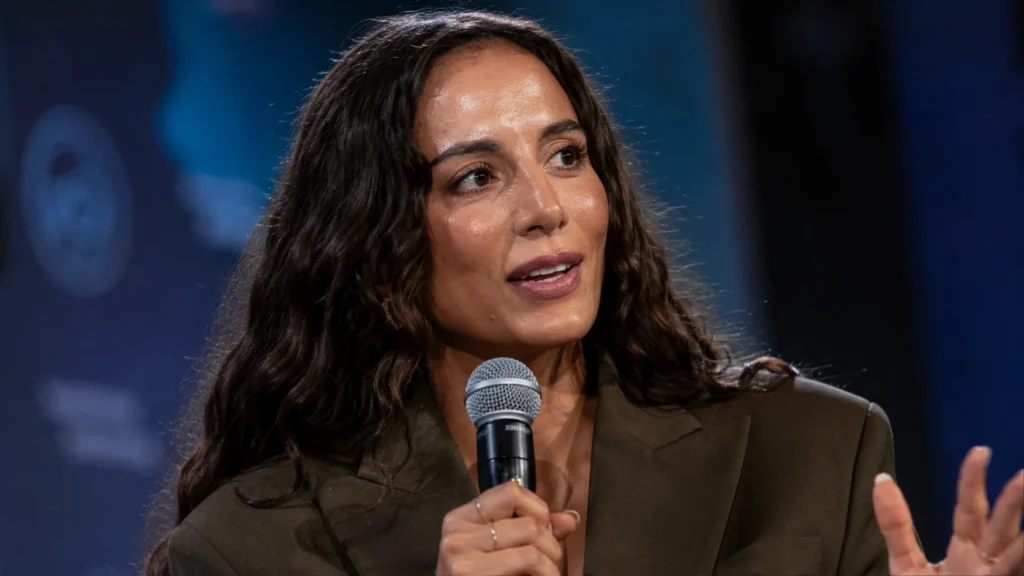
Stephen Brown, chief North America economist at Capital Economics, told Capital Economics client note on May CPI that the rise alone was “not large enough to prove any ammo” to rate-hike advocates on the Federal Open Market Committee. Isaac Stell, investment manager at Wealth Club, countered that a rate increase is “the most logical conclusion from today’s data combined with last week’s healthy jobs numbers.”
As Federal Reserve policy under political pressure examined, the central bank’s independence faces recurring tests when elected officials publicly advocate for specific rate outcomes.
What Happens to Households
The inflation is no longer confined to the pump. The BLS figures pointed to rising costs across multiple categories: plane tickets, personal and medical care, recreation, and communication. Energy costs alone rose by almost a quarter compared to May of last year. Households experience inflation through grocery receipts, utility bills, and transportation expenses—not through the abstract debates that dominate Washington.
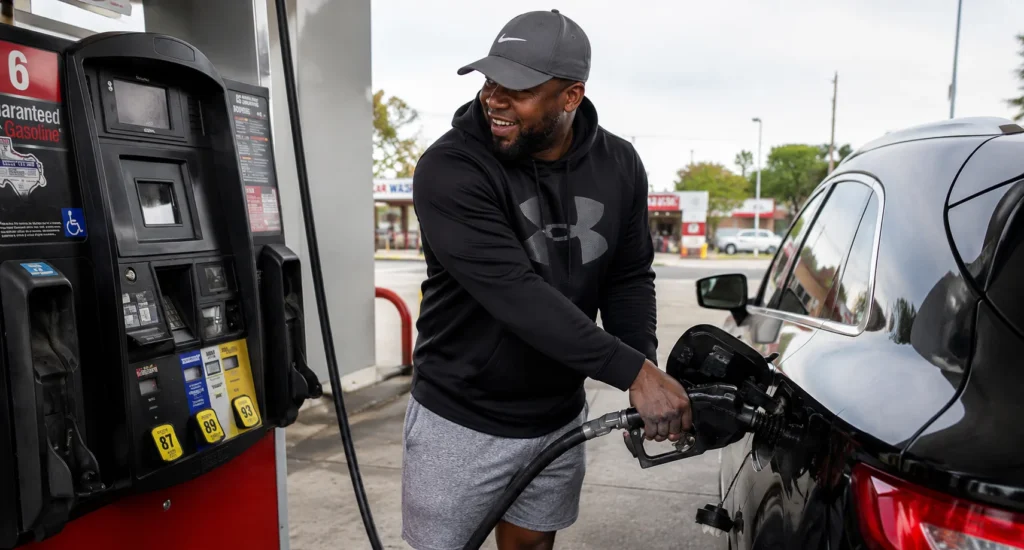
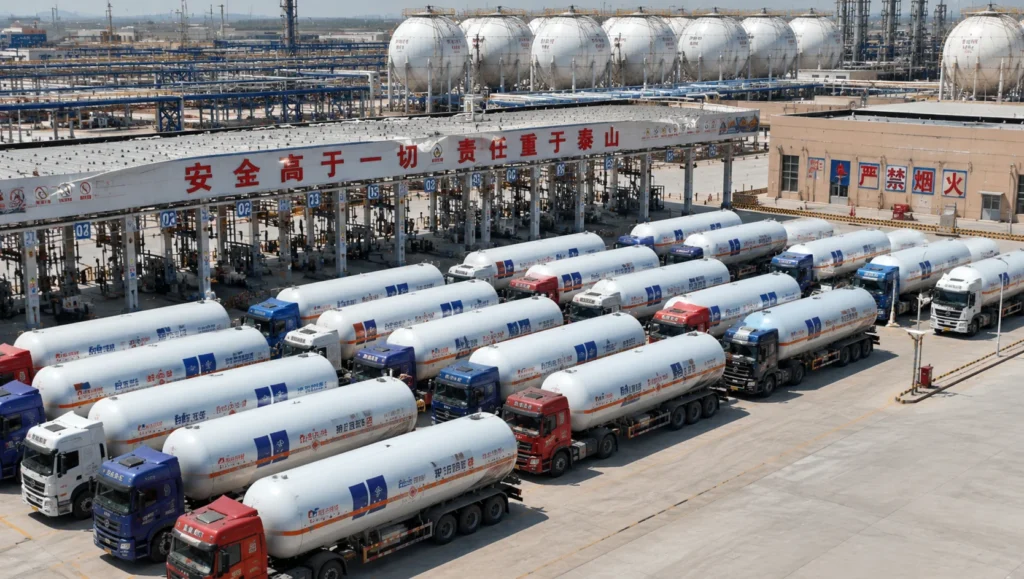
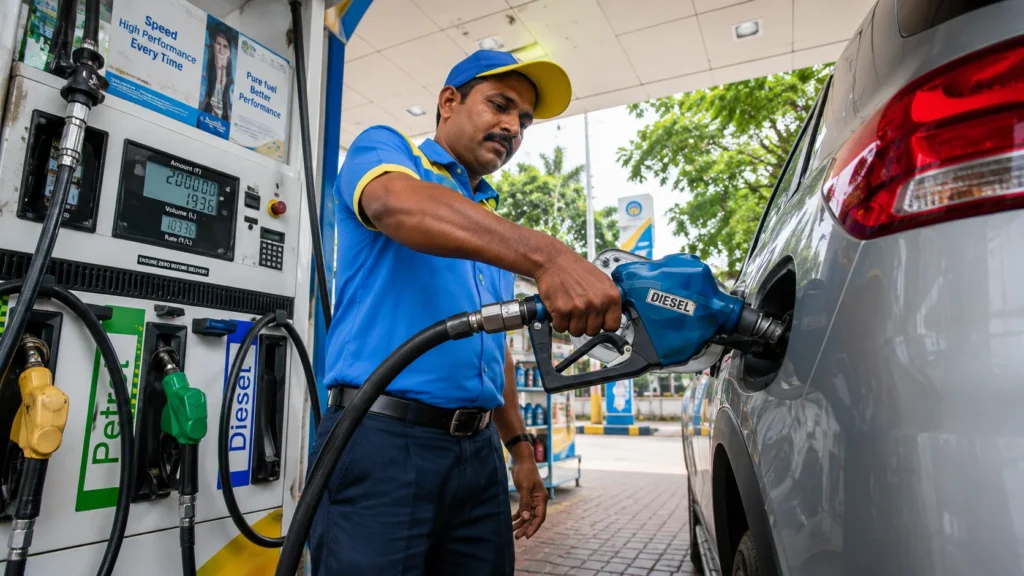
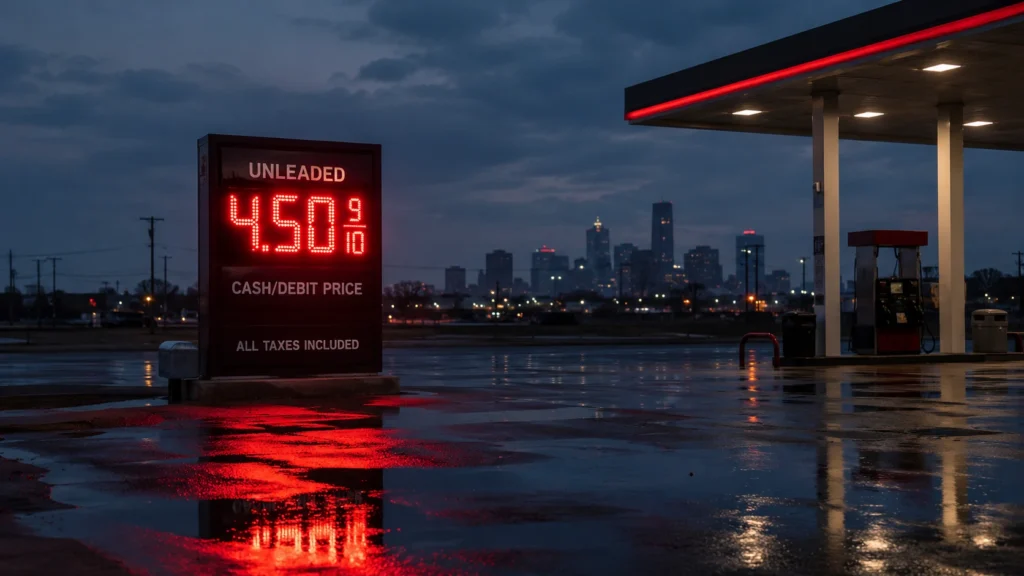
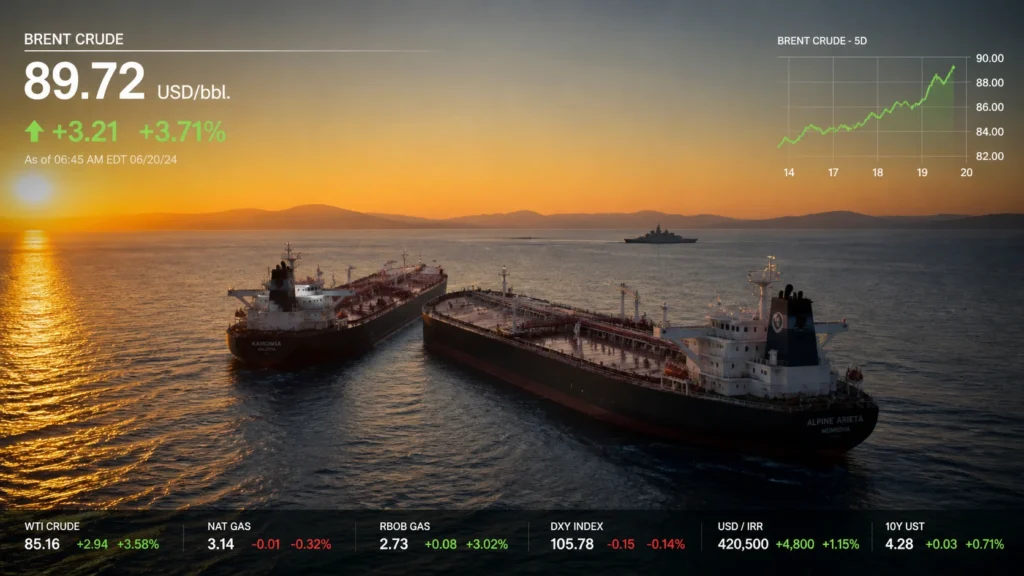
The 39% increase in petrol prices since the conflict began—from $2.98 to $4.15 per gallon—represents the most visible pressure point. But the broadening of inflation into services and medical care suggests the price increases are becoming embedded beyond energy.
Economists have warned that even if the Strait of Hormuz reopens, supply chains and insurance markets will take time to normalize. The US Energy Information Administration shipping data has tracked the disruption’s cascading effects on global energy flows.
What to Watch
The path ahead narrows around two variables: the duration of the Strait of Hormuz disruption and the Fed’s response at next week’s meeting.
If the conflict resolves within months, the base effect of lower energy costs would pull inflation down rapidly. Trump’s political bet would pay out ahead of the midterms.
If the conflict persists into 2027, inflation expectations risk becoming embedded. The Fed would then face a harder choice: tolerate above-target inflation or raise rates and accept slower growth.
The president who promised to cut inflation now leads an administration overseeing its fastest rise in three years. The remark he made is not the central problem. The war that produced the data is. And that war is not over.
Frequently Asked Questions
What is the current US inflation rate?
The Consumer Price Index showed inflation at 4.2% in May, up from 3.8% in April, according to the Bureau of Labor Statistics. This is the fastest pace in three years and the third consecutive monthly increase. The Federal Reserve’s long-term target is 2%.
Why did Trump say he “loves the inflation”?
Trump made the remark at the White House on Wednesday. He later told the New York Post his comments were taken out of context and he meant inflation was “much lower than anticipated” given the war with Iran. The original quote was seized upon by political opponents.
How are energy prices affecting inflation?
Energy costs drove much of the increase. Petrol averaged $4.15 per gallon in May, up from $2.98 on February 28 when strikes on Iran began. Overall energy bills rose almost a quarter from a year earlier. The effective closure of the Strait of Hormuz has choked the global oil supply.
When does the Federal Reserve make its next rate decision?
The Federal Reserve’s next interest rate decision is scheduled for next week. It will be the first rate decision chaired by newly appointed Governor Kevin Warsh. The Fed’s benchmark rate currently sits between 3.5% and 3.75%.
Will the Fed raise interest rates?
Economists are divided. Capital Economics’ Stephen Brown said May’s data alone was not enough to force a rate hike. Wealth Club’s Isaac Stell said a rate increase is “the most logical conclusion” given the inflation reading and last week’s jobs data. The Fed’s standard playbook calls for raising rates when inflation runs significantly above the 2% target.