

 English




































The Mean Girls Tour Cancelled. The Star Stayed Behind Locked Blinds.
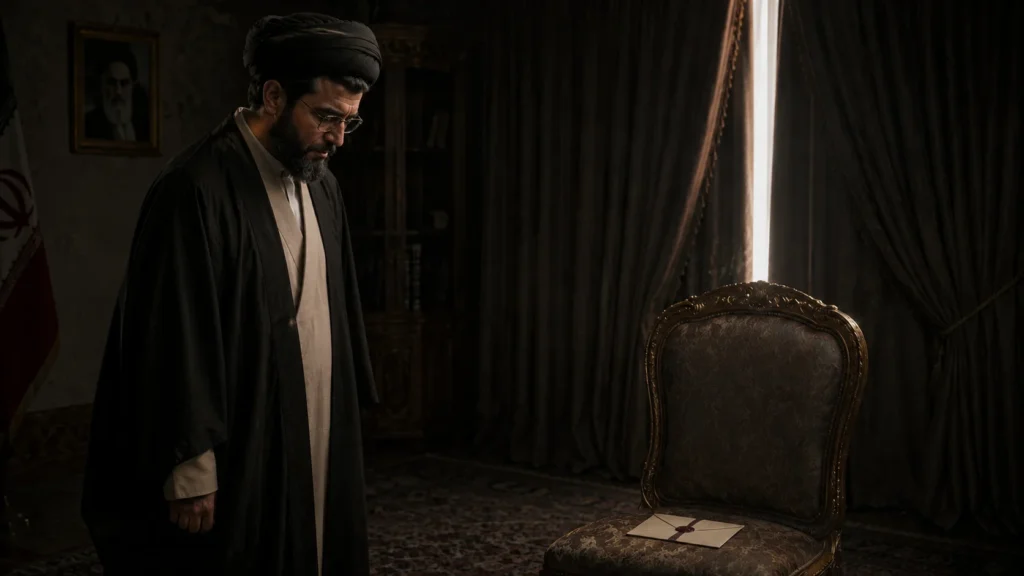
The blinds stayed closed. Vivian Panka opened them slightly to make the video, then closed them again. She had not left her house since the trouble started. Fires in the street. Planned protests outside the theatre. The first Black actress to play Regina George in the Mean Girls UK tour, speaking into her phone on TikTok, asking people to think before they sent angry messages about a cancelled show.
“People are actively targeting Black people,” she said. “I’m just very careful because I’m not even from this country.”
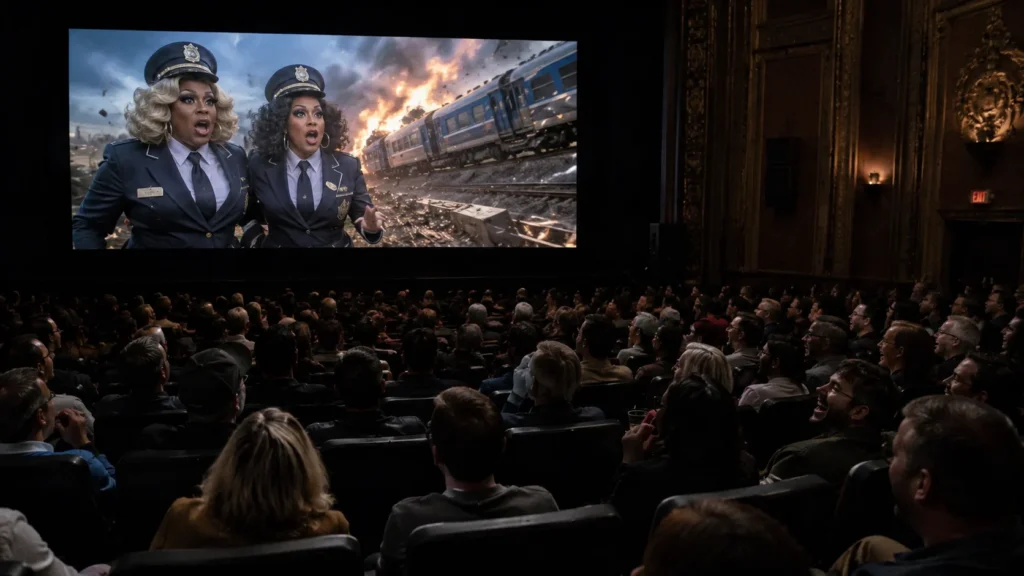
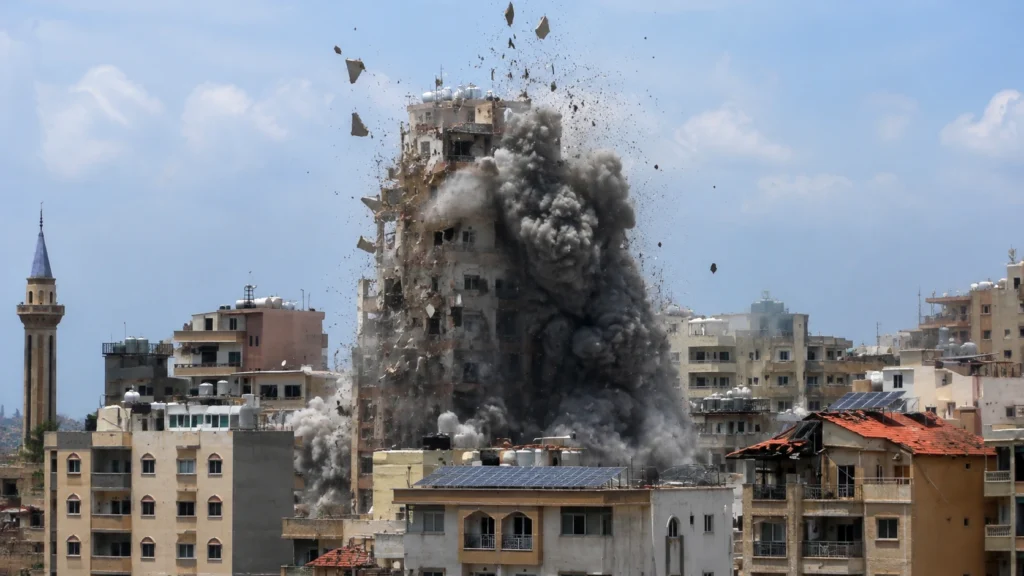
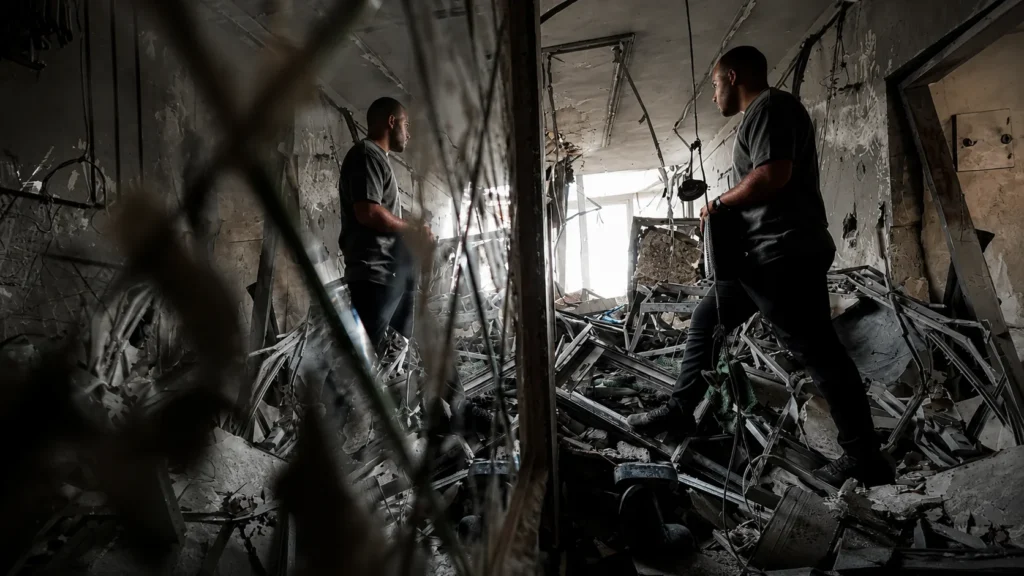
The producers cancelled Tuesday’s opening night at Belfast’s Grand Opera House. Then Wednesday. Then Thursday’s matinee. Then the entire remaining run. The statement cited “the uncertainty caused by the unrest.” The unrest followed a knife attack that seriously injured a man. The disorder spread across Northern Ireland. The show did not go on.
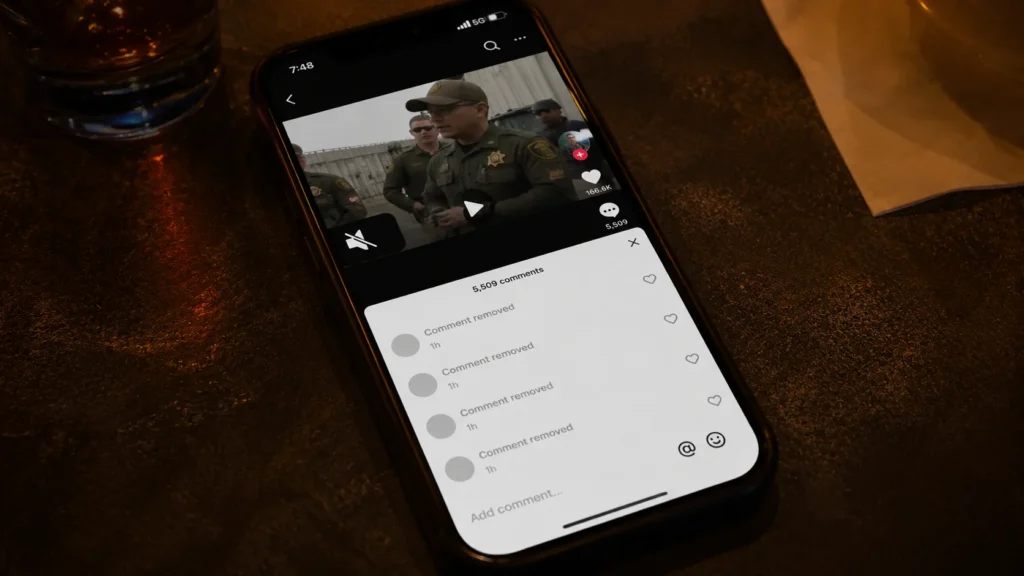
Panka received messages from fans blaming her for the cancellation. She had to explain that she was scared to leave her house. The blinds had been closed for days. That this was not an actor calling in sick.
So what is actually happening here? A touring musical became impossible to stage because the city around it became unsafe for its cast. But the cancellation revealed something larger: what happens when a performer’s identity—not their performance—makes them a target, and the institution charged with protecting them can only lock the doors.
The Stage as Contested Ground
Theatre has always been a physical art form. Bodies in a room. Audiences are breathing the same air. The liveness is the point. That liveness also makes theatre uniquely vulnerable. A film can screen in an empty cinema. A gallery can hang paintings behind locked doors. A musical requires performers to show up, in person, at a known location, on a published schedule.
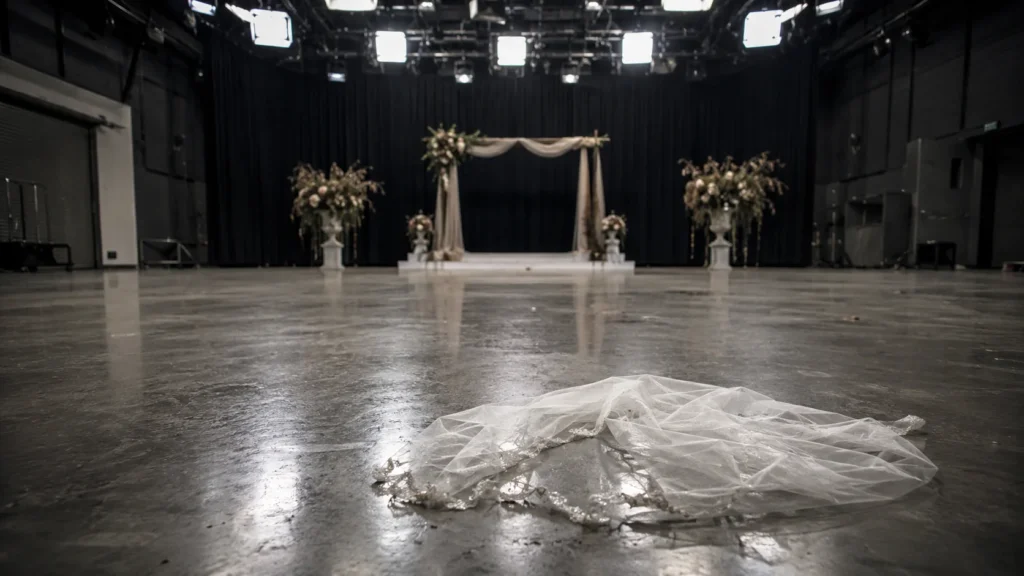
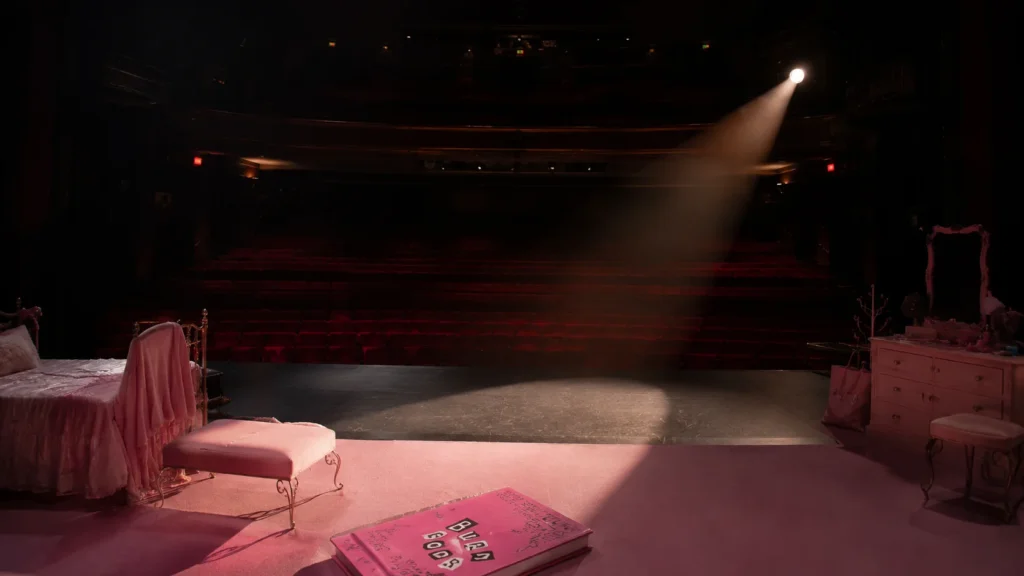
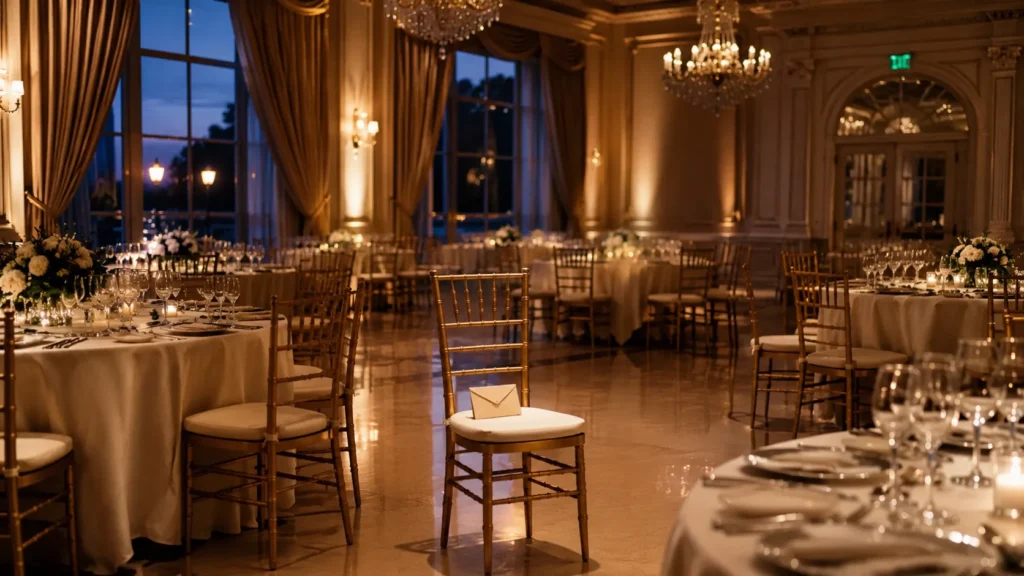
The Mean Girls tour arrived in Belfast with a two-week run scheduled from June 9 to June 20. The Grand Opera House, a venue that has hosted touring productions for decades, prepared for opening night. The cast is prepared. The orchestra is prepared. The audience bought tickets.
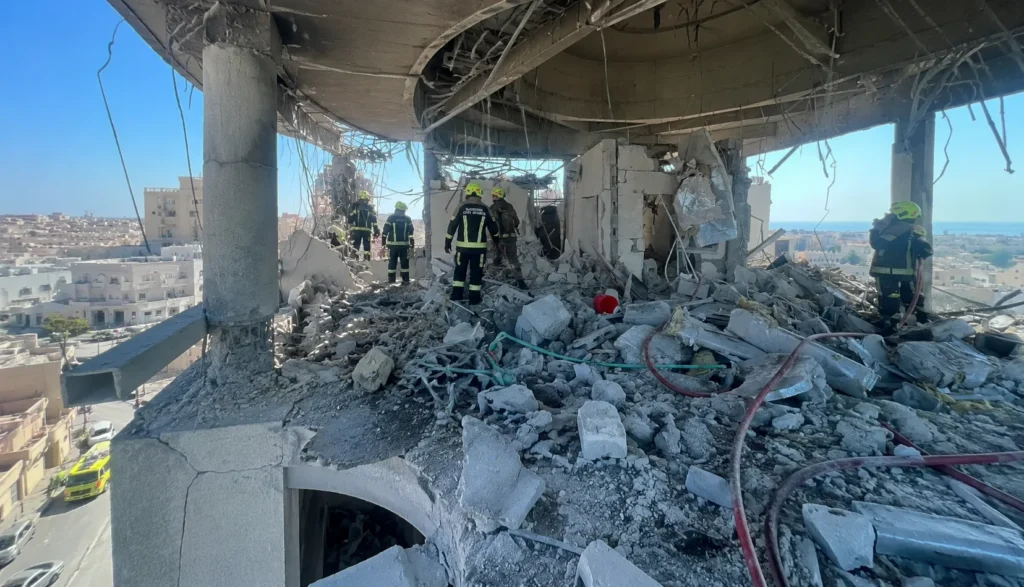
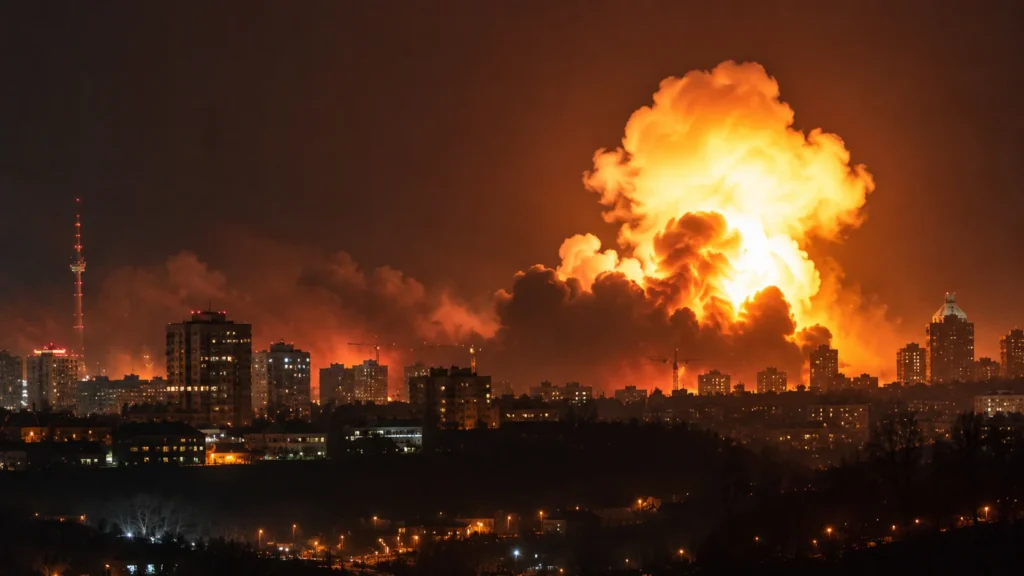
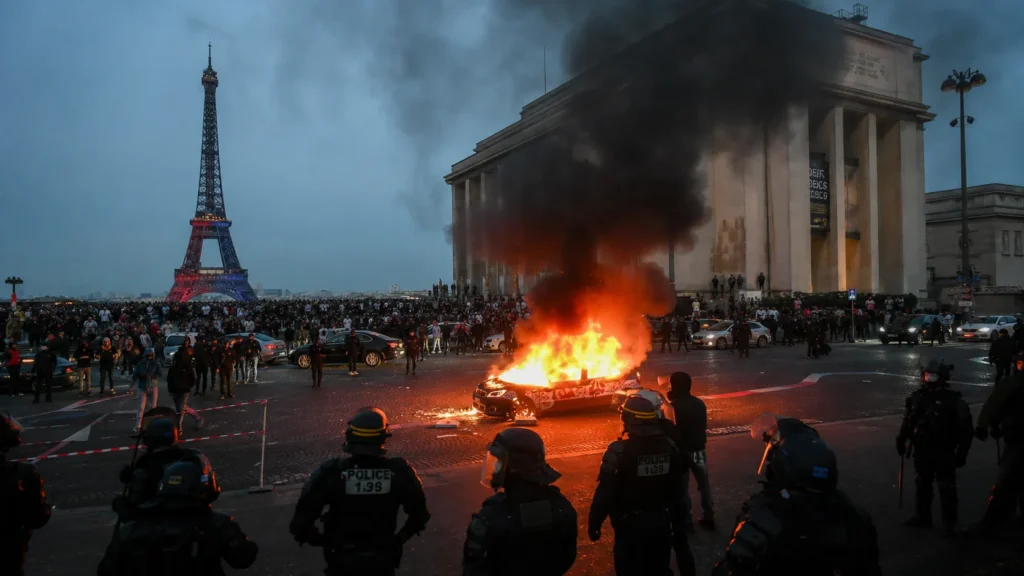
Then the disorder began. A van was set alight. Protesters gathering. The company and the theatre made the first cancellation call on Tuesday. Panka called it “good.” The word is jarring only if you forget what the alternative was—performers walking through protests to reach the stage door, a theatre full of people while fires burned in the surrounding streets, a Black actress playing an iconic role while racial targeting escalated outside.
The calculus of safety shifted faster than the calculus of ticket refunds. The producers held for two days, hoping the unrest would subside. It did not. They cancelled the run.
The Audience That Blamed the Artist
Panka’s TikTok addressed something that the official statements could not. She had received angry messages from fans. Not about the unrest. Not about the targeting. About the cancelled show. About their tickets. About their disappointment.
She asked people to think before they sent those messages. She was not being difficult. She was not being dramatic. She was afraid.
The dynamic is familiar to anyone who has watched the collision between fandom and reality. Audiences invest in performances. They buy tickets months in advance. They plan evenings around certain times. When the performance disappears, the investment feels stolen. The easiest target is the visible one—the performer whose name appears on the poster, whose face appears on social media, whose DMs are open.
But Panka did not cancel the show. The conditions around the show cancelled it. The distinction matters because it reveals where the power actually sits. The producers made the call. The theatre issued the statement. The actress posted from behind closed blinds, asking for the most basic recognition: that her safety mattered more than someone’s evening out.
The Institution’s Limits
The Grand Opera House’s statement was brief. “Given the uncertainty caused by the unrest in recent days, the producers of Mean Girls have taken the difficult decision to cancel the musical’s run.” Ticket holders would be contacted about refunds. The apology was for “any inconvenience.”
The language is standard. It is also inadequate to what actually occurred. A touring company arrived in a city experiencing active racialised disorder. The first Black actress to play the role found herself unable to leave her accommodation. The theatre locked its doors. The producers ran out the clock, hoping the situation would improve. When it didn’t, they retreated.
The institution protected itself. It refunded tickets. It issued the statement. It did not—could not—protect the performer. That protection fell to the closed blinds, the locked door, the individual decision to stay inside. The gap between institutional responsibility and individual vulnerability opened wide. The statement papered over it. The TikTok video did not.
The Cultural Mirror
The tension here is Local Identity vs Global Market. The Mean Girls tour is a global product—a Broadway-born musical adapted from a Hollywood film, touring the UK with a Dutch actress in the lead role. It arrives in cities with local conditions that the global product cannot control. Belfast’s disorder was local. The targeting Panka described was local. The cancellation was the global product’s response: retreat, refund, move on.
But the performers cannot move on as easily as the set pieces. Panka is still in Belfast. Her blinds are still closed. The messages are still arriving. The global market does not absorb local risk equally. It absorbs it through the bodies of the people on stage, who are not protected by the same infrastructure that protects the brand.
The Mean Girls tour will continue to other cities. Panka will play Regina George in other theatres. The Belfast run will become a footnote in the tour’s history—two weeks of cancelled shows, refunds processed, a statement issued. The asymmetry will persist: the institution moves forward, the performer carries the memory of being told, while hiding behind closed blinds, that her safety was less important than someone’s ticket.
What Comes Next
Touring productions will review security protocols. The Grand Opera House will review its relationship with local authorities. The producers will review their criteria for cancelling shows. These are institutional responses to institutional risk.
The harder question is about performers. Touring casts are transient populations. They arrive in cities they may not know, during situations they did not create, and become visible targets by virtue of appearing on stage. The Mean Girls cancellation makes visible a vulnerability that exists in every touring production: the institution can lock the theatre, but it cannot lock the performer’s door. The performer locks it themselves.