

 English
























































































































































































































US Strikes Iran for Sixth Night as Tehran Says Civilian Sites Hit
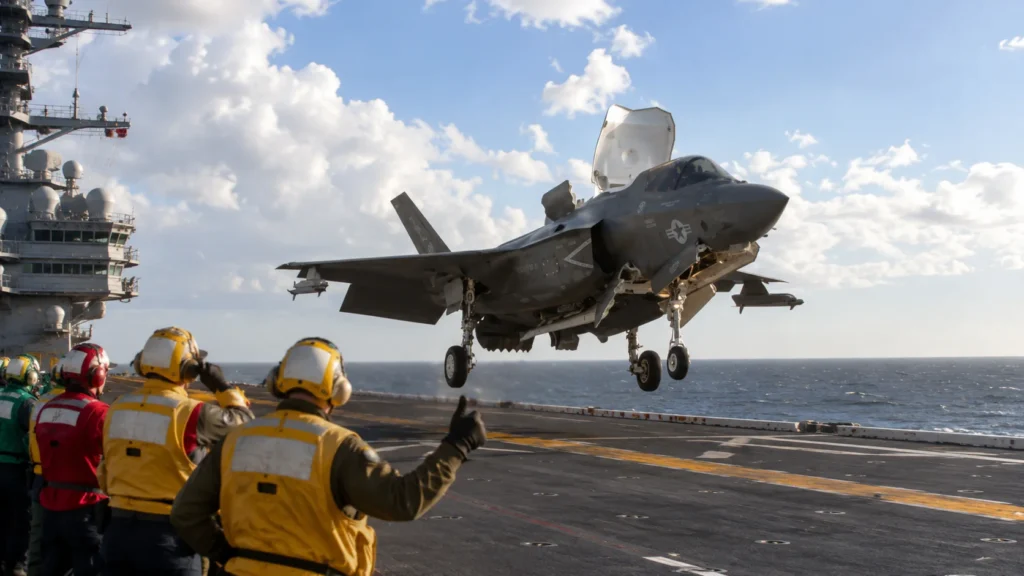
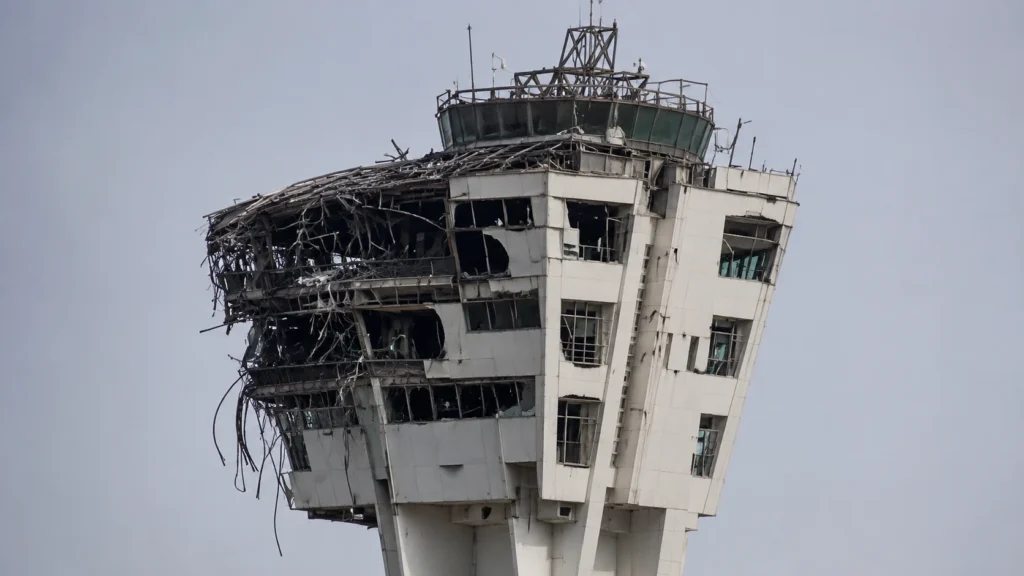
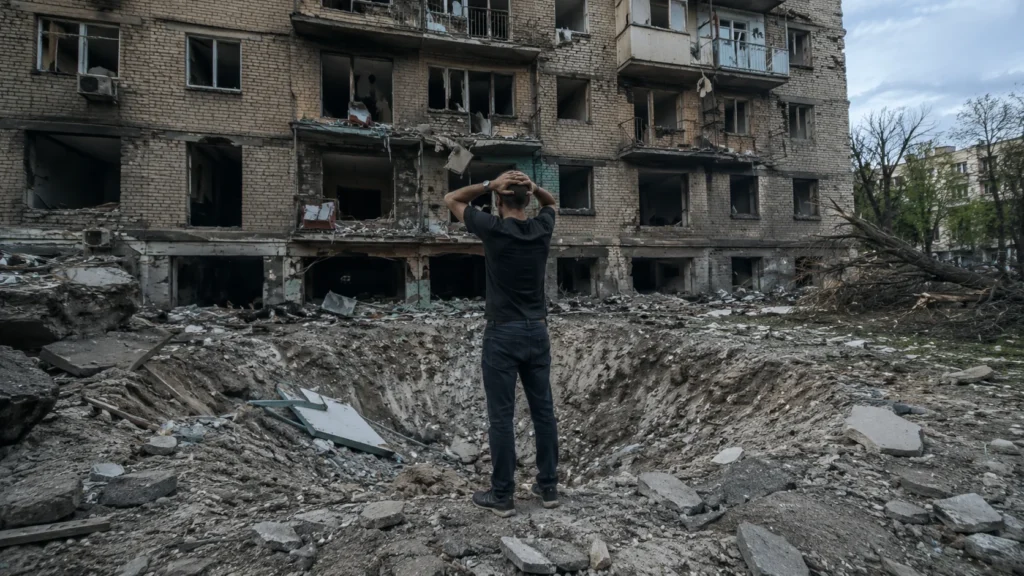
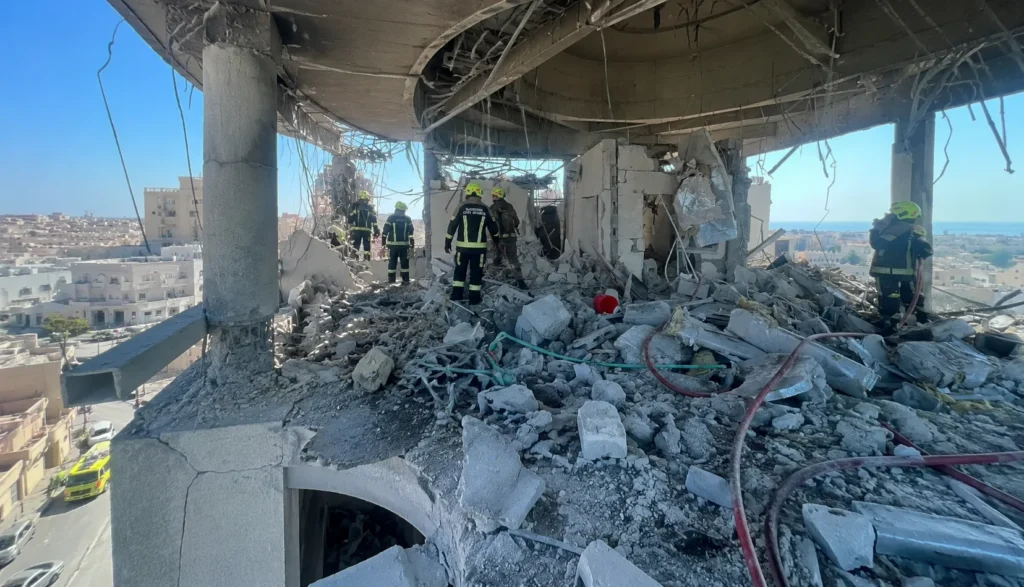
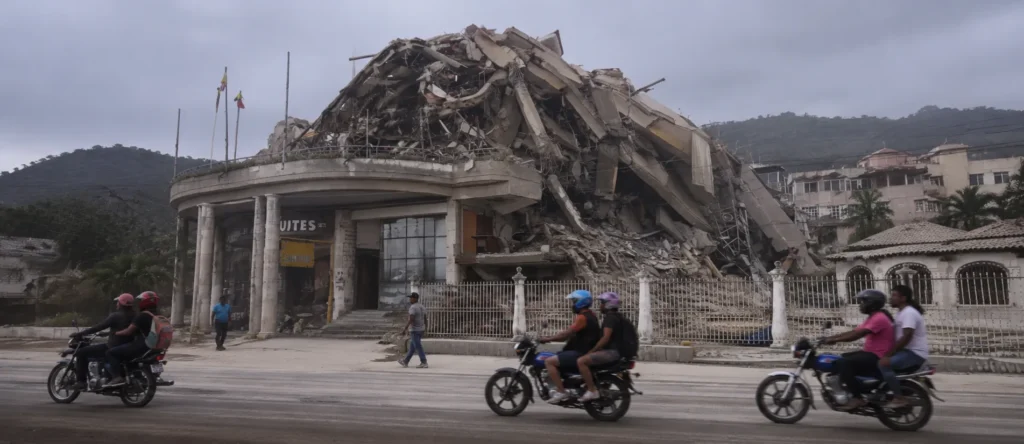
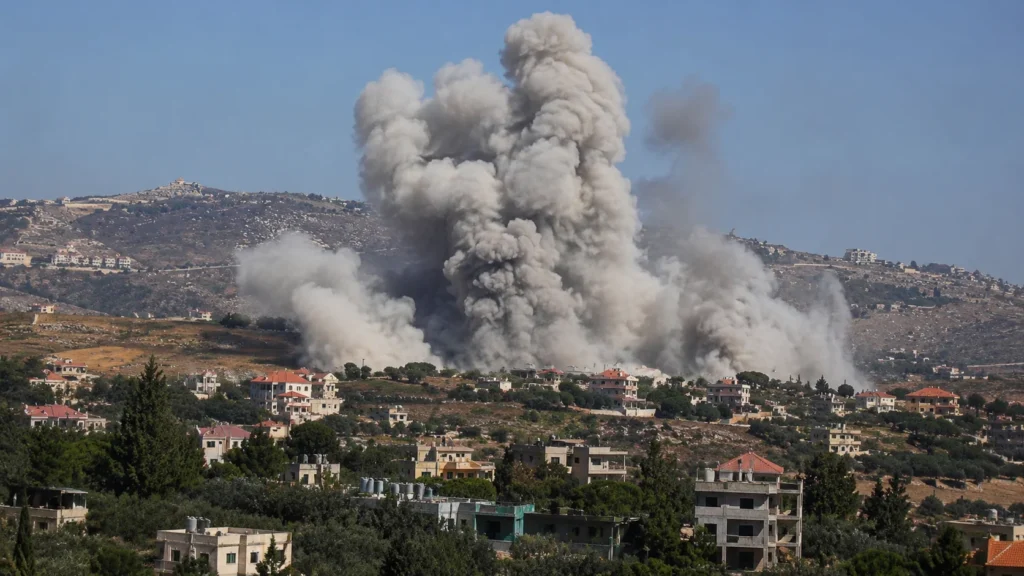
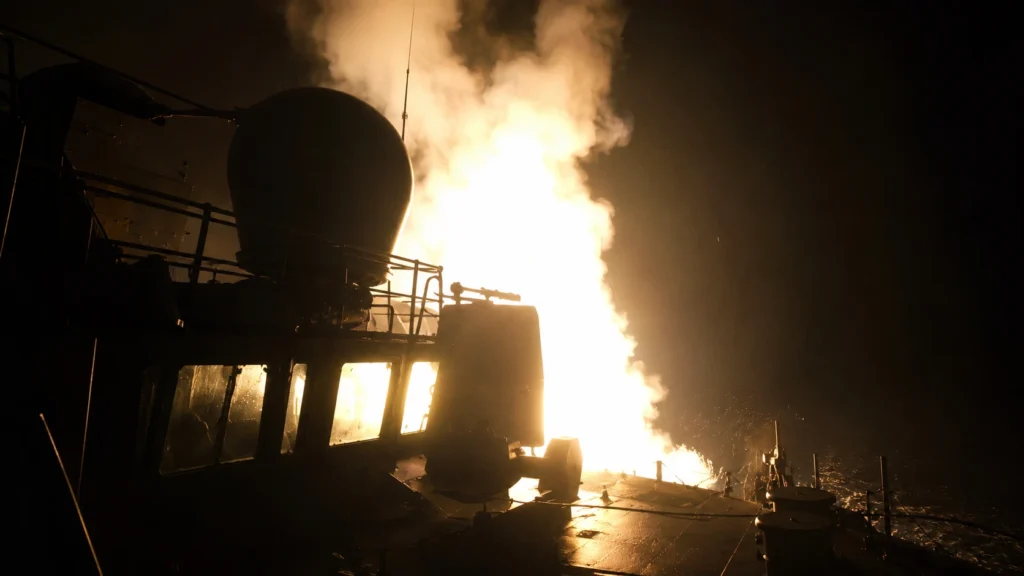
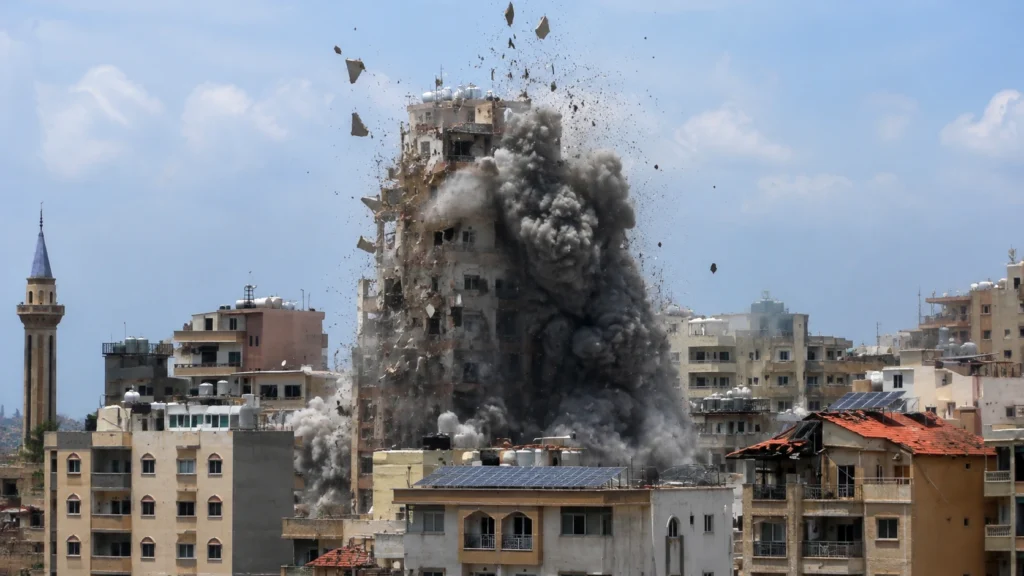
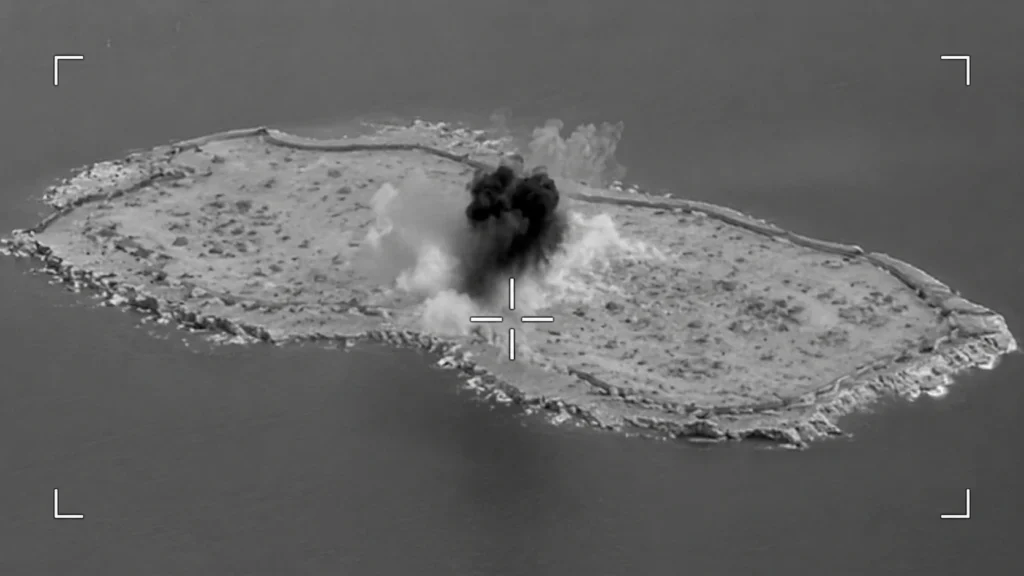
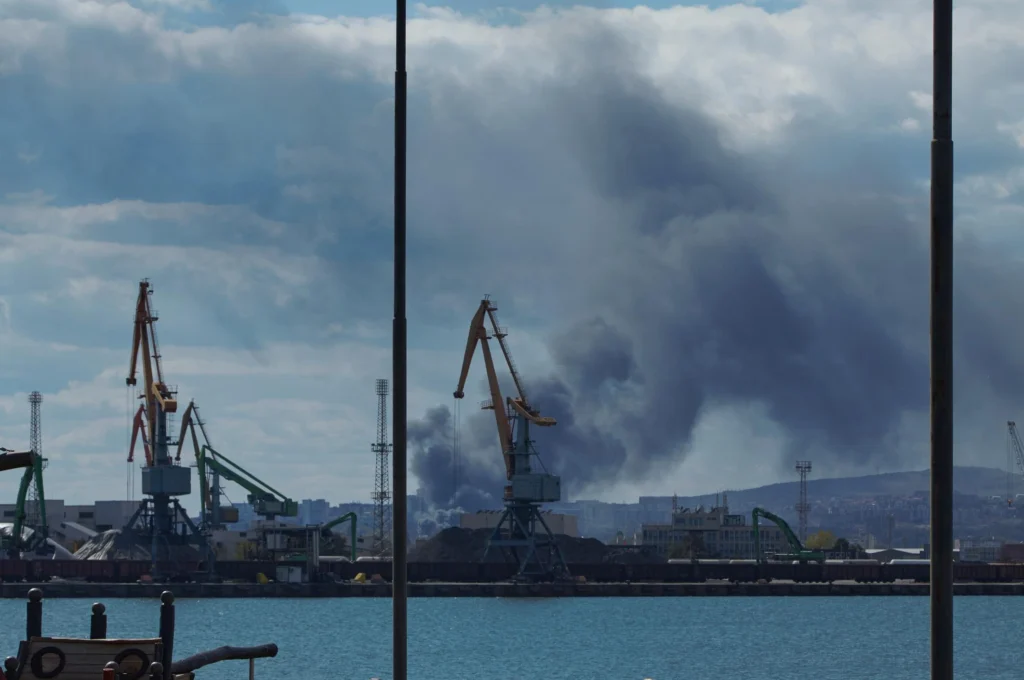
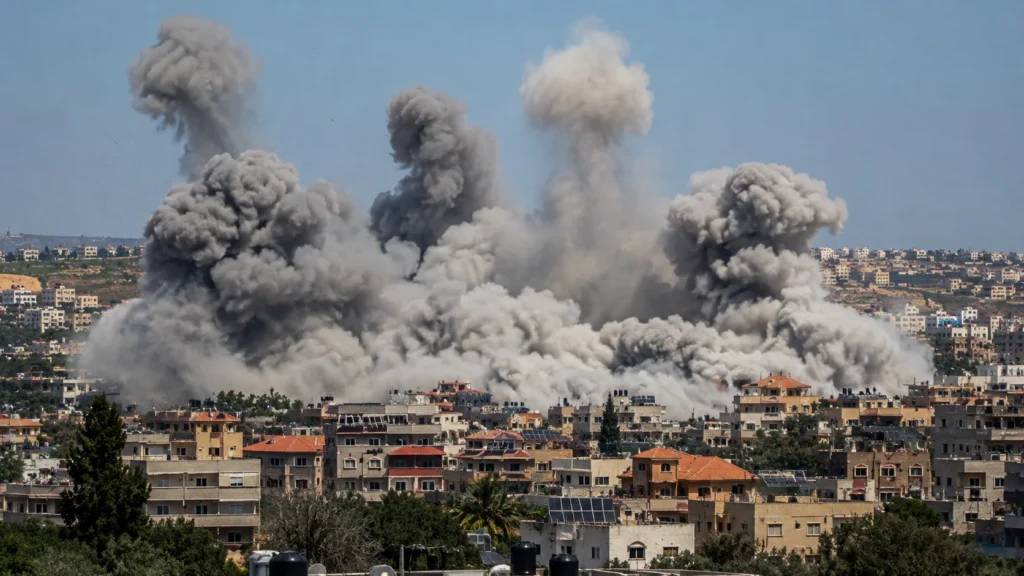
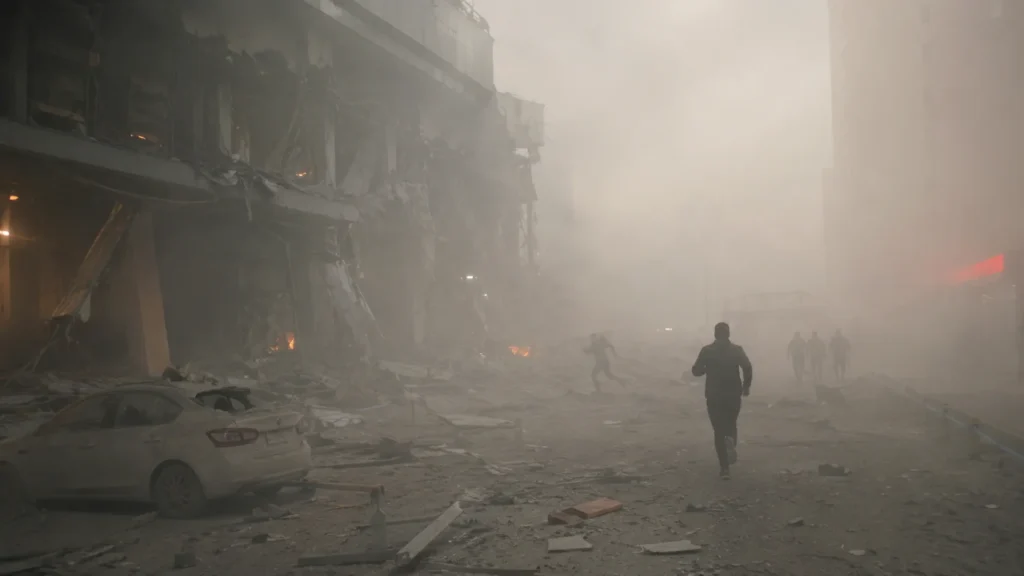
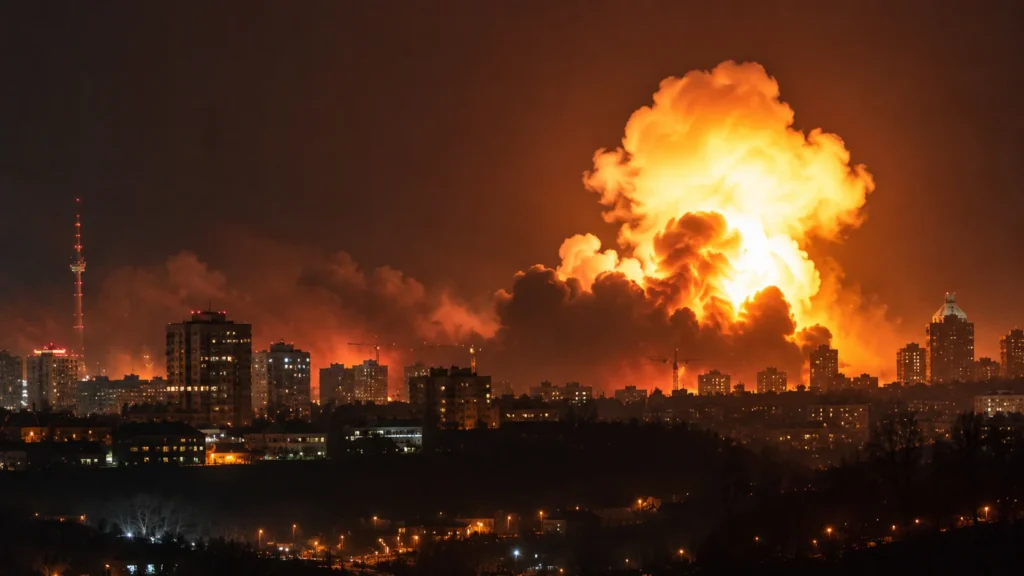
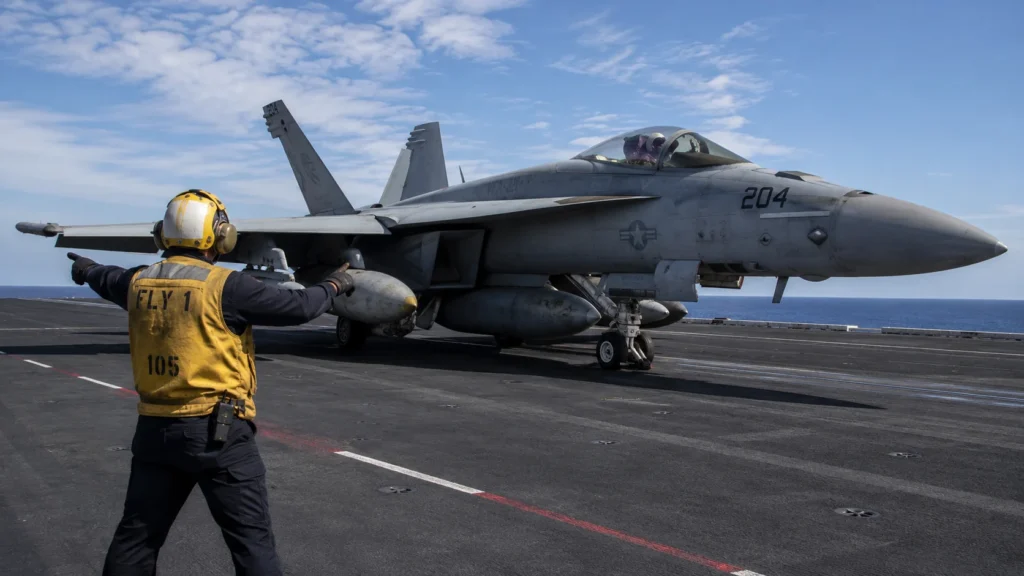
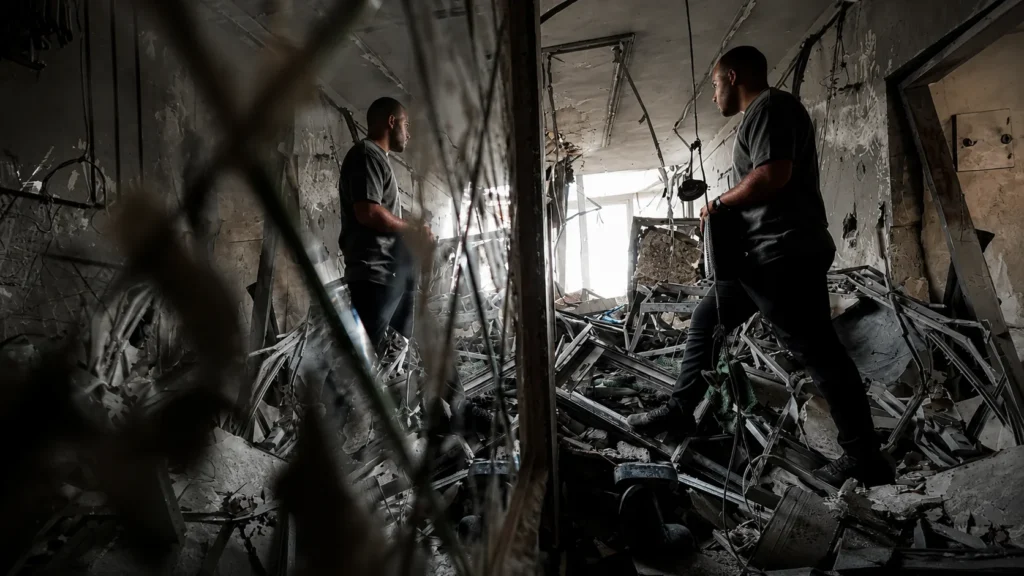
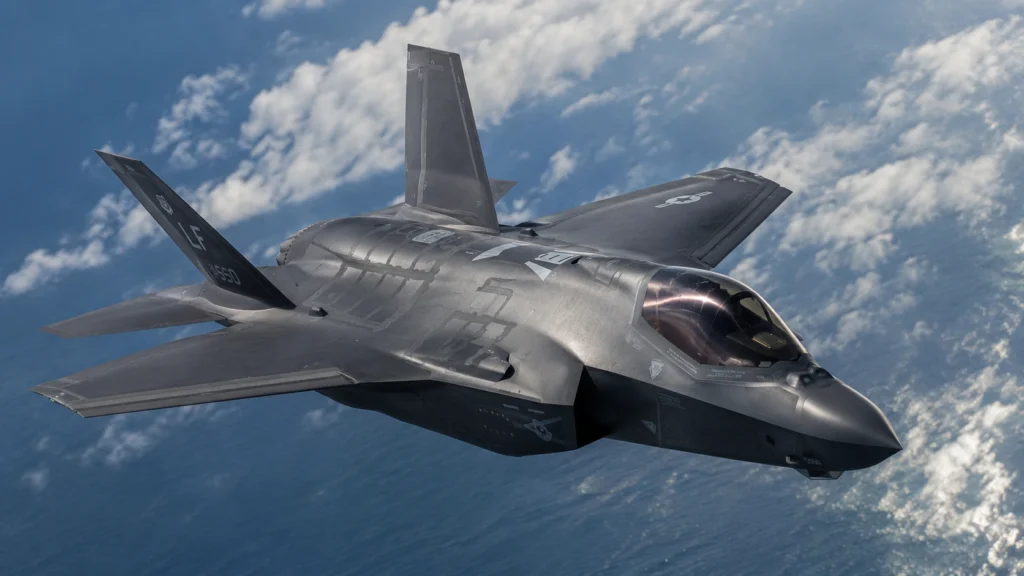
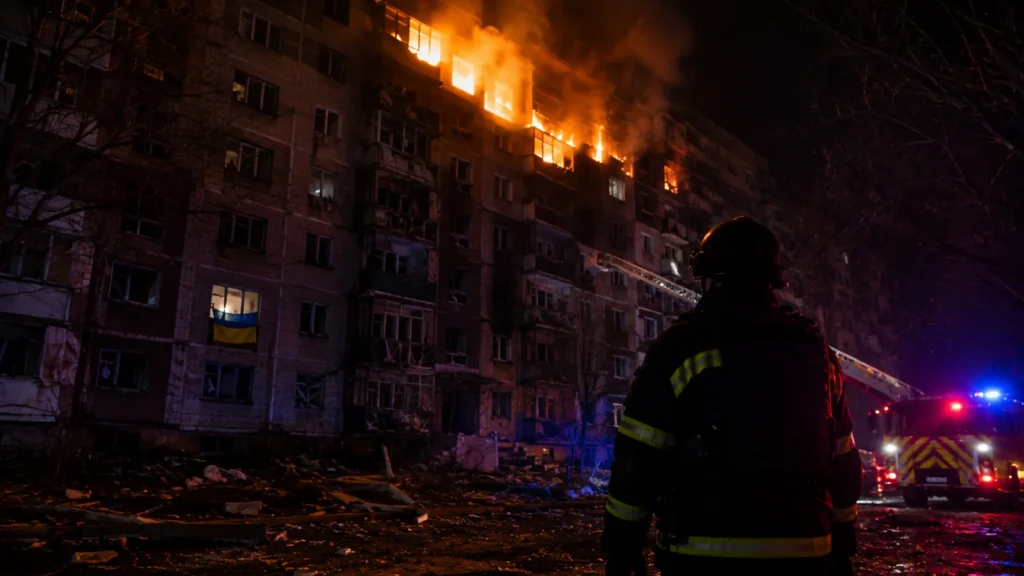
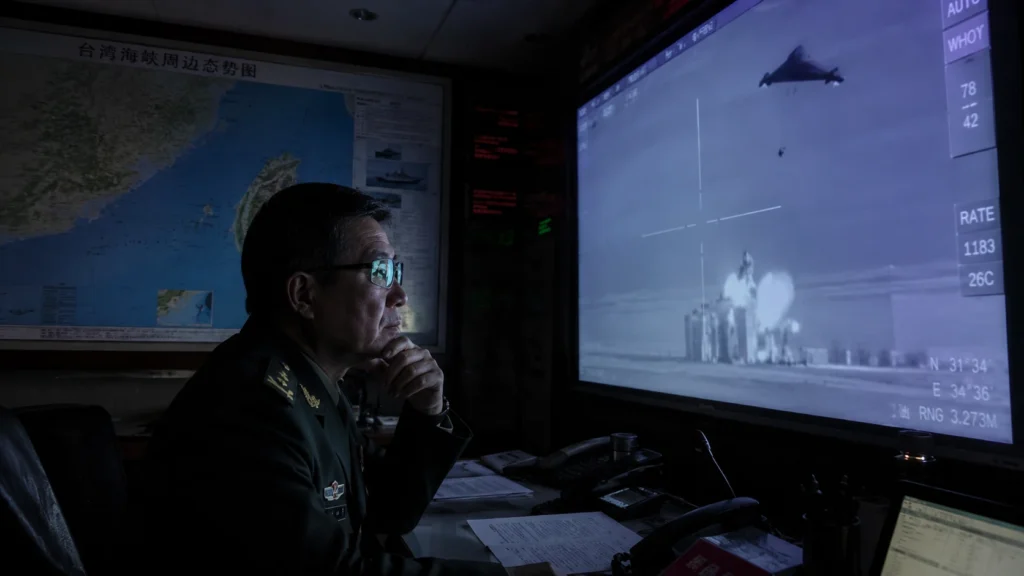
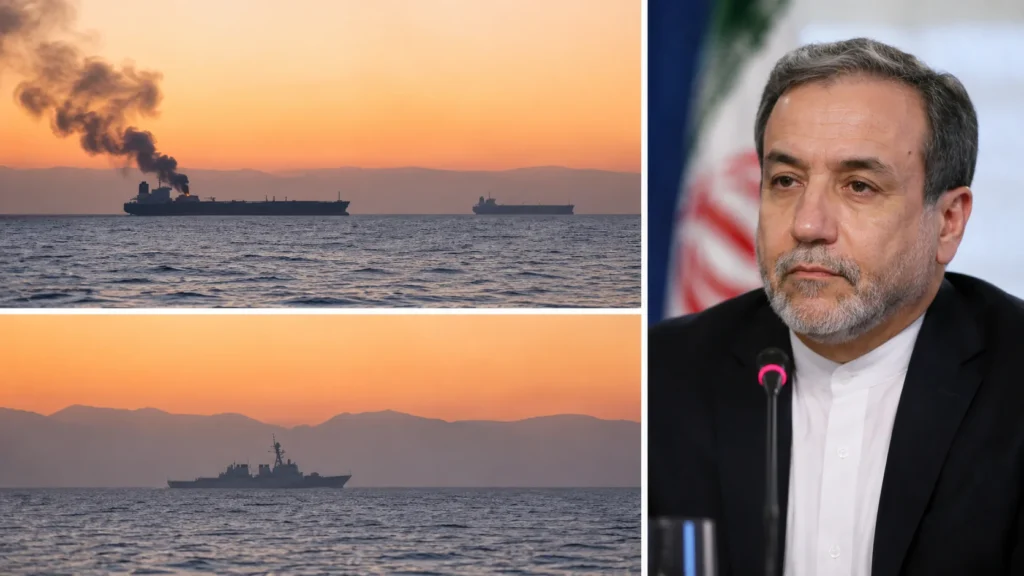
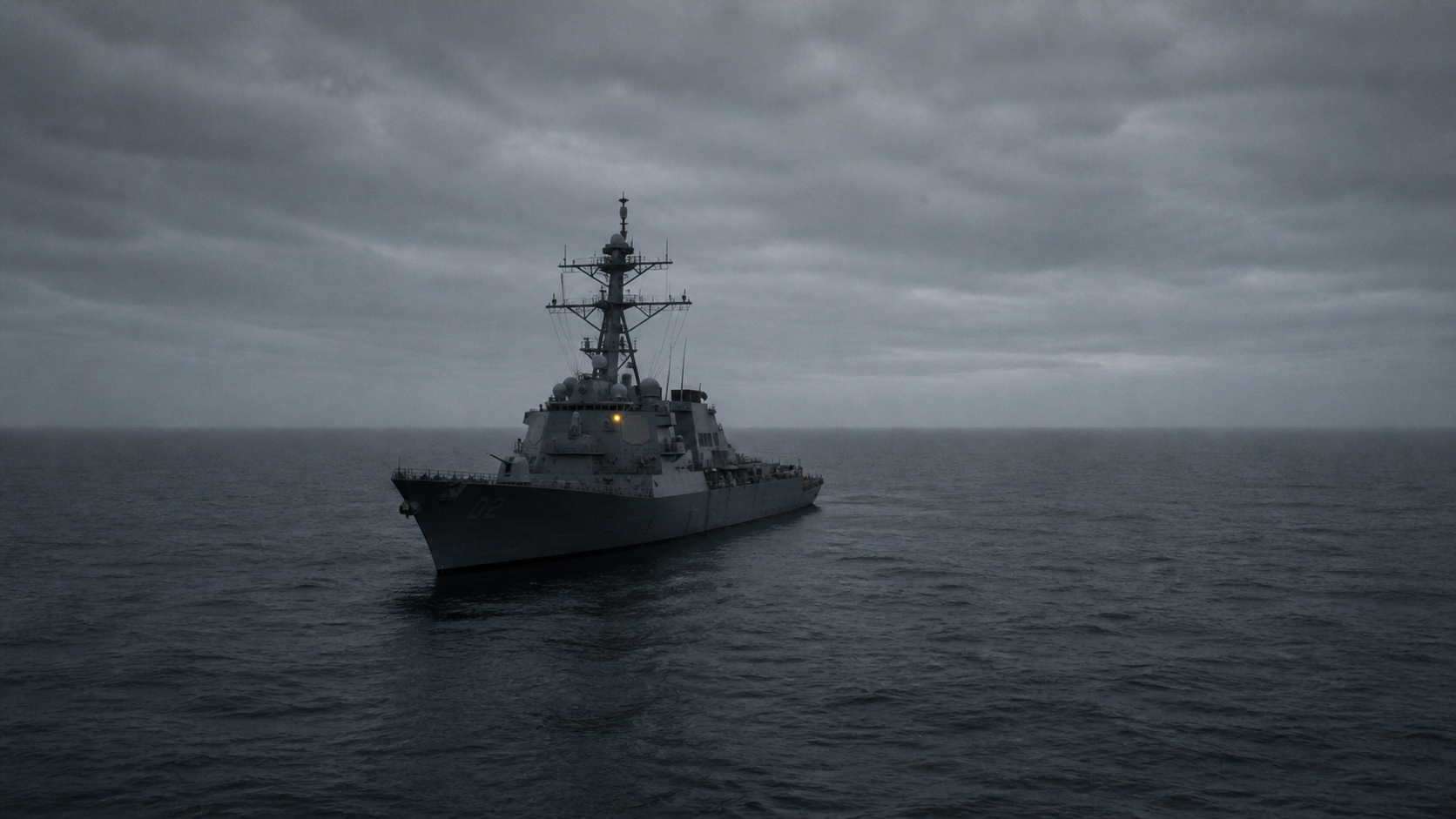
The United States has carried out strikes against Iran for a sixth consecutive night, with Iranian authorities saying civilian infrastructure including bridges, a railway station, and an airport were hit. US Central Command said the overnight attacks struck “dozens of Iranian military targets” using jets, drones, and ships, targeting coastal surveillance and air defence sites, military logistics infrastructure, and maritime capabilities. Iranian state media and provincial officials reported strikes on six bridges in Hormozgan province, Iranshahr Airport in the south-east, and a railway station. BBC Verify has confirmed damage to the Gariveh Bridge, which connected the cities of Bandar Abbas, Bandar Khamir, and Lar.
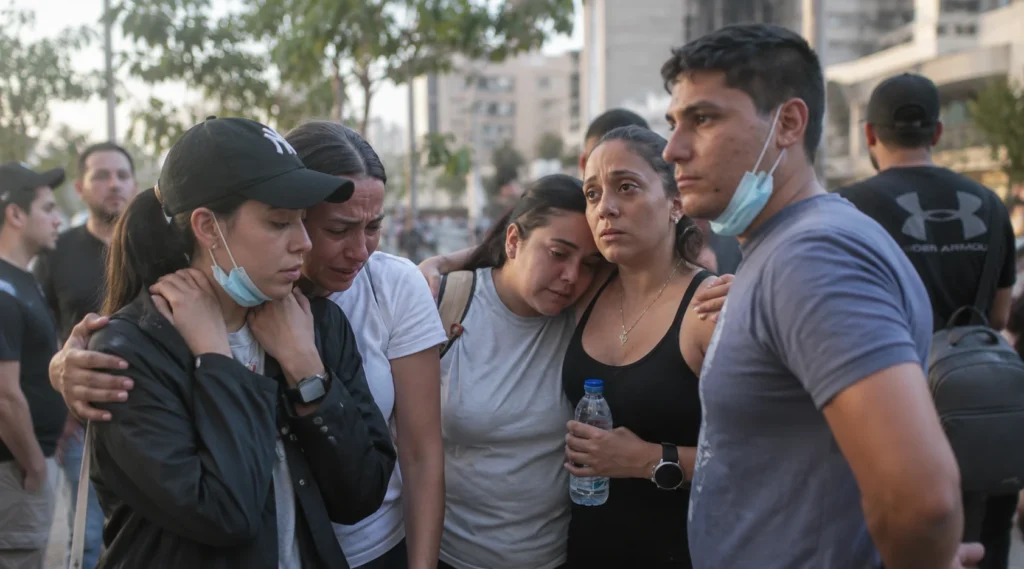
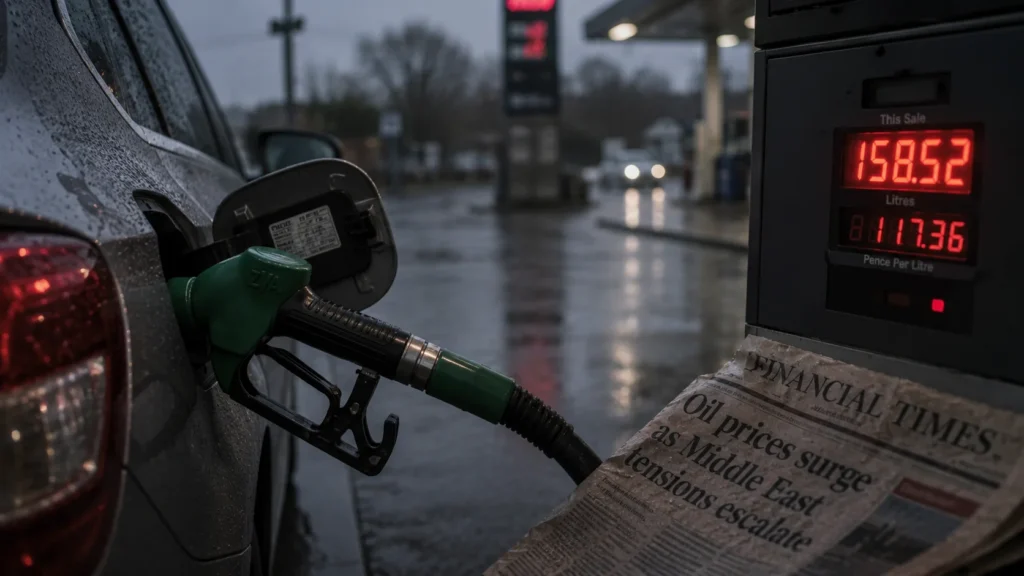
At least seven people were killed in the latest strikes, according to provincial authorities in Hormozgan. Iran’s health ministry says at least 38 people have been killed and more than 400 injured since the fighting resumed. The International Energy Agency chief, Fatih Birol, warned on Thursday that he is concerned about global energy supplies if the situation does not improve. The Strait of Hormuz remains effectively closed.
What Was Hit
US Centcom did not mention bridges in its list of targets. It said the strikes were intended to “further degrade Iranian military capabilities.” The BBC has asked Centcom for comment on the reports of civilian infrastructure damage.
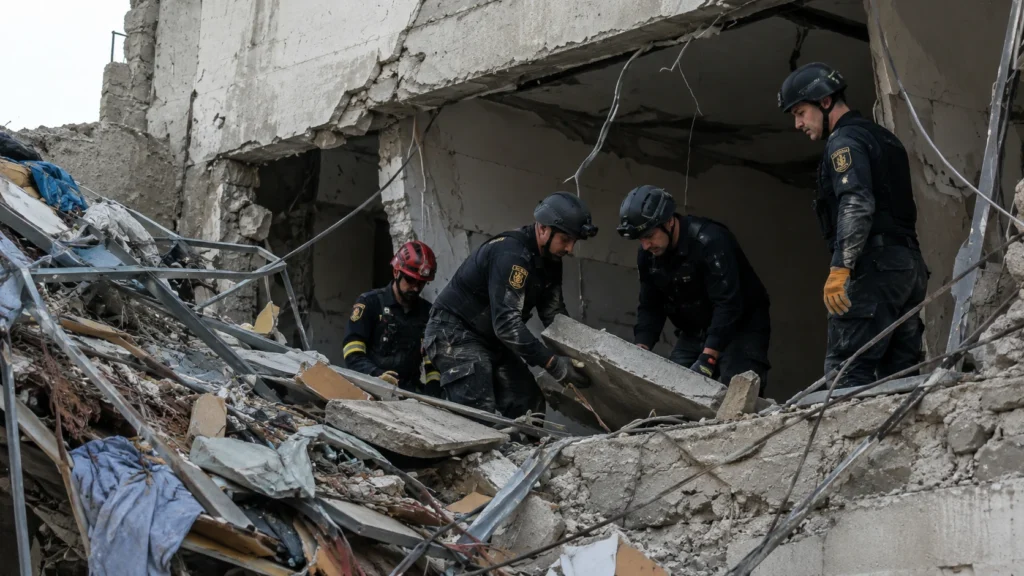
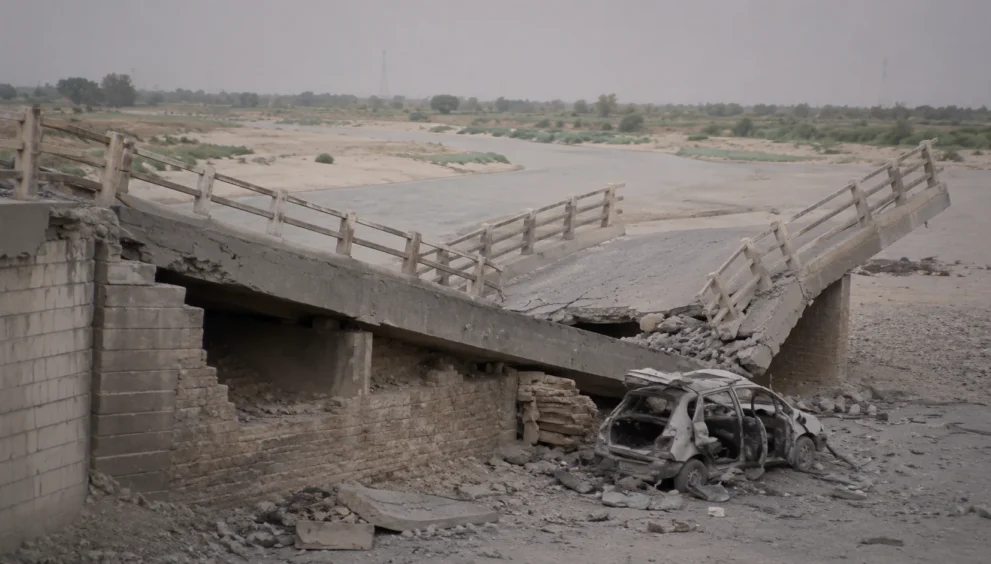
Iranian state media and local officials said Washington struck six bridges in Hormozgan province, a railway station, and Iranshahr Airport. BBC Verify and BBC Persian confirmed damage to the Gariveh Bridge, which linked Bandar Abbas, Bandar Khamir, and Lar. Overnight video showed the bridge with a ball of flames on top and cars stopped behind the fire. Morning images revealed a crumbled stretch of road with rubble around the broken structure.
Power cuts were reported in Hormozgan province due to damage to electricity infrastructure. Strikes were also reported in the provinces of Khuzestan, Bushehr, and Sistan-Baluchestan, along Iran’s southern coast.
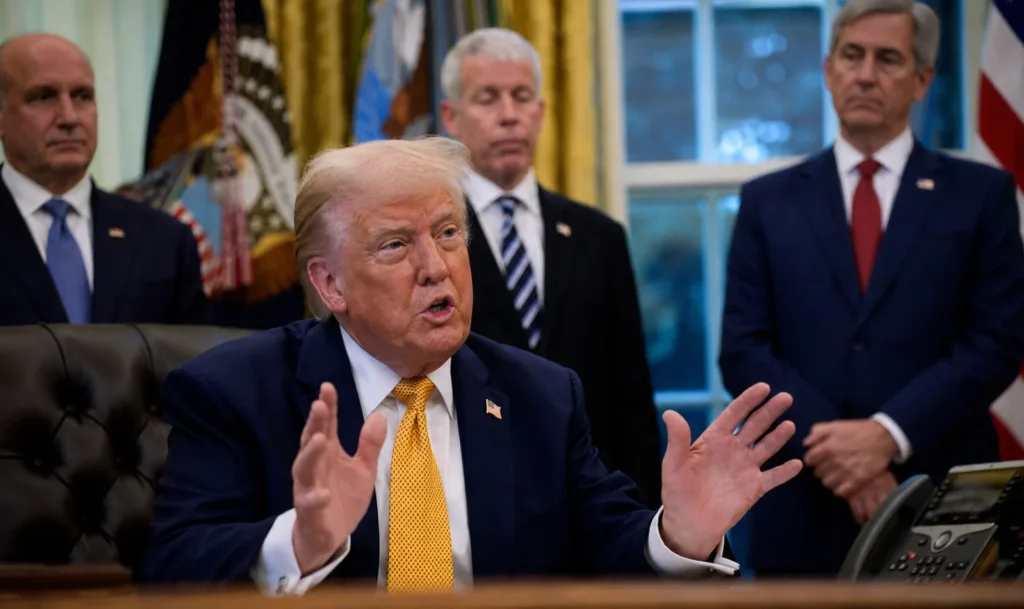
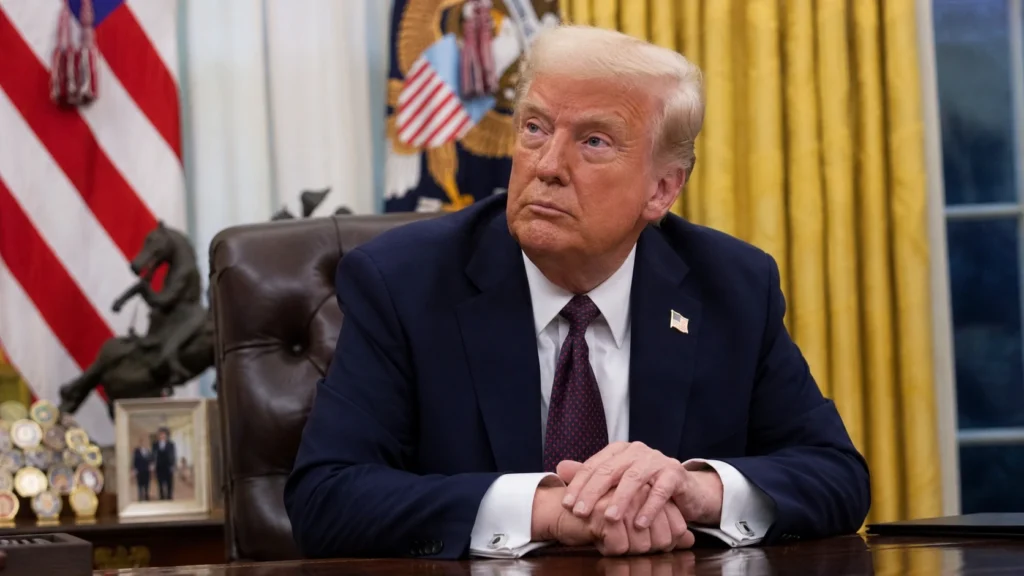
In April, President Donald Trump threatened to strike Iran’s bridges and power plants. UN human rights chief Volker Türk said at the time that “deliberately attacking civilians and civilian infrastructure is a war crime.”
According to BBC Verify and BBC Persian confirmation of damage to the Gariveh Bridge and Iranian state media reports of strikes on civilian infrastructure, the distinction between military and civilian targets is becoming increasingly contested as the air campaign continues.
As our analysis of the escalating US-Iran conflict and the targeting of infrastructure has documented, the expansion of the target list to include bridges, power facilities, and transport infrastructure represents a significant escalation in the scope of the war.
Iran’s Response
The Islamic Revolutionary Guard Corps said it retaliated by striking US maritime surveillance radar sites in Oman, as well as targets in Kuwait and Bahrain. It also claimed to have attacked a US special operations command centre at al-Tanf in Syria, near the Jordanian border. The IRGC said the Syria strike was retaliation for the killing of Iranian soldiers two days earlier. Neither Syria nor the US has commented on the claim.
In Kuwait, authorities said Iranian strikes hit power generation and water desalination stations, causing damage to facilities, a fire, and the disruption of a large number of electricity generation units. Jordan’s military said it shot down three Iranian missiles with no casualties or damage reported.
In Iraqi Kurdistan, eight people were killed and several injured in the city of Sulaymaniyah in the early morning, according to Kurdish news agency Rudaw and AFP. Kurdish forces blamed the attack on Iran. Separately, Kurdish forces said eight drones were shot down over Erbil, with no casualties reported.
According to Kuwaiti authorities’ statement on damage to power and water infrastructure, Jordanian military confirmation of missile interceptions, and Kurdish reports of casualties in Sulaymaniyah, the conflict is increasingly drawing in neighbouring states.
The Blockade and the Strait
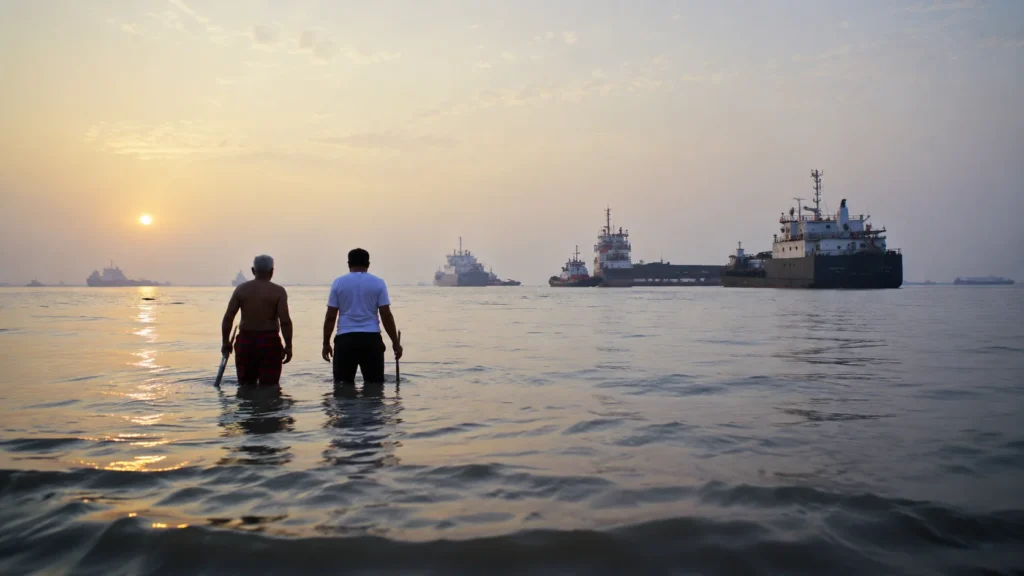
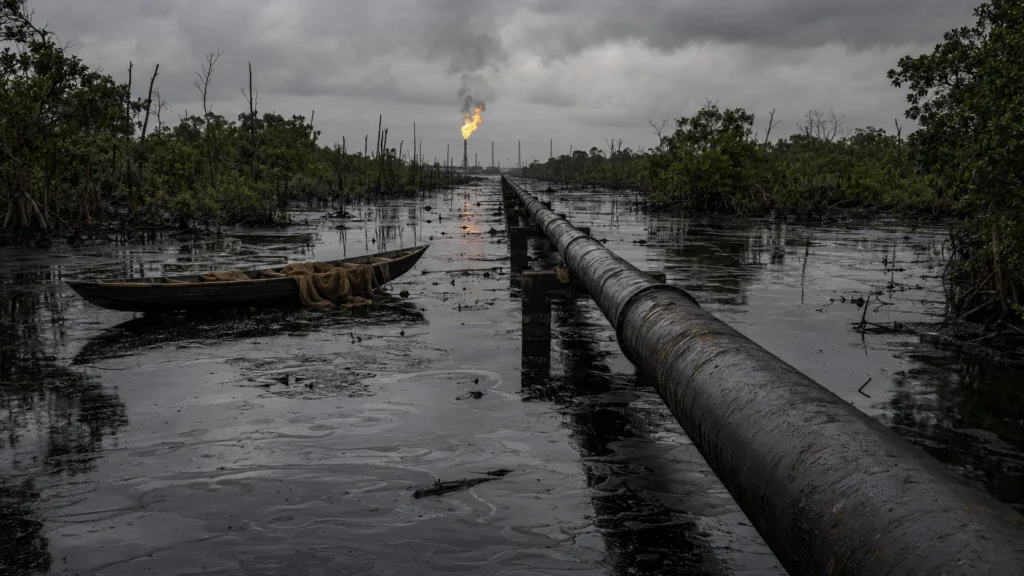
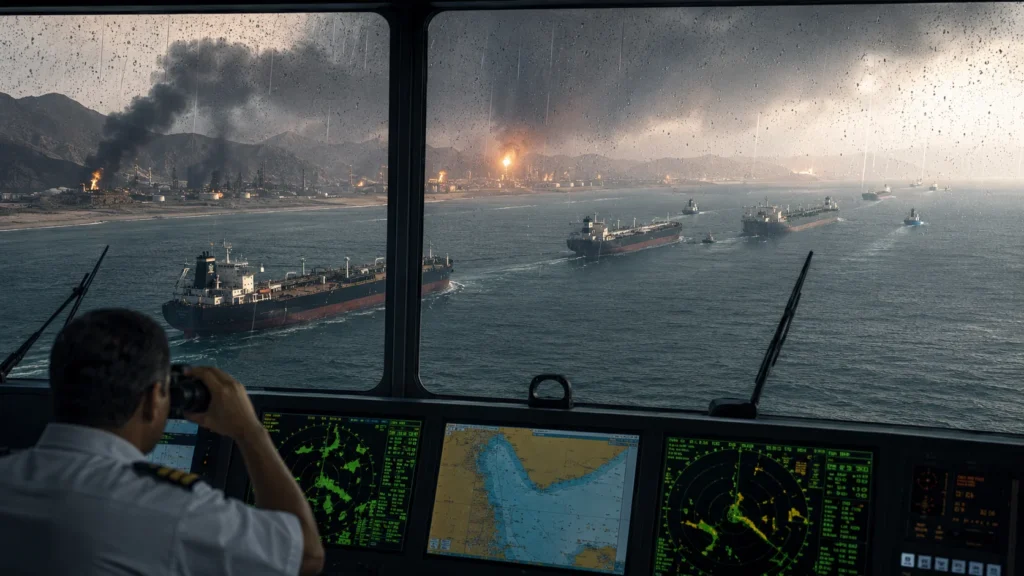
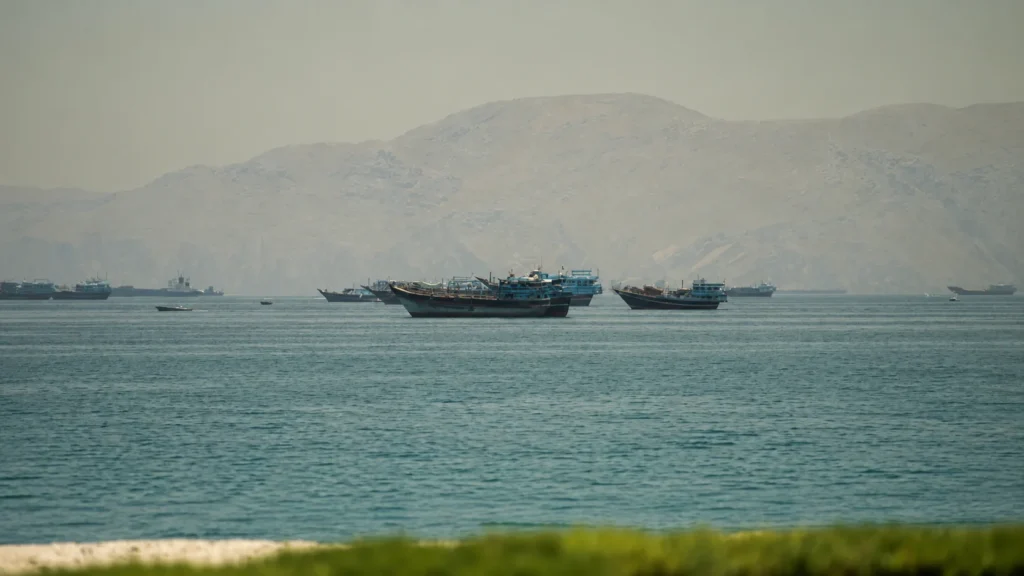
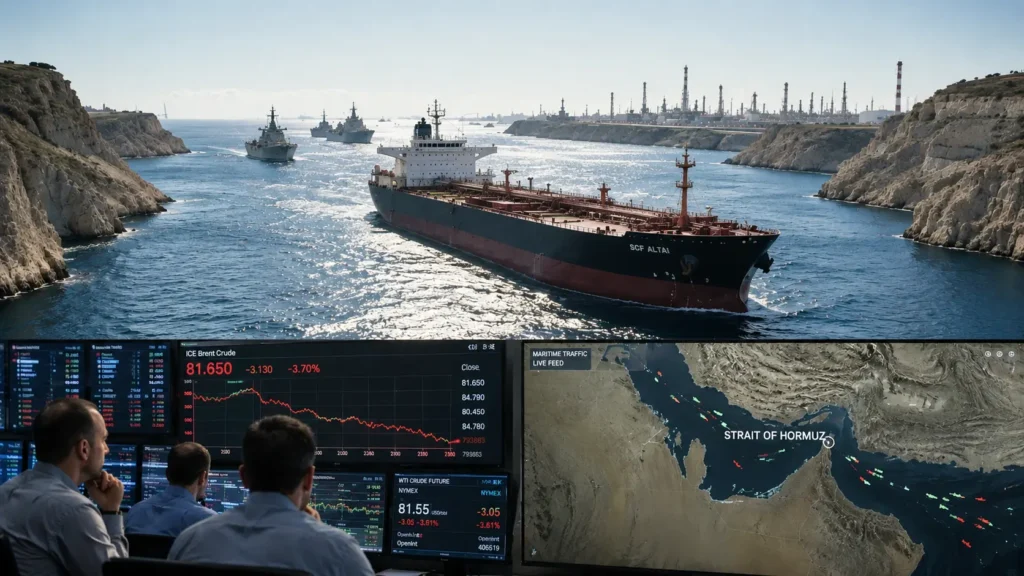
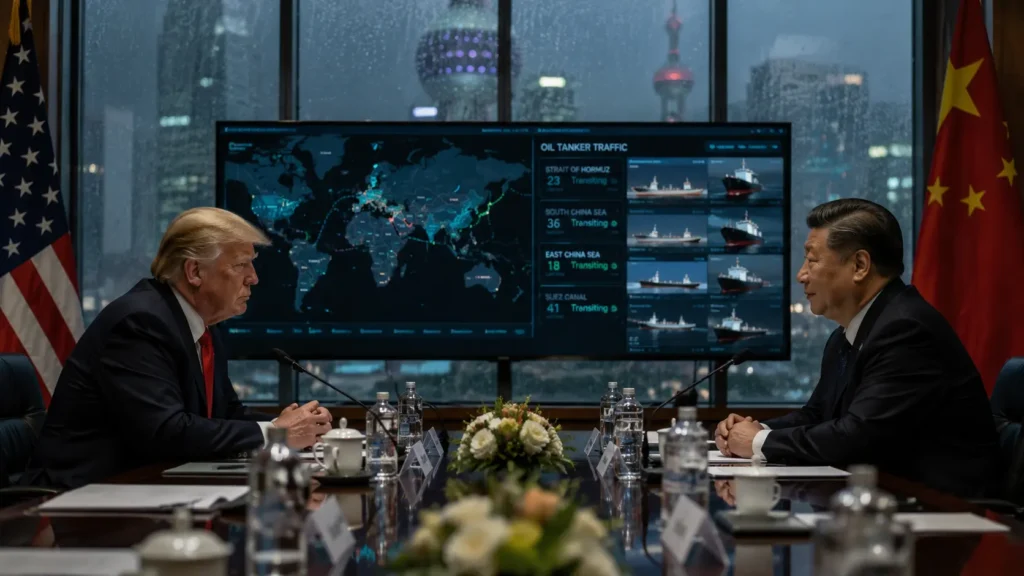
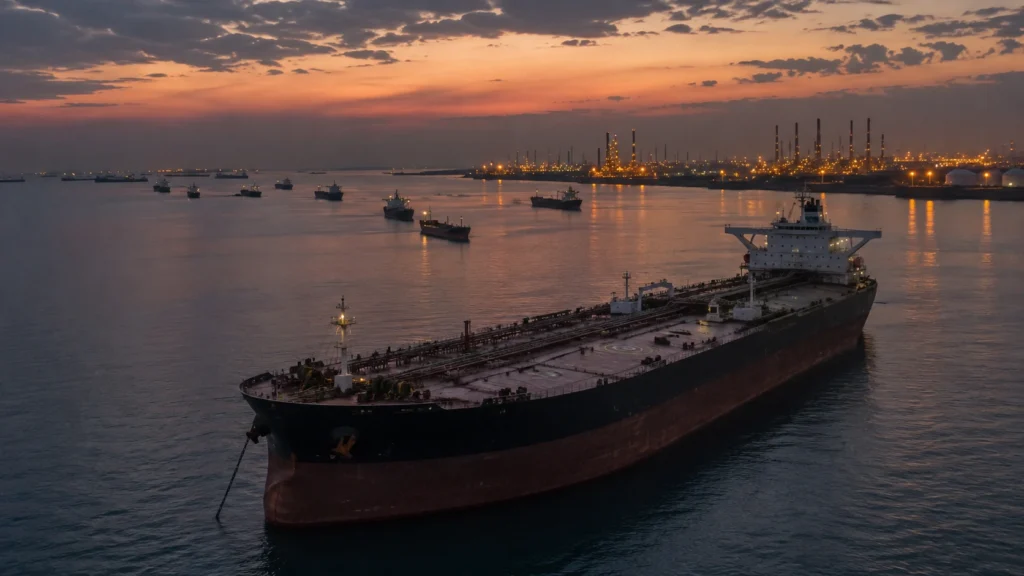
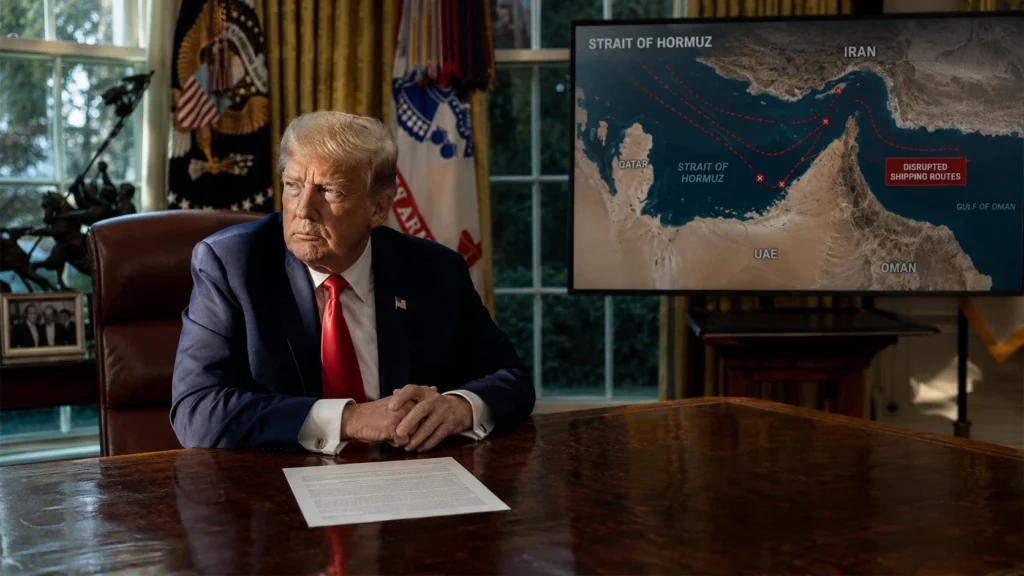
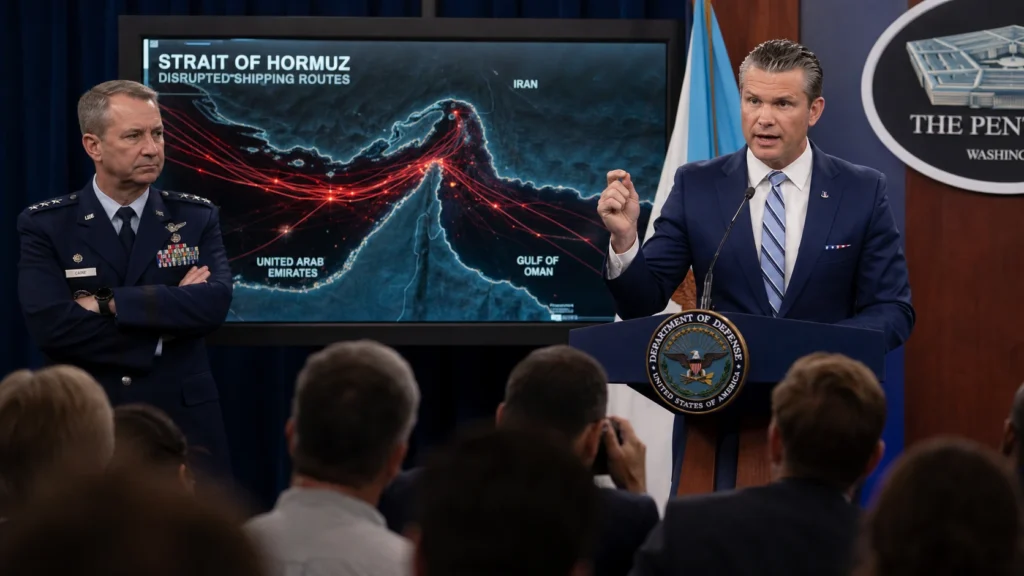
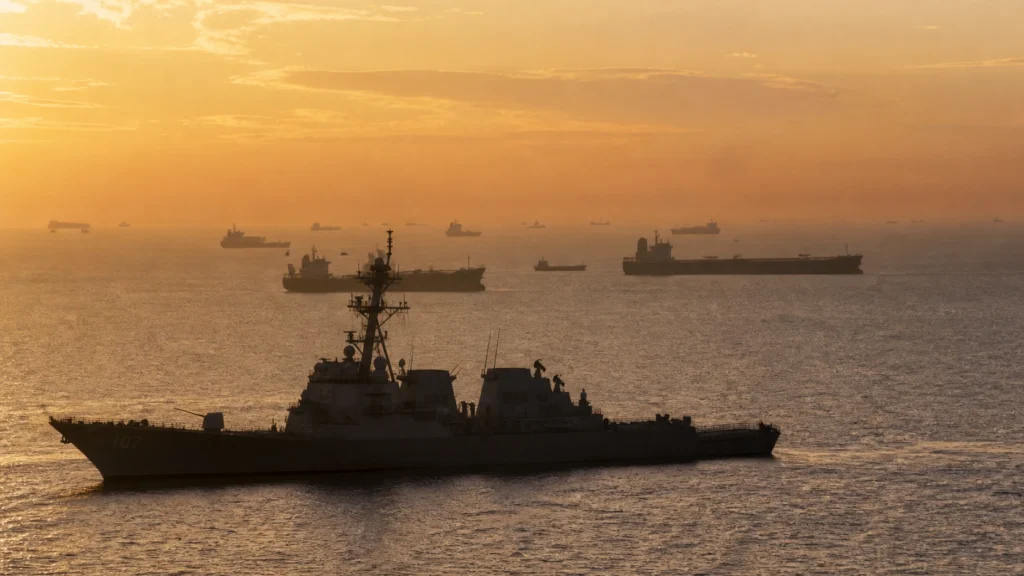
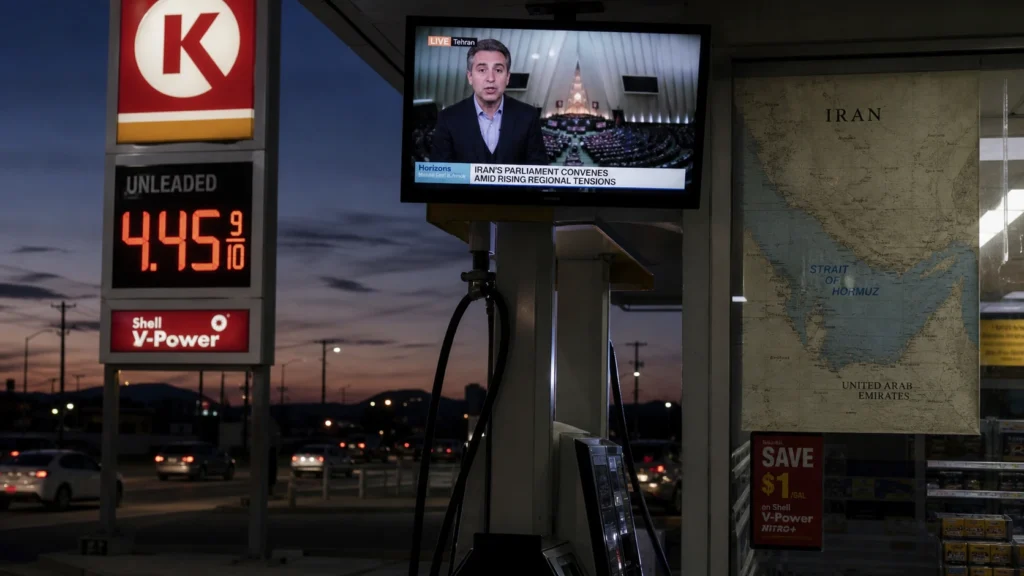
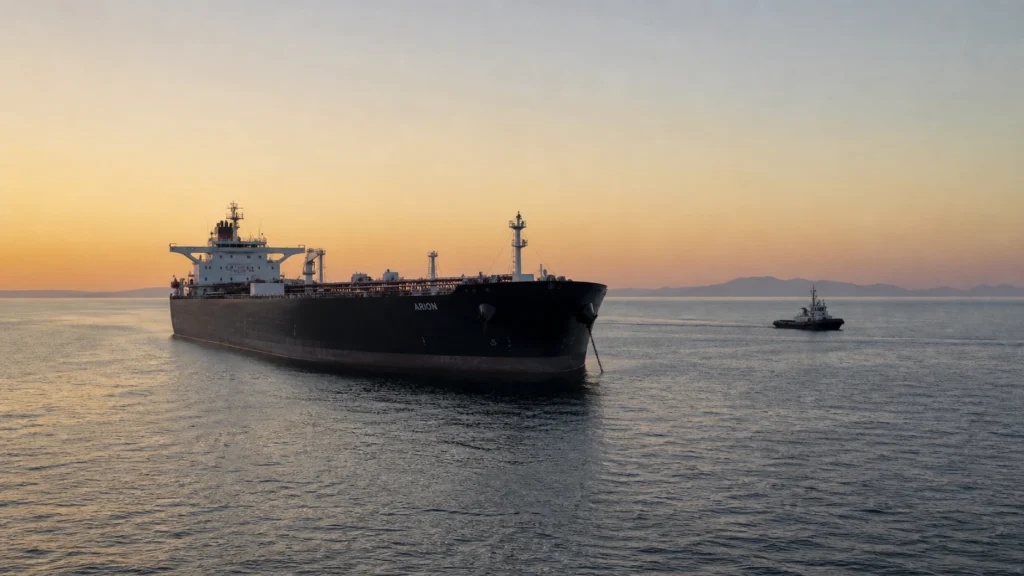
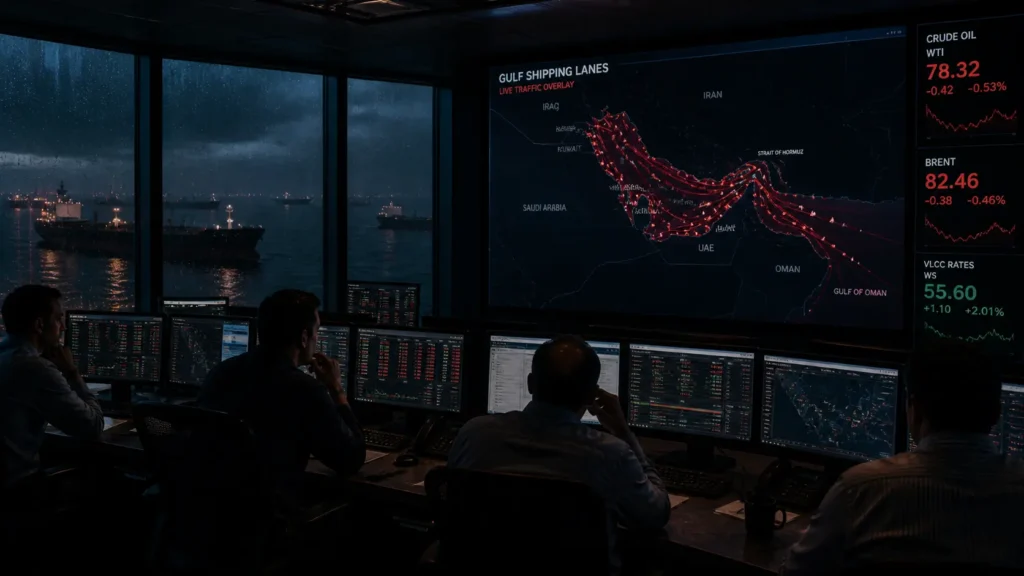
The Strait of Hormuz, which normally carries about 20% of the world’s oil, remains effectively closed. The US blockade of Iranian ports, which resumed on Tuesday, is now in its fourth day.
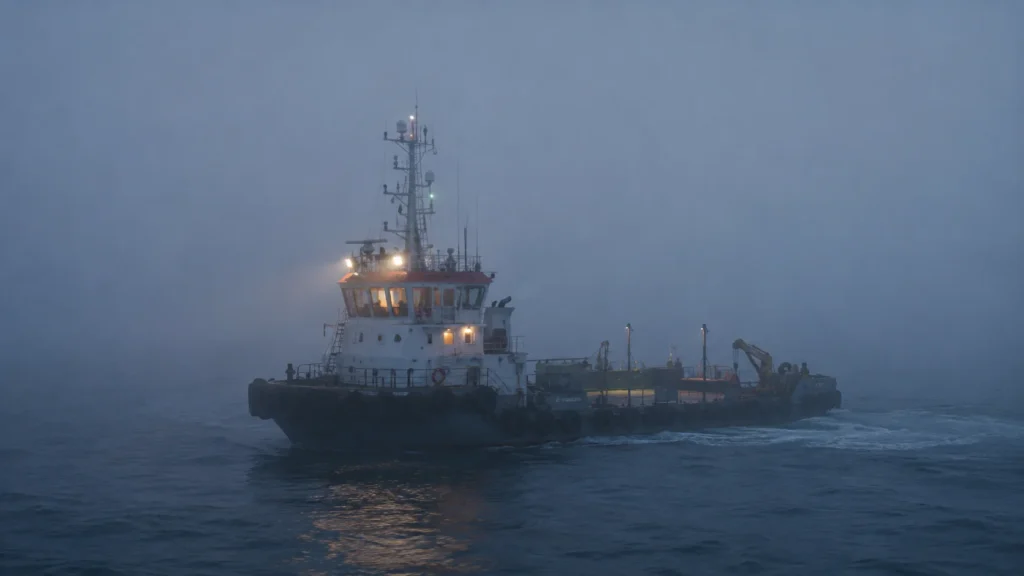
Centcom said marines boarded an oil tanker in the Gulf of Oman and “redirected three commercial vessels trying to run the blockade.” Under its previous blockade, between 13 April and 18 June, US forces disabled nine ships and redirected more than 140.
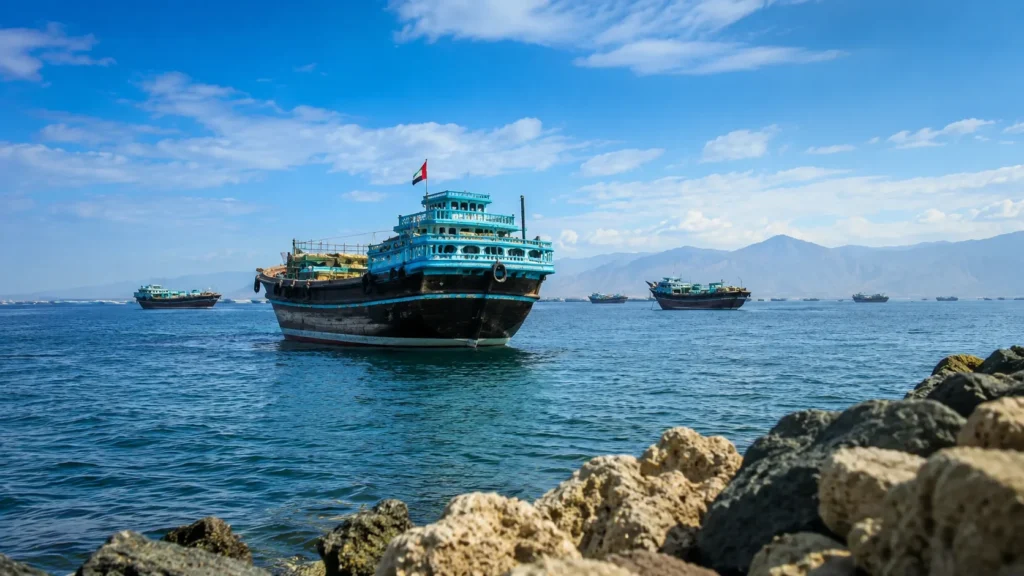
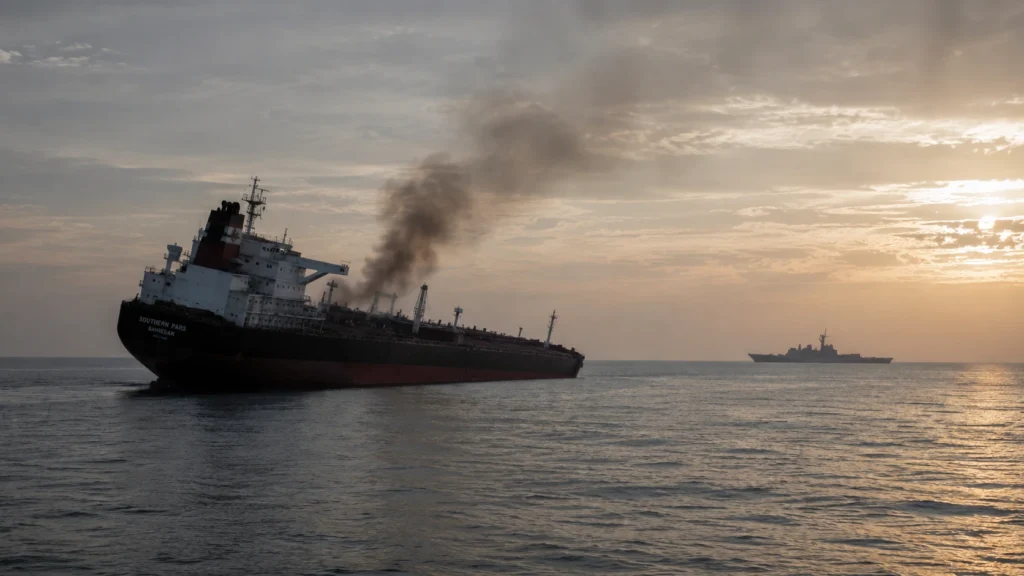
The United Kingdom Maritime Trade Operations reported a tanker was hit by an unknown projectile on Thursday while sailing near Khasab in Oman. All crew members were reported safe.
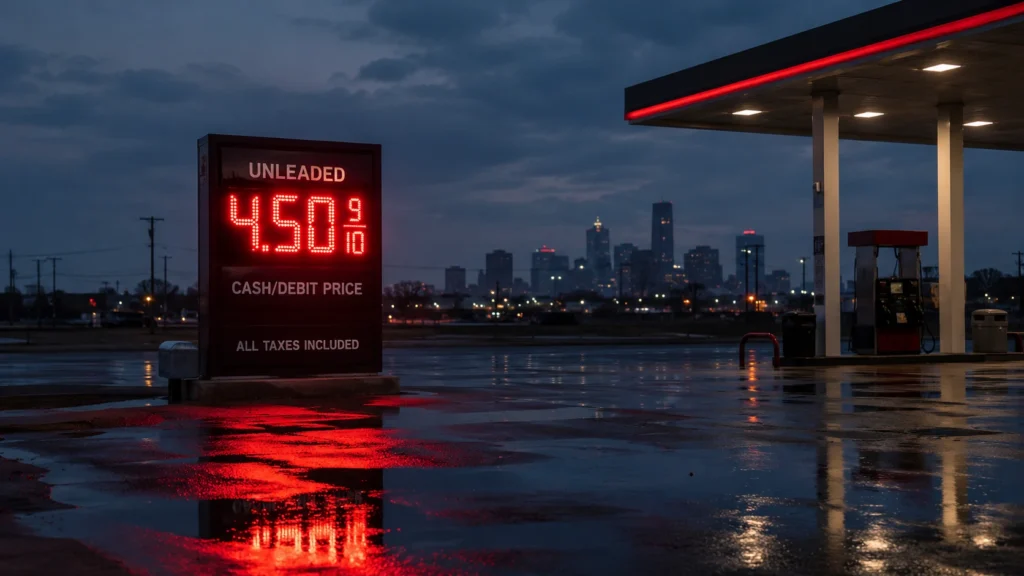
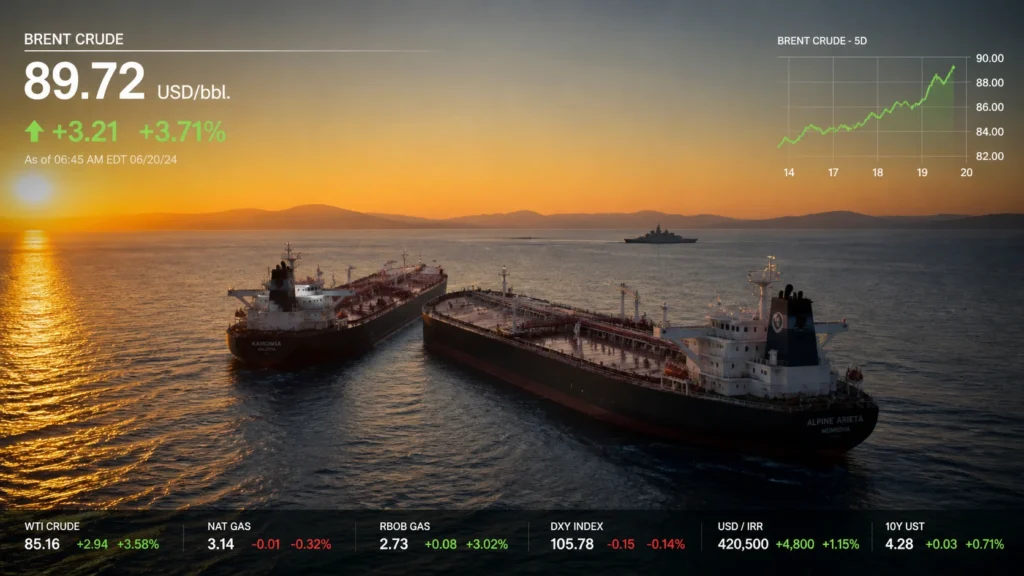
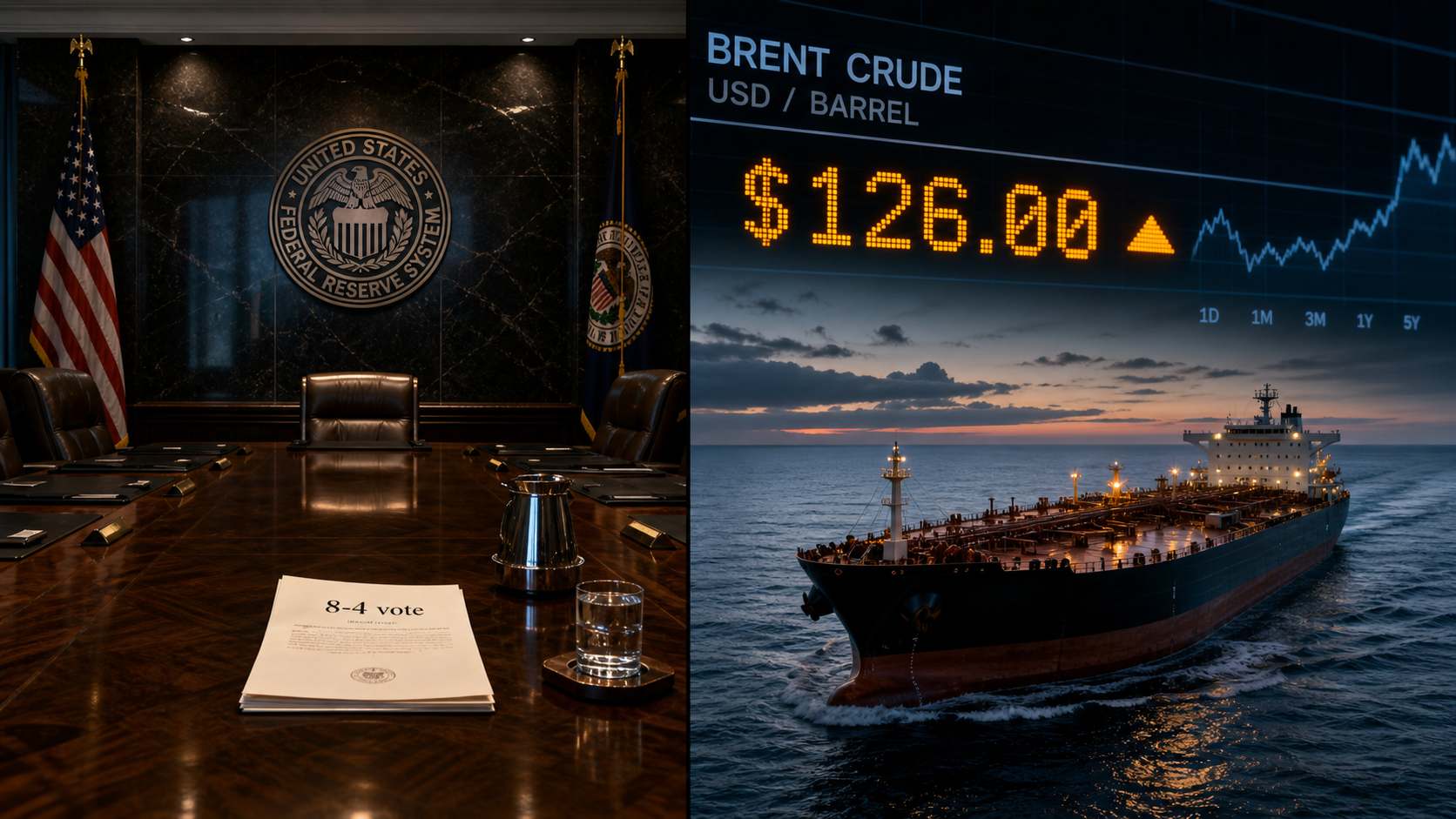
IEA chief Fatih Birol said on Thursday night: “We should be worried, and I am worried, if the situation does not improve in the next few weeks.” The warning from the head of the agency responsible for monitoring global energy supplies is one of the most significant interventions yet from an international economic institution on the crisis.
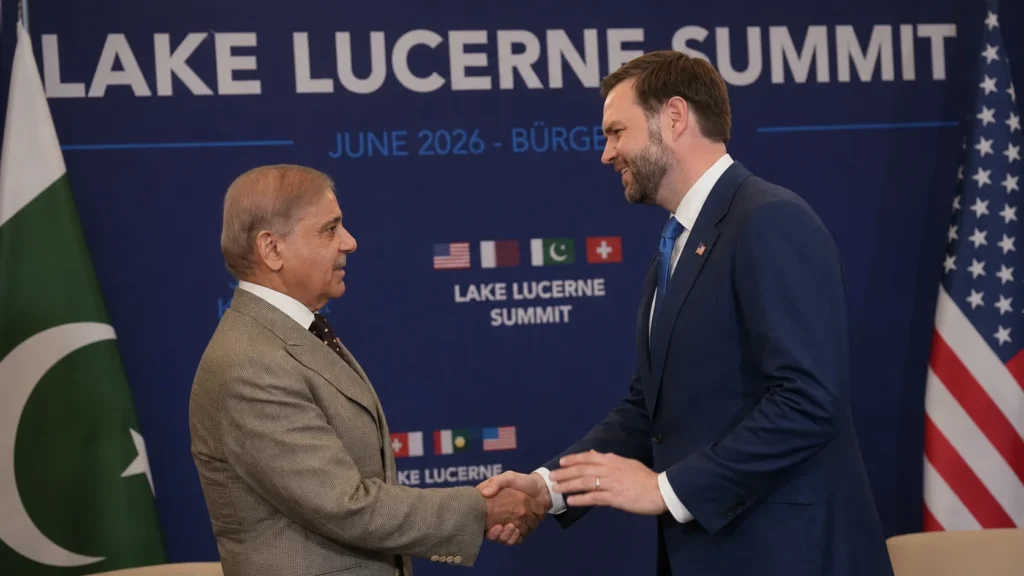
On Friday, the Chinese and Pakistani foreign ministers called for the US and Iran to stop fighting and resume negotiations.
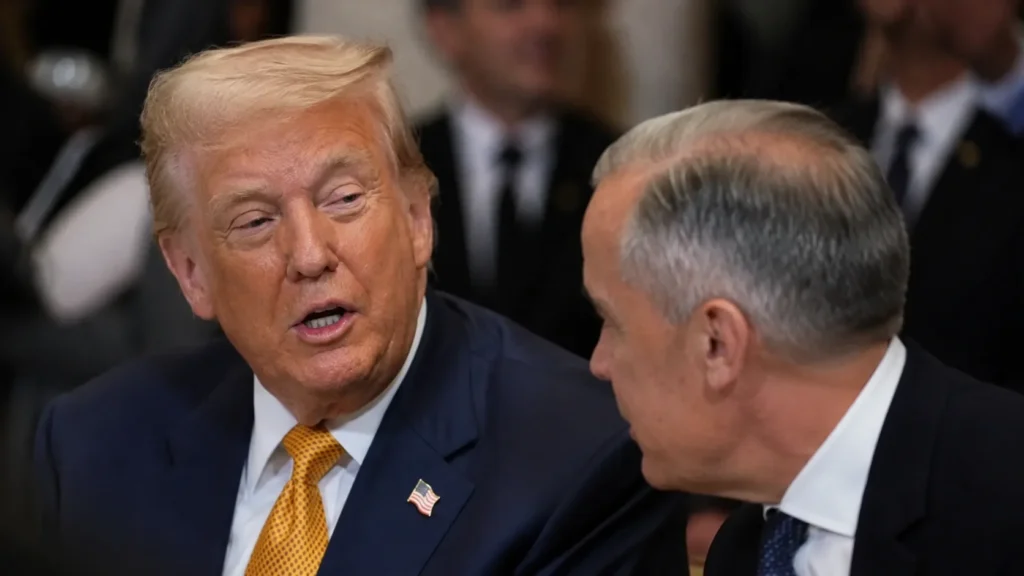
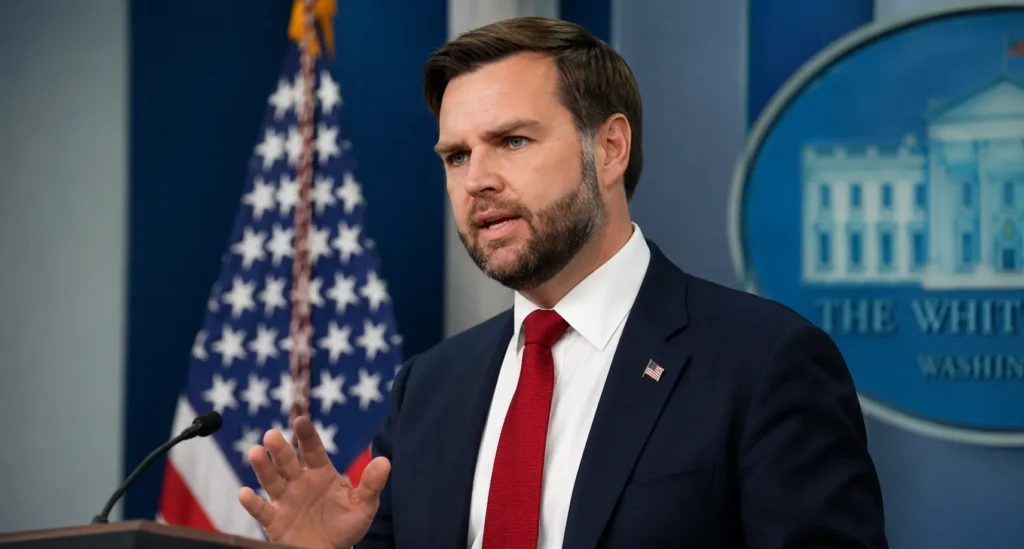
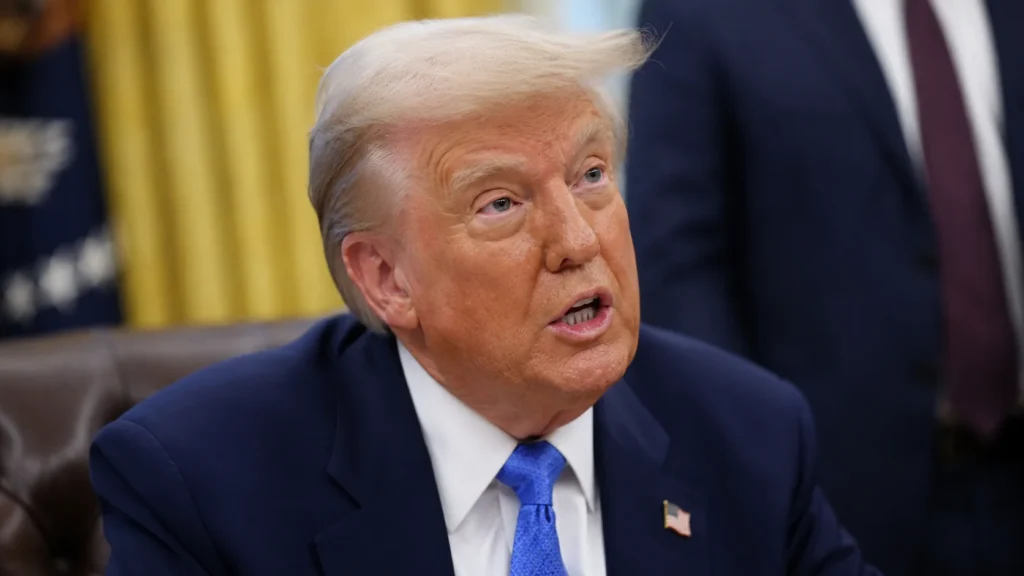
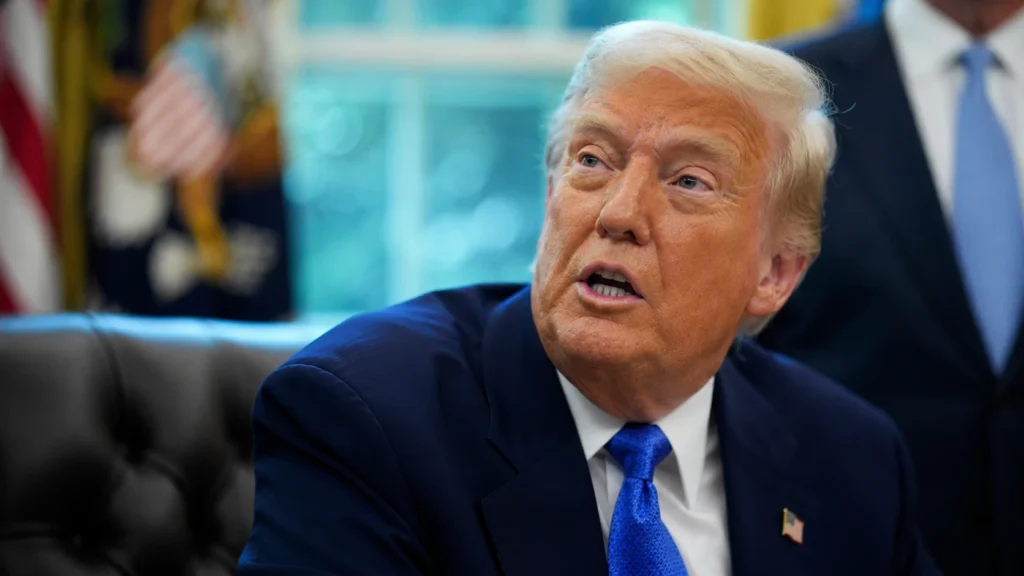
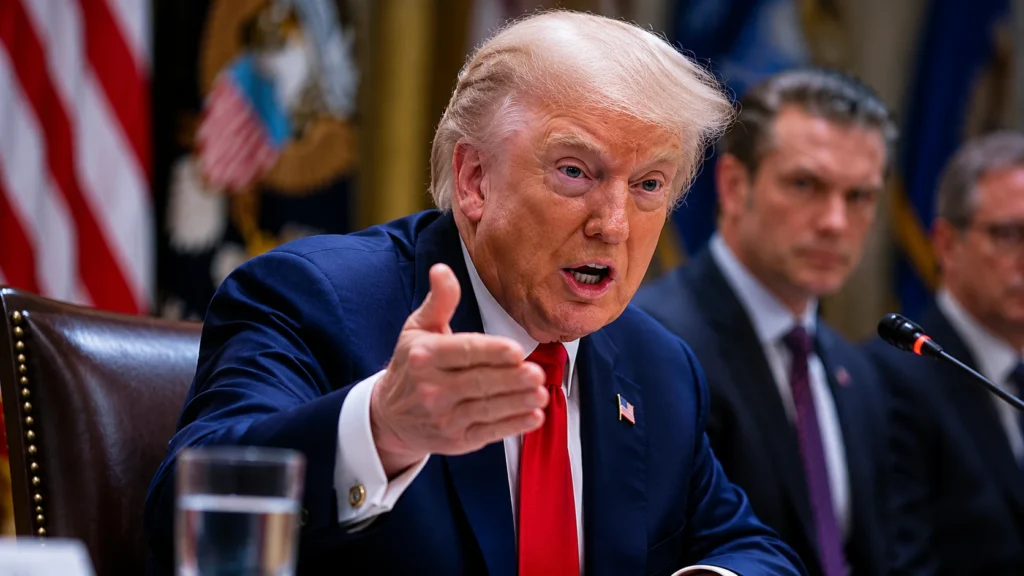
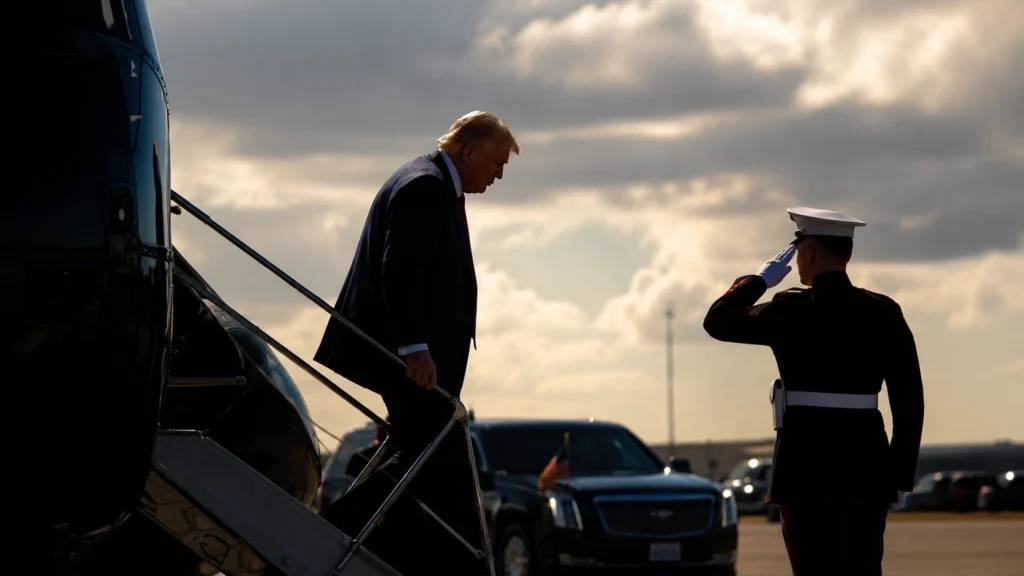
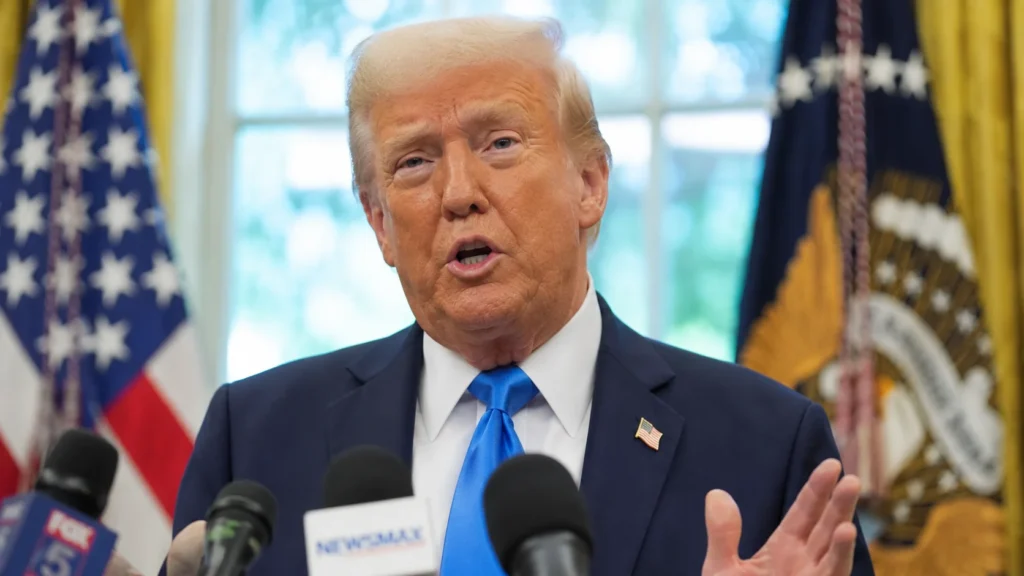
White House press secretary Karoline Leavitt said Trump was “always open to diplomacy” but “the president is not going to allow [Iran] to fire on ships in the strait without paying a consequence for that.” Iran’s top negotiator, Mohammad Bagher Ghalibaf, said on Wednesday that Tehran had “no reason” to abide by any agreement that did not benefit the country.
As our coverage of the Strait of Hormuz blockade and its impact on global energy markets has tracked, the waterway’s effective closure is beginning to generate warnings from international institutions about the strain on global supplies.
FAQ
What civilian infrastructure was hit?
Iranian authorities say six bridges, a railway station, and Iranshahr Airport were struck. BBC Verify has confirmed damage to the Gariveh Bridge in Hormozgan province. Power cuts were also reported. The US has not commented on these specific strikes.
How many people have been killed?
At least seven people were killed in the latest strikes, according to provincial authorities. Iran’s health ministry says at least 38 people have been killed and more than 400 injured since fighting resumed.
What did the IEA say?
IEA chief Fatih Birol said: “We should be worried, and I am worried, if the situation does not improve in the next few weeks.” The Strait of Hormuz normally carries about 20% of the world’s oil and is now effectively closed.
How did Iran respond to the latest strikes?
Iran struck US radar sites in Oman and targets in Kuwait and Bahrain. It also claimed to have attacked a US special operations centre at al-Tanf in Syria. Kuwait reported damage to power and water stations.
Is the US-Iran ceasefire deal still active?
No. Neither side has formally abandoned the 17 June memorandum of understanding, but both are behaving as if it does not exist. China and Pakistan have called for a return to negotiations.