

 English


































































































































































































US Strikes Iran for 10th Night as Trump Vows Retaliation for Soldiers’ Deaths
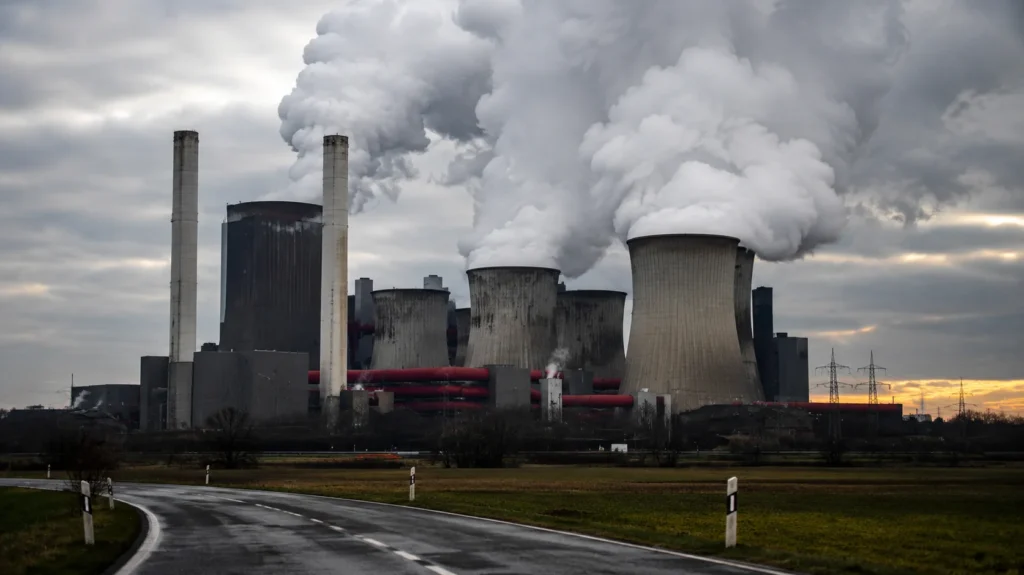
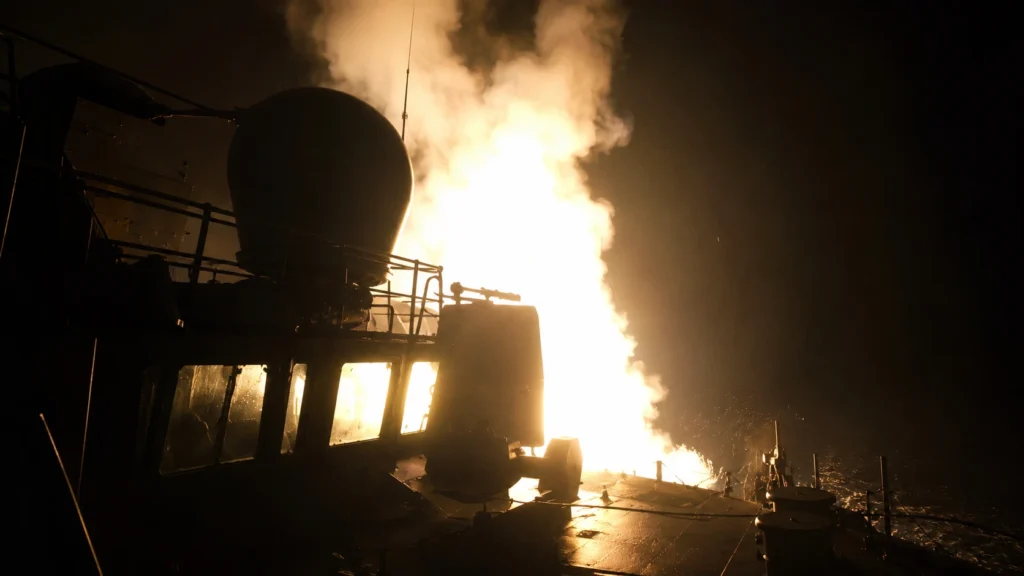
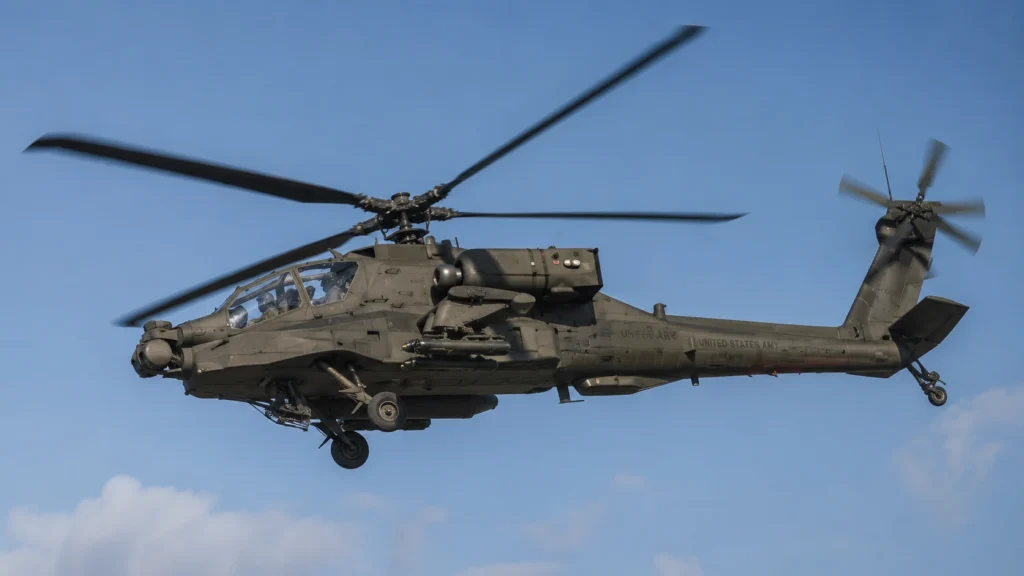
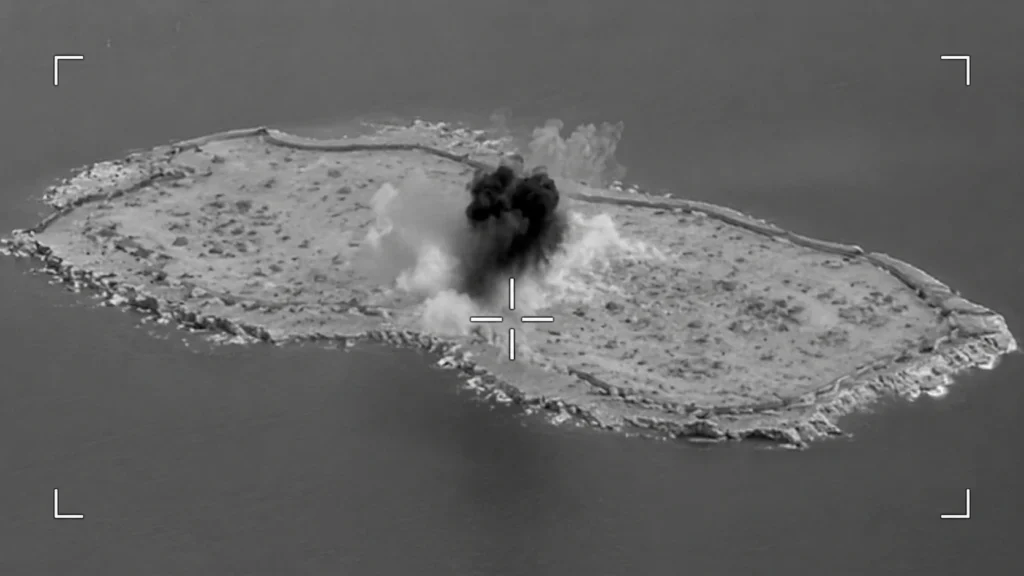
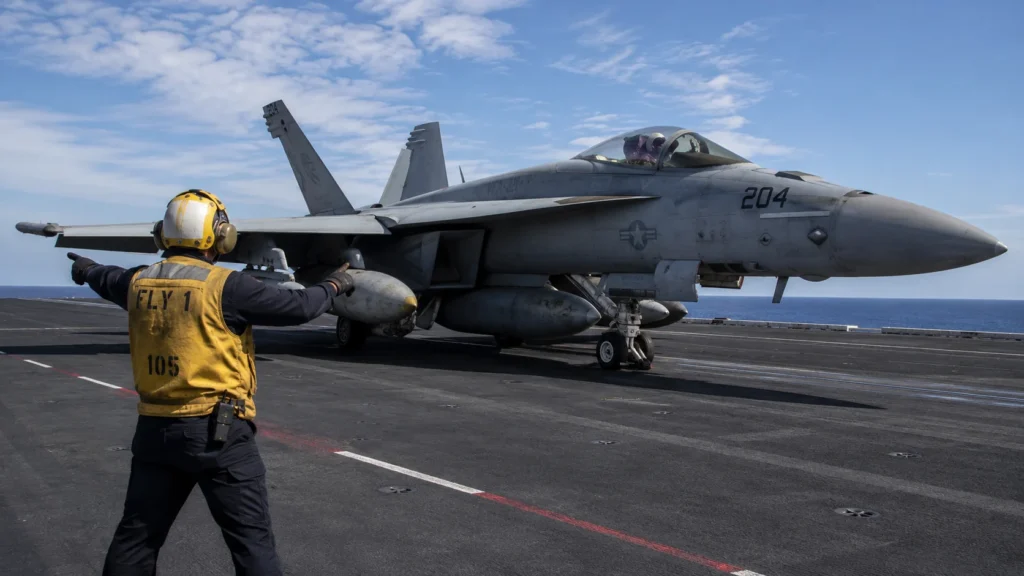
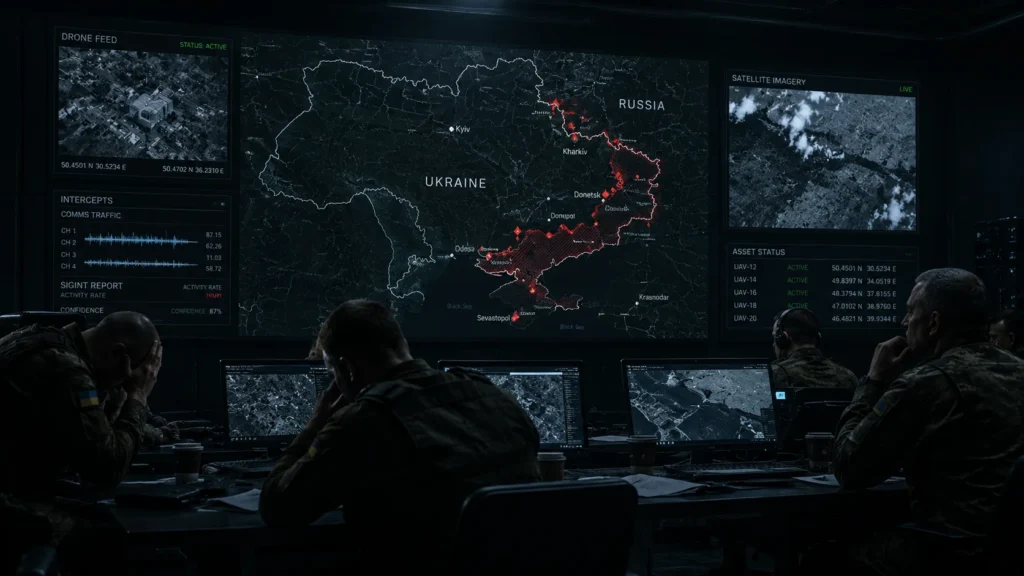
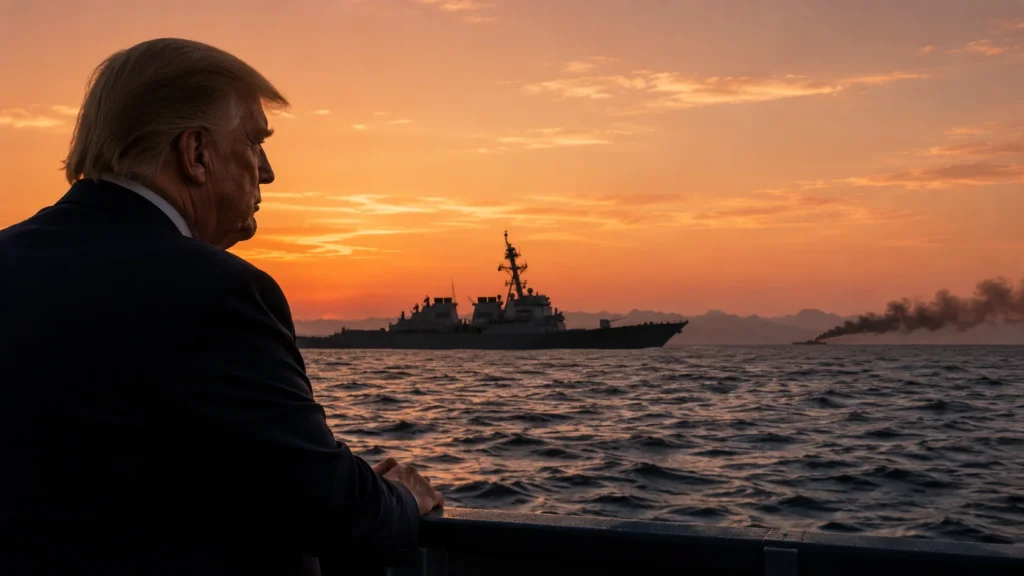
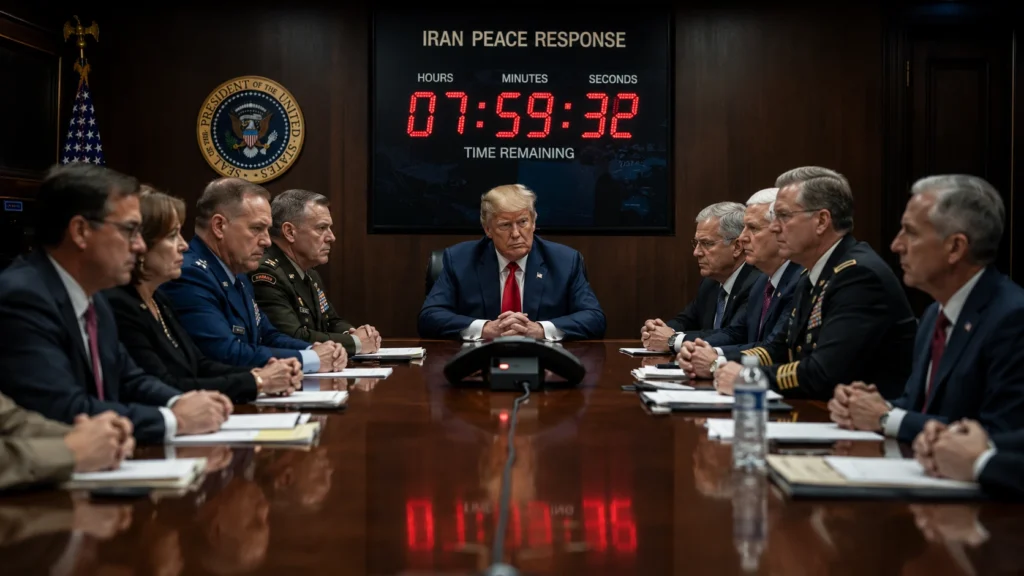
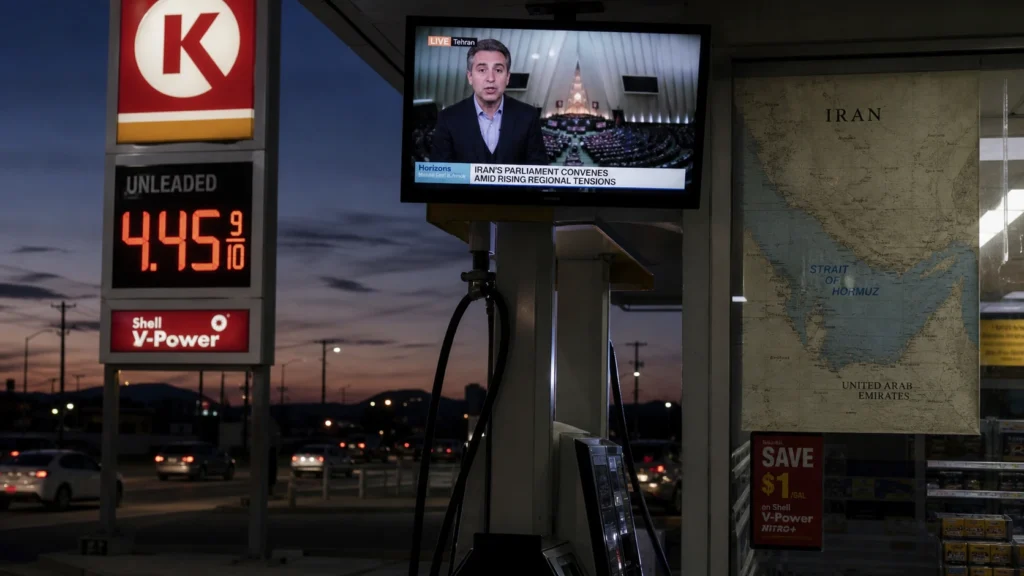
The US military has carried out a 10th consecutive night of strikes against Iran, targeting military command centres, maritime capabilities, missile and drone launch sites, and air defence systems, as President Donald Trump vowed to punish Tehran for the deaths of American soldiers. Iran’s president declared the country was now fighting a “full-scale war” with the United States. The Pentagon on Monday night identified two of the soldiers killed in an Iranian strike on the Muwaffaq Salti base in Jordan over the weekend—Private Isabella Gonzales, 19, of Texas, and Lieutenant Tyler James Feehan, 25, of Hawaii. A third service member remains missing.
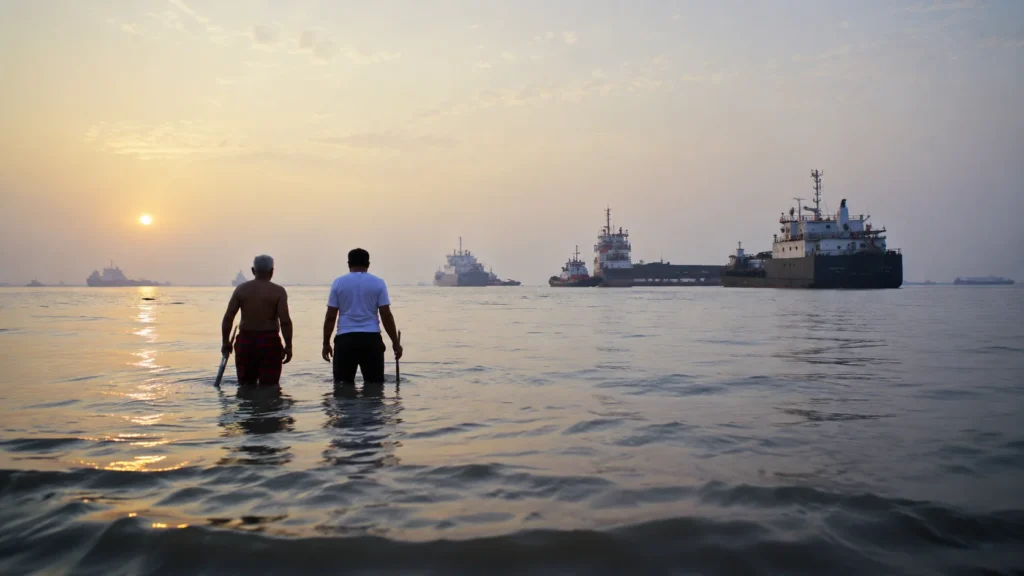
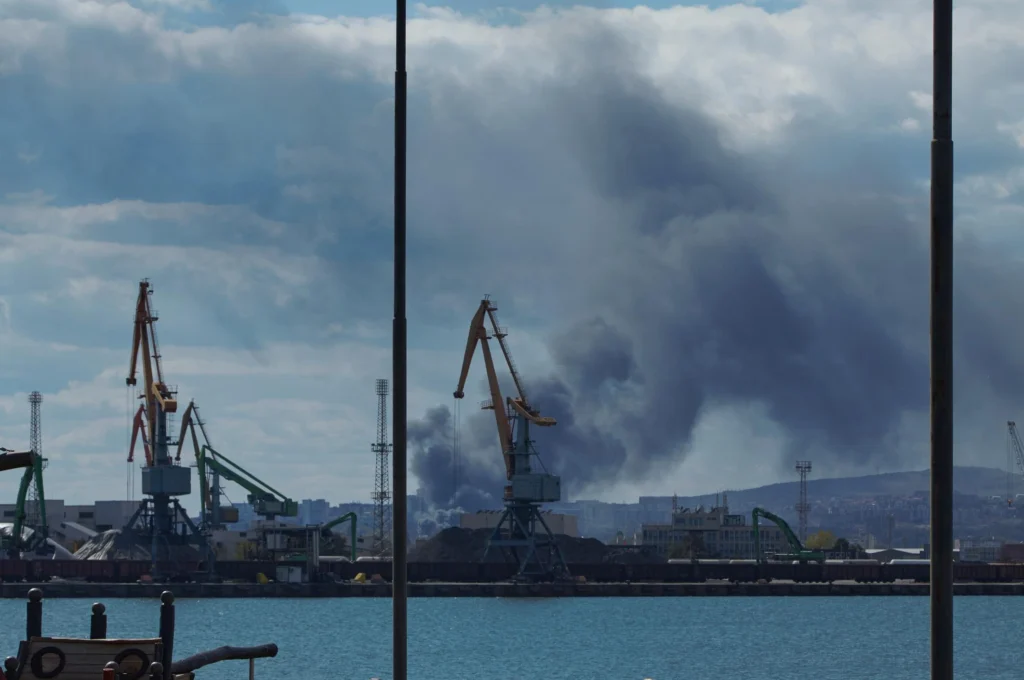
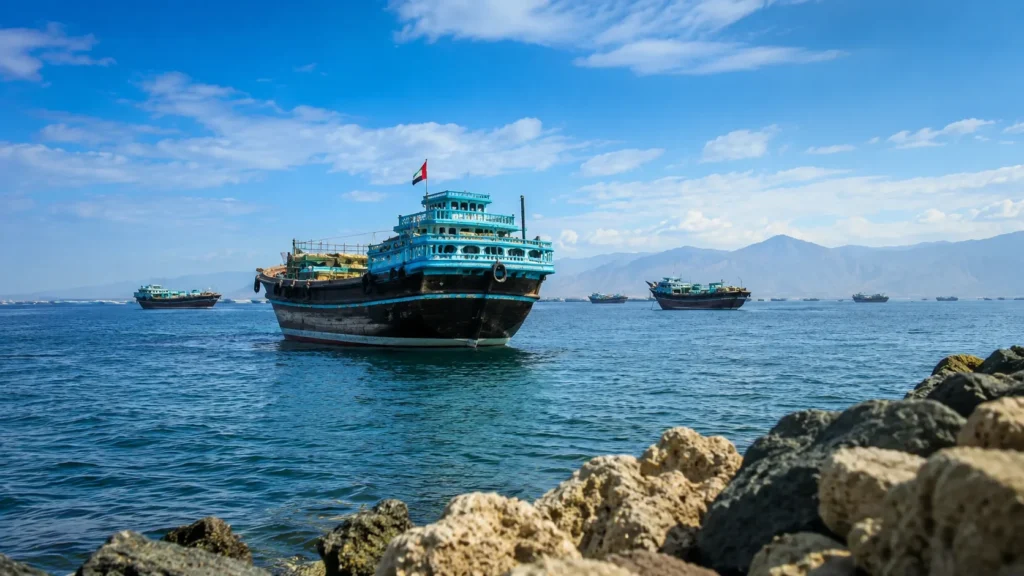
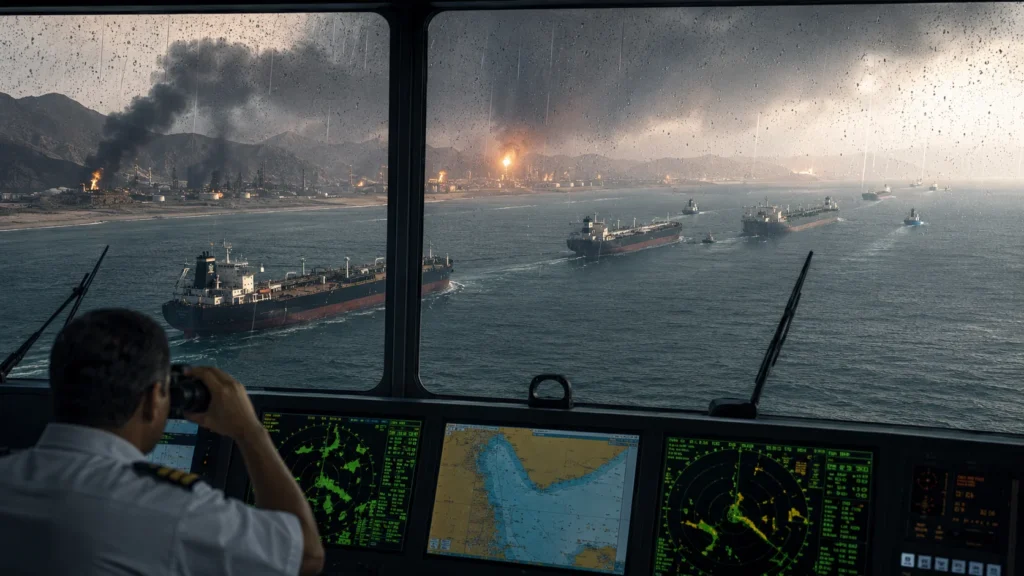
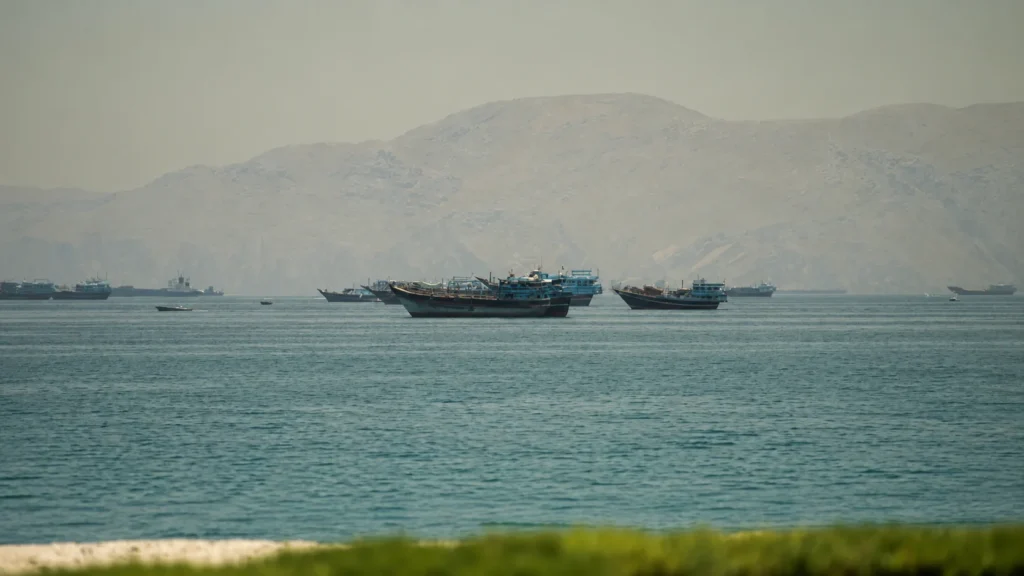
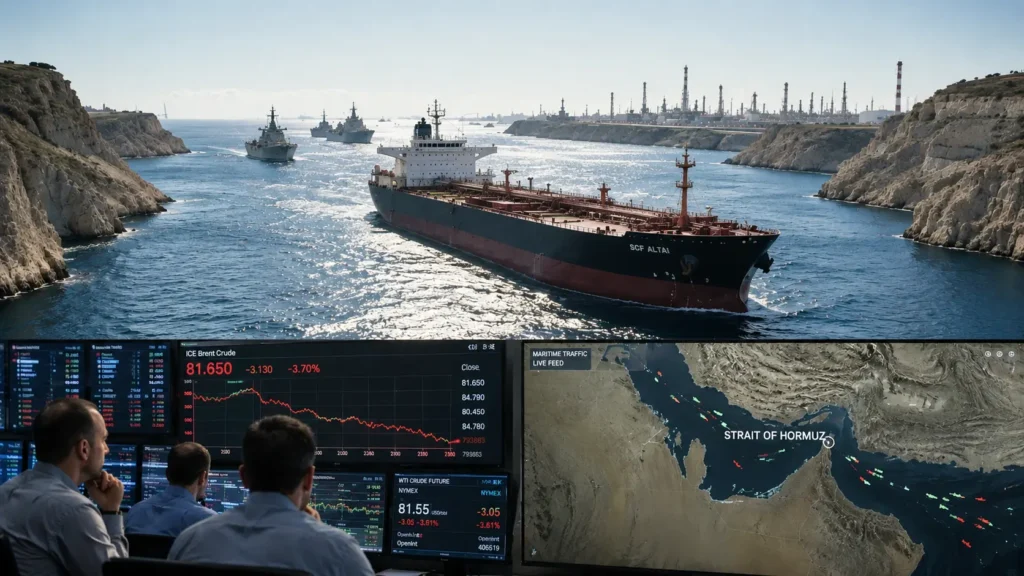
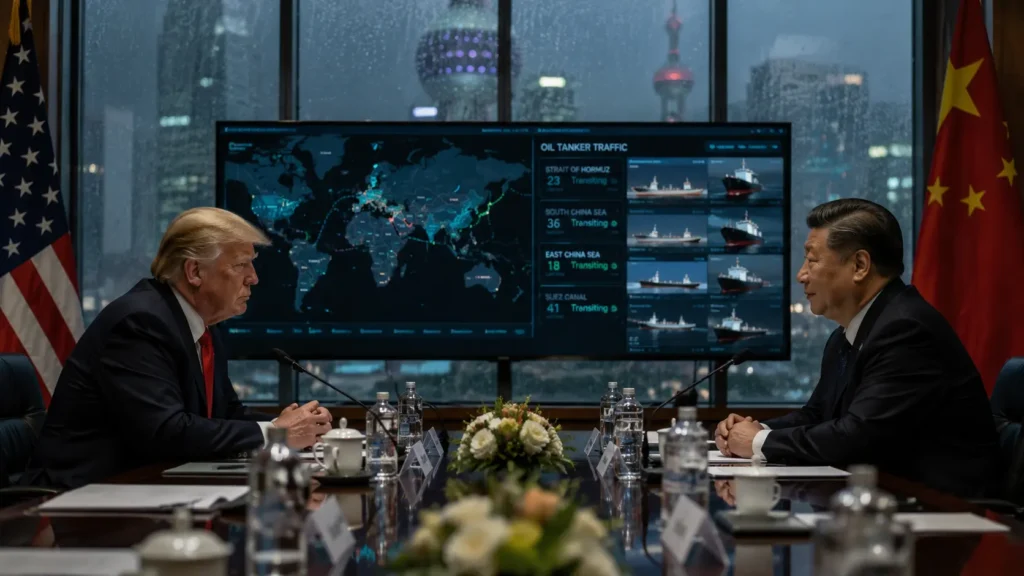
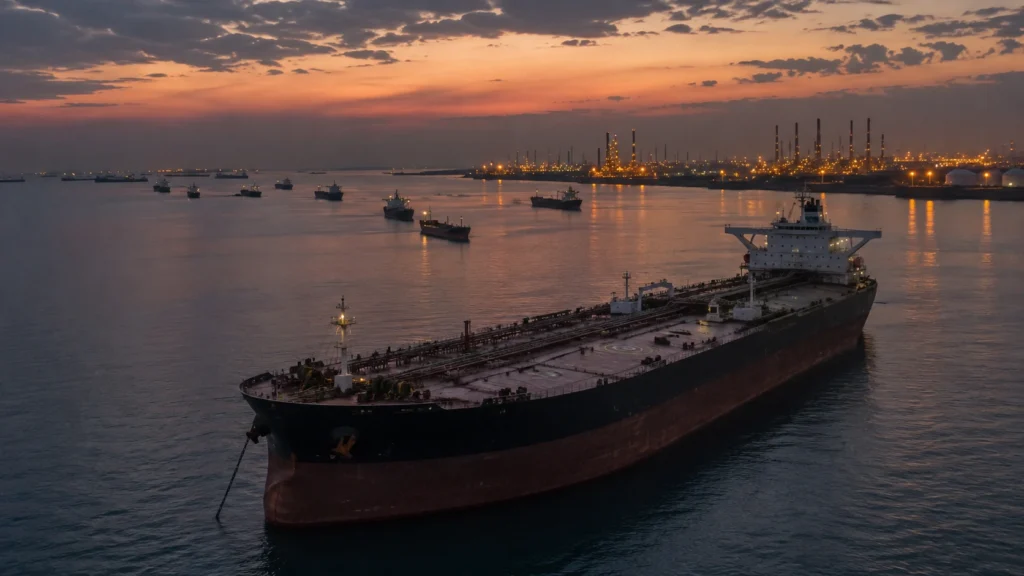
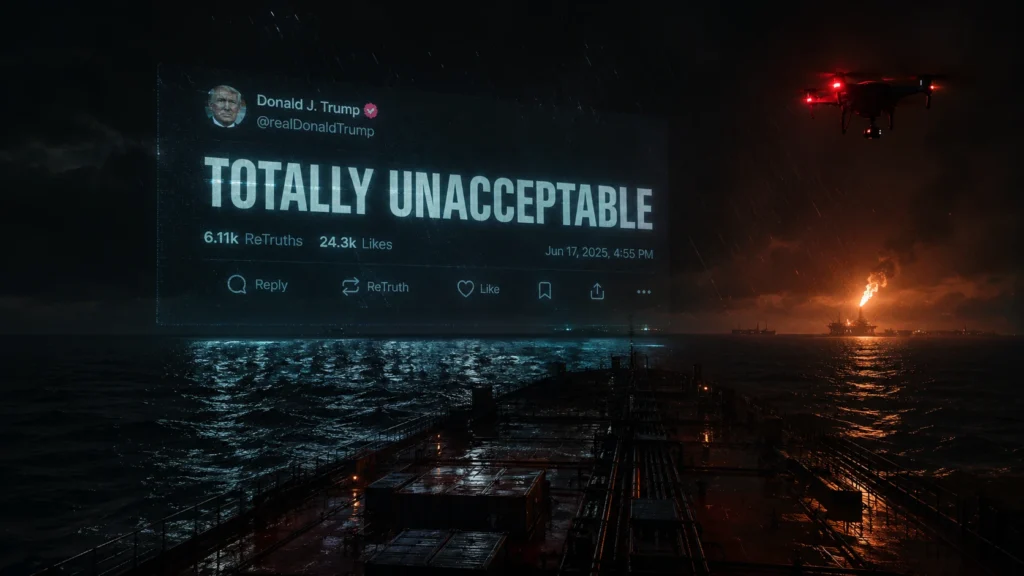
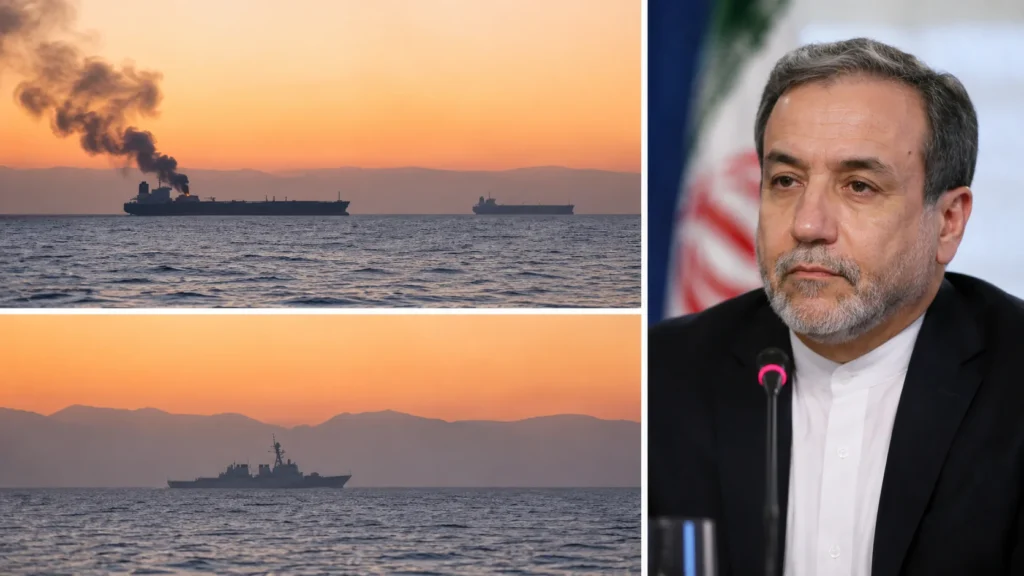
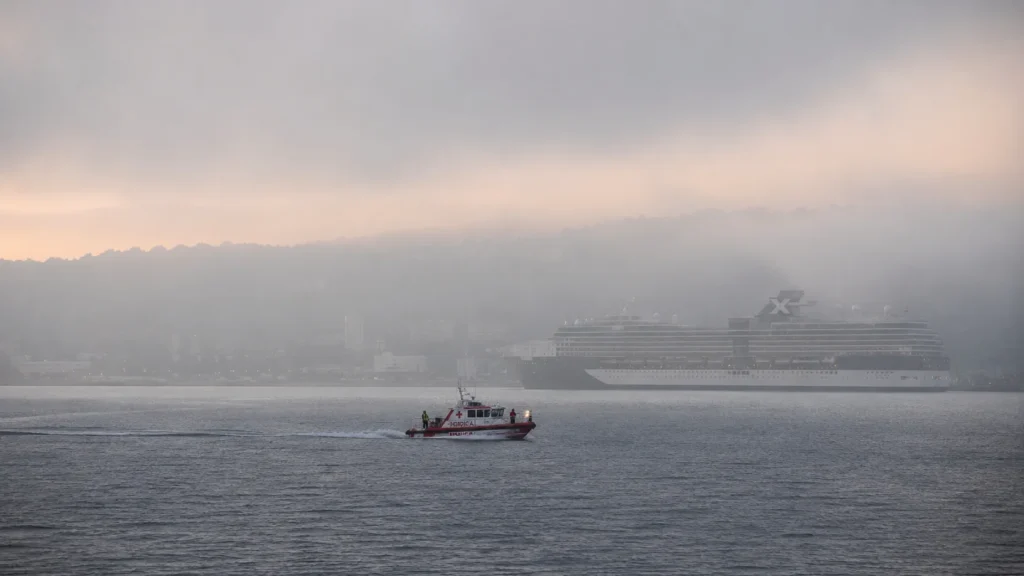
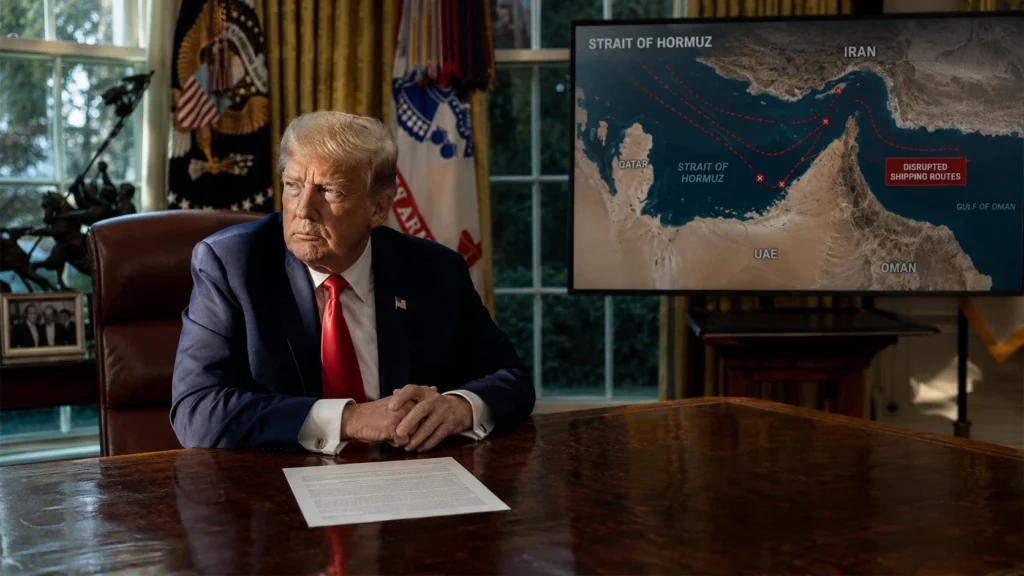
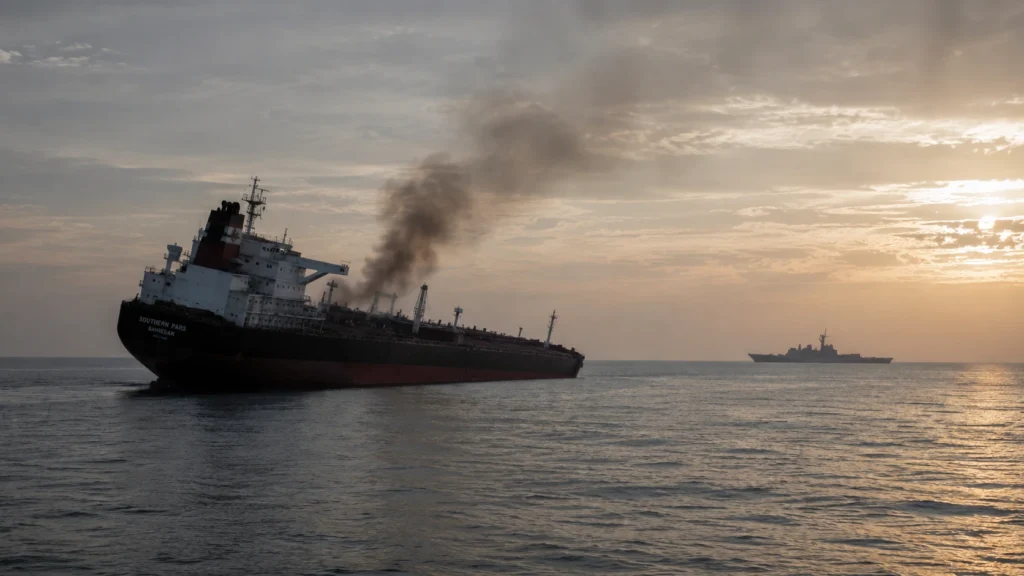
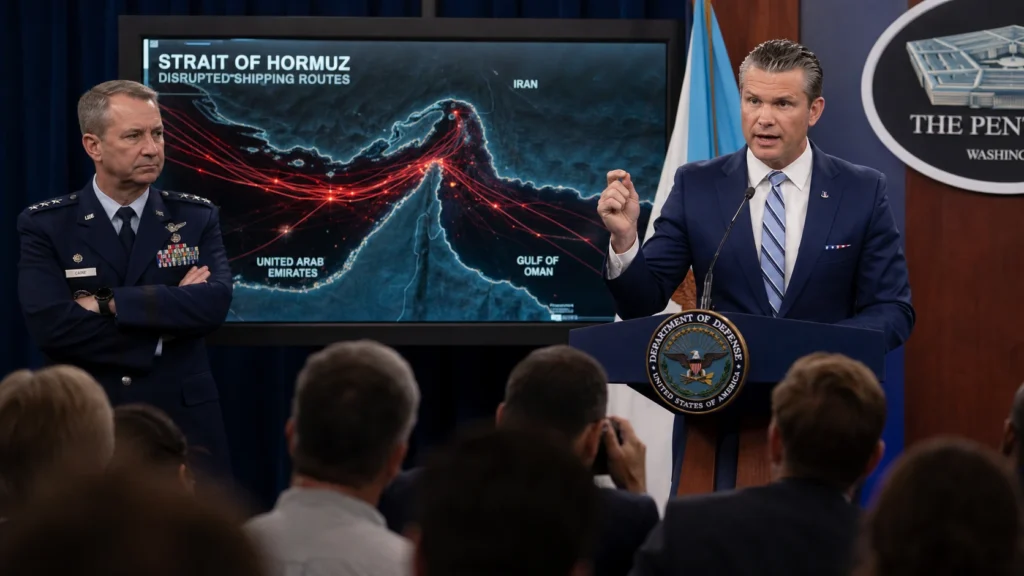
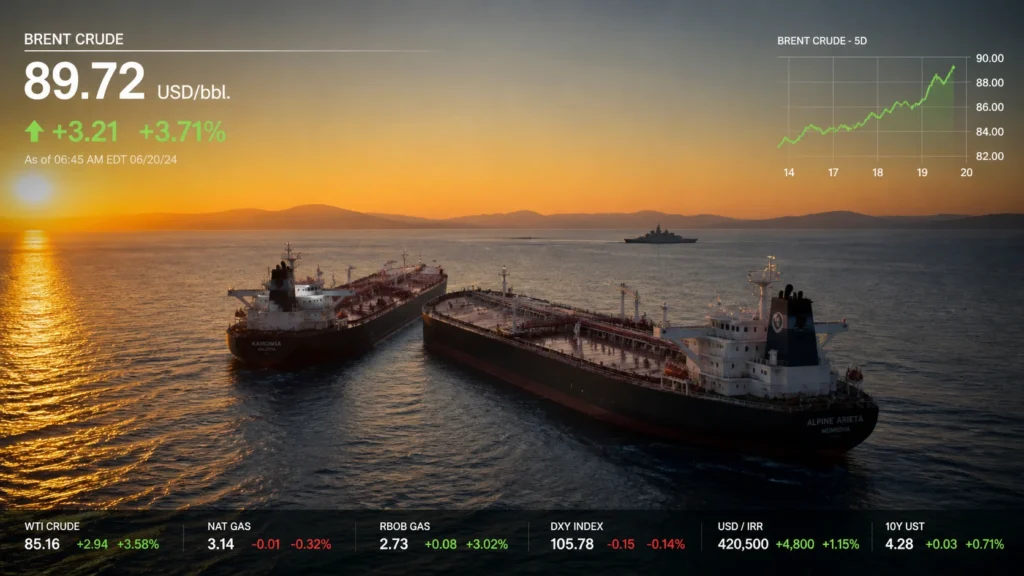
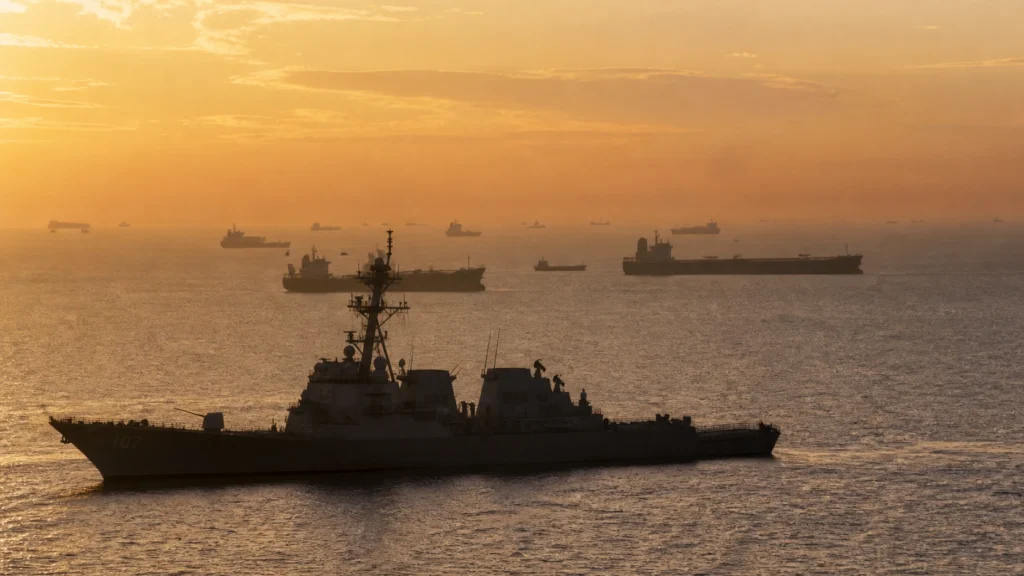
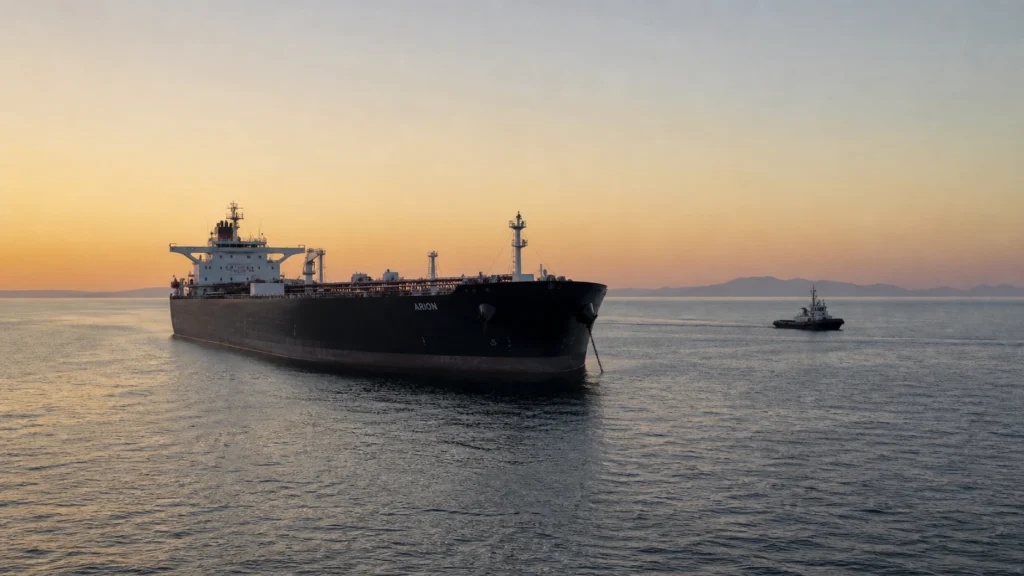
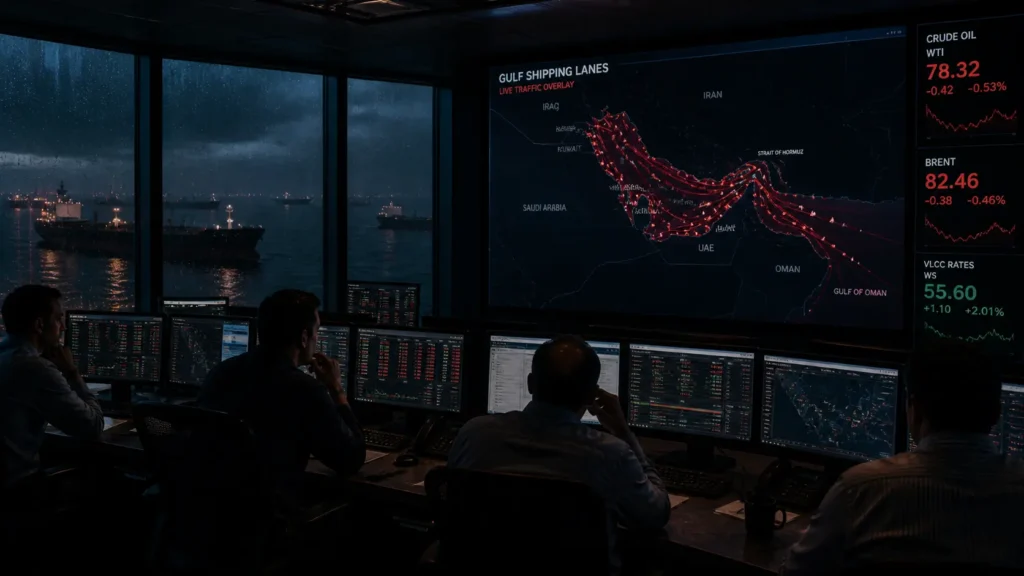
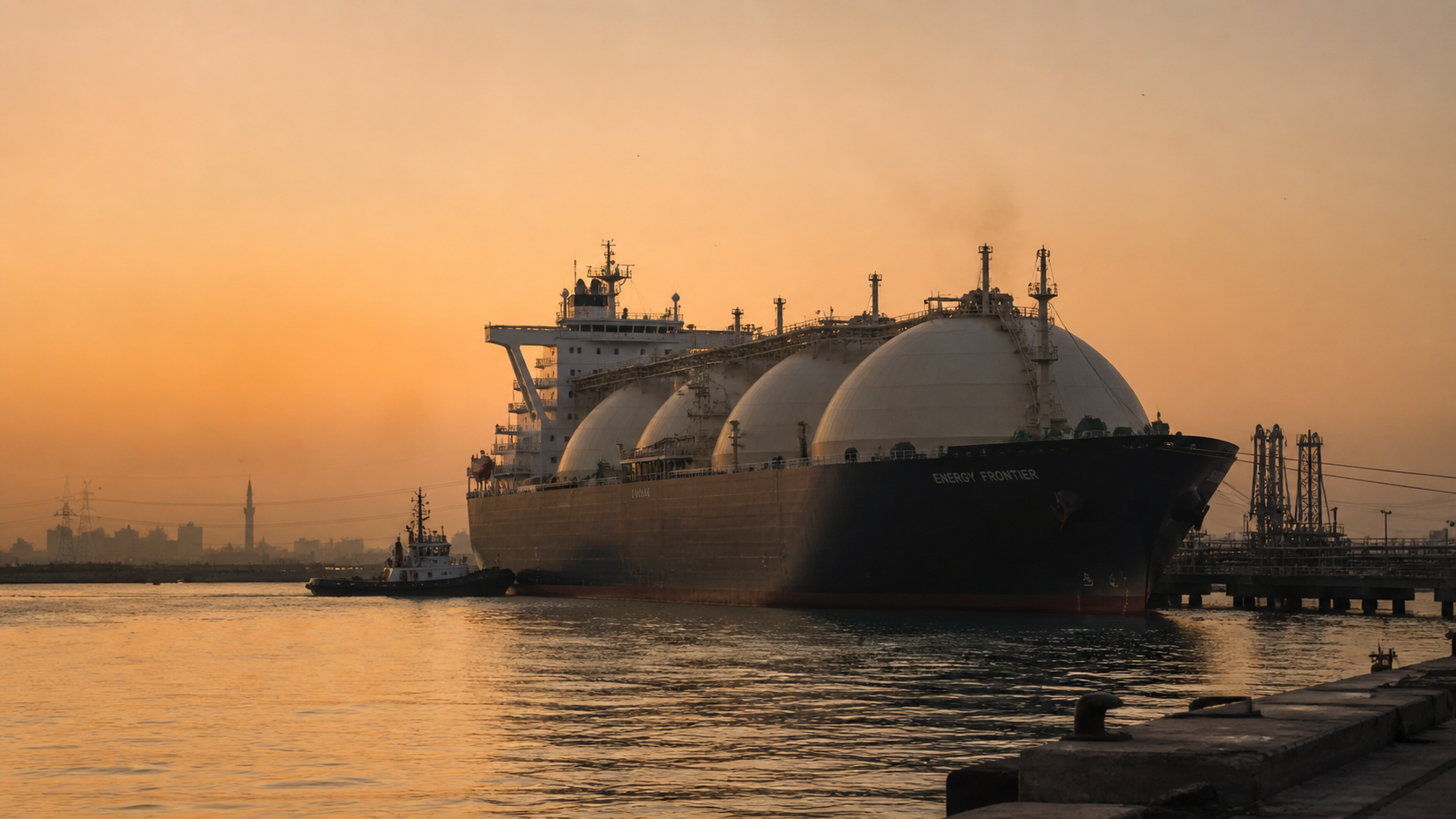
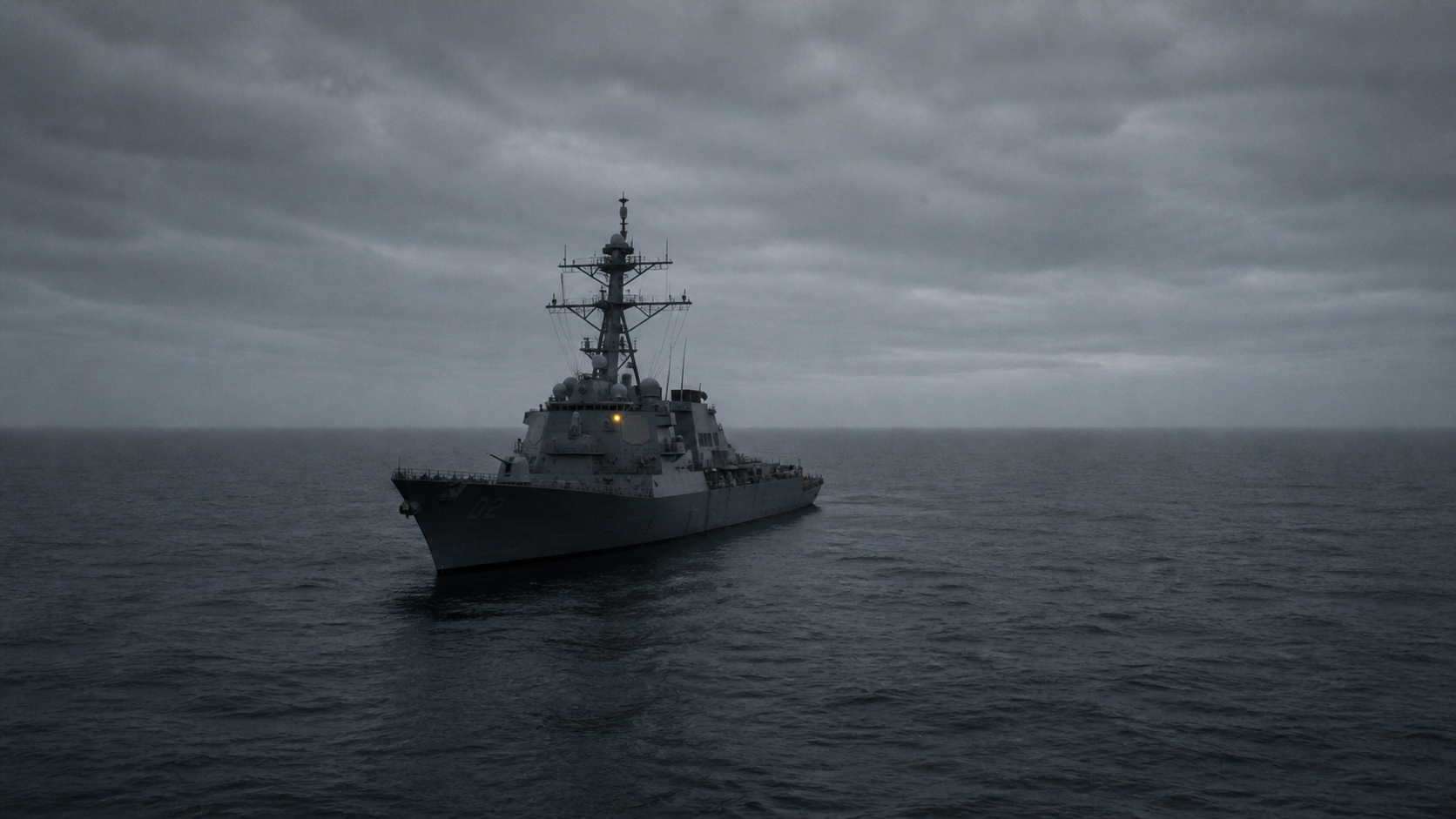
The Strait of Hormuz is down to six commercial vessels a day, according to maritime intelligence firm Kpler, down from eight on 19 July and from 130 before the war began. The United Kingdom Maritime Trade Operations reported a tanker crew abandoning their vessel into a lifeboat after it was hit by an unknown projectile. Tehran said diplomatic messages were still being exchanged through intermediaries despite the escalating conflict.
The Strikes
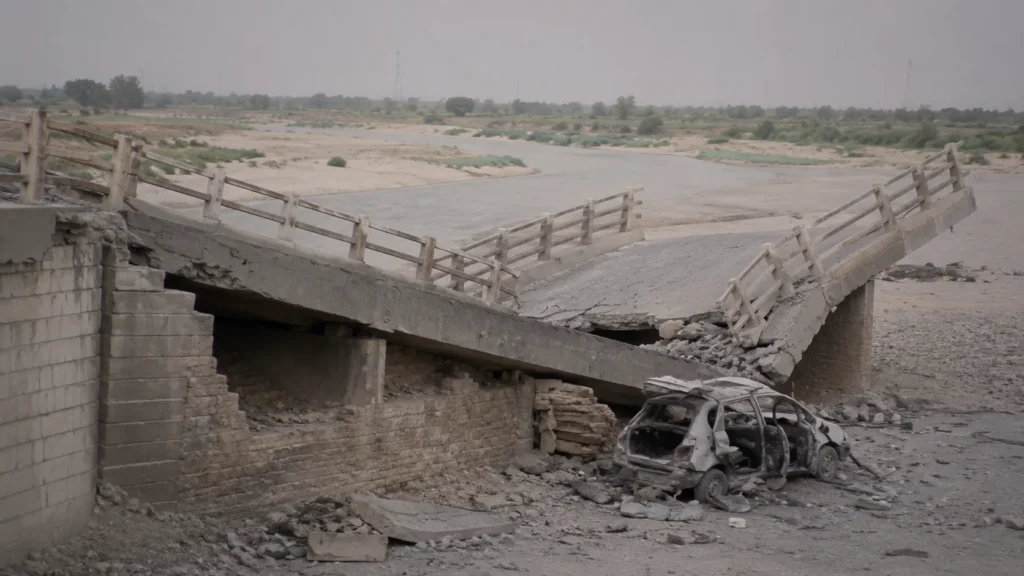
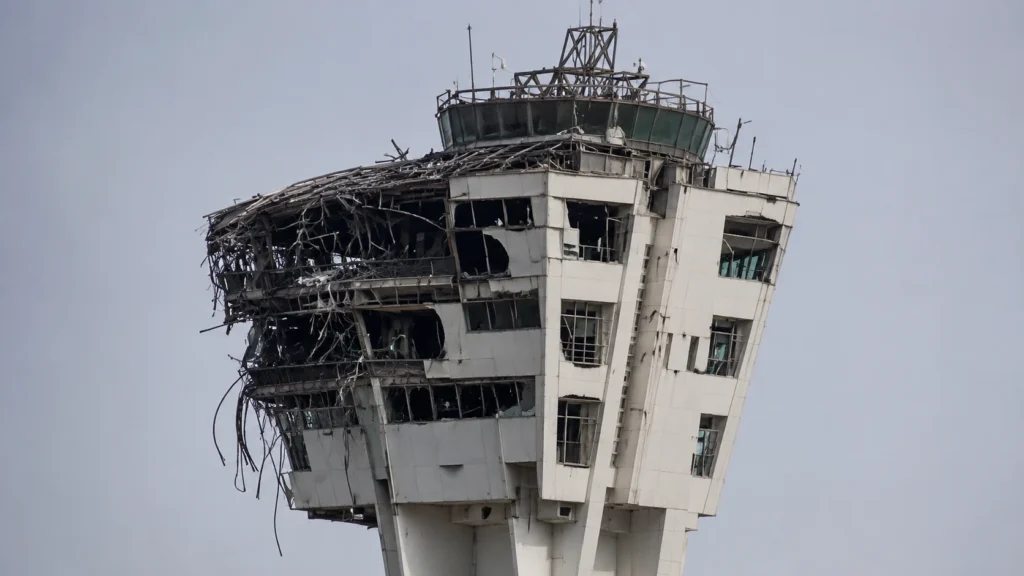
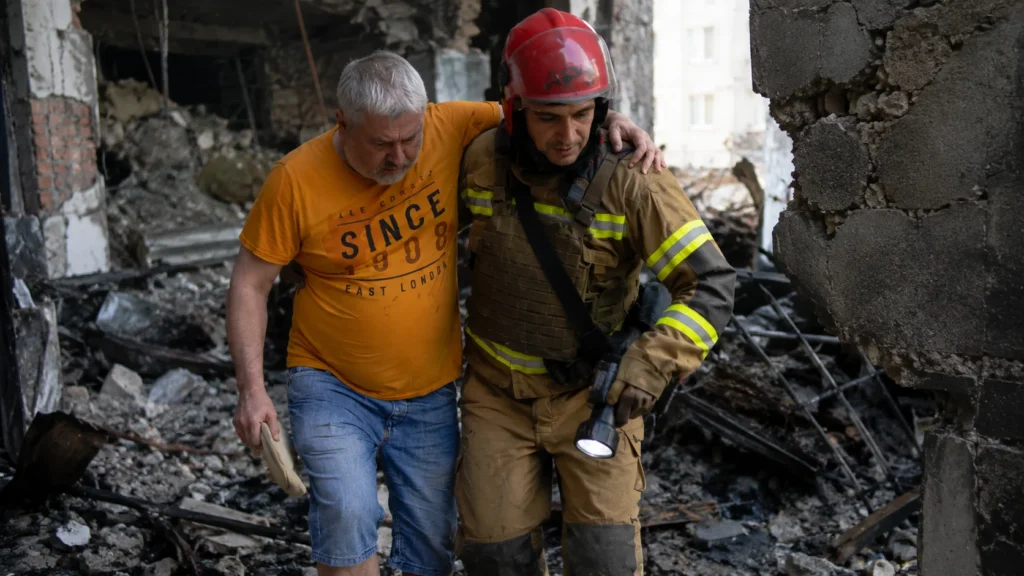
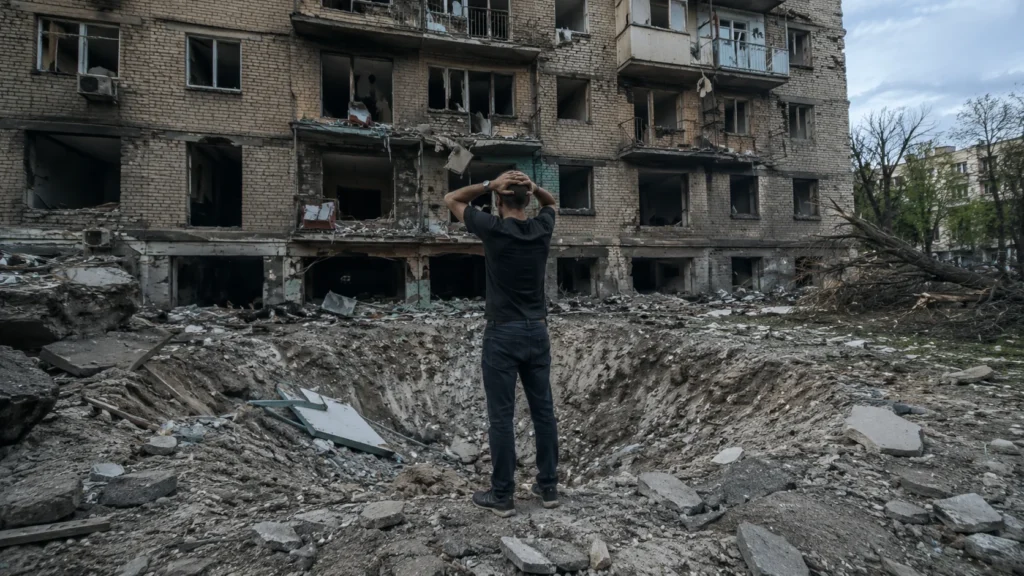
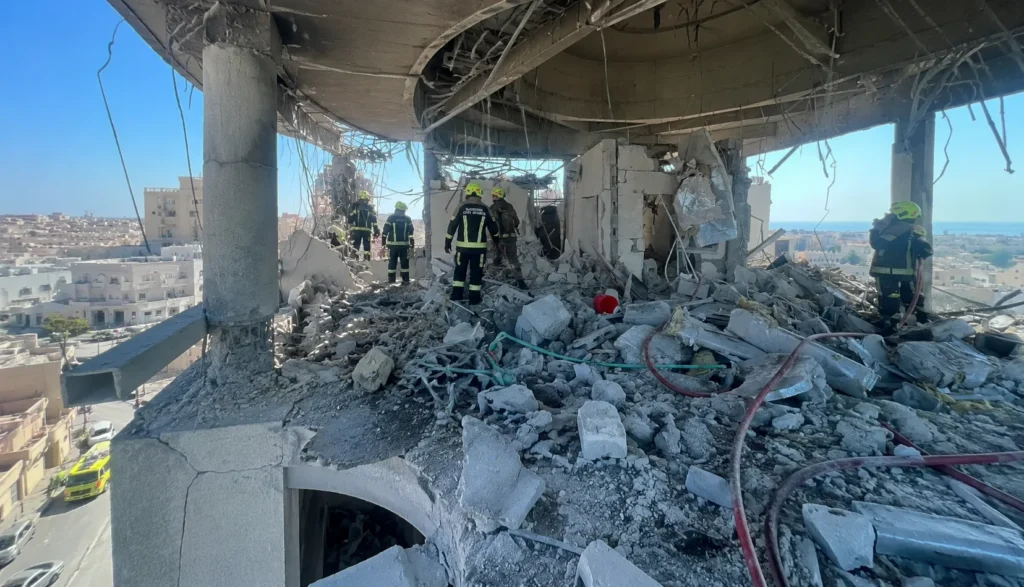
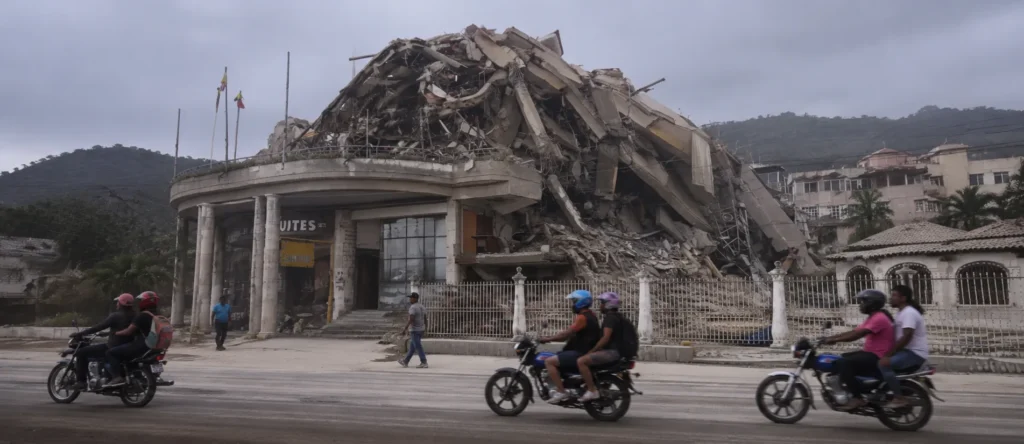
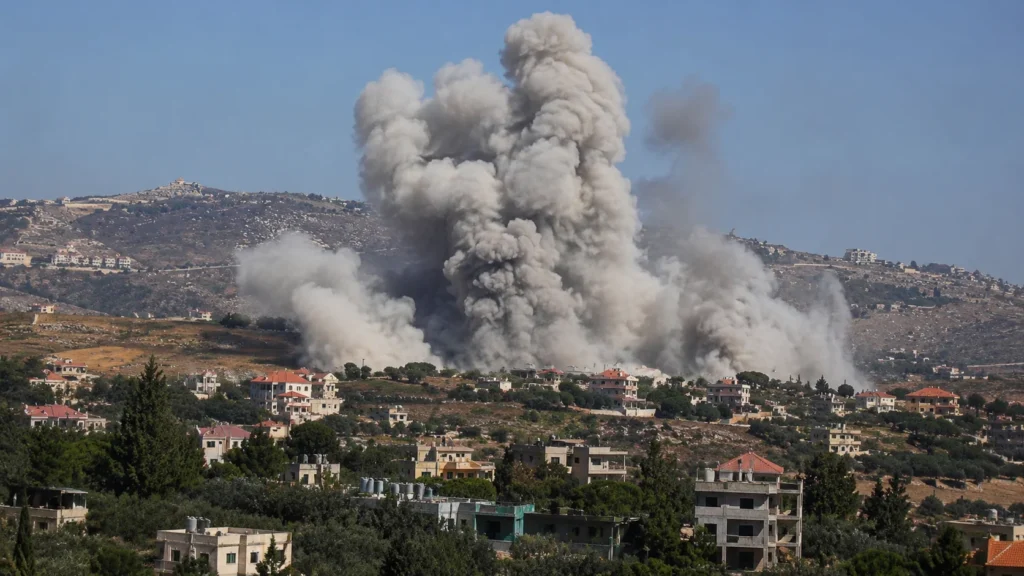
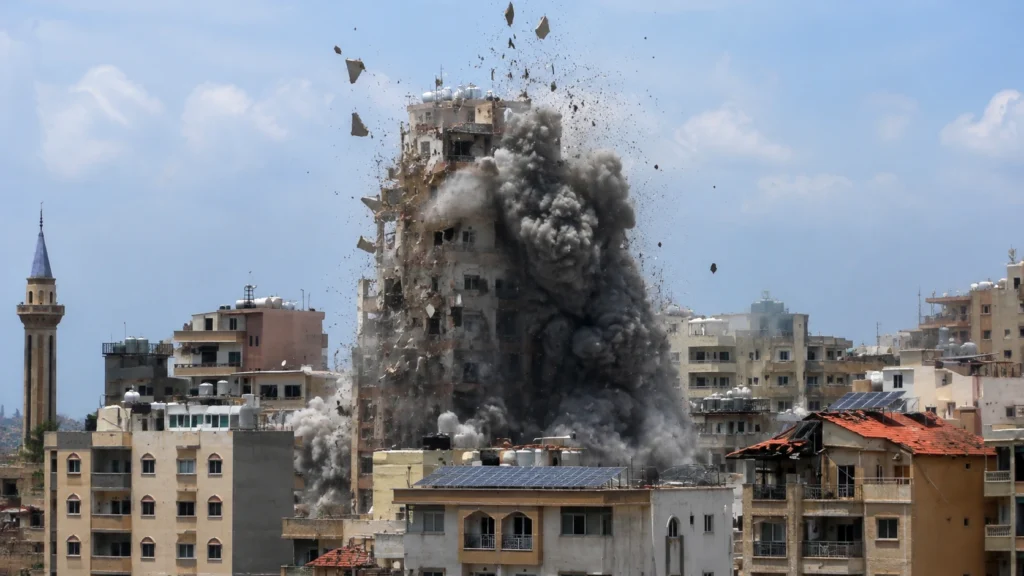
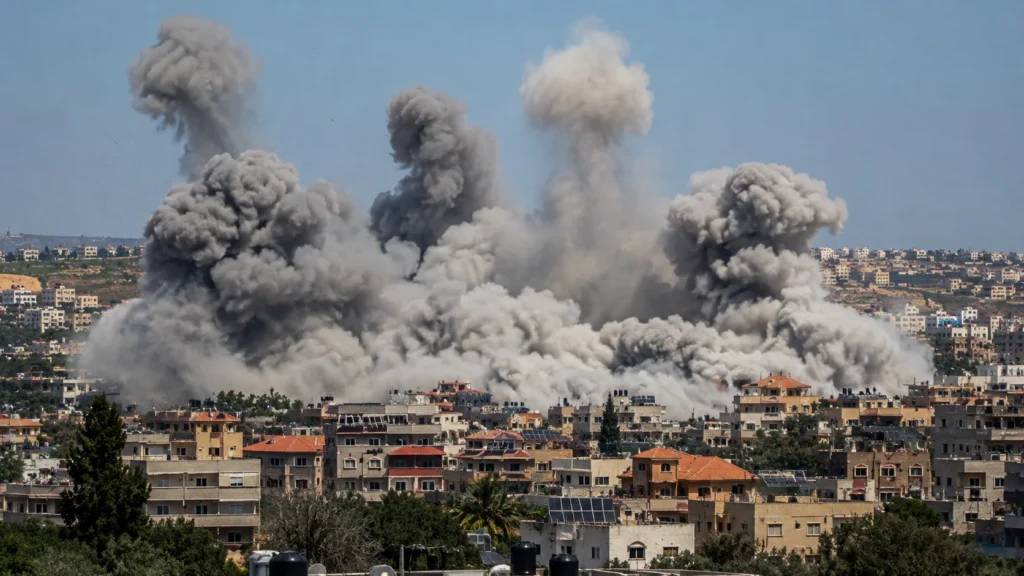
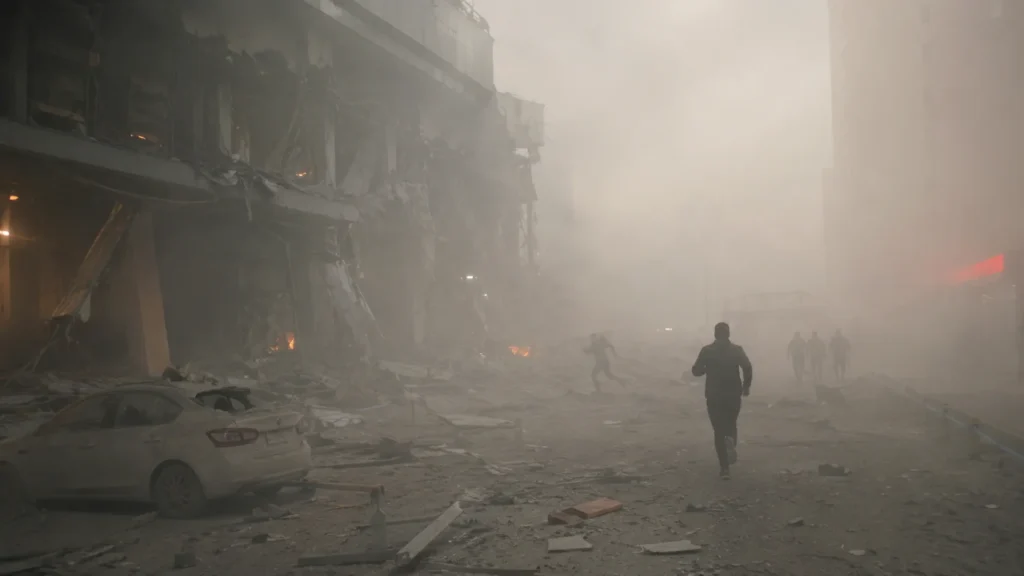
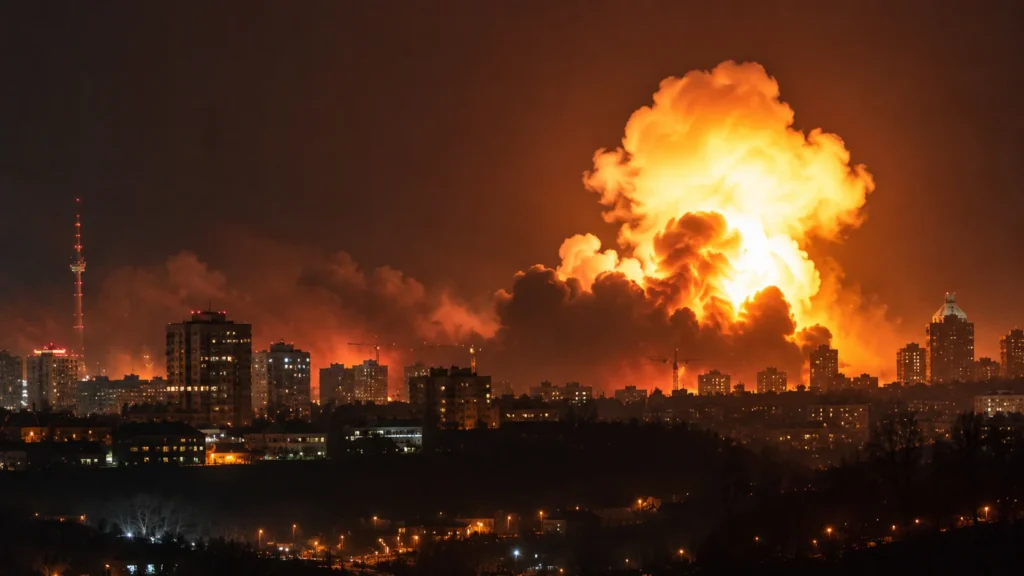
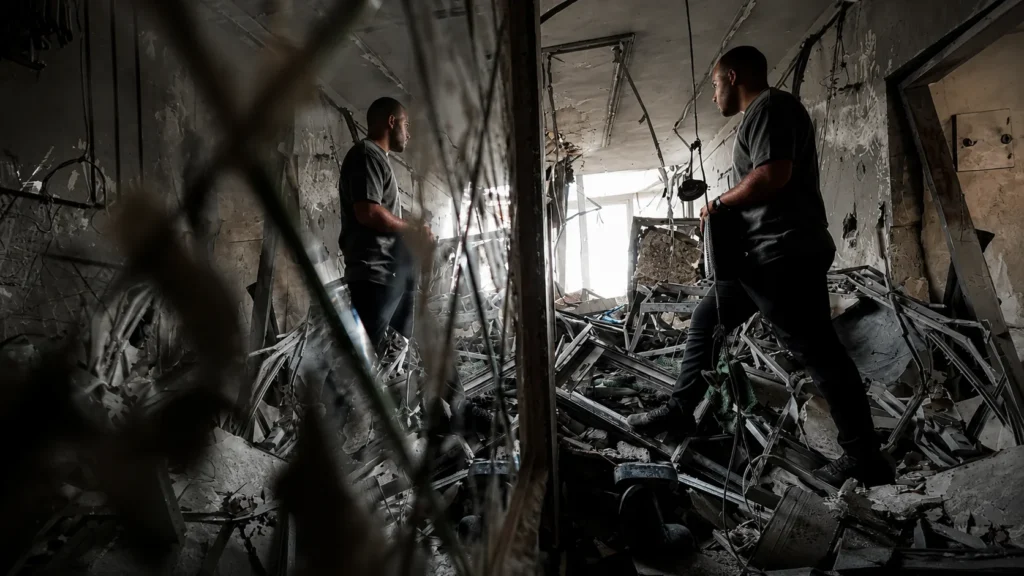
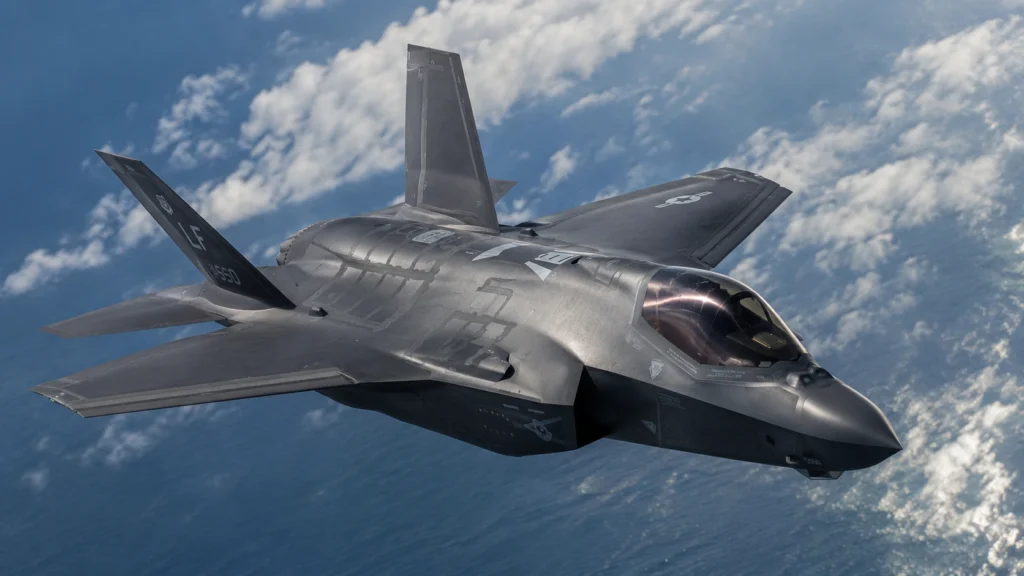
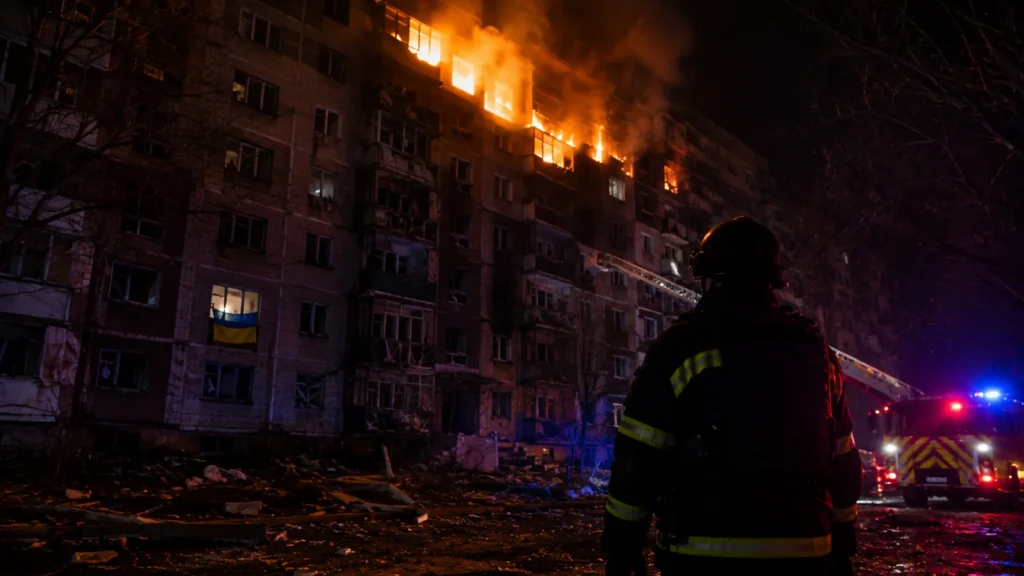
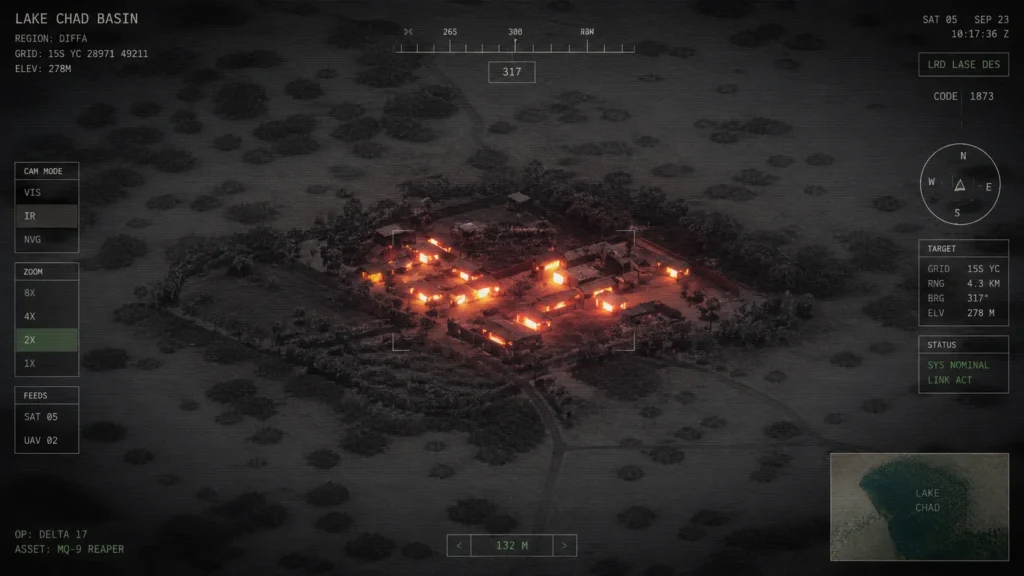
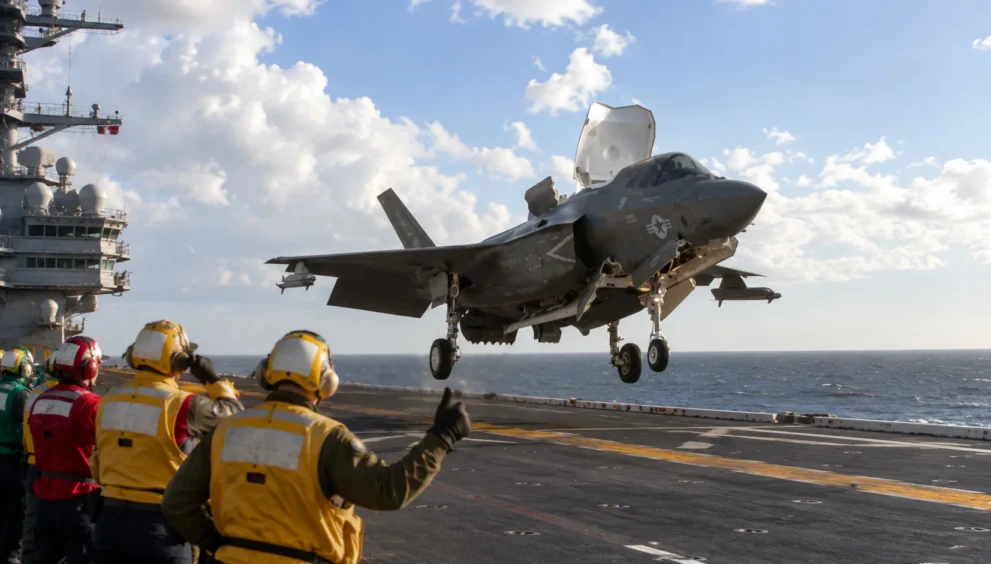
US Central Command said the latest round of strikes hit Iranian “military command centres, maritime capabilities, missile and drone launch sites, and air defence systems.” Explosions were reported near the north-western city of Tabriz, where state media said one person was killed and several wounded, as well as at the Gulf ports of Bandar Mahshahr and Bandar Imam Khomeini and the south-eastern ports of Chabahar and Konarak.
Centcom insisted commercial vessels were continuing to pass through the Strait of Hormuz. The data from Kpler suggests otherwise—six vessels on Monday, down from eight two days earlier and a fraction of the pre-war average of 130 daily crossings. All but one of Monday’s crossings used the northern route near Iran. Two of the six ships had previously been sanctioned by the US for links with Iran.
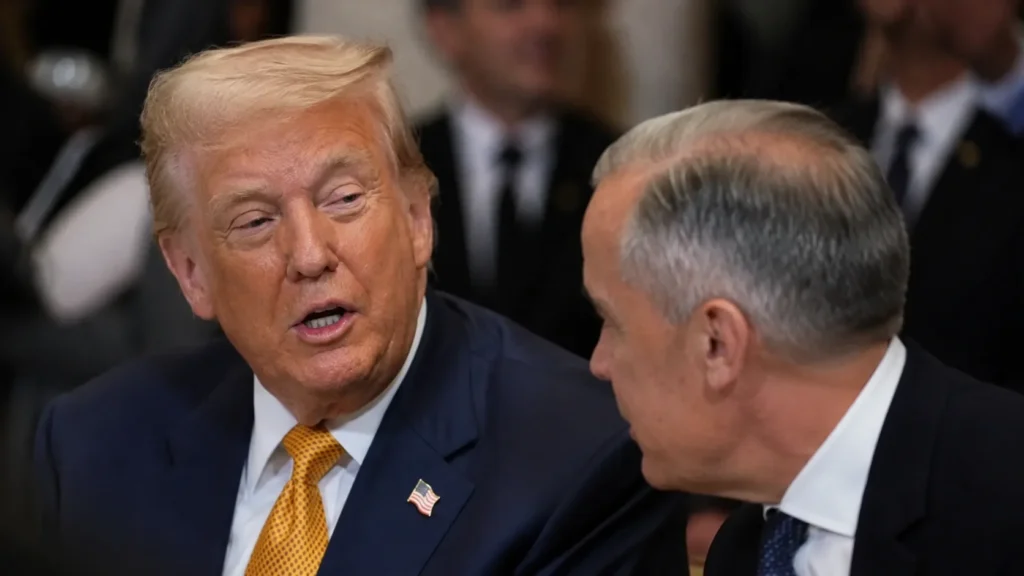
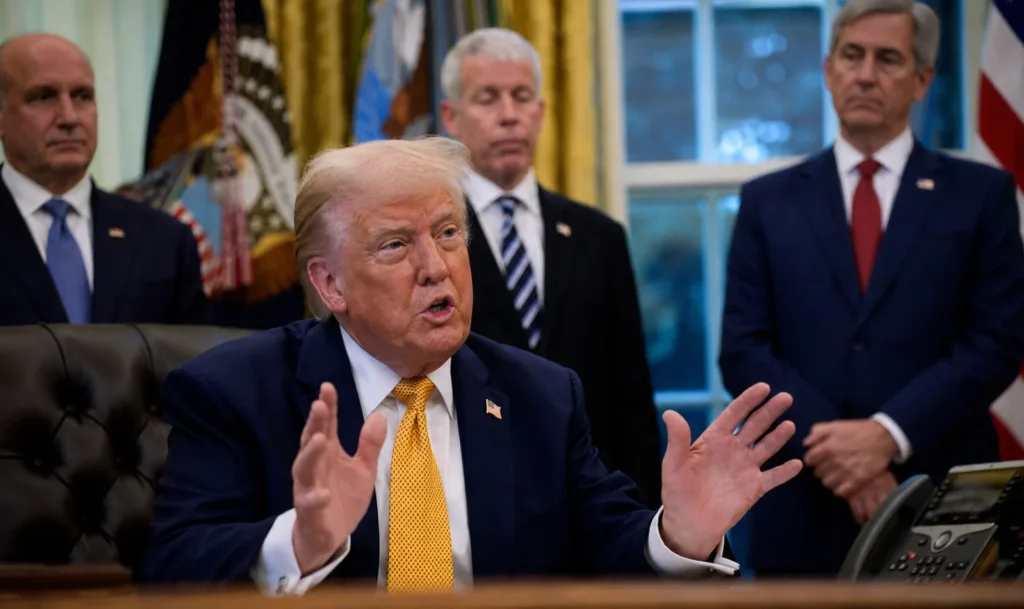
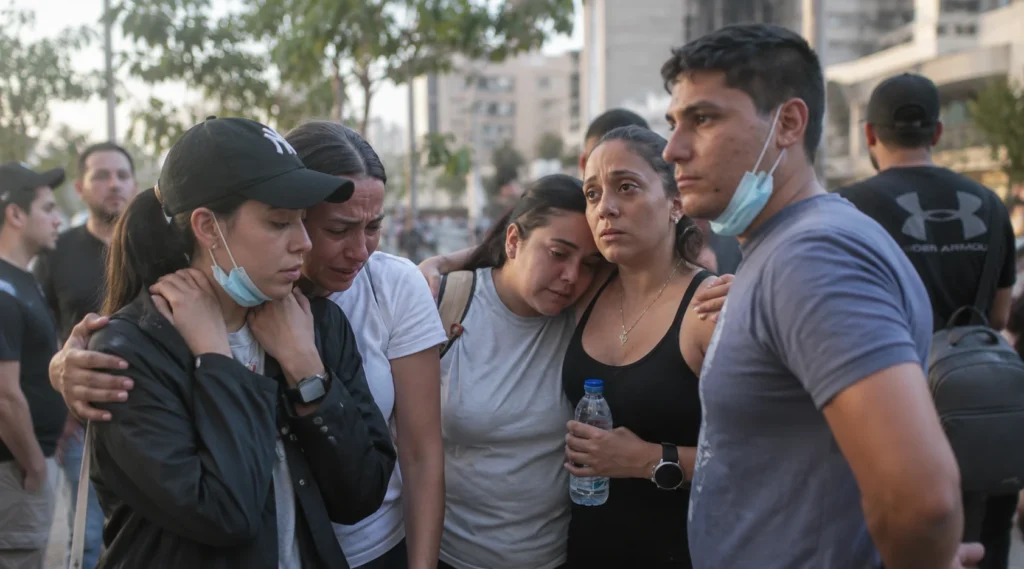
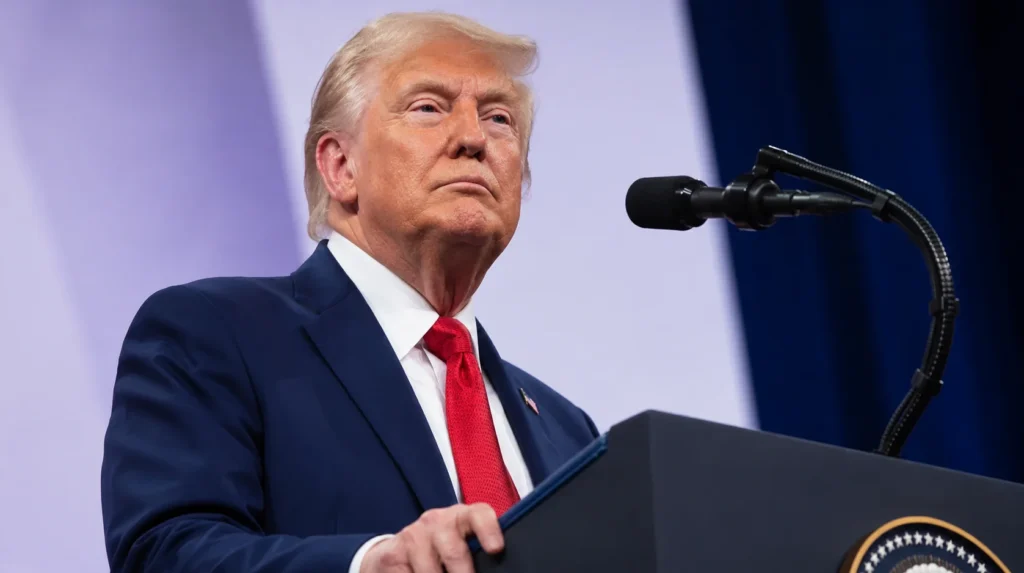
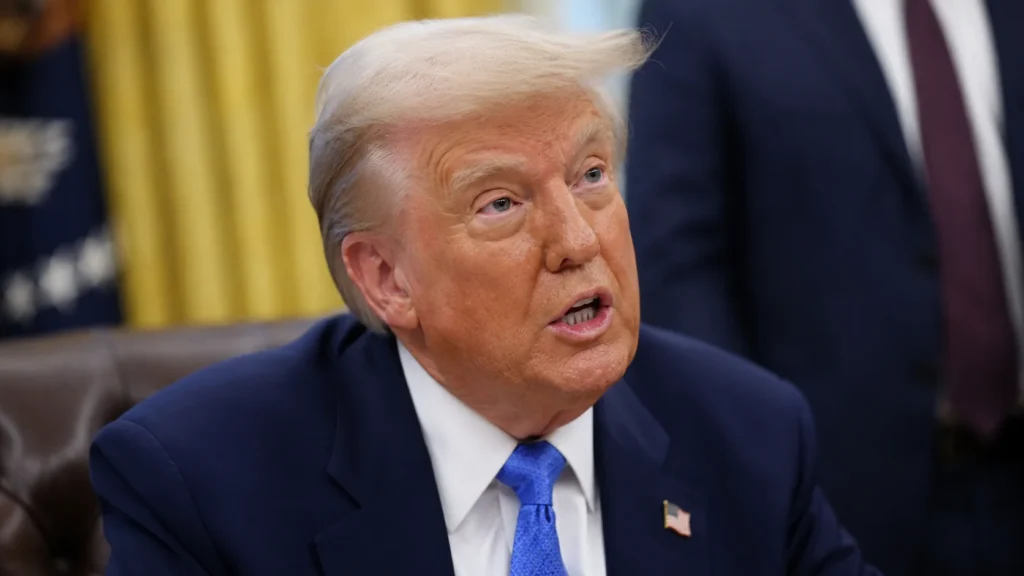
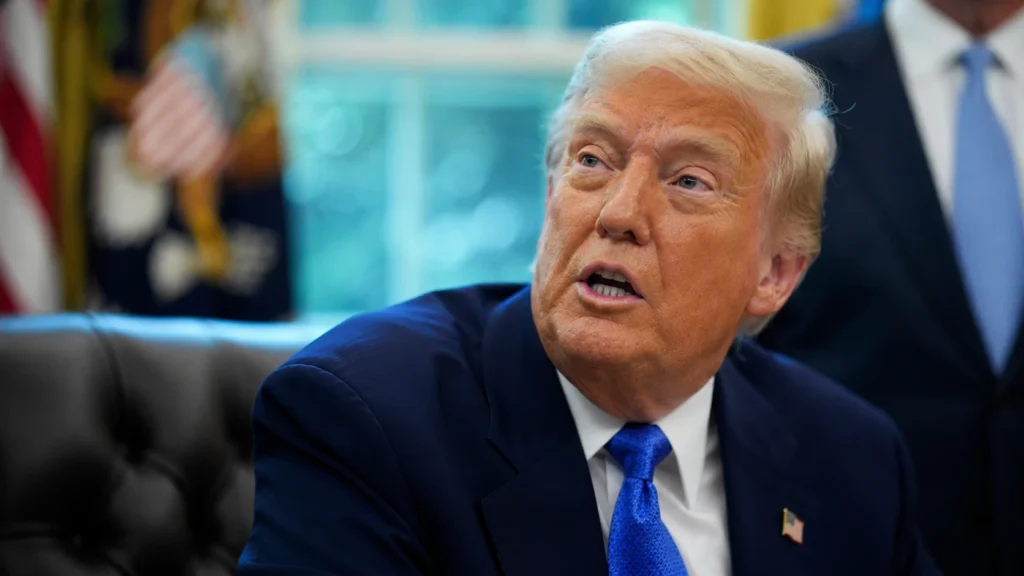
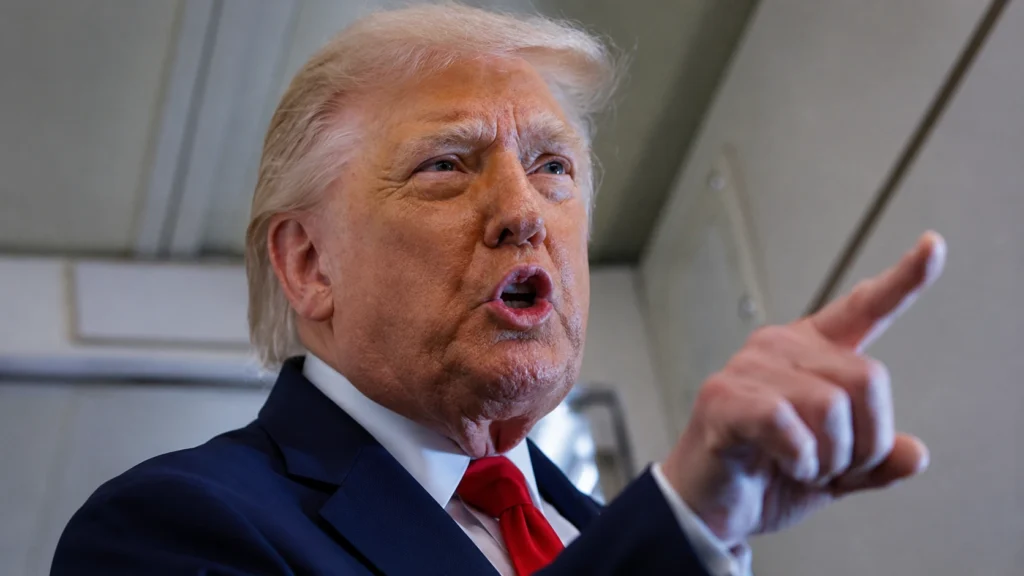
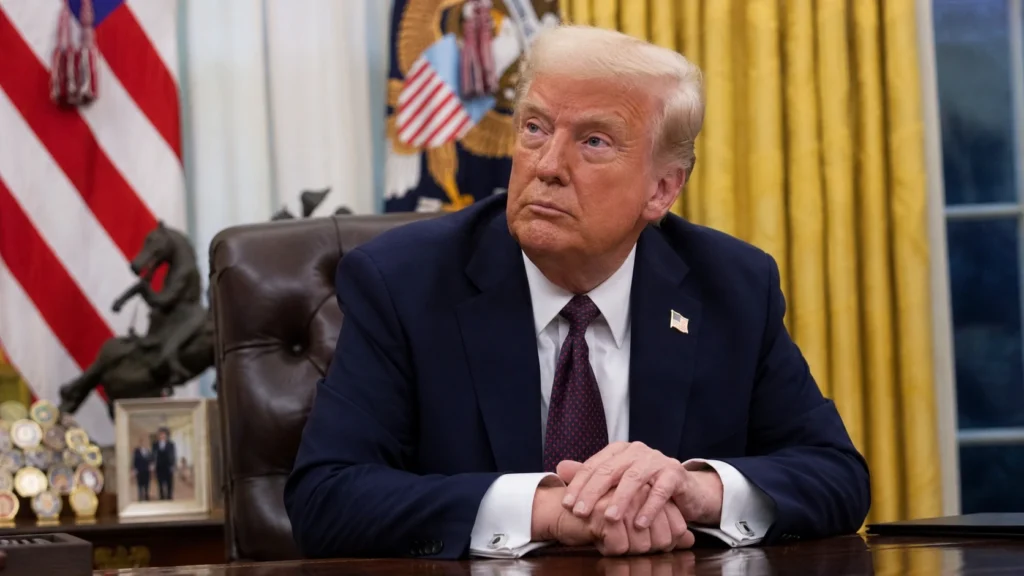
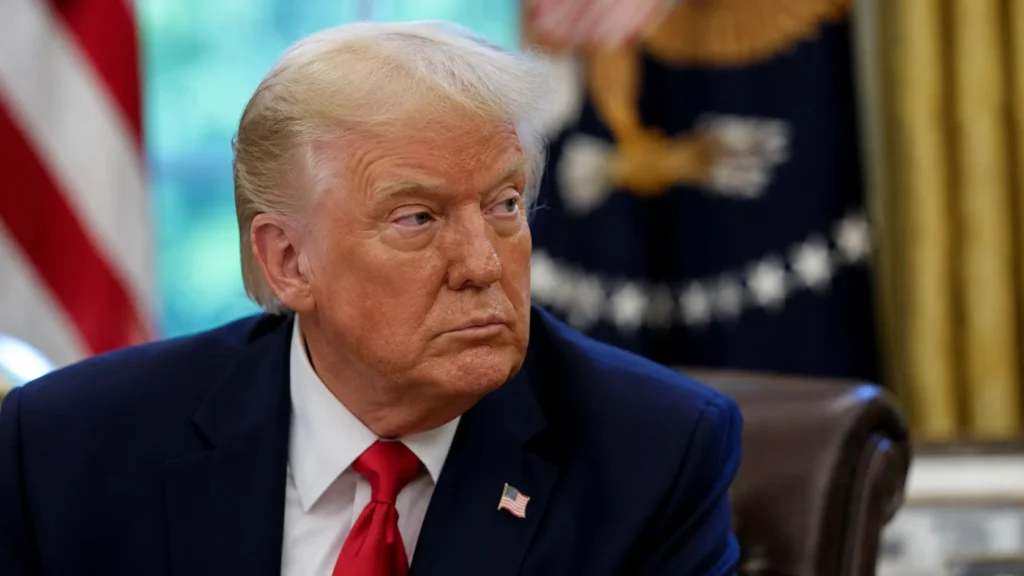
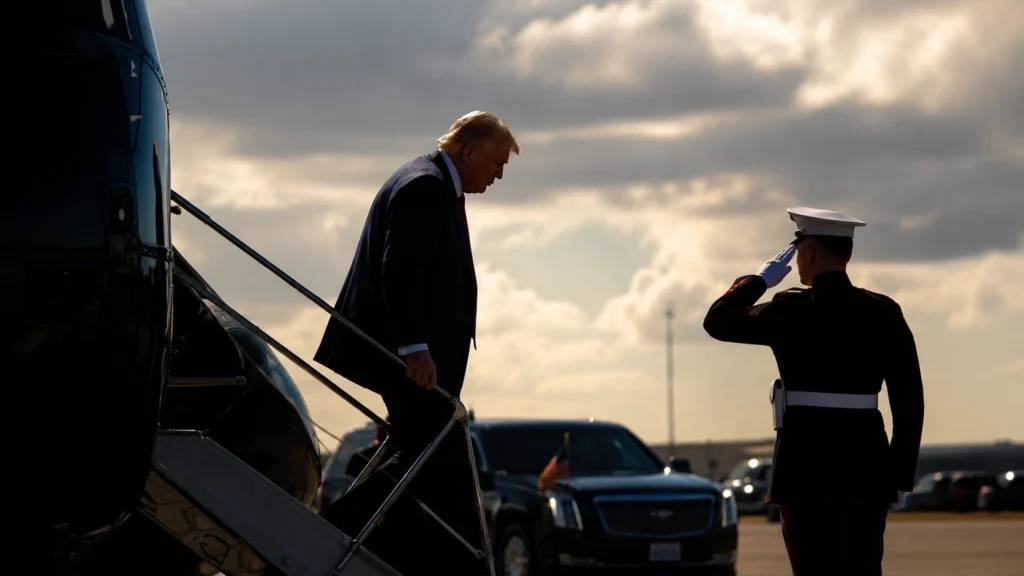
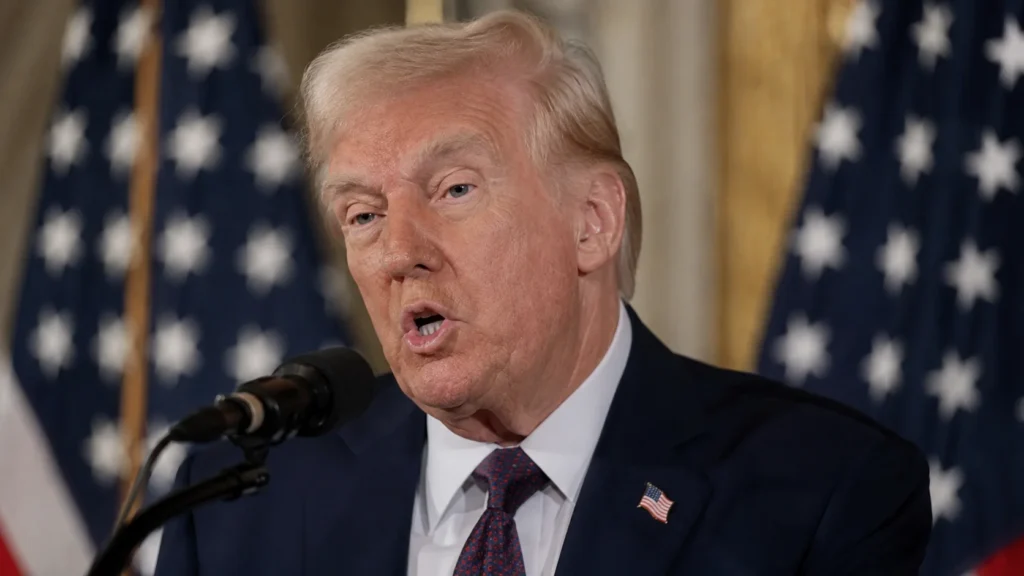
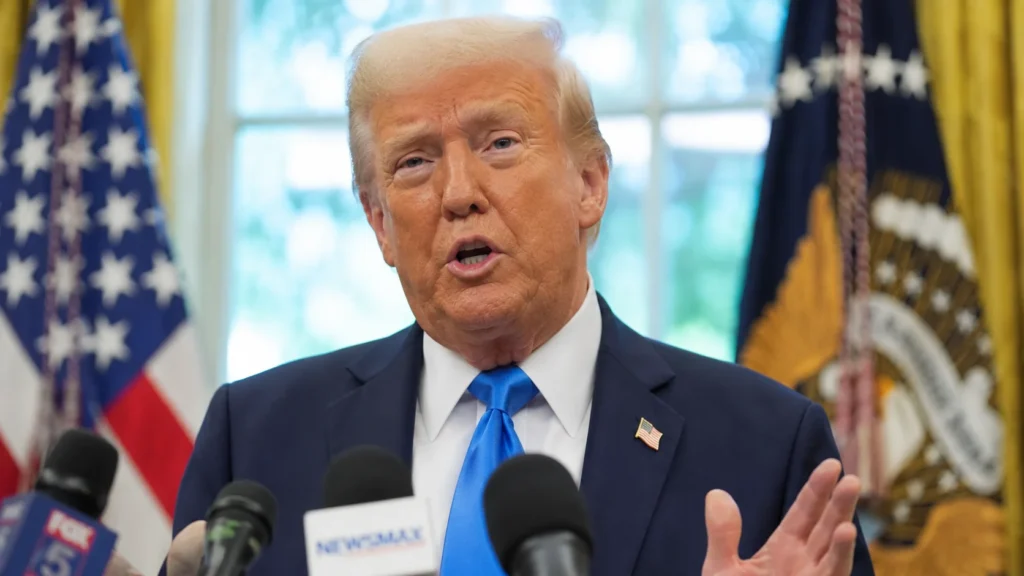
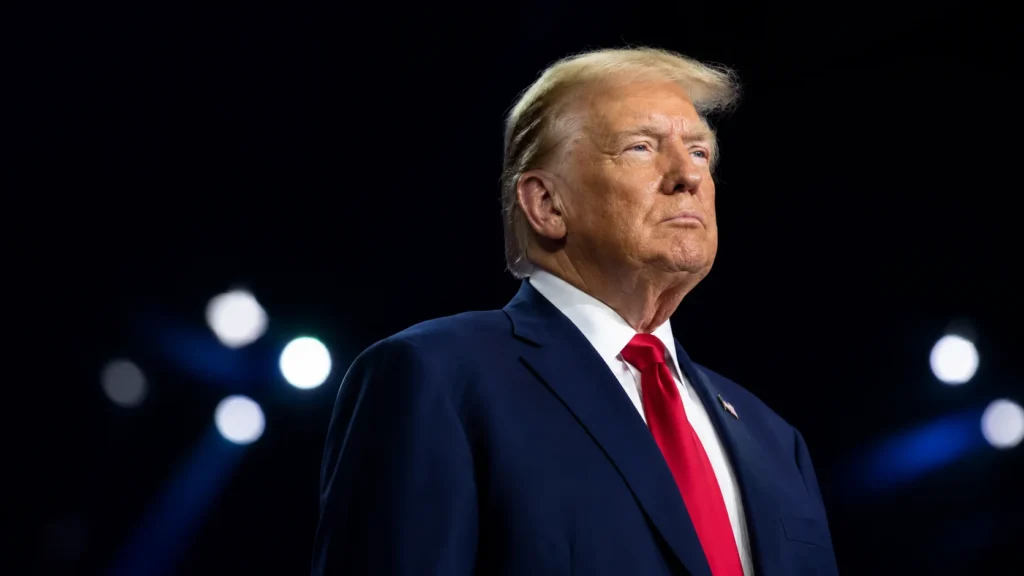
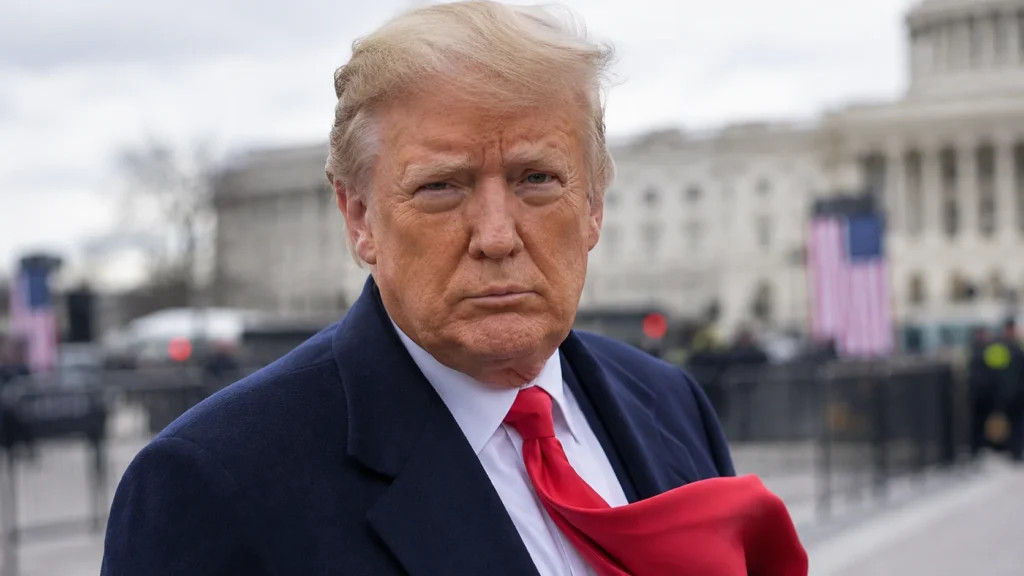
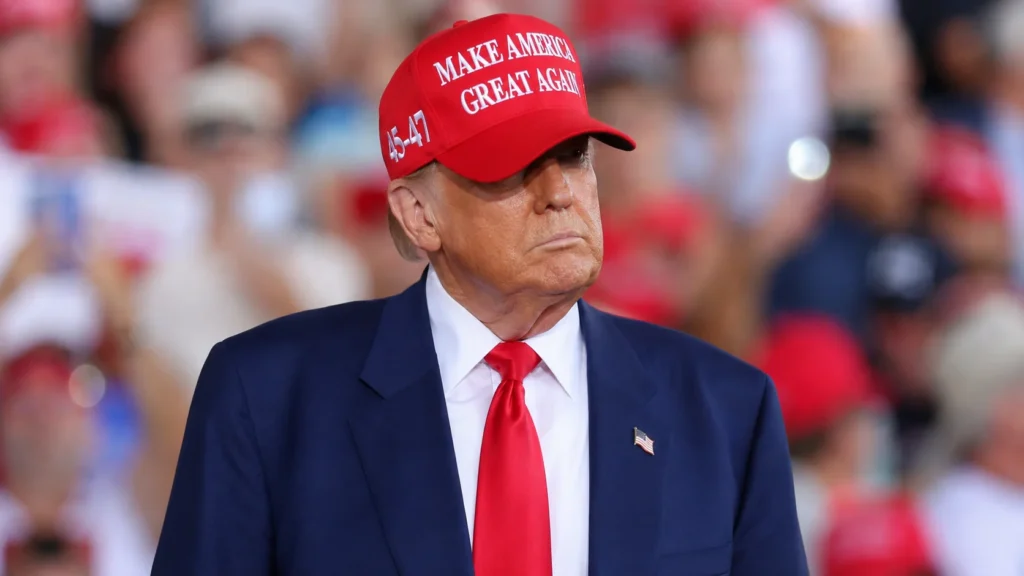
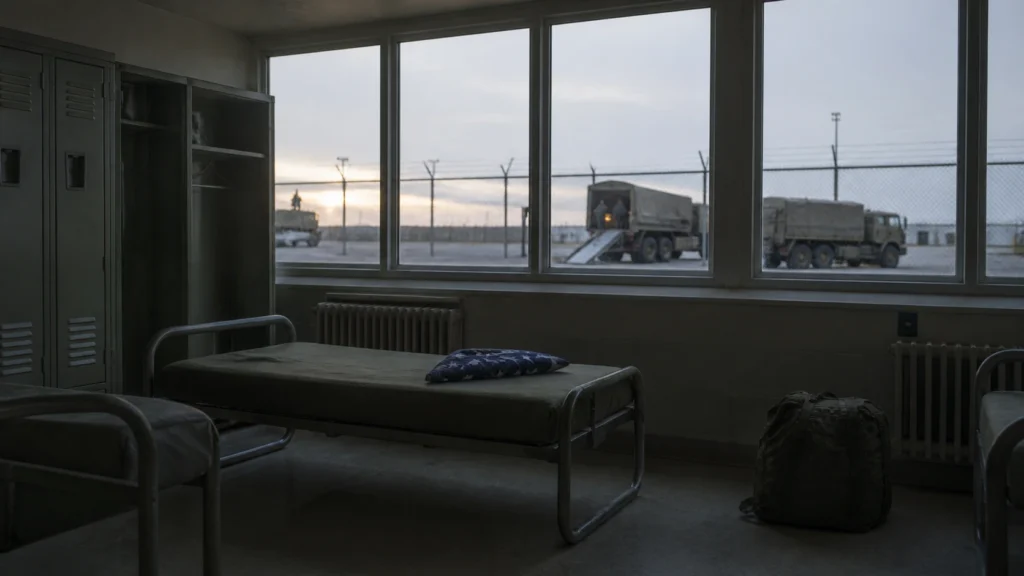
Trump said Iran had been hit “very hard” the previous night “in honour” of the three US soldiers killed recently—two in Jordan and one in Iraq. The Pentagon confirmed on Monday night that the two soldiers killed in the Jordan strike were Pte Isabella Gonzales, 19, from Texas, and Lt Tyler James Feehan, 25, from Hawaii. A third service member remains missing, and unidentified remains were found in the area.
According to US Centcom statement on the 10th consecutive night of strikes and the Pentagon identification of the soldiers killed in Jordan, the US strikes are now being explicitly framed as retaliation for American deaths.
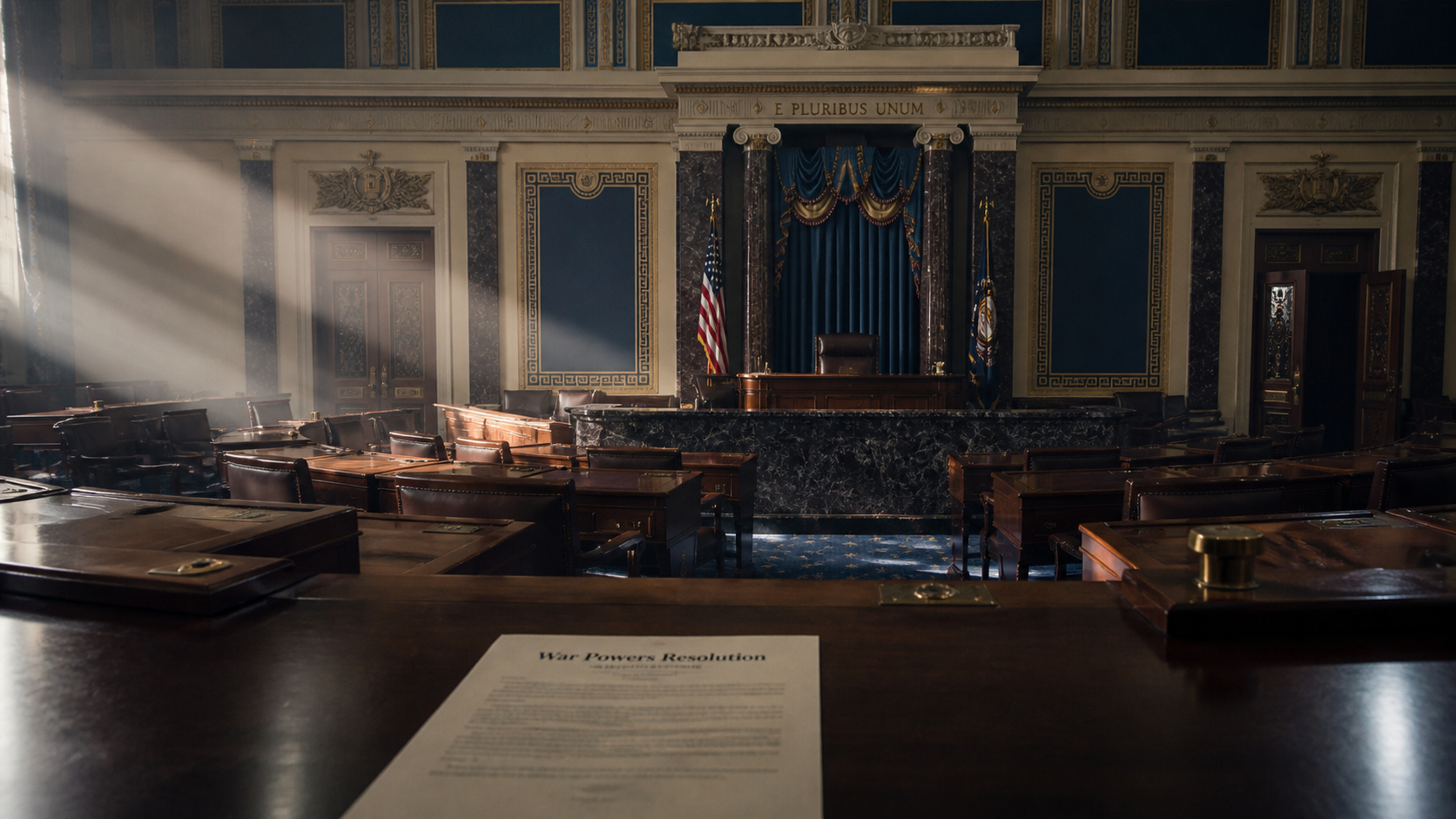
As our analysis of the escalating US-Iran conflict and the personalisation of the war following the release of the soldiers’ names has documented, the identification of the dead has transformed the political character of the conflict.
Iran’s Response
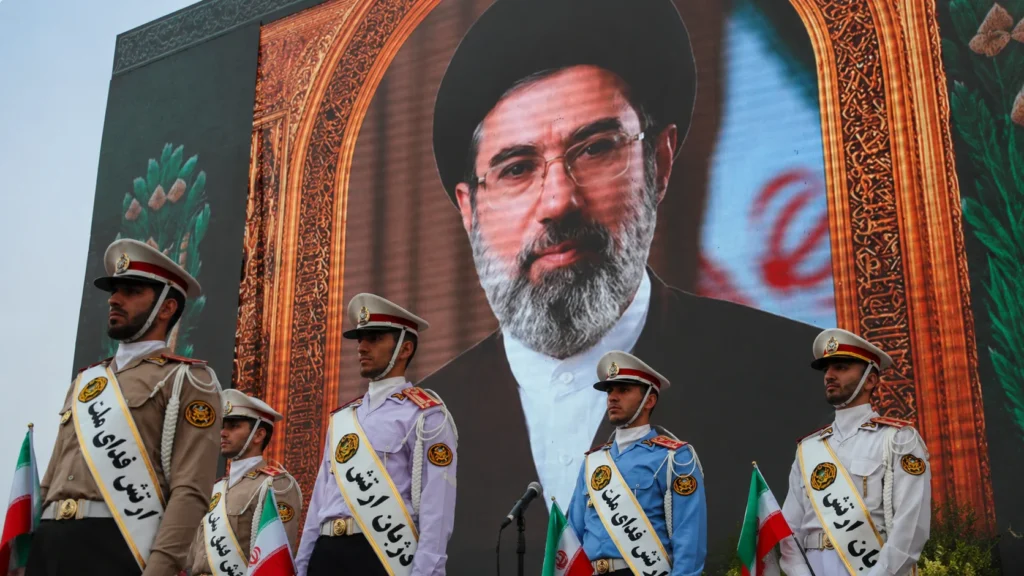
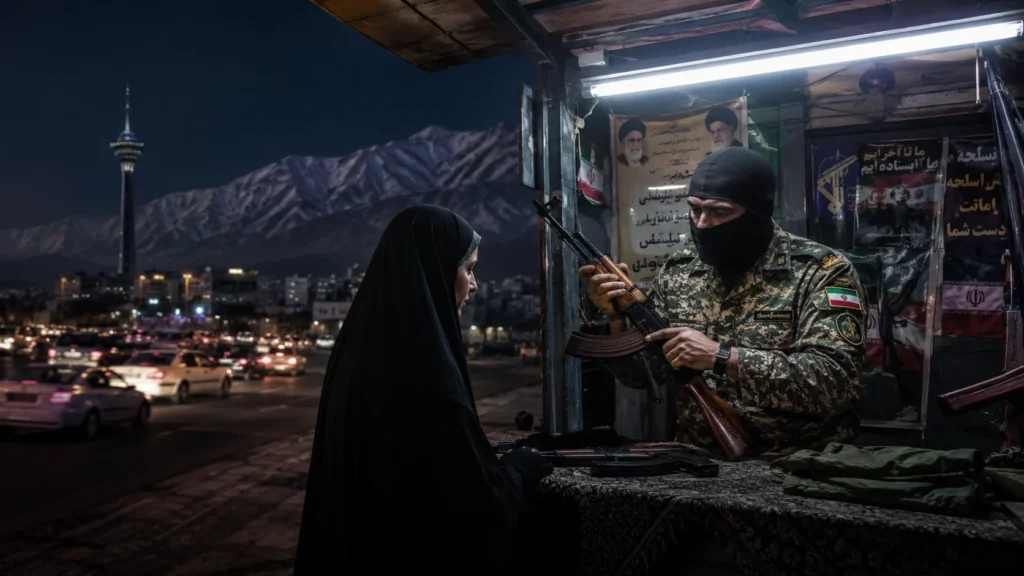
President Masoud Pezeshkian said Iran was now fighting a “full-scale war” with the United States. The declaration does not change the military reality—the conflict has been a full-scale war in operational terms for weeks—but it marks a political escalation, publicly committing Iran to a conflict previously described in more limited terms.
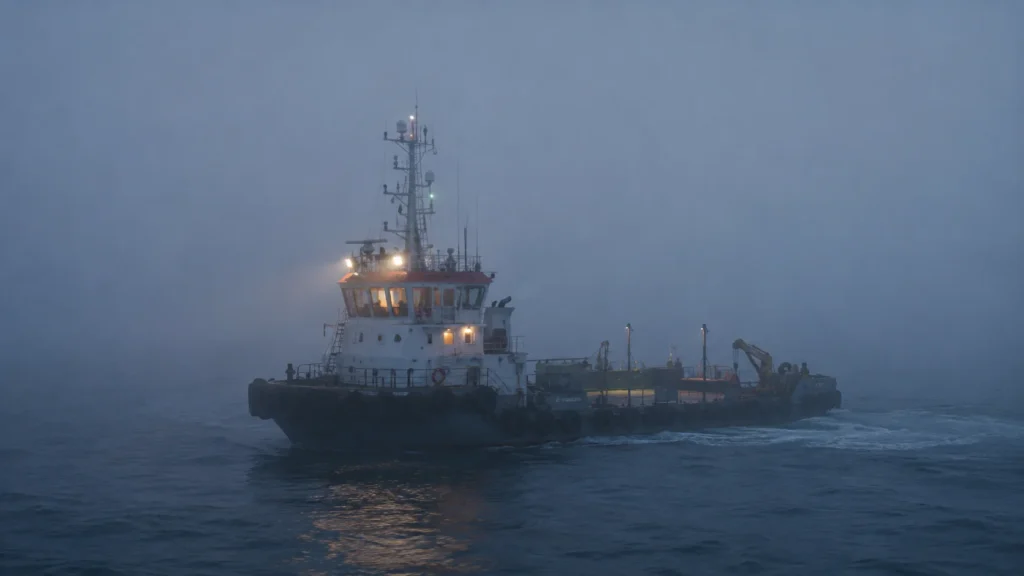
Iran’s Islamic Revolutionary Guard Corps claimed to have struck two oil tankers as they attempted to transit through what it called the strait’s “unsafe and hazardous southern route.” State media reported rescue teams were picking up their crews. The UKMTO reported a tanker in the strait had been struck by an unknown projectile, forcing its crew to abandon the vessel and board a lifeboat.
The IRGC also claimed to have attacked a data centre belonging to Amazon in Bahrain with several cruise missiles, according to state news agency IRNA. The IRGC said it “attacked and destroyed the central data infrastructure of the American company Amazon in Bahrain.” The claim is unverified. Amazon has not commented. Bahrain said drones launched by Iran had targeted its air navigation systems, but traffic remained unaffected.
Jordan said on Tuesday it had intercepted five drones after shooting down three missiles late on Monday. Kuwait’s armed forces said they had intercepted Iranian drones, and later reported that Iran had hit several power and water desalination plants the previous day. The attacks on Gulf state infrastructure are now occurring daily.
According to IRGC claims of responsibility via IRNA for the tanker strikes and Amazon data centre attack, and statements from Bahrain, Jordan, and Kuwait on intercepted drones and infrastructure damage, the war is increasingly drawing in the countries that host US military assets.
The Diplomacy
Despite the escalation, Tehran said diplomatic messages were still being exchanged through intermediaries. The two countries are bombing each other’s territory for the 10th consecutive night, have killed each other’s soldiers, and have declared “full-scale war”—and are still sending messages through third parties.
The messages are not producing a ceasefire. They are not producing de-escalation. They are maintaining a channel that could be used if either side decides to stop. Neither side has decided to stop.
As our coverage of the diplomatic efforts to end the Iran conflict and the collapse of the June ceasefire has tracked, the memorandum of understanding signed on 17 June has effectively disintegrated. Both sides continue to talk while continuing to fight.
FAQ
Who were the US soldiers killed in Jordan?
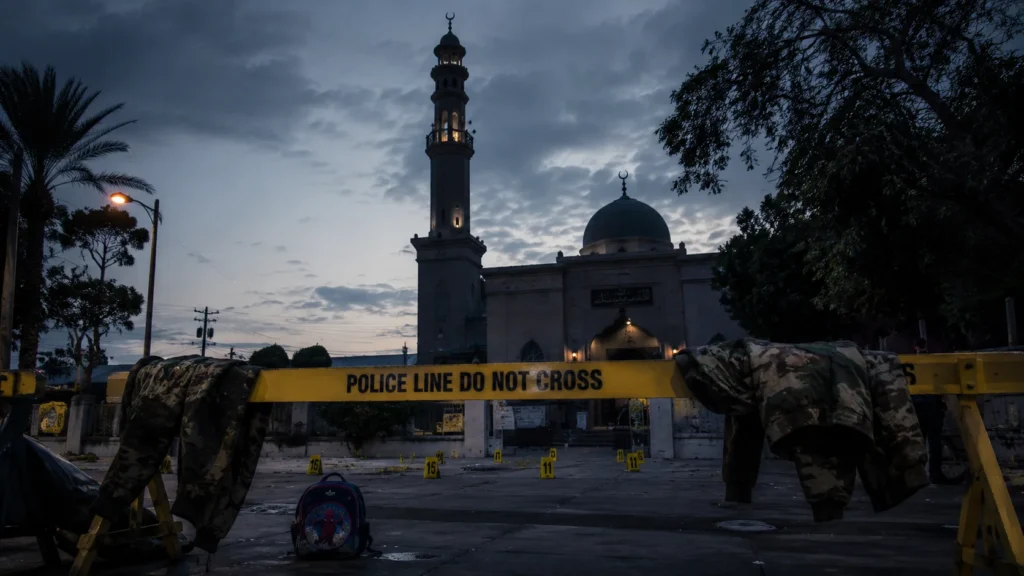
The Pentagon identified Pte Isabella Gonzales, 19, from Texas, and Lt Tyler James Feehan, 25, from Hawaii. They were killed in an Iranian strike on the Muwaffaq Salti base. A third service member is missing, and unidentified remains have been found.
How many nights of US strikes have there been?
Ten consecutive nights. The latest strikes hit military command centres, maritime capabilities, missile and drone launch sites, and air defence systems across Iran.
What did Iran’s president say?
President Masoud Pezeshkian declared Iran was now fighting a “full-scale war” with the United States. The declaration is a political escalation, publicly committing Iran to a conflict it had previously described in more limited terms.
How many ships are transiting the Strait of Hormuz?
Six commercial vessels on Monday, according to Kpler, down from eight on 19 July and from 130 before the war. All but one are using the northern route near Iran. The southern route is being abandoned.
Are diplomatic talks still happening?
Tehran says diplomatic messages are still being exchanged through intermediaries. The talks are not producing a ceasefire, but the channel remains open.