

 English













































































































































































































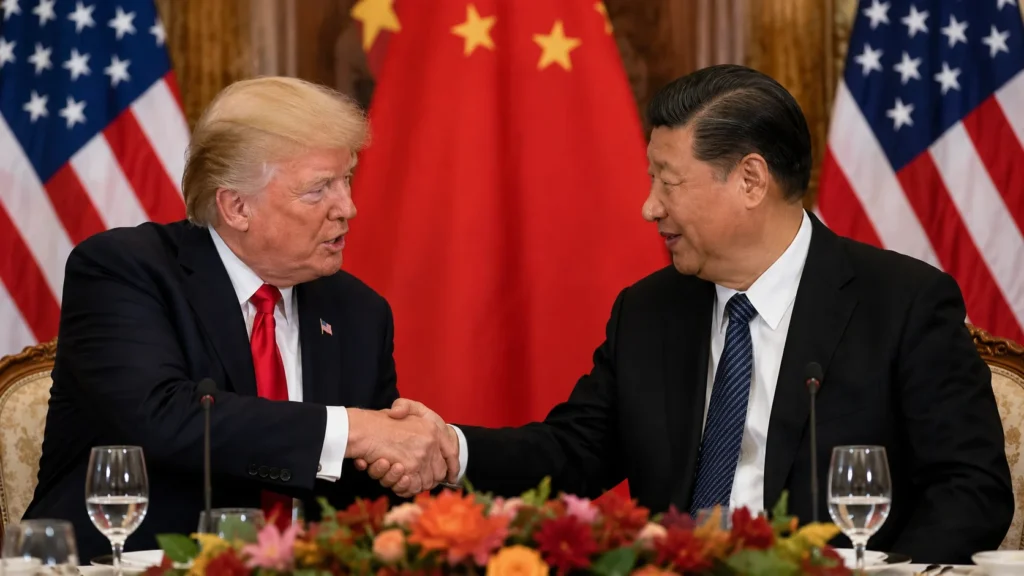
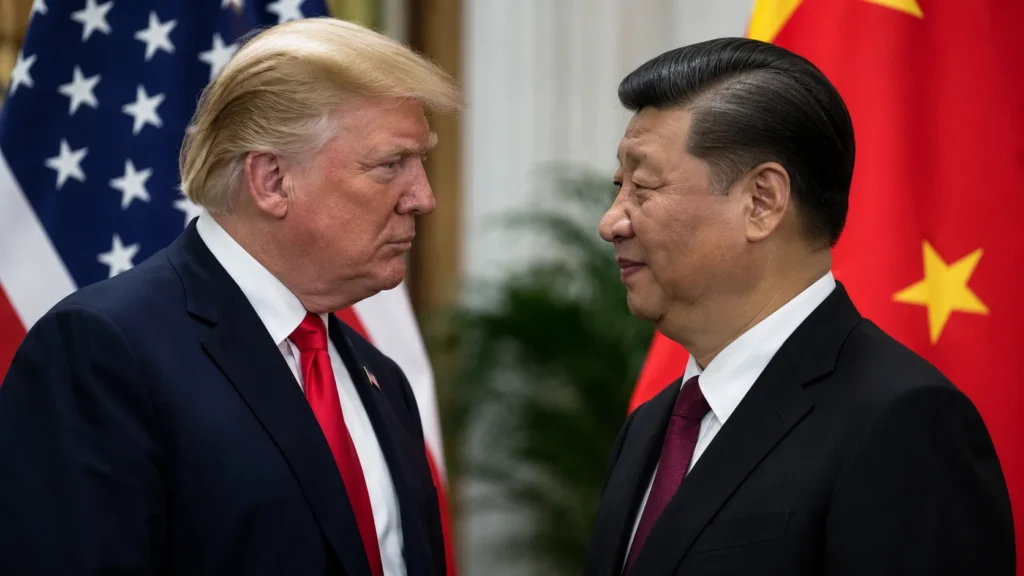
























































Trump Imposes 50% Tariffs on Canada as Carney Vows to Intensify Talks
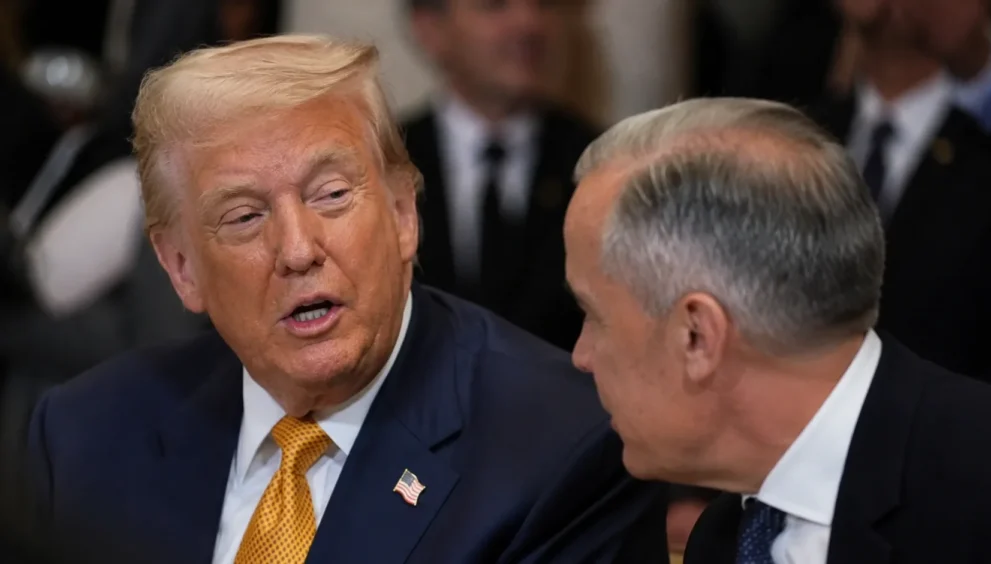
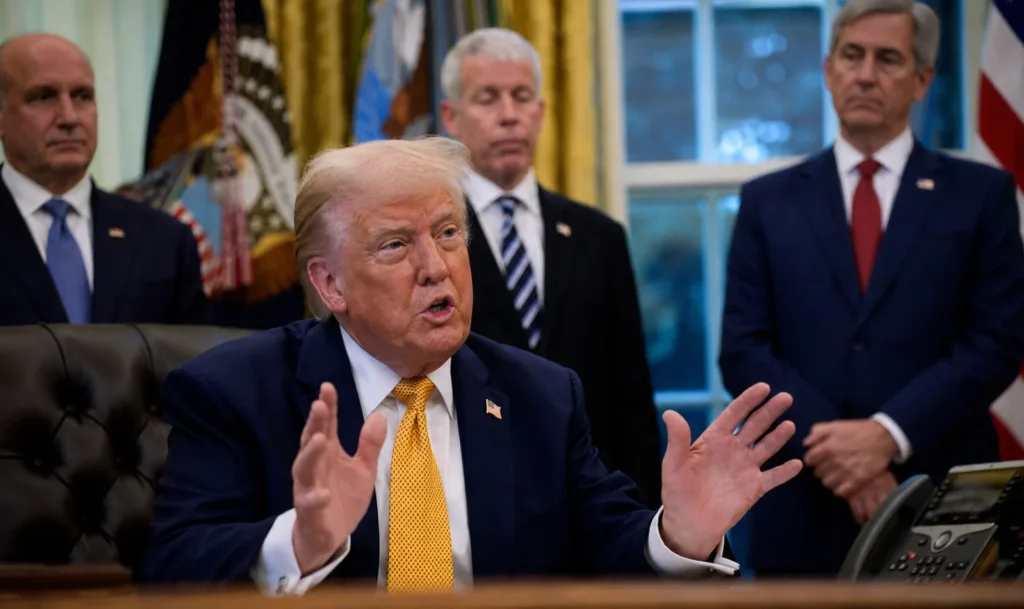
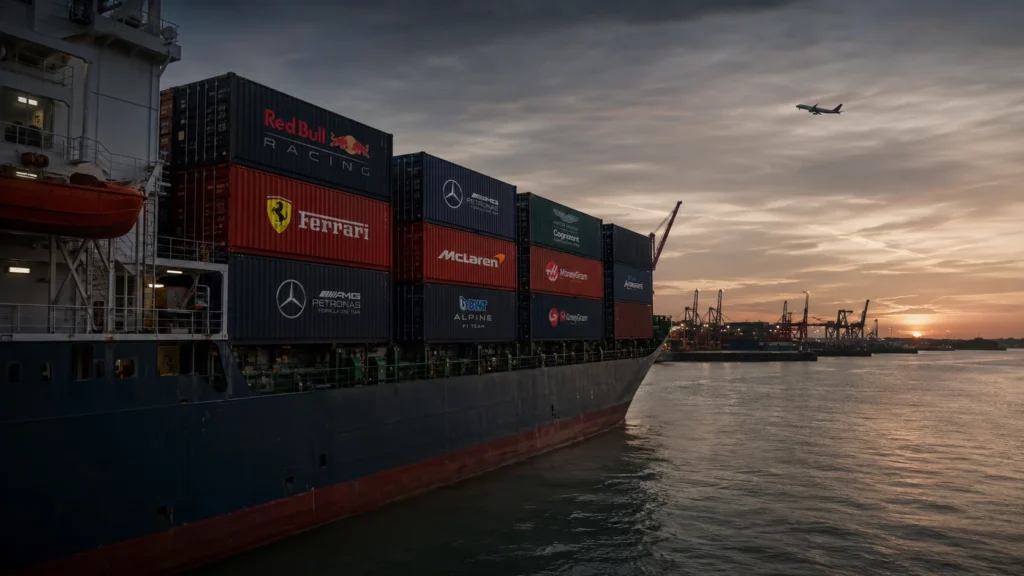
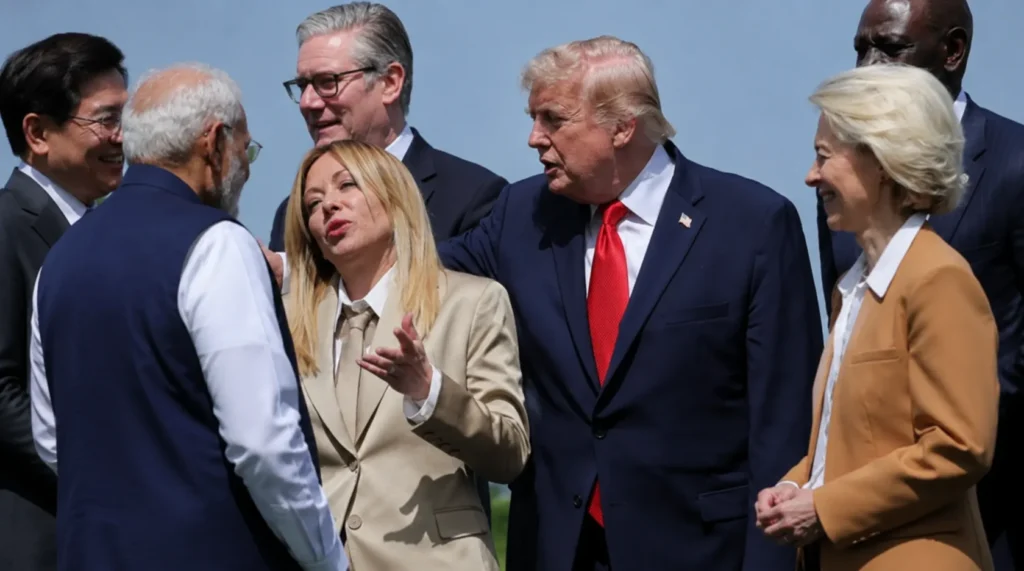
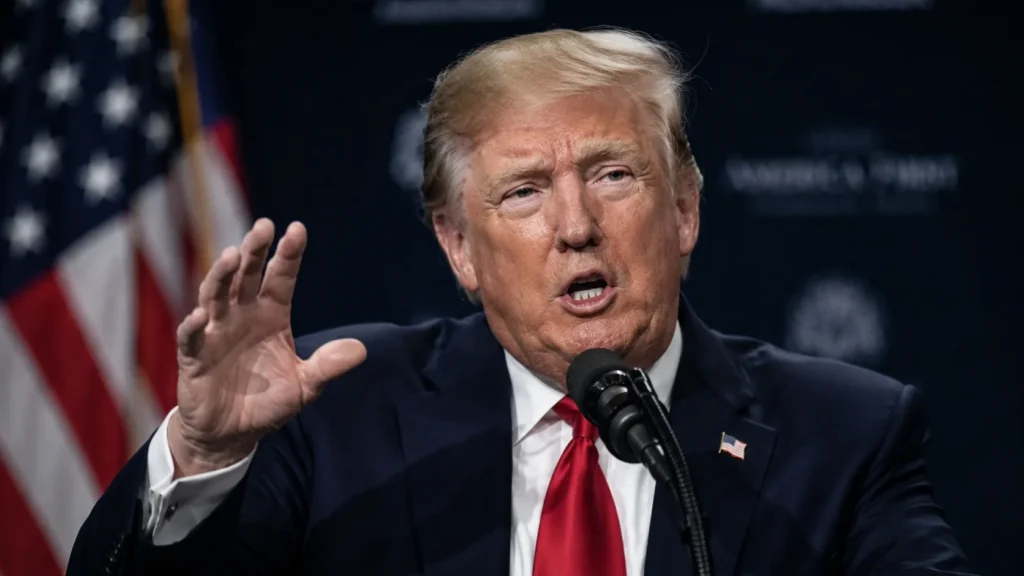
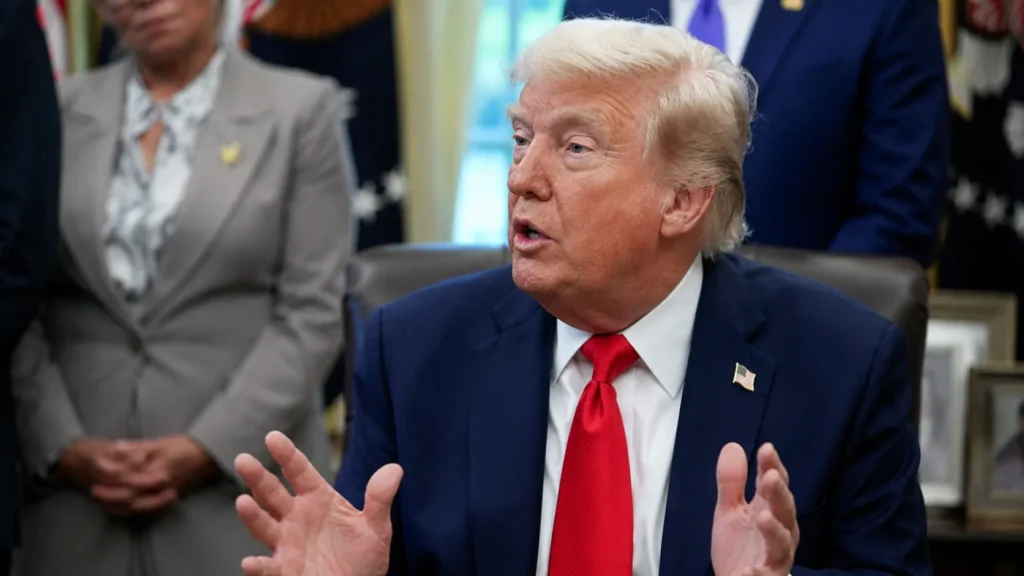
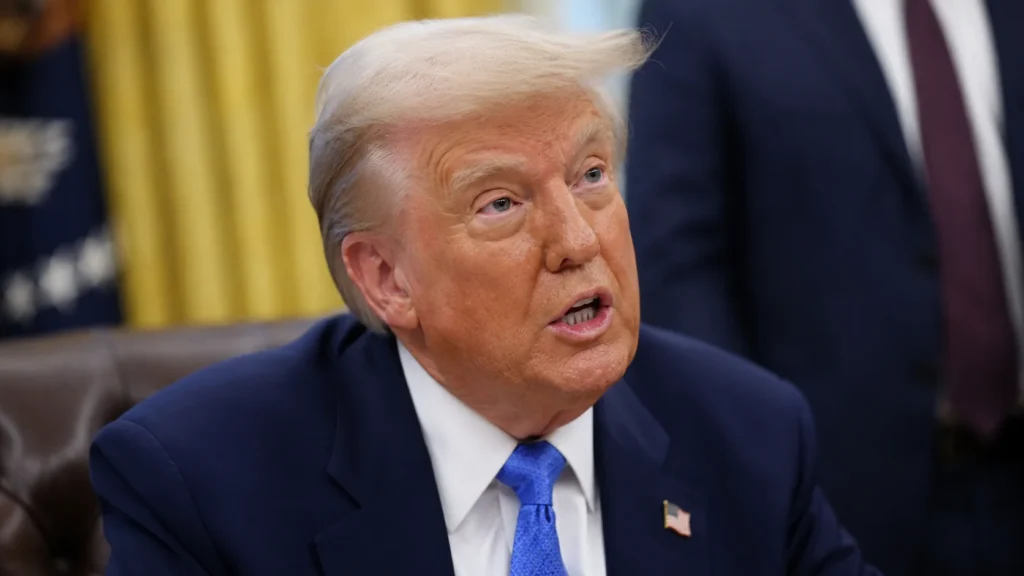
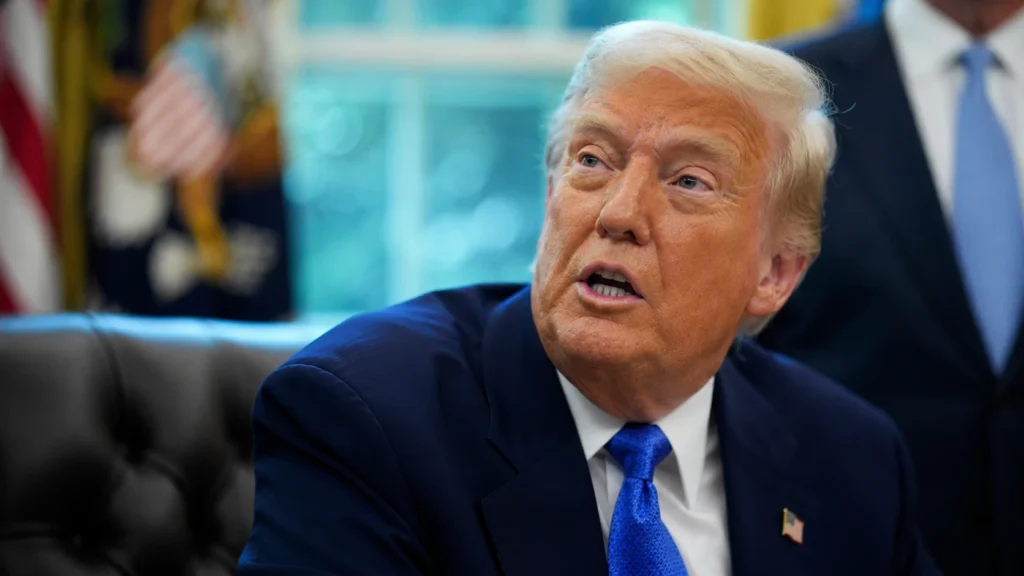
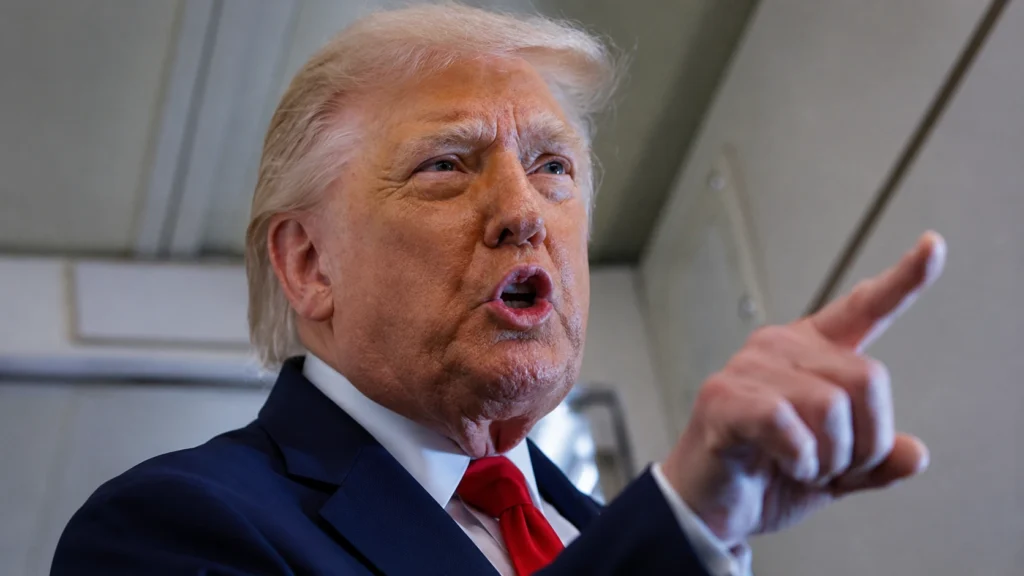
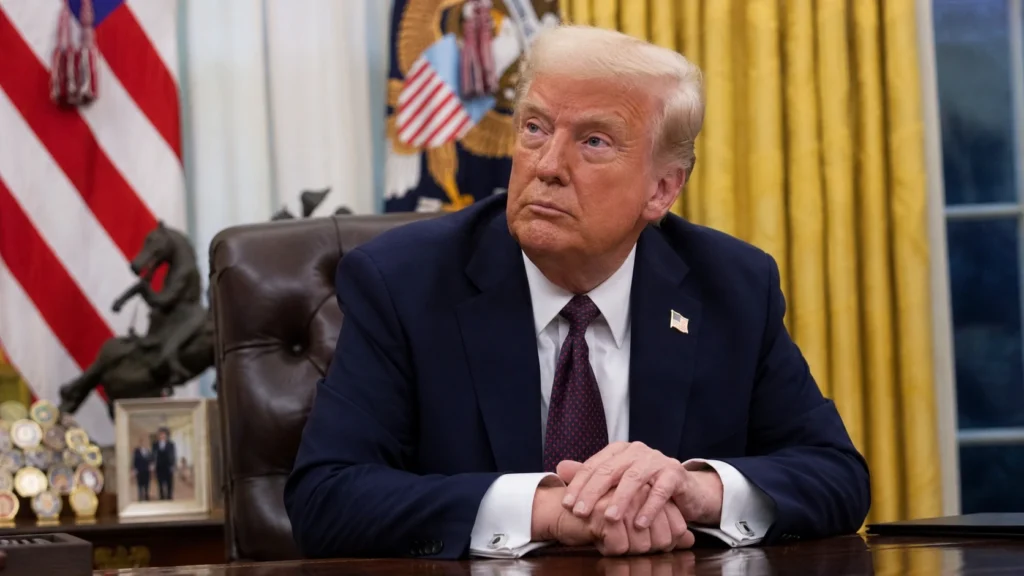
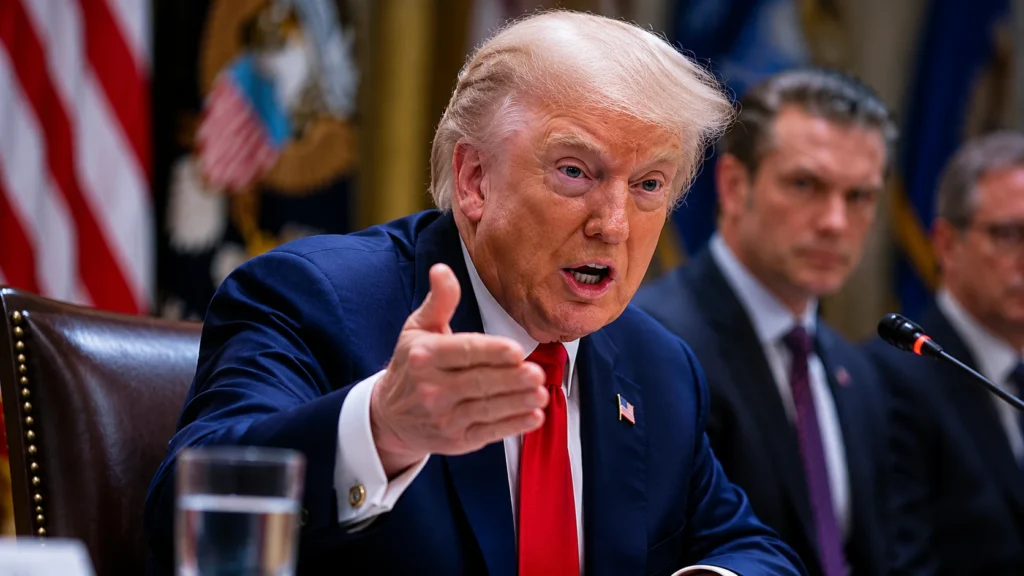
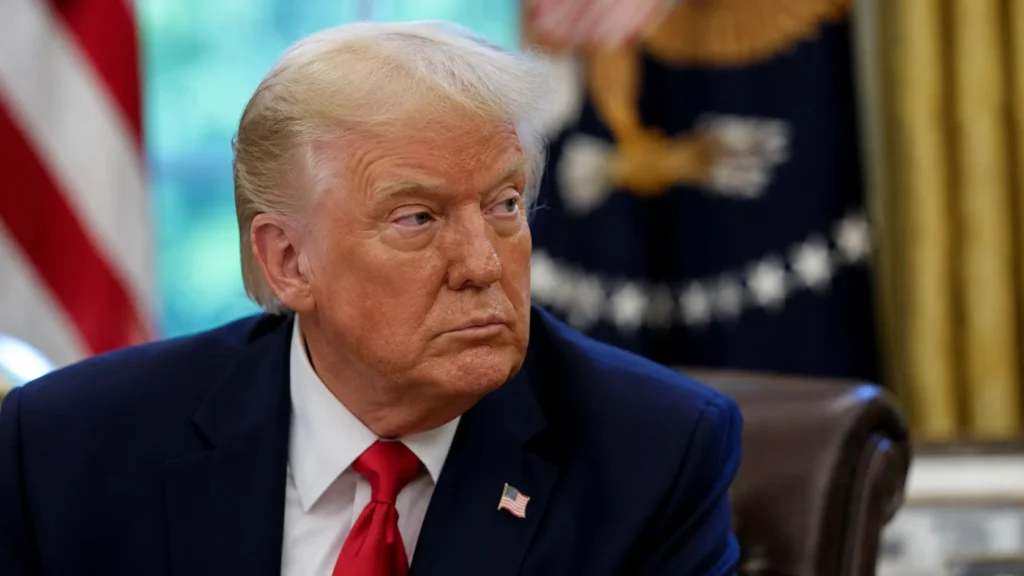
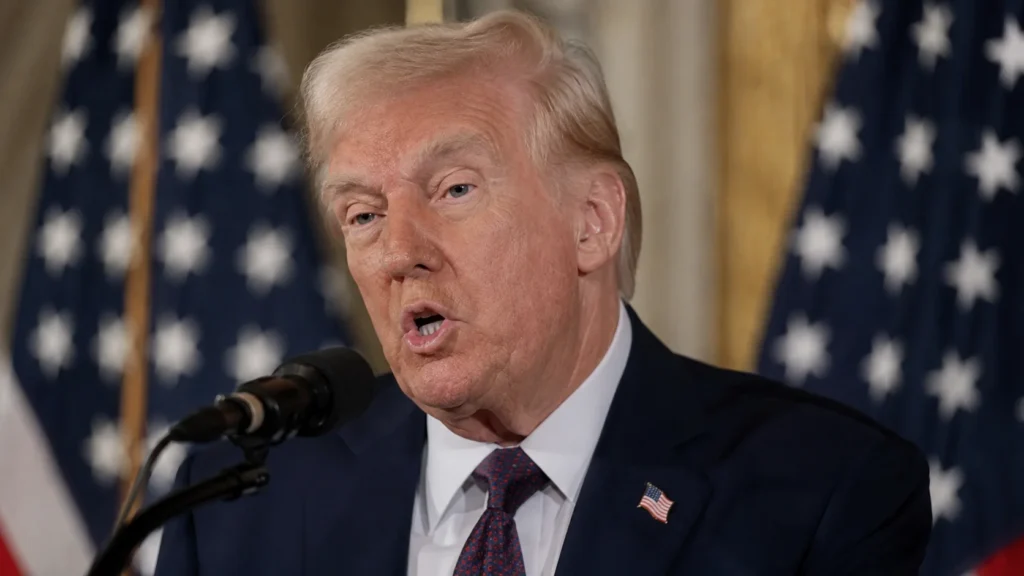
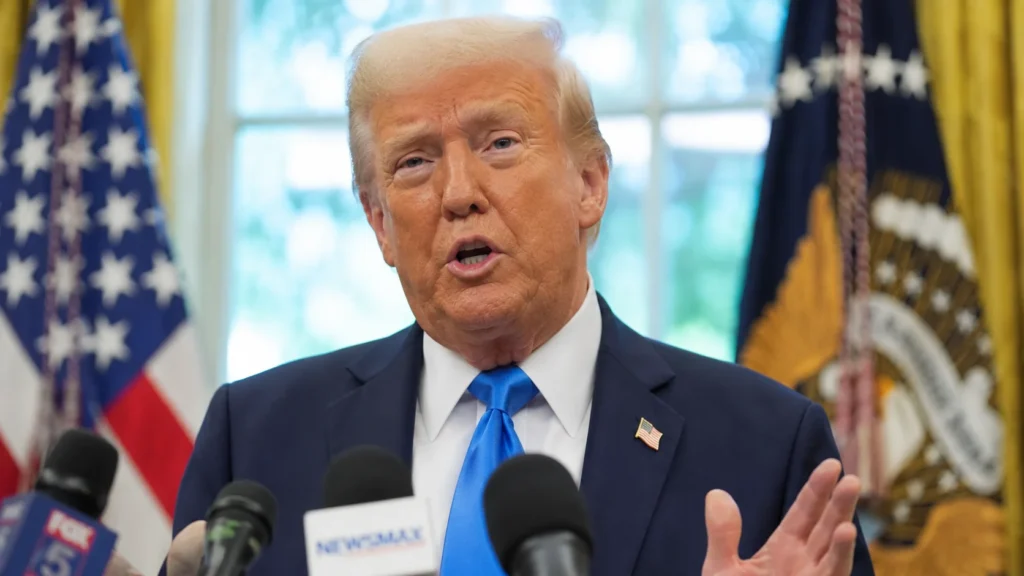
President Donald Trump has imposed a 50% tariff on a wide range of goods imported from Canada, using a rarely invoked 1930 trade law to override the USMCA trade agreement he negotiated during his first term. The tariffs, announced on Monday night, target consumer items such as wine and hockey sticks as well as industrial goods including cement. Energy, potash, critical minerals, and fish were spared. The duties take effect in 30 days. Prime Minister Mark Carney said Canada stood ready to “intensify” trade talks with the US in the coming weeks.
The president listed three grievances: Canada’s tax on US motor vehicle imports, its dairy supply management system that imposes tariffs of up to 300% on imports exceeding quotas, and the provincial boycott of American alcohol imposed in retaliation for earlier US tariffs. The White House said the new duties applied regardless of whether products were covered under the United States-Mexico-Canada Agreement.
What Was Announced
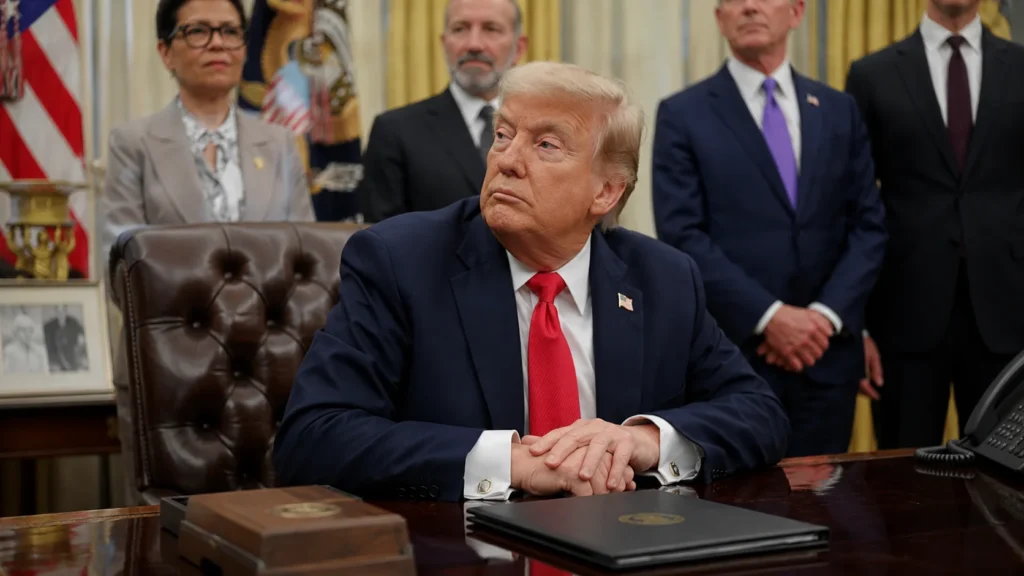
The tariffs were imposed via three presidential proclamations under Section 338 of the Tariff Act of 1930. The law permits the president to impose duties of up to 50% on imports from countries that discriminate against US commerce. It has never been used in this way and has never been tested in court.
The administration chose the legal route after the Supreme Court struck down Trump’s use of the International Emergency Economic Powers Act to impose global tariffs in February. Section 338 has the advantage of being a trade law rather than an emergency powers law but the disadvantage of having no modern precedent for this application.
The tariff list is broad but not comprehensive. Energy was spared—Canadian oil, natural gas, and electricity cross the border in volumes that make them difficult to replace in the short term. Potash, critical for US agriculture, was spared. Critical minerals, important for the administration’s domestic manufacturing agenda, were spared. Fish was spared.
The items that were hit—consumer goods, industrial inputs like cement, wine, and hockey sticks—are those where the administration believes it can manage the economic and political consequences of retaliation.
According to White House fact sheet and presidential proclamations on the 50% tariffs, including the Section 338 legal basis and the 30-day implementation timeline, the duties will apply regardless of whether the goods are covered under the USMCA, the trade agreement Trump negotiated and signed in 2018.
As our analysis of the US-Canada trade relationship and the escalating tariff dispute has documented, tensions between the two countries have been building since Trump returned to office in January 2025.
The Reaction
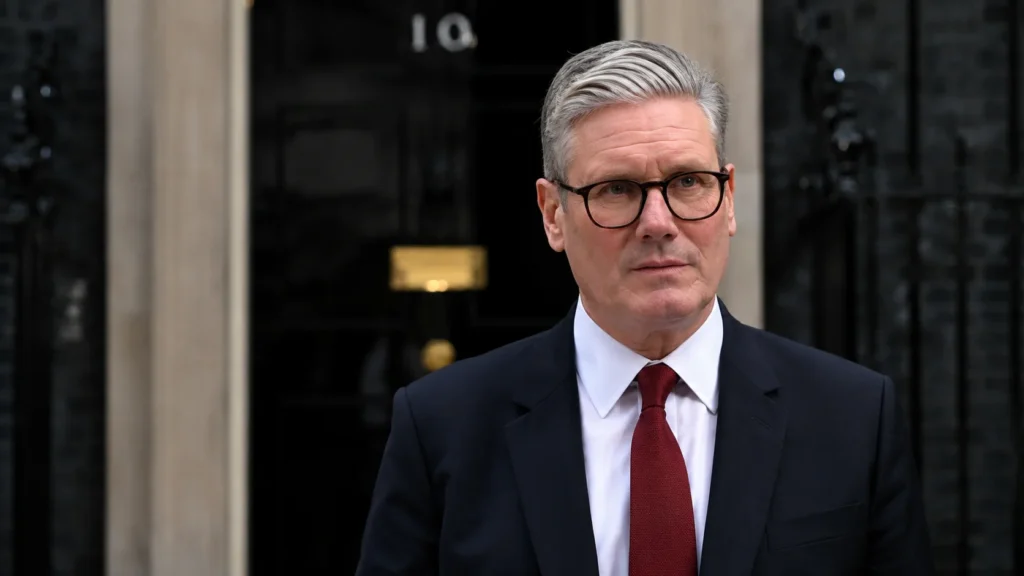
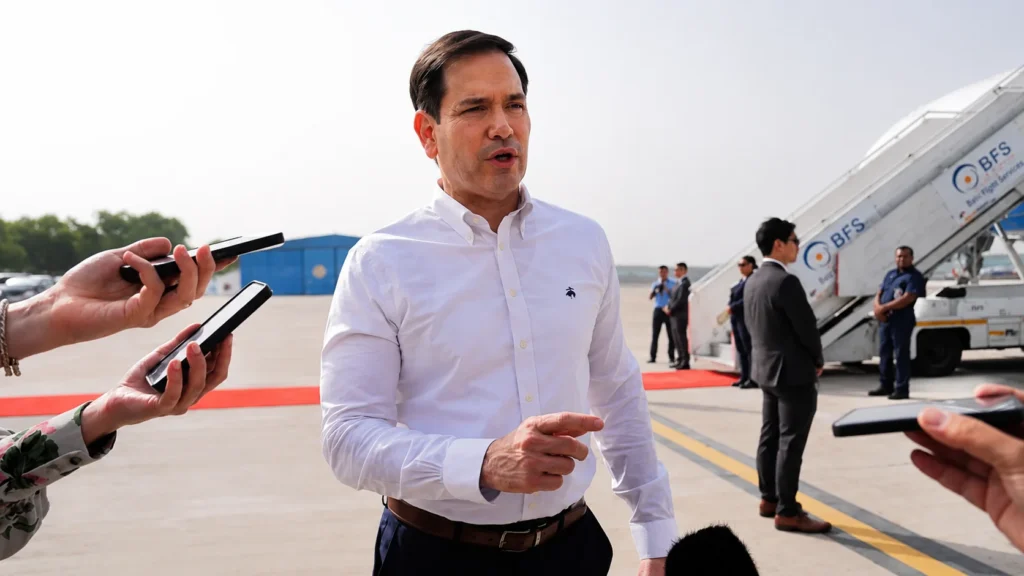
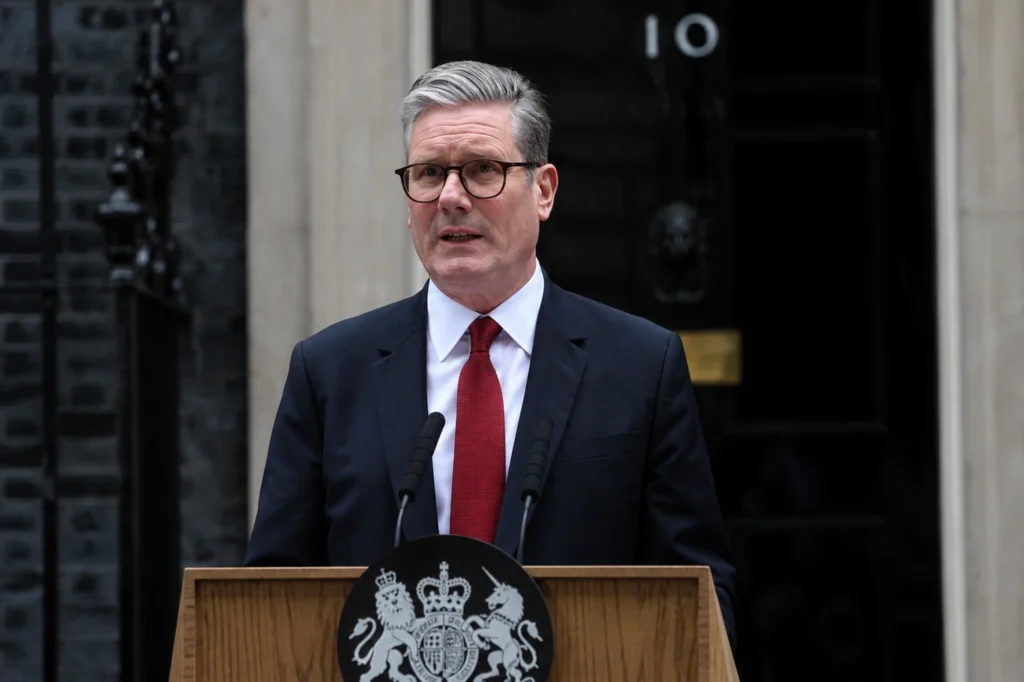
Prime Minister Mark Carney responded in a statement on X, calling the move “the latest in a series of unilateral US trade actions that began with the US imposing a series of tariffs in direct violation of the Canada-United States-Mexico Agreement.” He also cited “threats to Canadian sovereignty,” an apparent reference to Trump’s repeated calls to make Canada the 51st US state.
Ontario Premier Doug Ford wrote on X: “If these tariffs proceed, Canada should respond tariff for tariff, dollar for dollar.” Canada previously placed a 25% levy on about C$30 billion (£16bn) worth of US goods in retaliation for earlier tariffs, though Carney later dropped some of them.
Michael Devereux, professor of economics at the University of British Columbia, told the BBC the move was “a significant escalation because it directly targets goods that were previously exempt under the US, Canada, Mexico trade agreement that President Trump negotiated and signed himself in 2018.” He added: “I would rather see this as just an impulsive move that came from kind of a grudge that the US government and President Trump has against Canada.”
The Canadian Chamber of Commerce urged officials to make “meaningful progress” in talks before the new duties take effect. Candace Laing, the organisation’s head, called for negotiations to deliver results within the 30-day window.
Chris Swonger, head of the Distilled Spirits Council of the United States, warned the decision “raises the risk of further retaliation,” signalling that US industries exporting to Canada are concerned the provincial alcohol boycott could expand.
According to statements from Mark Carney, Doug Ford, Michael Devereux, and industry bodies on the tariff announcement, the reaction from Canada has been swift and unified, with both federal and provincial leaders signalling a willingness to retaliate.
The Three Grievances
The White House listed three specific trade complaints in its proclamations. On cars, it pointed to Canada charging a tax on imports of US motor vehicles and parts not covered under USMCA, arguing it discriminates against American products.
On dairy, the long-standing dispute over Canada’s supply management system—which sets quotas on foreign imports and charges tariffs of up to 300% on those exceeding the limits—was cited as a barrier to US agricultural exports.
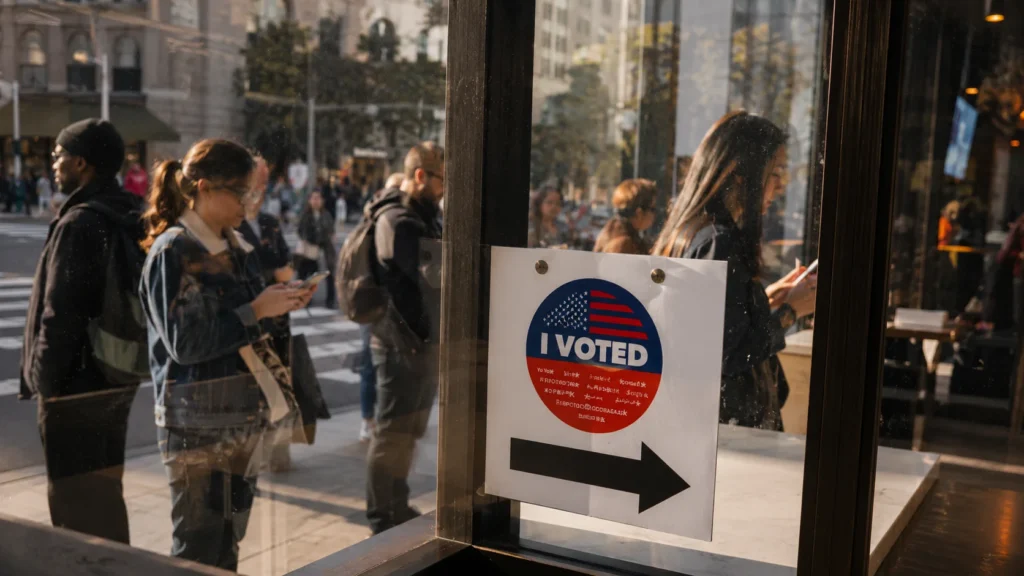
On alcohol, the boycott of US drinks by most Canadian provinces, imposed last year in retaliation for Trump’s first round of tariffs, has become a significant irritant. Canadian premiers have said repeatedly the boycott will be lifted if the US removes its tariffs on key Canadian sectors.
The US has been maintaining active tariffs ranging from 15% to 50% on Canadian steel, aluminium, and copper. It also charges a 35% tariff on Canadian softwood lumber and a 25% tax on non-US parts in cars. Canada maintains its own 25% counter-tariff on selected imports of American steel, aluminium, and vehicles.
As our coverage of North American trade disputes and the future of the USMCA has tracked, the US earlier this year declined to renew the trade agreement in its current form. The treaty will continue to govern trade on a rolling basis but will require annual reviews.