

 English


























































































































































































































































































































































US Jobs Report: Employers Cut 23,000 Positions in July, Defying Growth Forecasts

The US economy shed 23,000 jobs in July, a sharp miss against analyst expectations of 80,000 added positions, according to Bureau of Labor Statistics data released Friday. The agency also revised May and June employment figures downward by a combined 103,000 jobs, signaling the summer labor market softened more than previously reported.
Stock markets opened higher following the release, as investors interpreted the weaker data as reducing pressure on the Federal Reserve to raise interest rates at its September meeting.
The unemployment rate edged down to 4.1% from 4.2%, though the Bureau noted the decline reflected fewer people actively seeking work rather than increased hiring. Labor force participation fell to levels last recorded during the Covid-19 pandemic period.
Where Jobs Were Lost
Job losses concentrated in two sectors. Local government education shed positions during the month. Retail also contracted, with declines reported across wholesale stores, hypermarkets, gas stations, and general merchandise shops.
Average hourly earnings rose 3.2% year-over-year to $37.62 for private non-farm payroll employees. Economists had forecast 3.5% wage growth. The softer wage number may ease concerns about wage-push inflation feeding into broader price increases.
Neil Birrell, chief investment officer at Premier Miton, said the data revealed a labor market weaker “by some distance.”
“Labour force participation is back at levels not seen since the days of Covid, meaning jobs just aren’t being created,” Birrell said. “This does leave the Fed with the problem of a weak jobs market providing a read across to growth, all at a time when inflation is a problem, but this data will ease the pressure to hike rates. It’s a big call in September.”
What the Report Means for Fed Policy
The Federal Reserve held interest rates unchanged between 3.5% and 3.75% at its July meeting. Chair Kevin Warsh, appointed to lead the central bank, has offered limited forward guidance on the future rate path, marking a policy shift from previous Fed communications.
The central bank operates under a dual mandate: maintaining price stability and maximum employment. While inflation remains elevated at an annual rate of 3.5%, the weakening jobs data complicates the case for further tightening.
Nancy Vanden Houten, lead economist at Oxford Economics, said rate hike expectations had been “scaled back” since the Fed’s July decision.
Consumer prices continue facing upward pressure from energy costs. Gasoline prices have returned above $4 per gallon on average following Middle East escalations, according to AAA data. Diesel approaches $5.40 per gallon.
Market Response
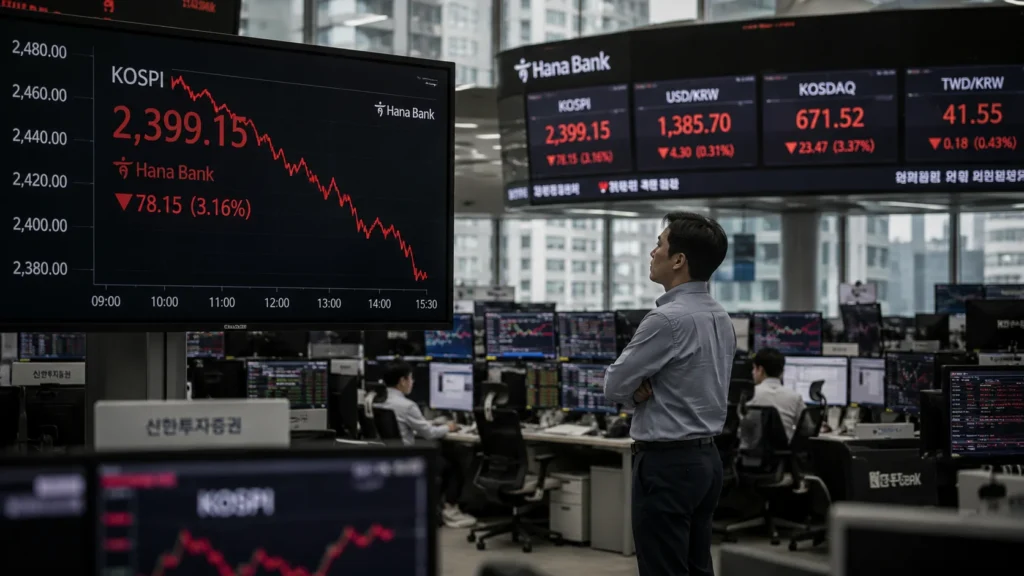
US equities rose Friday as traders assessed the likelihood that softer labor market data would deter additional rate increases. The payrolls miss, combined with downward revisions to prior months, shifted market expectations toward a more cautious Fed posture at the September meeting.
Payroll data historically shows some softness in July, but the magnitude of the miss and the size of the two-month revision captured analyst attention.
Frequently Asked Questions
Why did US employers cut jobs in July?
The Bureau of Labor Statistics reported a decline of 23,000 jobs, driven primarily by reductions in local government education and retail sectors including wholesale stores, hypermarkets, and gas stations.
What does the jobs report mean for interest rates?
Analysts say the weaker-than-expected employment data reduces pressure on the Federal Reserve to raise interest rates at its September meeting. The Fed held rates at 3.5%–3.75% in July.
What happened to wages in July?
Average hourly earnings rose 3.2% year-over-year to $37.62. Economists had expected 3.5% growth, suggesting wage pressures are easing slightly.
Were previous months’ job numbers revised?
Yes. The Bureau of Labor Statistics revised May and June employment figures downward by a combined 103,000 jobs.
What is the current US unemployment rate?
The unemployment rate stands at 4.1%, down slightly from 4.2%, though the decline partly reflects fewer people actively seeking work.