
 English






















































































































































Iran’s Offensive Doctrine Reshapes Gulf Power Dynamics
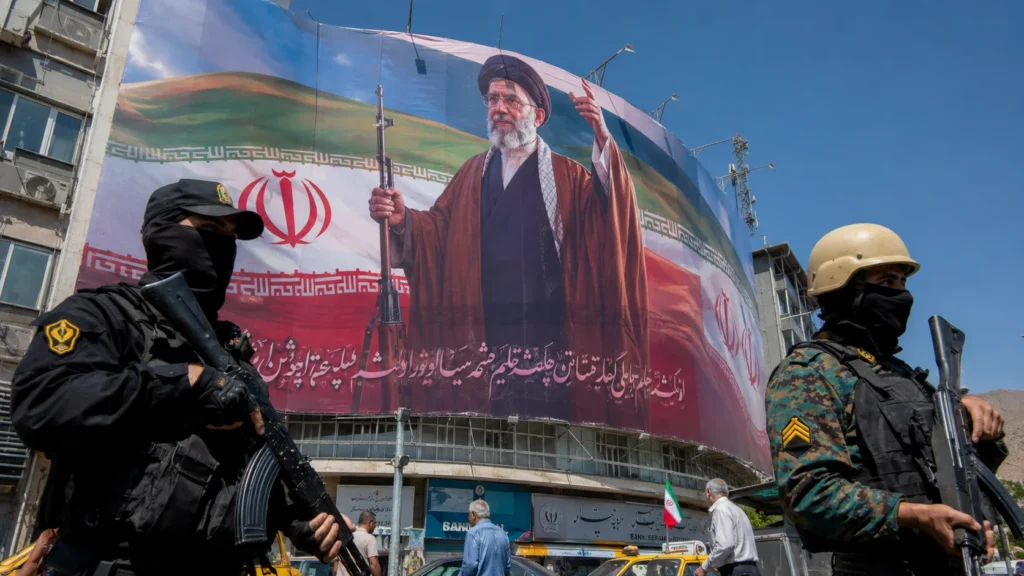
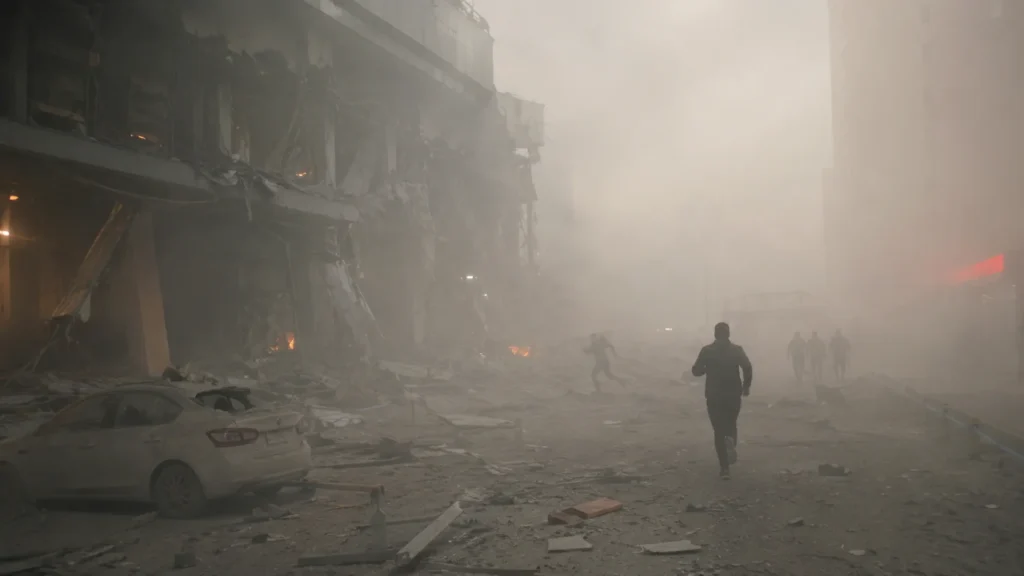
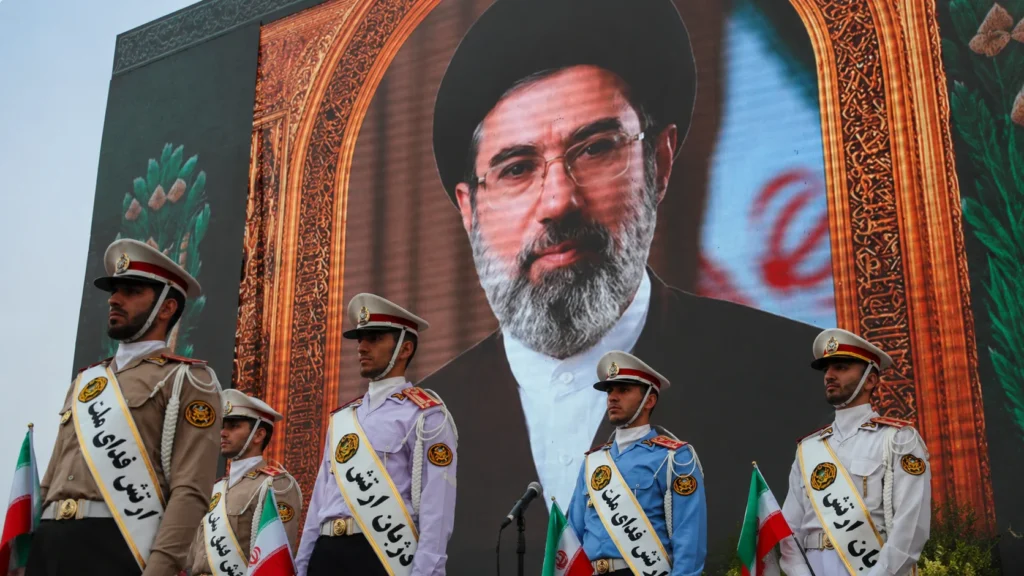
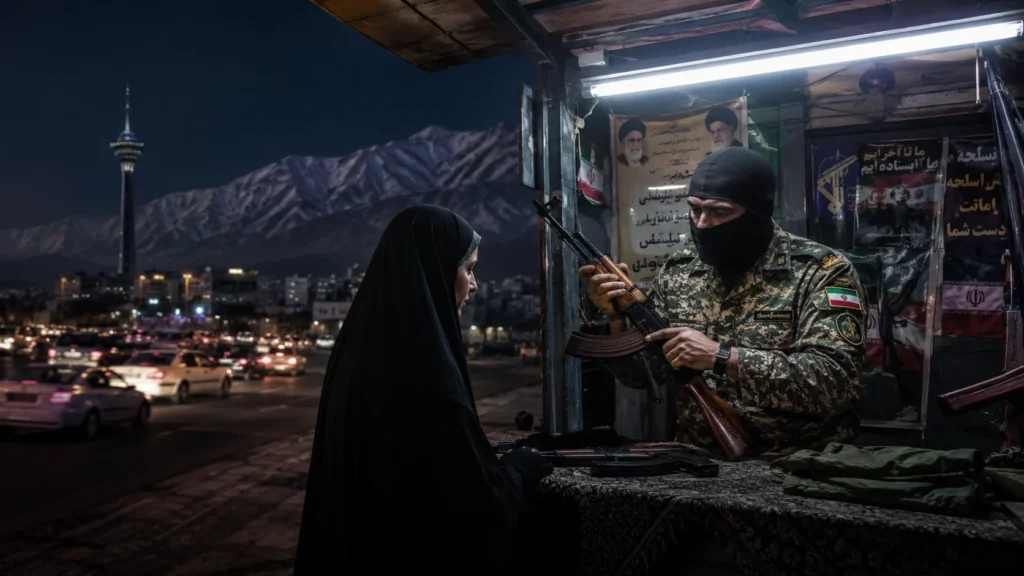
TEHRAN — The Memorandum of Understanding expired. Iran’s Supreme Leader issued decrees. The Islamic Revolutionary Guards Corps has a new mandate. On July 31, 2026, Houthi supporters rallied in Sanaa while Tehran’s security establishment quietly reorganized for offensive operations. The shift is not rhetorical. It is structural.
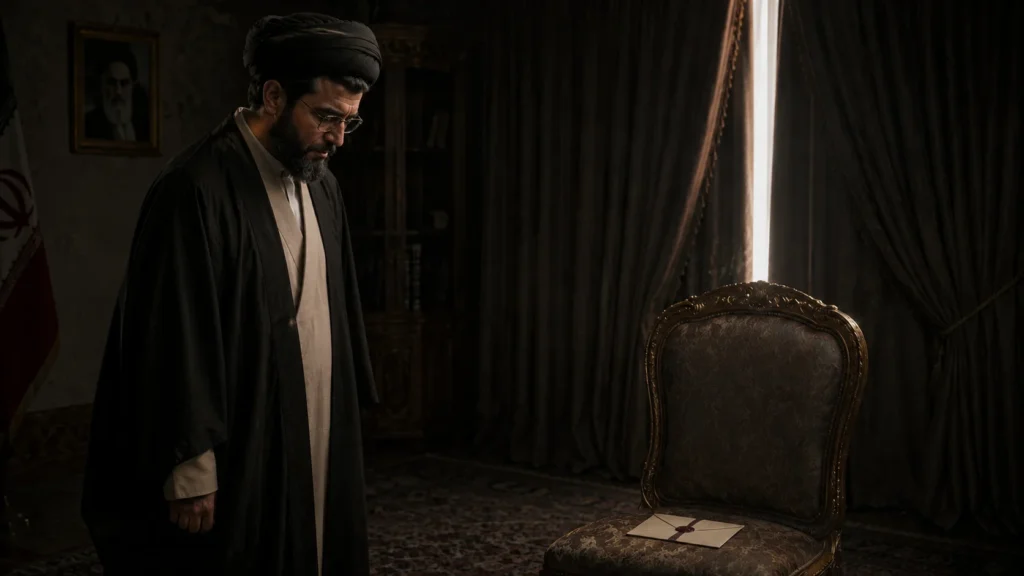
The appointment of Mohsen Rezaie to head the Supreme National Security Council signals that Iran’s hardliners now control the war’s trajectory. Rezaie’s faction within the IRGC has long argued that Washington only concedes under sustained pain. That theory now drives Iranian military doctrine.
What Changed in Tehran’s Military Calculus?
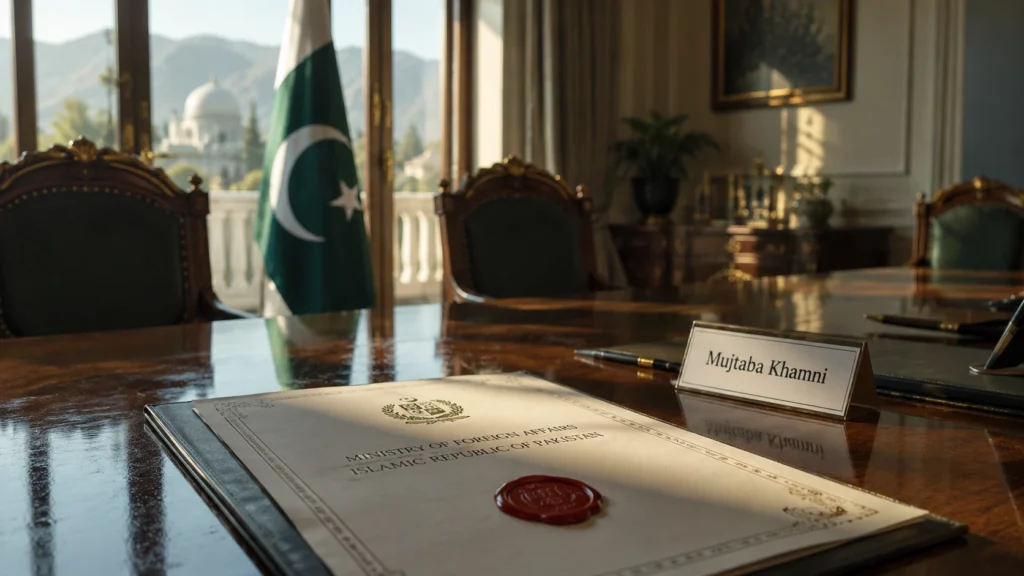
The language shifted. The previous posture emphasized “defensive action” against external threats. The new decree from Supreme Leader Mojtaba Khamenei calls for “strong offensive operations against the enemy.”
This matters because it changes the geography of the conflict. Iranian advisers now openly discuss moving operations “to the enemy’s soil.” Brig. Gen. Yadollah Javani, the IRGC’s political deputy, told Fars News Agency that Iran’s actions “may take on an offensive aspect in the future.”
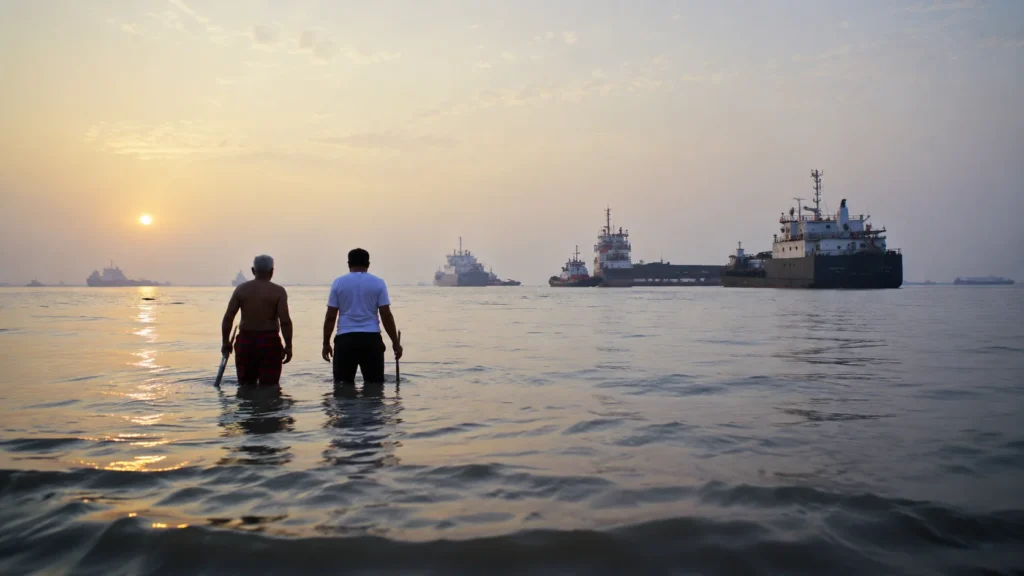
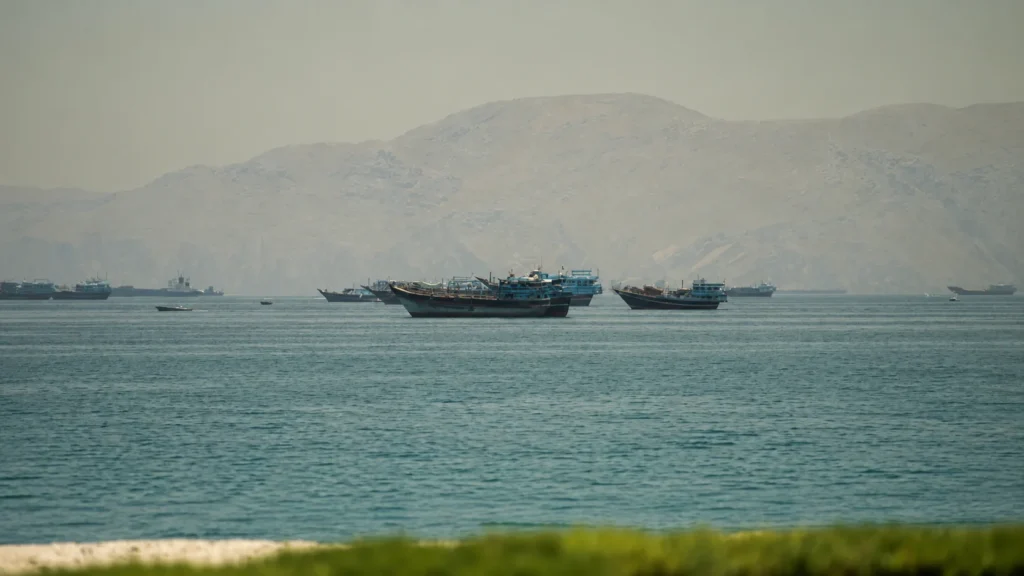
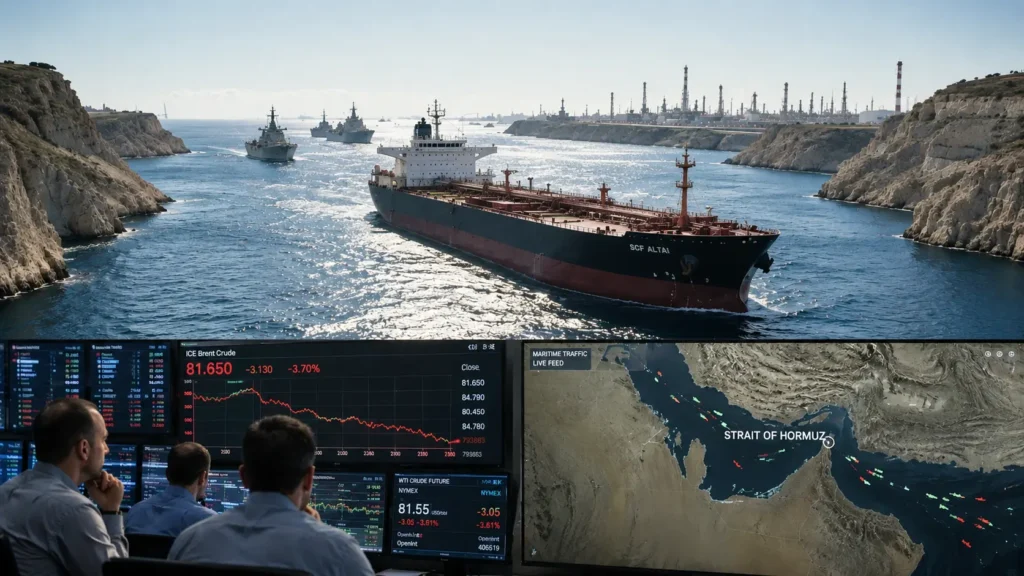
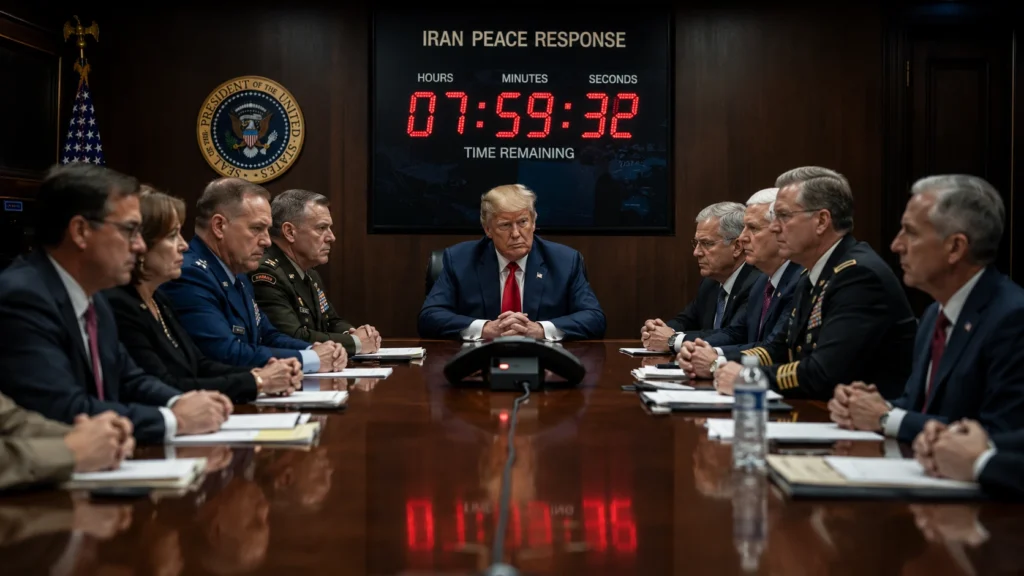
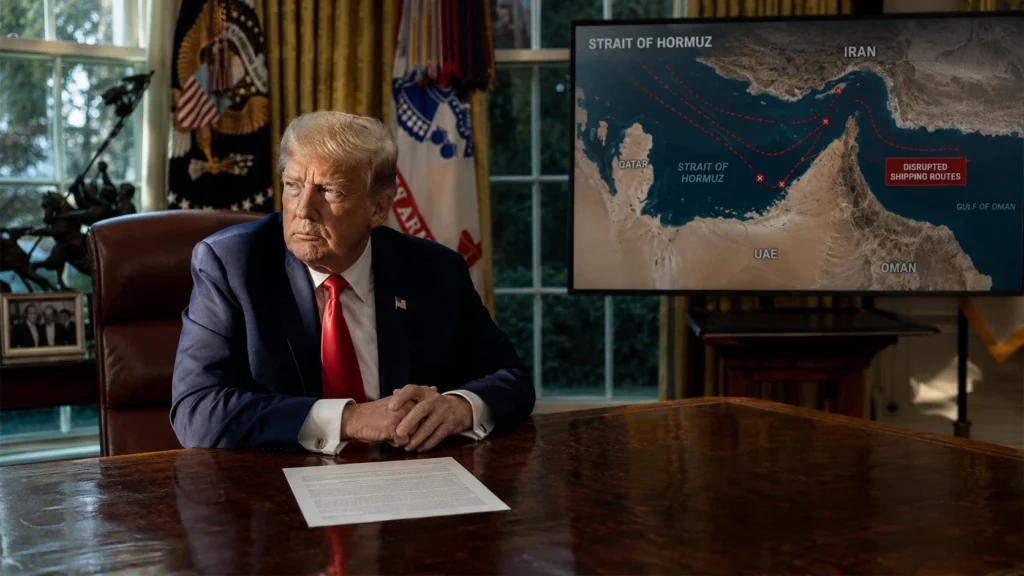
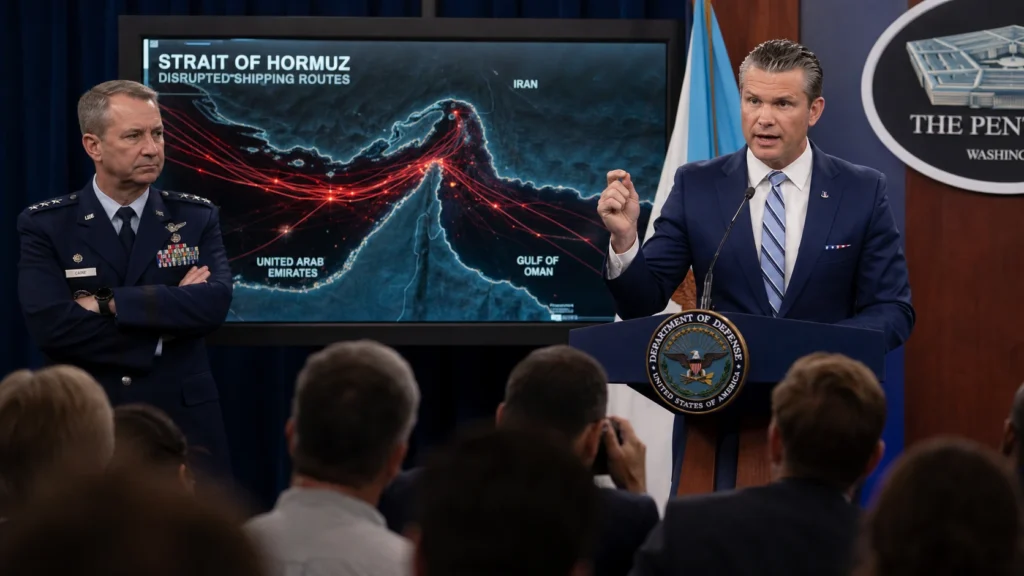
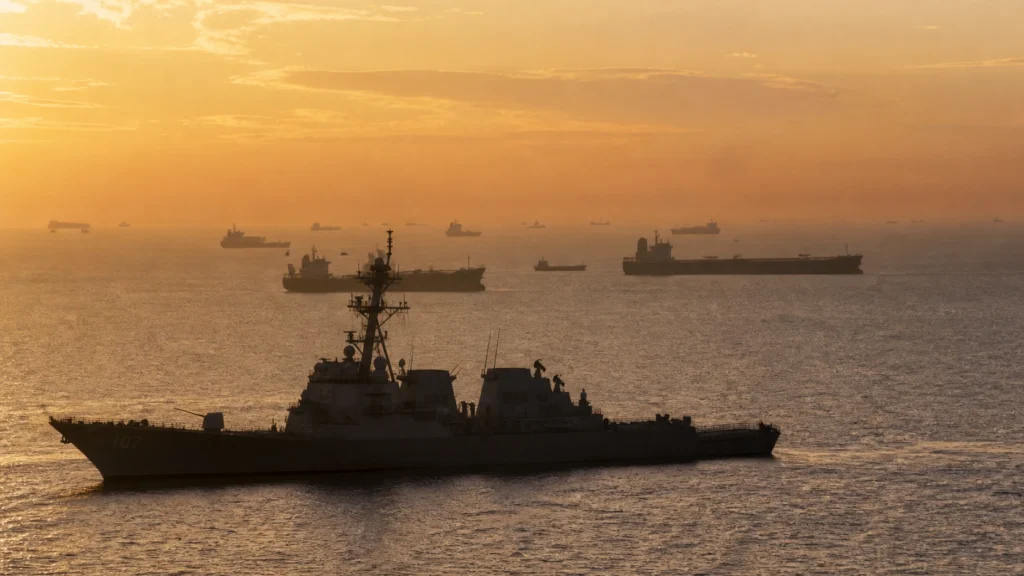
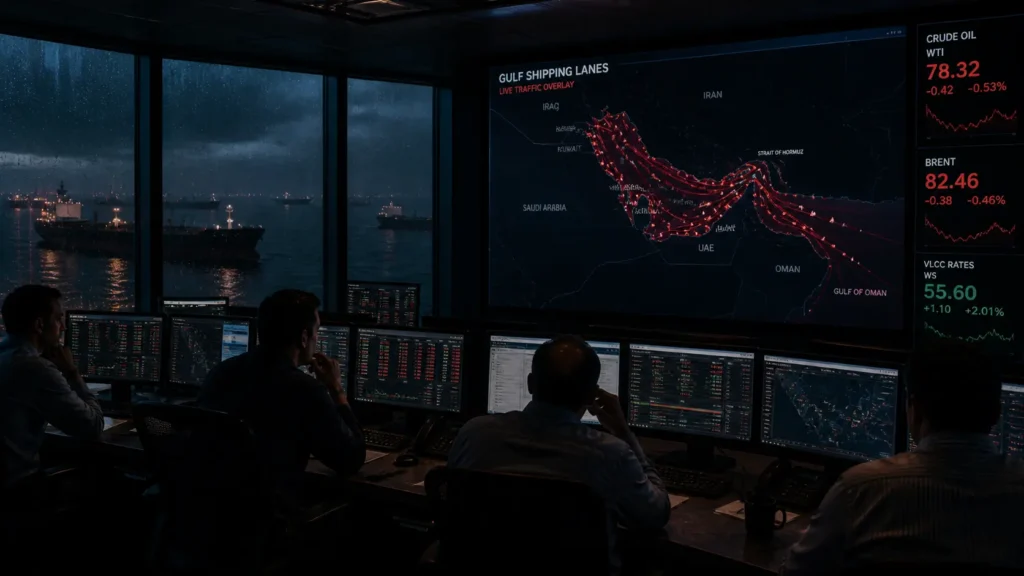
The timing aligns with the expiration of the US-Iran Memorandum of Understanding. The Strait of Hormuz remains contested. Iran believes it holds leverage.
The Asymmetric Logic
Iran cannot outspend the United States. It cannot outgun it. But it can out-suffer it.
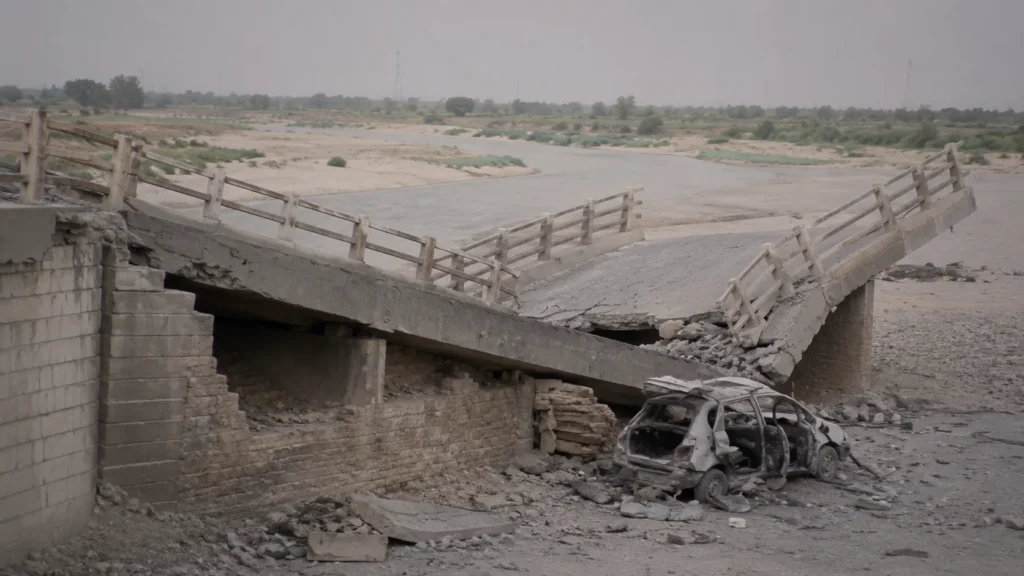
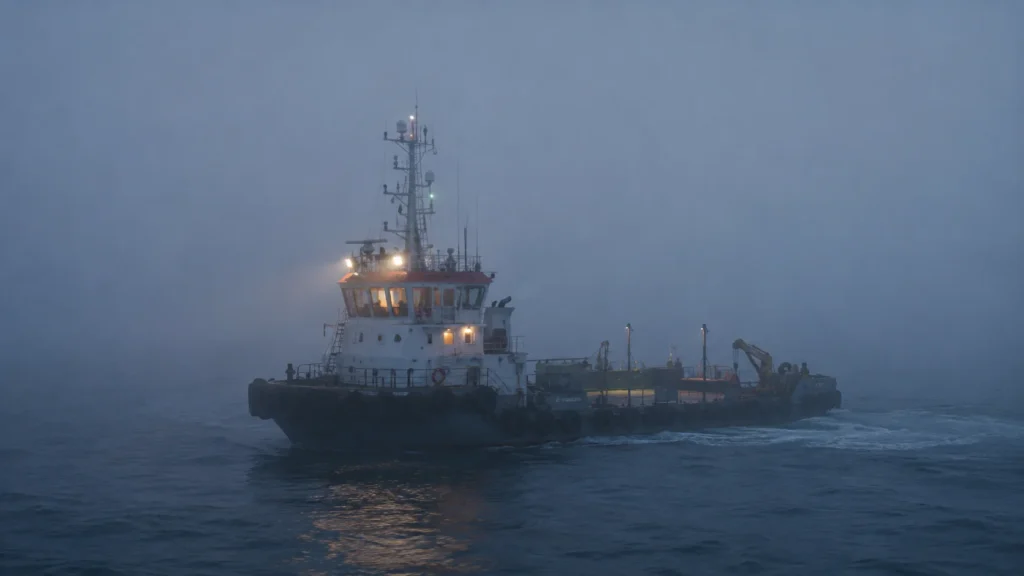
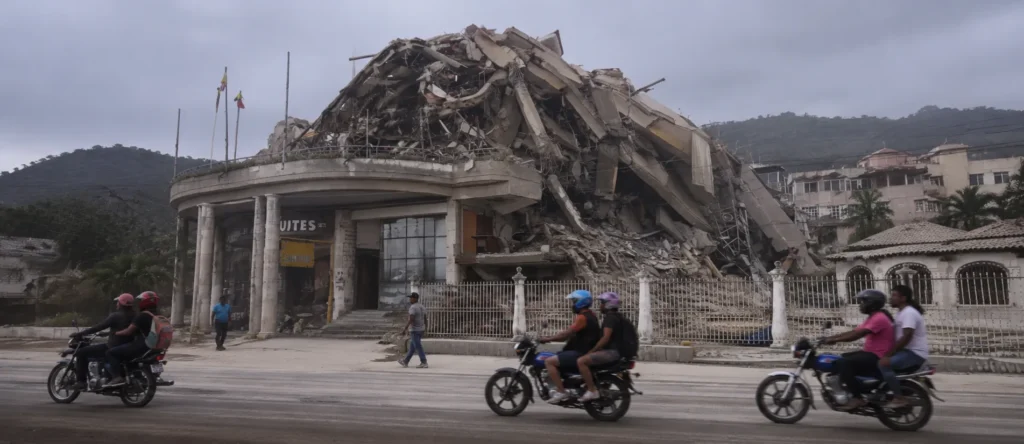
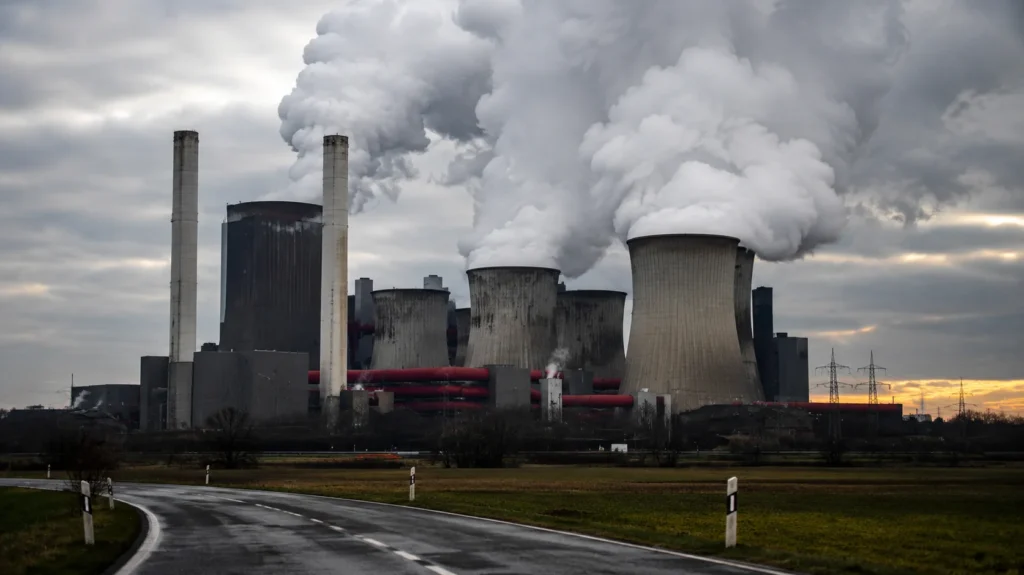
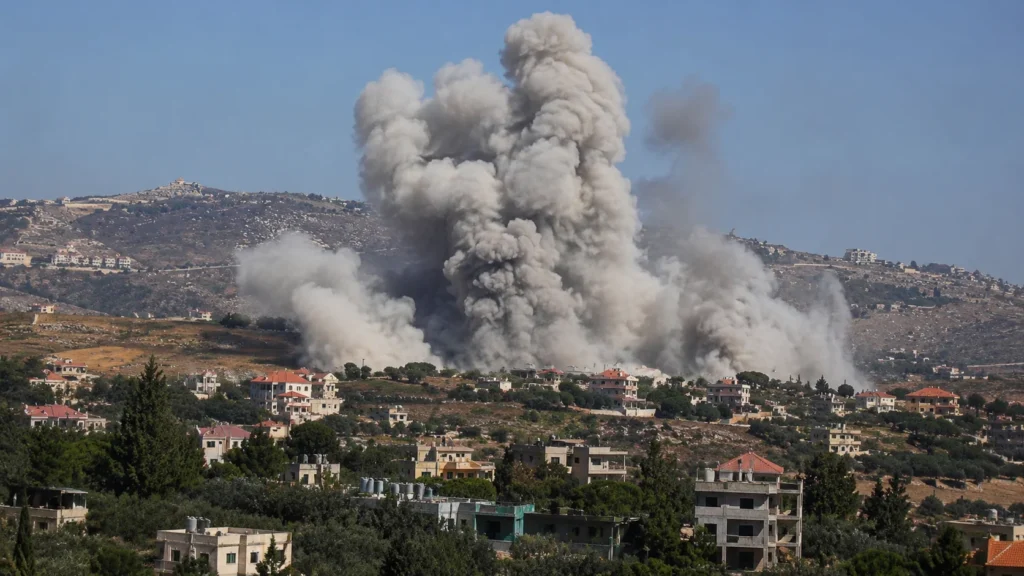
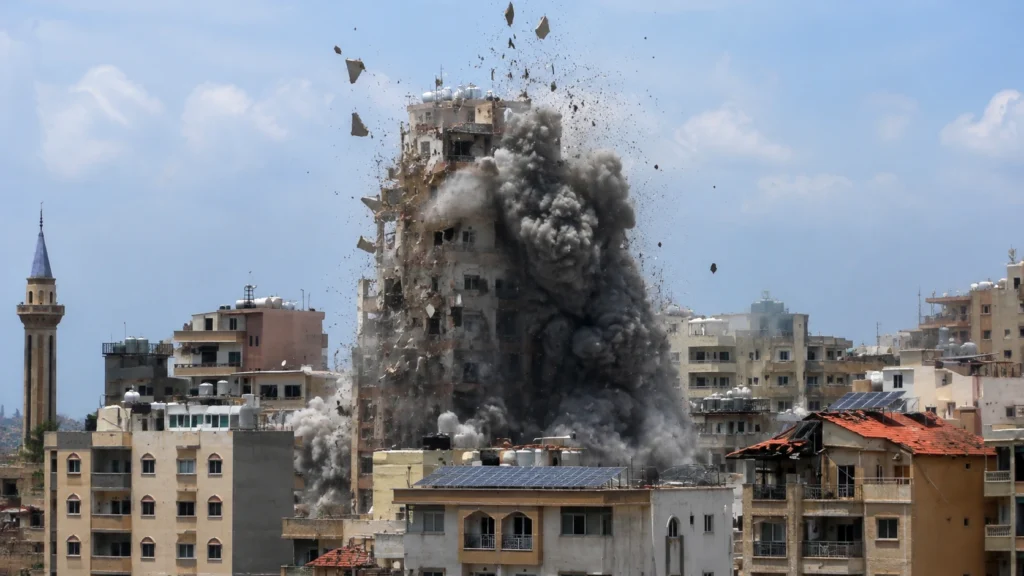
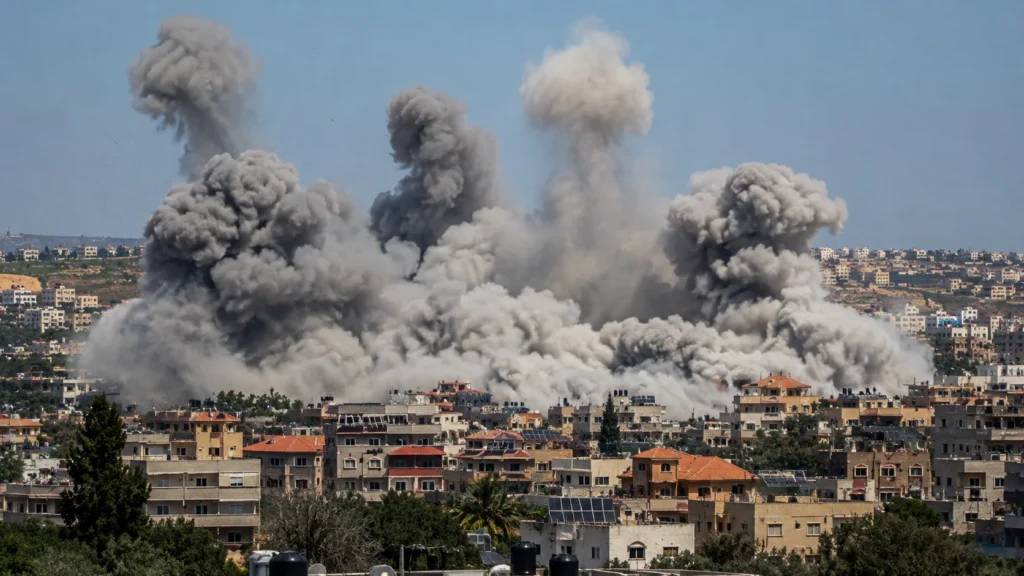
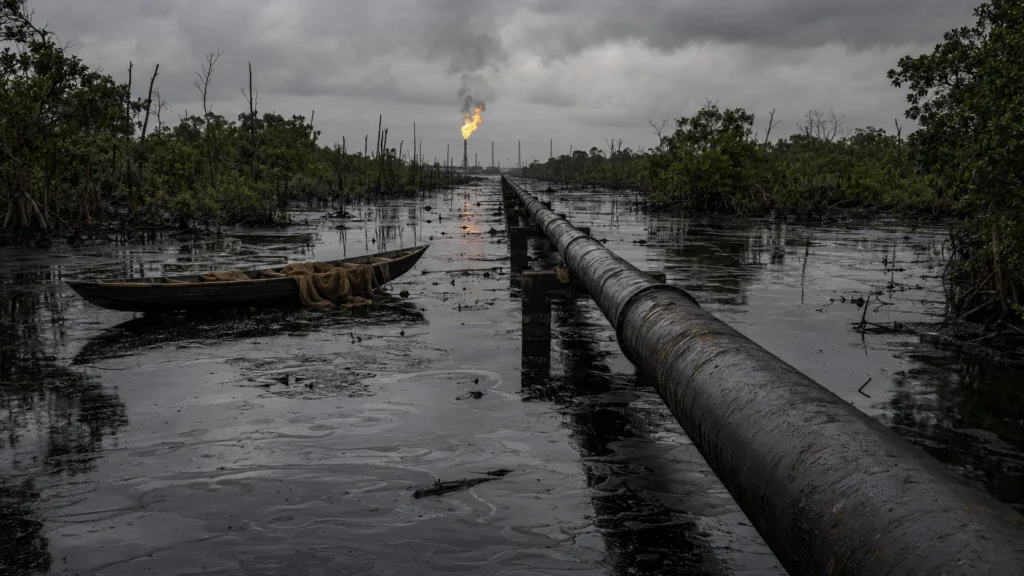
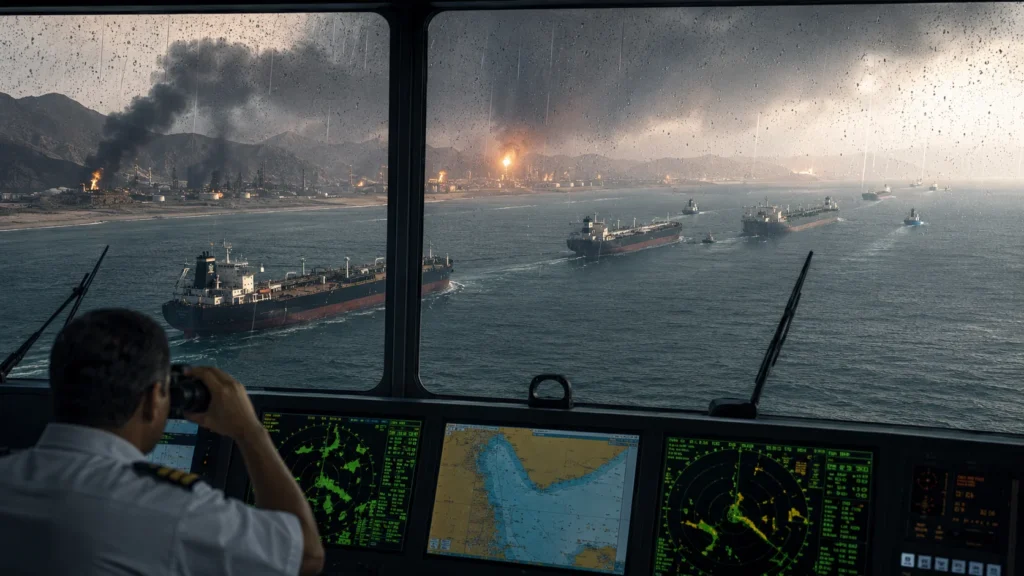
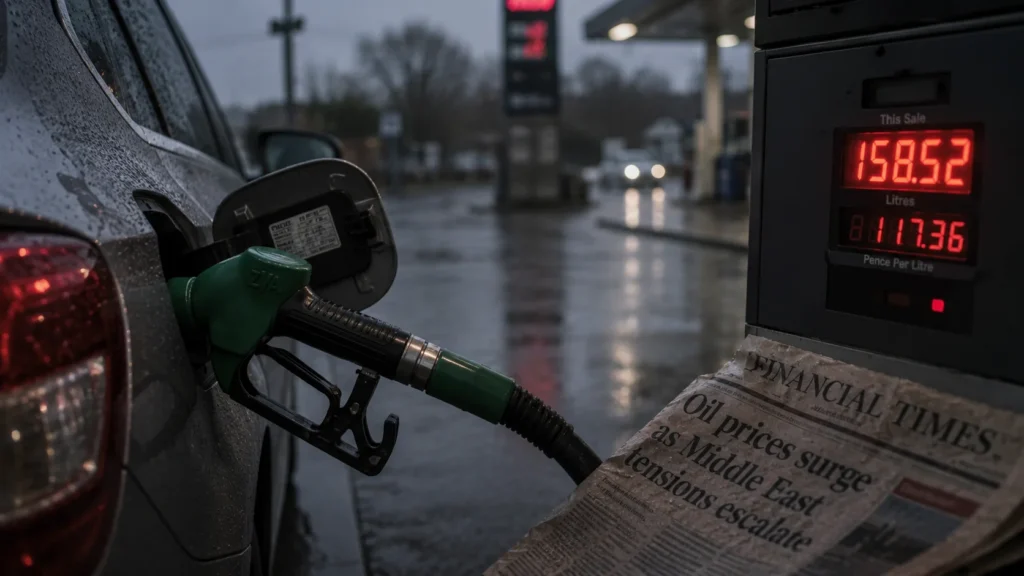
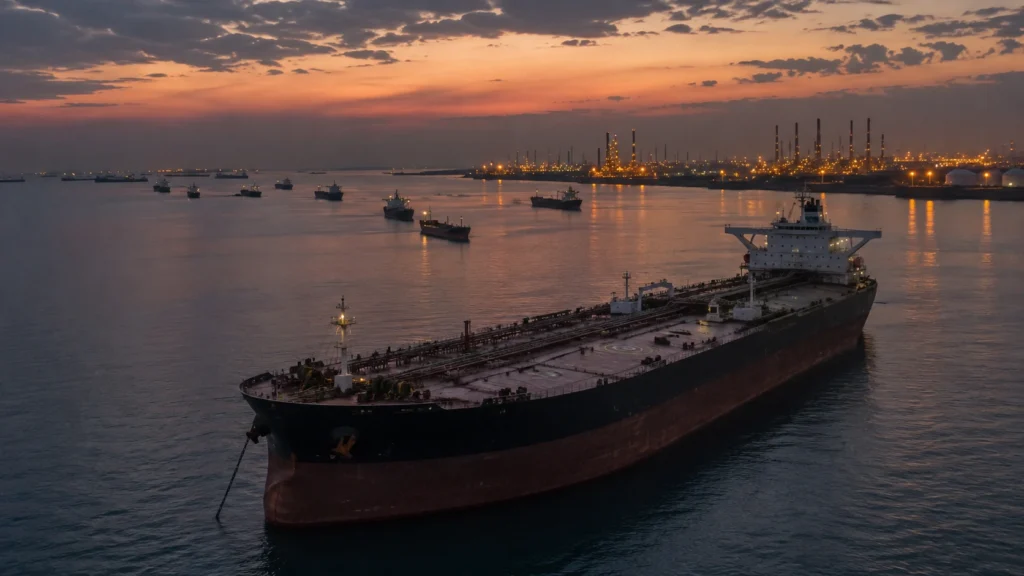
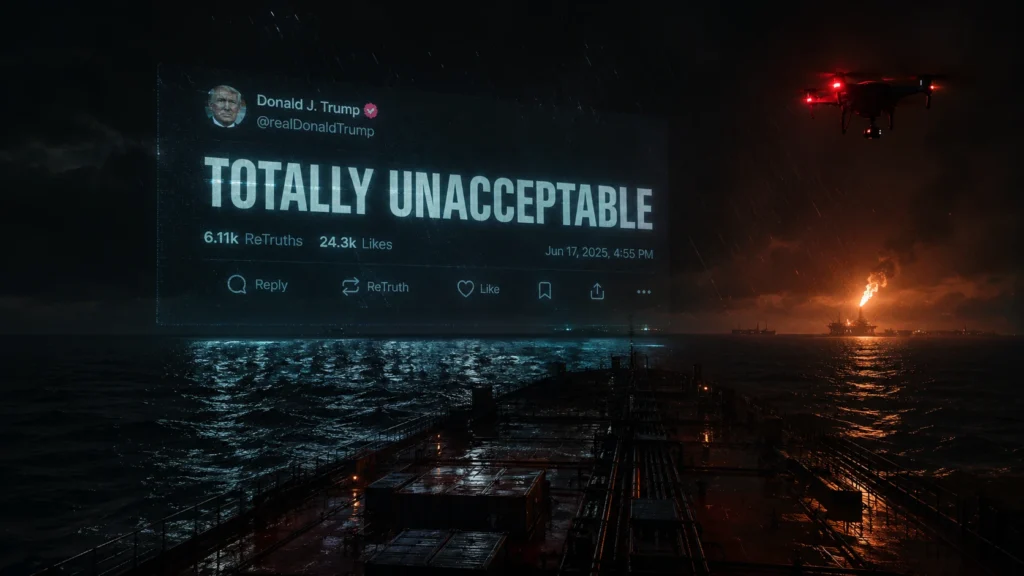
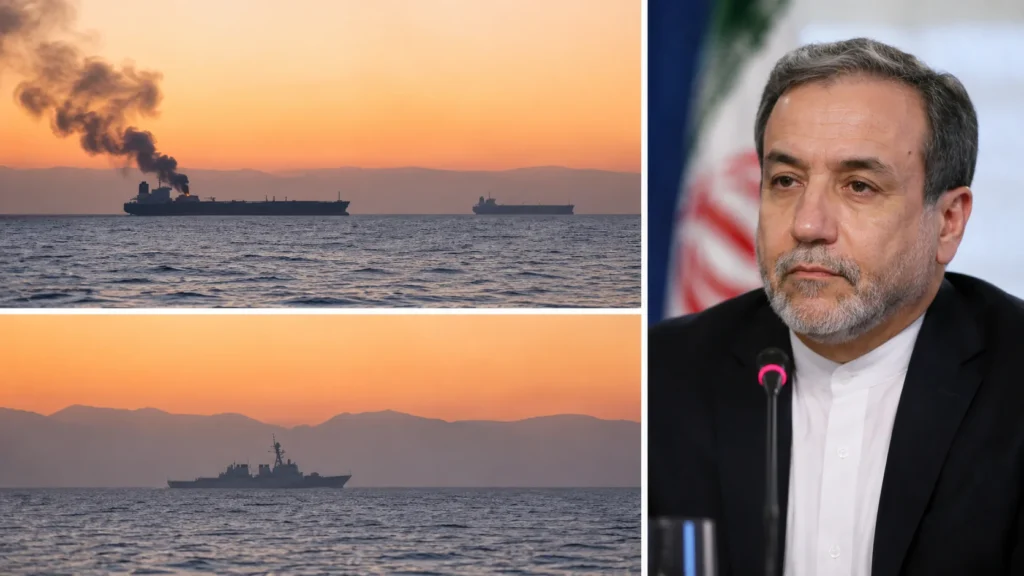
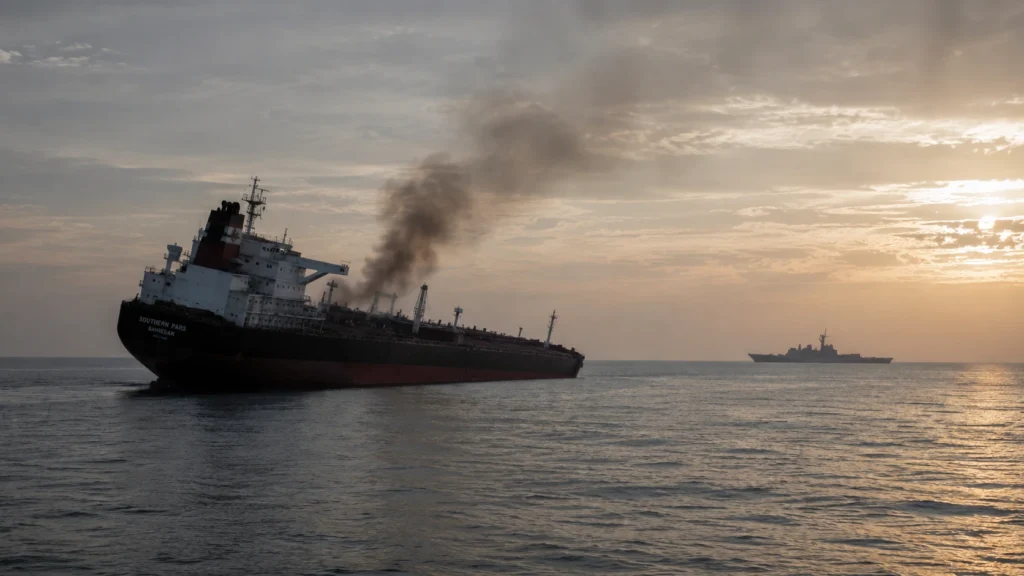
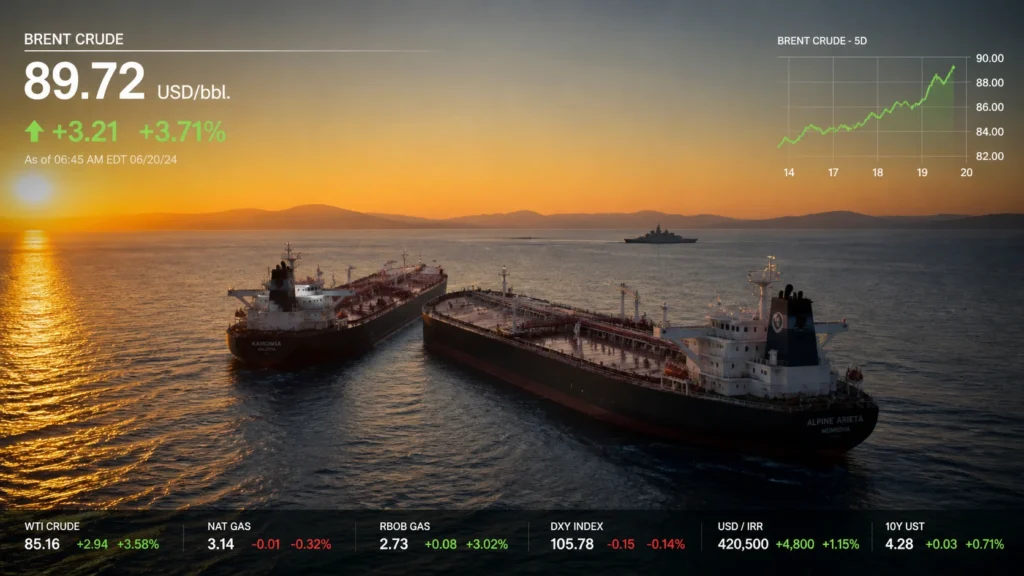
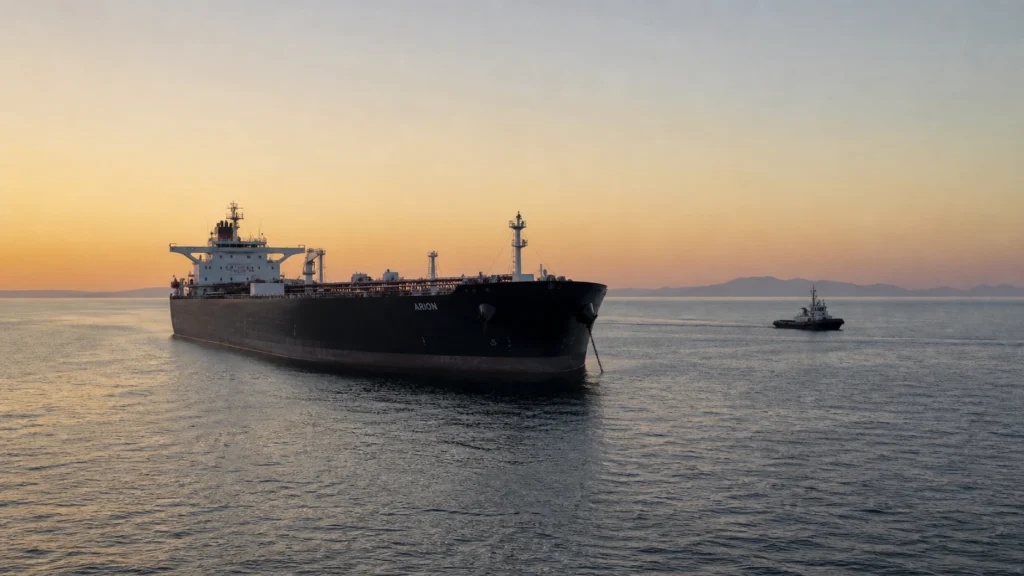
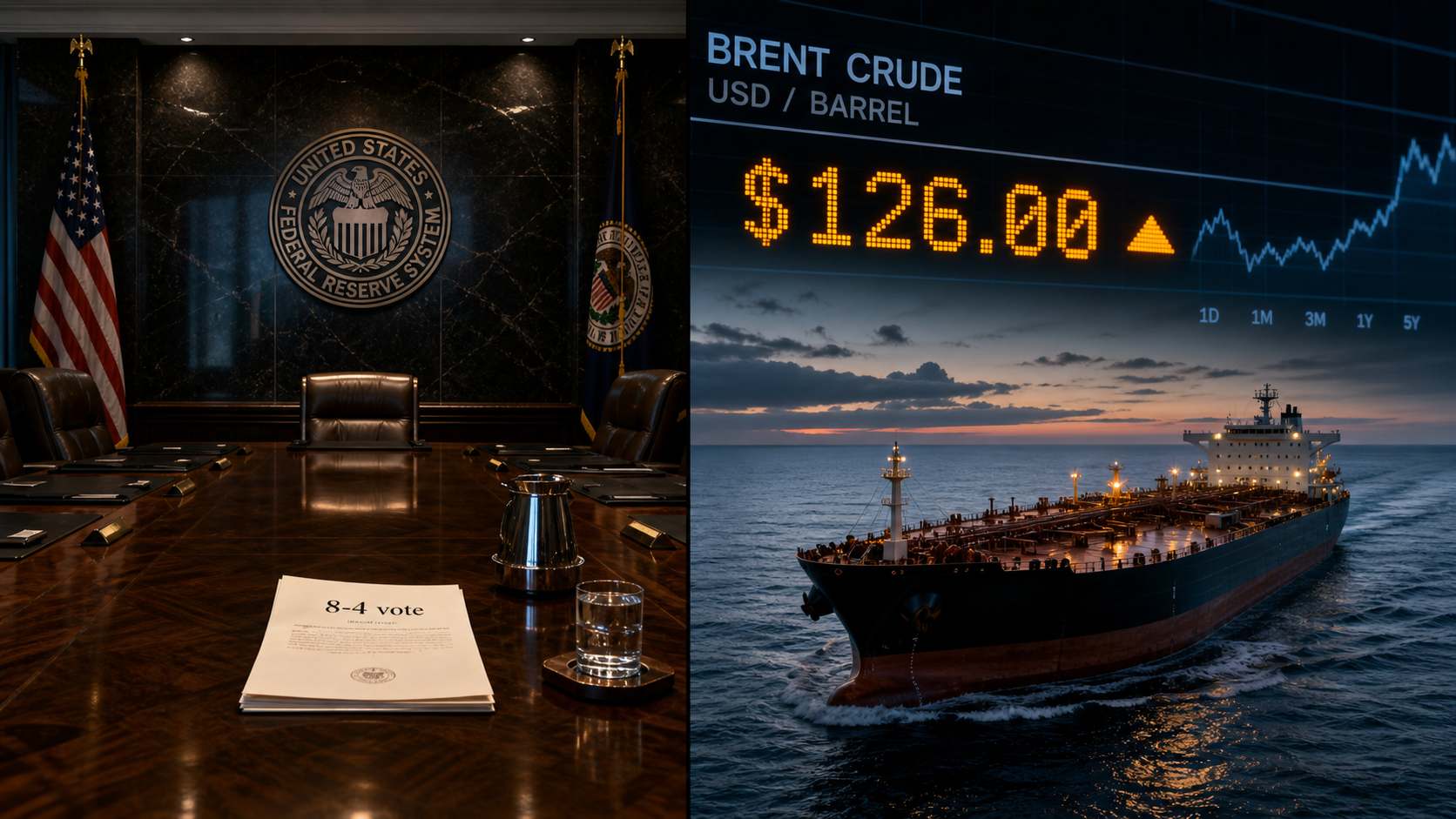
The strategy is not to win battles. It is to make the cost of continued US presence unbearable. Each tanker hit raises insurance premiums. Each drone strike on Saudi infrastructure tightens the global oil market. Each proxy activation forces Washington to defend more territory.
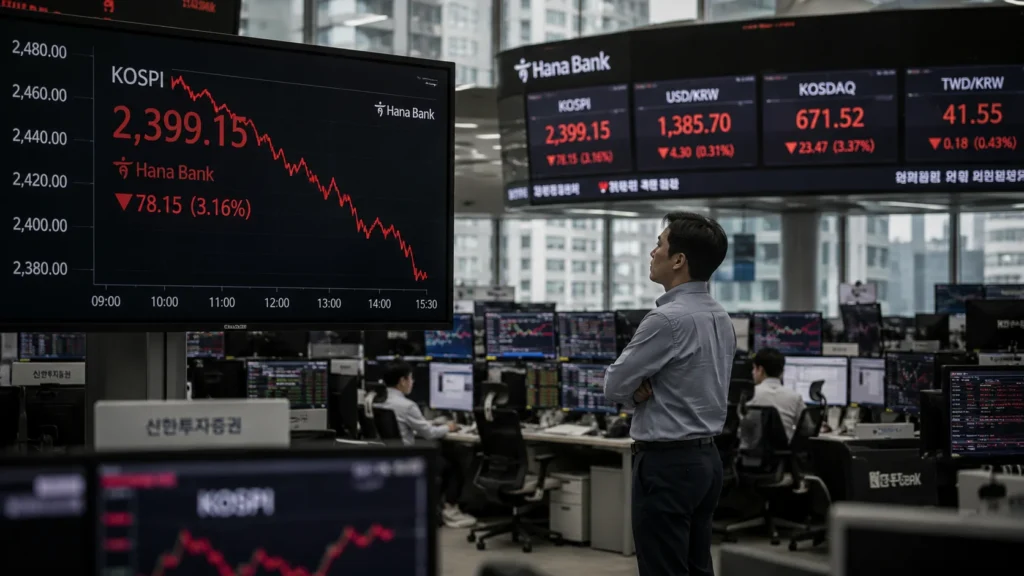
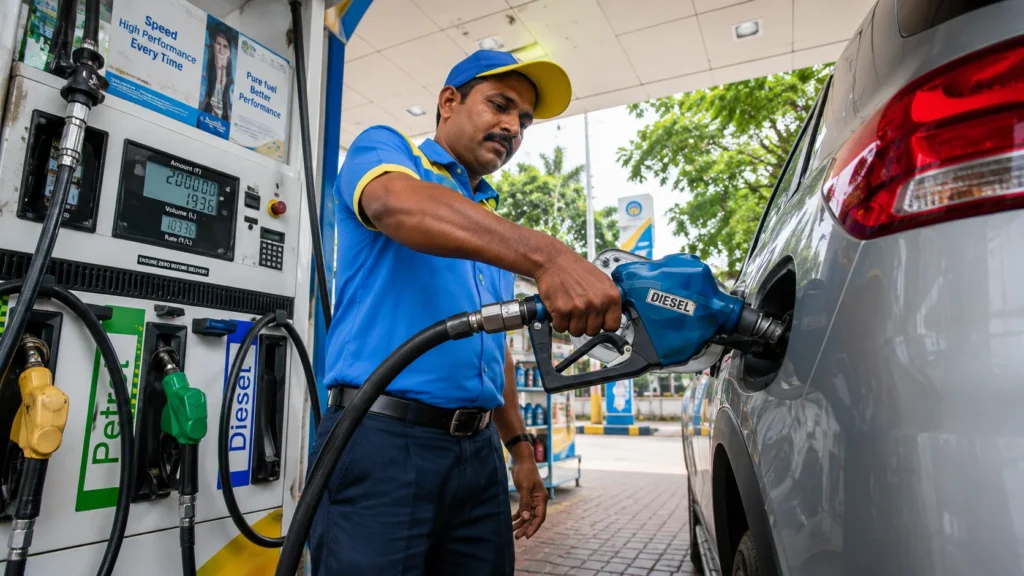
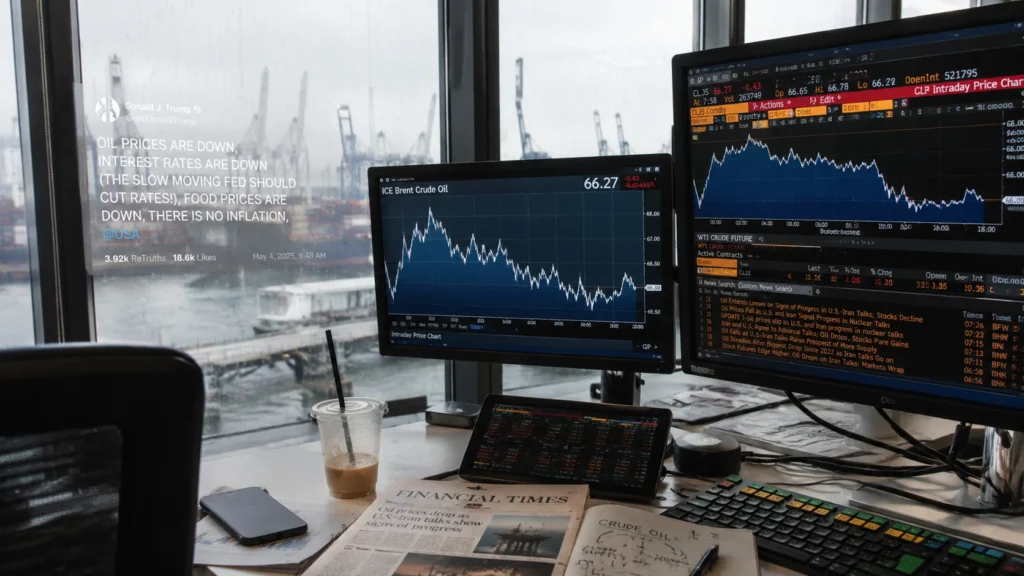
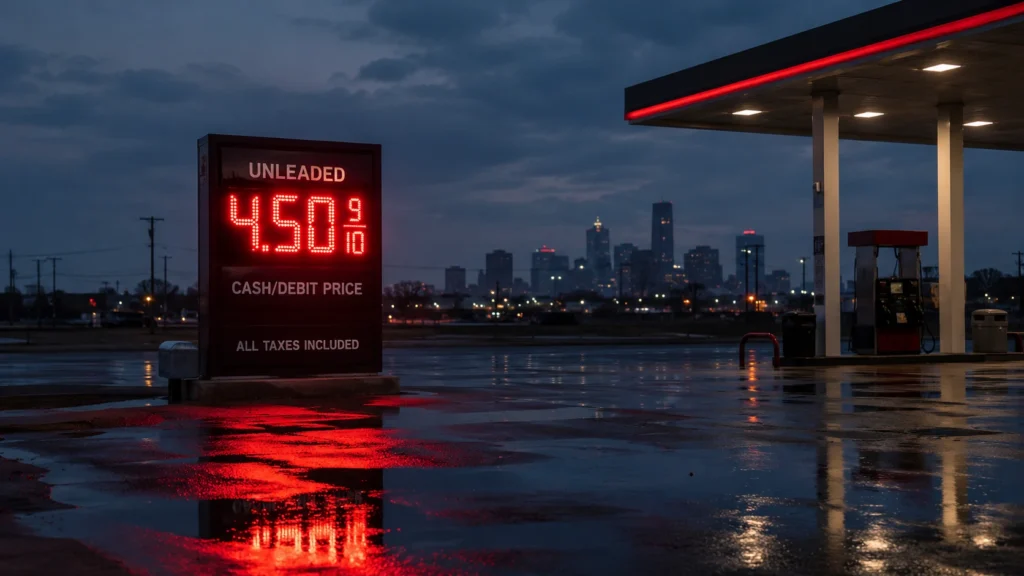
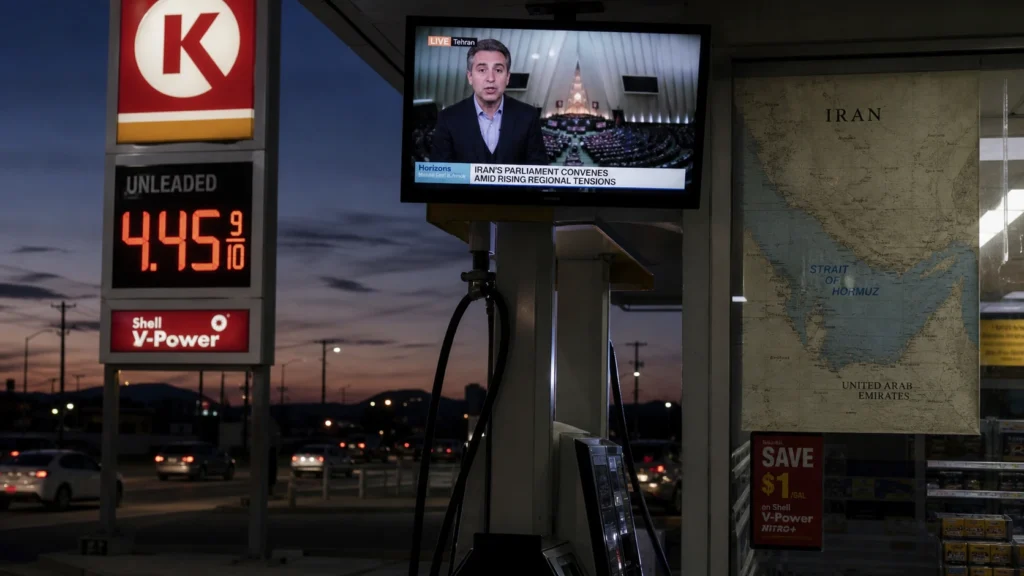
A sustained 15-20% oil price premium over six months shifts fiscal calculations for every importing nation. That is the weapon. Not the missile. The market.
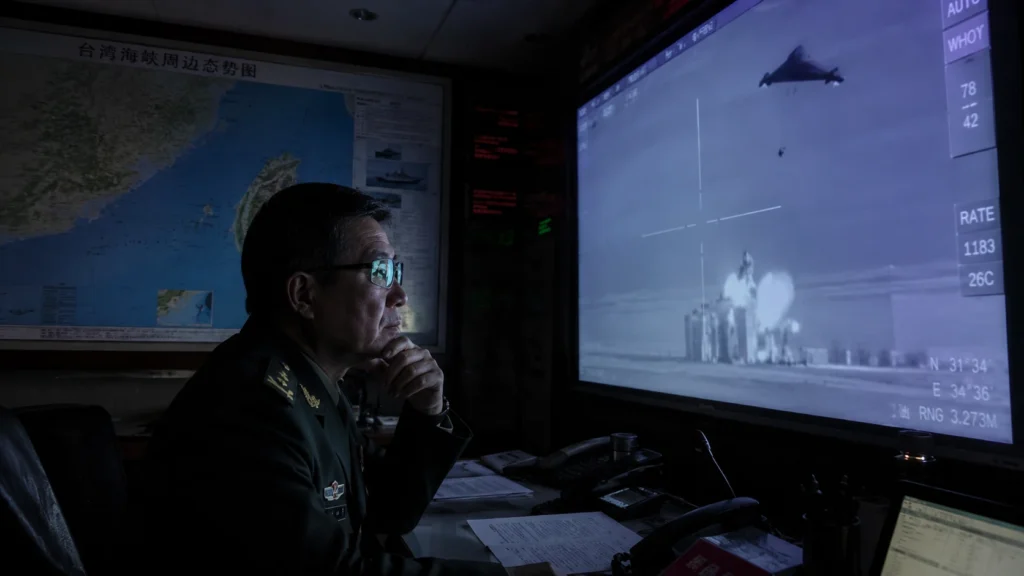
As previous analysis of Iran’s drone warfare capabilities documented, Tehran’s drone program has iterated faster than US countermeasures. Combat conditions accelerated the learning curve. The IRGC now deploys more maneuverable ballistic missiles with cluster warheads.
The Houthis demonstrate the model. A non-state actor, armed and advised by Tehran, strikes Saudi oil refineries at a fraction of the cost Saudi Arabia and the United States spend on defense. The asymmetry is the strategy.
Why Washington Cannot Dictate Terms
The United States holds overwhelming conventional superiority. That superiority matters less in a war where the enemy refuses to fight conventionally.
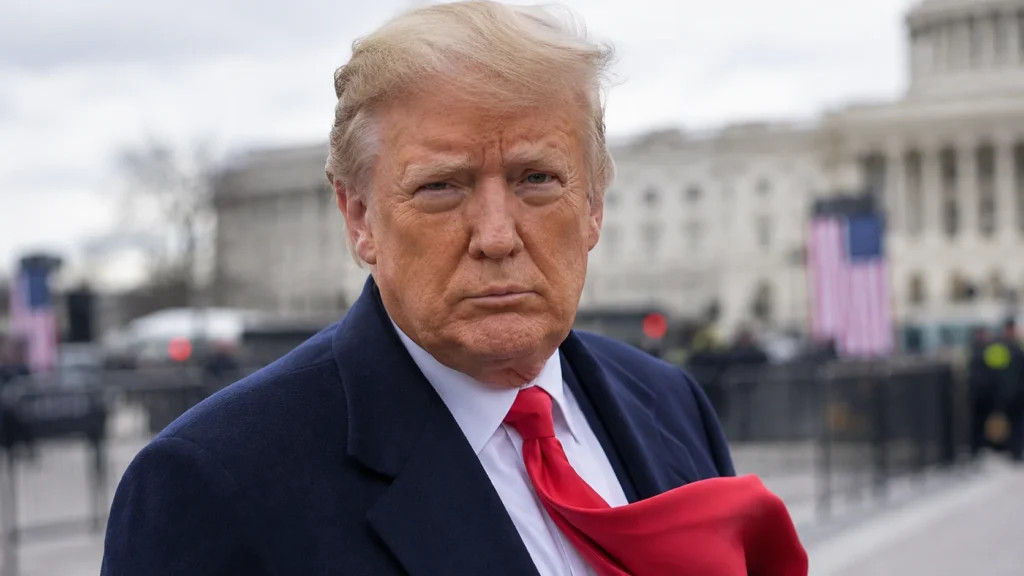
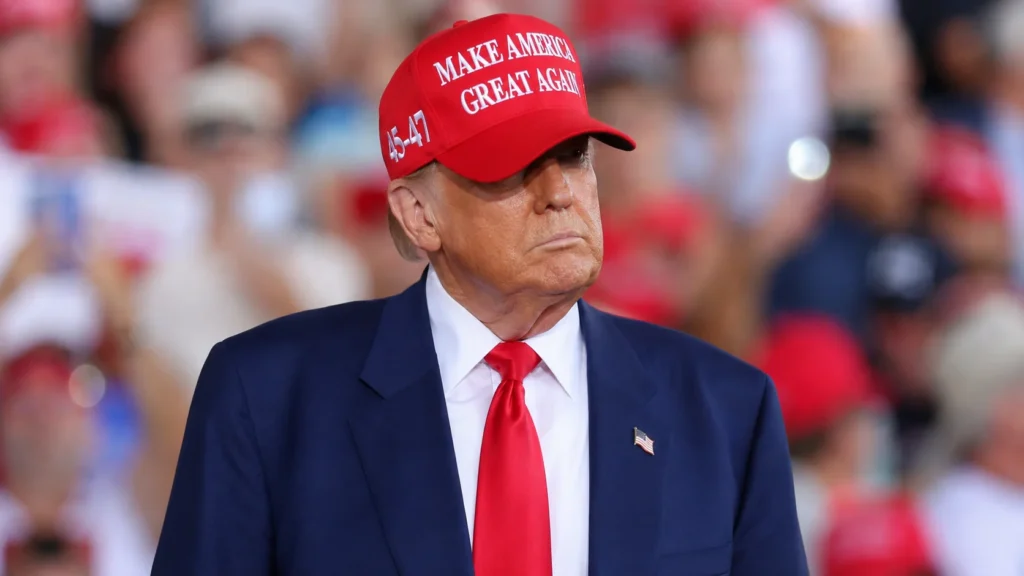
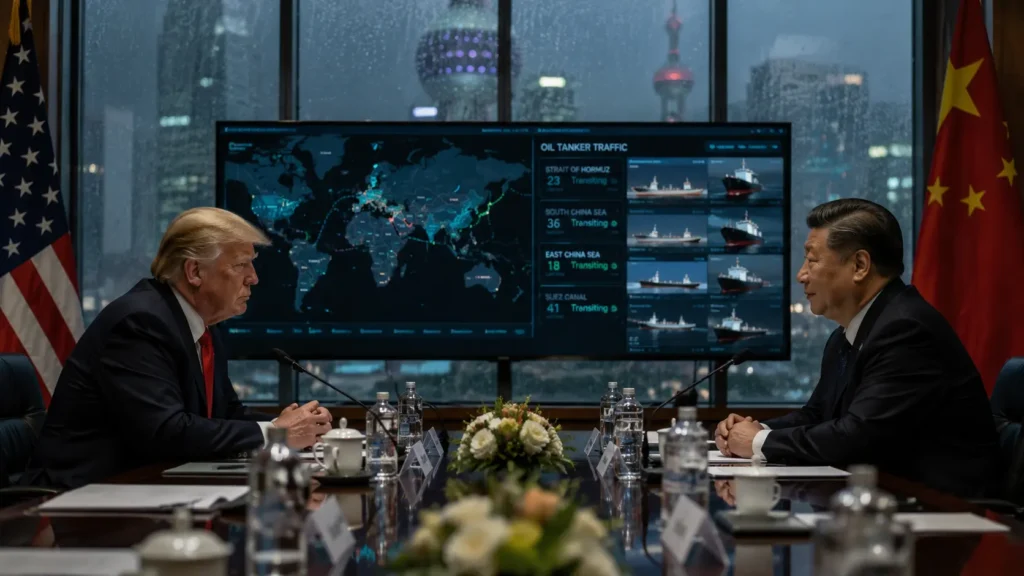
Sina Azodi, assistant professor of Middle East politics at George Washington University, told CNN that Rezaie’s faction believes “the only way to get concessions from the US is the continuation of fighting, exerting pressure on the US and a steady dose of pain on Donald Trump.”
The new fault line runs through the Strait of Hormuz, through the Red Sea, through Baghdad’s fragile authority over its own militias. Iran’s calculation is brutal but clear: the longer it holds on, the more leverage it accumulates. The war itself becomes a negotiation asset.
According to analysis from the Clingendael Institute, the mandate given to new IRGC chief Ahmad Vahidi was “to revise Iranian military strategy in a more assertive and offensive direction.”
The Proxy Problem
Iran’s offensive doctrine relies heavily on non-state actors. That creates a principal-agent problem.
The Houthis have their own agenda. Iraqi militias have their own interests. Hezbollah has its own calculations. The deeper Tehran draws on this network, the less control it exercises over their actions.
A proxy attack that goes too far could drag Iran into a war it did not choose. Yet Iran cannot abandon the proxies without losing strategic depth. The tension is built into the doctrine.
coverage of Quds Force commander Esmail Qaani’s Baghdad visit revealed the complexity. Iranian state media ignored the trip. But Qaani’s presence as Baghdad moved to disarm Iranian-backed militias signals Tehran’s unwillingness to surrender leverage in Iraq.
The Human Cost
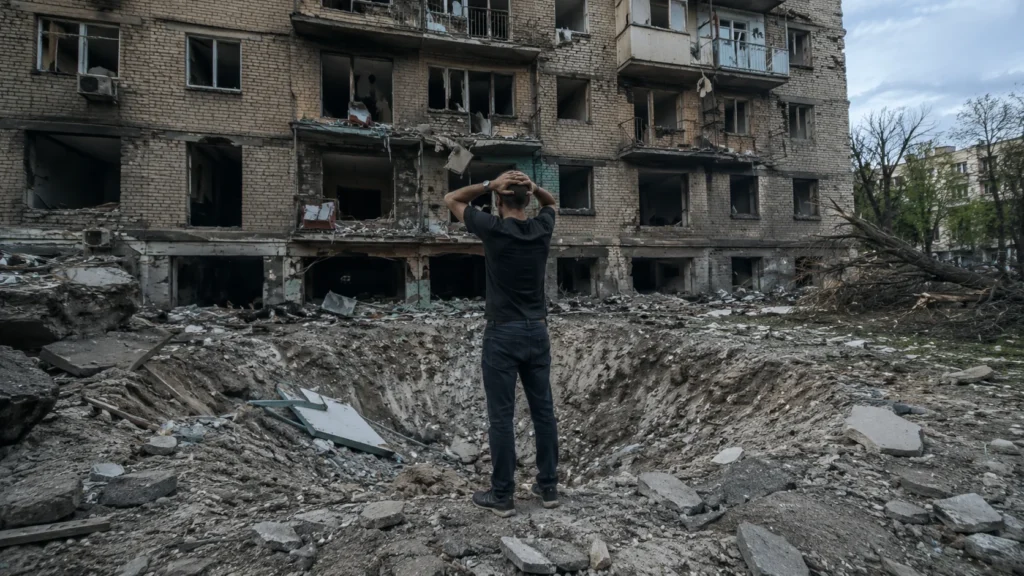
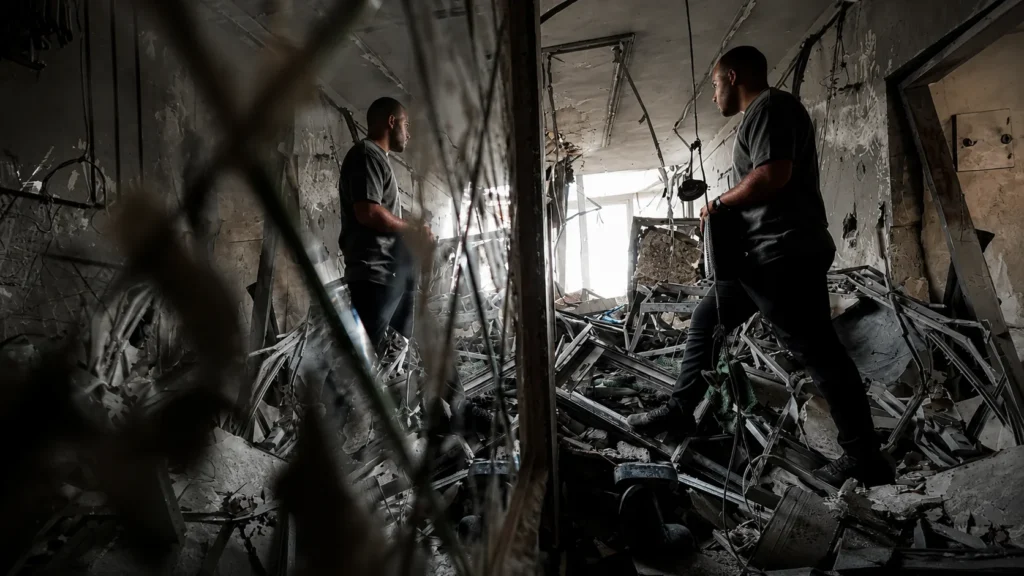
For ordinary Iranians, the offensive posture exacts a price no official communique acknowledges. Inflation runs hot. The rial’s value moves with each round of sanctions. Food and fuel subsidies strain under budget pressure.
But the Iranian public has absorbed the logic of resistance. Decades of sanctions produced psychological adaptation. The official narrative—that Iran is under siege—does not feel like propaganda to many. It feels like history.
The war strengthened the regime’s domestic position. Hardliners who argued America only understands force now look prescient. Reformists look naive.
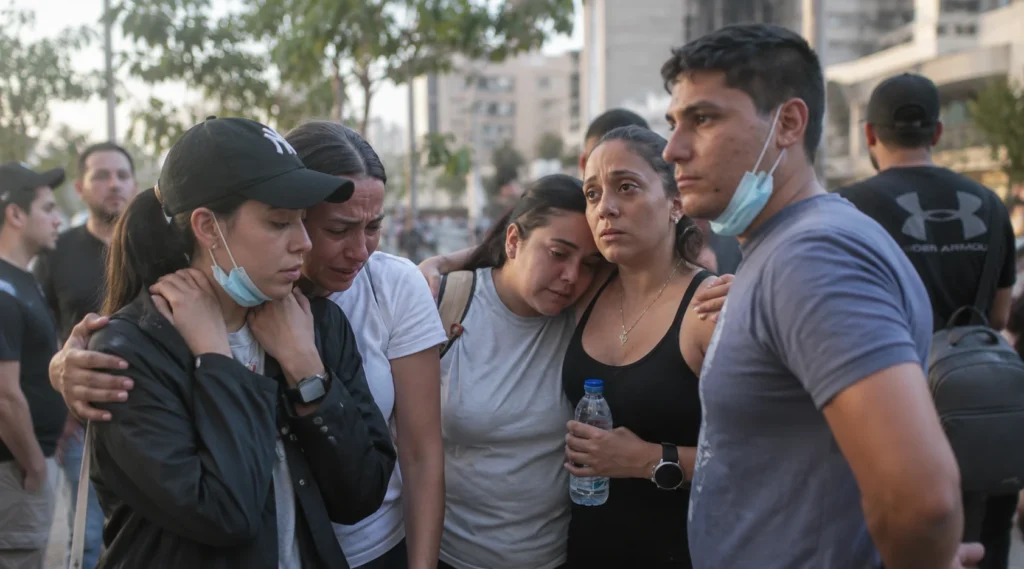
Across the Gulf, ordinary Saudis, Emiratis, and Iraqis live with different uncertainty. Not hardship, but vulnerability. Fear produces political deference to whoever promises security.
FAQ Section
What is Iran’s new offensive doctrine?
Iran’s new military doctrine shifts from reactive defense to proactive offense. Decrees issued in July 2026 call for “strong offensive operations against the enemy.” The IRGC now develops capabilities to strike US and allied targets beyond Iranian territory.
Why does the Strait of Hormuz matter?
The Strait of Hormuz carries roughly 20% of global oil supply. Any disruption—or threat of disruption—raises oil prices and insurance premiums. Iran does not need to close the strait. The ambiguity of intermittent attacks does the strategic work.
How does Iran’s proxy network factor into the strategy?
Iran uses non-state actors like the Houthis, Iraqi militias, and Hezbollah to pressure adversaries at low cost. These proxies provide plausible deniability and local knowledge. But they also operate with their own agendas, creating risks of unintended escalation.
What does this mean for oil prices?
A sustained 15-20% premium on oil prices over six months shifts fiscal calculations for every importing nation. Iran’s goal is not to stop oil flows entirely. It is to make them more expensive and less reliable.
Can the United States force Iran to back down?
The US holds overwhelming conventional military superiority. But that superiority matters less in asymmetric warfare. Iran’s strategy aims to make continued US presence politically and economically unsustainable.